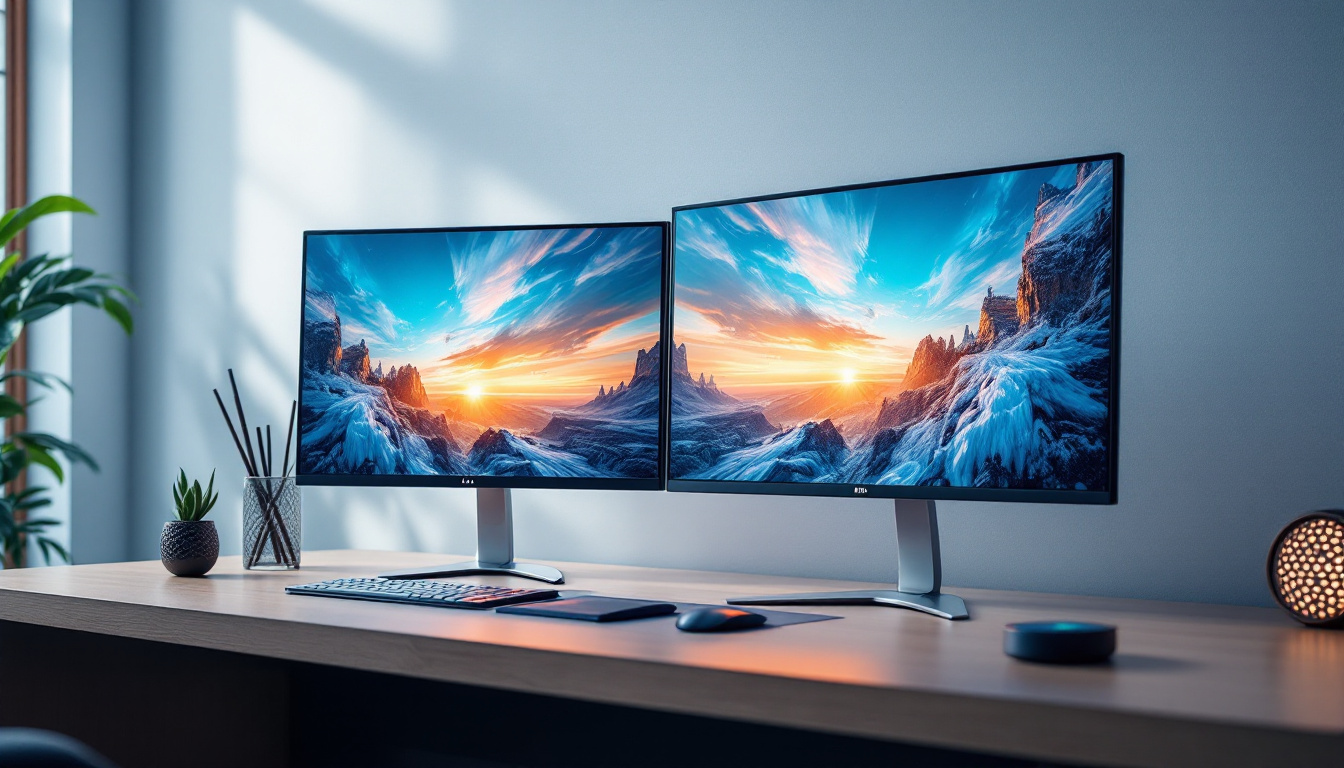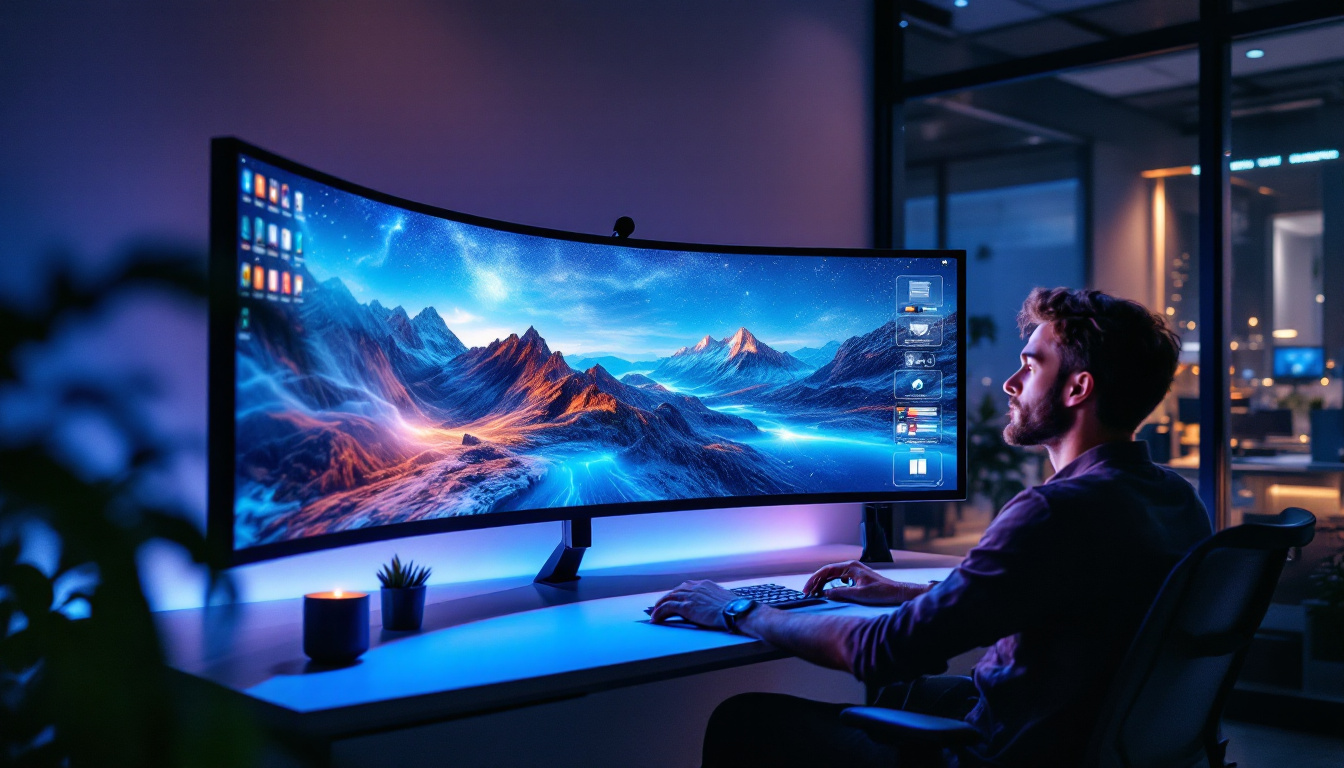
In an era where data breaches and visual hacking are increasingly common, protecting sensitive information displayed on computer monitors has become a priority for businesses and individuals alike. Monitor cover privacy solutions, particularly those involving LED display technologies, offer a sophisticated approach to safeguarding on-screen content from prying eyes. This article delves into the intricacies of monitor privacy covers, focusing on the role of LED displays, how they work, and why they are essential in today’s digital landscape.
Understanding Monitor Privacy and Its Importance
Visual hacking, or the unauthorized viewing of confidential information displayed on screens, poses a significant security risk in workplaces and public spaces. According to a study by the Ponemon Institute, over 90% of data breaches involve some form of human error, including accidental exposure of sensitive information on monitors. This highlights the critical need for effective privacy solutions.
Monitor privacy covers are designed to limit the viewing angle of a screen, ensuring that only the person directly in front of the monitor can see the content clearly. This prevents shoulder surfing and reduces the risk of sensitive data being seen by unauthorized individuals nearby. Industries such as finance, healthcare, legal services, and government agencies particularly benefit from these privacy measures due to the sensitive nature of their data. Moreover, with the increasing prevalence of hybrid work models, the importance of safeguarding information in shared spaces has never been more pronounced. Employees are often required to access sensitive files on the go, making monitor privacy not just a luxury but a necessity.
The Growing Demand for Privacy Solutions
With the rise of remote work and the increased use of public Wi-Fi networks, employees often find themselves working in less secure environments such as cafes, airports, or co-working spaces. This shift has amplified the need for portable and effective privacy solutions. Monitor privacy covers, especially those utilizing LED display technologies, offer a practical way to maintain confidentiality without compromising screen clarity or user comfort. In addition to physical privacy solutions, organizations are also exploring software-based options, such as screen dimming applications that can further obscure content from prying eyes. These dual approaches not only enhance security but also promote a culture of awareness regarding data protection among employees.
Furthermore, the growing awareness of data privacy regulations, such as GDPR and HIPAA, has made it imperative for businesses to adopt comprehensive security measures. Non-compliance can lead to hefty fines and reputational damage, making the investment in monitor privacy solutions a strategic move. Companies are now looking for customizable solutions that can cater to their specific needs, such as adjustable privacy filters that can be easily switched on or off depending on the environment. As the landscape of work continues to evolve, the demand for innovative privacy solutions will likely increase, pushing manufacturers to develop more advanced technologies that cater to the diverse needs of modern workplaces.
What Are LED Displays and How Do They Work?
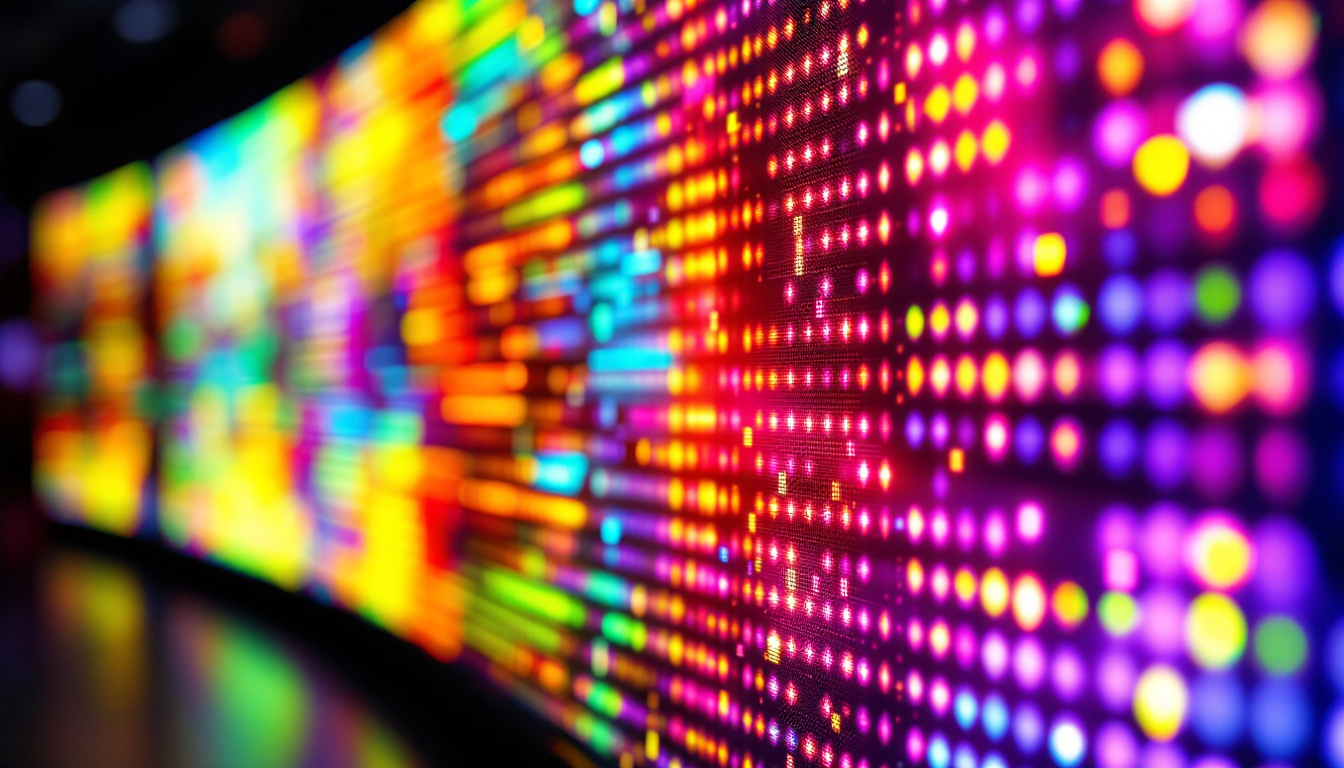
LED, or Light Emitting Diode, displays have become the standard for modern monitors due to their superior brightness, energy efficiency, and color accuracy. Unlike older LCD monitors that rely on fluorescent backlighting, LED displays use an array of tiny light-emitting diodes to illuminate the screen.
LED technology allows for thinner, lighter monitors with better contrast ratios and faster refresh rates. These attributes contribute not only to a better viewing experience but also enable advanced privacy features to be integrated more seamlessly.
Types of LED Displays
There are several types of LED displays commonly used in monitors:
- Edge-Lit LED: LEDs are positioned around the edges of the screen, providing backlighting that is diffused across the display. This design allows for slim monitors but may have less uniform brightness.
- Direct-Lit LED: LEDs are placed directly behind the screen, offering better brightness uniformity and contrast.
- Mini-LED: A newer technology featuring thousands of tiny LEDs for precise local dimming, enhancing contrast and enabling more sophisticated privacy filters.
- Micro-LED: An emerging technology with individual LEDs acting as pixels, promising exceptional brightness and privacy capabilities in the future.
How LED Technology Enhances Monitor Privacy Covers
Traditional privacy filters are physical screens that attach to monitors to narrow the viewing angle, often resulting in reduced brightness and color accuracy. However, LED display technology enables more advanced privacy solutions that integrate directly with the monitor’s hardware and software.
Dynamic Privacy Filters Using LED Control
Some modern monitors use LED backlighting control to create dynamic privacy filters. By adjusting the brightness and polarization of specific LED zones, these displays can restrict the viewing angle electronically without the need for an external filter. This approach maintains screen clarity for the user while obscuring the display for anyone viewing from the side.
This technology is particularly useful in environments where users frequently change positions or share screens, as it allows for real-time adjustment of privacy settings. For example, a user can activate a privacy mode that narrows the viewing angle when working on sensitive documents and disable it when collaborating with colleagues.
Integration with Touch and Gesture Controls
Advanced LED displays can integrate privacy features with touch and gesture controls, allowing users to toggle privacy modes easily. This seamless interaction enhances usability and encourages consistent use of privacy features, which is crucial for maintaining data security.
Benefits of Using LED-Based Monitor Privacy Covers
LED-based privacy solutions offer several advantages over traditional physical privacy filters. These benefits make them an attractive choice for both corporate and personal users seeking to protect sensitive information.
Improved Visual Quality
Because LED privacy filters can be integrated into the display’s backlighting system, they avoid the dimming and color distortion often caused by physical filters. Users experience sharper images, more vibrant colors, and better overall display performance.
Enhanced Security and Flexibility
Dynamic LED privacy filters can be programmed to activate automatically based on user preferences or environmental conditions. For instance, a monitor could detect when it is in a public space and enable privacy mode accordingly. This adaptability ensures that privacy measures are consistently applied without user intervention.
Durability and Maintenance
Unlike physical privacy screens that can scratch, peel, or require frequent cleaning, LED-based privacy features are built into the monitor hardware, reducing maintenance needs and extending the lifespan of the privacy solution.
Practical Applications and Use Cases
Understanding where and how LED-based monitor privacy covers are most effective helps organizations and individuals make informed decisions about their security investments.
Corporate Environments
In open-plan offices, where multiple employees work in close proximity, LED privacy filters help prevent accidental data exposure. Financial institutions, law firms, and healthcare providers use these solutions to comply with regulations such as HIPAA and GDPR by safeguarding client and patient information.
Remote Work and Mobile Professionals
With the increase in remote work, professionals often use laptops and portable monitors in public spaces. LED privacy covers provide a lightweight, integrated solution that protects sensitive data without adding bulk or complexity.
Government and Defense Sectors
Security agencies and defense contractors require the highest levels of information protection. LED display privacy technologies can be combined with other cybersecurity measures to create a comprehensive defense against both digital and physical data breaches.
Choosing the Right Monitor Privacy Solution
Selecting the appropriate privacy solution depends on several factors, including the level of security required, budget, and the type of work being performed.
Assessing Security Needs
Organizations should conduct risk assessments to identify potential vulnerabilities related to visual hacking. For highly sensitive environments, integrated LED privacy displays may be preferable, while less critical settings might suffice with traditional physical filters.
Compatibility and Installation
LED-based privacy features are often built into new monitors, so upgrading hardware might be necessary. For existing setups, physical privacy screens remain a viable option. It is important to ensure that any privacy solution does not interfere with display performance or user ergonomics.
Cost Considerations
While integrated LED privacy monitors may have a higher upfront cost, their durability, ease of use, and superior visual quality can justify the investment. Physical privacy filters are more affordable but may require replacement over time.
Future Trends in Monitor Privacy and LED Technology
The intersection of LED display advancements and privacy technology continues to evolve, promising even more effective and user-friendly solutions.
AI-Driven Privacy Modes
Artificial intelligence could enable monitors to detect when sensitive information is displayed and automatically adjust privacy settings. This proactive approach reduces human error and enhances data protection.
Micro-LED and Beyond
Emerging micro-LED technology offers the potential for pixel-level control of brightness and color, enabling unprecedented privacy capabilities. These displays could selectively obscure parts of the screen visible to unauthorized viewers while keeping the rest clear.
Augmented Reality and Privacy
As augmented reality (AR) and virtual reality (VR) devices become more common, integrating privacy features into these displays will be critical. LED technology will play a central role in ensuring that sensitive AR/VR content remains confidential.
Conclusion
Monitor cover privacy solutions, especially those leveraging LED display technology, represent a significant advancement in protecting sensitive information from visual hacking. By combining superior display quality with dynamic privacy controls, LED-based privacy covers offer a practical and effective way to maintain confidentiality in various settings.
As data security concerns grow and work environments become more mobile and collaborative, investing in advanced monitor privacy solutions is not just a matter of convenience but a critical component of comprehensive cybersecurity strategies. Staying informed about the latest LED display innovations and their privacy applications empowers organizations and individuals to safeguard their digital information effectively.
Discover Advanced Privacy with LumenMatrix LED Displays
Embrace the future of visual data protection with LumenMatrix’s innovative LED display solutions. As a pioneer in LED technology, LumenMatrix offers an array of products designed to secure your sensitive information while providing an immersive viewing experience. From dynamic indoor and outdoor LED walls to specialized displays for vehicles, sports, and custom applications, our solutions are tailored to meet the demands of a privacy-conscious world. Elevate your security and captivate your audience—check out LumenMatrix LED Display Solutions today and step into a new era of protected, crystal-clear visual communication.