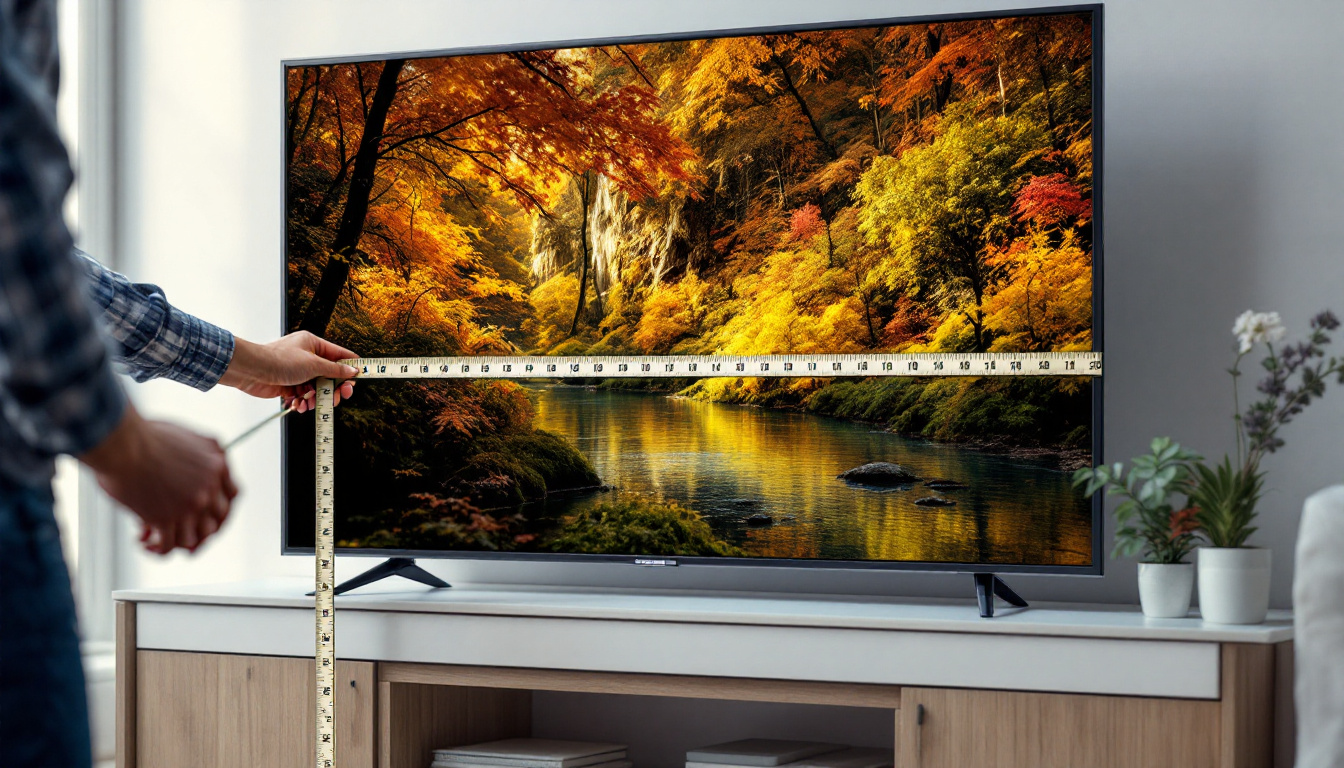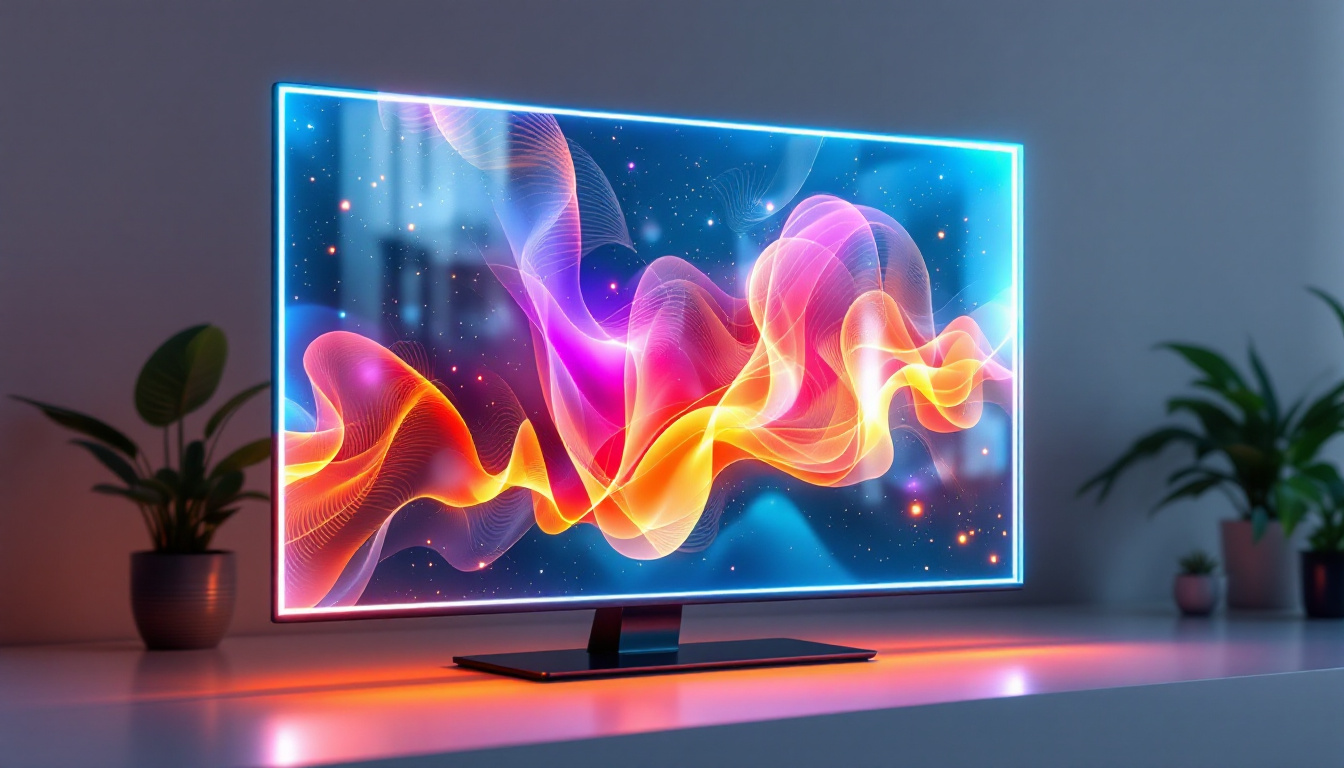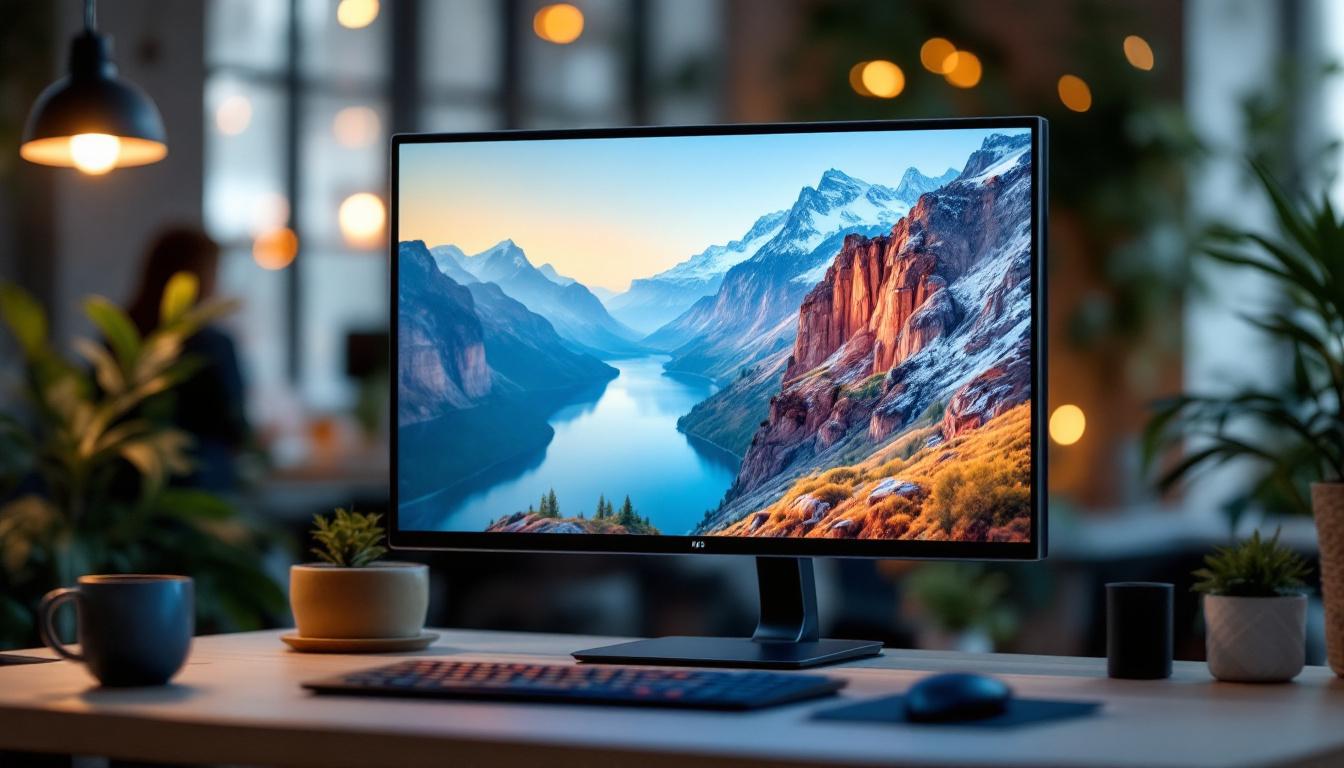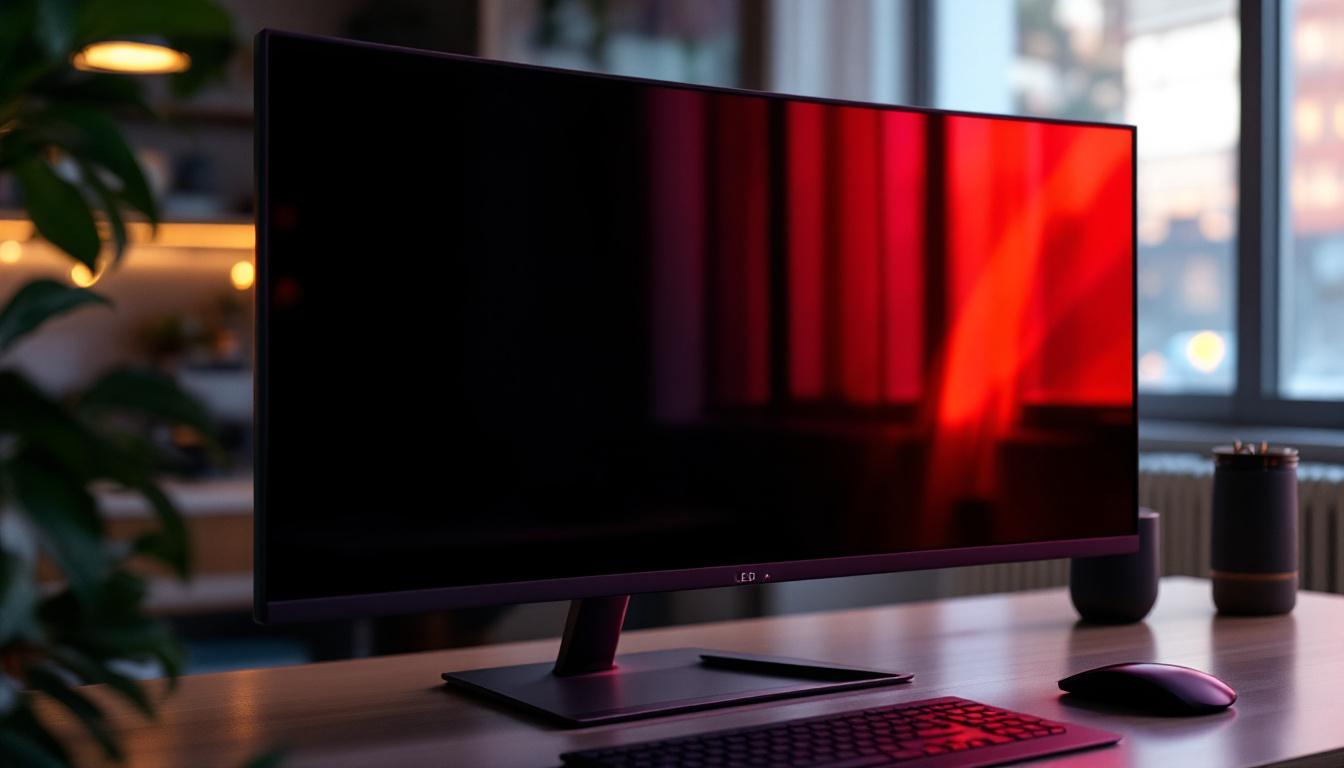
In today’s digital age, LED displays have become a cornerstone of visual communication, from advertising billboards to indoor signage and control room monitors. Among the many components that contribute to the performance and longevity of an LED display, the often-overlooked monitor legs play a crucial role in stability, positioning, and overall user experience. This article delves into the specifics of monitor legs in LED displays, explaining their design, functionality, and importance in various applications.
Understanding LED Displays: A Brief Overview
LED (Light Emitting Diode) displays have revolutionized the way information is presented visually. Unlike traditional LCD or plasma screens, LED displays use an array of tiny light-emitting diodes to produce bright, vibrant images with excellent contrast and energy efficiency. These displays are highly versatile, found in everything from smartphones and televisions to massive outdoor advertising screens. The technology behind LED displays allows for thinner and lighter designs, which has led to innovations such as curved screens and flexible displays, further enhancing the user experience.
LED technology offers several advantages, including longer lifespan, lower power consumption, and superior brightness levels, making it ideal for both indoor and outdoor environments. However, the physical structure supporting these displays, including the monitor legs, is equally important to ensure optimal performance and safety. For instance, outdoor LED displays are often designed with robust weatherproof casings to withstand harsh environmental conditions, ensuring longevity and reliability. Additionally, advancements in LED technology have led to the development of smart displays that can adjust brightness based on ambient light, enhancing visibility while conserving energy.
Moreover, the color accuracy and refresh rates of LED displays have improved significantly, making them suitable for a wide range of applications, from professional video editing to gaming. The ability to produce a wide color gamut allows for more realistic images and videos, which is crucial in industries such as film and photography. Furthermore, the integration of LED displays with modern technologies, such as augmented reality (AR) and virtual reality (VR), is pushing the boundaries of how we interact with visual content, creating immersive experiences that were previously unimaginable.
As LED technology continues to evolve, we are witnessing the emergence of MicroLED and MiniLED displays, which promise even greater performance and efficiency. These advancements not only enhance picture quality but also pave the way for new applications in various fields, including medical imaging and automotive displays. The future of LED displays looks promising, with ongoing research and development aimed at improving their functionality and sustainability, ensuring they remain at the forefront of visual technology.
The Role of Monitor Legs in LED Displays
Structural Stability and Support
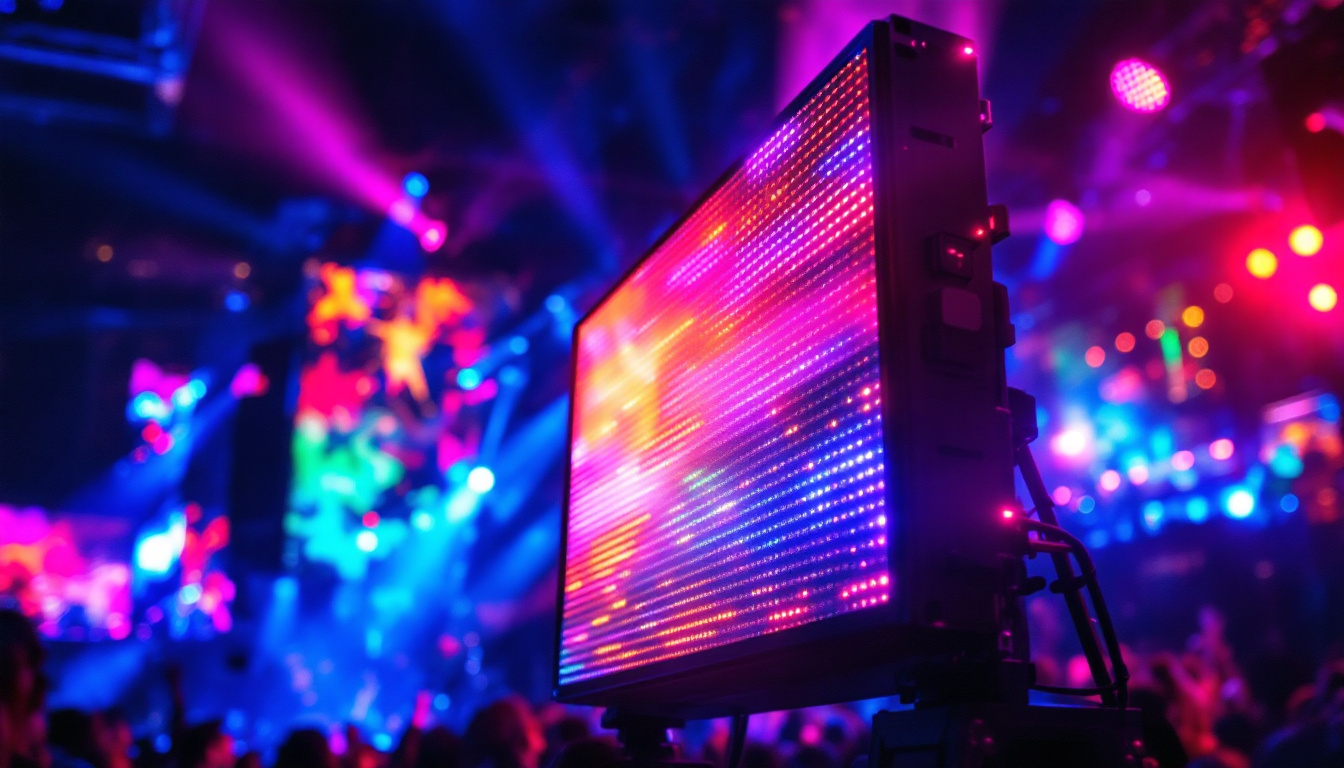
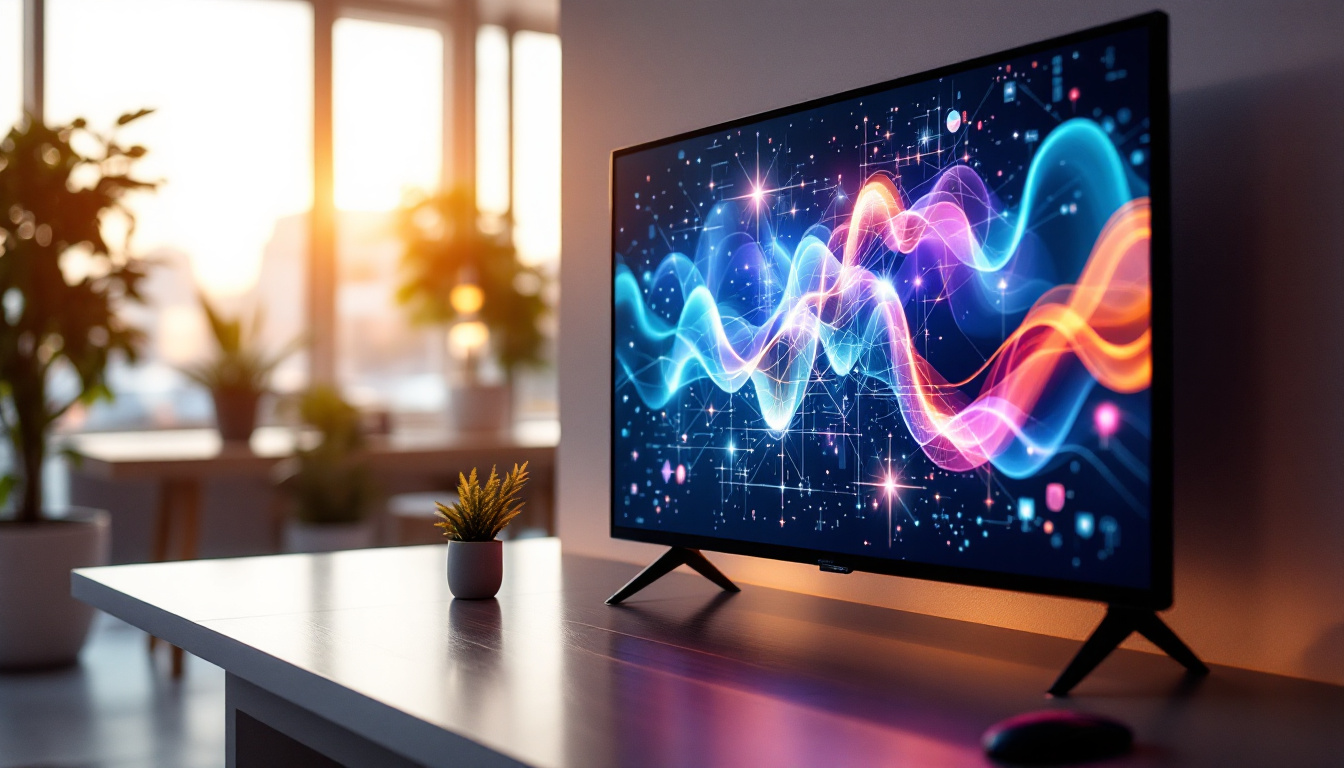
Monitor legs serve as the foundational support system for LED displays, especially for freestanding or portable units. Their primary function is to provide structural stability, preventing the display from tipping over or wobbling during use. This is particularly critical for large-format LED panels used in exhibitions, trade shows, or public events where safety and reliability are paramount.
High-quality monitor legs are engineered to distribute the weight of the LED panel evenly, reducing stress on the frame and minimizing the risk of damage. Materials such as reinforced aluminum or steel are commonly used to ensure durability without adding excessive weight, which is crucial for transportable displays.
Adjustability and Ergonomics
Another important aspect of monitor legs is their adjustability. Many LED displays come with legs that can be extended, retracted, or tilted to achieve the perfect viewing angle. This flexibility enhances ergonomics, allowing users to customize the display’s height and orientation according to the environment and audience.
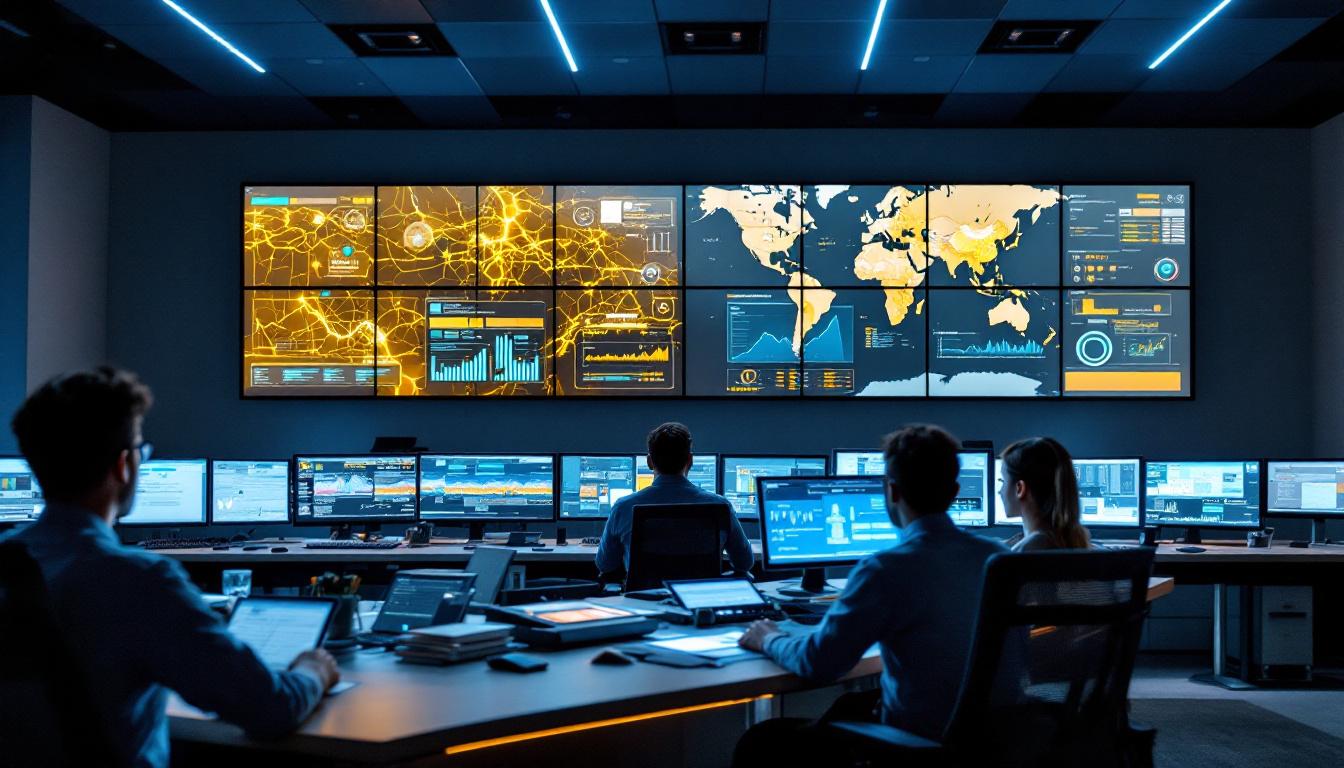
For example, in control rooms or conference settings, the ability to adjust the monitor legs ensures that operators or presenters maintain comfortable posture and clear sightlines, reducing fatigue and improving interaction with the display. Adjustable legs also facilitate easier maintenance and installation, as technicians can position the display optimally during setup.
Types of Monitor Legs for LED Displays
Fixed Legs
Fixed monitor legs are the simplest type, providing a stable base without any adjustment capabilities. These legs are ideal for permanent installations where the display’s position is unlikely to change. Fixed legs are typically robust and cost-effective, making them a popular choice for outdoor billboards or digital signage mounted on flat surfaces.
Despite their simplicity, fixed legs must be precisely engineered to handle the display’s weight and environmental factors such as wind or vibrations. Proper anchoring and material selection are essential to ensure long-term stability.
Adjustable and Telescopic Legs
Adjustable legs offer greater versatility, allowing users to modify the height and angle of the LED display. Telescopic legs, a subtype of adjustable legs, can extend or collapse in sections, providing a wide range of height options. These legs are commonly used in portable LED displays for events, exhibitions, and retail environments.
The ability to fine-tune the display’s position enhances visibility and user comfort. Additionally, adjustable legs often incorporate locking mechanisms to secure the display firmly once the desired position is set, preventing accidental movement.
Foldable and Detachable Legs
For maximum portability, some LED displays feature foldable or detachable monitor legs. Foldable legs can be collapsed against the display for compact storage and transport, while detachable legs can be completely removed and reattached as needed. These designs are particularly beneficial for rental companies and event organizers who frequently move displays between locations.
While these legs prioritize convenience, they must still provide reliable support when deployed. Manufacturers often reinforce hinge points and attachment mechanisms to maintain stability despite the added mobility features.
Material Considerations and Durability
The choice of materials for monitor legs significantly impacts the durability and performance of LED displays. Common materials include aluminum, steel, and composite alloys, each offering distinct advantages.
Aluminum is lightweight and corrosion-resistant, making it suitable for portable and outdoor displays. Steel provides superior strength and rigidity, ideal for larger or permanent installations where weight is less of a concern. Composite materials can offer a balance of strength and weight, often incorporating carbon fiber or reinforced plastics for specialized applications.
Environmental factors such as humidity, temperature fluctuations, and exposure to UV rays also influence material selection. For outdoor LED displays, monitor legs must resist rust and degradation to maintain safety and appearance over time.
Installation and Maintenance of Monitor Legs
Proper Installation Techniques
Correct installation of monitor legs is essential for ensuring the safety and longevity of LED displays. Installation procedures vary depending on the leg type and display size but generally involve securing the legs to the display frame using bolts, screws, or locking mechanisms.
For fixed legs, anchoring the base to the floor or mounting surface may be necessary to prevent tipping, especially in high-traffic or windy environments. Adjustable and foldable legs require careful alignment and secure locking to maintain position during use.
Routine Maintenance and Inspection
Regular maintenance of monitor legs helps prevent mechanical failure and extends the lifespan of the LED display. Inspections should focus on checking for loose bolts, wear on moving parts, corrosion, and structural damage. Lubrication of hinges and adjustment mechanisms may be required to ensure smooth operation.
In event setups or rental scenarios, quick pre-use checks are vital to guarantee stability and safety. For permanent installations, scheduled maintenance can be integrated into broader facility management routines.
Common Challenges and Solutions
Dealing with Uneven Surfaces
One common challenge when using LED displays with monitor legs is ensuring stability on uneven or sloped surfaces. Uneven ground can cause wobbling or tipping, risking damage to the display and injury to users. To address this, many monitor legs come with adjustable feet or leveling pads that compensate for surface irregularities.
In some cases, additional support structures or anchoring systems may be necessary, particularly for large outdoor displays exposed to wind loads. Proper site assessment before installation is crucial to identify and mitigate these risks.
Weight and Portability Trade-offs
Balancing the weight of monitor legs with portability is another challenge. Heavier legs provide better stability but reduce ease of transport, while lighter legs enhance mobility but may compromise sturdiness. Manufacturers often optimize leg design to strike a balance, using lightweight yet strong materials and innovative engineering solutions.
For users, selecting the appropriate monitor leg type depends on the intended use case. Permanent installations can prioritize stability, while rental or event displays benefit from lightweight, adjustable legs.
Future Trends in Monitor Legs for LED Displays
As LED display technology continues to evolve, so too do the designs and functionalities of monitor legs. Emerging trends include the integration of smart features such as motorized adjustment, remote control positioning, and sensor-based leveling systems.
Advancements in materials science are also enabling the development of ultra-lightweight, high-strength legs that improve portability without sacrificing durability. Additionally, modular designs are becoming more popular, allowing users to customize leg configurations based on specific requirements.
These innovations aim to enhance user convenience, safety, and the overall visual experience, ensuring that LED displays remain versatile and reliable tools for communication in diverse environments.
Conclusion
Monitor legs are a fundamental yet frequently underestimated component of LED displays. Their design and quality directly impact the stability, ergonomics, and safety of the display in various applications. Whether fixed, adjustable, foldable, or detachable, monitor legs must be carefully selected and maintained to meet the demands of the environment and usage scenario.
Understanding the different types, materials, and installation practices helps users optimize their LED display setups for maximum performance and longevity. As technology progresses, monitor legs will continue to evolve, integrating smarter features and advanced materials to support the growing versatility of LED displays in the modern world.
Discover the Perfect Support for Your LED Displays with LumenMatrix
Now that you understand the importance of monitor legs in enhancing the stability, ergonomics, and safety of LED displays, it’s time to elevate your visual communication with LumenMatrix’s advanced solutions. As a pioneer in LED display technology, LumenMatrix offers a comprehensive range of products, from Indoor and Outdoor LED Wall Displays to innovative solutions like Vehicle LED Displays, LED Posters, and Custom LED Displays. Whether you’re looking to captivate your audience, increase brand visibility, or create immersive experiences, LumenMatrix has the right technology to bring your vision to life. Check out LumenMatrix LED Display Solutions and take the first step towards transforming your visual presence.