In today’s digital age, privacy and screen visibility have become paramount concerns for both professionals and everyday users. Whether working in a bustling office, commuting on public transport, or simply browsing at a café, protecting sensitive information from prying eyes is essential. One of the most effective tools to safeguard your on-screen data is the monitor privacy screen protector. This article delves into the technology behind these protectors, focusing specifically on how they interact with LED displays, their benefits, limitations, and practical considerations.
Understanding Monitor Privacy Screen Protectors
Monitor privacy screen protectors are specialized films or filters applied directly onto a computer screen or attached as an external layer. Their primary function is to restrict the viewing angle of the display, ensuring that only the person directly in front of the screen can see the content clearly. Anyone viewing from an angle sees a darkened or blurred screen, effectively preventing shoulder surfing or casual glances at confidential information.
These protectors are widely used in industries where data security is critical, such as finance, healthcare, and government sectors. However, they are also gaining popularity among remote workers, students, and travelers who value privacy in public or shared environments.
How Privacy Screens Work
At the core, privacy screen protectors employ micro-louver technology—tiny vertical blinds embedded within the film. These micro-louvers control the direction of light emitted from the display, narrowing the viewing angle typically to about 30 to 60 degrees. When viewed head-on, the screen appears clear and bright, but from the side, the light is blocked or diffused, rendering the display unreadable.
Some advanced privacy screens also incorporate anti-glare and anti-reflective coatings, improving visibility in various lighting conditions while maintaining privacy.
LED Displays: A Brief Overview
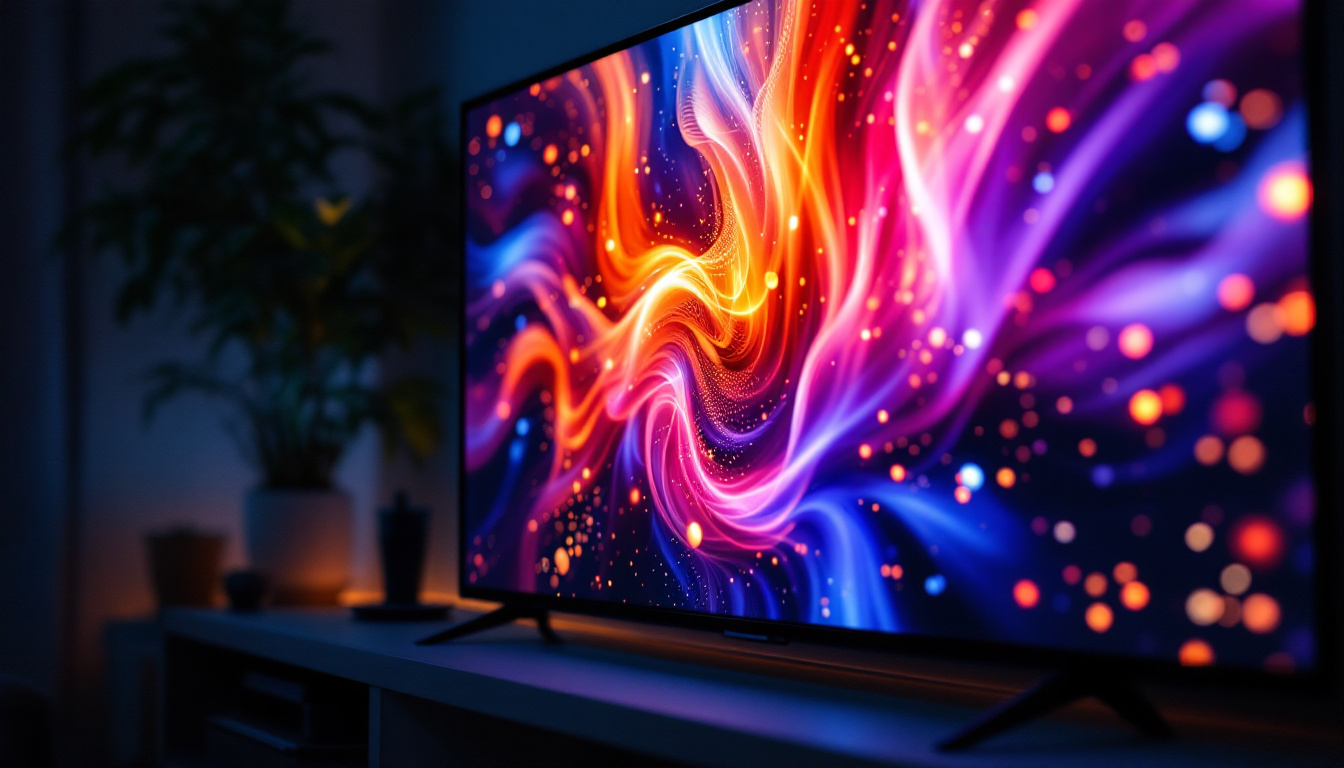
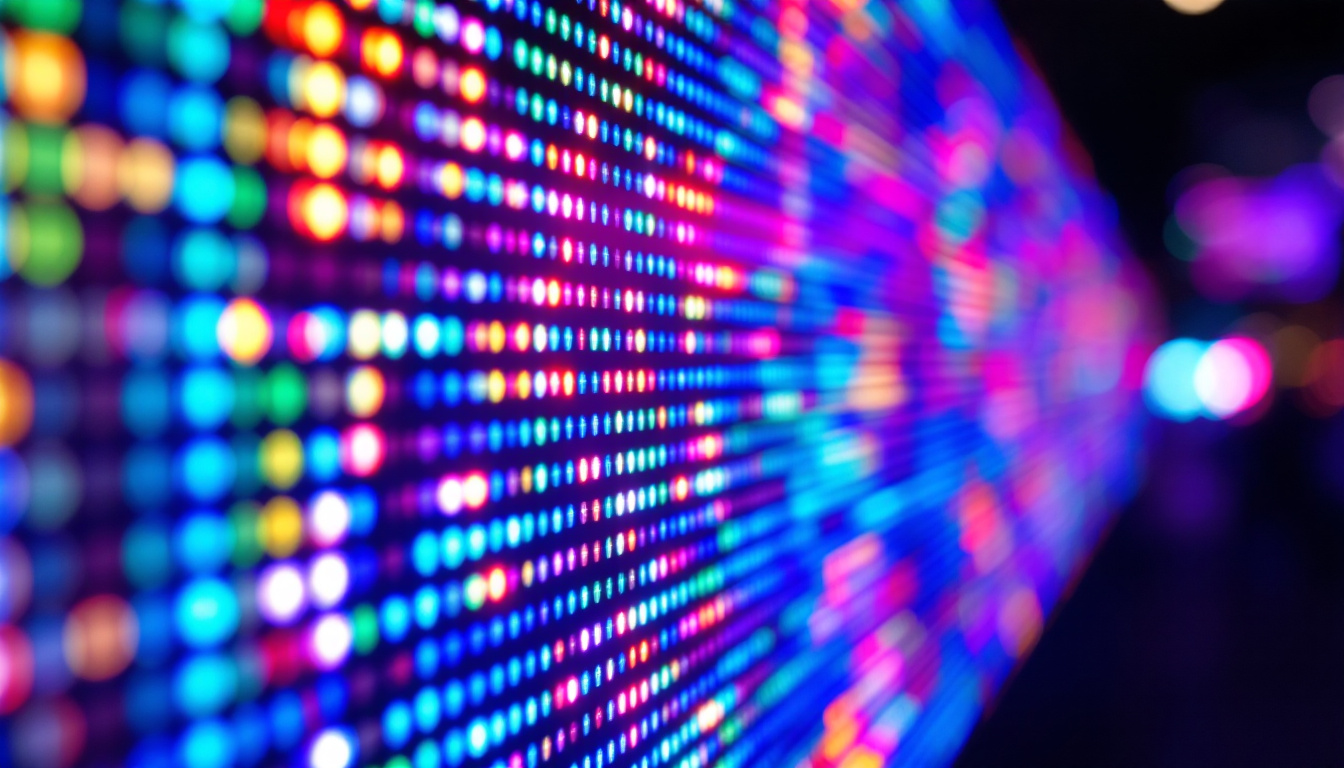
To appreciate how privacy screen protectors interact with LED displays, it’s essential to understand the basics of LED technology. LED, or Light Emitting Diode, displays have become the standard in monitors, laptops, and televisions due to their energy efficiency, brightness, and color accuracy.
Types of LED Displays
LED displays are typically categorized into two main types:
- Edge-Lit LED: LEDs are positioned around the edges of the screen, and light is distributed across the panel using light guides. This design allows for thinner displays but can sometimes result in uneven brightness.
- Direct-Lit or Full-Array LED: LEDs are placed directly behind the screen in a grid pattern, providing more uniform brightness and better contrast ratios.
Both types use LCD (Liquid Crystal Display) panels to create images, with the LEDs serving as the backlight source. This combination is often referred to as LED-LCD.
Key Characteristics of LED Displays Relevant to Privacy Screens
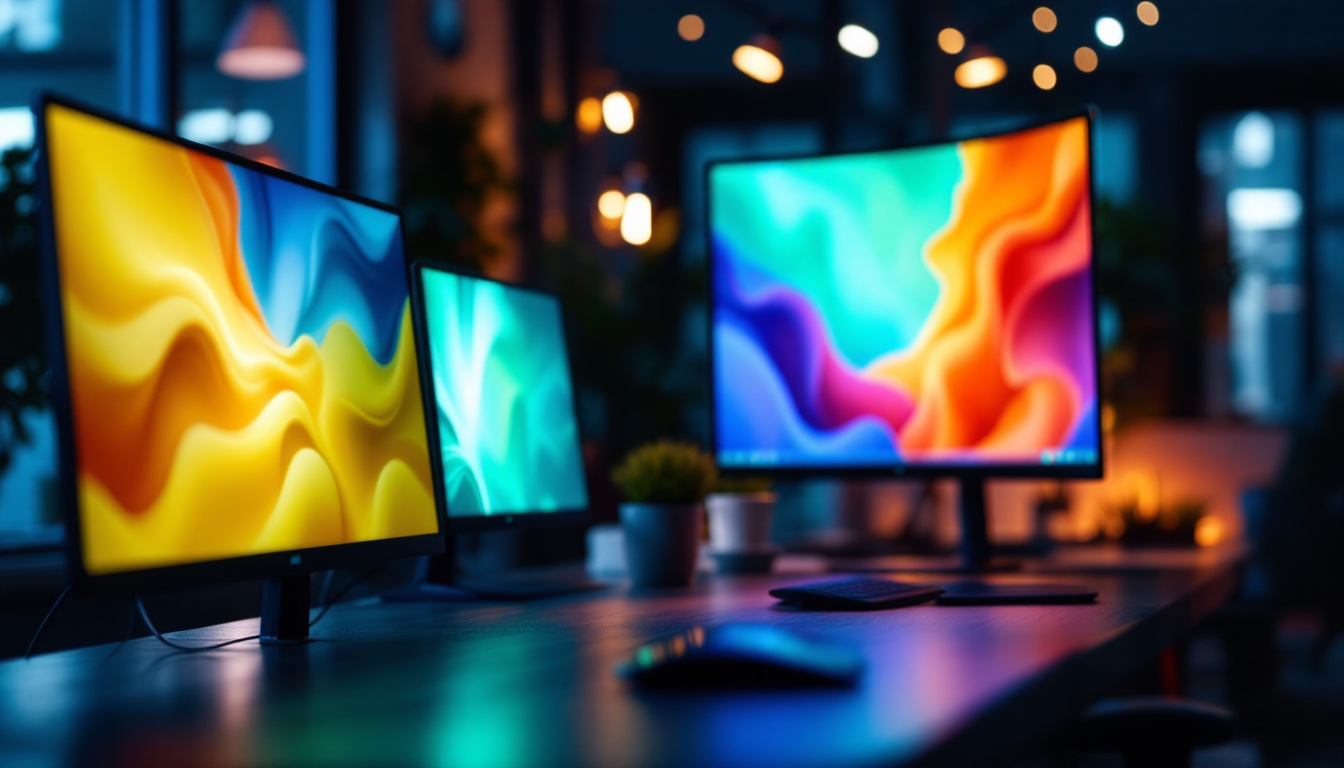
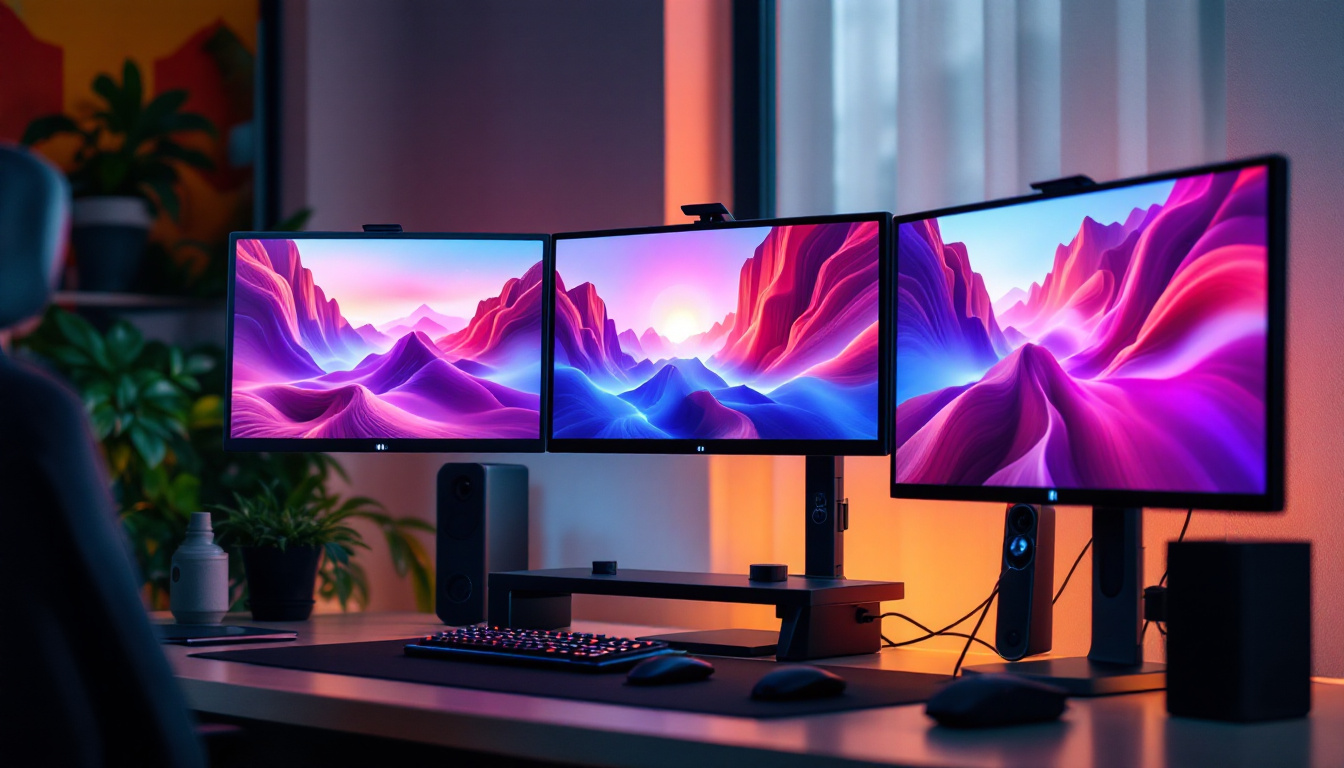
LED displays emit light directly towards the viewer, which privacy screen protectors manipulate to control viewing angles. The high brightness and contrast of LED screens make them ideal for use with privacy films, as the micro-louvers can effectively block side views without excessively dimming the screen for the primary user.
However, the brightness and color calibration of LED displays must be considered when choosing a privacy screen. Some privacy filters may reduce overall brightness by 30% or more, which can affect user experience, especially in brightly lit environments.
Benefits of Using Privacy Screen Protectors with LED Monitors
Integrating a privacy screen protector with an LED monitor offers several advantages beyond just privacy.
Enhanced Data Security
In environments where sensitive information is frequently displayed—such as financial trading floors, legal offices, or medical facilities—privacy screens help prevent unauthorized viewing. According to a 2023 survey by the International Association of Privacy Professionals, over 60% of data breaches in office environments were linked to visual hacking, highlighting the importance of physical screen protection.
Reduced Eye Strain and Glare
Many privacy screen protectors include anti-glare coatings that reduce reflections from ambient light sources. This feature is particularly beneficial for LED displays, which can be highly reflective due to their glossy surfaces. By minimizing glare, users experience less eye fatigue during extended screen time.
Screen Protection and Durability
Beyond privacy, these protectors serve as a physical barrier against scratches, dust, and fingerprints. This added layer can prolong the lifespan of LED monitors, maintaining screen clarity and performance over time.
Considerations When Choosing a Privacy Screen Protector for LED Displays
While privacy screen protectors offer significant benefits, selecting the right product requires careful consideration to ensure compatibility and optimal performance.
Screen Size and Aspect Ratio
Privacy screens are designed to fit specific screen sizes and aspect ratios. Using a protector that does not match your LED monitor’s dimensions can result in poor adhesion, reduced privacy effectiveness, and visual distortions. Always verify the exact measurements of your display before purchasing.
Viewing Angle Specifications
Different privacy screens offer varying degrees of viewing angle restriction. For example, a screen with a 30-degree viewing angle will provide stronger privacy but may feel more restrictive to the user, especially when sharing the screen with a colleague. Conversely, a 60-degree angle offers a balance between privacy and usability. Understanding your environment and privacy needs will help determine the appropriate level.
Brightness and Color Impact
Since privacy screens absorb or redirect some of the light emitted by the LED display, they often reduce brightness and can slightly alter color accuracy. For users engaged in color-critical work such as graphic design or video editing, this can be a significant drawback. Some high-end privacy protectors are designed to minimize these effects, but they often come at a premium price.
Installation Type
Privacy screens come in two main installation types:
- Adhesive: These stick directly onto the screen and provide a permanent solution. They tend to offer better alignment and less light leakage but can be difficult to remove without residue.
- Magnetic or Clip-On: These attach externally and can be removed or repositioned easily. They are ideal for users who want flexibility or share devices among multiple users.
Common Myths and Misconceptions
Despite their growing popularity, several myths about privacy screen protectors persist. Addressing these can help users make informed decisions.
Myth: Privacy Screens Completely Block Side Views
While privacy screens significantly reduce visibility from side angles, they do not create an impenetrable barrier. Determined individuals with specialized equipment or very close vantage points may still glimpse screen content. Therefore, privacy screens should be part of a broader security strategy rather than a standalone solution.
Myth: Privacy Screens Are Only for Business Use
Though widely adopted in corporate environments, privacy screens are equally valuable for personal use. Students working in libraries, travelers on airplanes, or anyone using public Wi-Fi hotspots can benefit from the added layer of privacy.
Myth: Privacy Screens Damage LED Displays
When properly installed and maintained, privacy screen protectors do not harm LED monitors. It is important to follow manufacturer guidelines for cleaning and installation to avoid scratches or screen damage.
Future Trends in Privacy Screen Technology for LED Displays
As display technology evolves, so too does the approach to privacy protection. Emerging innovations promise enhanced functionality and user experience.
Switchable Privacy Screens
One of the most exciting developments is switchable privacy technology, which uses liquid crystal layers to toggle privacy on and off electronically. This allows users to maintain full screen visibility when privacy is not a concern and activate privacy mode instantly when needed. Although currently more common in high-end devices, this technology is expected to become more accessible in the coming years.
Integration with Touchscreens and Flexible Displays
With the rise of touch-enabled LED monitors and flexible displays, privacy screen protectors are adapting to maintain functionality without compromising privacy. Manufacturers are developing ultra-thin, responsive films that preserve touch sensitivity while providing effective privacy control.
Enhanced Anti-Glare and Blue Light Filtering
Future privacy screens are likely to combine privacy with health-focused features such as blue light filtering to reduce eye strain and improve sleep quality. This integration aligns with increasing awareness of digital wellness.
Practical Tips for Maximizing Privacy with LED Monitors
Beyond choosing the right privacy screen protector, users can adopt several practices to enhance on-screen privacy.
Position Your Monitor Strategically
Placing your monitor so that it faces away from high-traffic areas or windows reduces the risk of unintended viewing. Adjustable monitor arms can help optimize positioning.
Use Screen Brightness and Contrast Settings Wisely
Adjusting brightness and contrast to comfortable levels can improve the effectiveness of privacy screens by reducing light spill. Avoid overly bright settings that may increase visibility from side angles.
Combine Privacy Screens with Software Solutions
Software tools that blur or mask sensitive information when the user is away from the keyboard complement physical privacy measures. Multi-factor authentication and automatic screen locking are also essential components of a comprehensive security strategy.
Conclusion
Monitor privacy screen protectors are a vital accessory for anyone concerned about safeguarding sensitive information in public or shared spaces. When paired with LED displays, these protectors leverage micro-louver technology to control viewing angles without significantly compromising screen quality. Understanding the nuances of LED technology, the benefits and limitations of privacy screens, and future innovations can help users make informed choices that balance privacy, usability, and visual performance.
As digital privacy concerns continue to grow, integrating privacy screen protectors into daily device use is a practical step toward protecting personal and professional data from visual hacking. Whether in a corporate setting or on the go, these protectors provide peace of mind and an added layer of security in an increasingly connected world.
Discover LumenMatrix’s Advanced LED Display Solutions
As you consider enhancing your digital privacy with a monitor privacy screen protector, don’t forget the importance of the display itself. LumenMatrix, a leader in LED display technology, offers an array of innovative solutions that not only protect your sensitive information but also transform your visual experience. From Indoor and Outdoor LED Walls to Custom and Transparent Displays, LumenMatrix is committed to revolutionizing visual communication. Elevate your privacy and captivate your audience by exploring the full range of LumenMatrix LED Display Solutions today.