In the rapidly evolving world of digital displays, understanding the nuances of monitor view distance is essential for both consumers and professionals. Whether you’re setting up a home office, designing a digital signage solution, or selecting a display for a control room, knowing how distance affects the viewing experience can help you make informed decisions. This article delves into the concept of monitor view distance, with a particular focus on LED displays, explaining the technical factors involved, practical guidelines, and real-world applications.
What is Monitor View Distance and Why Does It Matter?
Monitor view distance refers to the optimal physical distance between a viewer’s eyes and the display screen to achieve the best visual experience. This distance is influenced by multiple factors including screen size, resolution, pixel density, and the type of display technology used. For LED displays, understanding view distance is crucial because it directly impacts image clarity, readability, and overall comfort.
Choosing an inappropriate viewing distance can lead to eye strain, difficulty in reading text, or missing important visual details. For example, sitting too close to a large LED screen with low pixel density can cause the viewer to see individual pixels, resulting in a grainy or pixelated image. Conversely, sitting too far away from a high-resolution display may cause fine details to become indistinguishable.
The Science Behind Viewing Distance
The human eye has a limited resolving power, which means it can only distinguish details up to a certain angular resolution. The concept of “visual acuity” is often used to describe this ability, typically measured as 20/20 vision. When the pixels on a display subtend an angle smaller than the eye’s resolving power, the image appears smooth and continuous.
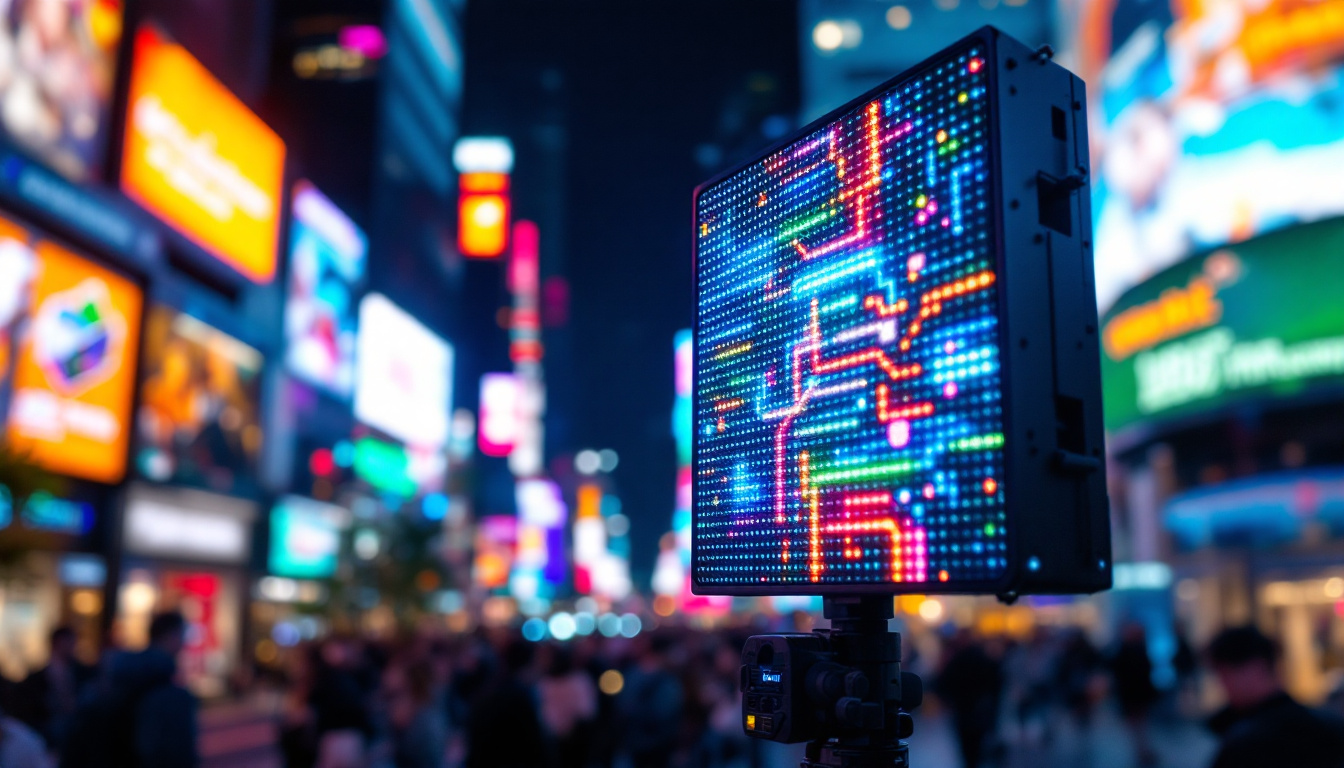
For LED displays, the pixel pitch — the distance between the centers of two adjacent pixels — plays a key role. A smaller pixel pitch means higher pixel density, allowing the viewer to sit closer without noticing pixelation. Conversely, displays with larger pixel pitches require greater viewing distances for the image to appear seamless.
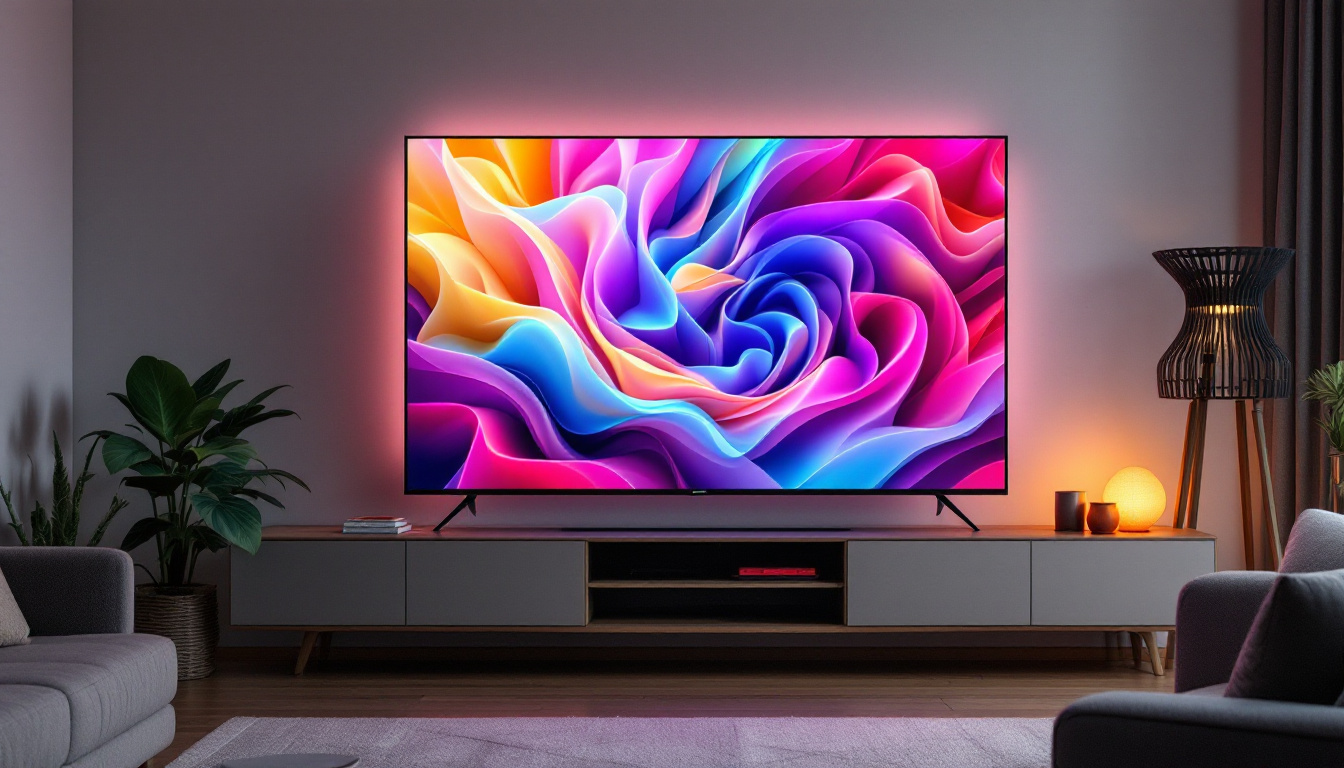
In addition to pixel pitch, the resolution of a display is equally important in determining the optimal viewing distance. Higher resolution screens, such as 4K or 8K displays, contain significantly more pixels than their lower-resolution counterparts. This increase in pixel count allows viewers to sit closer without compromising the quality of the image, making these displays ideal for immersive experiences such as gaming or watching high-definition movies. Furthermore, advancements in display technology, such as OLED and MicroLED, have also improved color accuracy and contrast ratios, enhancing the viewing experience at various distances.
Another factor to consider is the ambient lighting in the environment where the display is used. Bright lighting can create glare on the screen, making it harder to see details regardless of the viewing distance. Therefore, optimizing the viewing distance not only involves understanding the technical specifications of the monitor but also adjusting the surrounding light conditions to minimize distractions. This holistic approach ensures that viewers can enjoy a comfortable and visually satisfying experience, whether they are working, gaming, or consuming media.
Understanding LED Display Technology
LED (Light Emitting Diode) displays have become increasingly popular due to their brightness, energy efficiency, and versatility. Unlike traditional LCDs that rely on backlighting, LED displays use individual diodes to emit light, resulting in higher contrast ratios and vibrant colors.
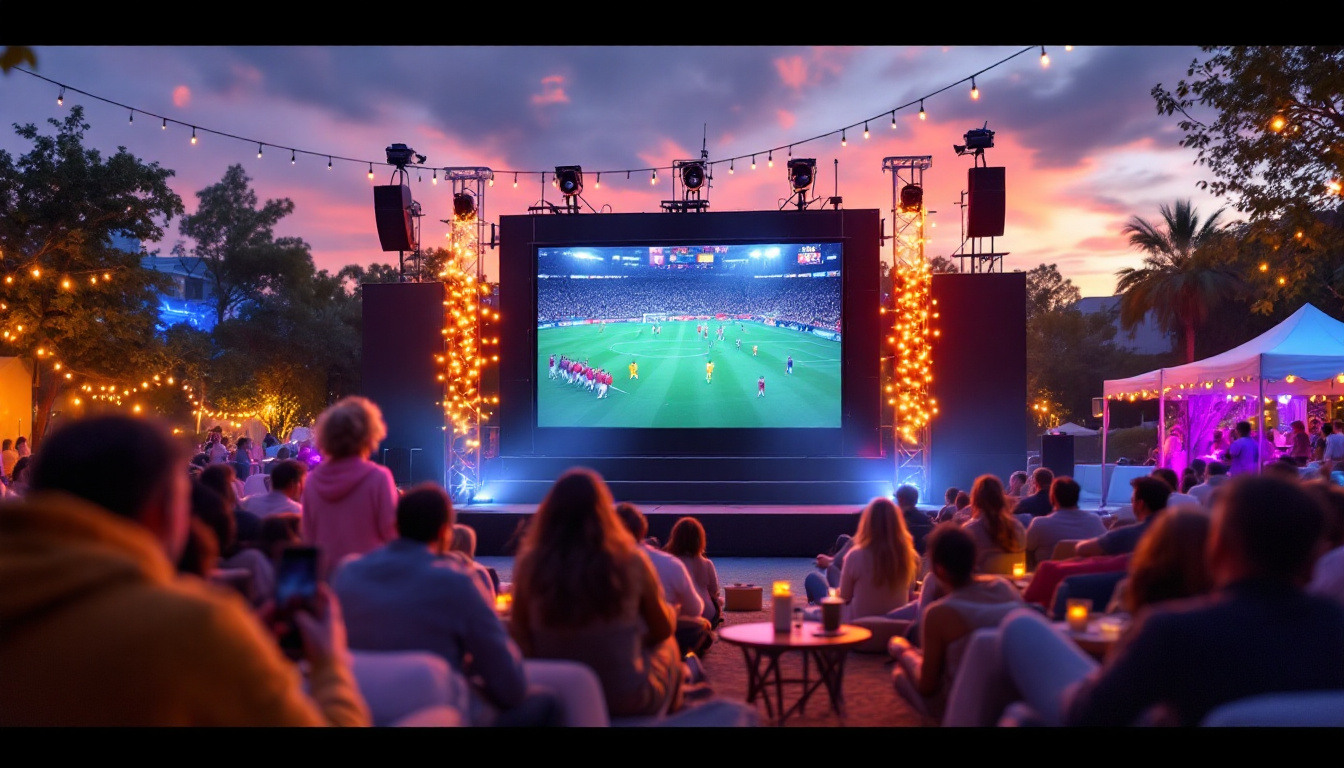
LED technology is used in a variety of applications, from small monitors and TVs to massive outdoor billboards and stadium screens. The diversity in size and pixel pitch means that the ideal viewing distance can vary widely depending on the specific LED display.
Pixel Pitch and Its Impact on Viewing Distance
Pixel pitch is typically measured in millimeters and is a critical specification for LED displays. For instance, a pixel pitch of 1.5 mm is considered very fine and is suitable for close-up viewing, such as in conference rooms or retail displays. On the other hand, a pixel pitch of 10 mm or more is common for large outdoor displays where viewers are expected to be tens of meters away.
To calculate the recommended minimum viewing distance, a common rule of thumb is to multiply the pixel pitch by 1000. For example, a 2 mm pixel pitch display would have a minimum viewing distance of approximately 2 meters (2 mm × 1000 = 2000 mm = 2 m). This ensures that individual pixels are not discernible, providing a smooth and clear image.
Brightness and Ambient Light Considerations
LED displays are known for their high brightness levels, which is particularly important for outdoor or brightly lit environments. However, brightness also affects how comfortably a viewer can look at the screen from a given distance. Excessive brightness at close range can cause glare and eye fatigue, while insufficient brightness at longer distances can reduce visibility.
Adjusting brightness settings according to ambient light conditions is essential for optimizing viewing comfort. Many modern LED displays come equipped with sensors that automatically adjust brightness, but understanding the relationship between brightness, viewing distance, and environment helps in fine-tuning the setup.
Practical Guidelines for Optimal Viewing Distance
Determining the optimal viewing distance for an LED display involves balancing several factors: pixel pitch, screen size, resolution, and the intended use case. Below are practical guidelines to help select the right viewing distance for various scenarios.
Desktop Monitors and Small LED Displays
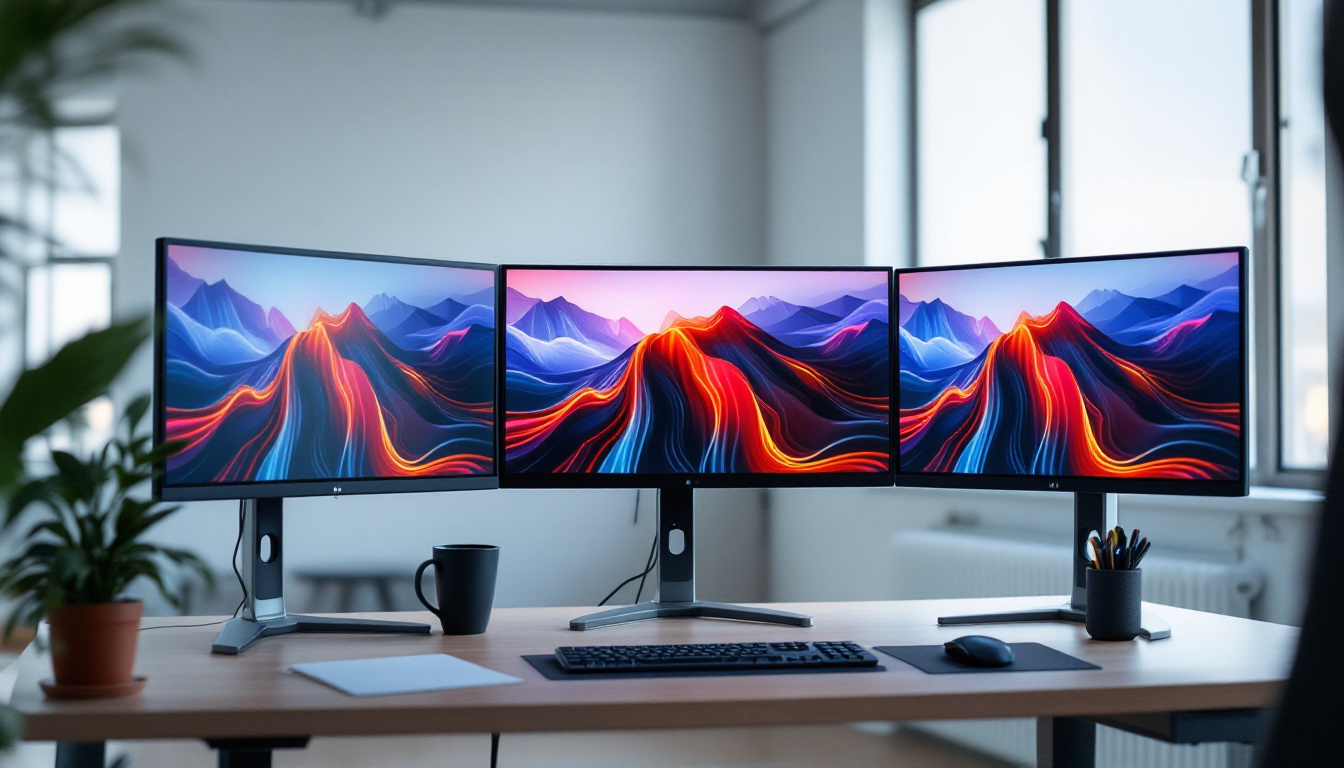
For desktop monitors, which typically have pixel pitches below 0.3 mm, the ideal viewing distance is usually between 50 cm and 80 cm. At this range, users can comfortably read text and view detailed images without noticing pixel structure.
When using LED monitors for professional tasks like graphic design or video editing, sitting too far can reduce the ability to discern fine details, while sitting too close can cause eye strain. Ergonomic setups often recommend adjustable monitor arms to help users maintain the optimal distance.
Large Indoor LED Screens
In environments like conference rooms, auditoriums, or retail stores, LED displays with pixel pitches ranging from 1.5 mm to 4 mm are common. The recommended viewing distance here typically starts from 1.5 meters and can extend up to 5 meters or more, depending on screen size.
For example, a 3 mm pixel pitch LED wall measuring 3 meters wide would be best viewed from around 3 meters or more. This ensures that the audience perceives a smooth image without visible pixelation, enhancing readability and engagement.
Outdoor and Large-Scale LED Displays
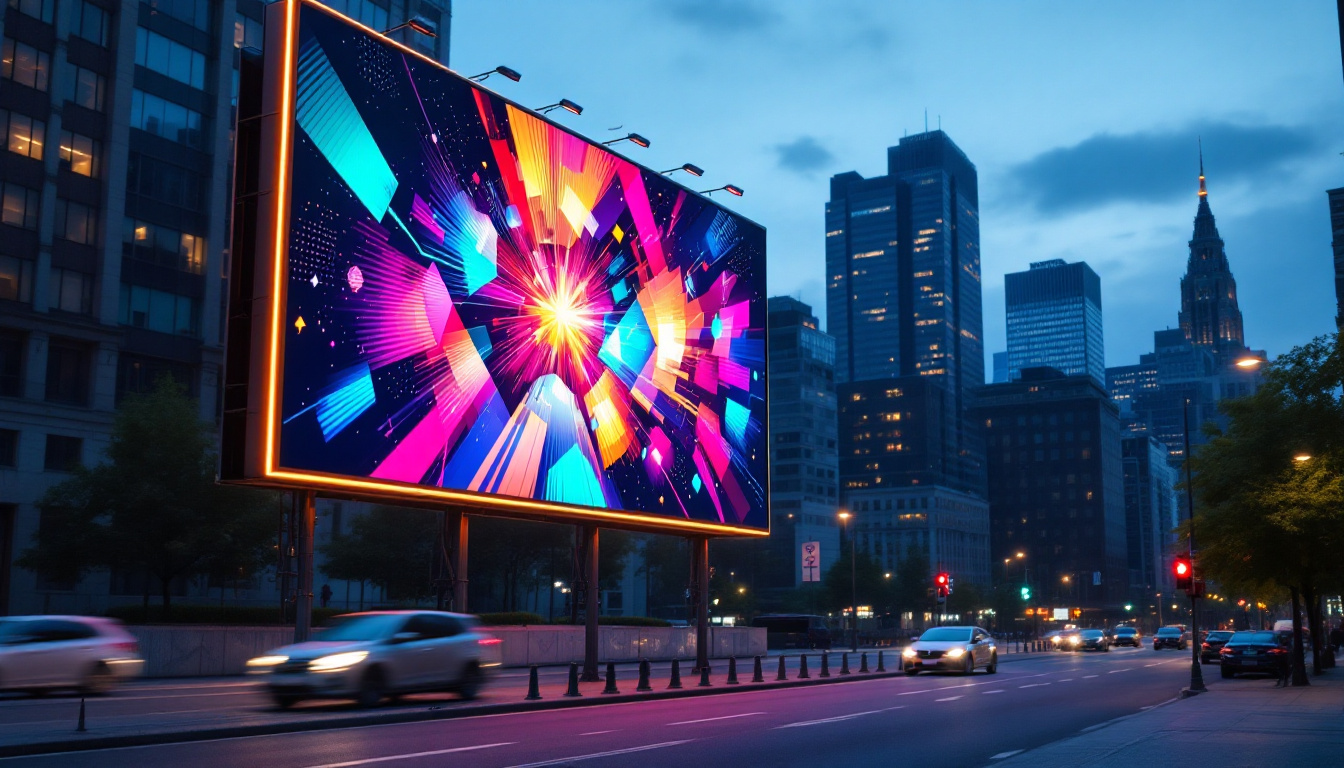
Outdoor LED billboards and stadium screens often have pixel pitches of 10 mm or higher, designed to be viewed from tens or even hundreds of meters away. The vast viewing distances accommodate large crowds and ensure visibility from multiple vantage points.
For instance, a 16 mm pixel pitch display used on a highway billboard is typically viewed from at least 16 meters away. This distance ensures that drivers and pedestrians see a clear, vibrant image without distraction from pixel structure.
Applications and Case Studies
Understanding monitor view distance is not just theoretical; it has practical implications across various industries. Here are some examples of how optimal viewing distances for LED displays are applied in real-world scenarios.
Digital Signage in Retail
Retail environments use LED displays to capture customer attention and convey promotional messages. Displays are often mounted at eye level or slightly above, with pixel pitches tailored to typical shopper distances. For instance, a 2 mm pixel pitch screen in a store aisle might be viewed from 2 to 3 meters, ensuring crisp text and vibrant images that enhance the shopping experience.
Retailers who ignore viewing distance risk installing displays that are either too pixelated or unnecessarily expensive due to overly fine pixel pitches for the viewing environment.
Control Rooms and Command Centers
In control rooms, LED video walls are critical for monitoring and decision-making. Operators often sit relatively close to large displays, requiring fine pixel pitches (1.2 mm to 2.5 mm) to ensure readability of detailed data and maps. The viewing distance in such setups is carefully planned to balance screen size and pixel density, enabling quick comprehension without eye fatigue.
Outdoor Advertising and Public Displays
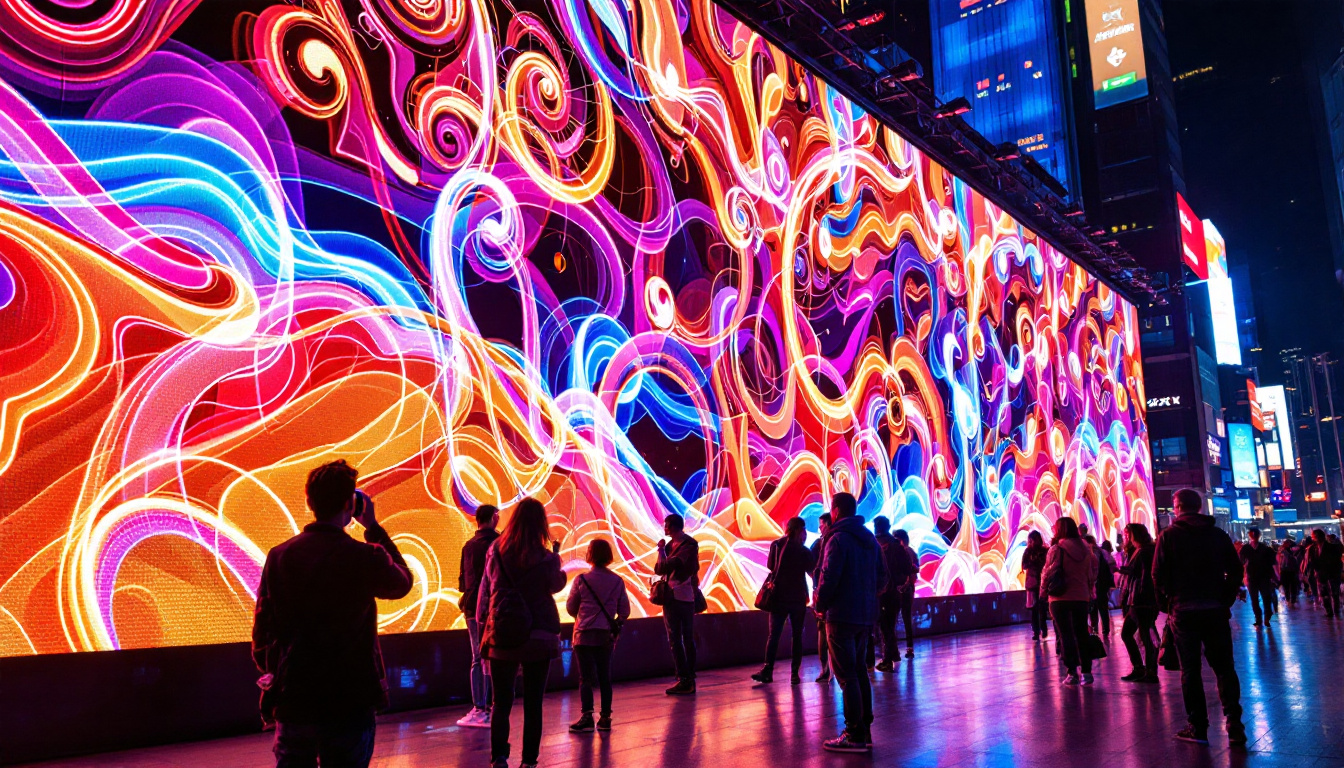
Outdoor LED displays must consider not only viewing distance but also environmental factors such as sunlight, weather, and viewing angles. Billboards with pixel pitches of 10 mm to 20 mm are designed for viewing distances of 10 meters or more, often placed alongside highways or in public squares.
Properly matching pixel pitch to expected viewing distance ensures that advertisements are legible and impactful, maximizing return on investment for advertisers.
Future Trends and Innovations in LED Display Viewing
The LED display industry continues to innovate, with advancements that influence optimal viewing distances and overall display performance.
MicroLED and Higher Resolution Displays
MicroLED technology promises even smaller pixel pitches and higher brightness levels, enabling ultra-high-resolution displays that can be viewed comfortably at very close distances. This opens new possibilities for wearable devices, augmented reality, and ultra-fine indoor displays.
As pixel pitches shrink below 1 mm, traditional rules of thumb for viewing distance will evolve, allowing for more immersive and detailed visual experiences.
Adaptive Viewing Technologies
Emerging technologies incorporate sensors and AI to dynamically adjust display parameters such as brightness, contrast, and even pixel rendering based on viewer distance and ambient conditions. This adaptability enhances comfort and ensures optimal image quality across a range of environments.
Impact of 8K and Beyond
With the rise of 8K resolution displays, pixel density increases dramatically, enabling larger screens to be viewed from closer distances without loss of detail. This is particularly relevant for professional applications such as medical imaging, design, and entertainment, where precision is paramount.
Conclusion
Monitor view distance is a fundamental factor in achieving the best possible experience with LED displays. By understanding the relationship between pixel pitch, screen size, resolution, and viewing distance, users can select and position displays that deliver clear, comfortable, and engaging visuals.
Whether for personal use, professional environments, or large-scale public installations, considering view distance helps optimize performance, reduce eye strain, and maximize the impact of LED display technology. As innovations continue to push the boundaries of resolution and brightness, staying informed about viewing distance principles will remain essential for making smart display choices.
Explore Cutting-Edge LED Displays with LumenMatrix
Ready to elevate your visual experience with the latest in LED display technology? Look no further than LumenMatrix, a pioneer in crafting LED display modules that transform any space into a dynamic visual spectacle. From Indoor and Outdoor LED Walls to innovative solutions like Vehicle and Floor LED Displays, LumenMatrix offers a wide array of options to meet your specific needs. Embrace the future of visual communication and captivate your audience with unparalleled clarity and impact. Check out LumenMatrix LED Display Solutions today and see your vision come to life.