In the rapidly evolving world of visual technology, the integration of motorized projector screens with LED displays is transforming how we experience presentations, home theaters, and digital signage. Understanding the nuances of these technologies and how they complement each other is essential for professionals and enthusiasts alike. This article delves into the mechanics, benefits, and practical applications of motorized projector screens and LED displays, providing a comprehensive guide for anyone looking to enhance their visual setup.
Understanding Motorized Projector Screens
What Are Motorized Projector Screens?
Motorized projector screens are retractable screens designed to display projected images or videos. Unlike fixed screens, these screens can be rolled up or down using an electric motor, often controlled remotely or via wall switches. This feature allows for convenient storage when the screen is not in use, protecting the surface from dust and damage while maintaining a sleek, unobtrusive room aesthetic.
They come in various sizes and aspect ratios, typically ranging from 16:9 for widescreen video to 4:3 for traditional presentations. The screen surface material also varies, optimized for different projector types and ambient lighting conditions. For instance, some screens are made with specialized coatings that enhance color accuracy and brightness, making them ideal for home theaters, conference rooms, or educational settings. Additionally, many motorized screens are designed to be compatible with both standard and short-throw projectors, allowing for versatile installation options depending on the space available.
Key Components and Mechanism
The core components of a motorized projector screen include the screen fabric, casing, motor, and control system. The motorized mechanism is usually housed within a durable metal casing that mounts to the ceiling or wall. When activated, the motor smoothly rolls the screen fabric down or up around a roller tube.
Advanced models feature tensioning systems that keep the screen flat and wrinkle-free, essential for maintaining image clarity. Some screens also incorporate ambient light rejecting (ALR) surfaces, enhancing contrast in brightly lit environments. The control systems can vary widely, with options for integration into smart home systems, allowing users to automate their viewing experience. For example, one can program the screen to lower automatically when a projector is turned on, creating a seamless transition into movie time. Furthermore, many modern screens now include features such as built-in speakers or LED backlighting, which can enhance the overall viewing experience by adding ambiance and improving sound quality without the need for additional equipment.
Exploring LED Displays
What Is an LED Display?
LED (Light Emitting Diode) displays are digital screens that use an array of tiny LEDs as pixels to produce bright, vibrant images. Unlike projector screens that rely on external light sources, LED displays are self-illuminated, allowing for high brightness levels and excellent color accuracy. This self-illumination not only enhances visibility in various lighting conditions but also contributes to the longevity and durability of the display, making it a popular choice for both indoor and outdoor applications.
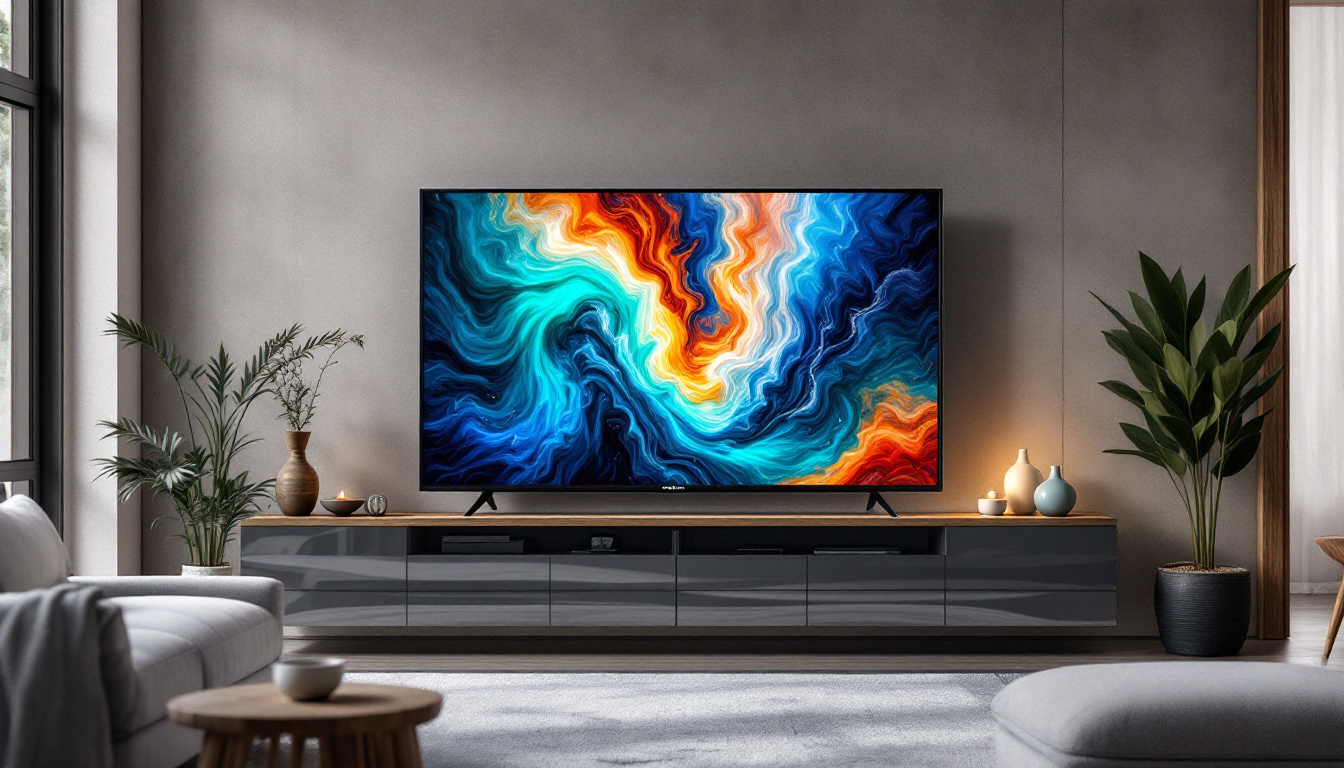
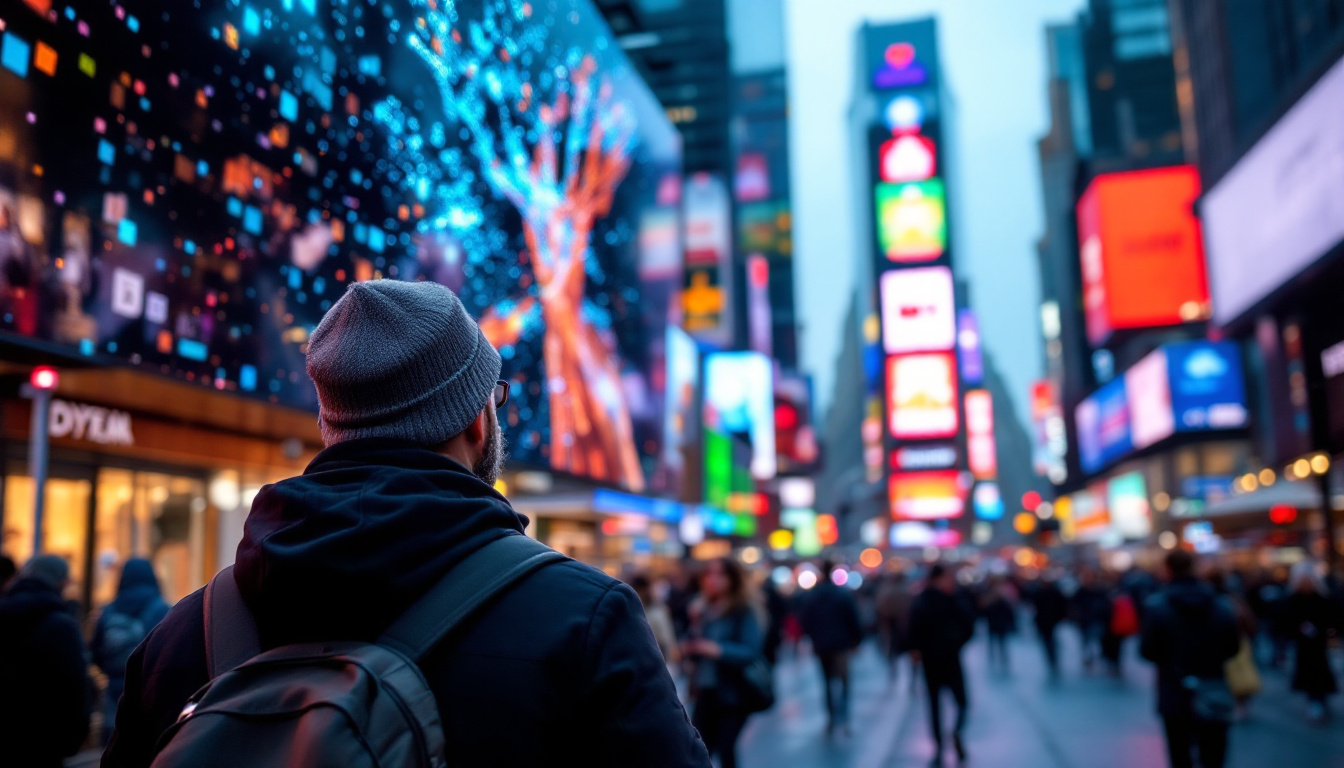
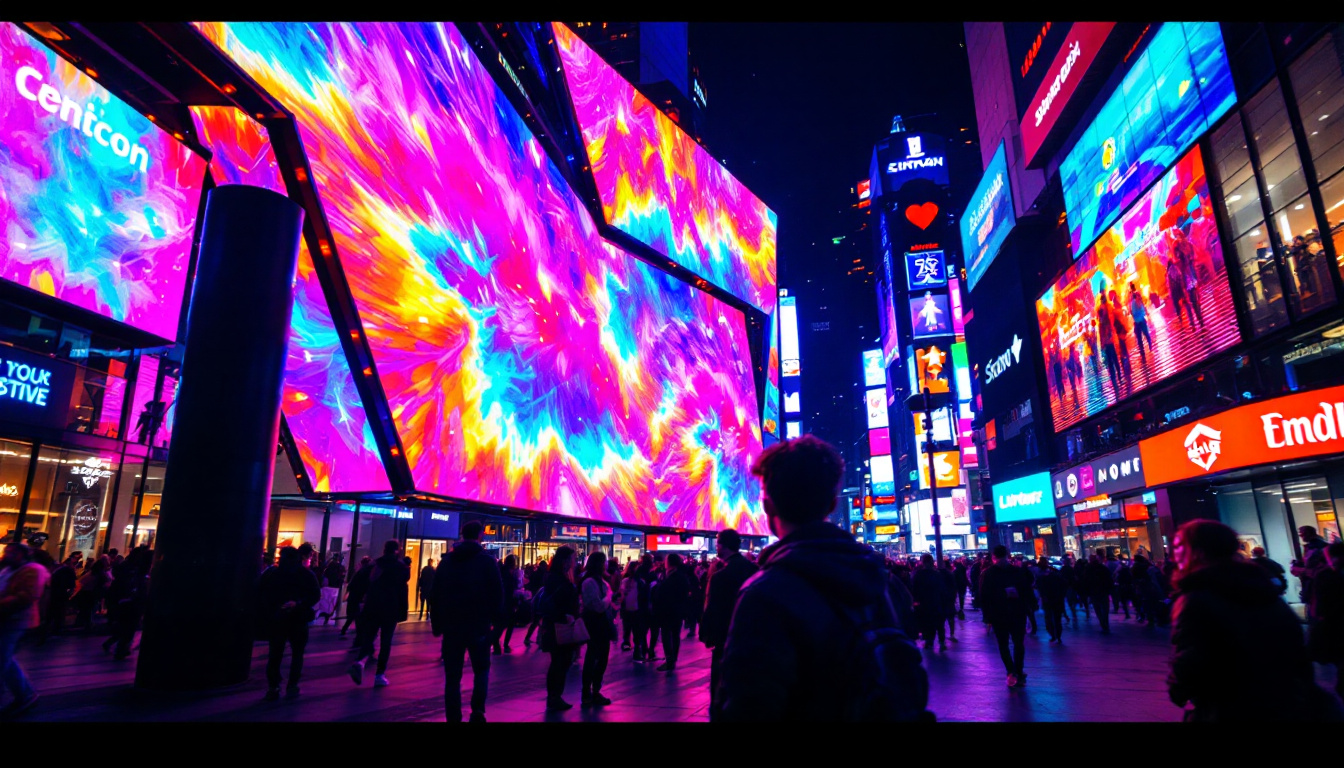
LED technology has advanced significantly, with modern displays offering high resolutions, wide viewing angles, and energy efficiency. They are widely used in commercial advertising, sports arenas, conference rooms, and increasingly in home entertainment setups. The versatility of LED displays allows them to be tailored for specific environments, whether it’s a massive billboard in Times Square or a sleek television in a living room. Furthermore, the integration of smart technology has enabled features such as touch sensitivity and connectivity with other devices, enhancing user interaction and experience.
Types of LED Displays
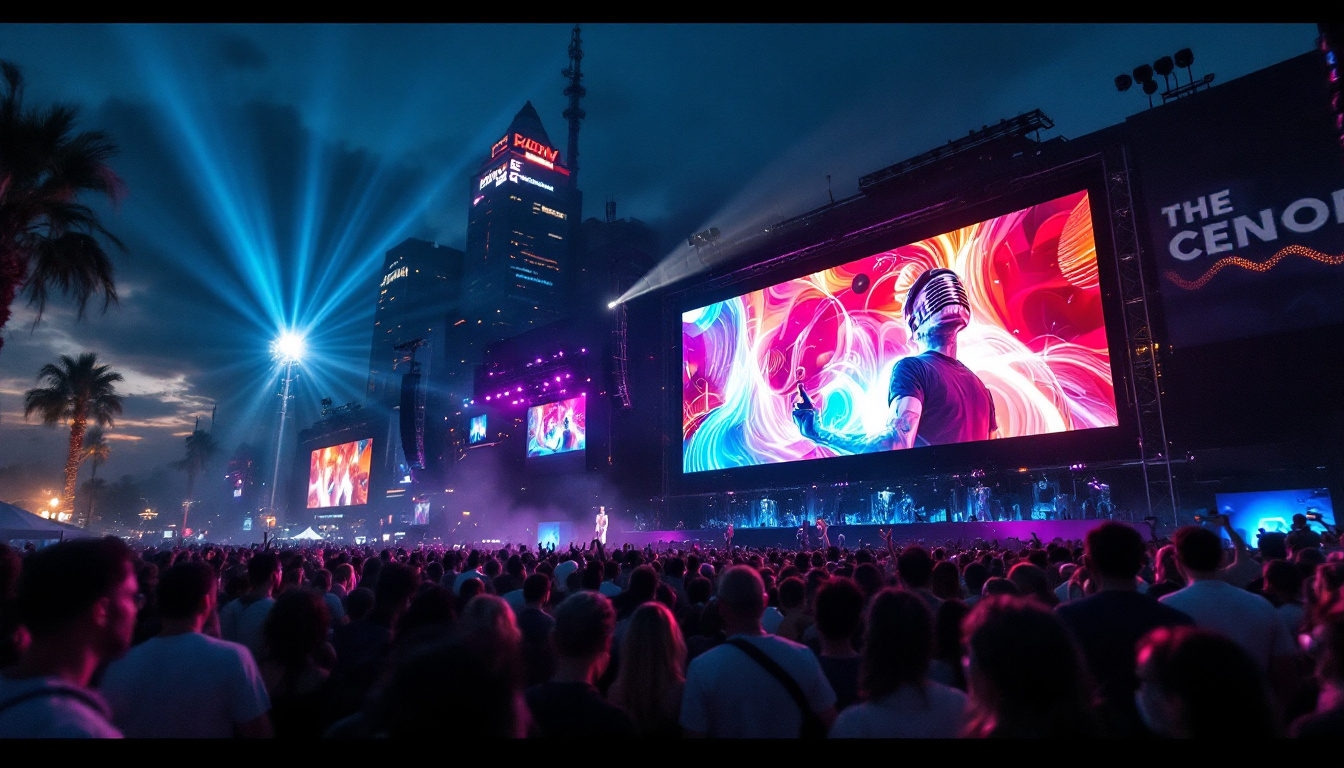
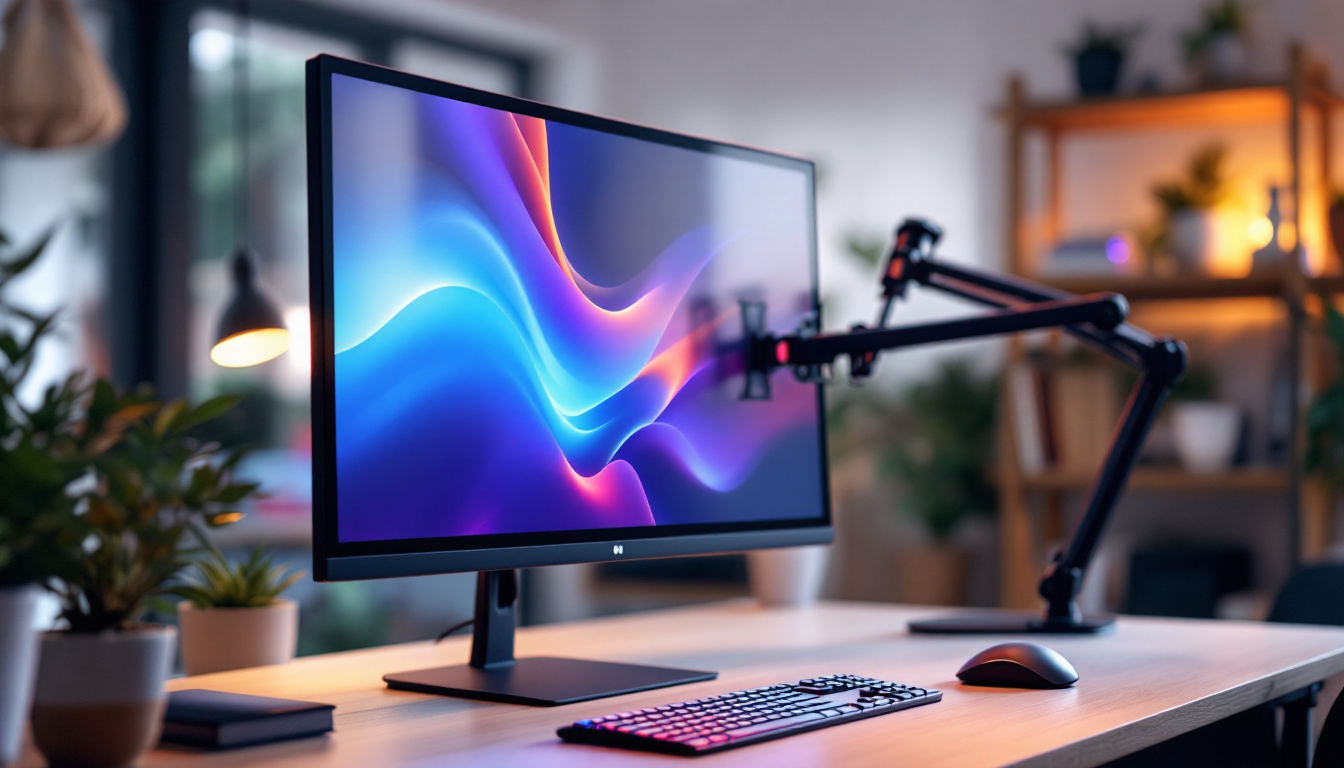
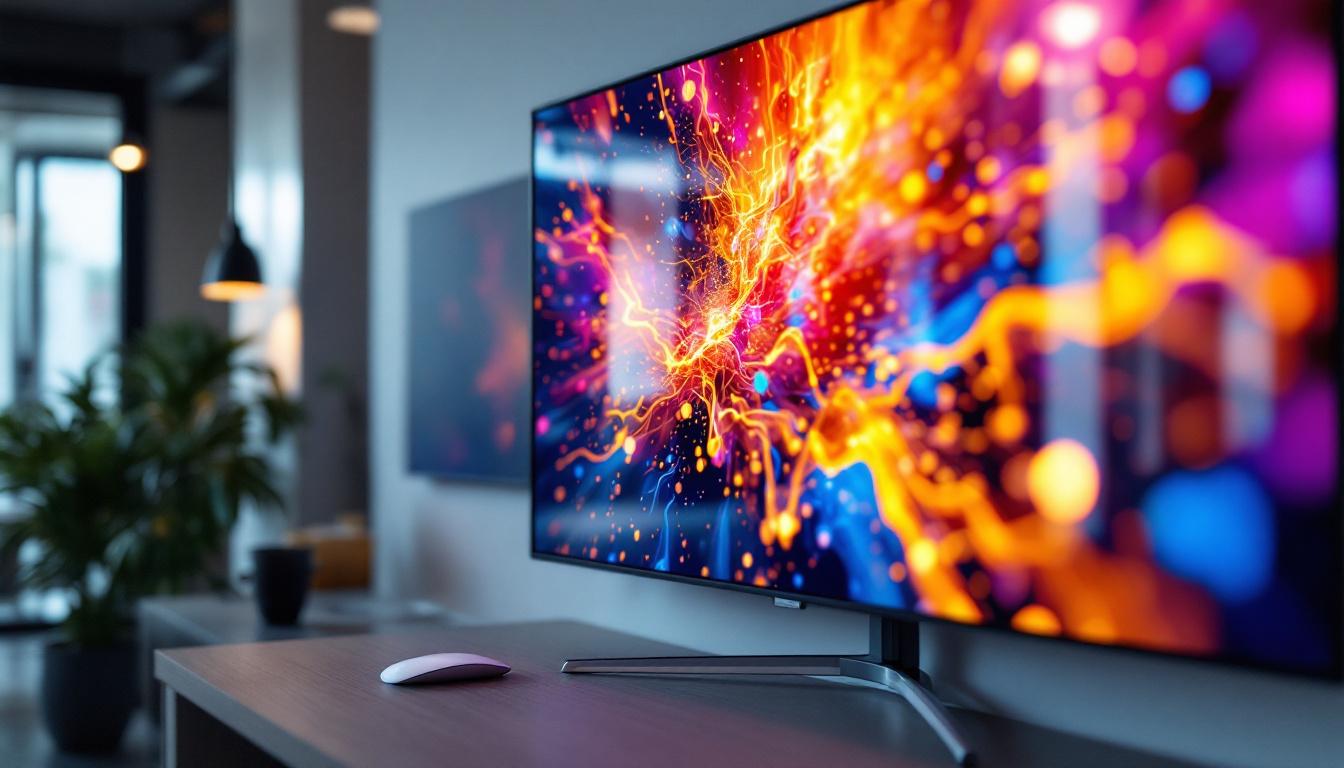
LED displays come in two primary forms: direct-view LED and LED-backlit LCD. Direct-view LED displays consist entirely of LEDs that emit light directly, making them ideal for large-format screens and outdoor use. These displays are often seen in stadiums and concert venues, where their brightness and clarity can cut through ambient light, ensuring that every detail is visible to the audience. LED-backlit LCDs use LEDs as a backlight source behind an LCD panel, common in consumer televisions and monitors. This type of display combines the benefits of LCD technology with the advantages of LED lighting, resulting in thinner screens and improved energy consumption.
Within direct-view LEDs, there are further distinctions based on pixel pitch—the distance between LED clusters. Smaller pixel pitches yield higher resolution and are suited for close viewing distances, while larger pitches are cost-effective for large-scale displays viewed from afar. Additionally, advancements in technology have led to the development of flexible LED displays, which can be bent or curved to fit unique shapes and designs. This innovation opens up new possibilities for creative installations in art, architecture, and advertising, allowing for captivating visual experiences that were previously unattainable. The continuous evolution of LED technology promises even more exciting applications in the future, as manufacturers strive to enhance performance and expand the potential uses of these dynamic displays.
Comparing Motorized Projector Screens and LED Displays
Image Quality and Brightness
One of the main considerations when choosing between a motorized projector screen setup and an LED display is image quality. Projectors depend on ambient lighting and throw distance, which can affect brightness and contrast. High-end projectors combined with ALR screens can deliver impressive results, but they generally cannot match the brightness levels of LED displays, especially in well-lit environments.
LED displays offer superior brightness and color saturation, making them ideal for venues where lighting control is limited. Their self-illuminating nature ensures consistent image quality regardless of ambient light.
Installation and Space Requirements
Motorized projector screens require sufficient space for the projector’s throw distance and proper mounting of the screen. The installation can be more complex, involving ceiling mounts, electrical wiring, and projector alignment. However, the retractability of the screen allows for flexible room use.
LED displays, being self-contained units, often have simpler installation processes, especially for modular LED panels that can be assembled on-site. They do not require a projector or a darkened room, which can be advantageous in multi-purpose spaces.
Cost Considerations
Cost is a significant factor in choosing between these technologies. Motorized projector screens paired with a quality projector generally have a lower upfront cost compared to large LED displays. However, projectors require bulb replacements and maintenance over time, which adds to the total cost of ownership.
LED displays, while more expensive initially, offer lower maintenance costs and longer lifespans. Their durability and energy efficiency can offset the higher purchase price in commercial applications.
Integrating Motorized Projector Screens with LED Displays
Hybrid Solutions for Versatile Environments
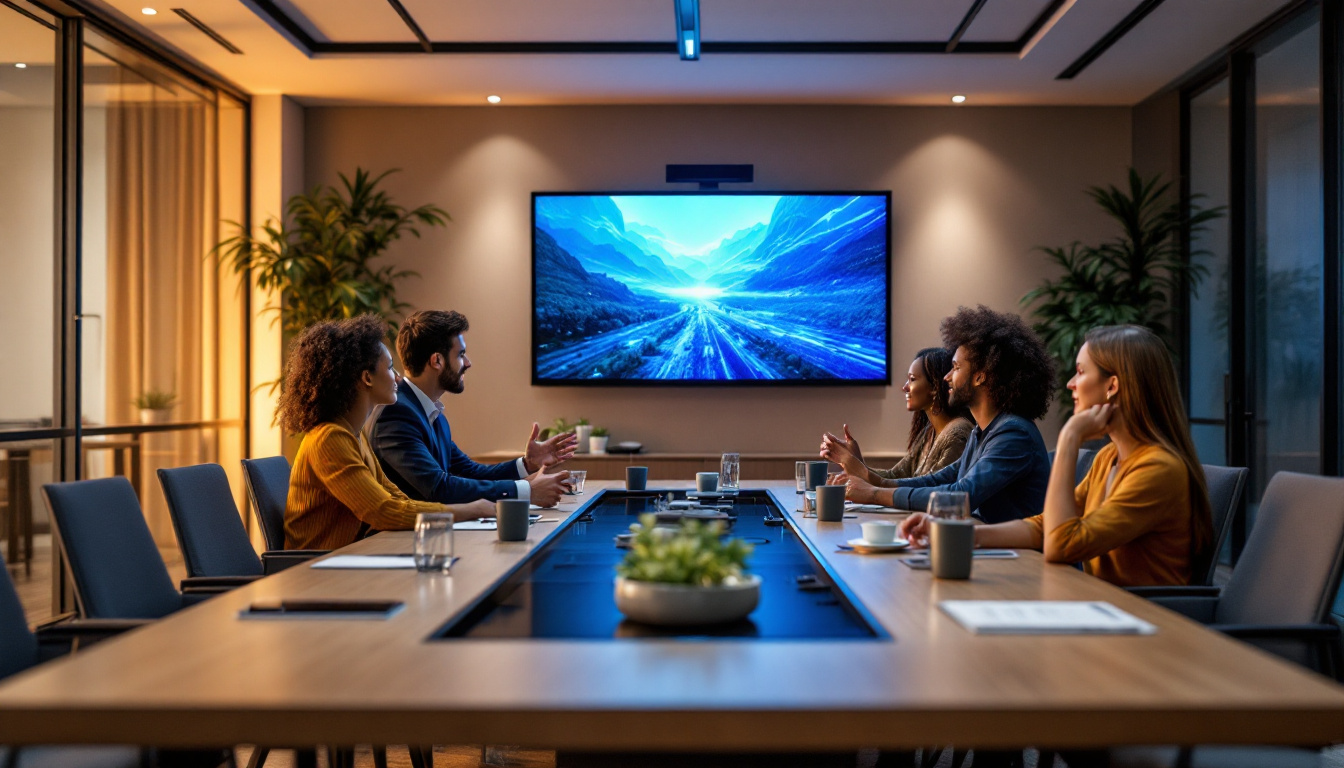
In some advanced setups, motorized projector screens and LED displays are integrated to leverage the strengths of both technologies. For instance, a conference room might use an LED display for bright, dynamic content during the day and switch to a projector and motorized screen for cinematic presentations in the evening.
This hybrid approach maximizes flexibility and user experience, accommodating various content types and lighting conditions. It also future-proofs the space by allowing easy upgrades and adjustments as technology evolves.
Control Systems and Automation
Modern motorized screens and LED displays often support integration with smart control systems. These systems enable synchronized operation, where the screen lowers automatically when the projector powers on or the LED display switches modes based on scheduled events.
Automation enhances convenience and professionalism, particularly in corporate or educational settings where seamless transitions between presentations are critical.
Applications and Use Cases
Corporate and Educational Settings
Motorized projector screens remain popular in offices and classrooms due to their cost-effectiveness and adaptability. They support a wide range of presentation formats, from slideshows to video conferencing, and can be retracted to free up space when not in use.
LED displays are increasingly adopted in these environments for their superior image quality and interactive capabilities. Touch-enabled LED walls facilitate collaborative work and engaging learning experiences.
Home Theaters and Entertainment
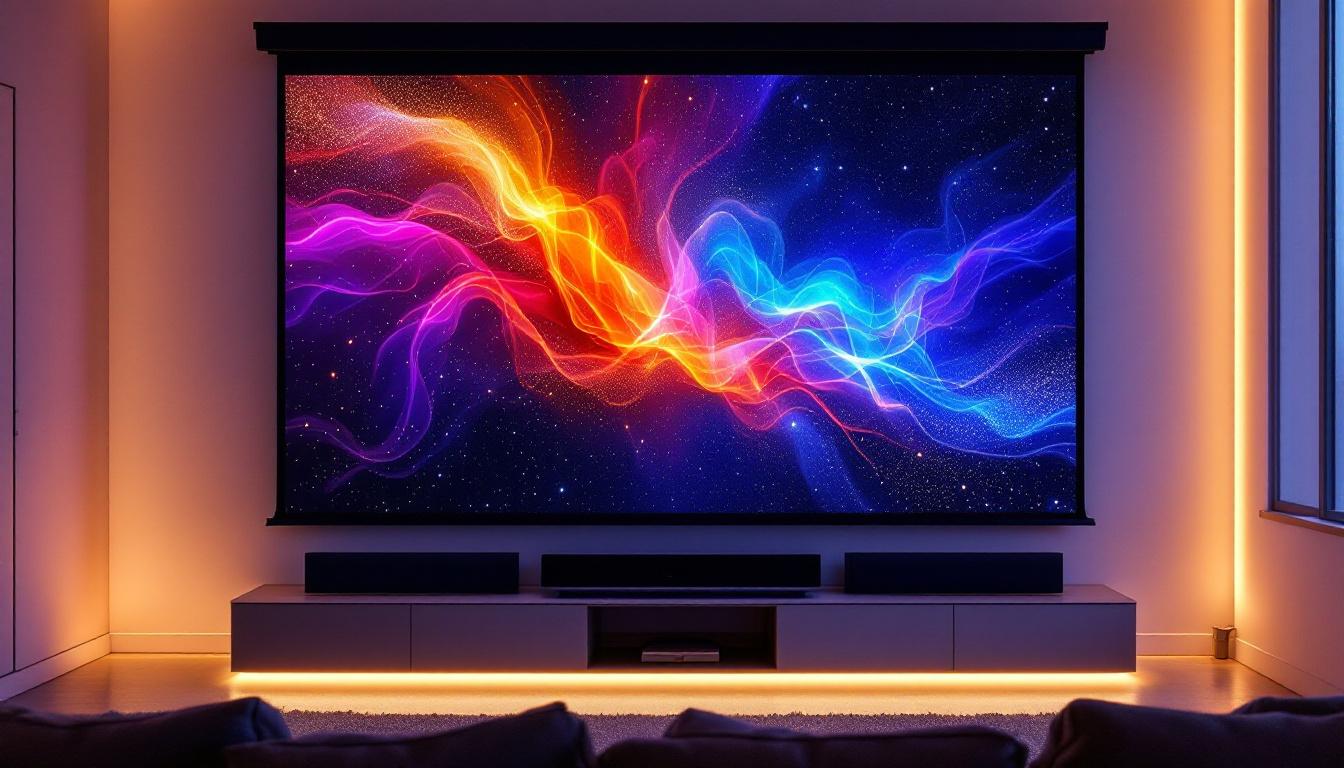
Home theater enthusiasts often prefer motorized projector screens for their cinematic feel and large image sizes. Paired with high-lumen projectors and quality speakers, these setups recreate the movie theater experience at home.
LED displays are gaining traction in luxury home entertainment, offering ultra-high-definition visuals and vibrant colors. Their slim profiles and minimal maintenance make them attractive for modern living spaces.
Public Venues and Digital Signage
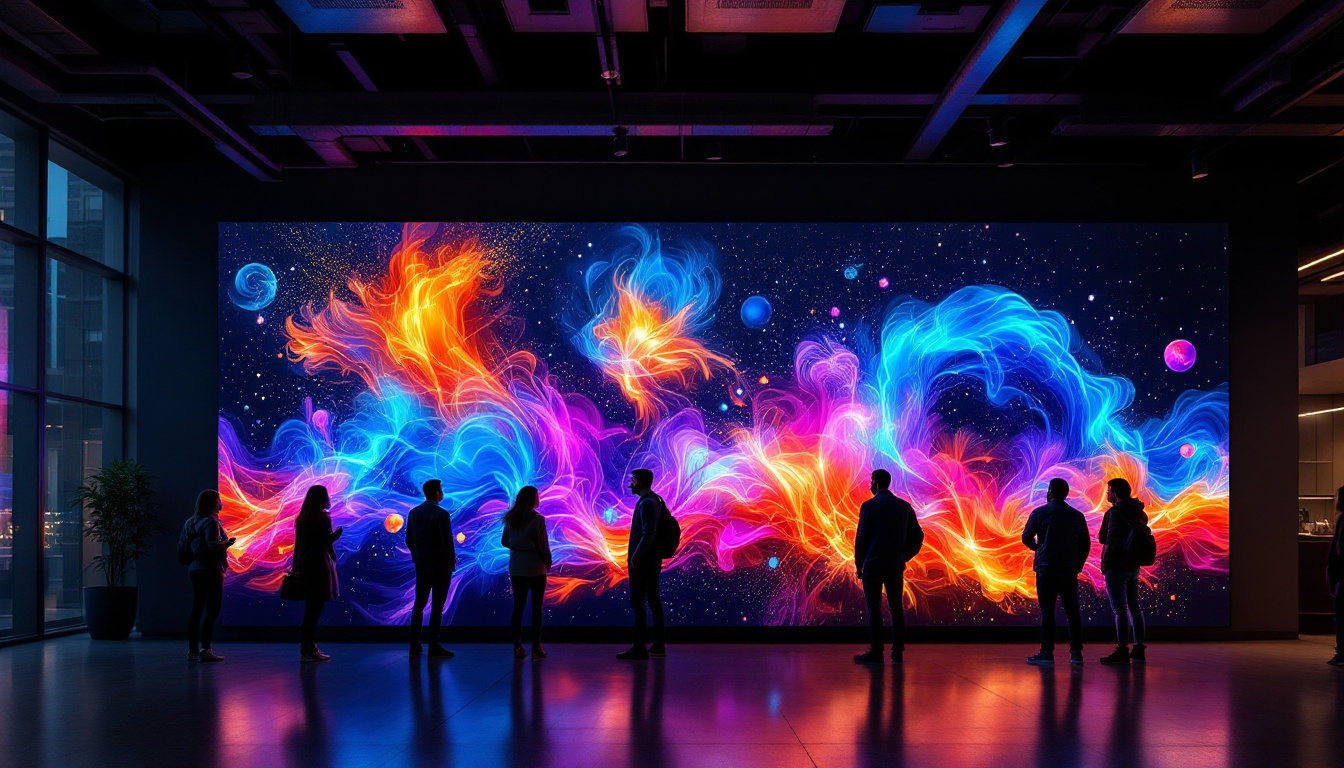
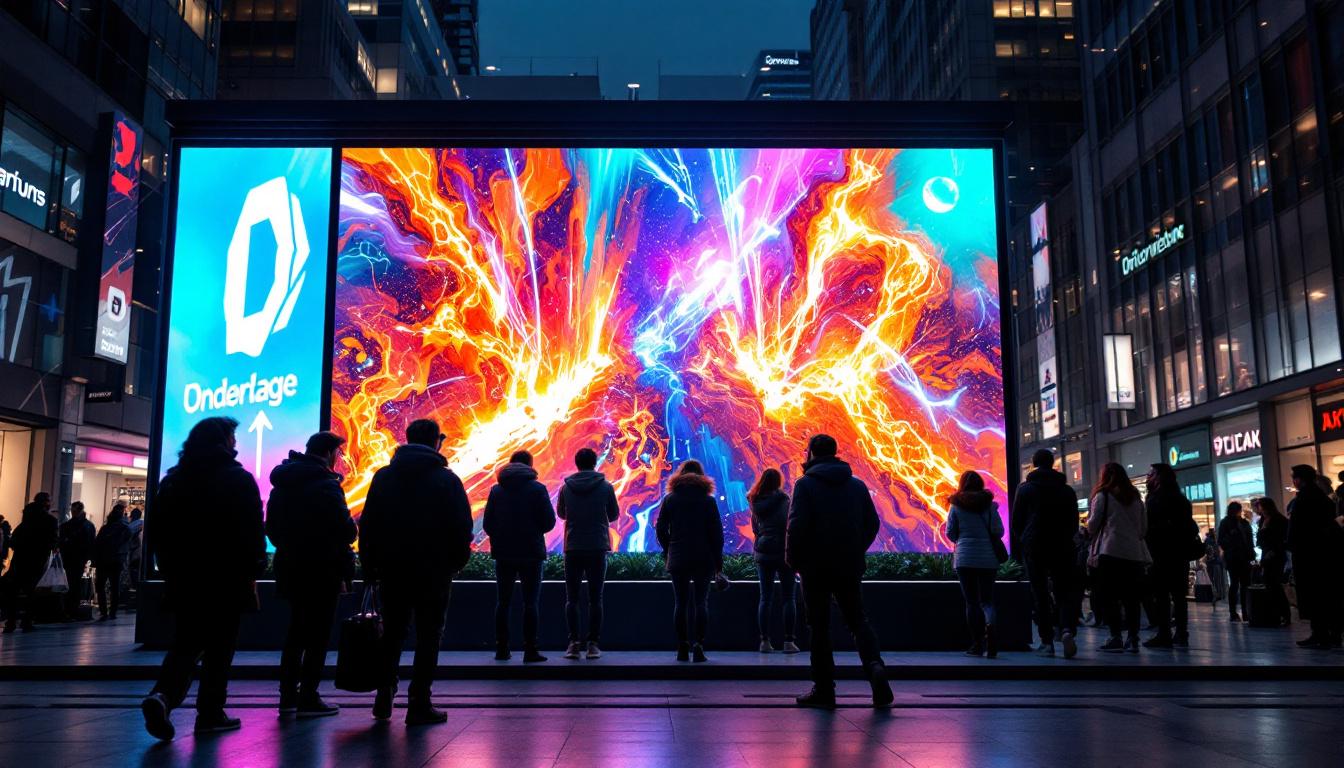
In arenas, shopping malls, and transportation hubs, LED displays dominate due to their brightness, durability, and ability to display dynamic content. Motorized projector screens are less common in these environments but can be used for temporary events or presentations.
Digital signage powered by LED technology enables real-time updates, targeted advertising, and interactive features, driving engagement and revenue.
Future Trends and Innovations
Advancements in Screen Materials and Motor Technology
Emerging screen materials with enhanced reflectivity and ambient light rejection are improving projector screen performance. Innovations in motor technology are making screens quieter, faster, and more reliable.
These improvements will continue to make motorized projector screens a viable option in diverse lighting conditions and settings.
Mini-LED and Micro-LED Displays
Next-generation LED technologies such as Mini-LED and Micro-LED promise even higher contrast ratios, better color accuracy, and thinner form factors. These advancements will further blur the lines between traditional projector setups and LED displays, offering more choices for consumers and professionals.
Integration with Smart Environments
The rise of IoT and smart building technologies will enable deeper integration of motorized screens and LED displays with environmental controls, lighting, and user preferences. This will create more intuitive and immersive visual experiences tailored to individual needs.
Conclusion
Motorized projector screens and LED displays each offer unique advantages that cater to different needs and environments. Understanding their characteristics, benefits, and limitations is crucial for making informed decisions when designing or upgrading visual systems.
Whether prioritizing flexibility, image quality, cost, or installation complexity, users can find solutions that enhance their viewing experience. As technology continues to advance, the convergence of these display methods will open new possibilities for immersive and dynamic visual communication.
Discover LumenMatrix’s Advanced LED Solutions
Ready to elevate your visual experience with the latest in display technology? Look no further than LumenMatrix, a pioneer in crafting LED displays that bring your content to life. From vibrant Indoor and Outdoor LED Wall Displays to innovative solutions like Vehicle LED Displays and LED Sports Displays, LumenMatrix offers a wide array of products designed to captivate and engage. Whether you’re looking to create an immersive home theater, enhance your business’s brand visibility, or revolutionize your digital signage, our state-of-the-art LED display modules are tailored to meet your needs. Check out LumenMatrix LED Display Solutions today and step into a world where visual communication is transformed into an art form.