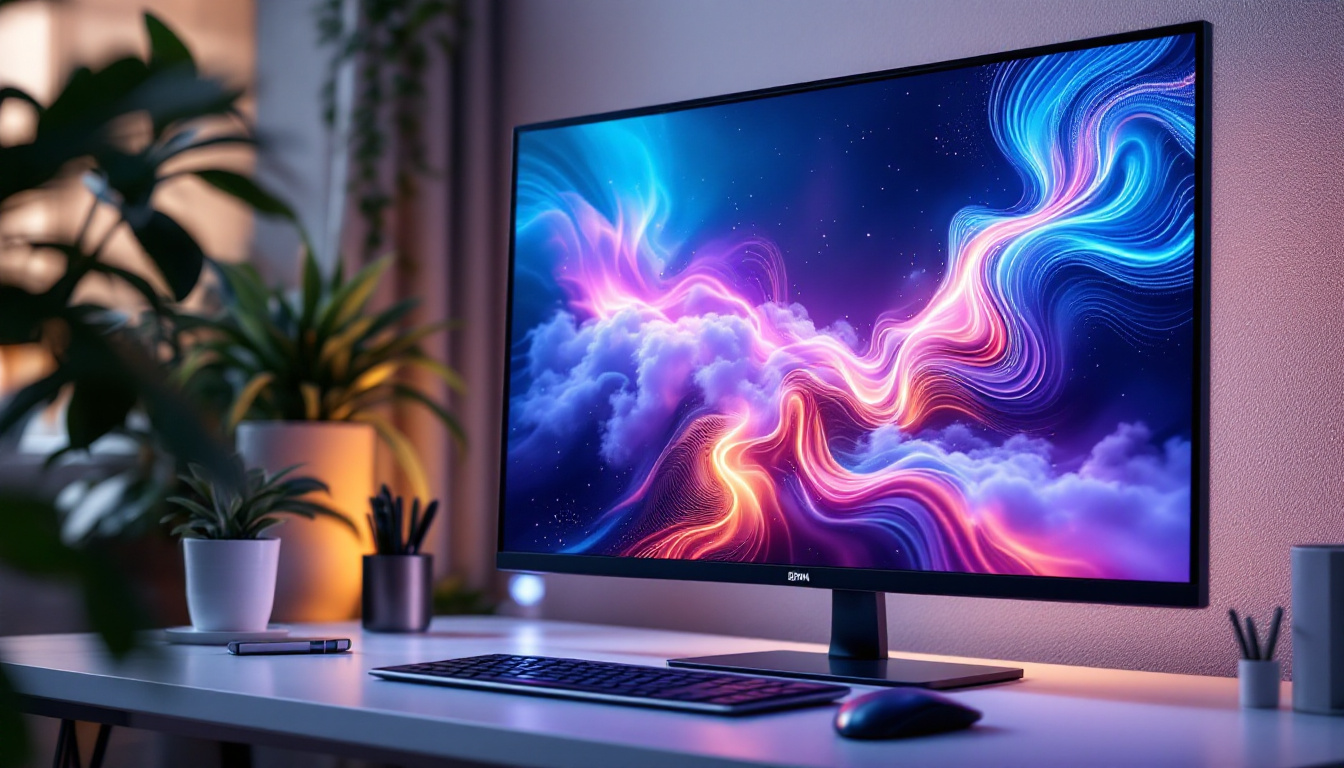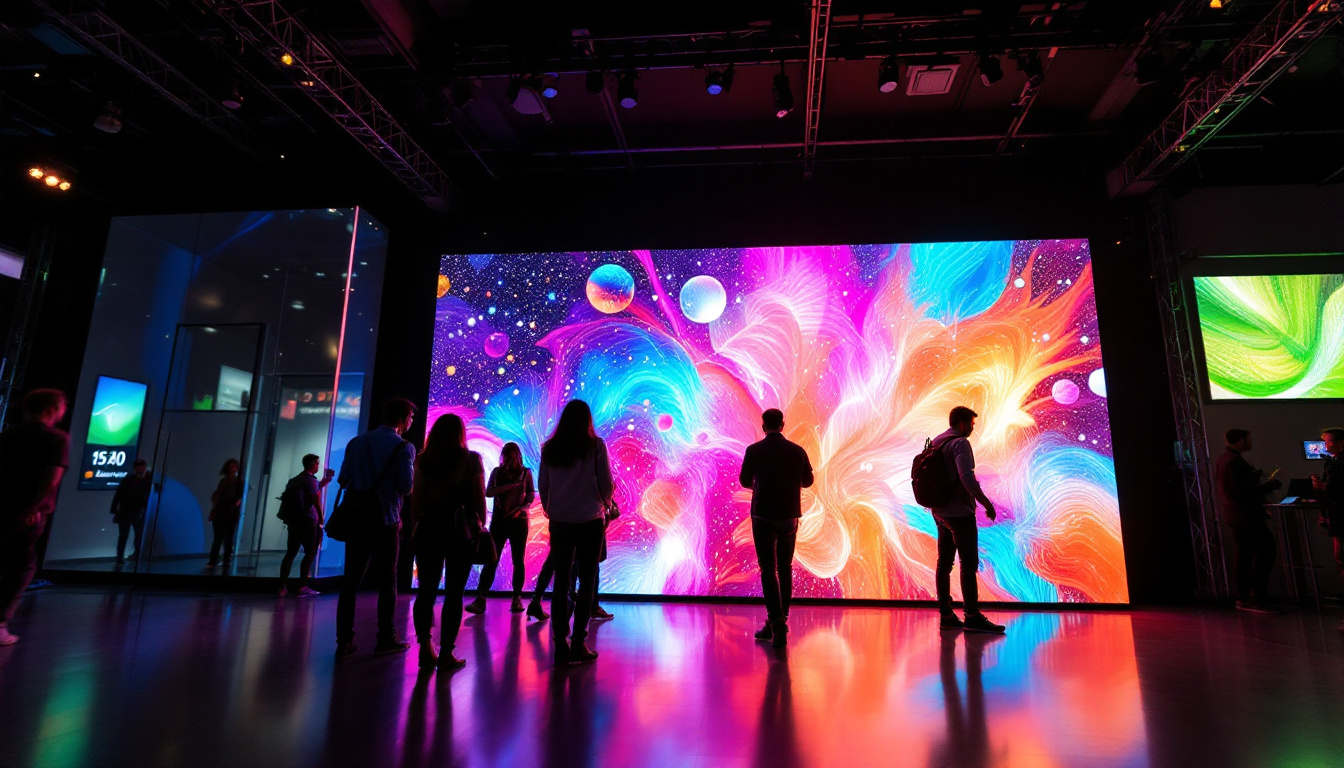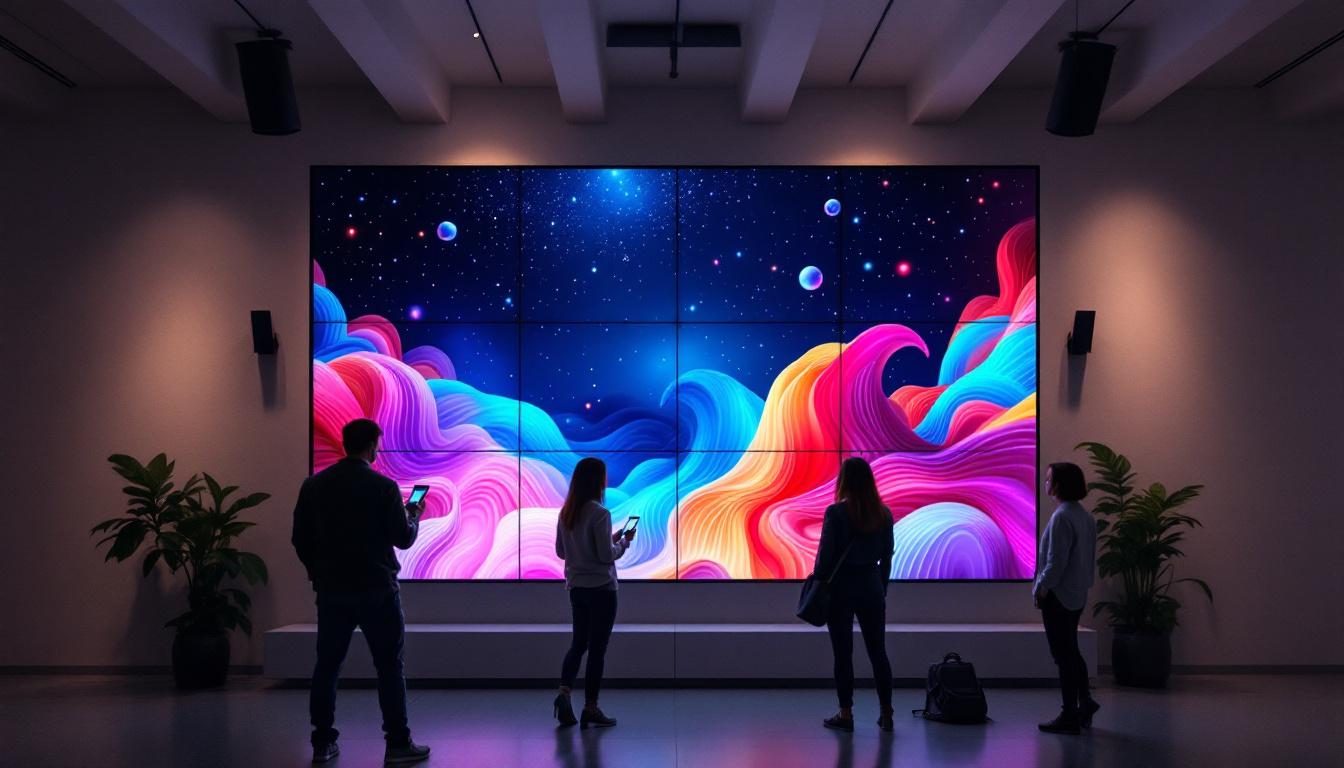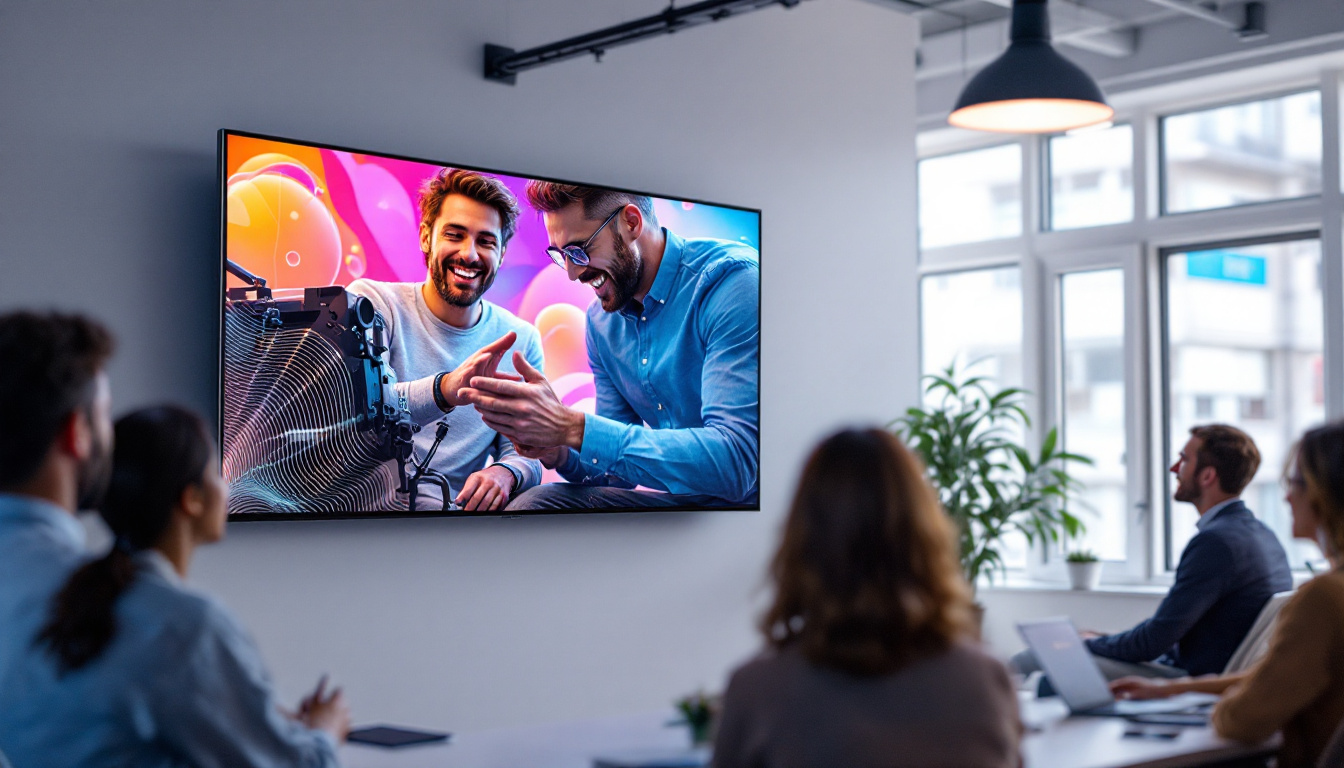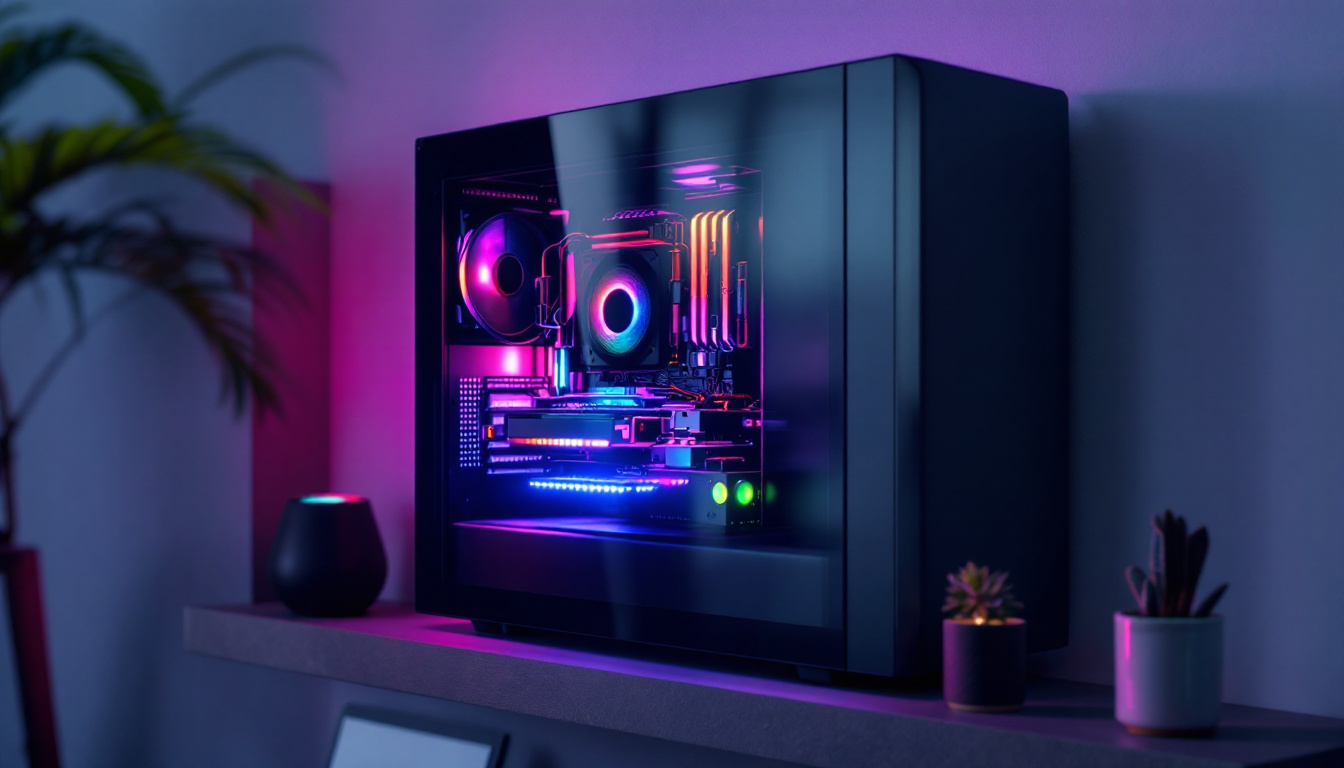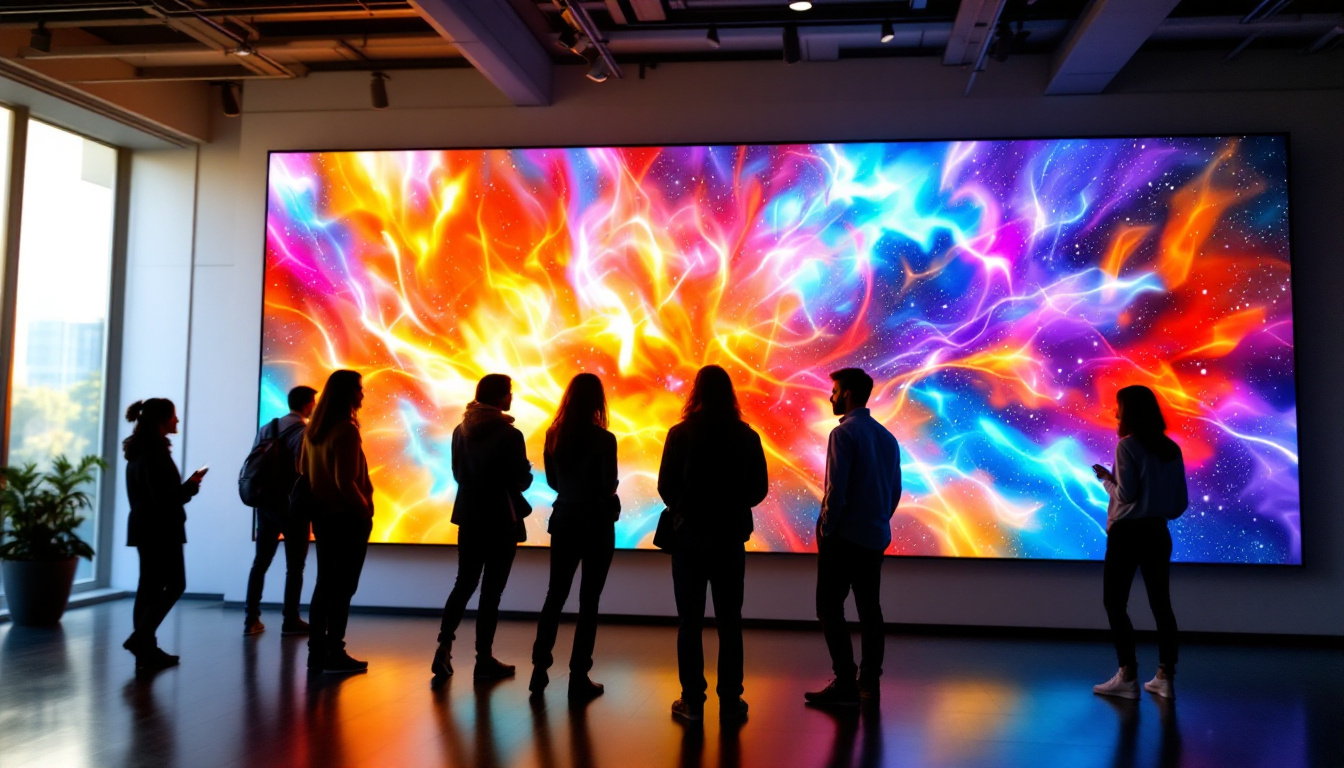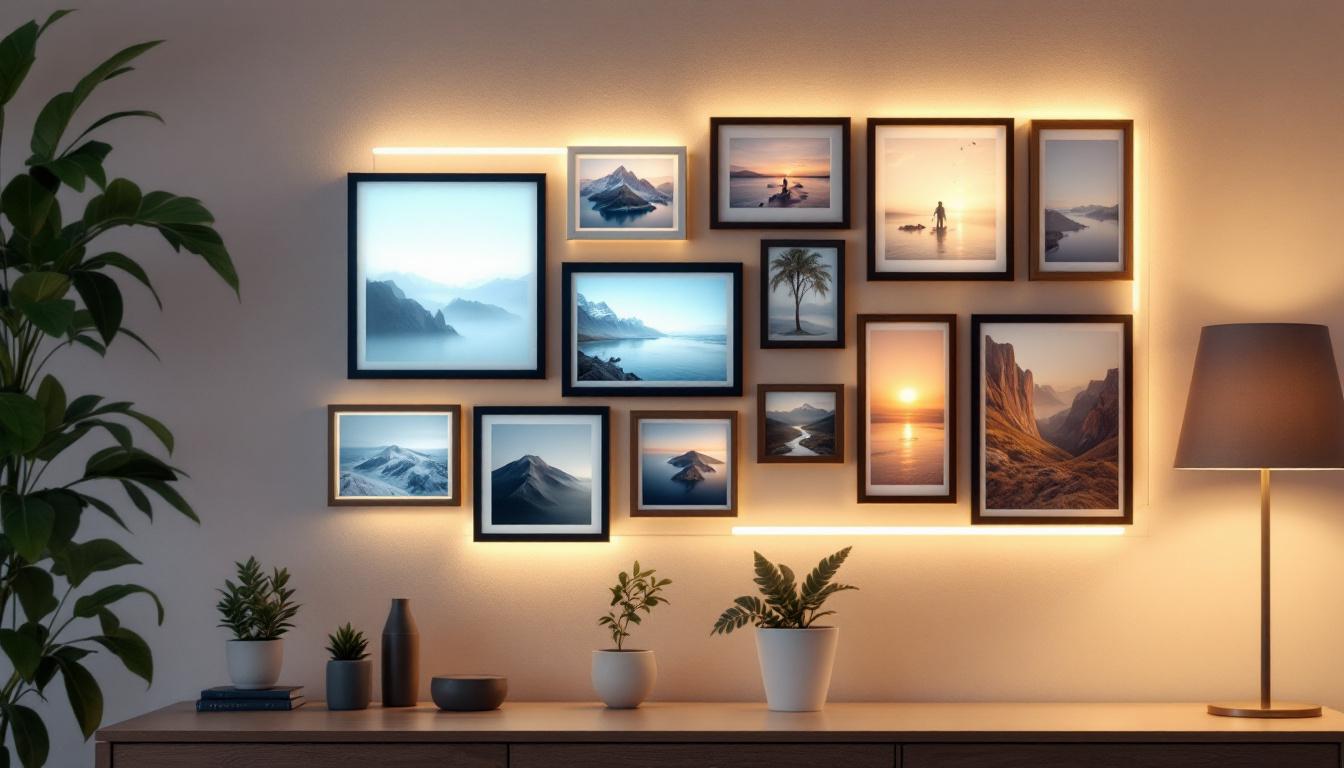
In modern interior design and digital display technology, the concept of a multiple picture wall frame combined with LED display technology is gaining significant traction. This innovative approach merges traditional aesthetics with cutting-edge technology, offering a dynamic way to showcase images, videos, and information. Whether used in homes, offices, galleries, or public spaces, these LED-enhanced multi-frame walls provide an engaging visual experience that goes beyond static pictures.
Understanding Multiple Picture Wall Frames
A multiple picture wall frame is essentially a collection of individual frames arranged in a cohesive design on a wall. Traditionally, these frames hold printed photographs or artwork, creating a personalized gallery that reflects the owner’s taste and memories. The appeal lies in its flexibility: frames can vary in size, orientation, and style, allowing for creative layouts that complement any space.
However, the static nature of printed images limits the potential of these walls. This is where LED display technology transforms the concept, turning passive frames into active digital canvases. By integrating LED screens into each frame, the wall becomes a versatile display system capable of showcasing a wide range of digital content.
The Evolution from Static to Digital
Over the past decade, the demand for digital displays in both residential and commercial environments has surged. According to a 2023 report by Grand View Research, the global digital signage market size was valued at $21.49 billion in 2022 and is expected to grow at a compound annual growth rate (CAGR) of 9.6% from 2023 to 2030. This growth is driven by advances in LED technology, which offers brighter, more energy-efficient, and longer-lasting displays.
Incorporating LED displays into multiple picture wall frames is a natural progression, blending the charm of traditional photo walls with the dynamic capabilities of digital signage. This evolution allows users to update content effortlessly, display multimedia presentations, and even integrate interactive features.
How LED Displays Work in Multiple Picture Wall Frames
LED (Light Emitting Diode) technology is the backbone of modern digital displays. Unlike LCD or OLED screens, LED displays use tiny diodes that emit light when an electric current passes through them, resulting in vivid colors and high contrast ratios. When applied to multiple picture wall frames, LED panels replace conventional photo inserts, turning each frame into a vibrant display unit.
Key Components of LED Picture Wall Frames
Each LED display frame typically consists of several essential components:
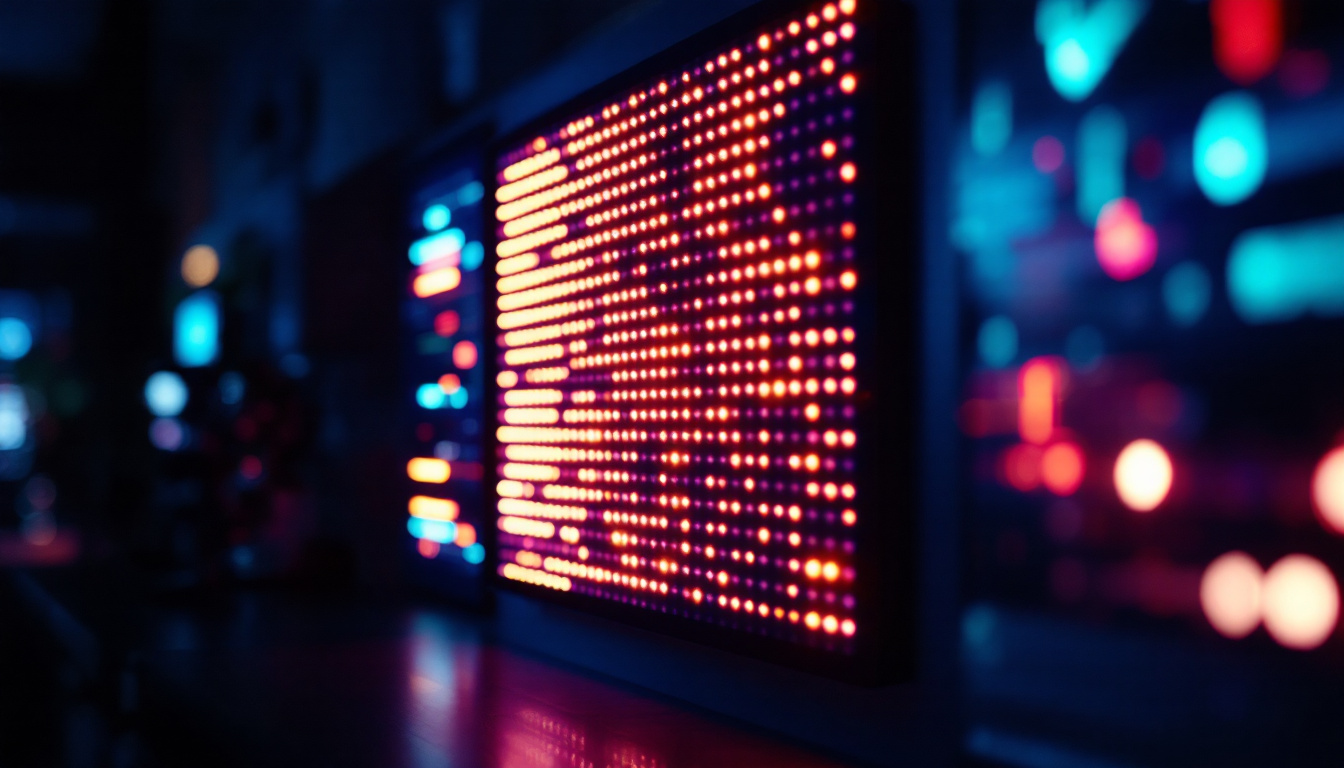
- LED Panel: The screen itself, composed of thousands of tiny LEDs arranged in a grid. The resolution and pixel pitch determine the clarity and sharpness of the displayed image.
- Controller: A device that manages the content shown on the LED panel. It can be connected to a computer, smartphone, or network for content updates.
- Power Supply: Provides the necessary electricity to illuminate the LEDs.
- Frame Housing: The physical structure that holds the LED panel, designed to mimic the appearance of traditional picture frames while protecting the delicate electronics inside.
These components work together to deliver seamless, high-quality images and videos, often with the ability to adjust brightness and color settings to suit ambient lighting conditions.
Content Management and Connectivity
One of the most significant advantages of LED multiple picture wall frames is their content flexibility. Users can upload new images, slideshows, or videos remotely via Wi-Fi, Ethernet, or USB connections. Many modern systems support cloud-based management platforms, allowing centralized control of multiple frames spread across different locations.
For example, in a corporate lobby, a series of LED frames can display rotating company achievements, upcoming events, or promotional videos, all managed from a single dashboard. In a home setting, family photos can be updated seasonally or for special occasions without the need to print or physically change frames.
Benefits of LED Multiple Picture Wall Frames
The integration of LED technology into multiple picture wall frames offers numerous benefits that appeal to a wide range of users, from homeowners to business owners and public institutions.
Dynamic and Versatile Display Options
Unlike static photo walls, LED frames can cycle through multiple images or videos, providing a dynamic visual experience. This versatility is especially valuable for businesses that want to capture customer attention with engaging content or for art galleries looking to showcase digital art collections.
Additionally, LED frames can support interactive features such as touch sensitivity or motion sensors, enabling viewers to engage with the content in real time. This interactivity can enhance visitor experiences in museums, retail stores, or exhibitions.
Space Efficiency and Customization
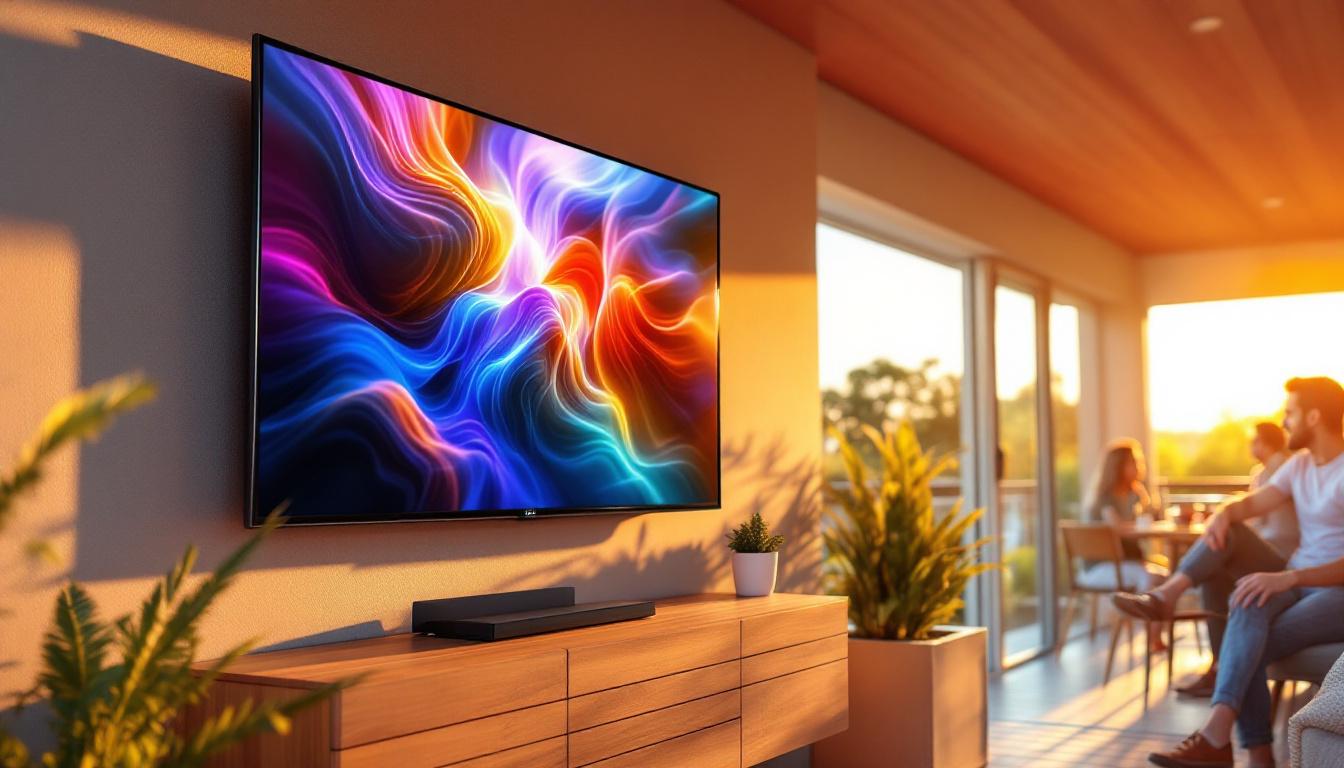
LED multiple picture walls can be customized to fit any wall size or shape, making them ideal for maximizing visual impact in limited spaces. Frames can be arranged in grids, mosaics, or creative patterns, with each frame operating independently or in sync with others.
Customization extends to the frame designs themselves, which can be tailored to match interior decor styles, from minimalist modern to classic vintage. This flexibility ensures that the technology complements rather than overwhelms the environment.
Energy Efficiency and Longevity
Modern LED displays are highly energy-efficient compared to older display technologies. According to the U.S. Department of Energy, LEDs use at least 75% less energy and last 25 times longer than incandescent lighting. This efficiency translates into lower operating costs and reduced environmental impact.
Moreover, the long lifespan of LEDs means that multiple picture wall frames require less maintenance and fewer replacements, making them a cost-effective solution over time.
Applications of LED Multiple Picture Wall Frames
The versatility of LED multiple picture wall frames makes them suitable for a broad spectrum of applications across various sectors.
Residential Use: Personalized Digital Galleries
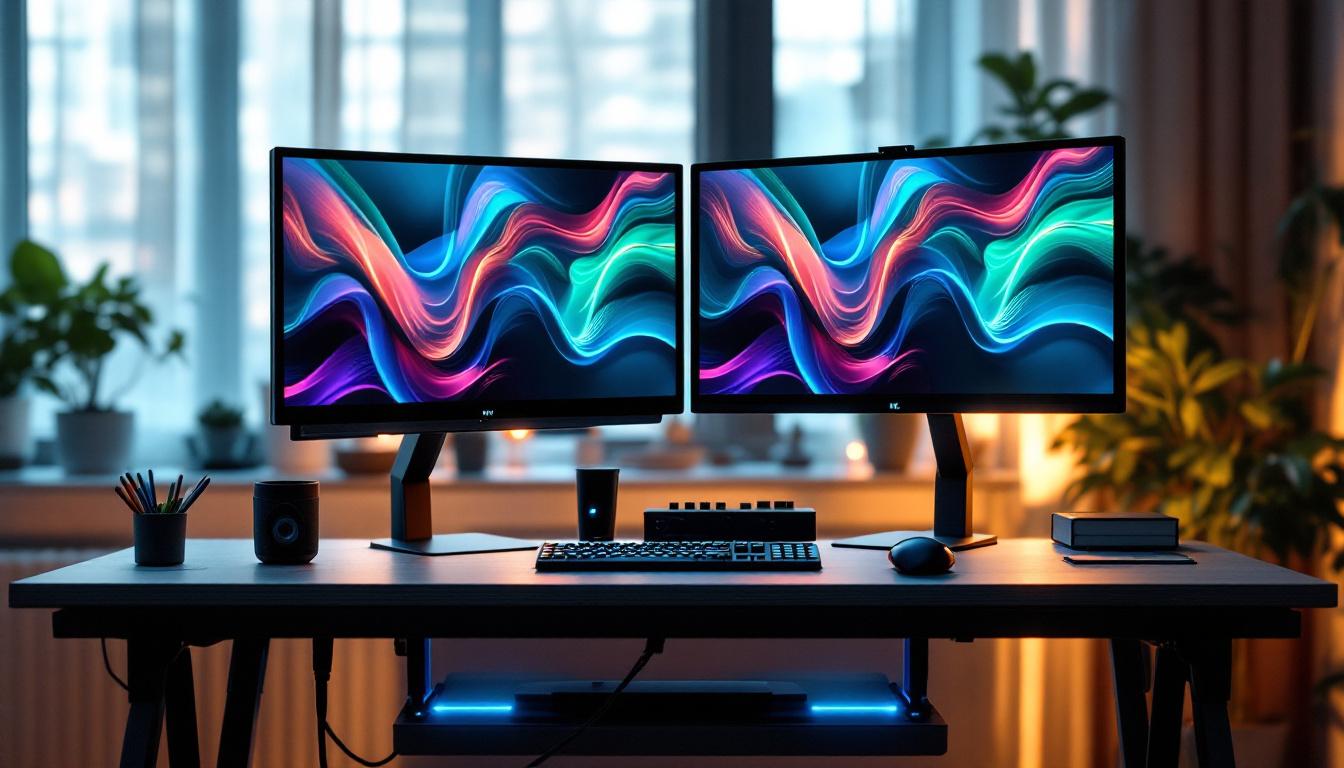
In homes, these frames offer a modern way to display family photos, vacation snapshots, or artwork. The ability to update content remotely means that busy families can keep their walls fresh without hassle. Some systems even allow for integration with social media platforms, automatically displaying new photos shared by friends and family.
Furthermore, LED frames can serve dual purposes as ambient lighting or digital clocks, adding functional value to their aesthetic appeal.
Commercial and Retail Spaces
Retailers use LED multiple picture walls to attract customers with eye-catching promotions, product showcases, and brand storytelling. The dynamic nature of LED displays helps stores stand out in competitive environments and adapt quickly to changing marketing campaigns.
Restaurants and cafes utilize these frames to display menus, daily specials, or customer reviews, enhancing the dining experience while streamlining communication.
Corporate and Educational Environments
In offices, LED picture walls can display corporate branding, motivational messages, or real-time data such as sales figures and performance metrics. Educational institutions use them for announcements, event promotions, and interactive learning displays.
The ability to control multiple frames from a central system is particularly advantageous in large campuses or multi-branch organizations.
Public Spaces and Art Installations
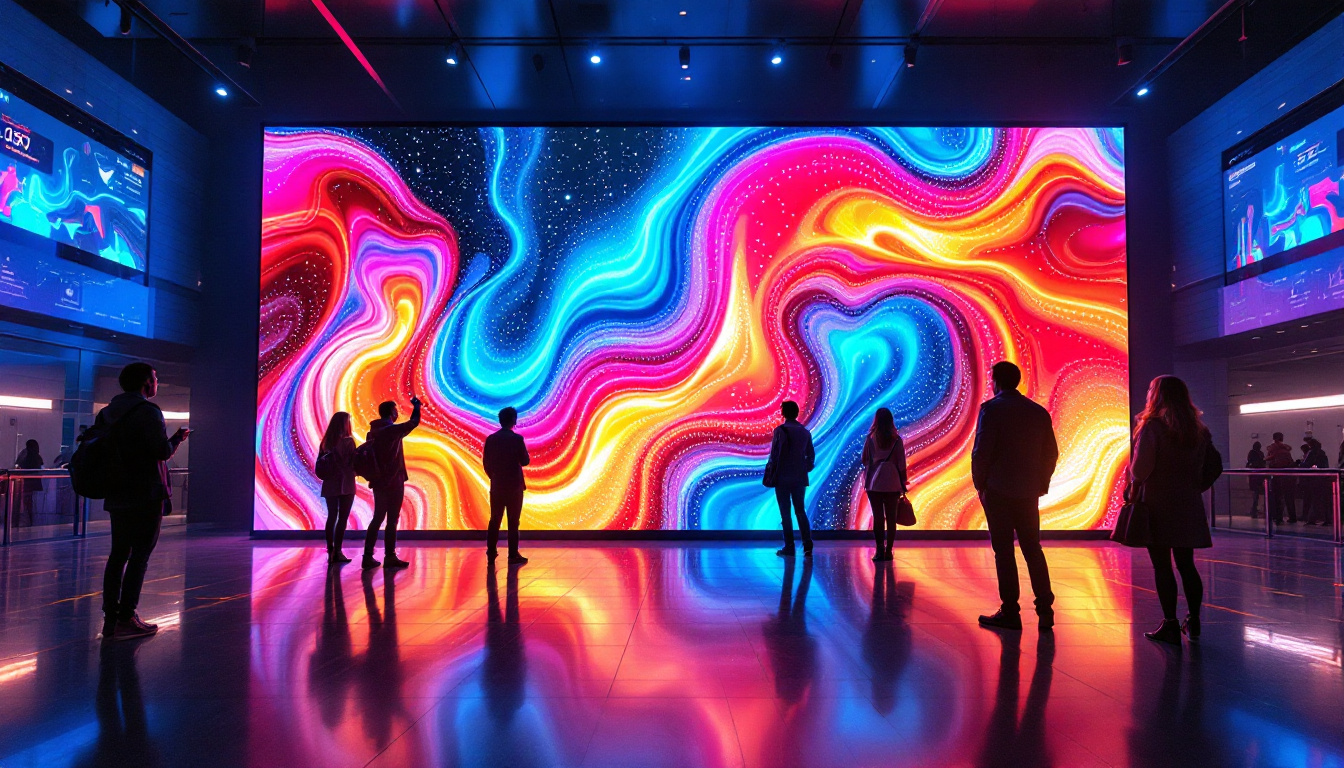
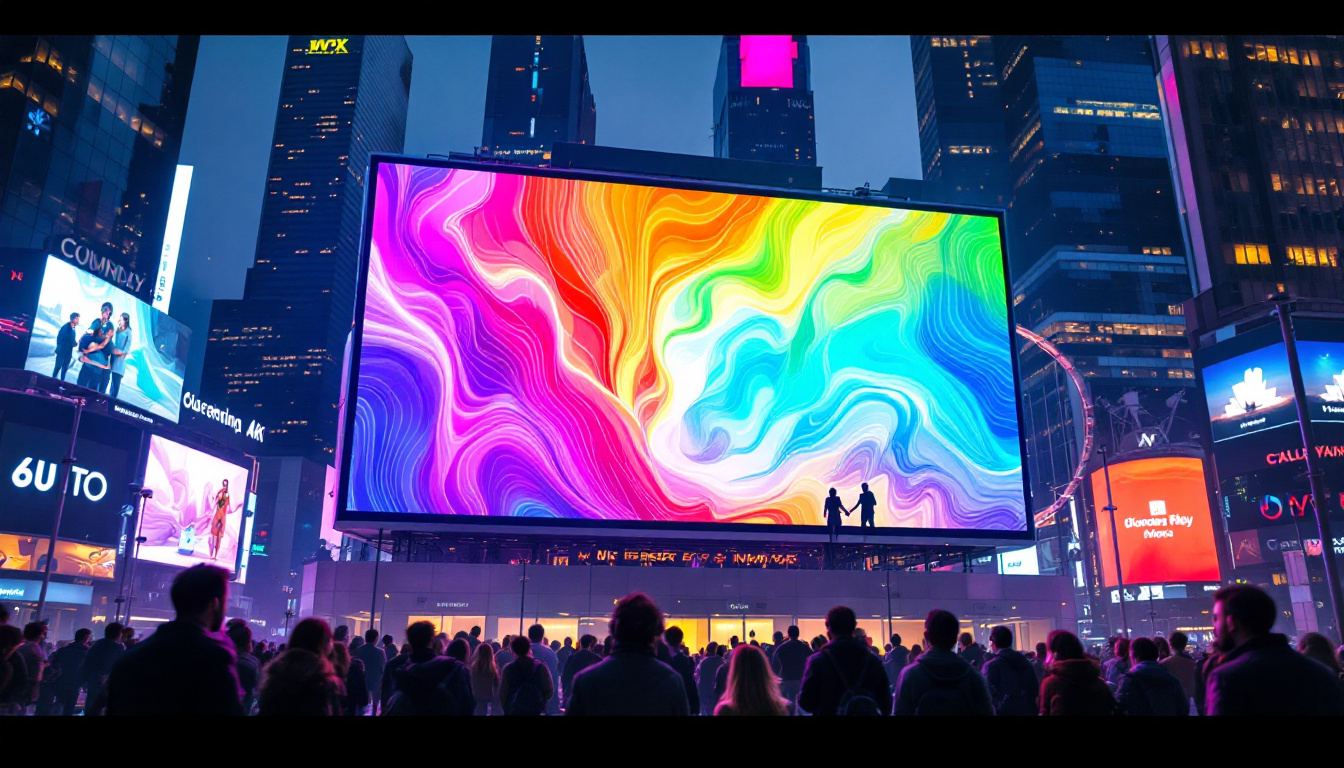
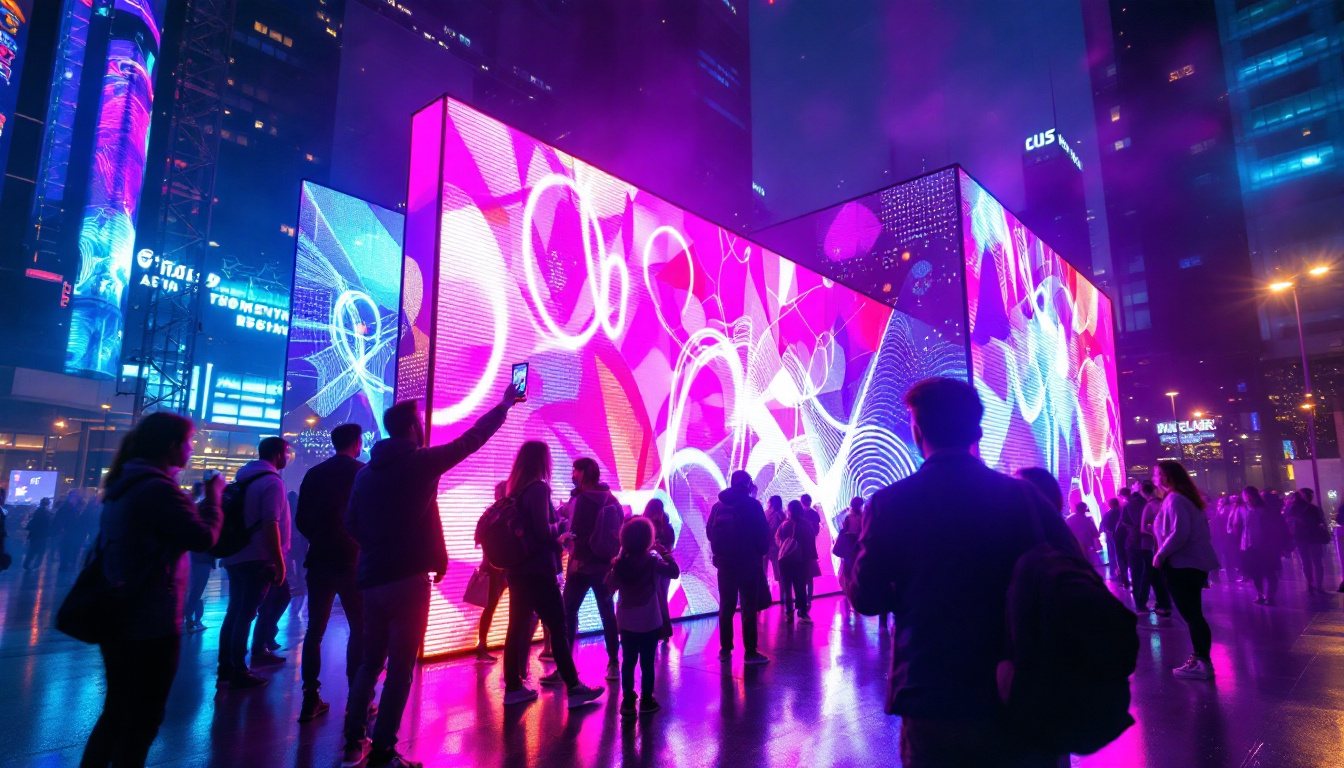
Museums, galleries, and public art projects benefit from the flexibility and vibrancy of LED multiple picture walls. Digital exhibitions can be updated regularly without the cost and effort of physical reinstallation. Interactive installations engage visitors, creating memorable experiences that blend technology with creativity.
Choosing the Right LED Multiple Picture Wall Frame
Selecting the ideal LED multiple picture wall frame depends on several factors, including intended use, budget, and technical requirements.
Resolution and Pixel Pitch
Resolution determines the clarity of images displayed. For close viewing distances, a higher resolution with a smaller pixel pitch (the distance between individual LEDs) is essential to avoid visible pixelation. For walls viewed from afar, a larger pixel pitch may suffice, reducing costs without compromising visual quality.
Size and Layout Flexibility
Consider the size of individual frames and the overall wall layout. Modular systems that allow easy addition or rearrangement of frames offer future-proofing and adaptability to changing needs.
Connectivity and Content Management
Evaluate the ease of updating content and the compatibility with existing devices or networks. Cloud-based platforms provide convenience and scalability, especially for commercial applications.
Durability and Maintenance
Frames intended for public or high-traffic areas should have robust construction and protective features against dust, moisture, and impact. Additionally, check for warranties and support services to ensure long-term reliability.
Future Trends in LED Multiple Picture Wall Frames
The future of multiple picture wall frames with LED displays is promising, driven by ongoing technological advancements and evolving user expectations.
Integration with Smart Home and IoT Systems
As smart home technology becomes more prevalent, LED picture walls are expected to integrate seamlessly with voice assistants, home automation systems, and IoT devices. This integration will enable users to control displays through voice commands, schedule content changes, or sync with other smart devices for coordinated ambiance settings.
Advancements in Display Technology
Emerging technologies such as microLED and transparent LED displays promise even higher resolution, better color accuracy, and novel form factors. These innovations will enhance the visual impact and design possibilities of multiple picture wall frames.
Enhanced Interactivity and AI Integration
Artificial intelligence (AI) and machine learning can personalize content based on viewer preferences, time of day, or environmental cues. Interactive features may include gesture recognition, facial expression analysis, or augmented reality overlays, creating immersive and responsive visual experiences.
Conclusion
The combination of multiple picture wall frames with LED display technology represents a significant leap forward in how images and digital content are presented in both personal and professional spaces. Offering dynamic versatility, energy efficiency, and aesthetic customization, these systems cater to a wide array of applications from home decor to commercial advertising and public art.
As LED technology continues to evolve and integrate with smart systems, the potential for creative expression and functional display solutions will only expand. For those looking to modernize their visual environments, LED multiple picture wall frames provide a compelling, future-ready option that blends tradition with innovation.
Discover the Future of Visual Display with LumenMatrix
Ready to elevate your space with the dynamic versatility of LED multiple picture wall frames? LumenMatrix is at the forefront of LED display innovation, offering a wide range of solutions that transform any environment. From captivating Indoor LED Wall Displays to versatile Outdoor LED Wall Displays and beyond, our mission is to revolutionize your visual communication. Experience the difference with LumenMatrix and let us help you create a visual experience that stands out. Check out LumenMatrix LED Display Solutions today and step into the future of digital display technology.