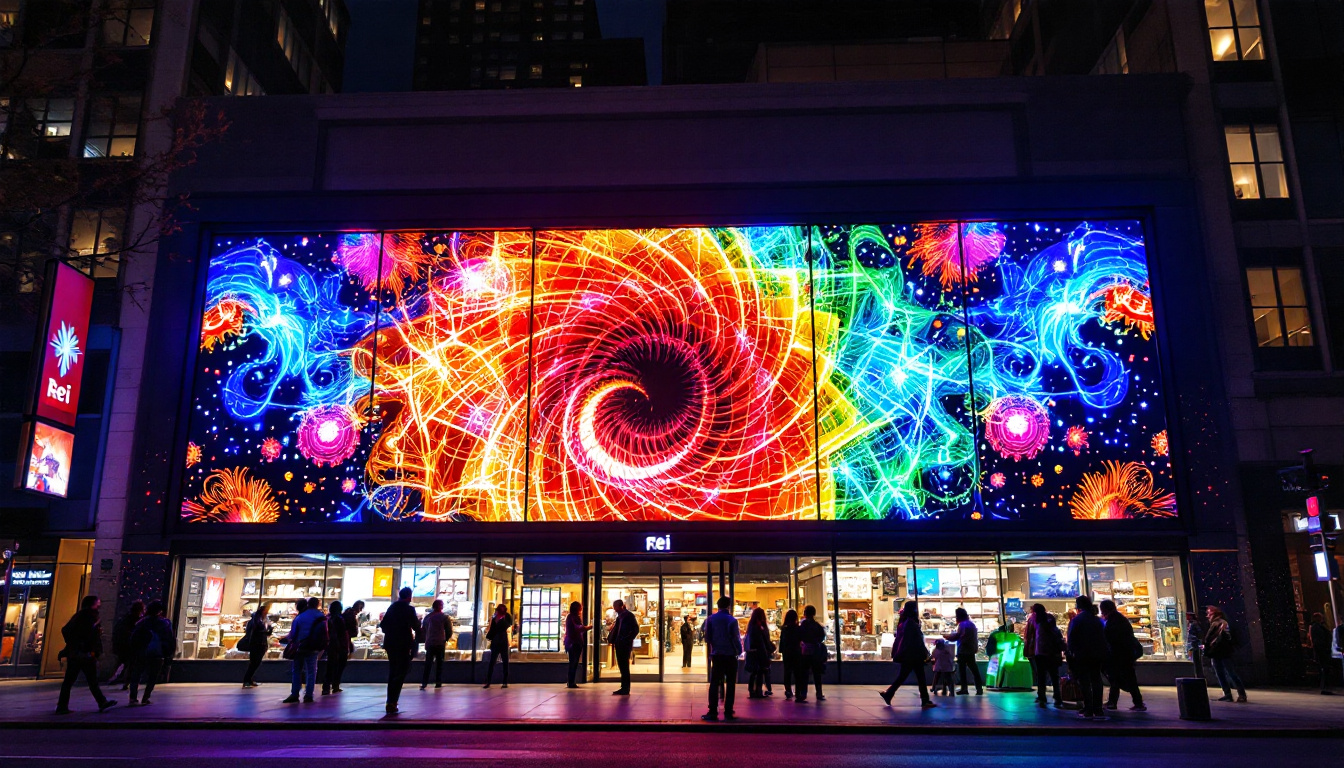
In the evolving landscape of museums and cultural institutions, the integration of technology plays a pivotal role in enhancing visitor engagement and educational impact. Among the various technological tools available, LED displays have emerged as a cornerstone for interactive exhibits. This article explores the significance of LED displays in museum settings, detailing their technology, benefits, and practical applications. By understanding how LED displays work and why they are preferred, museum professionals can make informed decisions to elevate the visitor experience.
Understanding LED Display Technology
What is an LED Display?
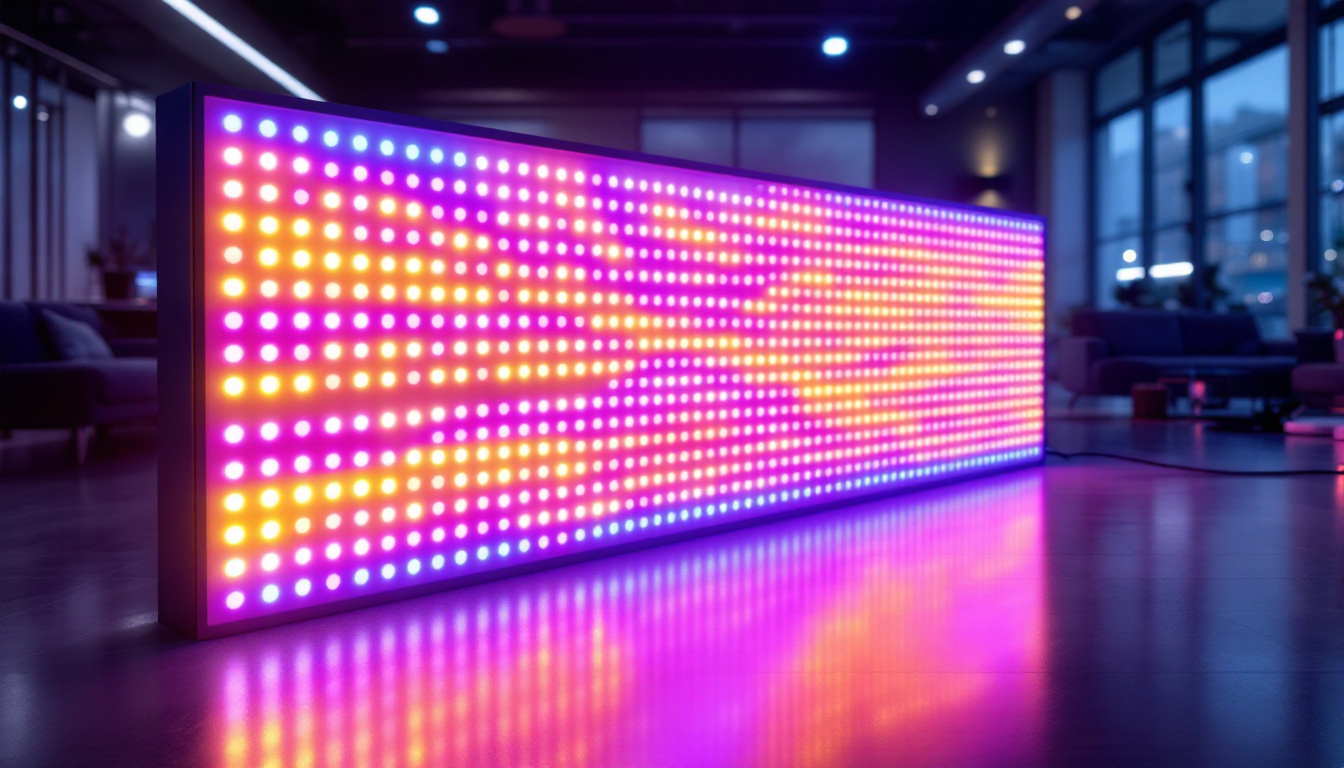
LED stands for Light Emitting Diode, a semiconductor device that emits light when an electric current passes through it. An LED display is a flat panel display that uses an array of LEDs as pixels for a video display. These displays can range from small, high-resolution screens to large-scale video walls, making them versatile for various museum applications.
Unlike traditional LCD or plasma screens, LED displays offer superior brightness, contrast, and energy efficiency. Their ability to produce vivid colors and sharp images even in brightly lit environments makes them ideal for museum settings where ambient lighting can vary significantly. Moreover, LED technology has evolved to include features such as dynamic contrast adjustment and color calibration, which further enhance the viewing experience. This adaptability allows museums to showcase artifacts and exhibits in the most visually appealing manner, ensuring that visitors are captivated by the displays.
Types of LED Displays Used in Museums
Museums typically employ two main types of LED displays: direct-view LED and LED-backlit LCDs. Direct-view LED displays consist of individual LEDs that form the image directly, providing exceptional brightness and color accuracy. These are often used for large video walls or immersive installations. The modular nature of direct-view LED technology allows for seamless integration into various architectural designs, enabling museums to create stunning visual narratives that draw visitors into the stories behind the exhibits.
LED-backlit LCDs, on the other hand, use LEDs as a backlight source behind an LCD panel. While not as bright as direct-view LEDs, these displays offer high resolution and are commonly used for smaller interactive kiosks or information panels within exhibits. These kiosks often feature touch-screen capabilities, allowing visitors to engage with the content more interactively. Additionally, the combination of high-resolution graphics and intuitive interfaces can transform a simple information panel into an educational tool that enhances the overall visitor experience, encouraging deeper exploration of the museum’s offerings.
Advantages of LED Displays for Museum Interactive Exhibits
Enhanced Visual Engagement
One of the primary reasons museums invest in LED displays is their ability to captivate visitors visually. The high brightness and wide color gamut of LED displays ensure that images and videos are vibrant and clear, even under challenging lighting conditions. This visual clarity helps to draw attention and maintain visitor interest, which is crucial for educational exhibits.
For example, the Smithsonian Institution’s National Museum of Natural History uses large LED video walls to showcase detailed animations of prehistoric creatures, providing an immersive learning experience that traditional static displays cannot match. The dynamic nature of these displays allows for storytelling that can evolve with each visitor’s interaction, making each visit unique and memorable. Furthermore, the integration of touch interactivity with LED displays encourages visitors to engage more deeply with the content, allowing them to explore various aspects of the exhibits at their own pace.
Durability and Longevity
Museum environments demand technology that can withstand continuous use and varying environmental conditions. LED displays are known for their durability and long lifespan, often exceeding 50,000 hours of operation. This reliability reduces maintenance costs and downtime, ensuring that exhibits remain functional and engaging over extended periods.
Additionally, LED displays are less prone to screen burn-in compared to other display technologies, making them suitable for exhibits that display static images or logos for long durations. This resilience is particularly beneficial in high-traffic areas where exhibits are frequently viewed. Museums can also benefit from the modular nature of LED technology, allowing for easy upgrades and repairs without the need for complete replacements, thus extending the life of their investment.
Energy Efficiency and Sustainability
With increasing emphasis on sustainability, museums are seeking energy-efficient solutions to reduce their carbon footprint. LED displays consume significantly less power than traditional lighting and display technologies. This energy efficiency aligns with many museums’ green initiatives and can lead to substantial cost savings over time.
For instance, the Museum of Modern Art in New York has incorporated LED technology in its interactive displays as part of its commitment to sustainable operations, demonstrating how technology and environmental responsibility can coexist. Moreover, the lower heat output of LED displays contributes to reduced air conditioning costs, further enhancing the overall energy savings. By adopting LED technology, museums not only enhance their exhibits but also set a precedent for environmental stewardship in the cultural sector, inspiring other institutions to follow suit in their quest for sustainability.
Applications of LED Displays in Museums
Interactive Information Kiosks
Interactive kiosks equipped with LED displays allow visitors to explore exhibit content at their own pace. These kiosks often feature touchscreens that provide detailed information, videos, and interactive maps. The brightness and clarity of LED displays ensure that content is easily readable and engaging, even in crowded or well-lit areas.
For example, the British Museum uses LED-backed interactive kiosks that enable visitors to delve deeper into artifact histories, enhancing the educational value of the exhibits. These kiosks often incorporate augmented reality features, allowing users to visualize artifacts in 3D or see reconstructions of historical events. This interactive approach not only captivates visitors but also fosters a deeper connection to the material, making the learning experience more memorable.
Immersive Video Walls and Projection
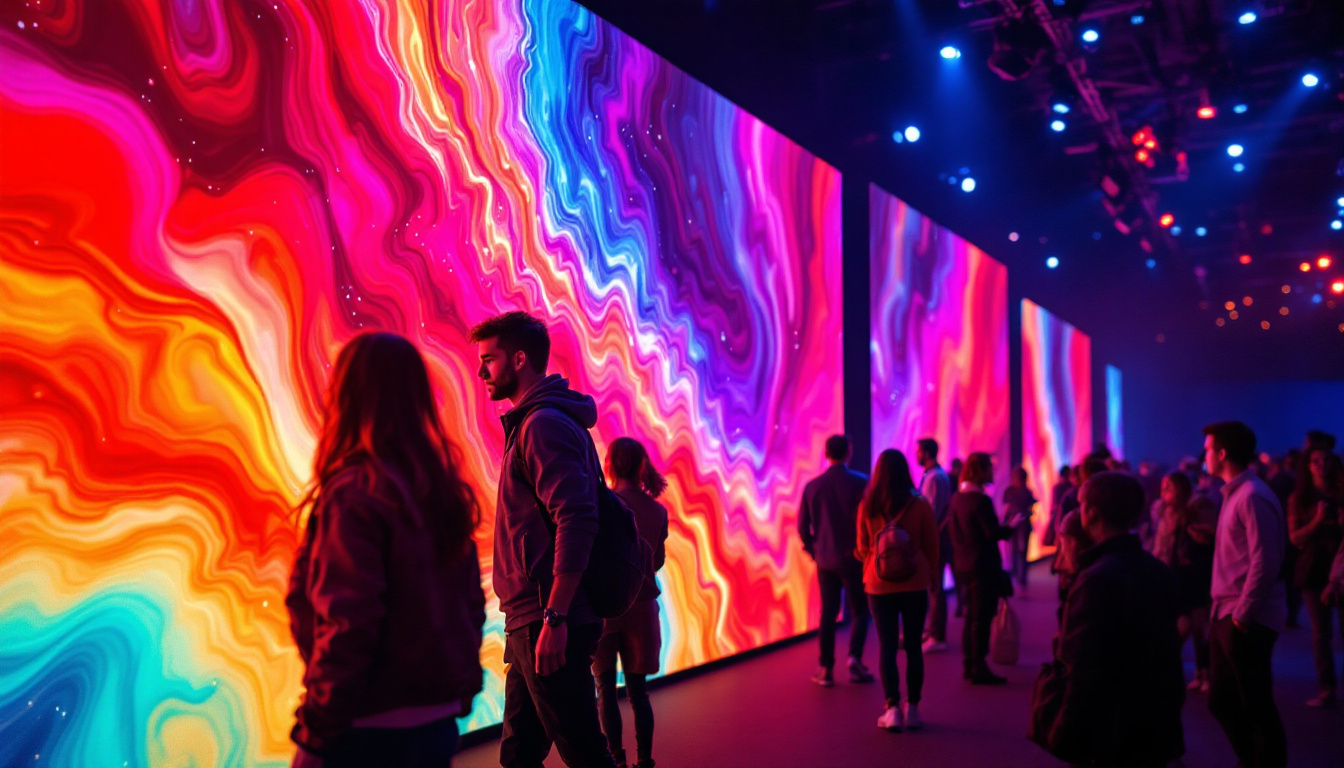
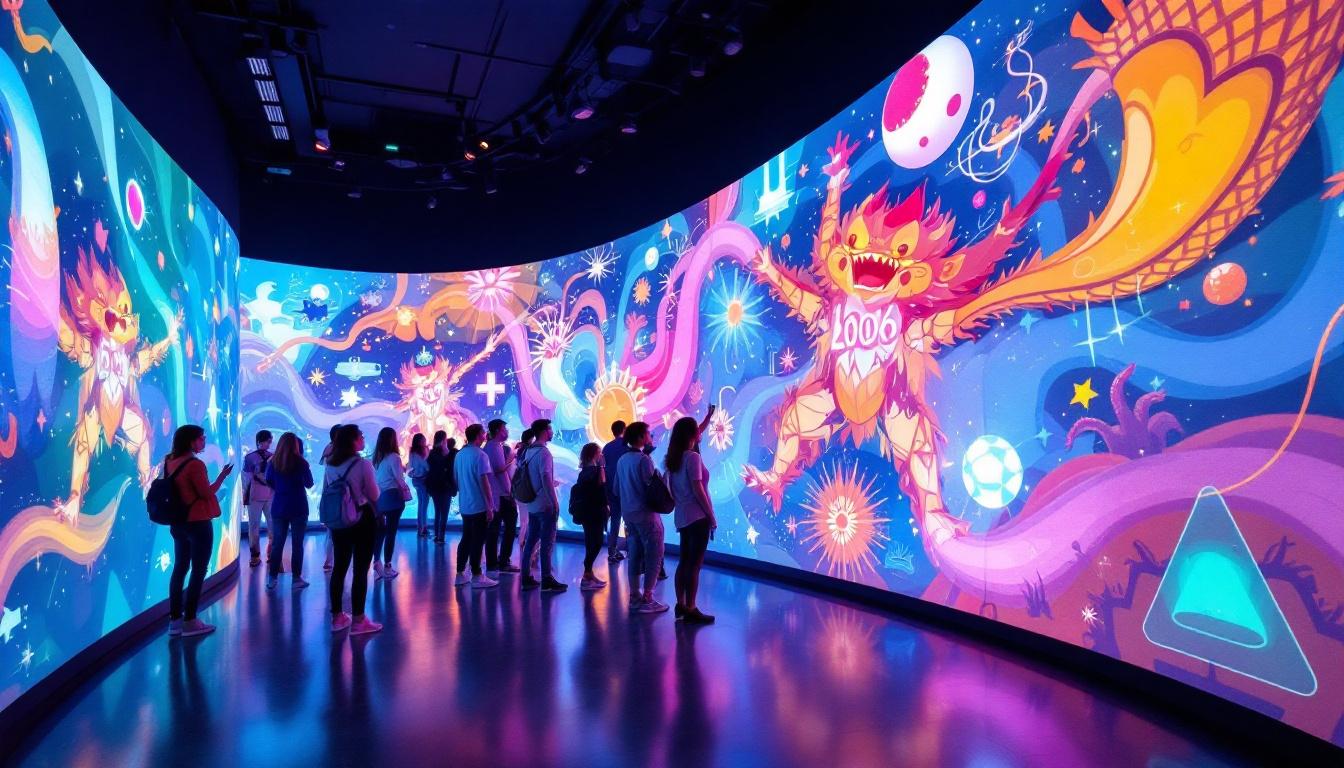
Large-scale LED video walls are increasingly used to create immersive environments within museum galleries. These walls can display dynamic content such as historical reenactments, scientific visualizations, or artistic interpretations, transforming traditional exhibits into multi-sensory experiences.
The Museum of Science and Industry in Chicago features a massive LED video wall that simulates space exploration, captivating audiences and providing a visually rich context for the exhibit. Additionally, these video walls can be synchronized with soundscapes and tactile elements, creating an all-encompassing atmosphere that draws visitors into the narrative. By combining visuals with auditory and physical stimuli, museums can craft unforgettable experiences that resonate with diverse audiences and encourage repeated visits.
Wayfinding and Digital Signage
LED displays also serve practical purposes such as wayfinding and digital signage. Museums with complex layouts benefit from bright, clear LED signs that guide visitors efficiently, improving overall visitor flow and satisfaction.
Moreover, digital signage can be updated remotely and in real-time, allowing museums to communicate event schedules, safety information, or exhibit changes promptly. This adaptability is particularly beneficial during special exhibitions or events, where information may need to be adjusted frequently. Additionally, some museums have begun integrating QR codes into their digital signage, enabling visitors to scan and access further information or multimedia content on their personal devices, thereby enhancing the interactive experience and providing a seamless blend of physical and digital engagement.
Design Considerations for Implementing LED Displays in Museums
Choosing the Right Resolution and Pixel Pitch
The resolution and pixel pitch of an LED display significantly impact image quality. Pixel pitch refers to the distance between individual LED pixels; smaller pixel pitches yield higher resolution and sharper images. For close-up interactive displays, a fine pixel pitch (1.5mm to 2.5mm) is essential to ensure clarity and detail.
Conversely, large video walls intended for viewing from a distance can utilize larger pixel pitches (4mm to 10mm), balancing cost and visual impact effectively.
Integrating with Existing Exhibit Design
Successful integration of LED displays requires thoughtful consideration of the exhibit’s aesthetic and spatial constraints. Displays should complement the exhibit’s theme and not overwhelm the artifacts or space. Custom enclosures, adjustable mounts, and anti-glare coatings are often employed to optimize the display’s presence.
Collaboration between curators, designers, and technology specialists is crucial to achieving a harmonious blend of technology and traditional museum elements.
Accessibility and User Experience
Interactive LED displays must be accessible to all visitors, including those with disabilities. Features such as adjustable screen heights, tactile feedback, and audio descriptions enhance usability. Additionally, intuitive user interfaces ensure that visitors of all ages and backgrounds can engage with the content effortlessly.
Incorporating multilingual options and clear visual cues further broadens the display’s accessibility and educational reach.
Future Trends in Museum LED Displays
Advancements in MicroLED Technology
MicroLED technology represents the next frontier in LED displays, offering even higher brightness, contrast, and energy efficiency with ultra-fine pixel pitches. Museums adopting microLEDs can expect unparalleled image quality and flexibility in display size and shape, enabling more creative and immersive exhibit designs.
Integration with Augmented Reality (AR) and Artificial Intelligence (AI)
Emerging technologies like AR and AI are increasingly integrated with LED displays to create personalized and interactive experiences. For example, AI-driven content can adapt based on visitor behavior, while AR overlays on LED screens can provide additional layers of information and engagement.
Such integrations promise to transform museum visits from passive observation to active participation, deepening educational outcomes.
Energy Harvesting and Smart Displays
Future LED displays may incorporate energy-harvesting technologies, such as solar panels or kinetic energy converters, to further reduce environmental impact. Smart displays equipped with sensors can adjust brightness and content based on ambient conditions and visitor interaction, optimizing energy use and enhancing the visitor experience.
Conclusion
LED displays have become indispensable tools in modern museums, offering vibrant visuals, durability, and interactive capabilities that traditional displays cannot match. Their adaptability to various exhibit types—from informative kiosks to immersive video walls—makes them versatile assets for enhancing visitor engagement and education.
As technology advances, museums that invest in cutting-edge LED displays and thoughtfully integrate them into their exhibits will continue to captivate audiences and fulfill their mission of education and cultural preservation. Understanding the technical aspects, benefits, and design considerations of LED displays enables museum professionals to make strategic decisions that enrich the visitor experience while supporting sustainability and accessibility goals.
Discover the Future of Museum Exhibits with LumenMatrix
Ready to transform your museum’s exhibits with the latest in LED display technology? LumenMatrix is at the forefront of creating immersive and interactive visual experiences that captivate and educate. From Indoor and Outdoor LED Wall Displays to innovative solutions like LED Sports Displays and Custom LED Displays, we have the technology to bring your vision to life. Embrace the future of museum displays and check out LumenMatrix LED Display Solutions today to see how we can help you create unforgettable visitor experiences.