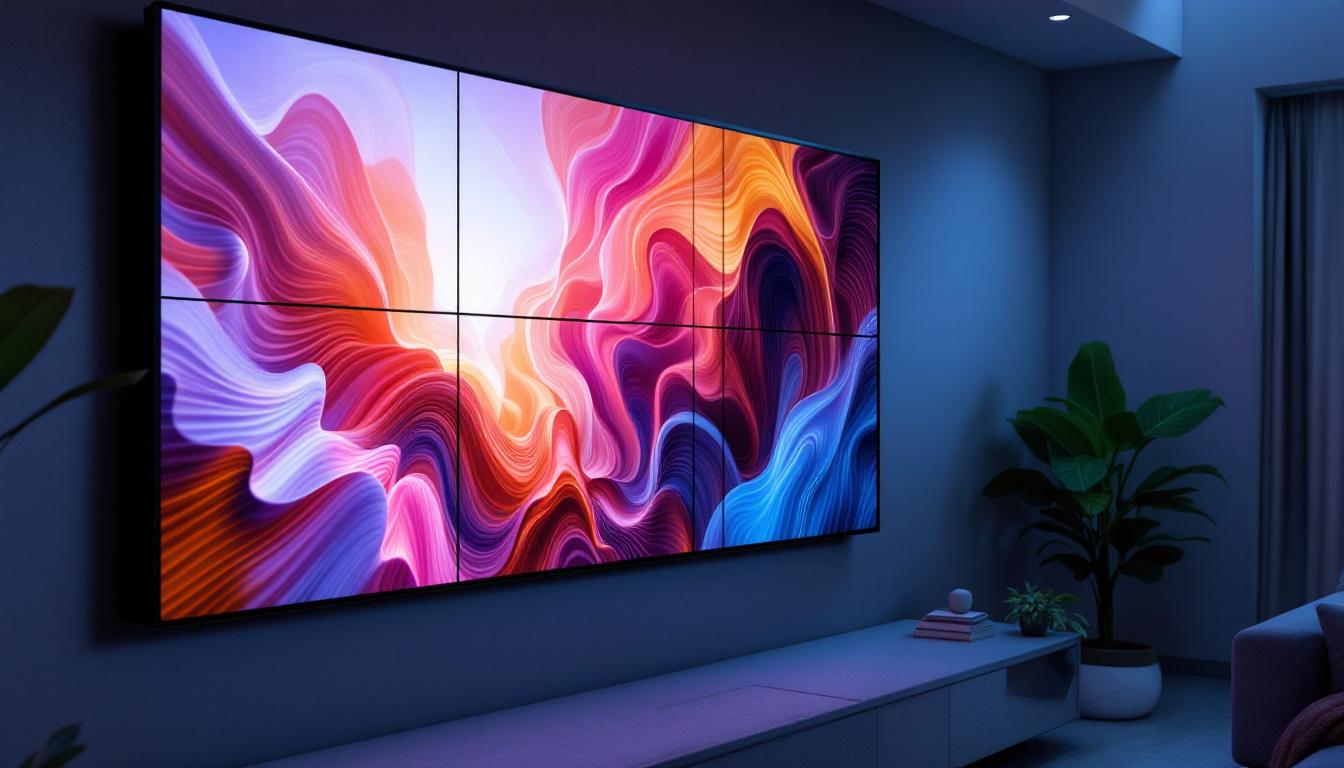
No Bezel TV For Video Wall: LED Display Explained
In the rapidly evolving world of digital signage and large-scale displays, video walls have become a cornerstone for delivering immersive visual experiences. Among the various technologies available, no bezel TVs and LED displays stand out for their ability to create seamless, expansive visuals without the distracting interruptions of traditional screen borders. This article delves into the nuances of no bezel TVs for video walls, exploring the technology behind LED displays, their advantages, applications, and what to consider when choosing the right solution for your needs.
Understanding No Bezel TVs and Their Role in Video Walls
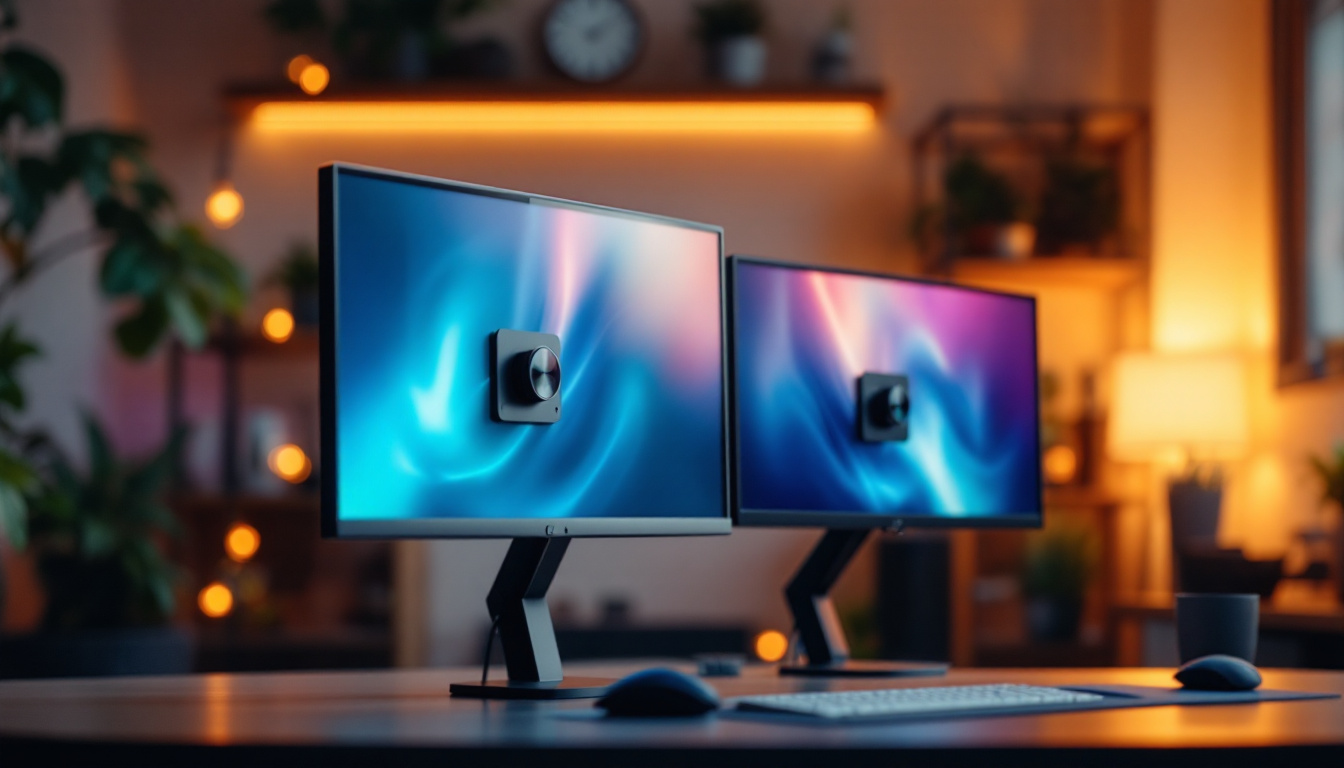
Video walls are large displays formed by combining multiple screens to create one unified image or a series of images. Traditionally, these setups faced a significant challenge: the bezels, or the frames around each TV or monitor, would create visible gaps that disrupted the continuity of the displayed content.
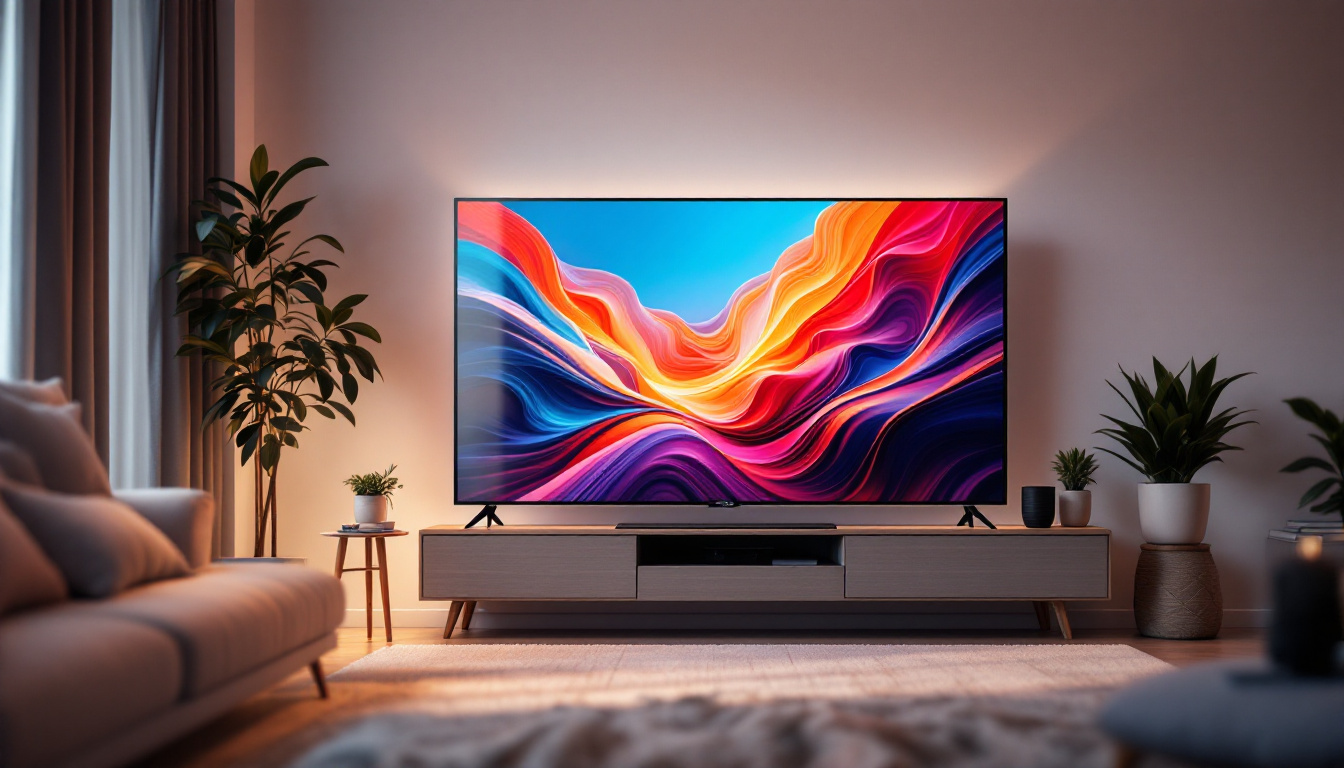
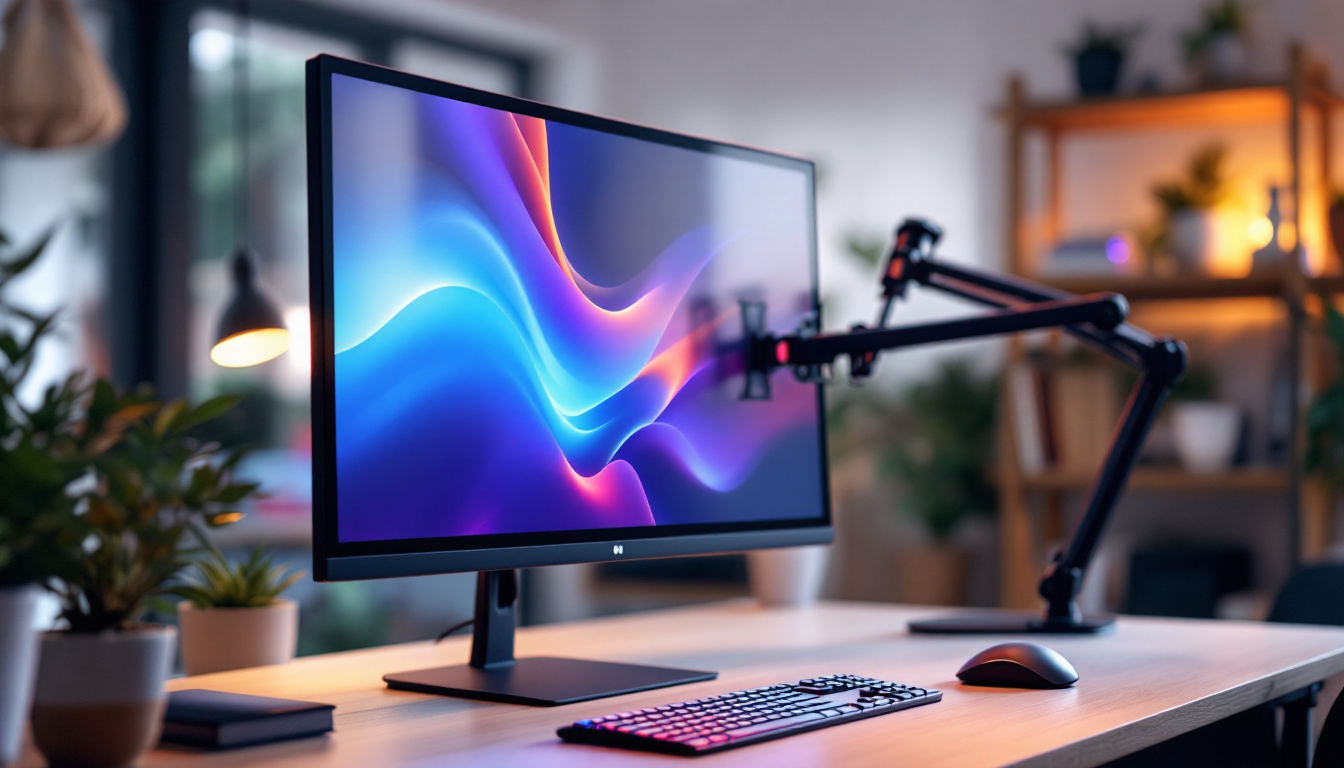
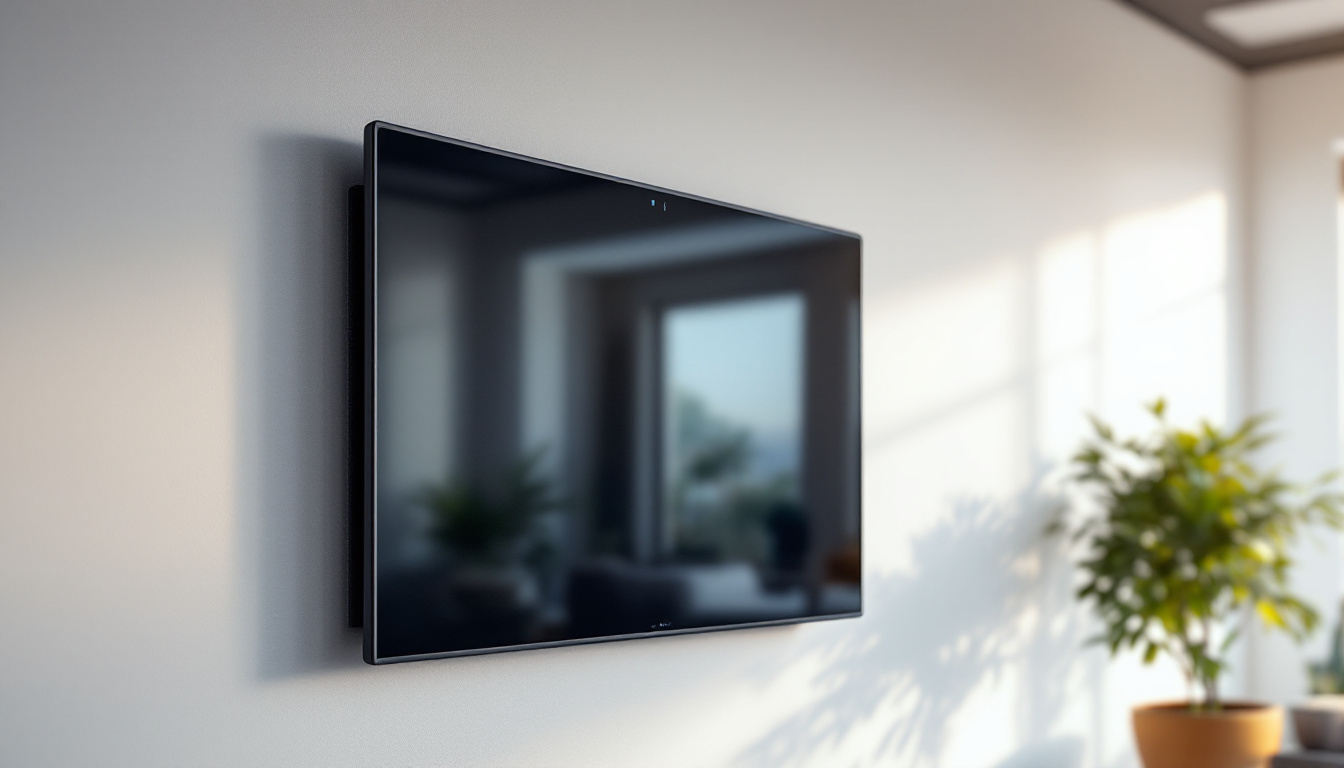
No bezel TVs, also known as bezel-less or ultra-narrow bezel displays, are designed to minimize or eliminate these gaps. By reducing the bezel width to just a few millimeters or completely removing it, these TVs enable a nearly uninterrupted viewing experience. This is particularly important for video walls, where the goal is to produce a visually cohesive image across multiple screens.
While no bezel TVs are typically LCD or OLED panels with ultra-thin frames, LED displays offer an alternative approach, often preferred for large-scale video walls due to their scalability and superior brightness. The advancements in technology have enabled manufacturers to create displays that not only boast minimal bezels but also deliver exceptional color accuracy and contrast ratios, enhancing the overall visual experience.
The Importance of Bezel Width in Video Walls
The bezel width directly impacts the visual integrity of a video wall. Even a few millimeters of bezel can become a noticeable distraction, especially in environments where the display is viewed up close or used for detailed content such as control rooms, broadcast studios, or retail spaces. In these settings, the seamless integration of images across screens is crucial for effective communication and engagement.
Manufacturers have pushed bezel widths down to as low as 0.88mm in some premium models, but completely bezel-less TVs remain a challenge due to the physical requirements of the display components. This is where LED displays come into play, often offering a true seamless experience. Additionally, the advancements in calibration technologies allow for precise alignment of multiple screens, ensuring that color and brightness remain consistent across the entire video wall. This level of precision is essential for applications such as digital signage, where brand messaging must be displayed flawlessly to capture audience attention.
Furthermore, the integration of smart technology into no bezel TVs has opened up new possibilities for interactivity. Many modern video walls can now support touch capabilities or gesture recognition, transforming them into dynamic platforms for presentations or customer engagement. This shift not only enhances the viewer’s experience but also allows businesses to leverage video walls for interactive advertising, immersive storytelling, and even data visualization, making them an invaluable tool in various industries.
LED Displays: The Technology Behind Seamless Video Walls
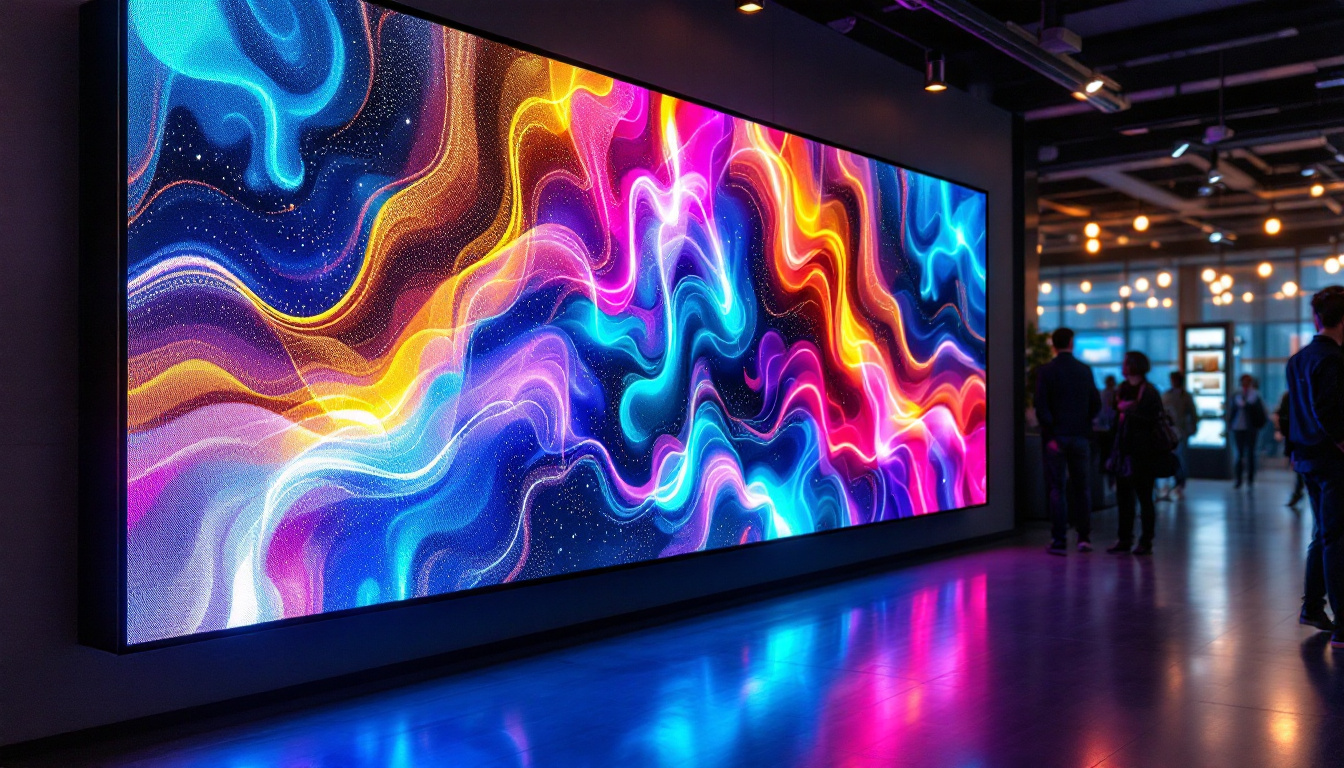
LED (Light Emitting Diode) displays have revolutionized the way video walls are constructed. Unlike traditional LCD or OLED TVs, LED video walls are made up of modular panels that use tiny LEDs as individual pixels. These panels can be tiled together with virtually no gap, creating a continuous and vibrant image.
There are two main types of LED displays used in video walls:
- Direct View LED (DVLED): These displays use LEDs as the light source and pixel elements, offering exceptional brightness, contrast, and color accuracy.
- LED-backlit LCD: These are traditional LCD panels illuminated by LEDs but still have bezels and are less suitable for seamless video walls.
Advantages of LED Video Walls Over No Bezel TVs
LED video walls provide several key benefits that make them the preferred choice for large-scale, high-impact installations:
- True Seamlessness: LED panels can be designed with near-zero gaps, eliminating any visible breaks in the image.
- Superior Brightness: LED displays can achieve brightness levels exceeding 1,000 nits, making them ideal for environments with high ambient light such as outdoor advertising or retail windows.
- Scalability: Modular LED panels can be assembled in virtually any size or shape, from small video walls to massive digital canvases spanning entire building facades.
- Durability: LED displays are robust and can operate continuously for tens of thousands of hours with minimal maintenance.
- Wide Viewing Angles: LED technology offers consistent color and brightness across wide viewing angles, ensuring the image looks great from almost any position.
Pixel Pitch and Resolution Considerations
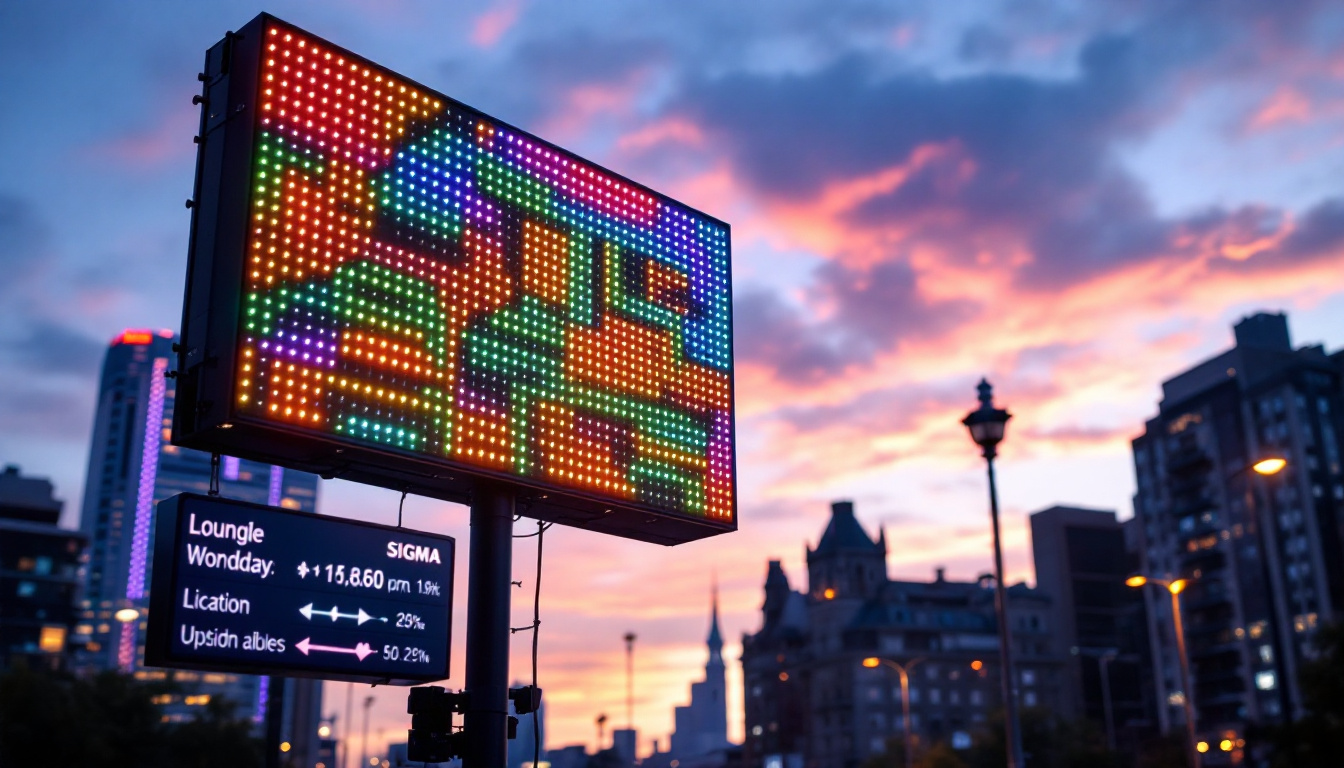
One critical factor in LED video walls is the pixel pitch, which is the distance between the centers of two adjacent LEDs. Pixel pitch determines the resolution and viewing distance of the display:
- Smaller Pixel Pitch (e.g., 0.9mm to 2.5mm): Offers higher resolution and is suitable for close viewing distances, such as control rooms or indoor corporate environments.
- Larger Pixel Pitch (e.g., 4mm to 10mm and above): Used for outdoor or large venue installations where viewers are farther away.
Choosing the right pixel pitch is essential to balance cost, resolution, and viewing distance, ensuring the video wall delivers the desired visual impact.
Applications of No Bezel and LED Video Walls
The versatility of no bezel TVs and LED video walls has led to their adoption across a wide range of industries and use cases. Understanding these applications helps clarify why seamless displays are so valuable.
Corporate and Control Rooms
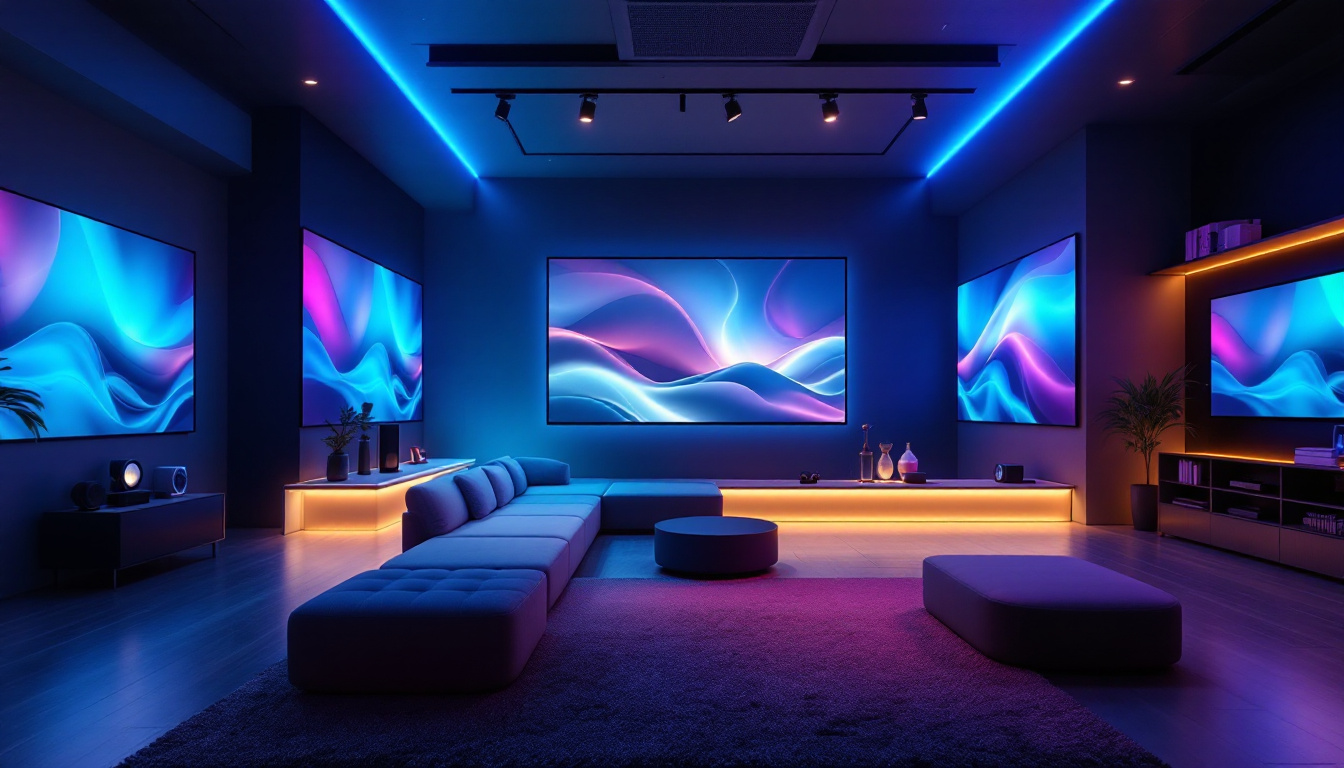
In corporate boardrooms and control centers, video walls are used for presentations, data visualization, and monitoring critical systems. Here, ultra-narrow bezel LCD TVs or fine-pitch LED video walls provide crisp, uninterrupted visuals that facilitate decision-making and collaboration.
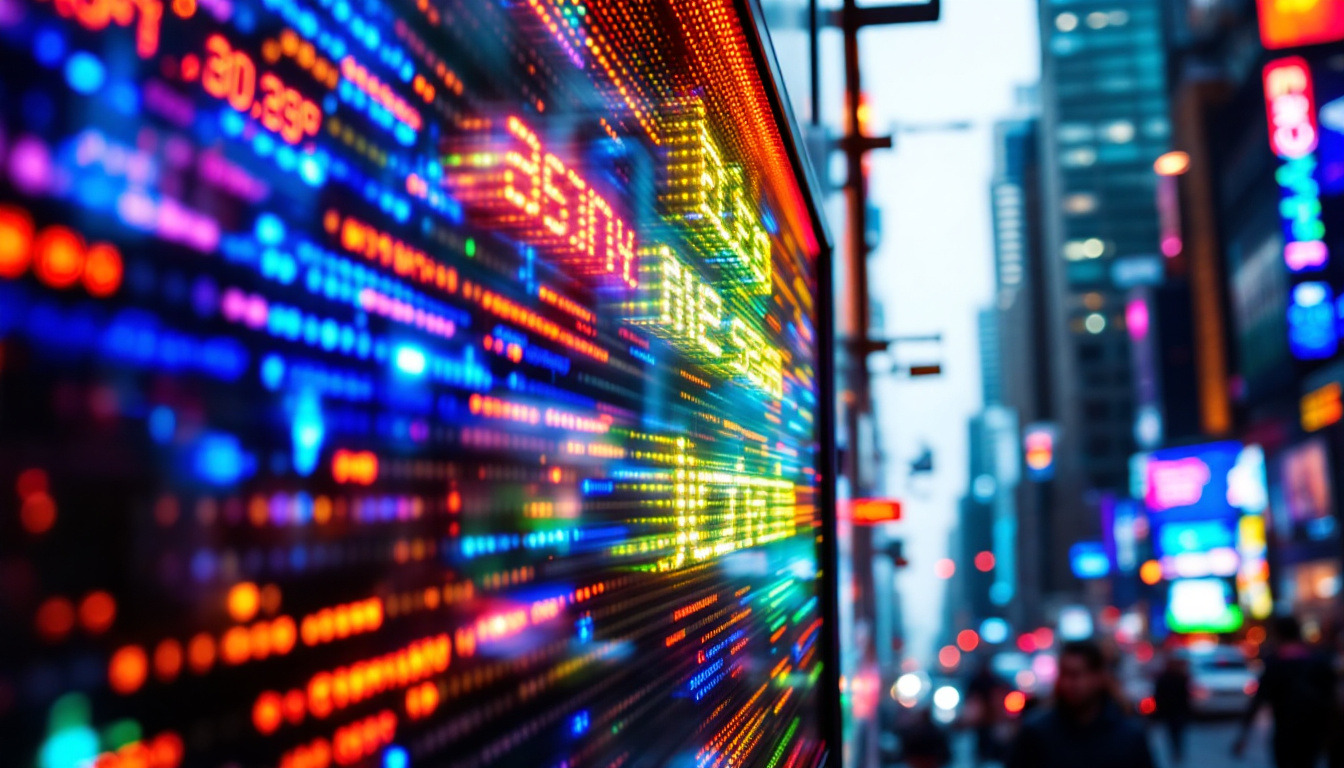
For example, financial trading floors often rely on video walls to display real-time market data, news, and analytics. The seamless nature of these displays ensures traders can quickly interpret complex information without distraction.
Retail and Advertising
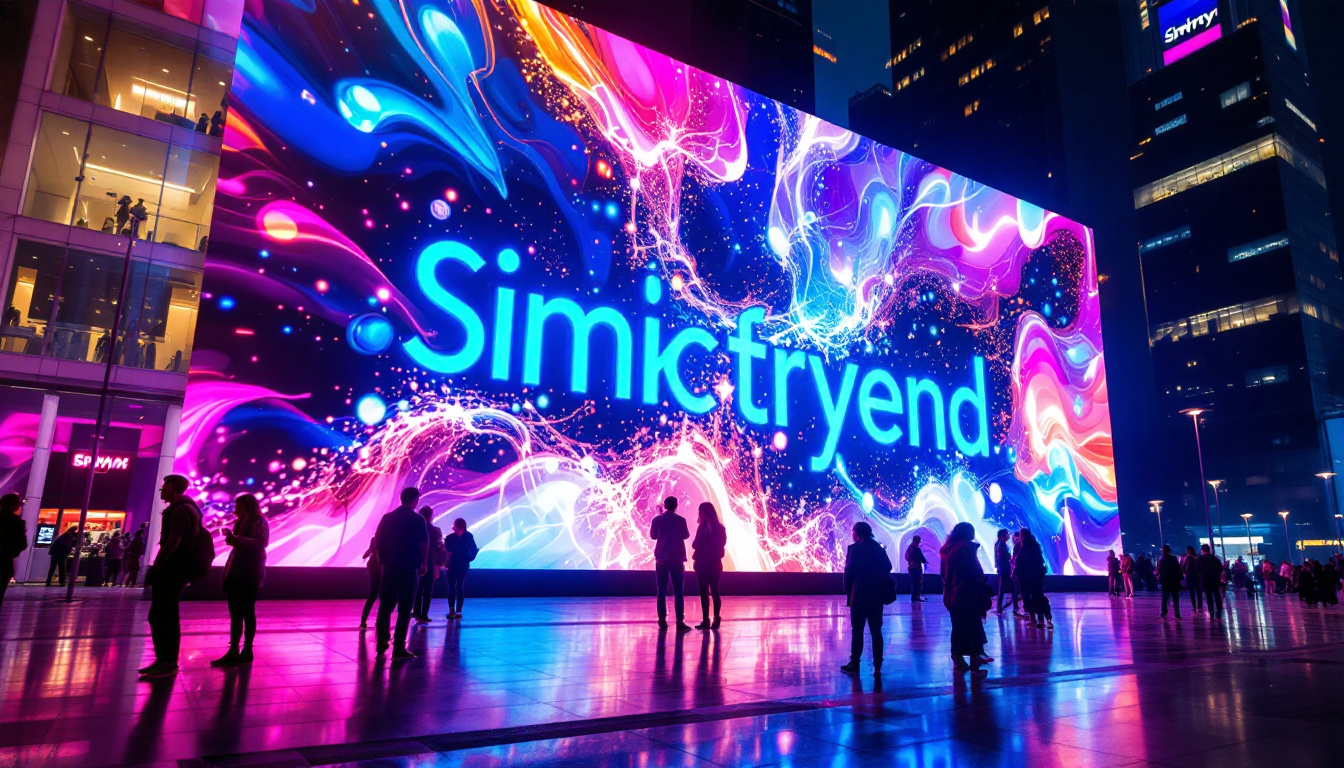
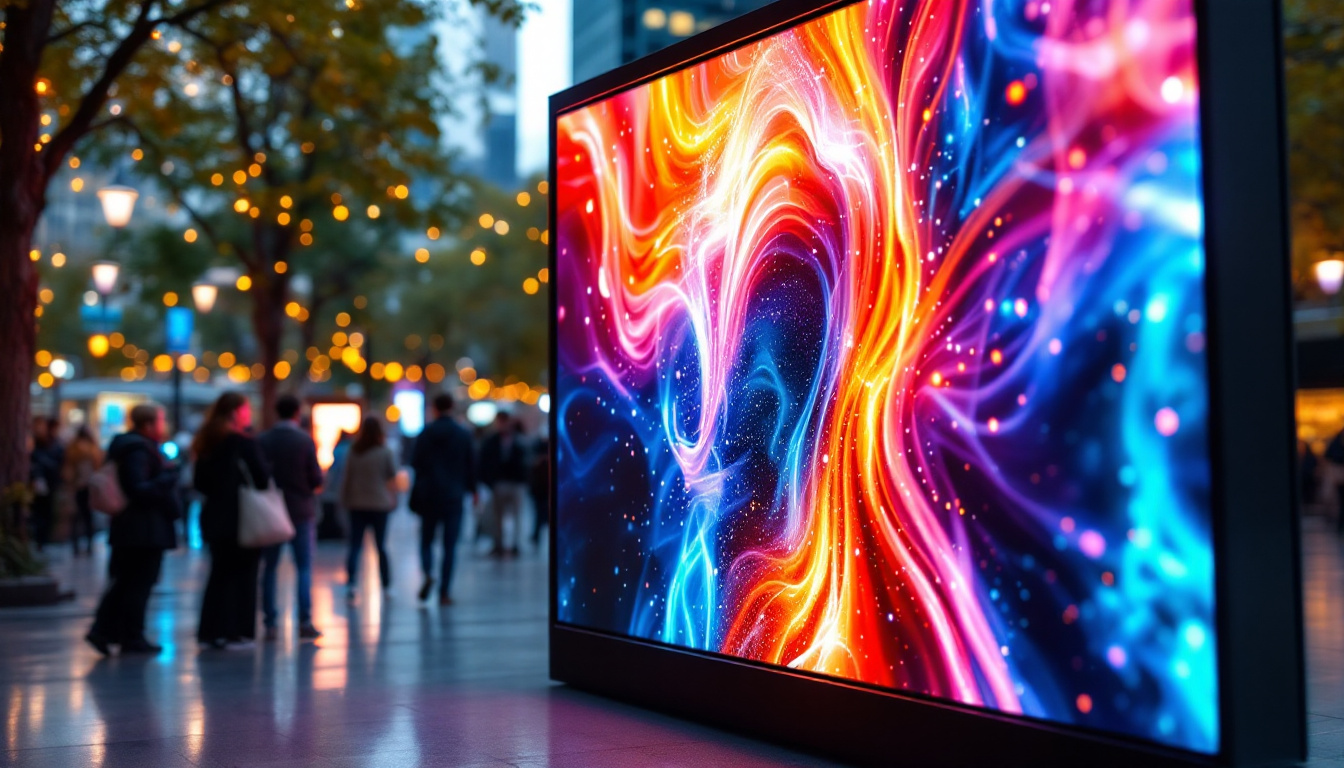
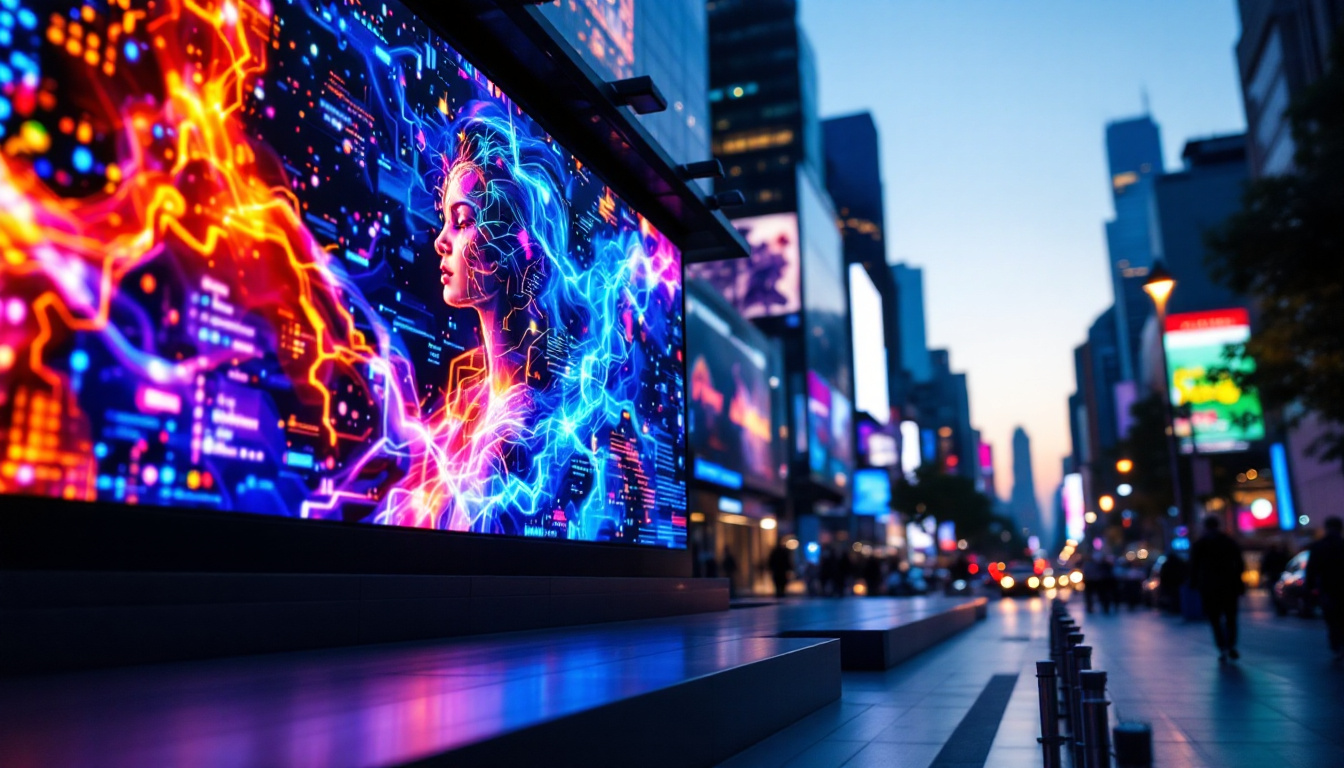
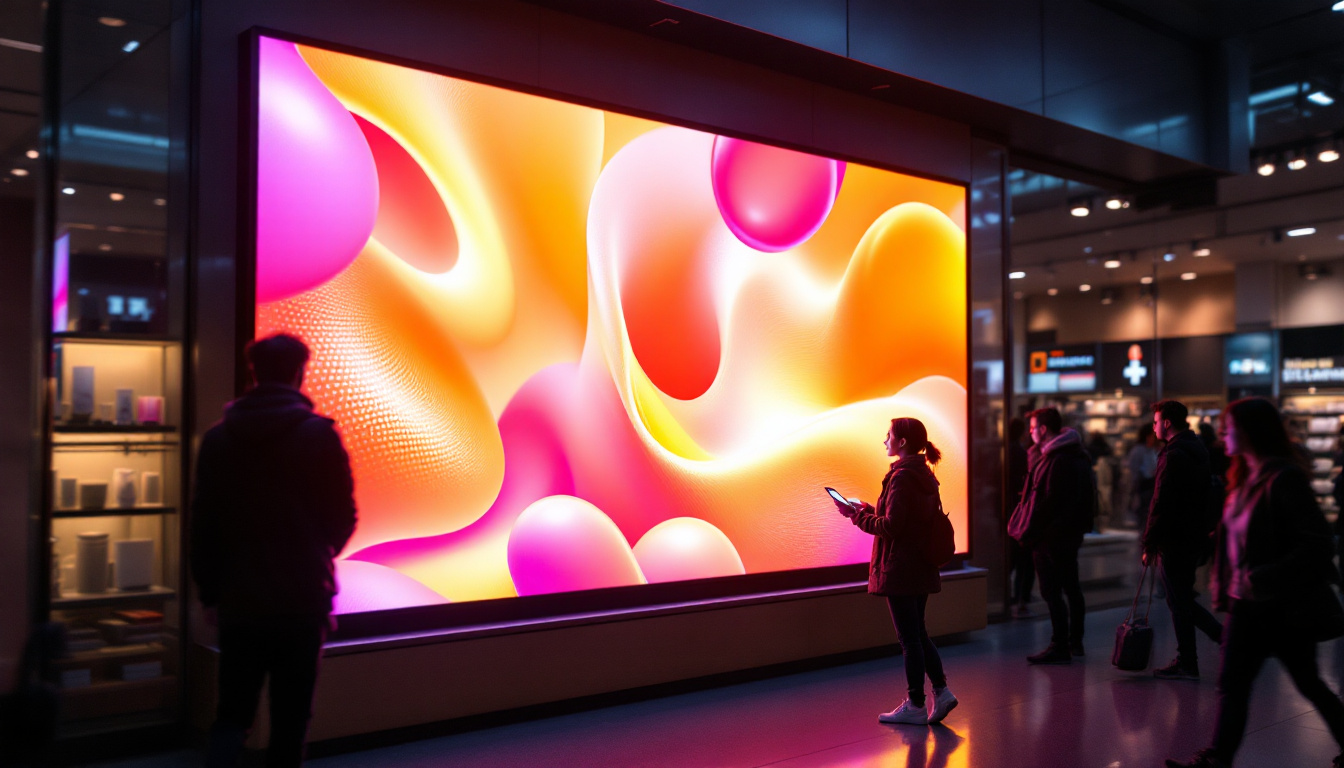
Retail environments leverage video walls to attract customers and enhance brand messaging. LED video walls are particularly advantageous in these settings due to their brightness and scalability, allowing retailers to create eye-catching storefront displays that remain visible even in direct sunlight.
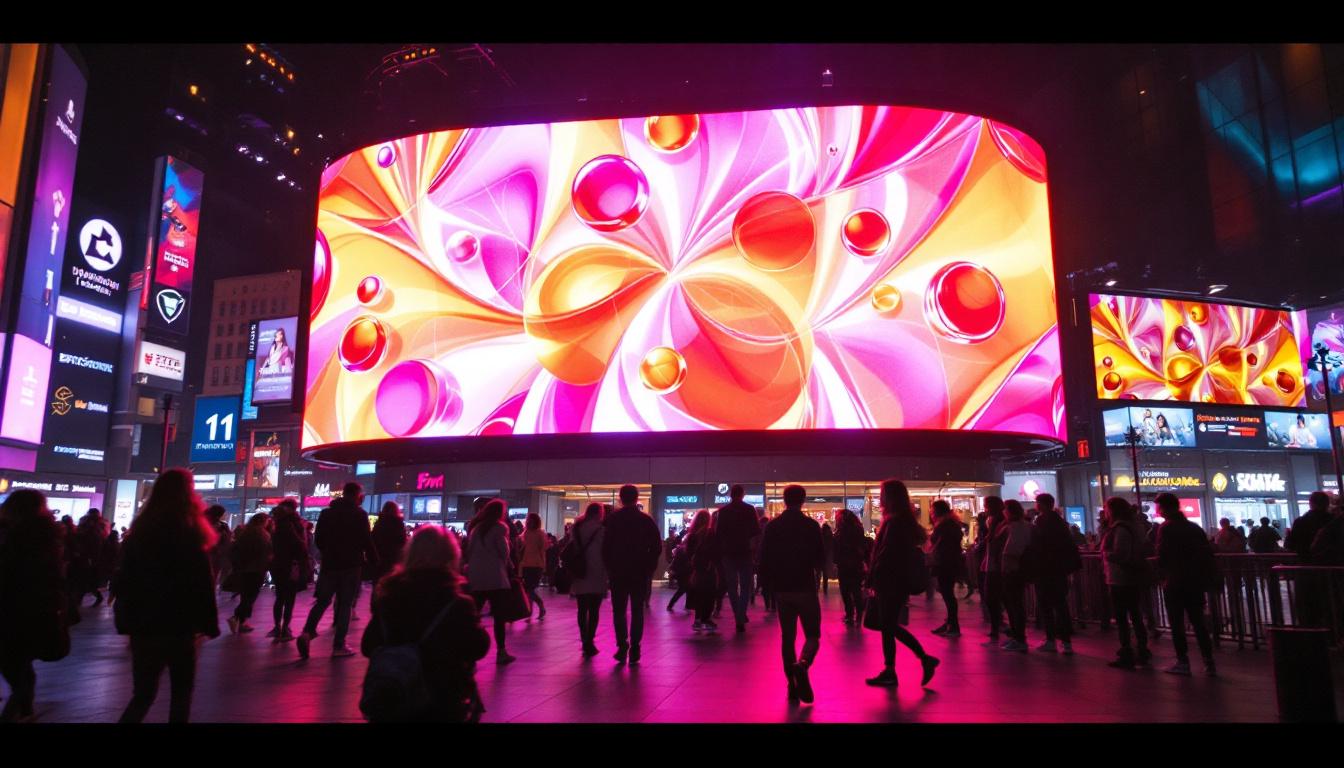
Digital billboards and outdoor advertising have also embraced LED technology, replacing traditional static signage with dynamic content that can be updated remotely and tailored to specific audiences.
Entertainment and Events
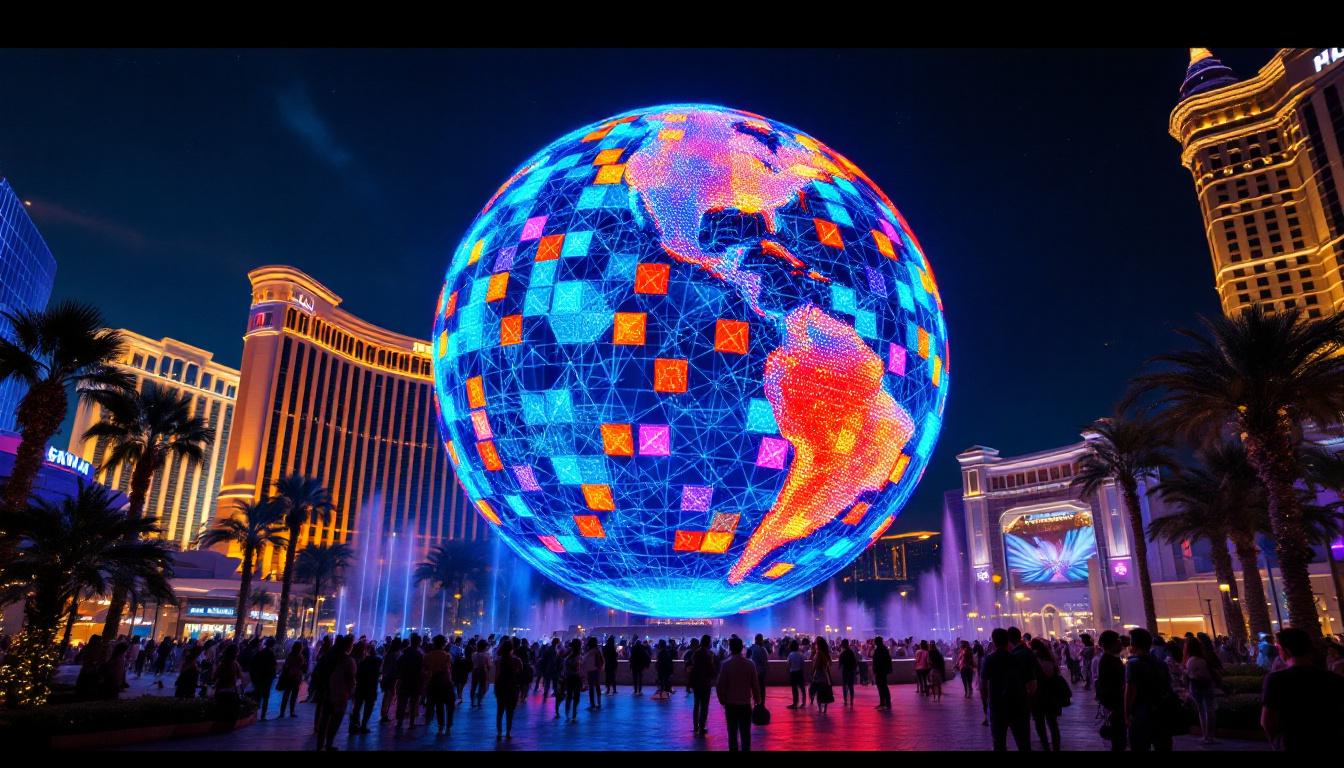
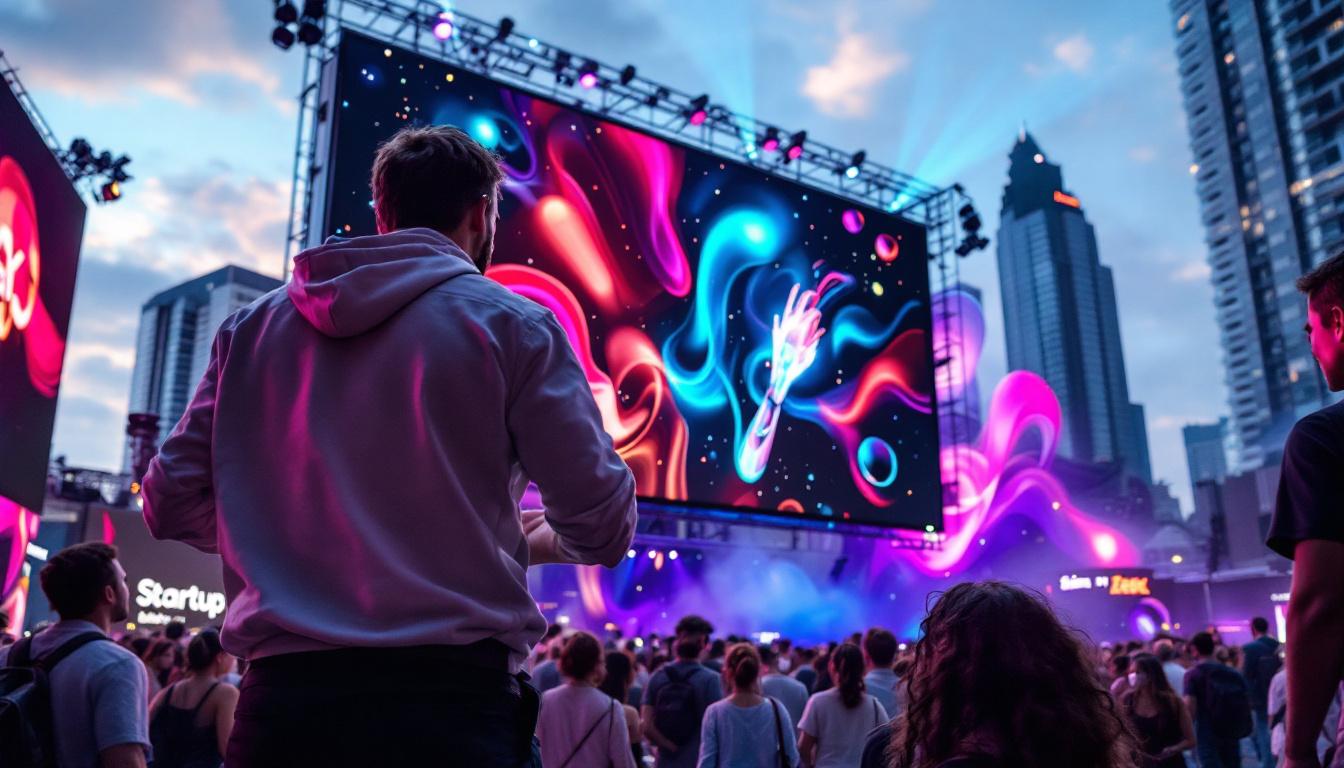
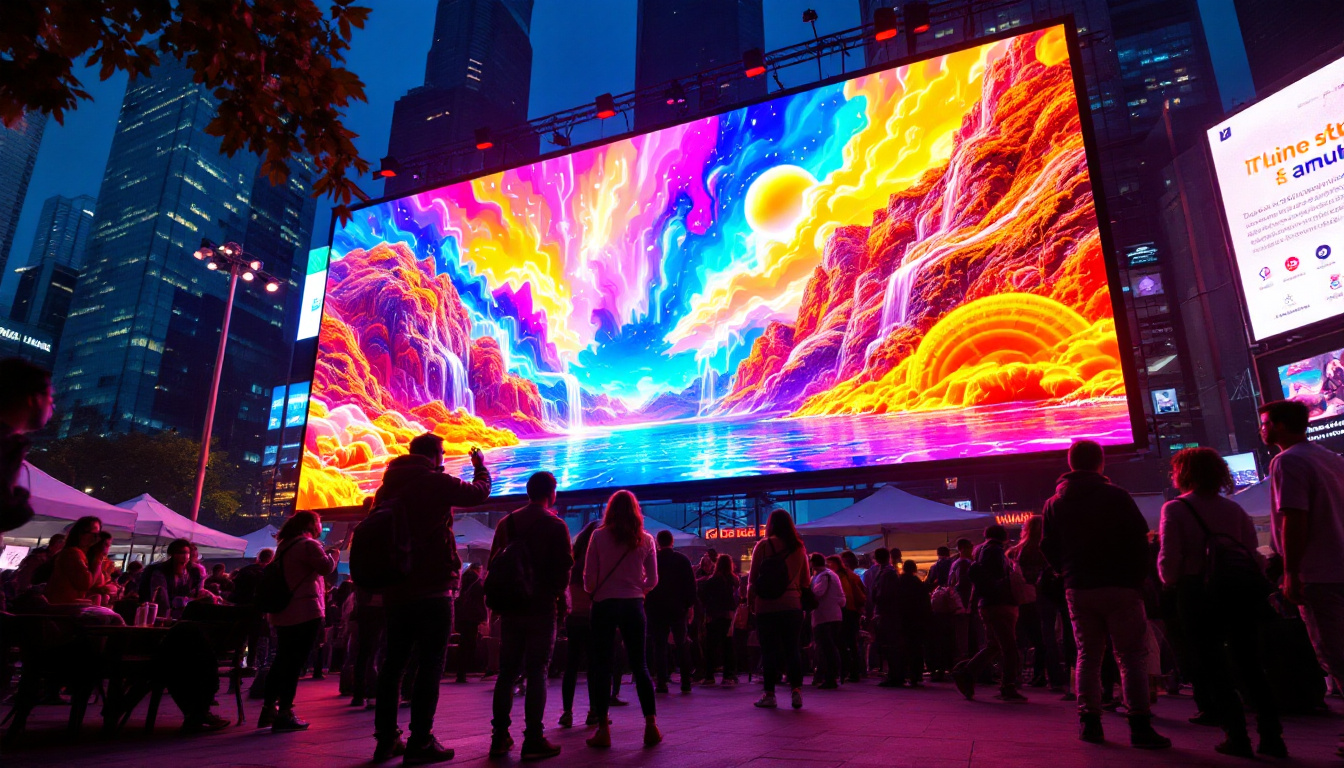
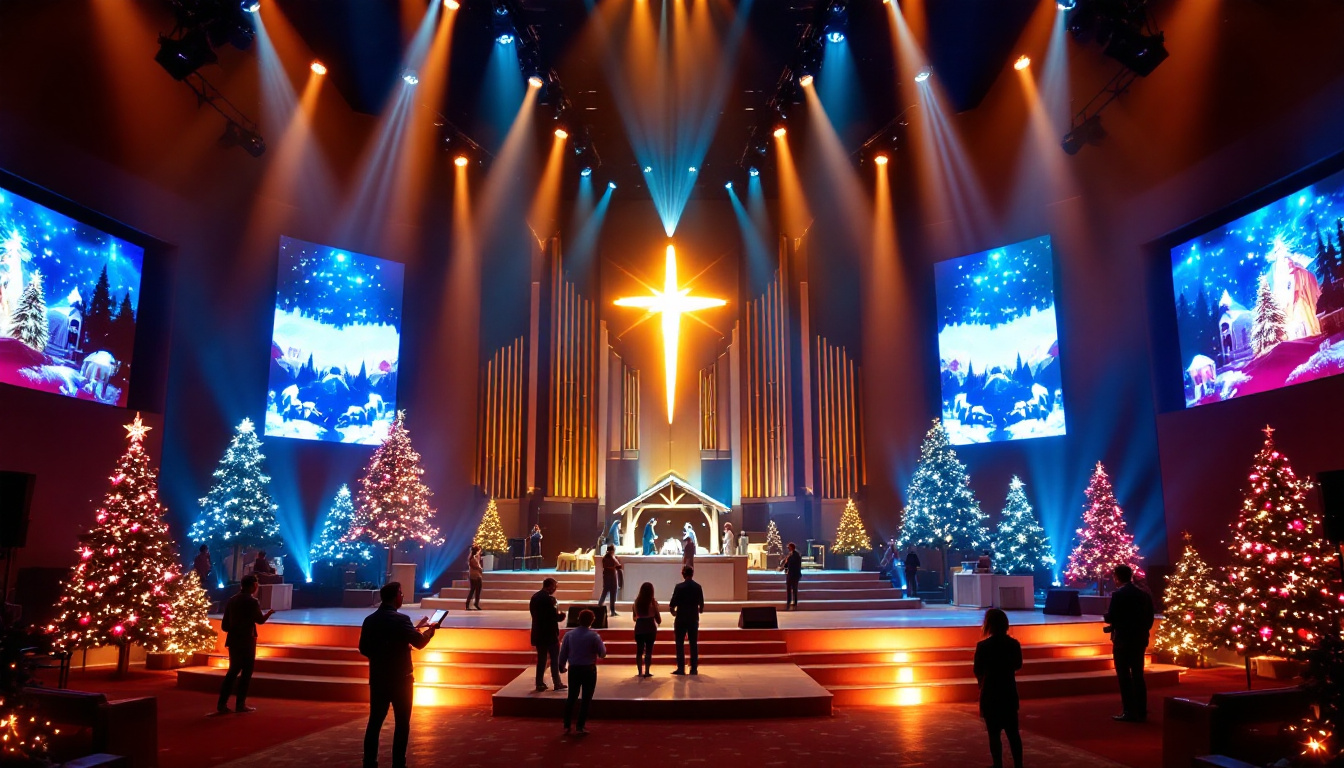
Concerts, sports arenas, and event venues utilize large LED video walls to deliver immersive experiences to audiences. The ability to create massive, seamless displays ensures that every spectator, regardless of seating location, enjoys clear and engaging visuals.
Additionally, LED walls are commonly used as stage backdrops, providing dynamic and customizable environments that enhance performances.
Broadcast and Media Production
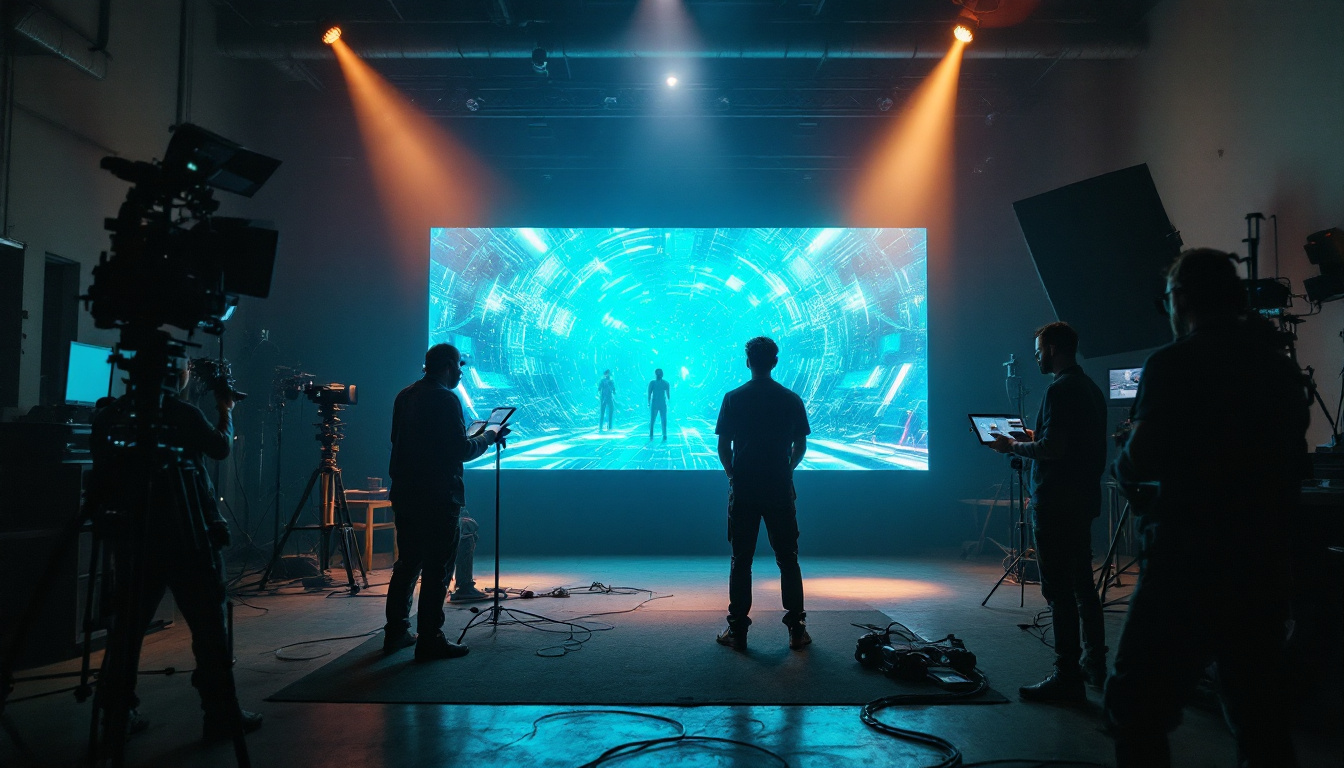
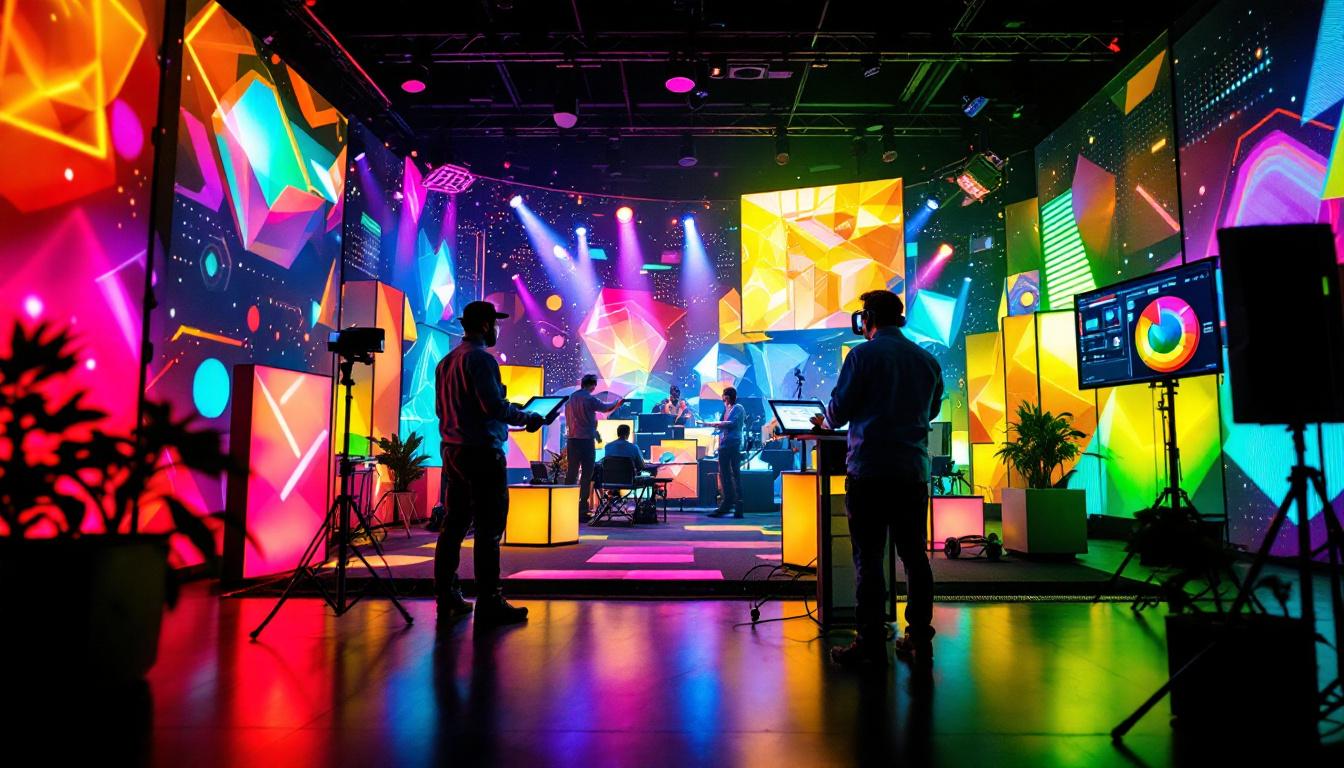
Broadcast studios employ video walls for background visuals and live feeds. The seamless nature of LED displays allows for creative flexibility, enabling producers to create visually stunning sets without the limitations imposed by bezel interruptions.
Key Considerations When Choosing No Bezel TVs or LED Video Walls
Selecting the right technology for a video wall project involves evaluating multiple factors to ensure the final installation meets both aesthetic and functional requirements.
Viewing Distance and Resolution Requirements
Understanding the typical viewing distance is critical. For close-up viewing, such as in control rooms or retail stores, fine-pitch LED displays or ultra-narrow bezel LCD TVs are preferable to maintain image clarity. For larger venues or outdoor installations where viewers are farther away, larger pixel pitches are acceptable and more cost-effective.
Brightness and Environment
Ambient lighting conditions heavily influence the choice of display technology. LED video walls excel in high ambient light environments due to their high brightness and contrast ratios. In contrast, LCD TVs with narrow bezels may struggle to maintain visibility in direct sunlight or brightly lit areas.
Installation and Maintenance
LED video walls require modular installation and may involve more complex setup compared to traditional TVs. However, their modularity also allows for easier maintenance and replacement of individual panels without dismantling the entire wall.
Conversely, no bezel TVs are often simpler to install but may have limitations in scalability and durability for large or outdoor applications.
Cost Considerations
While LED video walls generally have a higher upfront cost, their longevity, brightness, and scalability often justify the investment, especially for commercial and public-facing installations. No bezel TVs can be a cost-effective solution for smaller or indoor video walls but may not deliver the same performance in demanding environments.
Future Trends in No Bezel and LED Display Technologies
The display industry continues to innovate, pushing the boundaries of what video walls can achieve. Emerging trends include:
MicroLED Technology
MicroLED displays combine the benefits of LED and OLED technologies, offering high brightness, excellent contrast, and true seamlessness with even smaller pixel pitches. This technology promises to deliver stunning video walls with enhanced durability and energy efficiency.
Flexible and Curved Video Walls
Advancements in flexible LED panels allow for curved and uniquely shaped video walls, opening new creative possibilities for designers and architects. These innovations enable immersive environments that conform to the contours of a space.
AI-Driven Content and Management
Artificial intelligence is increasingly integrated into video wall management systems, enabling dynamic content adjustments based on audience engagement, environmental conditions, and real-time analytics. This enhances the effectiveness of video walls as communication tools.
Conclusion
No bezel TVs and LED displays each play a vital role in the creation of video walls, offering unique advantages depending on the application. While ultra-narrow bezel TVs provide a sleek and straightforward solution for smaller, indoor video walls, LED displays excel in delivering truly seamless, scalable, and bright visuals suitable for a wide range of environments.
Understanding the technical aspects, use cases, and future trends of these technologies empowers businesses and organizations to make informed decisions, ensuring their video walls not only captivate audiences but also stand the test of time.
As digital signage continues to grow in importance across industries, investing in the right display technology becomes crucial for maximizing impact and return on investment.
Discover Seamless Visual Solutions with LumenMatrix
Ready to elevate your visual displays to the next level? LumenMatrix is at the forefront of LED display innovation, offering an extensive range of solutions tailored to your needs. From vibrant Indoor and Outdoor LED Wall Displays to dynamic Vehicle and Sports LED Displays, our technology is designed to captivate and engage your audience. Experience the future of digital signage with our Custom, All-in-One, and Transparent LED Displays, crafted to deliver your message with unparalleled clarity and impact. Don’t just take our word for it; check out LumenMatrix LED Display Solutions today and see the difference for yourself.