In today’s digital age, LED displays have become a cornerstone of visual communication, whether in advertising, entertainment, or information dissemination. From massive outdoor billboards to indoor video walls, LED technology offers vibrant colors, high brightness, and energy efficiency. However, to fully leverage these advantages, understanding the optimal viewing distance is crucial. This ensures viewers experience the sharpest image quality without straining their eyes or missing critical details.
This article delves into the concept of optimal viewing distance for LED displays, explains the factors influencing it, and introduces the role of an optimal viewing distance calculator. By the end, readers will have a comprehensive understanding of how to select and position LED displays for maximum visual impact.
Understanding LED Display Resolution and Pixel Pitch
What is Pixel Pitch and Why It Matters
Pixel pitch refers to the distance between the centers of two adjacent pixels on an LED display, typically measured in millimeters. It is a fundamental specification that directly affects the display’s resolution and image clarity. A smaller pixel pitch means pixels are packed more closely together, resulting in higher resolution and finer detail.
For example, an LED display with a 1.5 mm pixel pitch will provide much sharper images than one with a 10 mm pixel pitch when viewed from the same distance. This is because the smaller pitch reduces the visibility of individual pixels, creating a smoother and more continuous image.
Resolution and Its Impact on Viewing Experience
Resolution is the total number of pixels displayed horizontally and vertically. It determines the level of detail an LED screen can show. Higher resolution displays are essential for applications where viewers are close to the screen, such as indoor signage or control rooms.
Conversely, outdoor LED billboards often have larger pixel pitches and lower resolutions because they are viewed from much greater distances. The human eye cannot distinguish individual pixels from afar, so ultra-high resolution is unnecessary and cost-inefficient in such cases.
Why Optimal Viewing Distance is Crucial
Enhancing Visual Clarity and Comfort
Optimal viewing distance ensures that the viewer perceives the image as intended—sharp, clear, and comfortable to watch. If the viewer is too close to a display with a large pixel pitch, the image may appear pixelated or blocky. On the other hand, sitting too far away from a high-resolution screen can make fine details indistinguishable.
Eye strain and fatigue can also result from improper viewing distances, especially in environments where people spend extended periods looking at LED displays, such as offices or retail spaces. Maintaining the right distance reduces visual discomfort and enhances the overall user experience.
Maximizing ROI on LED Display Investments
LED displays represent a significant investment, often costing thousands to hundreds of thousands of dollars depending on size and technology. Using an optimal viewing distance calculator during the planning phase helps businesses and event organizers avoid costly mistakes related to screen placement and size.
By aligning the display specifications with the expected viewing distance, organizations can ensure their message is communicated effectively, maximizing engagement and return on investment.
Factors Influencing Optimal Viewing Distance
Pixel Pitch and Viewing Distance Relationship
The most direct factor affecting optimal viewing distance is pixel pitch. A widely accepted rule of thumb is that the optimal viewing distance (in meters) is approximately 1 to 3 times the pixel pitch (in millimeters). For instance, a 5 mm pixel pitch display is best viewed from about 5 to 15 meters away.
This range ensures the viewer’s eyes cannot distinguish individual pixels, resulting in a seamless image. However, the optimal distance varies depending on the application and viewer expectations.
Display Size and Resolution
Larger displays generally require greater viewing distances to appreciate the full image without distortion. For example, a 100-inch LED display should be viewed from further away than a 50-inch screen with the same resolution.
Resolution also plays a role; higher resolution displays can be viewed comfortably from closer distances because they maintain image clarity at short range.
Ambient Lighting Conditions
Brightness and ambient light levels influence how well an LED display can be seen. In brightly lit outdoor environments, viewers may need to be closer to discern details, whereas in dim indoor settings, the screen can be viewed comfortably from further away.
High-brightness LED displays, measured in nits, are designed to combat sunlight glare but still require consideration of viewing distance to optimize visibility.
Viewer’s Visual Acuity
Human visual acuity, or the eye’s ability to resolve detail, varies among individuals. The standard assumption for optimal viewing distance calculations is based on 20/20 vision. However, for audiences with impaired vision or for critical applications like medical imaging, adjustments may be necessary.
How an Optimal Viewing Distance Calculator Works
Input Parameters
An optimal viewing distance calculator typically requires several key inputs:
- Pixel pitch: The distance between pixels on the LED display.
- Display size: Usually the diagonal measurement in inches or meters.
- Resolution: Number of pixels horizontally and vertically.
- Viewing environment: Indoor or outdoor, ambient lighting conditions.
Some advanced calculators also factor in viewer visual acuity and specific application requirements.
Calculation Methodology
The calculator uses established formulas and industry standards to estimate the ideal viewing distance range. The most common formula relates pixel pitch to optimal viewing distance, often expressed as:
Optimal Viewing Distance (meters) = Pixel Pitch (mm) × 1 to 3
Additional calculations may incorporate screen size and resolution to refine the recommended distances, ensuring viewers experience the best possible image quality.
Output and Practical Application
The output provides a recommended minimum and maximum viewing distance, guiding installation and placement decisions. For example, if the calculator suggests an optimal viewing distance of 5 to 15 meters, placing the audience within this range will maximize image clarity and comfort.
This information is invaluable for architects, event planners, advertisers, and AV professionals when designing spaces or selecting LED display models.
Real-World Examples of Optimal Viewing Distance
Indoor LED Displays in Corporate Environments
In conference rooms or lobbies, LED video walls often have pixel pitches ranging from 1.2 mm to 2.5 mm. Given these small pixel pitches, the optimal viewing distance can be as close as 1.2 to 3 meters. This proximity allows viewers to see detailed presentations, videos, and data visualizations clearly.
For instance, a 2 mm pixel pitch display installed in a 3-meter wide conference room ensures all participants can comfortably view content without pixelation or eye strain.
Outdoor Advertising Billboards
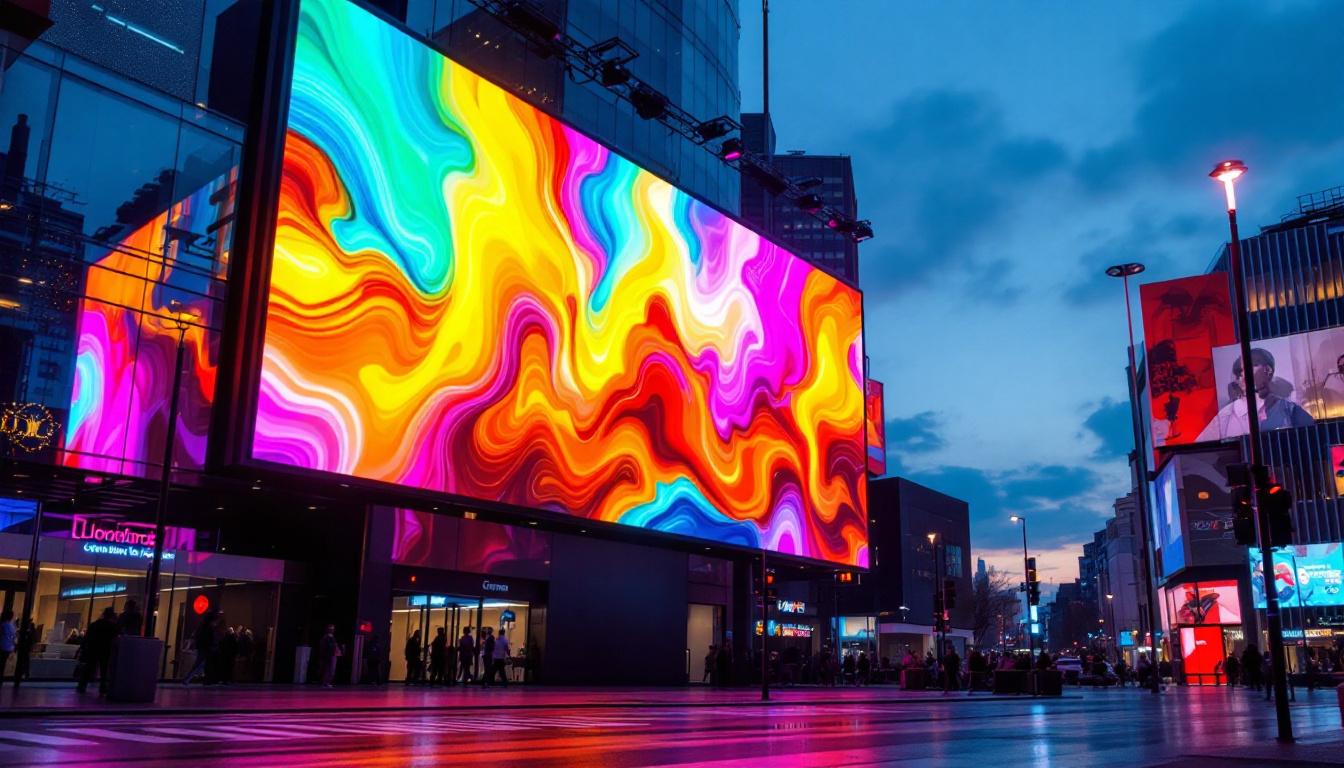
Large outdoor LED billboards usually feature pixel pitches between 10 mm and 20 mm. Because these displays are meant to be seen from long distances, the optimal viewing distance ranges from 10 to 60 meters or more.
A 16 mm pixel pitch billboard along a highway might be optimally viewed from 16 to 48 meters away, ensuring drivers and pedestrians can easily read messages without distraction or discomfort.
Sports Arenas and Concert Venues
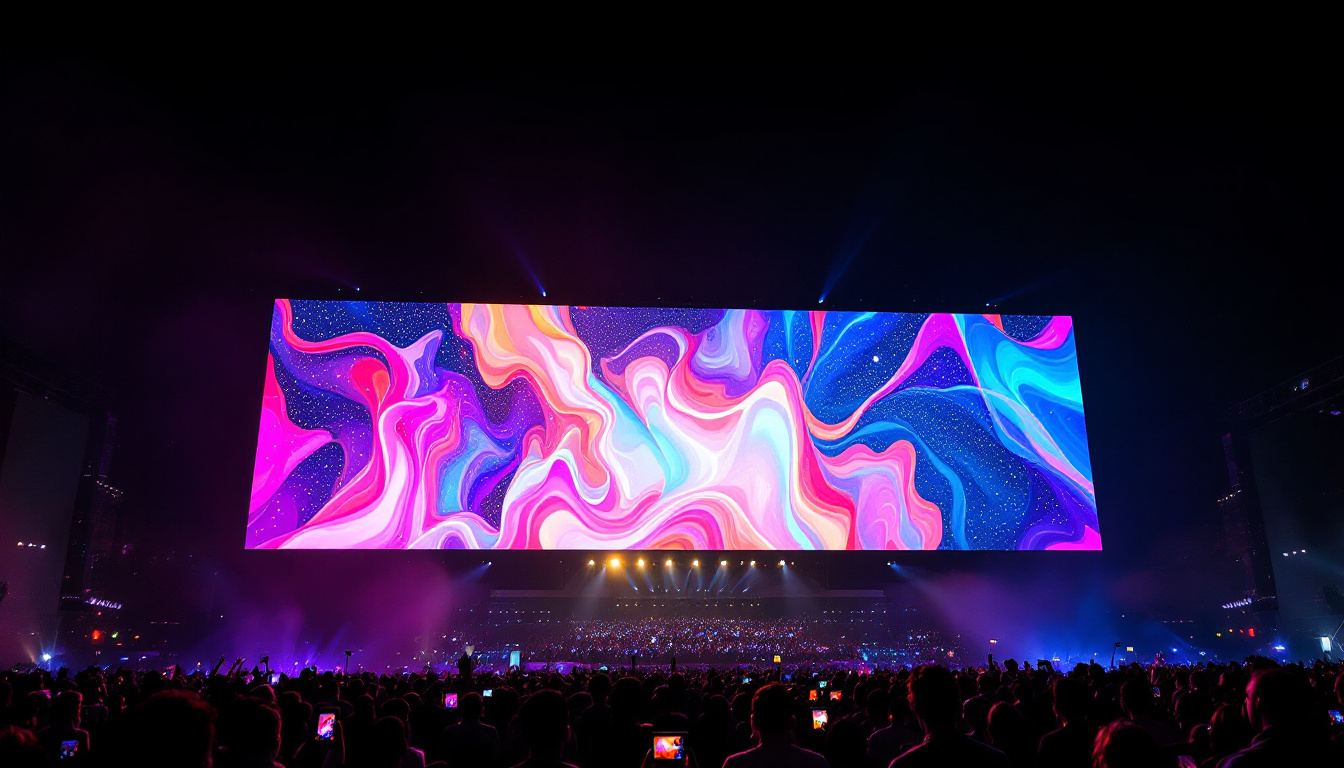
In large venues, LED screens often combine various pixel pitches depending on their placement and viewing zones. Main screens might have a 6 mm pixel pitch with an optimal viewing distance of 6 to 18 meters, while closer auxiliary screens could feature smaller pitches for near-field viewing.
Properly calculating these distances enhances spectator experience by providing clear visuals regardless of seating location.
Tips for Selecting the Right LED Display Using Viewing Distance
Assess Your Audience and Environment
Begin by identifying where your audience will be located relative to the display. Consider the closest and farthest points from which the content will be viewed. This range will help determine the appropriate pixel pitch and screen size.
Also, evaluate ambient lighting conditions and whether the display will be used indoors or outdoors, as these factors influence brightness requirements and viewing comfort.
Use an Optimal Viewing Distance Calculator Early in the Planning Process
Incorporate the calculator during the design phase to avoid costly adjustments later. By inputting your parameters early, you can select an LED display that fits your space and meets your audience’s needs effectively.
Balance Resolution with Budget Constraints
Higher resolution LED displays with smaller pixel pitches tend to be more expensive. Finding the right balance between image quality and budget is essential. An optimal viewing distance calculator helps pinpoint the minimum resolution needed for your viewing distance, preventing overspending on unnecessarily high specs.
Future Trends in LED Display Viewing Distance Optimization
Advancements in Pixel Technology
Emerging LED technologies are pushing pixel pitches below 1 mm, enabling ultra-high resolution displays suitable for extremely close viewing distances. These advancements will expand the possibilities for immersive indoor experiences, such as virtual reality environments and interactive digital signage.
Integration with AI and Smart Systems
Future optimal viewing distance calculators may integrate artificial intelligence to dynamically adjust display settings based on real-time viewer positions and environmental conditions. This could optimize brightness, contrast, and resolution automatically, enhancing comfort and engagement.
Augmented Reality and Mixed Reality Applications
As AR and MR technologies evolve, LED displays will increasingly interact with wearable devices to tailor content delivery based on individual viewer distance and focus, further personalizing the visual experience.
Conclusion
Optimal viewing distance is a critical factor in maximizing the effectiveness of LED displays. Understanding the interplay between pixel pitch, resolution, display size, and viewing environment enables better decision-making for selecting and positioning LED screens. Utilizing an optimal viewing distance calculator ensures that viewers enjoy crisp, clear images without eye strain, ultimately enhancing communication and engagement.
Whether for advertising, corporate presentations, or entertainment, applying these principles will help organizations get the most out of their LED display investments, delivering compelling visual experiences tailored to their audience’s needs.
Discover LumenMatrix LED Display Solutions
Ready to elevate your visual communication with the perfect LED display? LumenMatrix is at the forefront of LED technology, offering a diverse range of innovative solutions that bring your content to life. From vibrant Indoor and Outdoor LED Wall Displays to dynamic Vehicle and Sports Displays, our products are designed to captivate and engage your audience. Experience the future of digital signage with our All-in-One LED Displays, LED Transparent Displays, and more. Check out LumenMatrix LED Display Solutions today and transform your space with unparalleled clarity and impact.