Outdoor LCD Panel: LED Display Explained
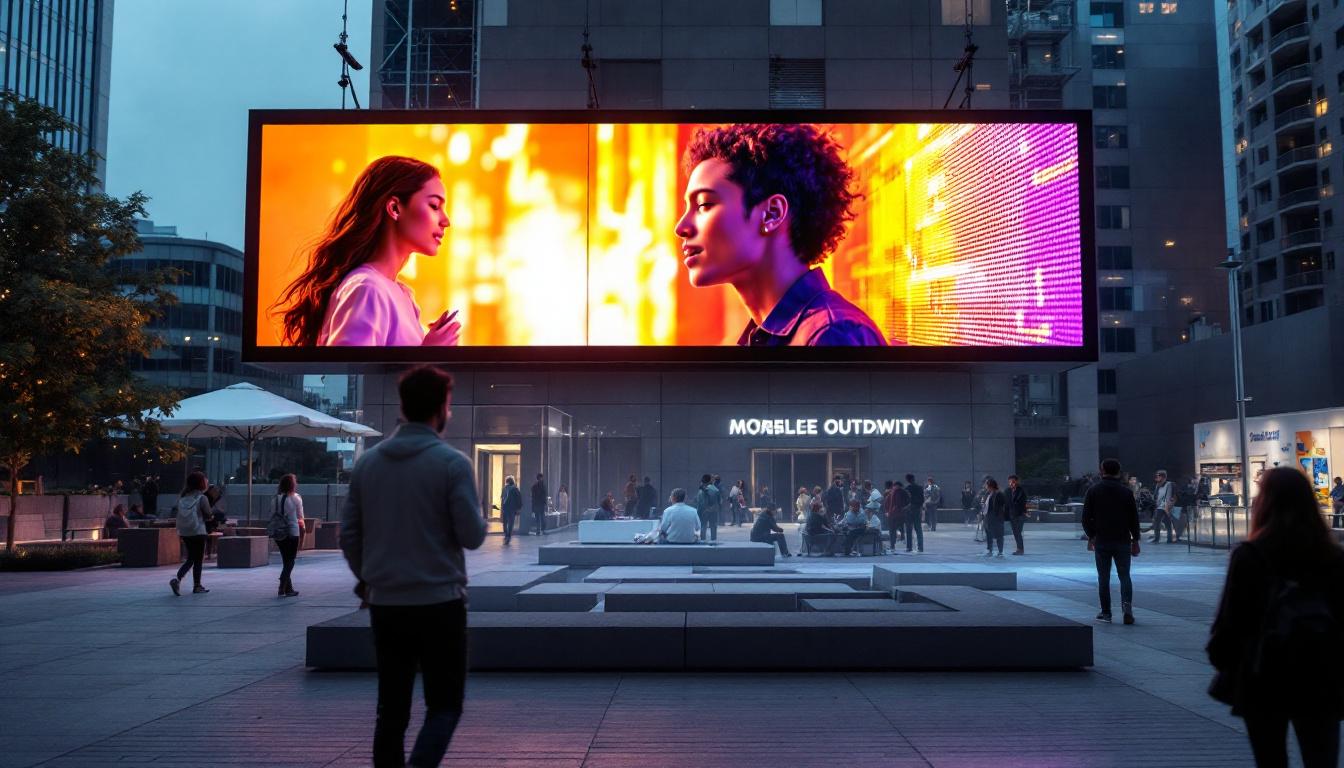
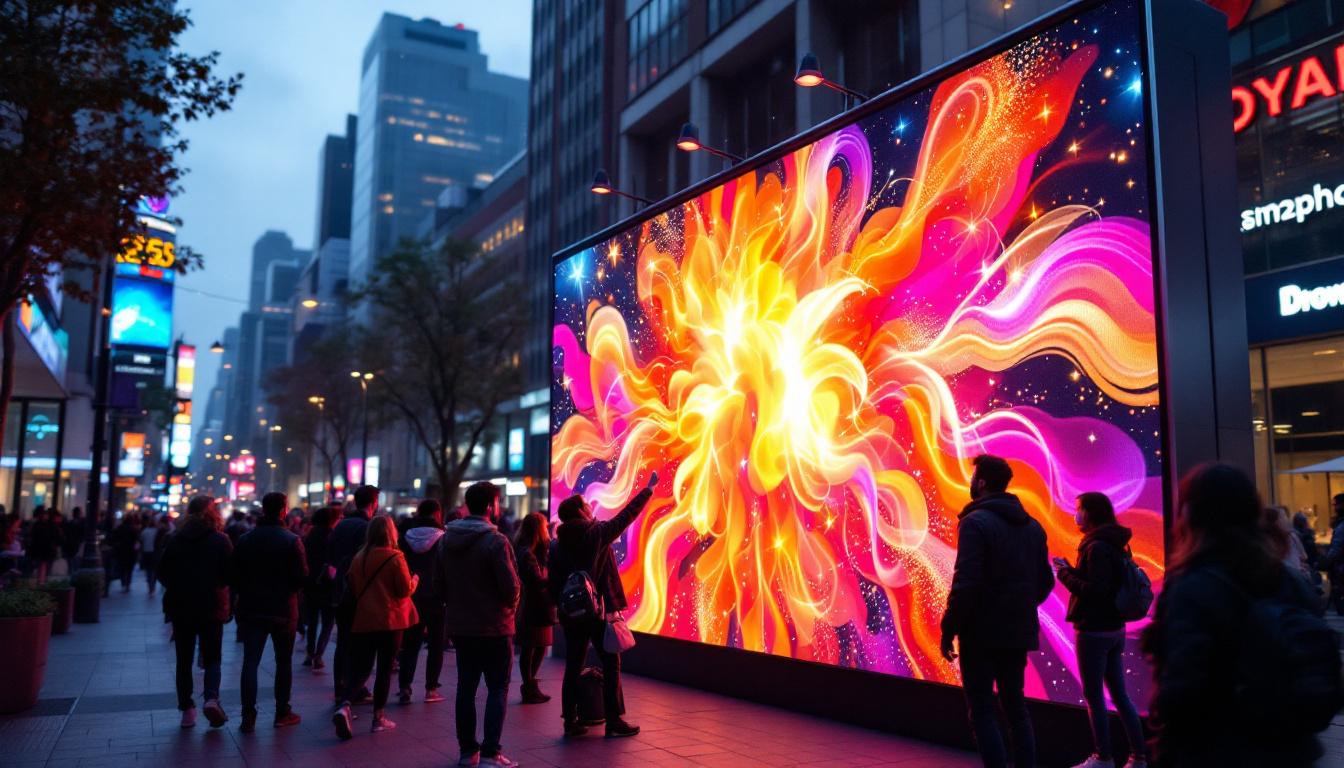
In today’s fast-paced world, outdoor digital displays have become an integral part of urban landscapes, advertising, public information systems, and entertainment venues. Among the most popular technologies used for these displays are Outdoor LCD panels and LED displays. While both serve the purpose of delivering vibrant visuals in outdoor environments, their underlying technologies, applications, and performance characteristics differ significantly.
This article delves into the intricacies of outdoor LCD panels and LED displays, exploring how they work, their advantages and limitations, and the key factors to consider when selecting the right technology for your outdoor digital signage needs.
Understanding Outdoor LCD Panels
What is an Outdoor LCD Panel?
Liquid Crystal Display (LCD) technology has been a staple in screens for decades, ranging from televisions and monitors to smartphones. An outdoor LCD panel is essentially an LCD screen specifically engineered to withstand and perform well in outdoor environments. These panels are designed with enhanced brightness, weatherproofing, and durability to ensure visibility and longevity despite exposure to sunlight, rain, dust, and temperature fluctuations. Their robust construction makes them ideal for various applications, including digital signage, public transportation displays, and outdoor advertising, where they can effectively convey information and advertisements in real-time.
How Outdoor LCD Panels Work
LCD panels operate by manipulating liquid crystals sandwiched between two layers of glass or plastic. When an electric current passes through, the crystals align to either block or allow light to pass through colored filters, creating images on the screen. However, LCDs do not emit light themselves; they require a backlight to illuminate the display.
For outdoor use, the backlighting system is typically enhanced to achieve higher brightness levels, often exceeding 1,000 nits (a unit of brightness). This is crucial because ambient sunlight can easily wash out standard LCD screens, making content unreadable without sufficient luminance. Additionally, outdoor LCD panels often incorporate advanced technologies such as local dimming and high dynamic range (HDR) to further improve contrast and color accuracy, providing a more vivid viewing experience even in challenging lighting conditions.
Key Features of Outdoor LCD Panels
- High Brightness: Outdoor LCDs often feature LED backlighting with brightness levels ranging from 1,000 to 3,000 nits to combat direct sunlight glare.
- Anti-Reflective Coatings: Specialized coatings reduce reflections and improve visibility in bright conditions.
- Weatherproof Enclosures: The panels are housed in sealed, rugged cases rated for water and dust resistance (commonly IP65 or higher).
- Temperature Control: Integrated cooling and heating systems maintain optimal operating temperatures in extreme climates.
Moreover, outdoor LCD panels are often equipped with advanced monitoring systems that provide real-time data on performance and environmental conditions. This feature allows operators to remotely manage and troubleshoot issues, ensuring that displays remain operational even in adverse weather. Some models also support touch functionality, enabling interactive experiences that engage viewers, making them perfect for kiosks and informational displays in parks, museums, and shopping centers. The versatility of outdoor LCD panels is further enhanced by their ability to integrate with content management systems, allowing for dynamic updates and targeted messaging based on time, location, or audience demographics.
Exploring LED Displays for Outdoor Use
What is an LED Display?
LED displays, or Light Emitting Diode displays, are composed of thousands of tiny LEDs that emit light directly to form images and videos. Unlike LCDs, LEDs are self-emissive, meaning each diode produces its own light, eliminating the need for a backlight. This fundamental difference leads to several performance benefits, particularly for outdoor applications.
Types of Outdoor LED Displays
Outdoor LED displays come in various configurations, primarily categorized by pixel pitch—the distance between individual LEDs. Smaller pixel pitches provide higher resolution and finer image detail, while larger pixel pitches are suitable for large-format displays viewed from greater distances.
- Fixed Outdoor LED Displays: Permanently installed screens used for billboards, stadiums, and public information boards.
- Rental or Mobile LED Displays: Portable units designed for events, concerts, and temporary installations.
- Transparent LED Displays: Innovative screens that allow light and visibility through the panel, ideal for storefronts and architectural integration.
Advantages of LED Technology Outdoors
LED displays excel in several areas critical for outdoor visibility and durability:
- Brightness and Contrast: LED displays can achieve brightness levels exceeding 5,000 nits, ensuring clear visibility even in direct sunlight.
- Wide Viewing Angles: LEDs maintain consistent color and brightness across broad viewing angles, enhancing audience reach.
- Energy Efficiency: LEDs consume less power compared to traditional lighting methods, reducing operational costs.
- Longevity: High-quality LEDs can operate for over 100,000 hours, minimizing maintenance and replacement frequency.
Comparing Outdoor LCD Panels and LED Displays
Brightness and Visibility
Outdoor LED displays generally outperform LCD panels in brightness and visibility. With peak brightness levels often double or triple those of outdoor LCDs, LEDs provide superior image clarity under harsh sunlight. Additionally, LEDs’ ability to emit light directly results in higher contrast ratios, making colors appear more vivid and blacks deeper.
Outdoor LCDs, while improved with advanced backlighting and anti-reflective coatings, may still struggle in extremely bright conditions or when viewed from wide angles.
Durability and Maintenance
Both technologies are designed to withstand outdoor elements, but LEDs tend to be more robust due to their solid-state nature and simpler construction. LCD panels contain delicate liquid crystals and require complex backlighting systems, which can be more susceptible to damage from moisture or temperature extremes.
Maintenance for LED displays is often easier and less frequent, as individual LEDs can be replaced without dismantling the entire panel. LCDs may require more extensive servicing if the backlight or screen is damaged.
Resolution and Image Quality
Outdoor LCD panels typically offer higher pixel density and resolution than large-scale LED displays, making them suitable for applications requiring close-up viewing, such as interactive kiosks or digital menu boards. LEDs, especially those with larger pixel pitches, are optimized for viewing from longer distances where ultra-high resolution is less critical.
Cost Considerations
Initial costs for outdoor LCD panels can be lower than high-resolution LED displays, especially for smaller screen sizes. However, when factoring in energy consumption, maintenance, and lifespan, LEDs often provide better long-term value. For large-format installations, LED displays are generally more cost-effective and scalable.
Applications and Use Cases
When to Choose Outdoor LCD Panels
Outdoor LCD panels are ideal for environments where viewers are relatively close to the screen and high resolution is paramount. Examples include:
- Interactive digital kiosks in parks or transit stations
- Digital menu boards at outdoor cafes and drive-thrus
- Information displays in outdoor museums or exhibitions
Their ability to deliver crisp images and detailed content makes them excellent for applications requiring fine text and graphics.
When to Opt for Outdoor LED Displays
LED displays dominate in scenarios demanding large-scale visibility and durability. Common applications include:
- Billboards and advertising hoardings along highways
- Scoreboards and video walls in sports stadiums
- Public safety and emergency notification systems
- Concert and event stage backdrops
Their brightness, scalability, and ruggedness make LED displays the preferred choice for high-impact outdoor messaging.
Key Considerations for Selecting Outdoor Display Technology
Environmental Factors
Understanding the specific environmental conditions is crucial. Factors such as direct sunlight exposure, temperature extremes, humidity, and potential vandalism influence the choice of display technology. For example, locations with intense sunlight and wide viewing angles benefit from high-brightness LED displays, while shaded or semi-covered areas may be suitable for outdoor LCDs.
Viewing Distance and Audience Engagement
The distance between the display and its audience affects the required resolution and pixel pitch. Close-range viewing demands higher pixel density for clarity, favoring LCD panels or fine-pitch LEDs. For audiences viewing from hundreds of feet away, larger pixel pitches and LED displays are more appropriate and cost-effective.
Content Type and Interactivity
Consider the nature of the content to be displayed. Video content, animations, and dynamic advertisements benefit from the high brightness and contrast of LED displays. Conversely, static images, detailed text, and interactive applications may be better served by outdoor LCD panels.
Budget and Total Cost of Ownership
Initial purchase price is just one aspect of cost. Energy consumption, maintenance, installation complexity, and expected lifespan should all factor into the decision-making process. LED displays, while sometimes more expensive upfront, often yield savings over time through lower power usage and reduced maintenance.
Future Trends in Outdoor Display Technology
Advancements in LED and LCD Technologies
Both LED and LCD technologies continue to evolve rapidly. MicroLED technology, which uses microscopic LEDs to create displays, promises to combine the brightness and durability of traditional LEDs with the resolution and color accuracy of LCDs. Similarly, improvements in LCD backlighting and panel materials are enhancing outdoor performance.
Integration with Smart Technologies
Outdoor displays are increasingly integrated with sensors, cameras, and AI-driven content management systems. This allows for real-time content adaptation based on environmental conditions, audience demographics, and engagement metrics, enhancing the effectiveness of outdoor digital signage.
Sustainability and Energy Efficiency
As cities and businesses prioritize sustainability, energy-efficient display technologies are gaining traction. Innovations in low-power LEDs and solar-powered display units are helping reduce the environmental footprint of outdoor digital signage.
Conclusion
Choosing between an outdoor LCD panel and an LED display depends on a variety of factors including viewing distance, environmental conditions, content requirements, and budget constraints. Outdoor LCD panels offer high resolution and detailed image quality for close-range applications, while LED displays provide unmatched brightness, durability, and scalability for large-format, long-distance viewing.
Understanding the strengths and limitations of each technology enables businesses, municipalities, and event organizers to select the most effective solution for their outdoor digital display needs. As display technologies continue to advance, the future promises even more vibrant, energy-efficient, and interactive outdoor visual experiences.
Discover LumenMatrix’s Advanced LED Display Solutions
Ready to elevate your outdoor visual experience with unparalleled brightness, durability, and scalability? LumenMatrix, a pioneer in LED display technology, offers a comprehensive range of solutions tailored to meet your specific needs. From captivating Outdoor LED Wall Displays to dynamic Vehicle LED Displays and beyond, our mission is to transform your visual communication with high-impact, energy-efficient LED displays. Don’t miss the opportunity to engage your audience with clarity and creativity. Check out LumenMatrix LED Display Solutions today and witness the revolution in digital signage.