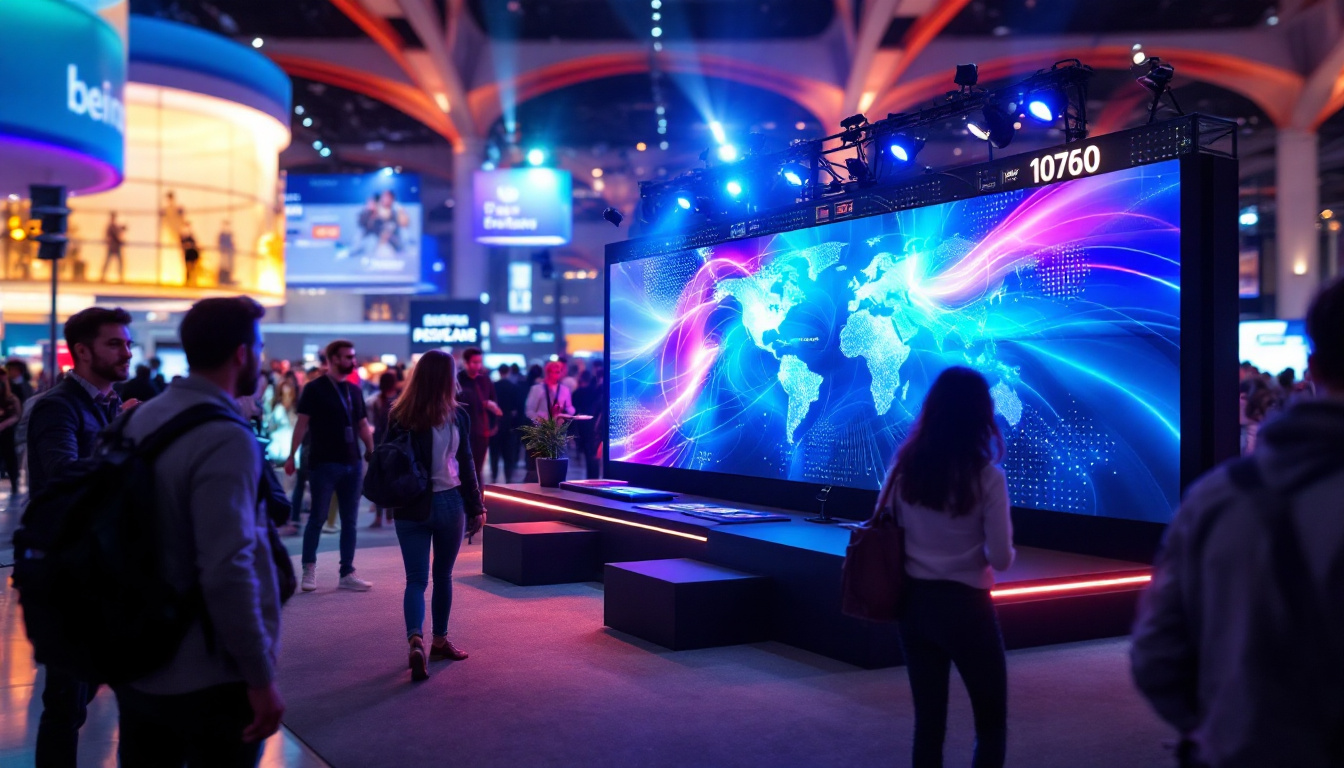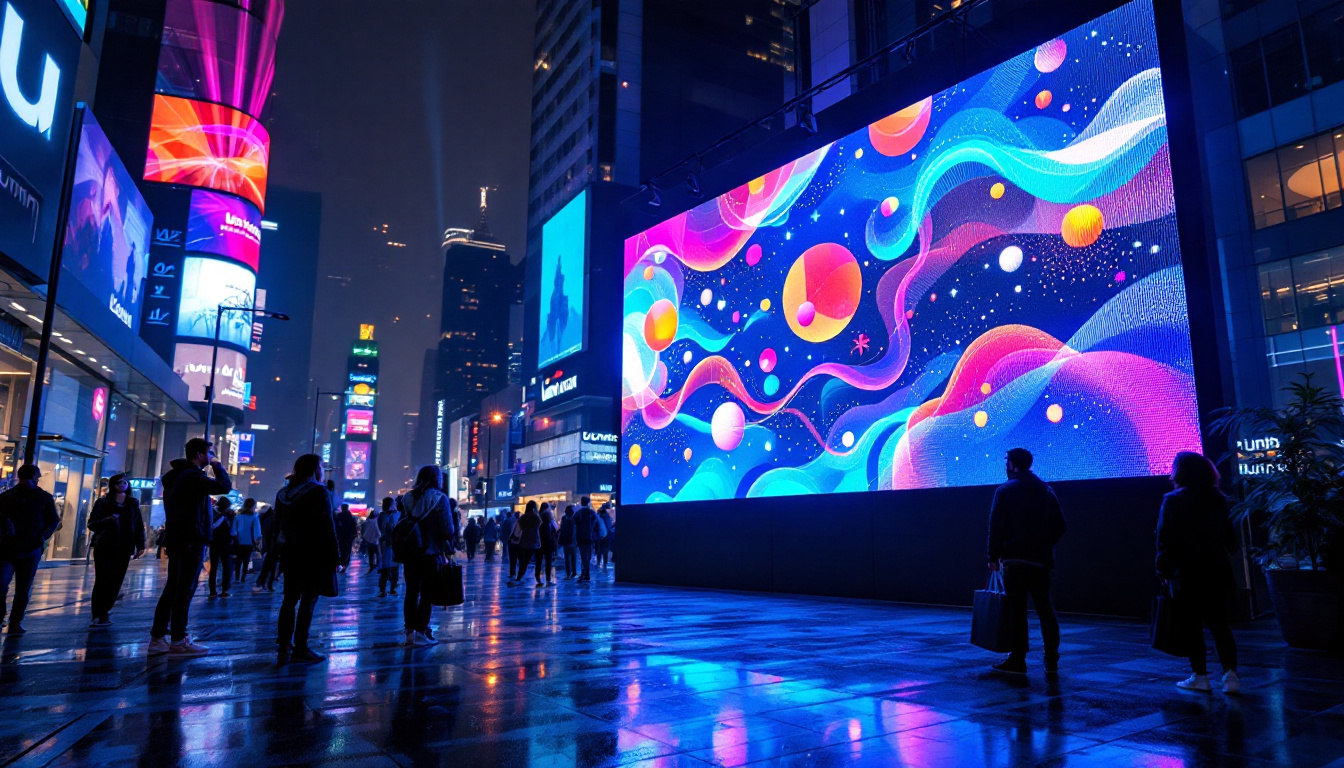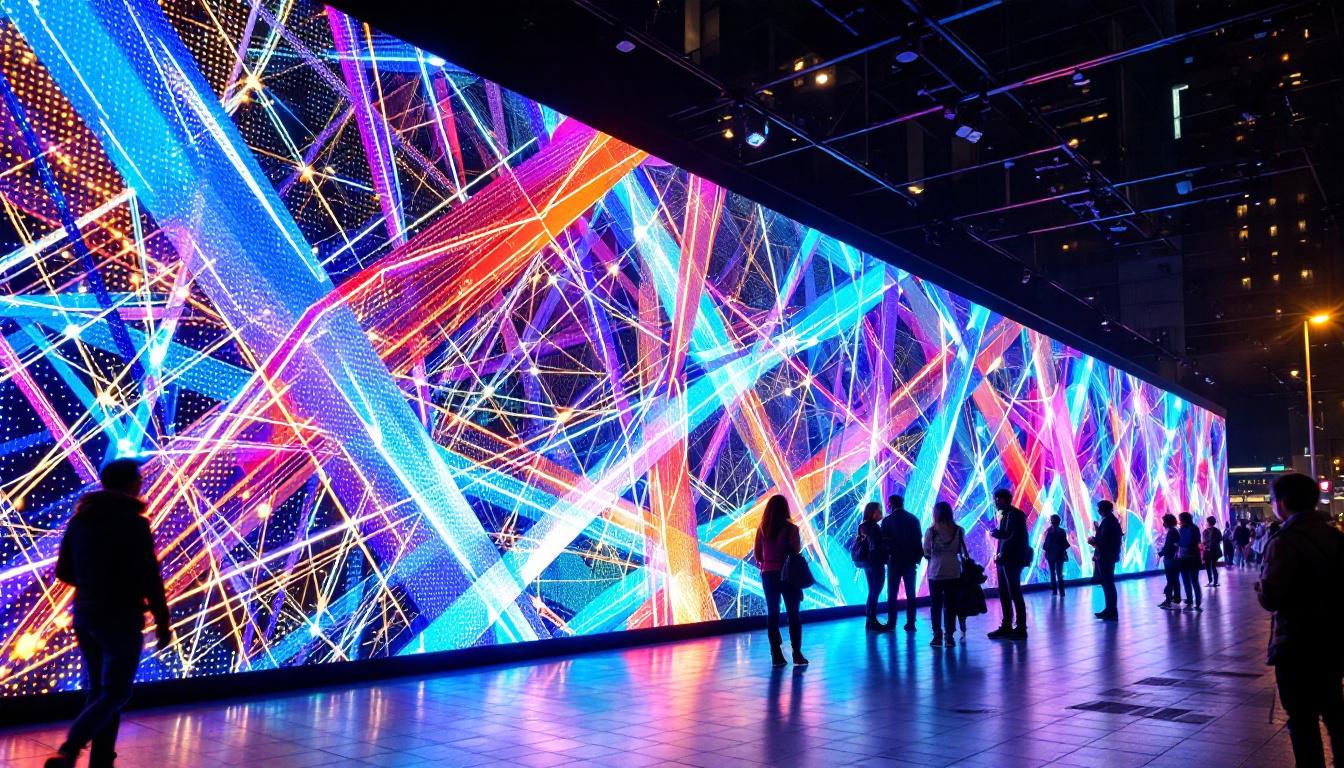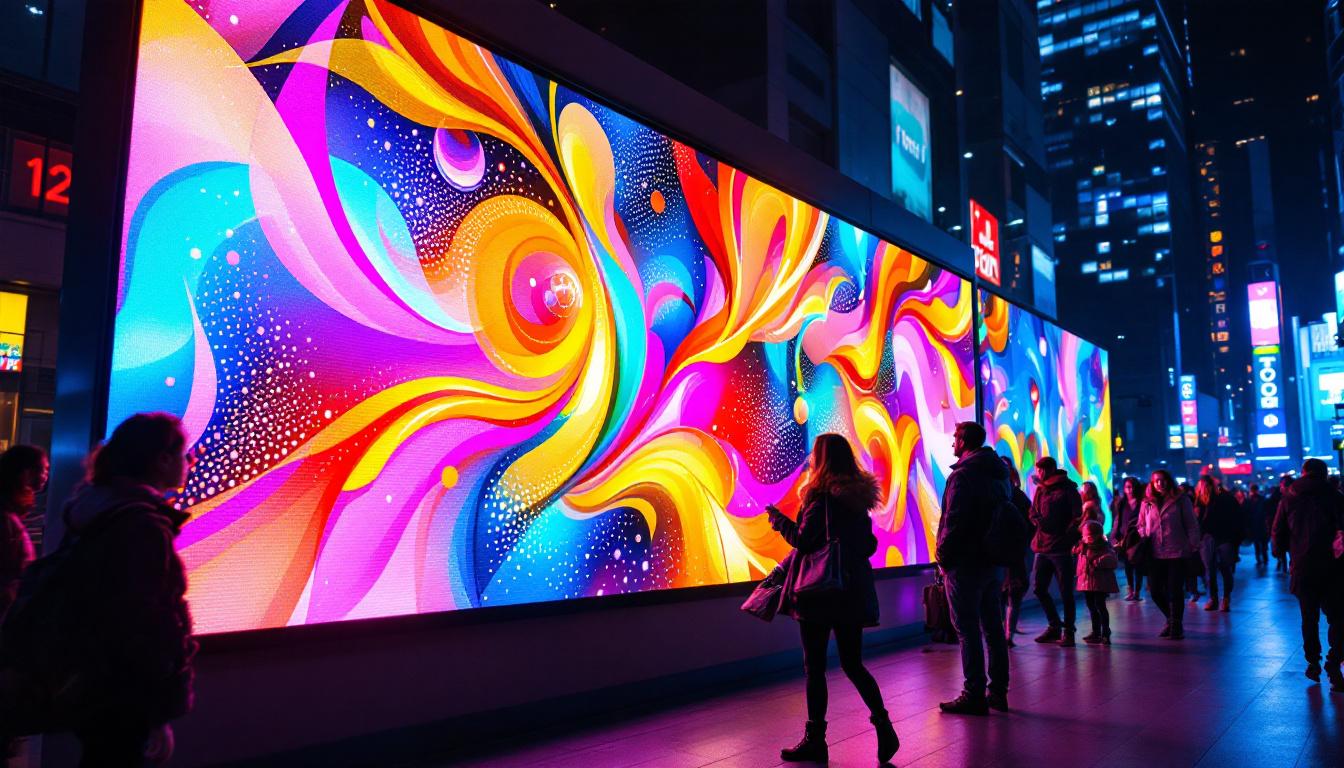
In an era where visual communication dominates advertising, events, and public information dissemination, outdoor LED panel displays have become indispensable tools. These vibrant, high-resolution screens captivate audiences, deliver dynamic content, and withstand the challenges of outdoor environments. Understanding how these displays work, their advantages, and their applications is essential for businesses, event organizers, and urban planners alike.
What is an Outdoor LED Panel Display?
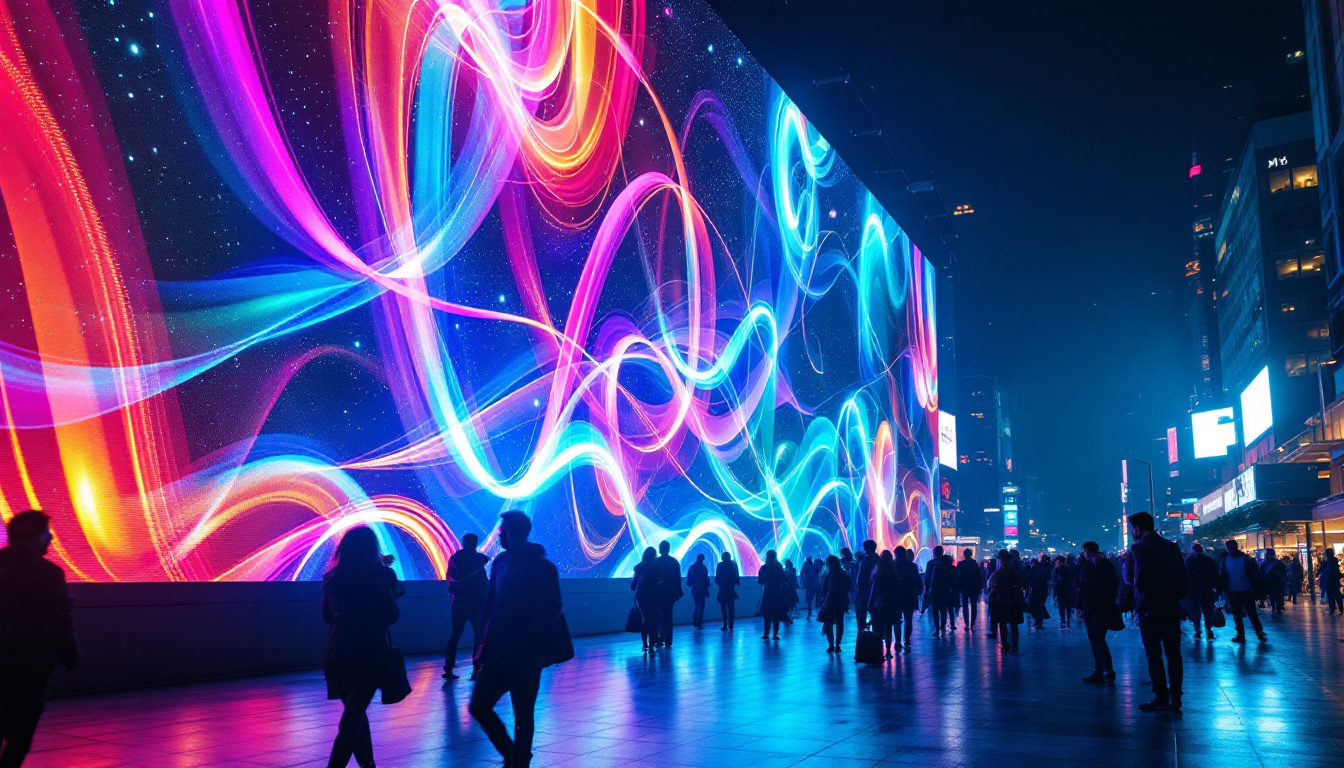
Outdoor LED panel displays are large-format digital screens made up of numerous light-emitting diodes (LEDs). These panels are specifically designed to be installed in exterior environments, offering bright, clear visuals even under direct sunlight. Unlike traditional billboards or static signage, LED panels provide dynamic content capabilities, including video playback, animations, and real-time updates. This versatility allows businesses and organizations to engage their audiences in innovative ways, making them an increasingly popular choice for advertising, public announcements, and event promotions.
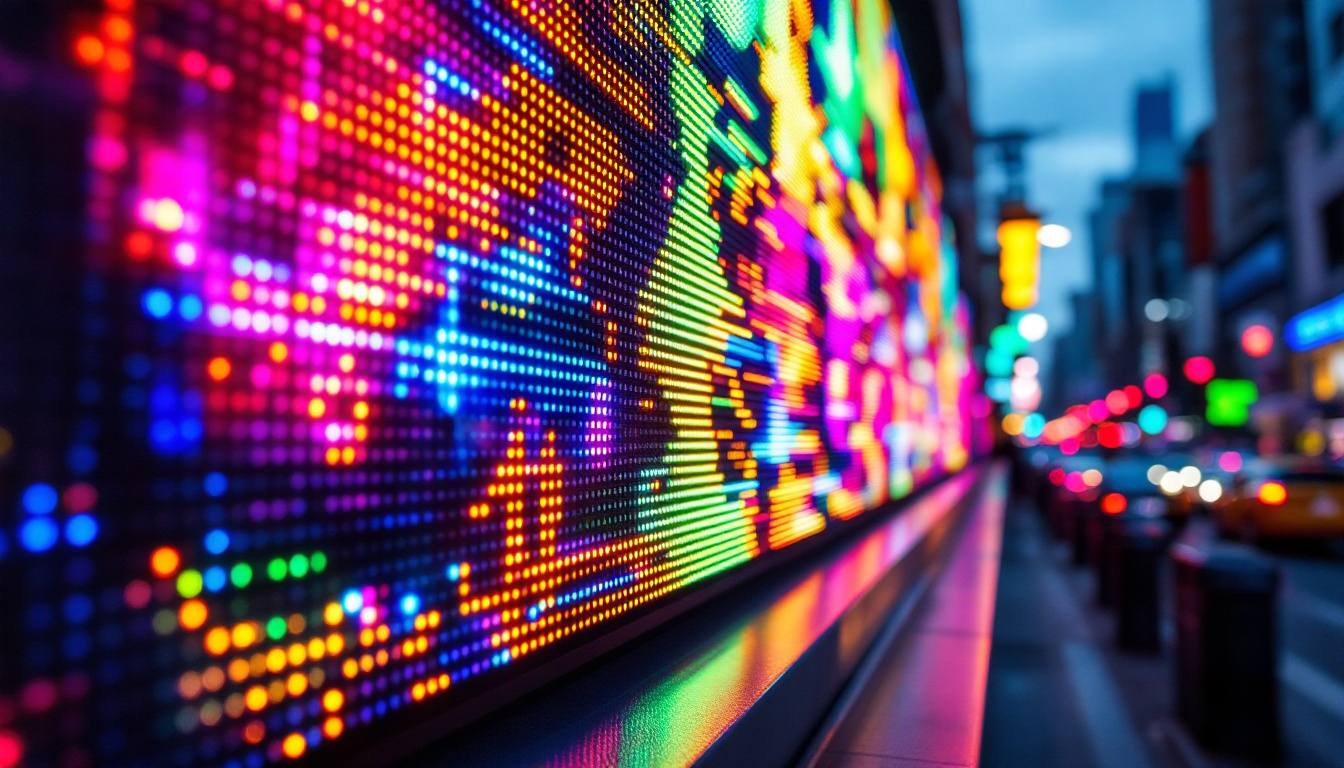
The core of these displays lies in the LED technology itself. Each tiny diode emits light when an electrical current passes through it, allowing for precise control over brightness and color. When thousands of these LEDs are arranged in a matrix, they collectively form images and videos visible from great distances. This capability not only enhances visibility but also enables the display of intricate graphics and vibrant colors that can capture the attention of passersby, making them an effective tool for communication in busy urban environments.
Key Components of Outdoor LED Panels
Understanding the structure of an outdoor LED panel helps appreciate its functionality. The main components include:
- LED Modules: These are the building blocks, containing clusters of LEDs arranged in pixels. The density of these pixels determines the resolution, with higher pixel density providing sharper images and finer details. This is particularly important for displays viewed up close, such as those found in shopping centers or at events.
- Cabinet: The protective housing that holds the LED modules together. Cabinets are designed to be weatherproof and durable, often constructed from materials like aluminum or steel to withstand harsh outdoor conditions, including rain, snow, and extreme temperatures.
- Power Supply: Ensures consistent and safe electrical input to the LEDs. A reliable power supply is crucial for maintaining the performance and longevity of the display, as fluctuations in power can lead to malfunctions or reduced brightness.
- Control System: Manages the display content, brightness, and timing. Modern systems often support remote management via network connections, allowing operators to update content in real-time from anywhere, which is especially beneficial for time-sensitive promotions or emergency notifications.
In addition to these core components, outdoor LED panels often feature advanced cooling systems to prevent overheating, as excessive heat can shorten the lifespan of the LEDs. Furthermore, many displays are equipped with sensors that automatically adjust brightness based on ambient light conditions, ensuring optimal visibility at all times. This adaptability not only enhances the viewing experience but also contributes to energy efficiency, making outdoor LED panels a sustainable choice for businesses looking to reduce their carbon footprint.
How Outdoor LED Displays Work
Outdoor LED displays operate by illuminating specific LEDs in patterns to form images or videos. The process involves several technical aspects that ensure clarity, brightness, and color accuracy.
Pixel Pitch and Resolution
One of the most critical factors in LED display quality is the pixel pitch, which refers to the distance between the centers of two adjacent pixels. Measured in millimeters, a smaller pixel pitch means higher resolution and sharper images. For outdoor displays, pixel pitches typically range from 4mm to 20mm, balancing visibility at long distances and cost-effectiveness.
For example, a stadium scoreboard might use a 10mm pixel pitch, providing clear images visible to spectators from hundreds of feet away. Conversely, a roadside billboard might opt for a 16mm pitch, as viewers are generally farther away.
Brightness and Visibility
Outdoor LED panels must overcome ambient light, especially sunlight, to remain visible. These displays often achieve brightness levels ranging from 5,000 to 10,000 nits (a unit measuring luminance), far surpassing indoor screens. High brightness ensures that content remains vivid and legible even on the brightest days.
Additionally, many outdoor LED displays incorporate ambient light sensors that automatically adjust brightness based on environmental conditions. This not only improves visibility but also conserves energy and extends the lifespan of the LEDs.
Color Accuracy and Refresh Rate
Modern outdoor LED panels use full-color RGB LEDs, combining red, green, and blue diodes to produce a wide color gamut. This capability allows for vibrant, true-to-life images and videos. The refresh rate—how often the image is updated per second—is also crucial, especially for video content. Higher refresh rates (typically above 1,000 Hz) reduce flickering, ensuring smooth motion and reducing eye strain for viewers.
Advantages of Outdoor LED Panel Displays
Outdoor LED displays offer numerous benefits over traditional signage and other digital display technologies. Their versatility and performance make them an attractive choice for various sectors.
Dynamic and Engaging Content
Unlike static billboards, LED panels can display multiple messages, videos, and interactive content. This flexibility allows advertisers to rotate campaigns, update pricing in real-time, or broadcast live events. The dynamic nature of LED displays increases viewer engagement and recall, which is critical in competitive advertising markets.
Durability and Weather Resistance
Outdoor LED panels are engineered to withstand harsh weather conditions, including rain, snow, wind, and extreme temperatures. Cabinets typically have an IP65 or higher rating, indicating protection against dust and water ingress. This durability ensures reliable operation year-round, minimizing maintenance and downtime.
Energy Efficiency
LED technology is inherently energy-efficient compared to older display technologies like neon or incandescent lighting. Despite their high brightness, outdoor LED panels consume less power, especially when equipped with adaptive brightness controls. This efficiency translates into lower operating costs and a reduced environmental footprint.
Long Lifespan and Low Maintenance
High-quality outdoor LED panels can operate for 50,000 to 100,000 hours before significant brightness degradation occurs. Additionally, modular designs allow for easy replacement of individual LED modules or components, simplifying maintenance. This longevity provides a strong return on investment for businesses and municipalities.
Applications of Outdoor LED Panel Displays
The versatility of outdoor LED displays has led to widespread adoption across multiple industries and use cases. Their ability to deliver impactful, real-time messaging makes them invaluable tools.
Advertising and Marketing
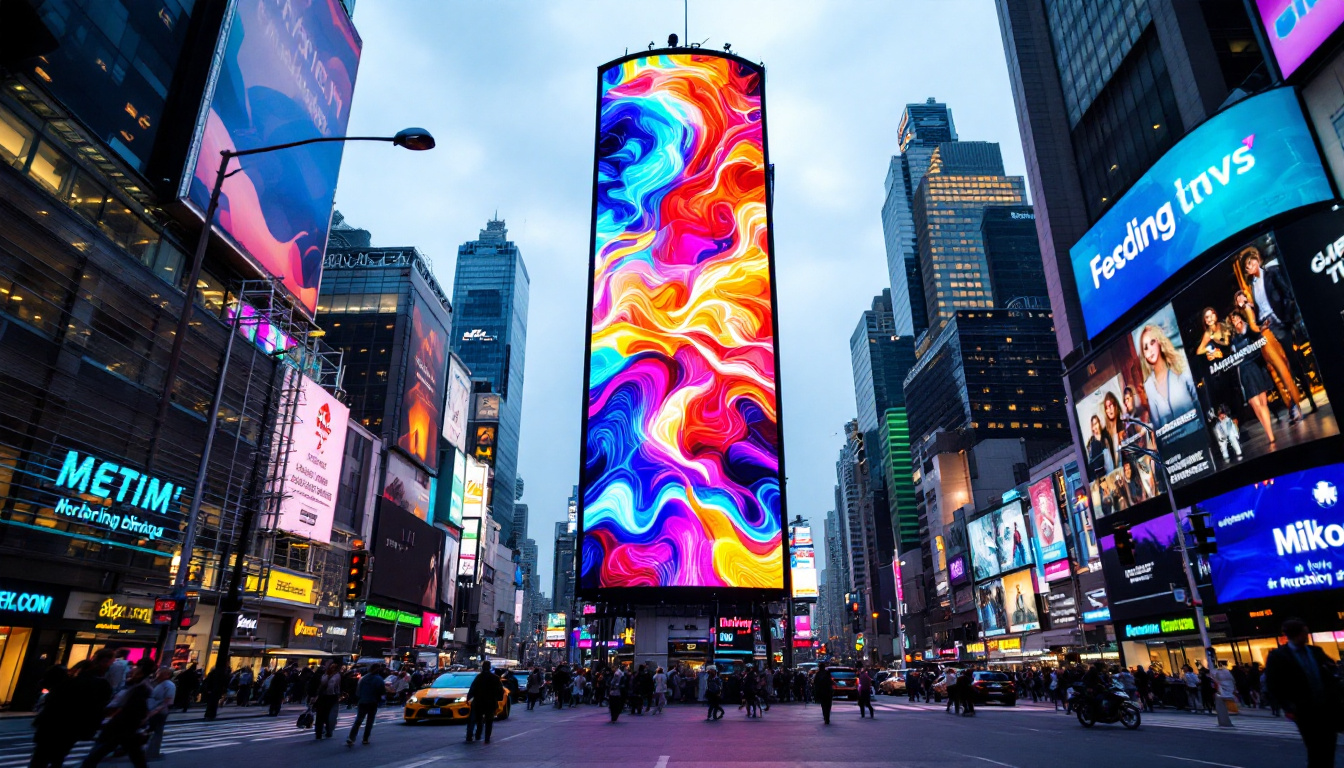
One of the most common uses of outdoor LED panels is in advertising. Digital billboards in high-traffic urban areas can reach thousands of potential customers daily. Brands leverage these displays for product launches, promotions, and brand awareness campaigns. The ability to tailor content by time of day or audience demographics enhances campaign effectiveness.
Sports and Entertainment Venues
Stadiums and arenas use large LED screens to display scores, replays, and advertisements. These displays enhance the spectator experience by providing clear, immediate information and entertainment. Additionally, outdoor concerts and festivals utilize LED panels for stage backdrops and crowd engagement.
Public Information and Transportation
Municipalities and transit authorities deploy outdoor LED displays for real-time information dissemination. Examples include traffic updates, weather alerts, emergency notifications, and public service announcements. These displays improve public safety and communication efficiency.
Retail and Hospitality
Retail stores and hotels use outdoor LED panels to attract customers and communicate offers. Dynamic signage can highlight special deals, events, or directional information, enhancing customer experience and driving foot traffic.
Choosing the Right Outdoor LED Panel Display
Selecting the appropriate LED display requires careful consideration of several factors to ensure optimal performance and return on investment.
Assessing Viewing Distance and Location
The intended viewing distance heavily influences pixel pitch and screen size. For locations where viewers are close, such as pedestrian zones, a smaller pixel pitch is necessary for image clarity. Conversely, roadside or highway billboards can use larger pixel pitches.
Environmental Conditions
Understanding the local climate and environmental challenges is critical. Areas with heavy rainfall, dust, or extreme temperatures require displays with higher IP ratings and robust cooling systems. Additionally, anti-glare coatings and high brightness levels improve visibility in bright or reflective environments.
Content Management and Integration
Modern outdoor LED displays often come with sophisticated content management systems (CMS) that enable remote updates, scheduling, and analytics. Choosing a system compatible with existing infrastructure and easy to operate ensures efficient content delivery.
Budget and Total Cost of Ownership
While initial costs vary based on size, resolution, and features, it is important to consider long-term expenses such as energy consumption, maintenance, and potential upgrades. Investing in high-quality components can reduce operational costs and extend the display’s useful life.
Future Trends in Outdoor LED Displays
As technology advances, outdoor LED displays continue to evolve, offering new capabilities and applications.
Higher Resolution and Smaller Pixel Pitch
Emerging LED technologies enable even smaller pixel pitches, bringing near-retina display quality to large outdoor screens. This improvement allows for closer viewing distances and more detailed content, expanding use cases.
Integration with Smart City Infrastructure
Outdoor LED displays are increasingly integrated into smart city networks, providing real-time data, interactive features, and connectivity with IoT devices. This integration enhances urban management and citizen engagement.
Energy Harvesting and Sustainability
Innovations in solar-powered LED displays and energy-efficient designs contribute to sustainability goals. Some installations incorporate renewable energy sources, reducing reliance on grid power and lowering carbon footprints.
Conclusion
Outdoor LED panel displays represent a powerful medium for communication, combining technological sophistication with practical durability. Their ability to deliver bright, dynamic, and engaging content across diverse environments makes them essential in modern advertising, public information, and entertainment sectors.
By understanding the technology behind these displays, their advantages, and the factors influencing their deployment, stakeholders can make informed decisions that maximize impact and value. As LED technology continues to advance, outdoor displays will become even more integral to how information and experiences are shared in public spaces.
Discover LumenMatrix LED Display Solutions
Ready to elevate your visual communication strategy with the latest in LED display technology? LumenMatrix is at the forefront of innovation, offering a comprehensive range of LED display solutions tailored to meet your needs. From vibrant outdoor LED wall displays that withstand the elements to interactive floor LED displays that captivate audiences, our products are designed to enhance brand visibility and create unforgettable visual experiences. Explore our solutions, including custom and all-in-one LED displays, and join the revolution in digital signage. Check out LumenMatrix LED Display Solutions and see how we can help you share your message with precision and flair.