In today’s fast-paced world, capturing attention is more challenging than ever. Outdoor LED signs have emerged as a powerful tool for businesses, municipalities, and event organizers to communicate effectively with their audience. But what exactly is an outdoor LED sign, how does it work, and why has it become a staple in modern advertising and information dissemination? This comprehensive guide delves into the technology behind LED displays, their benefits, applications, and considerations for selecting the right outdoor LED sign.
Understanding Outdoor LED Signs: The Basics
What Is an Outdoor LED Sign?
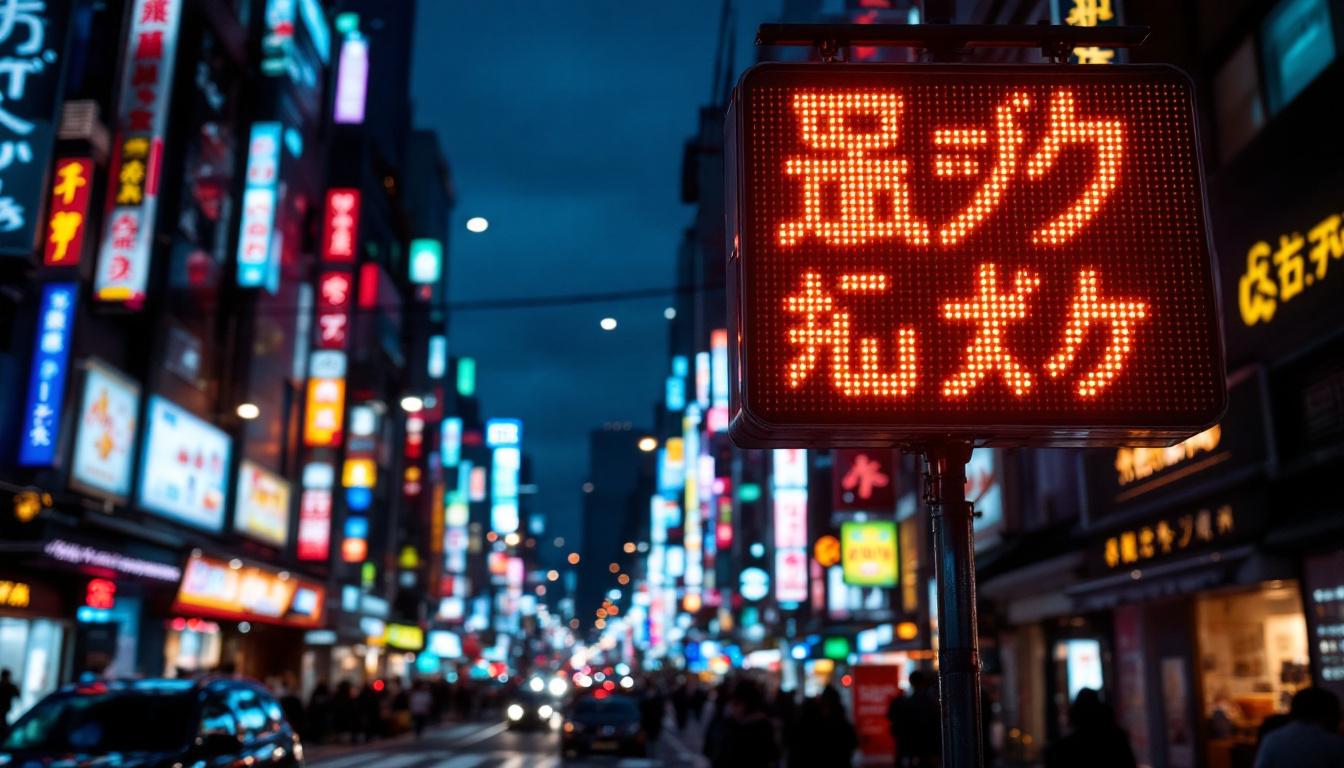
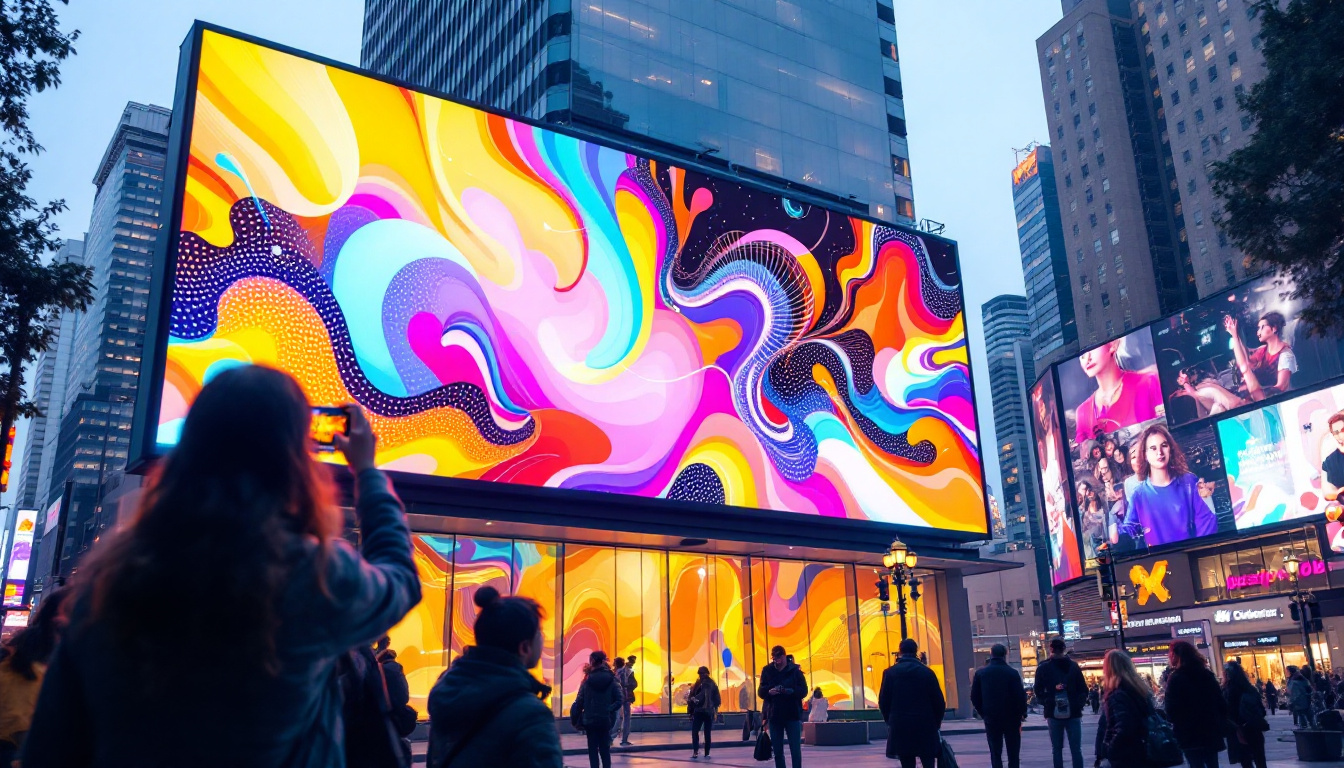
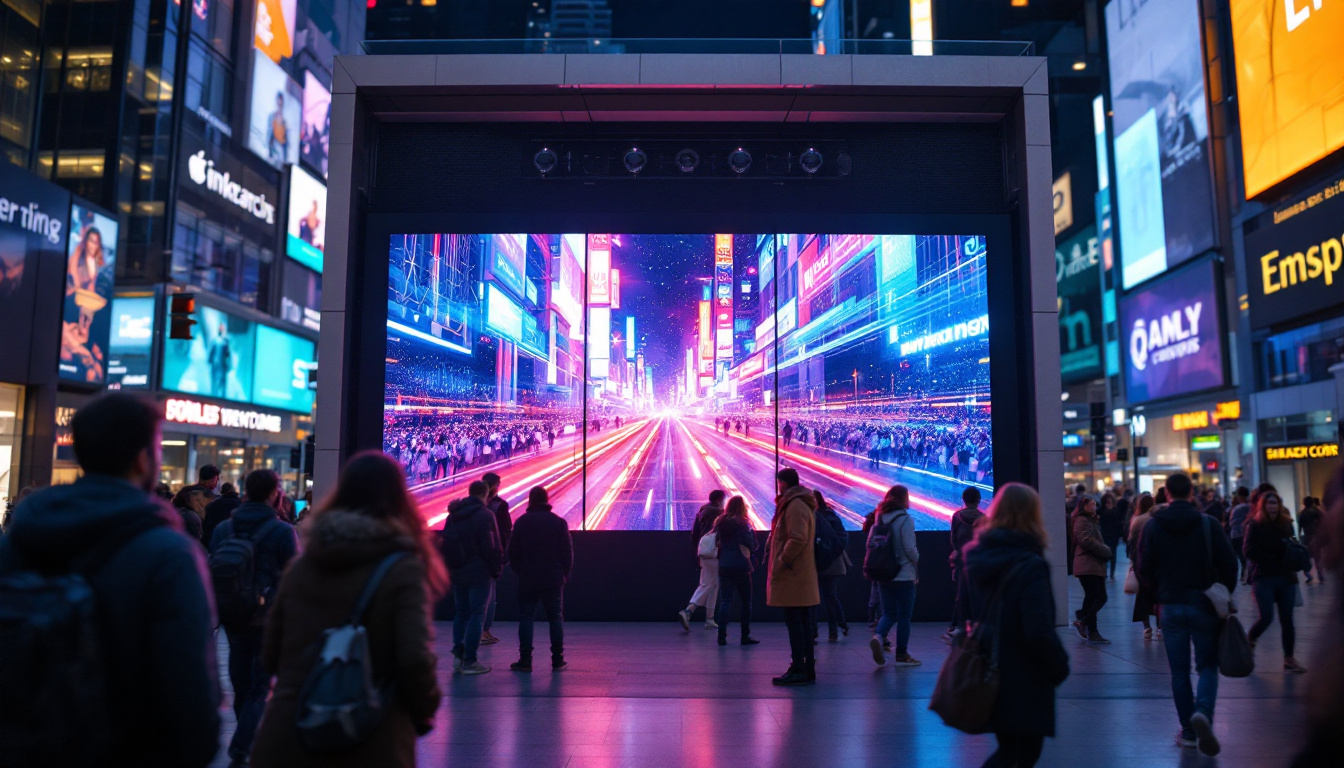
An outdoor LED sign is a digital display that uses light-emitting diodes (LEDs) to present text, images, and videos in a bright, vibrant format visible even in direct sunlight. Unlike traditional static signs, LED signs can be programmed to change content dynamically, allowing for real-time updates and engaging multimedia presentations.
These signs are designed specifically to withstand outdoor conditions such as rain, wind, and extreme temperatures. Their durability and brightness make them ideal for roadside advertising, public announcements, and event promotions. Additionally, many outdoor LED signs come equipped with advanced features such as motion sensors and timers, enabling them to adjust brightness based on ambient light or to display different messages at various times of the day. This adaptability not only enhances visibility but also conserves energy, making them an environmentally friendly choice for businesses and organizations.
How Does an LED Display Work?
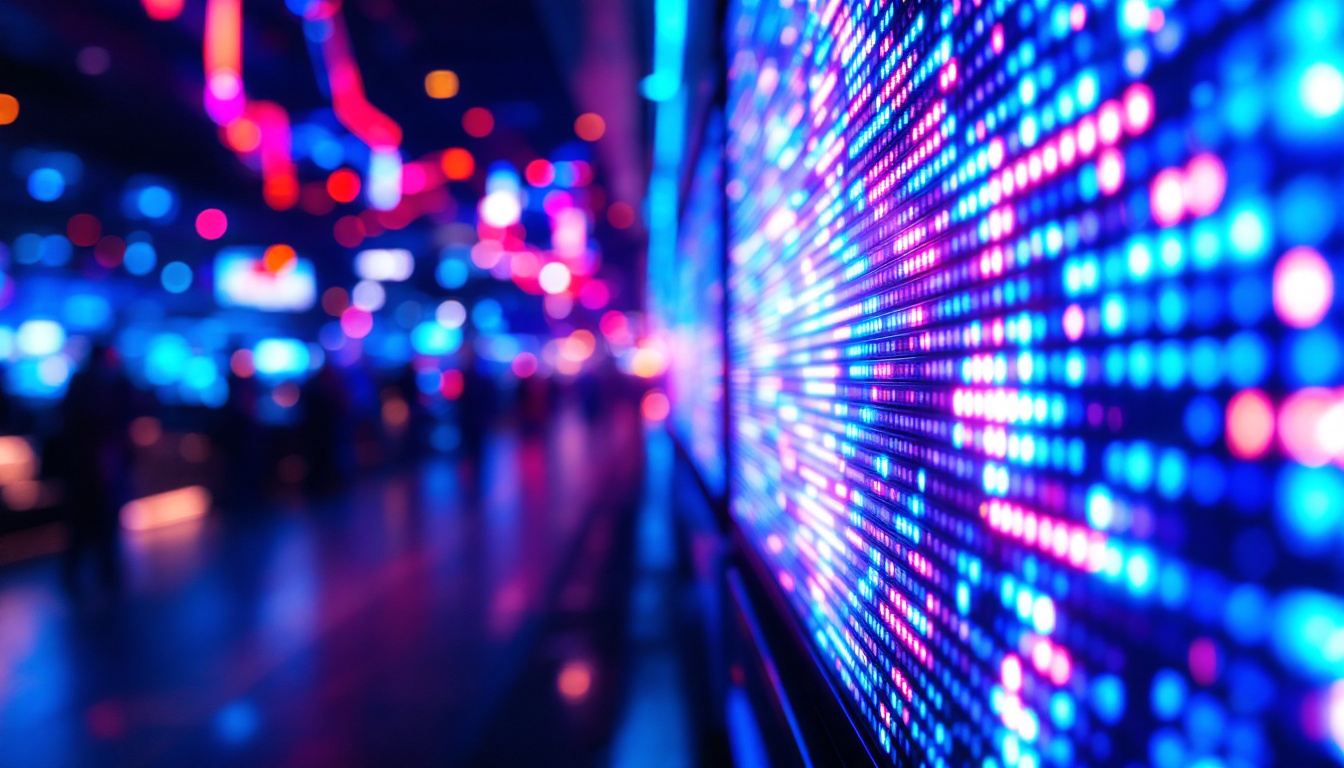
At the core of an LED display are thousands of tiny LEDs arranged in a grid. Each LED acts as a pixel, emitting light in red, green, or blue. By adjusting the intensity of these three colors, the display can produce millions of colors, creating sharp and vivid images.
The display is controlled by a computer or a dedicated controller that sends signals to each LED pixel to generate the desired content. Outdoor LED signs typically use high-brightness LEDs to ensure visibility under direct sunlight, often reaching brightness levels of 5,000 to 10,000 nits, compared to typical indoor displays that range from 200 to 500 nits. Furthermore, many modern LED displays incorporate smart technology, allowing for remote management and content scheduling through cloud-based platforms. This means that businesses can easily update their advertisements or announcements from anywhere, ensuring that their messaging remains timely and relevant. The integration of such technology not only streamlines operations but also opens up new avenues for creative marketing strategies, enabling businesses to engage with their audience in innovative ways.
Key Advantages of Outdoor LED Signs
Exceptional Visibility and Brightness
One of the primary benefits of outdoor LED signs is their superior visibility. Thanks to their high brightness and contrast, these signs can be seen clearly from long distances and under various lighting conditions, including bright daylight. This ensures that messages reach a broader audience effectively. The advanced technology behind LED displays allows for vibrant colors and sharp images, which can capture the attention of passersby in a busy urban environment or a quiet suburban street alike. As a result, businesses can significantly enhance their brand visibility and draw in more customers simply by utilizing these eye-catching displays.
Dynamic Content and Real-Time Updates
Unlike traditional printed signs, LED displays offer the flexibility to change content instantly. This capability is invaluable for businesses needing to promote time-sensitive offers, event schedules, or emergency alerts. For example, a retail store can update sales promotions throughout the day, while a city can broadcast weather warnings or traffic updates in real time. Moreover, the ability to display animations and videos adds an engaging element that static signs simply cannot match. This dynamic content can create a more interactive experience for viewers, encouraging them to stop and take notice of the messages being conveyed.
Energy Efficiency and Longevity
Modern LED technology is highly energy-efficient compared to older lighting solutions such as neon or incandescent bulbs. LEDs consume less power while providing brighter illumination, which translates to lower operating costs. Additionally, outdoor LED signs have a long lifespan, often exceeding 100,000 hours of operation, reducing maintenance and replacement expenses. This longevity not only benefits businesses economically but also contributes to sustainability efforts, as fewer signs need to be manufactured and disposed of over time. Consequently, companies can promote their commitment to eco-friendly practices while enjoying the financial advantages of using LED technology.
Environmental Durability
Outdoor LED signs are engineered to withstand harsh environments. They are typically enclosed in weatherproof casings with IP65 or higher ratings, protecting against dust and water ingress. This robustness ensures reliable performance in rain, snow, heat, and cold, making them suitable for virtually any climate. Additionally, many LED signs are designed to resist UV radiation, preventing color fading and maintaining visual appeal over time. This durability means that businesses can invest in outdoor LED signage with confidence, knowing that their investment will stand the test of time and continue to deliver impactful messaging regardless of external conditions. Furthermore, the ability to operate in extreme temperatures allows these signs to be utilized in diverse geographical locations, from sunny deserts to snowy mountain towns, broadening their applicability across various industries.
Applications of Outdoor LED Displays
Retail and Advertising
Retailers use outdoor LED signs to attract customers by showcasing promotions, new products, or brand messages. According to a study by the Digital Signage Federation, businesses that utilize digital signage experience a 33% increase in sales on average. The ability to display vivid animations and videos makes LED signs particularly effective for grabbing attention in busy commercial areas.
Transportation and Public Information
Transportation hubs such as airports, train stations, and bus terminals rely on outdoor LED displays to provide real-time scheduling, directions, and safety information. Municipalities also use these signs for public service announcements, community event advertising, and emergency alerts, enhancing communication with residents.
Sports and Entertainment Venues
Stadiums and arenas incorporate large-scale LED displays to enhance the fan experience by showing live game footage, scores, advertisements, and interactive content. These signs contribute to a dynamic atmosphere and provide additional revenue streams through advertising partnerships.
Corporate and Institutional Use
Corporations and educational institutions deploy outdoor LED signs for branding, event promotion, and internal communications. For example, universities may use LED displays to announce campus events or important deadlines, while corporate campuses can highlight achievements or safety reminders.
Technical Considerations When Choosing an Outdoor LED Sign
Pixel Pitch and Resolution
Pixel pitch refers to the distance between the centers of two adjacent pixels and is typically measured in millimeters. A smaller pixel pitch means higher resolution and sharper images, which is crucial for signs viewed from close range. For outdoor signs viewed from a distance, a larger pixel pitch is acceptable and more cost-effective.
For instance, a pixel pitch of 10 mm or more is common for roadside billboards, while signs intended for pedestrian viewing might use 4 mm or less for finer detail.
Brightness and Contrast Ratio
Brightness is measured in nits, with higher values indicating better visibility in bright environments. Outdoor signs generally require at least 5,000 nits to be effective in direct sunlight. The contrast ratio, which compares the brightness of the brightest white to the darkest black, affects image clarity and color vibrancy.
Viewing Angle
The viewing angle determines how well the display can be seen from different positions. Wide viewing angles are essential for signs placed in locations where viewers approach from multiple directions. Typical viewing angles for outdoor LED signs range from 120° to 160° horizontally and vertically.
Durability and Weatherproofing
Ensuring the LED sign has an appropriate Ingress Protection (IP) rating is critical for outdoor use. An IP65 rating or higher is recommended to protect against dust and water jets. Additionally, the sign’s housing should be constructed from corrosion-resistant materials such as aluminum or stainless steel.
Control Systems and Connectivity
Modern outdoor LED signs often come with sophisticated control systems that allow content management via cloud-based platforms or local networks. Connectivity options may include Ethernet, Wi-Fi, or cellular networks, enabling remote updates and monitoring. This flexibility is particularly important for signs deployed across multiple locations.
Installation and Maintenance Insights
Site Assessment and Placement
Proper installation begins with a thorough site assessment. Factors such as traffic flow, sightlines, ambient lighting, and power availability influence the optimal placement of an outdoor LED sign. Ensuring the sign is positioned for maximum visibility without causing distractions or safety hazards is essential.
Power Requirements and Energy Management
Outdoor LED signs require a stable power supply, often with surge protection to guard against electrical spikes. Many installations incorporate energy management systems that adjust brightness based on ambient light, reducing power consumption during nighttime or cloudy conditions.
Routine Maintenance and Troubleshooting
While LED signs are low maintenance, regular inspections help identify issues such as dead pixels, loose connections, or weather damage early. Cleaning the display surface periodically ensures optimal brightness and image quality. Additionally, software updates and backups are important to maintain smooth operation and security.
Future Trends in Outdoor LED Signage
Integration with Smart Technologies
The future of outdoor LED signage is increasingly tied to smart technology integration. Signs equipped with sensors can adjust content based on environmental conditions, audience demographics, or even real-time social media trends. For example, a sign near a sports venue might display live game statistics or fan tweets during an event.
Enhanced Interactivity
Interactive LED displays that respond to touch, motion, or mobile devices are gaining traction. These features provide immersive experiences that engage viewers more deeply, offering opportunities for personalized advertising and data collection.
Energy-Efficient Innovations
Advancements in LED technology continue to improve energy efficiency and reduce environmental impact. Innovations such as micro-LEDs and organic LEDs (OLEDs) promise even brighter displays with lower power consumption and thinner form factors, expanding the possibilities for outdoor signage design.
Conclusion
Outdoor LED signs represent a dynamic and versatile communication medium that combines technological sophistication with practical benefits. Their ability to deliver bright, engaging, and adaptable content makes them indispensable for businesses, public agencies, and event organizers looking to connect with their audiences effectively.
By understanding the fundamental technology, advantages, applications, and technical considerations, stakeholders can make informed decisions when selecting and deploying outdoor LED signage. As the technology continues to evolve, outdoor LED signs will remain at the forefront of visual communication, driving engagement and delivering impactful messages in an increasingly digital world.
Illuminate Your Message with LumenMatrix
Ready to elevate your brand’s visibility and captivate your audience with vibrant, dynamic content? LumenMatrix is at the forefront of LED display innovation, offering a wide array of solutions tailored to your unique needs. From dazzling outdoor LED wall displays that withstand the elements to interactive floor LED displays that engage customers in new ways, our technology is designed to revolutionize visual communication. Don’t just share your message—make it unforgettable. Check out LumenMatrix LED Display Solutions today and see how we can help you shine brighter.