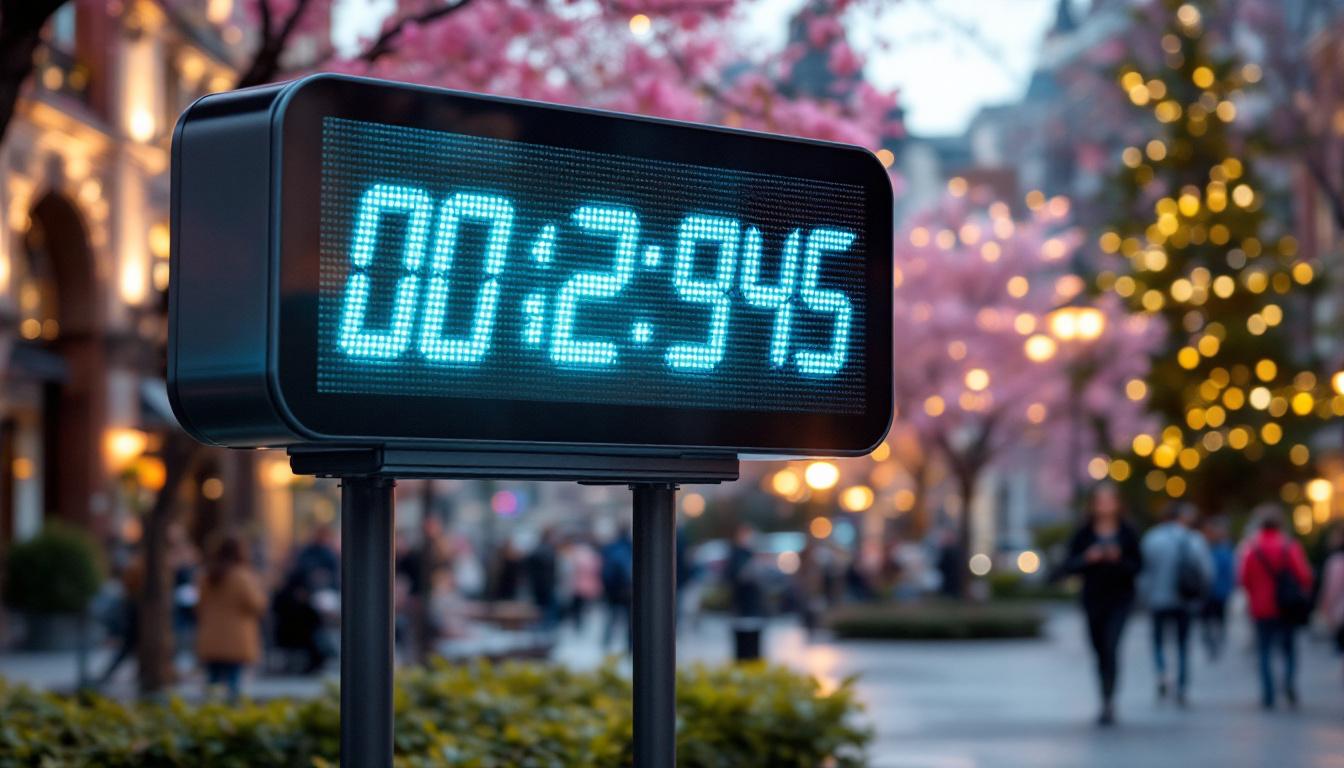
In today’s fast-paced world, timekeeping is more than just a functional necessity; it’s a statement of precision, technology, and style. Outside digital clocks featuring LED displays have become increasingly prevalent in public spaces, commercial buildings, sports arenas, and transportation hubs. Their bright, clear, and energy-efficient displays make them ideal for outdoor environments where visibility and durability are paramount. This article delves into the technology behind LED displays in outdoor digital clocks, exploring their advantages, design considerations, and practical applications.
Understanding LED Technology in Outdoor Digital Clocks
Light Emitting Diodes (LEDs) are the cornerstone of modern digital display technology. Unlike traditional incandescent bulbs or fluorescent lights, LEDs produce light through electroluminescence, which involves the movement of electrons in a semiconductor material. This process results in a highly efficient, long-lasting light source that can be controlled precisely. The energy efficiency of LEDs not only reduces electricity costs but also minimizes heat generation, making them safer and more reliable for continuous outdoor use.
In the context of outdoor digital clocks, LEDs are arranged in matrix configurations to form digits and symbols. Each segment of a digit is made up of multiple LEDs, which can be individually controlled to display numbers, letters, or other characters. The result is a display that is bright, sharp, and easily readable from considerable distances, even in direct sunlight. This high visibility is crucial for outdoor settings, where varying light conditions can affect readability. Additionally, many outdoor digital clocks are designed with protective casings to shield the LEDs from weather elements, ensuring durability and longevity.
Types of LEDs Used in Outdoor Clocks
There are primarily two types of LEDs used in outdoor digital clocks: single-color LEDs and RGB (Red, Green, Blue) LEDs. Single-color LEDs are the most common, typically emitting red or amber light, which offers excellent visibility and low power consumption. RGB LEDs, on the other hand, can produce a full spectrum of colors by mixing the three primary colors, allowing for more dynamic and customizable displays. This capability enables the creation of visually engaging clocks that can change colors for different occasions, such as holidays or special events, enhancing their aesthetic appeal.
While RGB LEDs provide versatility, single-color LEDs remain the preferred choice for most outdoor clocks due to their simplicity, cost-effectiveness, and superior brightness for specific colors. Moreover, single-color displays are often easier to read at a glance, which is essential for passersby who need to quickly check the time. The choice between these LED types also involves considerations of maintenance and replacement costs, as single-color LEDs typically have longer lifespans and require less frequent servicing, making them a practical option for public installations.
Advantages of LED Displays for Outdoor Digital Clocks
LED displays have revolutionized outdoor timekeeping by offering numerous benefits over older technologies such as neon or LCD displays. These advantages make LED-based clocks a popular choice for municipalities, businesses, and event organizers.
High Visibility and Brightness
One of the most significant advantages of LED displays is their exceptional brightness. Outdoor clocks must be legible in various lighting conditions, including bright sunlight and nighttime darkness. LEDs can achieve luminance levels exceeding 5,000 nits, which ensures clear visibility even in direct sunlight. Additionally, many LED clocks are equipped with ambient light sensors that automatically adjust brightness to prevent glare during nighttime hours.
Energy Efficiency and Cost Savings
Compared to incandescent and fluorescent lighting, LEDs consume significantly less power—up to 80% less in some cases. This energy efficiency translates into lower operational costs, especially for clocks that run continuously. Furthermore, the long lifespan of LEDs, often exceeding 50,000 hours, reduces maintenance and replacement expenses, making LED clocks a cost-effective investment.
Durability and Weather Resistance
Outdoor clocks must withstand harsh environmental conditions such as rain, snow, wind, and extreme temperatures. LED displays are inherently robust due to their solid-state construction, which lacks fragile filaments or glass tubes. Many outdoor LED clock units are housed in weatherproof enclosures with IP65 or higher ratings, ensuring protection against dust and water ingress.
Customization and Flexibility
LED technology allows for a high degree of customization. Clock displays can be designed with various digit sizes, colors, and formats (12-hour or 24-hour). Some advanced models incorporate additional information such as temperature, date, or scrolling messages. This flexibility enables organizations to tailor clocks to specific aesthetic and functional requirements.
Design Considerations for Outdoor LED Digital Clocks
Designing an effective outdoor LED digital clock involves balancing technical specifications with practical and aesthetic considerations. Several factors influence the choice of display size, brightness, color, and housing.
Digit Size and Viewing Distance
The size of the digits on an outdoor clock directly impacts its readability. A general rule of thumb is that for every inch of digit height, the display is readable from approximately 50 feet away. For example, a 12-inch digit height would be visible from up to 600 feet under ideal conditions. Designers must consider the typical viewing distance and environment to determine appropriate digit dimensions.
Brightness and Ambient Light Adaptation
While high brightness is essential for daylight visibility, excessive brightness at night can cause glare and light pollution. Many outdoor LED clocks incorporate photometric sensors that adjust brightness dynamically based on ambient light levels. This feature improves user comfort and complies with local lighting regulations.
Color Selection and Contrast
Color choice affects both visibility and aesthetic appeal. Red LEDs are often favored for their high contrast against most backgrounds and their energy efficiency. Amber and green LEDs are also common, while blue and white LEDs tend to consume more power and may be less visible in bright sunlight. The background color and surrounding environment should be considered to maximize contrast and legibility.
Enclosure and Mounting Options
The housing of an outdoor digital clock must protect the electronics from environmental factors while complementing the installation site. Materials such as powder-coated aluminum or stainless steel are popular for their durability and corrosion resistance. Mounting options include wall mounts, poles, or integrated structures, depending on the location and intended use.
Applications of Outdoor LED Digital Clocks
Outdoor LED digital clocks serve a wide range of purposes across various sectors. Their versatility and reliability make them indispensable in both public and private settings.
Public Spaces and Urban Infrastructure
Municipalities often install outdoor LED clocks in town squares, parks, and transit stations to provide citizens with accurate time information. These clocks enhance public convenience and contribute to the aesthetic appeal of urban environments. In some cities, clocks are integrated with public announcement systems or emergency alerts.
Sports and Event Venues
Sports arenas and stadiums rely heavily on large LED digital clocks for game timing and score displays. The high brightness and clear visibility of LED technology ensure that spectators, players, and officials can easily track time during events. Portable LED clocks are also used in marathons and outdoor competitions for accurate timekeeping.
Transportation and Logistics
Airports, bus terminals, and train stations utilize outdoor LED clocks to keep travelers informed and on schedule. Precise time displays are critical in these environments to maintain efficient operations and reduce delays. Additionally, logistics centers use LED clocks to synchronize shifts and monitor delivery schedules.
Commercial and Industrial Facilities
Factories, warehouses, and office complexes often feature outdoor LED clocks to promote punctuality and coordinate activities. In industrial settings, clocks may be combined with countdown timers or shift change indicators to optimize workflow and safety.
Maintenance and Longevity of Outdoor LED Clocks
Proper maintenance is essential to ensure the longevity and optimal performance of outdoor LED digital clocks. While LEDs are known for their durability, environmental exposure can still impact their operation over time.
Routine Cleaning and Inspection
Accumulation of dirt, dust, and grime on the display surface can reduce brightness and clarity. Regular cleaning with appropriate, non-abrasive materials helps maintain visibility. Inspections should also check for signs of moisture ingress, physical damage, or electrical issues.
Software Updates and Calibration
Many modern LED clocks are controlled by microprocessors that may require periodic software updates to improve functionality or security. Calibration ensures that the displayed time remains accurate, particularly for clocks synchronized with network time protocols or GPS systems.
Replacement of Components
Although LEDs have long lifespans, individual diodes or power supplies may fail over time. Modular designs facilitate easy replacement of faulty components without the need to replace the entire unit. Keeping spare parts on hand can minimize downtime.
Future Trends in Outdoor LED Digital Clocks
The evolution of LED technology continues to open new possibilities for outdoor digital clocks. Innovations in energy efficiency, connectivity, and design are shaping the future of timekeeping displays.
Integration with Smart City Infrastructure
Outdoor LED clocks are increasingly being integrated into smart city networks, allowing for remote monitoring, synchronization, and control. This connectivity enables real-time updates, adaptive brightness control, and integration with other urban systems such as traffic management and public safety alerts.
Advancements in Energy Harvesting
Solar-powered LED clocks are gaining traction as sustainable solutions for outdoor installations. Advances in photovoltaic technology and energy storage allow clocks to operate independently of the electrical grid, reducing environmental impact and installation costs.
Enhanced Display Capabilities
Emerging LED technologies, such as micro-LEDs and flexible displays, promise higher resolution, greater design flexibility, and improved durability. These advancements may lead to outdoor clocks that combine timekeeping with dynamic visual content, advertisements, or interactive features.
Conclusion
Outdoor digital clocks with LED displays represent a fusion of technology, design, and functionality. Their bright, energy-efficient, and durable nature makes them ideal for a wide range of environments, from bustling city centers to remote industrial sites. Understanding the underlying LED technology, design principles, and maintenance requirements is essential for selecting and implementing the right clock solution. As LED technology continues to advance, outdoor digital clocks will become even more versatile, integrated, and sustainable, keeping the world on time with clarity and style.
Illuminate Your Space with LumenMatrix
Ready to elevate your outdoor space with the brightest, most efficient, and robust LED display solutions? Look no further than LumenMatrix, the leader in LED display innovation. Whether you’re looking to enhance brand visibility, create engaging visual experiences, or simply keep your community in sync with precise timekeeping, LumenMatrix has a solution tailored to your needs. From captivating Outdoor LED Wall Displays to dynamic LED Sports Displays and beyond, our products are designed to revolutionize visual communication. Check out LumenMatrix LED Display Solutions today and transform your environment with unparalleled clarity and style.