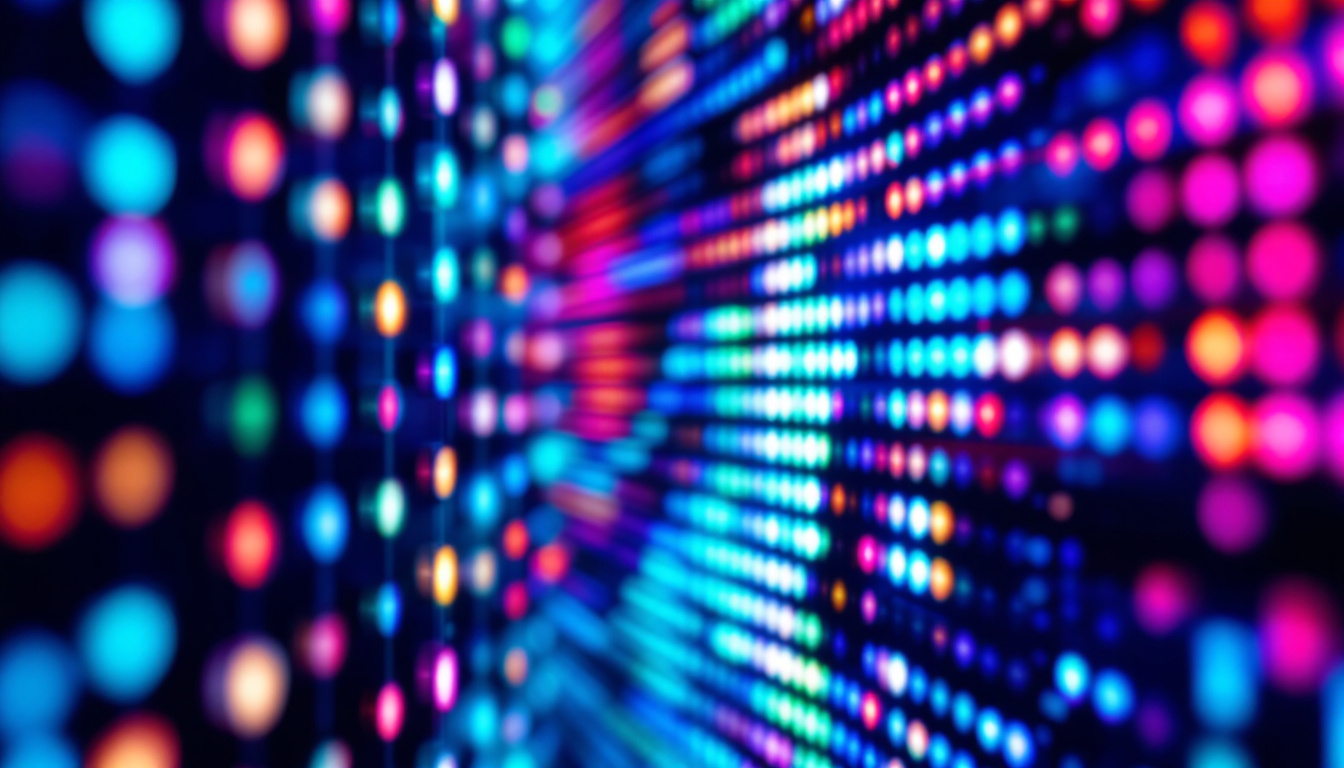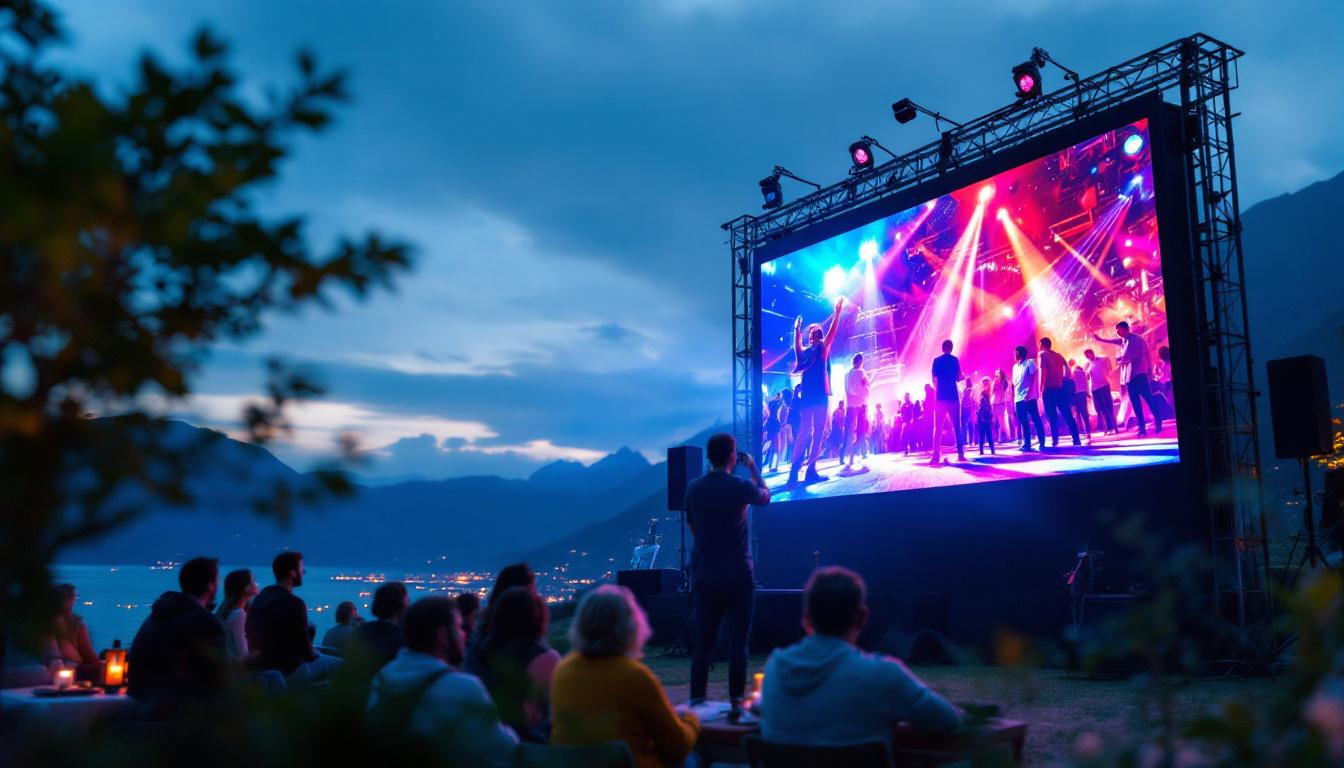
In the dynamic world of digital signage and display technology, LED displays have emerged as a leading solution for delivering vibrant, high-resolution visuals across a variety of applications. Among the many specifications that define LED displays, the term “P1-99” often surfaces, representing a critical factor in understanding display quality and performance. This article delves into the meaning of P1-99 in LED displays, exploring its technical foundations, practical implications, and why it matters for businesses, advertisers, and technology enthusiasts alike.
Understanding Pixel Pitch: The Foundation of LED Display Quality
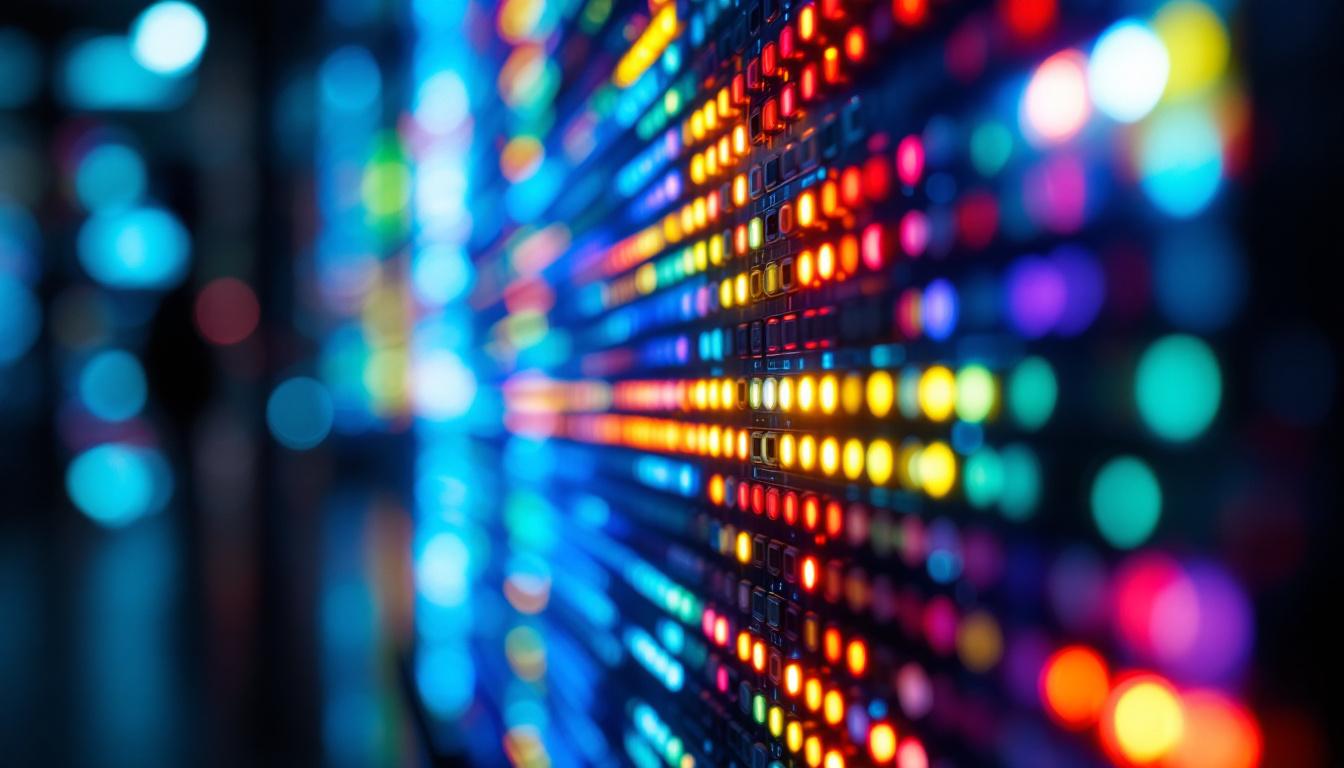
Before unpacking the term “P1-99,” it is essential to grasp the concept of pixel pitch, a fundamental metric in LED display technology. Pixel pitch refers to the distance between the centers of two adjacent pixels, usually measured in millimeters. This measurement directly influences the resolution and viewing distance of an LED screen.
For example, a display with a pixel pitch of 1 mm (P1) means the pixels are spaced one millimeter apart, resulting in a very high pixel density. Conversely, a pixel pitch of 10 mm (P10) indicates larger spacing and lower pixel density, which is typically acceptable for large outdoor displays viewed from a distance. The smaller the pixel pitch, the sharper and clearer the image, especially at close viewing distances.
Pixel pitch is crucial because it determines how detailed the image appears and how close a viewer can stand to the screen without noticing individual pixels. This makes it a key consideration when selecting an LED display for specific environments, such as retail stores, control rooms, or stadiums.
Decoding P1-99: What Does It Mean?
The term “P1-99” refers to a range of pixel pitches from 1.0 mm to 9.9 mm. This range covers a broad spectrum of LED display types, from ultra-fine pitch screens used for indoor applications to larger pitch displays suited for outdoor or large venue installations.
Within this range:
- P1 to P3: These are ultra-fine pitch LED displays, often used indoors where viewers are close to the screen. Applications include broadcast studios, corporate lobbies, and high-end retail environments.
- P4 to P6: Mid-range pixel pitches suitable for indoor and semi-outdoor use. These displays balance resolution and cost, making them popular for event venues and shopping malls.
- P7 to P9.9: Larger pixel pitches designed primarily for outdoor use, where viewers are typically farther away. Examples include billboards, sports arenas, and transportation hubs.
Understanding this range helps buyers and installers select the appropriate display based on viewing distance, environment, and budget.
Why the Range Matters
The P1-99 classification is significant because it highlights the versatility of LED display technology. Manufacturers often specify pixel pitch ranges to indicate the types of displays they offer. For instance, a company advertising “P1-99 LED displays” signals that they provide solutions from ultra-high-resolution indoor screens to large-scale outdoor displays.
This range also reflects advances in LED manufacturing, where technological improvements have allowed for pixel pitches as small as 0.9 mm or less, pushing the boundaries of image clarity and detail.
Technical Aspects of P1-99 LED Displays
To fully appreciate the implications of P1-99, it is important to explore the technical factors that influence LED display performance within this pixel pitch range.
Resolution and Image Quality
Resolution is directly tied to pixel pitch. A smaller pixel pitch means more pixels per square meter, resulting in higher resolution and finer image detail. For example, a P1.5 LED display can achieve resolutions comparable to high-definition monitors, making it ideal for applications requiring close-up viewing and detailed graphics.
Conversely, a P9.0 display, with its larger pixel spacing, is better suited for large-scale visuals where viewers are farther away. While the resolution is lower, the display remains effective because the human eye cannot discern individual pixels at greater distances.
Brightness and Viewing Distance
Brightness is another critical factor, especially for outdoor LED displays. Displays with larger pixel pitches typically incorporate higher brightness LEDs to ensure visibility in direct sunlight. For example, outdoor P7 to P9.9 displays often reach brightness levels of 5,000 to 7,000 nits, whereas indoor P1 to P3 displays operate around 800 to 1,200 nits, sufficient for controlled lighting environments.
Viewing distance recommendations are closely linked to pixel pitch. A general rule of thumb is that the optimal viewing distance in meters is approximately equal to the pixel pitch in millimeters multiplied by 1,000. Thus, a P1.5 display is best viewed from about 1.5 meters or more, while a P9.0 display is suited for distances of 9 meters or greater.
Power Consumption and Heat Management
Smaller pixel pitch LED displays tend to consume more power per square meter because they contain more LEDs packed closely together. This increased power density requires efficient heat dissipation mechanisms to maintain performance and longevity.
Manufacturers often integrate advanced cooling systems, such as heat sinks and ventilation designs, to manage thermal output. Proper heat management is essential to prevent color shifts, reduce the risk of component failure, and ensure consistent brightness levels over time.
Applications of P1-99 LED Displays
The versatility of the P1-99 pixel pitch range allows LED displays to serve a wide array of industries and use cases. Understanding where each pixel pitch fits best can help organizations optimize their investment and meet their specific display needs.
Indoor Ultra-Fine Pitch Displays (P1-P3)
Ultra-fine pitch LED displays are increasingly popular in environments where image clarity and detail are paramount. Examples include:
- Broadcast Studios: High-resolution screens provide crisp visuals for newsrooms and production sets.
- Corporate Environments: Reception areas and conference rooms benefit from seamless, bright displays for presentations and branding.
- Retail Spaces: Luxury brands use fine pitch LED walls to create immersive shopping experiences.
These displays allow for close viewing distances without pixelation, making them ideal for interactive and detailed content.
Mid-Range Displays for Mixed Environments (P4-P6)
Displays with pixel pitches in the mid-range offer a balance between resolution and cost, suitable for:
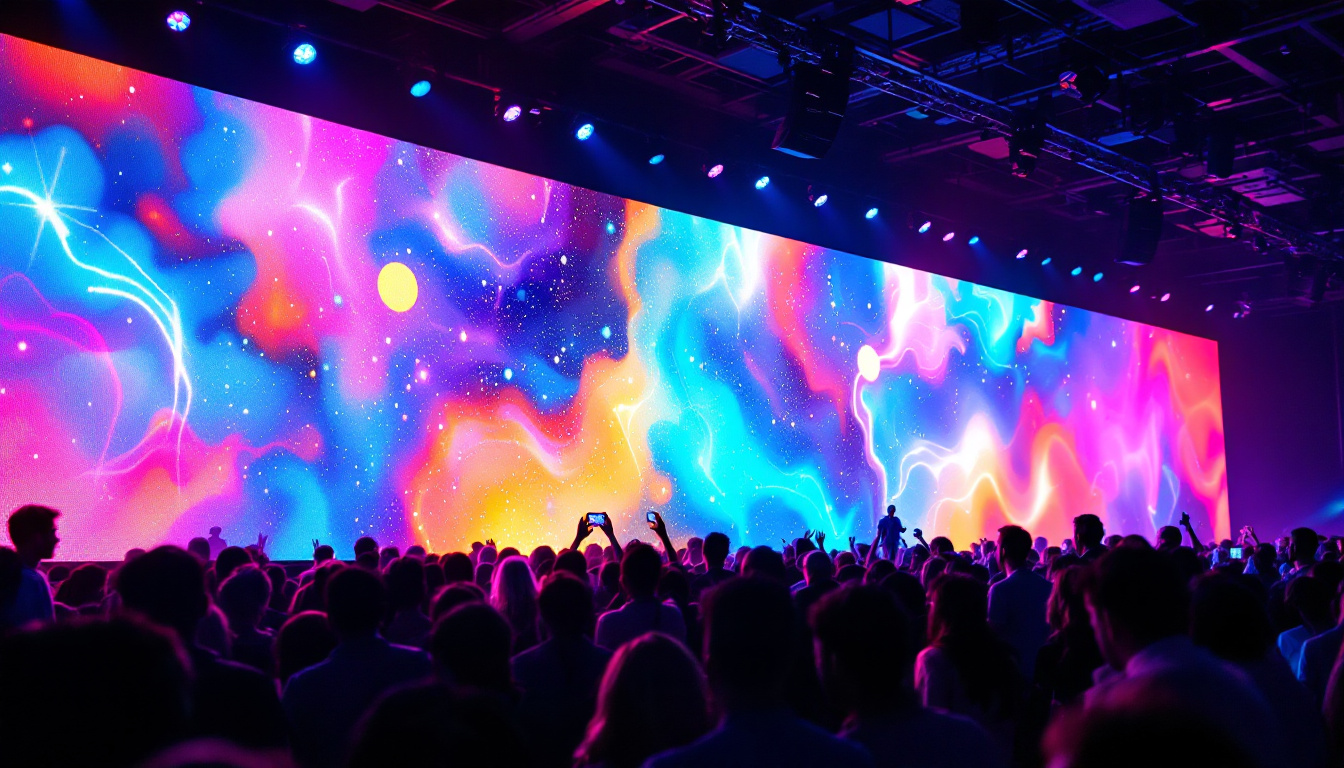
- Event Venues: Concerts, exhibitions, and conferences use these displays for vibrant visuals visible to audiences at moderate distances.
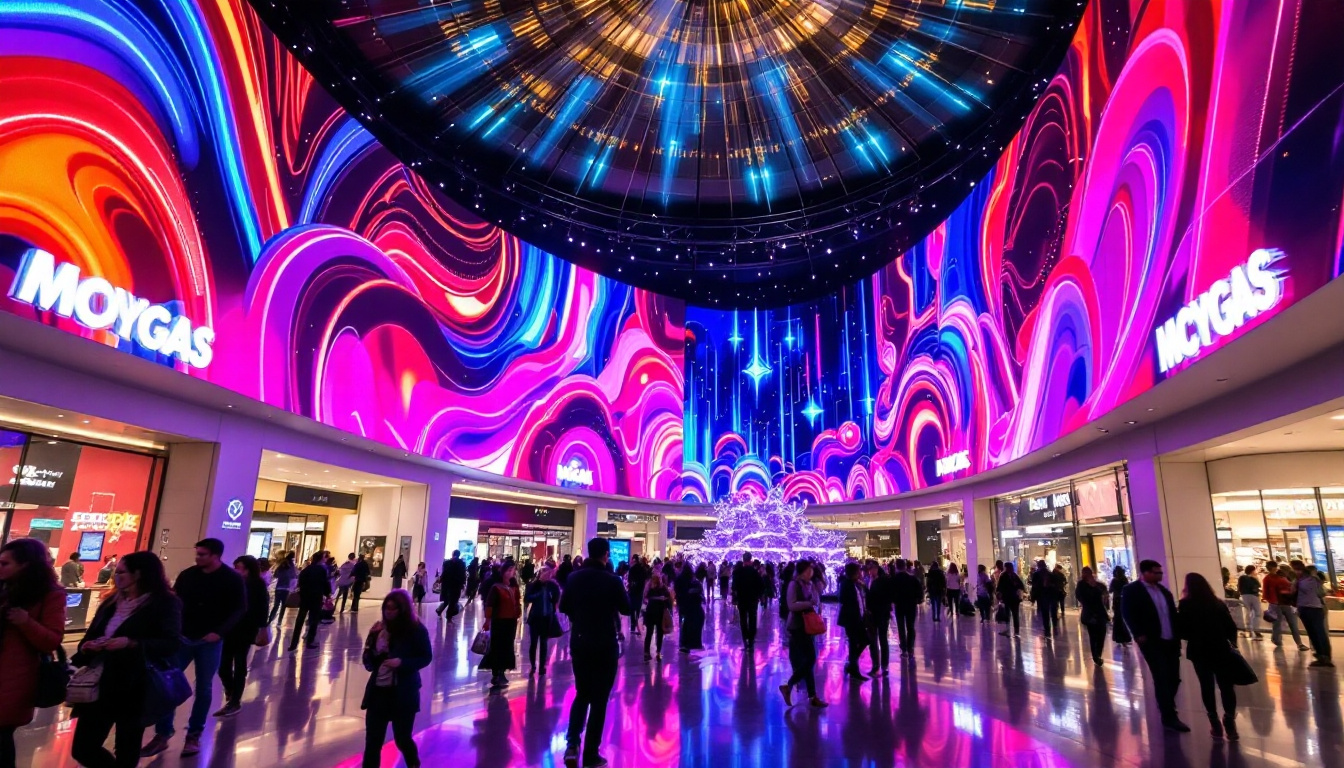
- Shopping Centers: Digital signage and advertising screens that attract shoppers with dynamic content.
- Transportation Hubs: Airports and train stations utilize these displays for information and advertising.
The flexibility of mid-range pixel pitches makes them a popular choice for diverse applications requiring both indoor and semi-outdoor usage.
Outdoor Large-Scale Displays (P7-P9.9)
For outdoor applications where viewers are typically far from the screen, larger pixel pitches are more cost-effective and practical. Typical uses include:
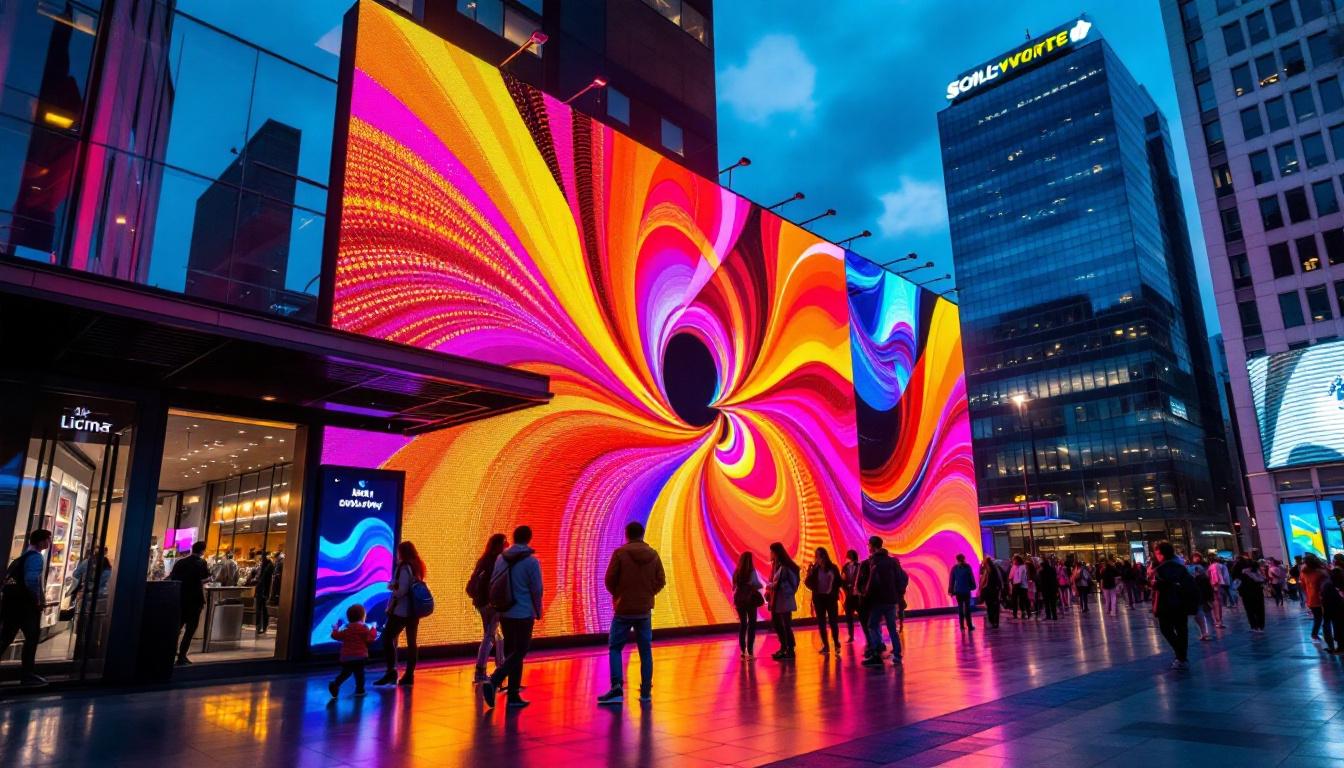
- Billboards: Highway and urban advertising rely on high-brightness, durable LED displays.
- Sports Arenas: Scoreboards and video walls that deliver clear visuals to large crowds.
- Public Spaces: City squares and event stages use these displays for announcements and entertainment.
These displays are engineered to withstand harsh weather conditions and maintain visibility under direct sunlight.
Choosing the Right P1-99 LED Display: Key Considerations
Selecting the appropriate LED display within the P1-99 range involves evaluating several factors to ensure the technology meets the intended use case effectively.
Viewing Distance and Environment
Assessing the typical viewing distance is the first step. For close-up viewing, such as in control rooms or retail spaces, a smaller pixel pitch (P1-P3) is necessary. For outdoor advertising or large venues, larger pixel pitches (P7-P9.9) suffice.
Environmental conditions also play a role. Indoor displays do not require high brightness levels but must offer excellent color accuracy and uniformity. Outdoor displays demand high brightness, weather resistance, and robust construction.
Content Type and Resolution Needs
The nature of the content displayed influences pixel pitch selection. High-detail video, fine text, and intricate graphics require finer pixel pitches. In contrast, simple text or large images can be effectively displayed on screens with larger pixel pitches.
Budget and Maintenance
Smaller pixel pitch LED displays tend to be more expensive due to the complexity of manufacturing and higher LED density. Additionally, maintenance costs can vary based on the display’s size, location, and technology.
Investing in quality components and reputable manufacturers can reduce long-term maintenance issues and ensure better performance.
Future Trends in P1-99 LED Display Technology
As LED technology continues to evolve, several trends are shaping the future of P1-99 LED displays, promising enhanced performance and new applications.
MicroLED and MiniLED Innovations
MicroLED technology, which features even smaller LEDs than traditional models, is pushing pixel pitches below 1 mm, delivering unprecedented image quality. This advancement is expected to revolutionize indoor displays, offering better brightness, contrast, and energy efficiency.
MiniLED backlighting is also enhancing LED display performance, particularly in hybrid LCD-LED screens, by improving contrast ratios and color accuracy.
Increased Integration with Smart Technologies
Smart LED displays equipped with sensors, AI-driven content management, and real-time data integration are becoming more common. These features enable dynamic content adjustment based on audience engagement, ambient light, and other environmental factors.
Sustainability and Energy Efficiency
Manufacturers are focusing on reducing power consumption and utilizing eco-friendly materials. Energy-efficient LED displays not only lower operational costs but also align with growing environmental regulations and corporate sustainability goals.
Conclusion
The P1-99 designation encapsulates a broad and versatile range of LED display pixel pitches, each suited to specific applications and environments. Understanding the technical nuances of pixel pitch, resolution, brightness, and viewing distance is essential for selecting the right LED display solution.
Whether for ultra-fine indoor screens or large-scale outdoor billboards, the P1-99 range offers options that balance image quality, cost, and practicality. As LED technology advances, the possibilities for creative and impactful visual communication continue to expand, making LED displays an indispensable tool in today’s digital landscape.
Explore the Future of Visual Communication with LumenMatrix
Ready to elevate your visual presence and captivate your audience with unparalleled clarity? Discover LumenMatrix’s innovative range of LED display solutions, from the intimacy of Indoor LED Walls to the grandeur of Outdoor Displays, and beyond. Embrace the revolution in digital signage with our versatile offerings, including Vehicle Displays, LED Posters, Sports and Floor Displays, Custom Configurations, All-in-One solutions, and Transparent Displays. Each designed to deliver your message with maximum impact. Check out LumenMatrix LED Display Solutions today and join the forefront of visual technology.