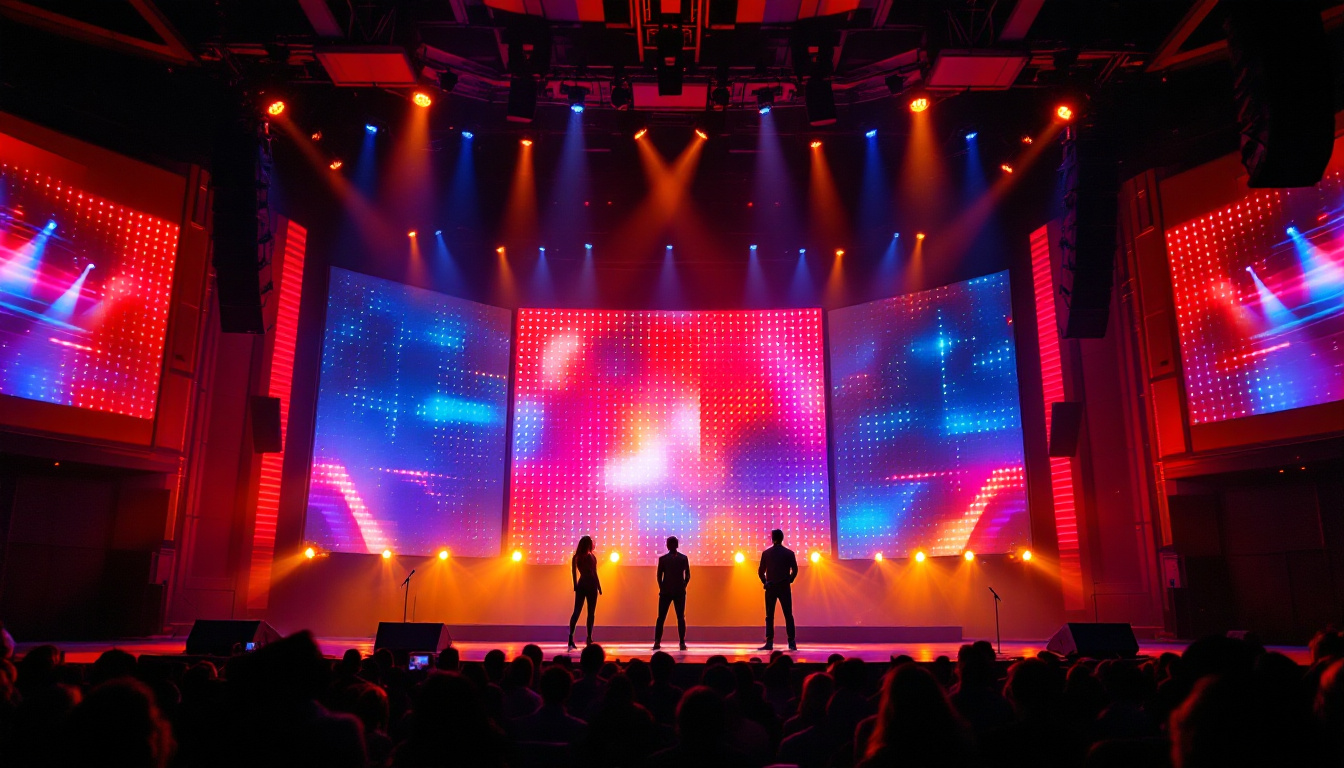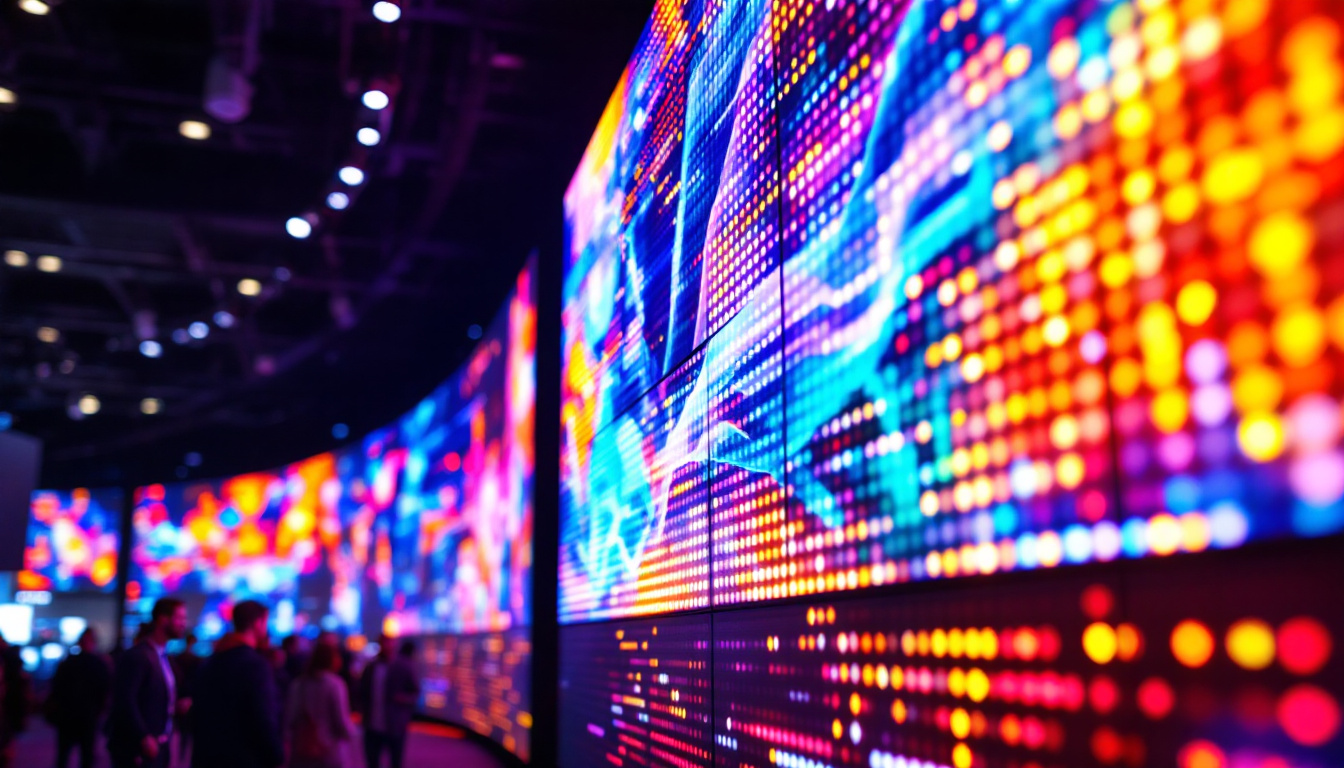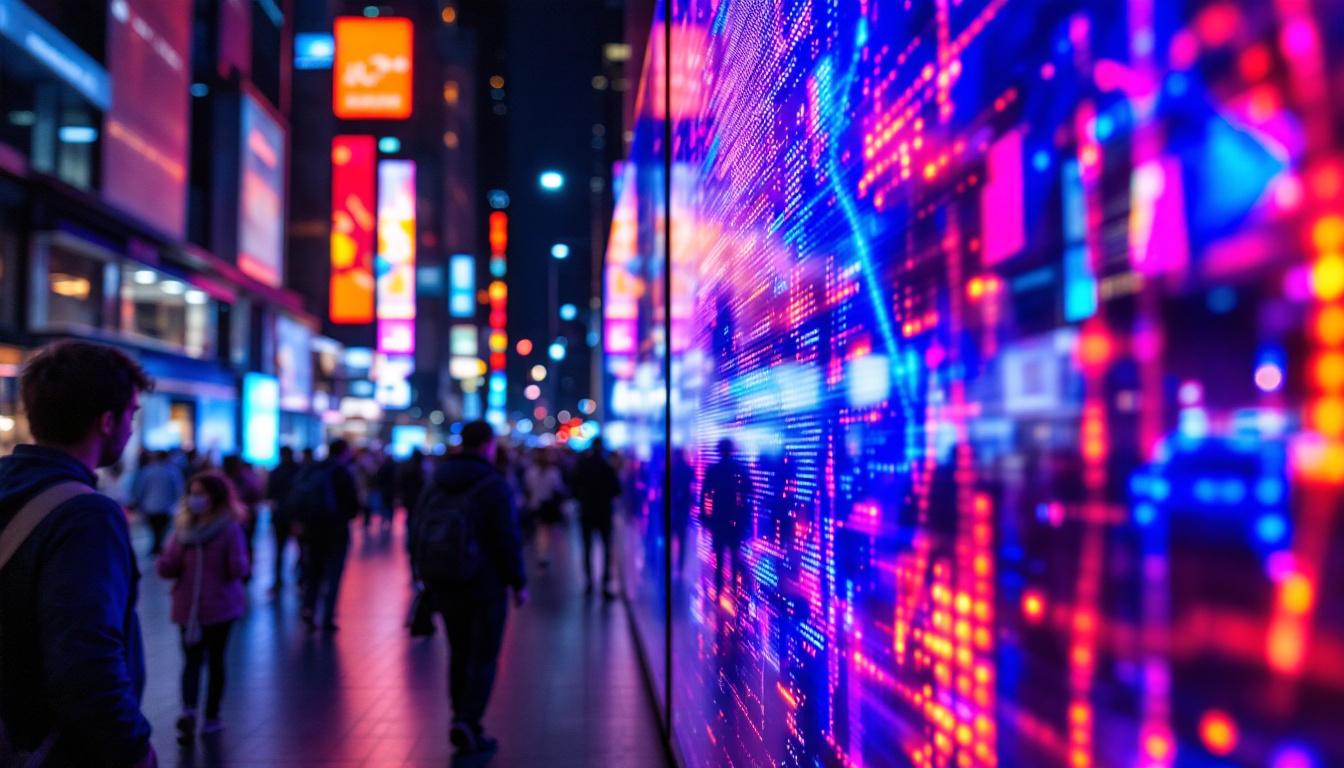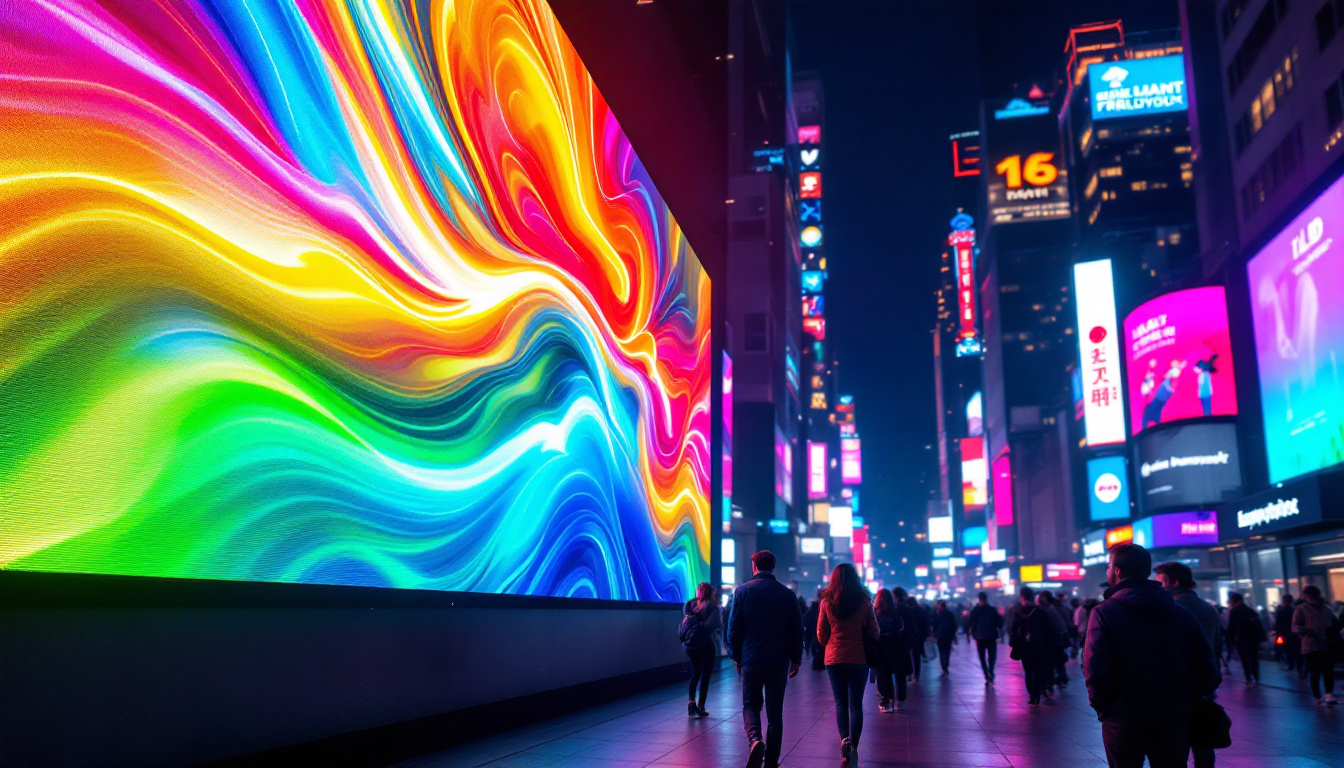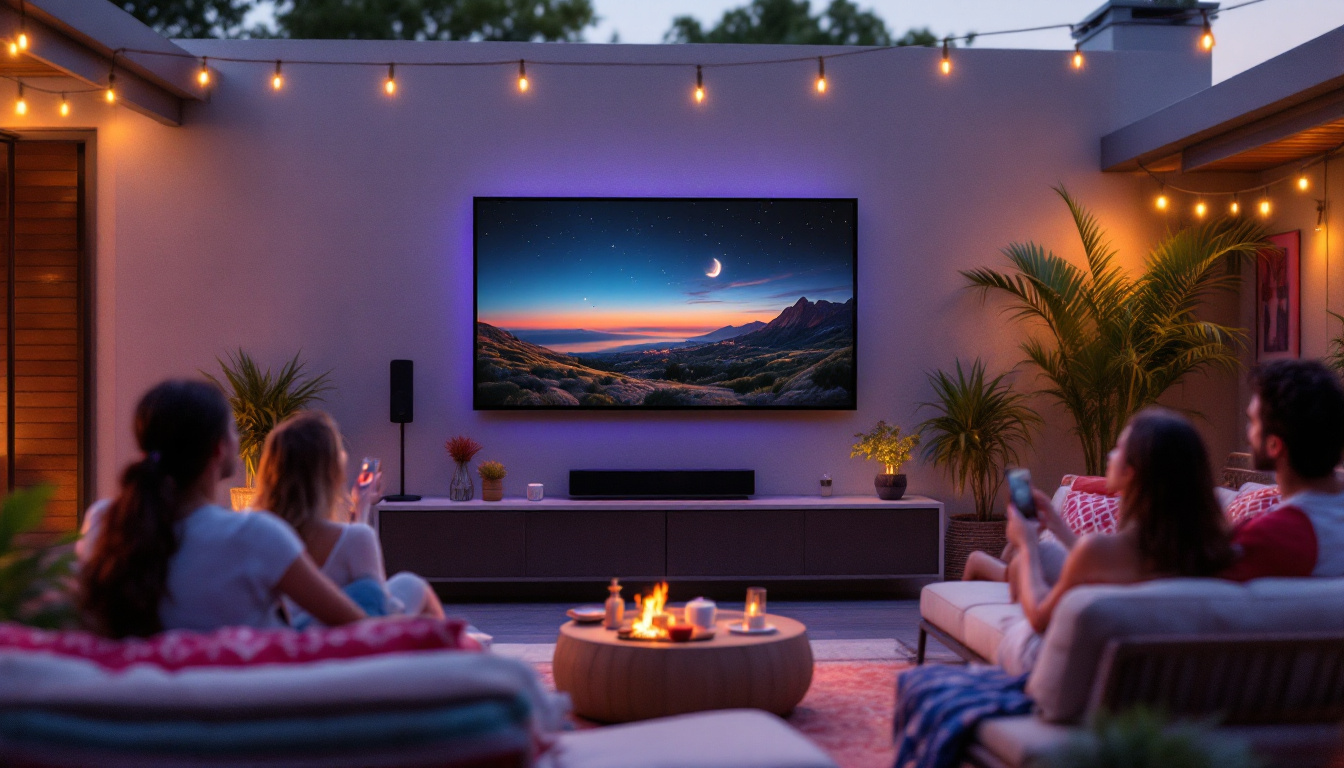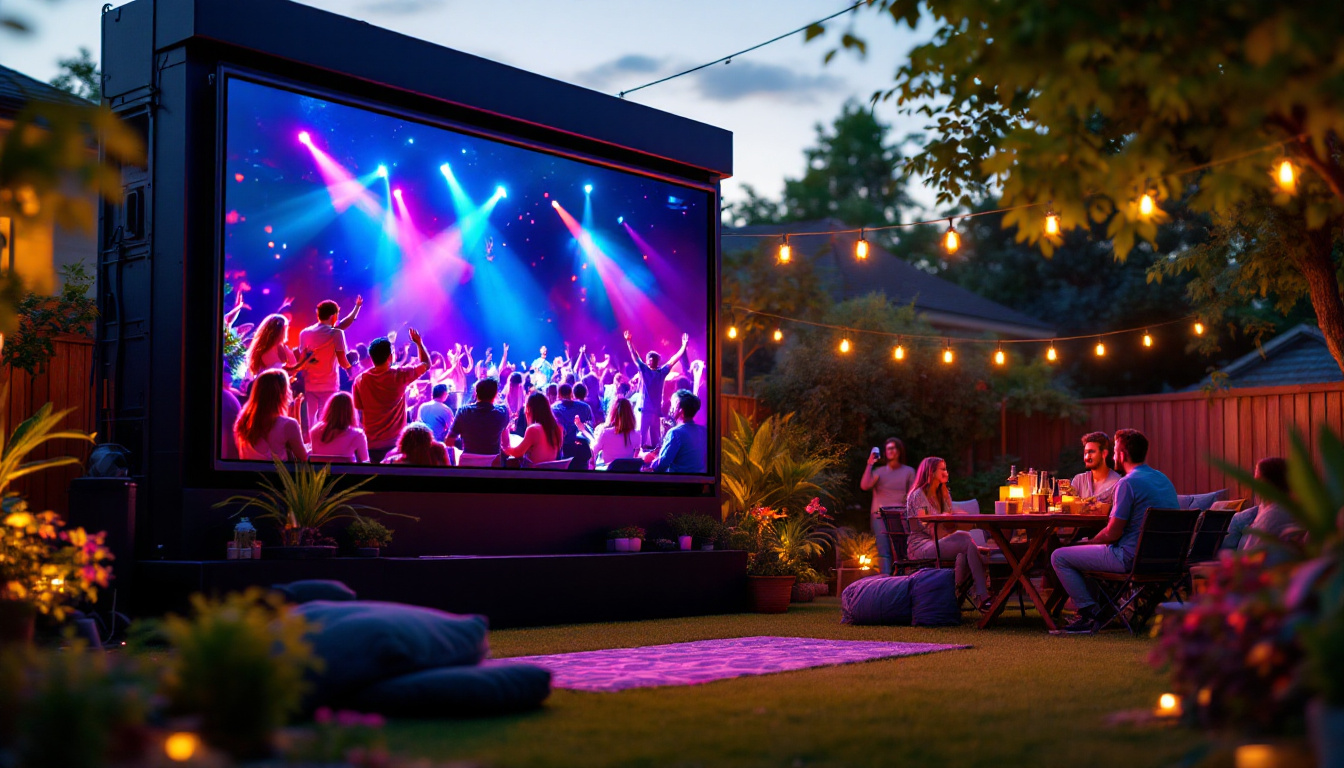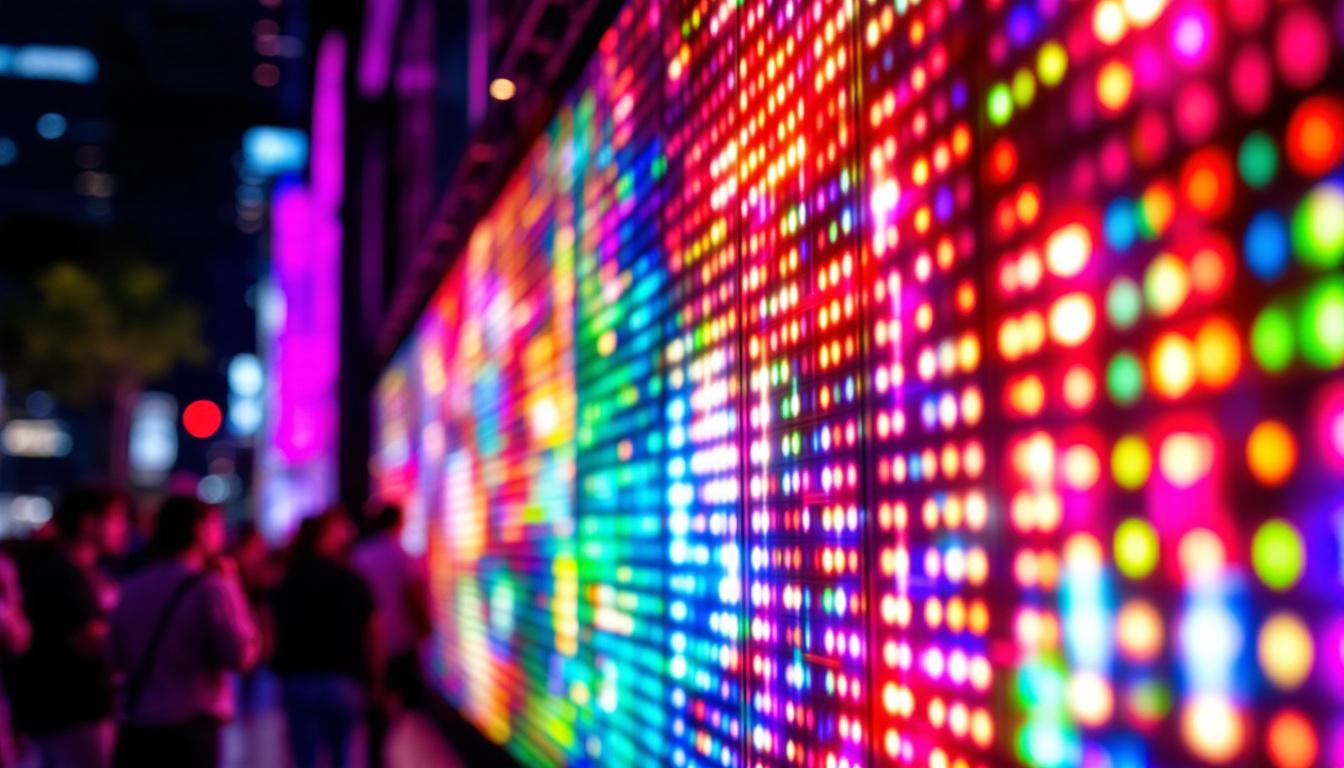
In the evolving world of visual technology, LED displays have transformed how art and information are presented. From large-scale outdoor billboards to intricate indoor art installations, LED displays offer vibrant, dynamic, and customizable solutions for painting displays. This article explores the technology behind LED displays, their advantages, and how they are revolutionizing the way paintings and visual art are exhibited.
Understanding LED Display Technology
LED, or Light Emitting Diode, displays consist of an array of tiny light sources that emit light when an electric current passes through them. Unlike traditional display technologies such as LCD or projection, LEDs produce their own light, resulting in brighter and more vivid images. This self-illumination capability makes LED displays ideal for both indoor and outdoor environments. Furthermore, the energy efficiency of LED technology is noteworthy; they consume significantly less power than their predecessors, making them a more sustainable choice for long-term use.
How LED Displays Work
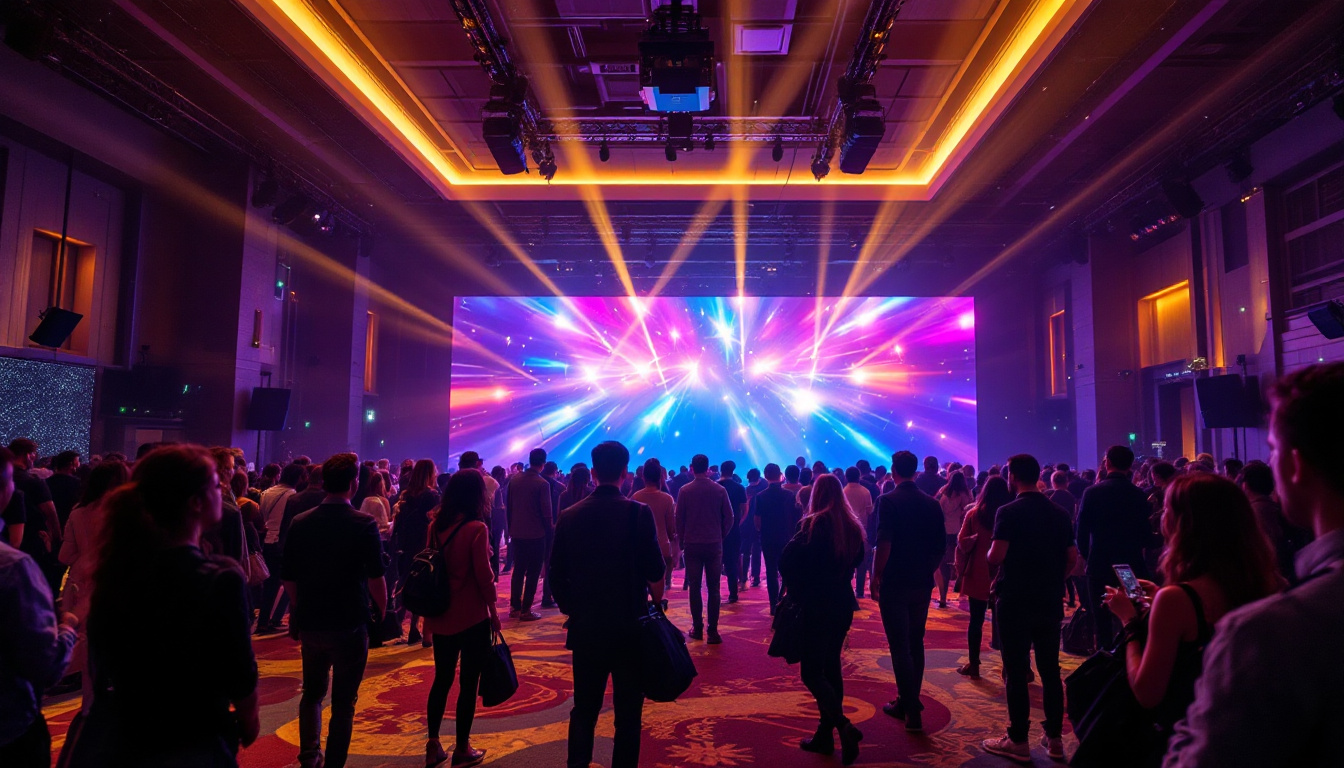
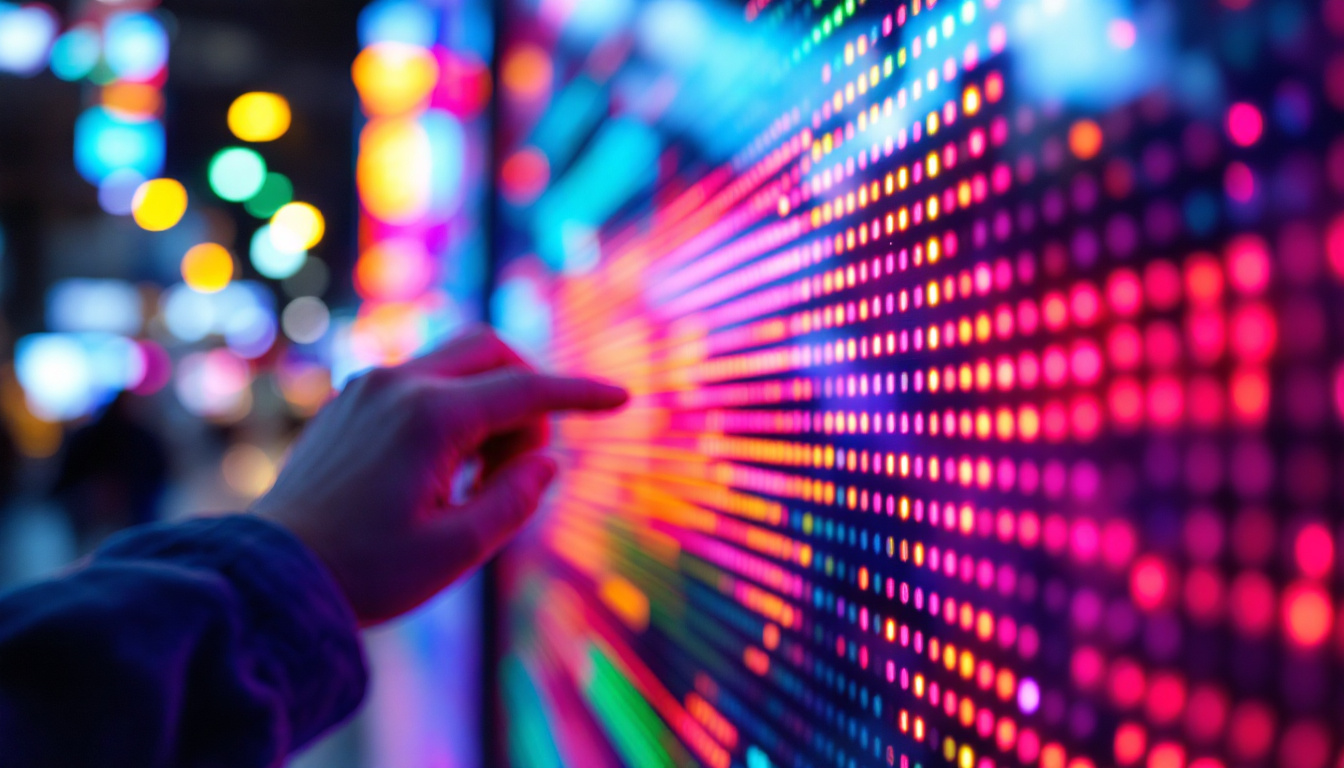
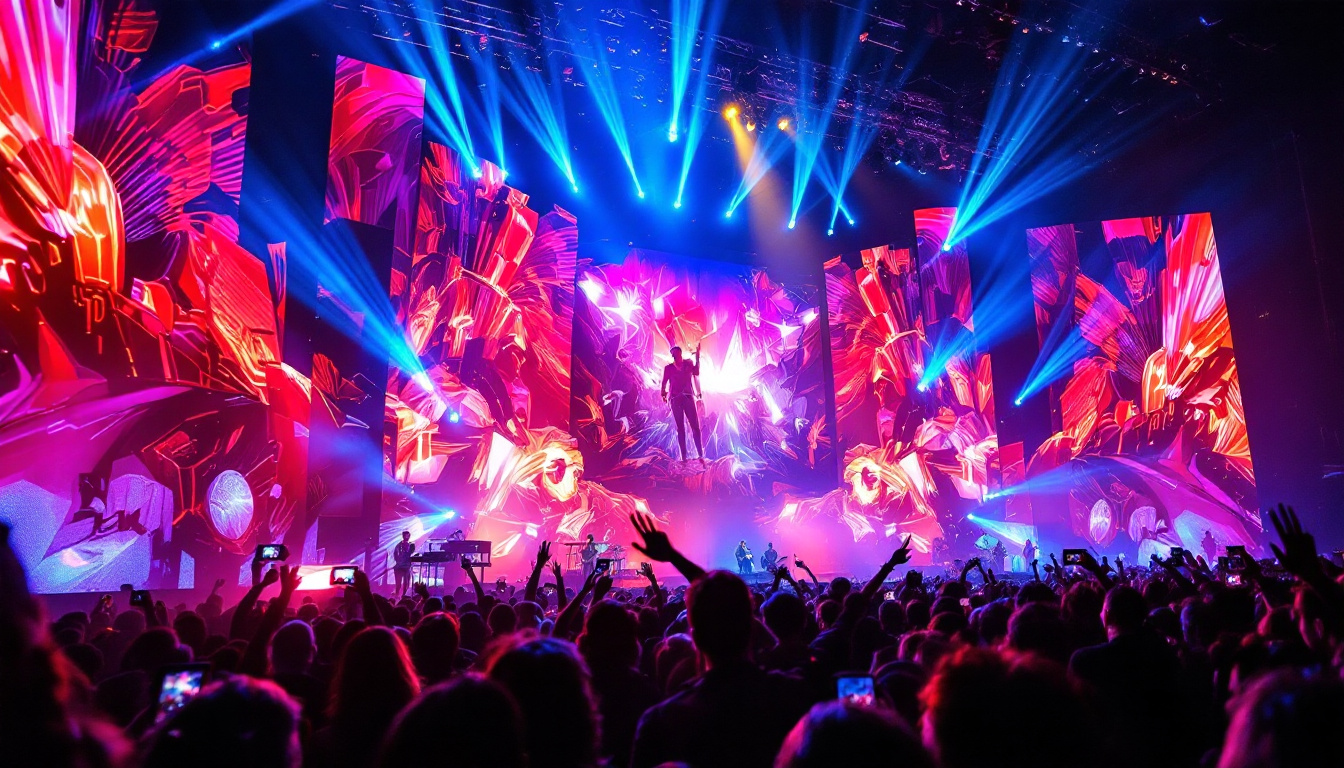
At the core of an LED display are thousands, sometimes millions, of individual LEDs arranged in a grid. Each LED can emit light in red, green, or blue, and by adjusting the intensity of these colors, the display can reproduce a full spectrum of colors. This RGB color mixing is the foundation of the rich, vibrant images that LED displays are known for. The technology also allows for dynamic content, meaning that images and videos can be updated in real-time, providing an engaging experience for viewers. This capability is particularly beneficial in applications such as advertising and live events, where capturing attention is crucial.
The resolution of an LED display is determined by the pixel pitch—the distance between the centers of two adjacent LEDs. A smaller pixel pitch means higher resolution and sharper images, which is especially important for close viewing distances. This precision is essential in settings like control rooms or high-end retail environments, where clarity and detail can significantly impact the viewer’s experience.
Types of LED Displays
There are primarily two types of LED displays used for painting and visual art exhibitions: indoor and outdoor LED displays. Indoor LED displays typically have a smaller pixel pitch, ranging from 0.9mm to 4mm, making them suitable for close-range viewing in galleries or museums. Outdoor LED displays have larger pixel pitches (often 4mm to 20mm or more) to ensure visibility from a distance and to withstand environmental conditions such as weather and sunlight. These outdoor displays are often equipped with protective casings and advanced cooling systems to maintain performance in varying temperatures and humidity levels.
Additionally, LED displays can be rigid or flexible. Flexible LED panels allow for curved or irregular surfaces, opening creative possibilities for artists and curators. This flexibility not only enhances aesthetic appeal but also enables innovative installations that can transform spaces. For instance, a flexible LED display can wrap around columns or create immersive environments that engage viewers in ways traditional displays cannot. The versatility of LED technology continues to inspire new artistic expressions and applications across various industries, from entertainment to education.
Advantages of LED Displays for Painting Exhibitions
Traditional painting exhibitions rely on physical canvases, which can be limited by size, lighting conditions, and the static nature of the artwork. LED displays offer several compelling advantages that address these limitations.
Dynamic and Interactive Art
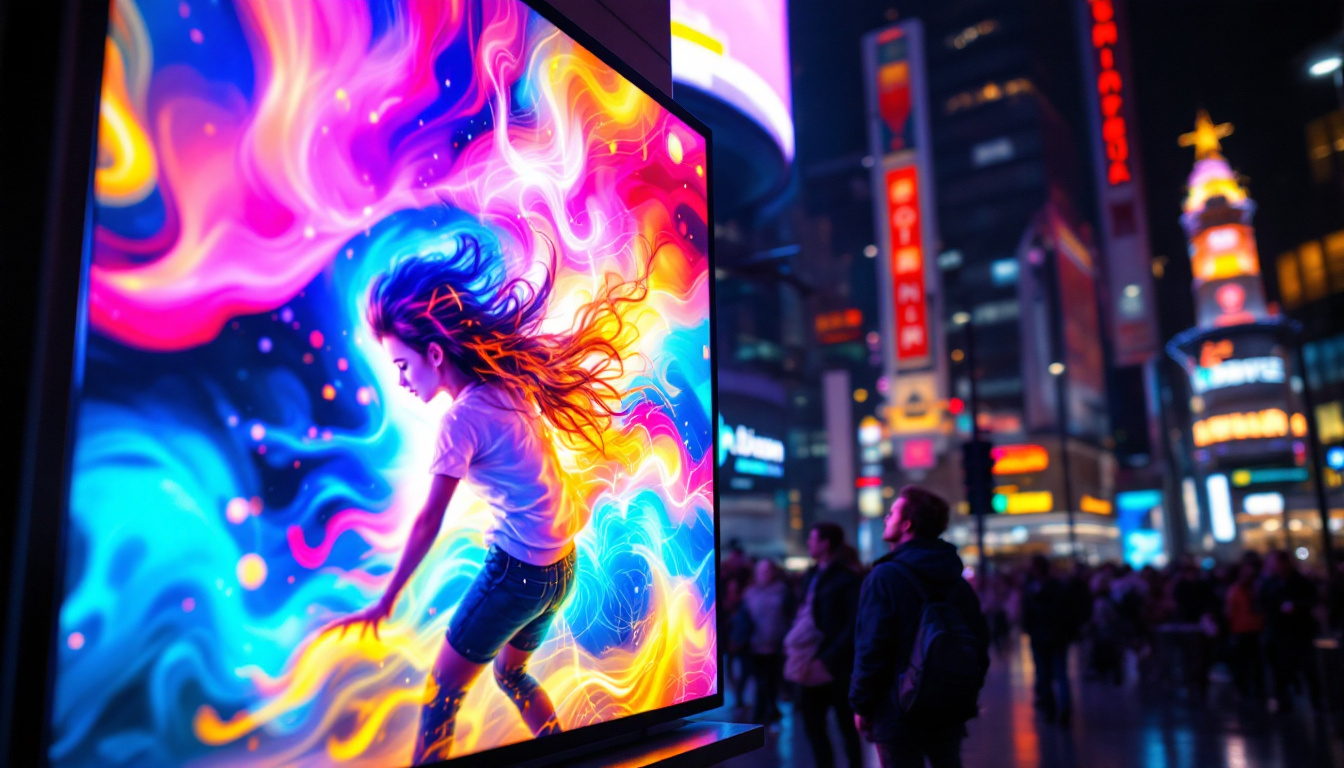
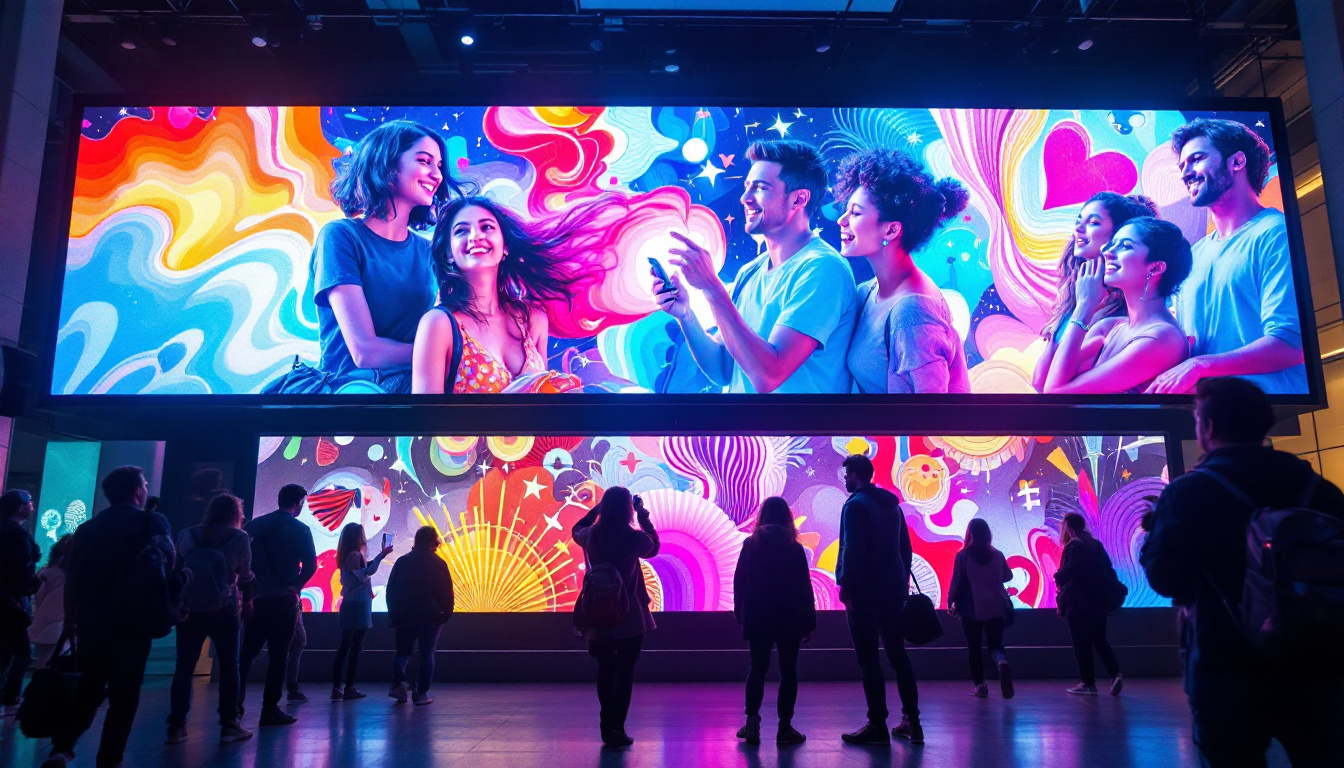
One of the most exciting benefits of LED displays is their ability to showcase dynamic and interactive art. Artists can create digital paintings that change over time, incorporate motion, or respond to viewer interaction. This transforms the traditional painting experience into an immersive and engaging event.
For example, LED displays can be programmed to alter colors or patterns based on ambient sound or movement, creating a multisensory experience that captivates audiences.
Enhanced Visibility and Color Accuracy
LED displays provide superior brightness and contrast compared to conventional lighting. This ensures that paintings are visible even in brightly lit environments or outdoor settings. Modern LED technology also supports high color accuracy and wide color gamut, which is critical for faithfully reproducing the artist’s intended palette.
Studies indicate that LED displays can achieve color gamuts covering over 90% of the DCI-P3 color space, a standard widely used in digital cinema and high-end displays. This level of color fidelity is essential for art exhibitions where color nuances are vital.
Scalability and Flexibility
LED displays can be scaled to virtually any size without losing image quality. Whether it’s a small gallery piece or a massive wall installation, LED technology adapts to the space and vision of the exhibition. This scalability also allows curators to design multi-panel displays or mosaic arrangements that create unique visual narratives.
Moreover, flexible LED panels enable installations on curved surfaces, ceilings, or even floors, expanding the creative possibilities beyond traditional flat canvases.
Applications of LED Displays in Painting and Art Exhibitions
With the versatility of LED technology, its applications in the art world are diverse and growing rapidly. Below are some prominent ways LED displays are used to enhance painting exhibitions.
Digital Art Galleries and Museums
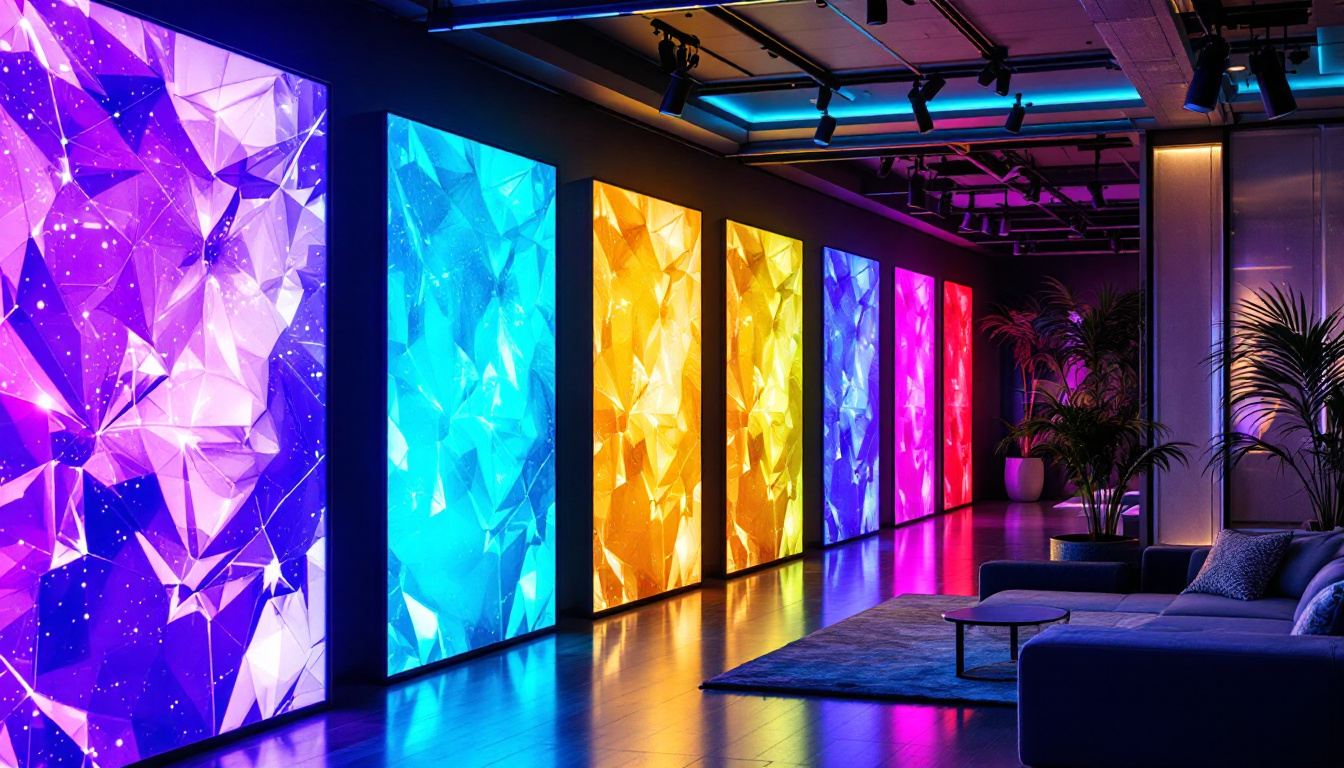
Many modern museums and galleries incorporate LED displays to present digital paintings and multimedia art. These displays allow for rotating exhibitions without the need for physical transportation or storage of artworks, reducing costs and environmental impact.
For instance, the Museum of Modern Art in New York has experimented with LED installations to showcase digital art pieces that evolve in real-time, offering visitors a fresh experience with each visit.
Outdoor Art Installations
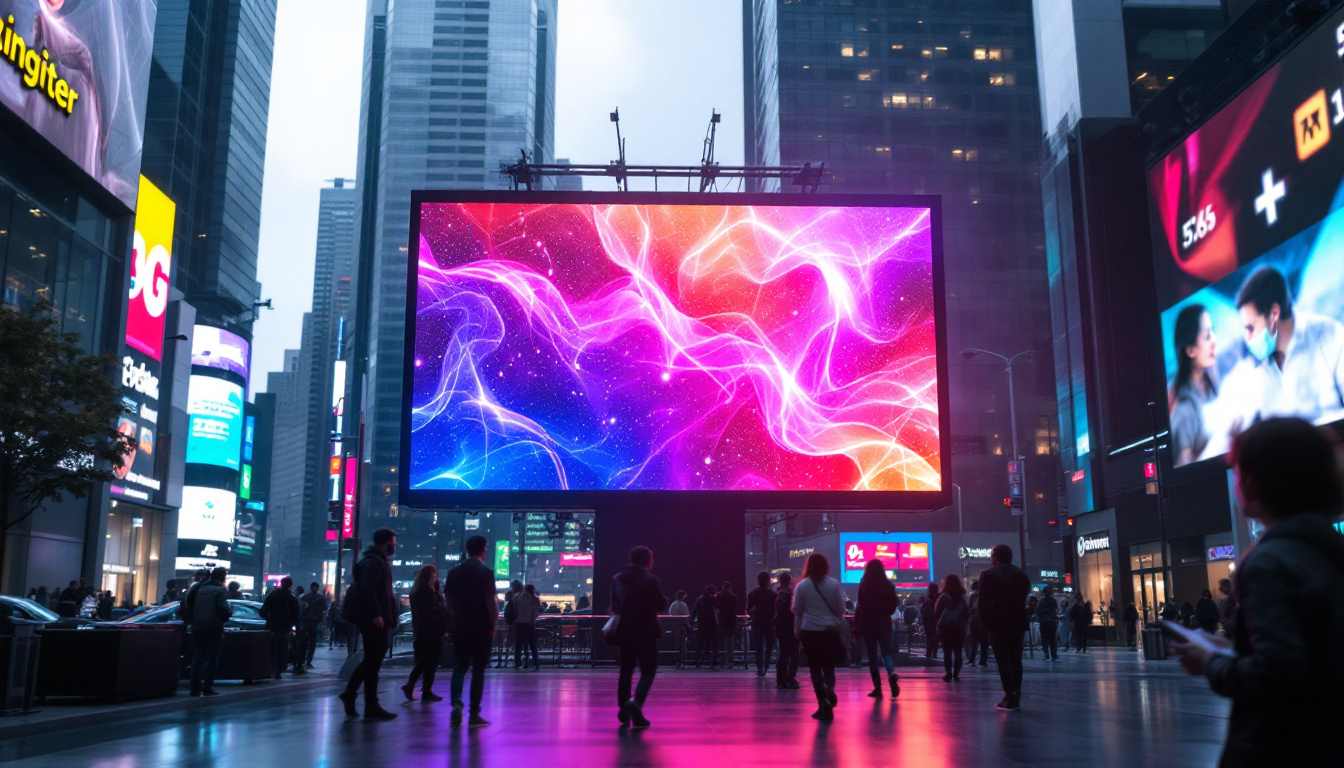
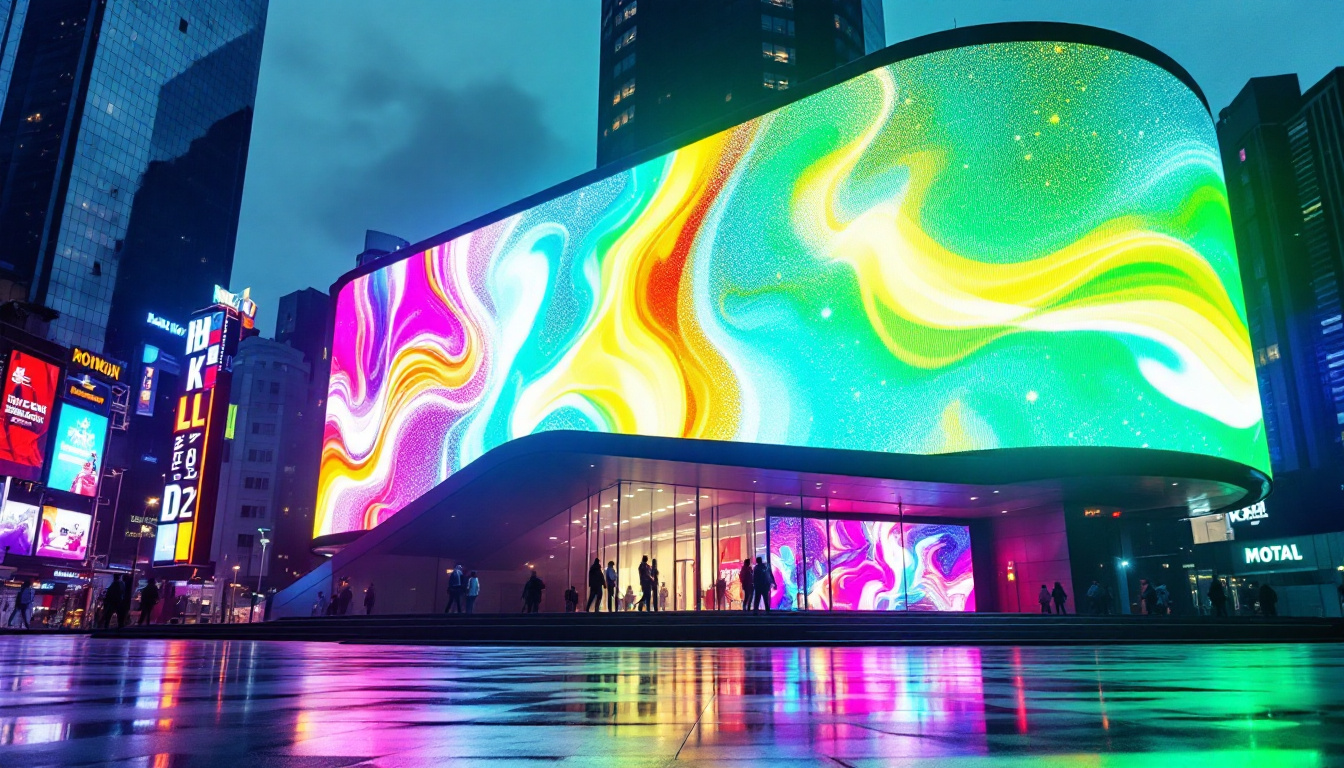
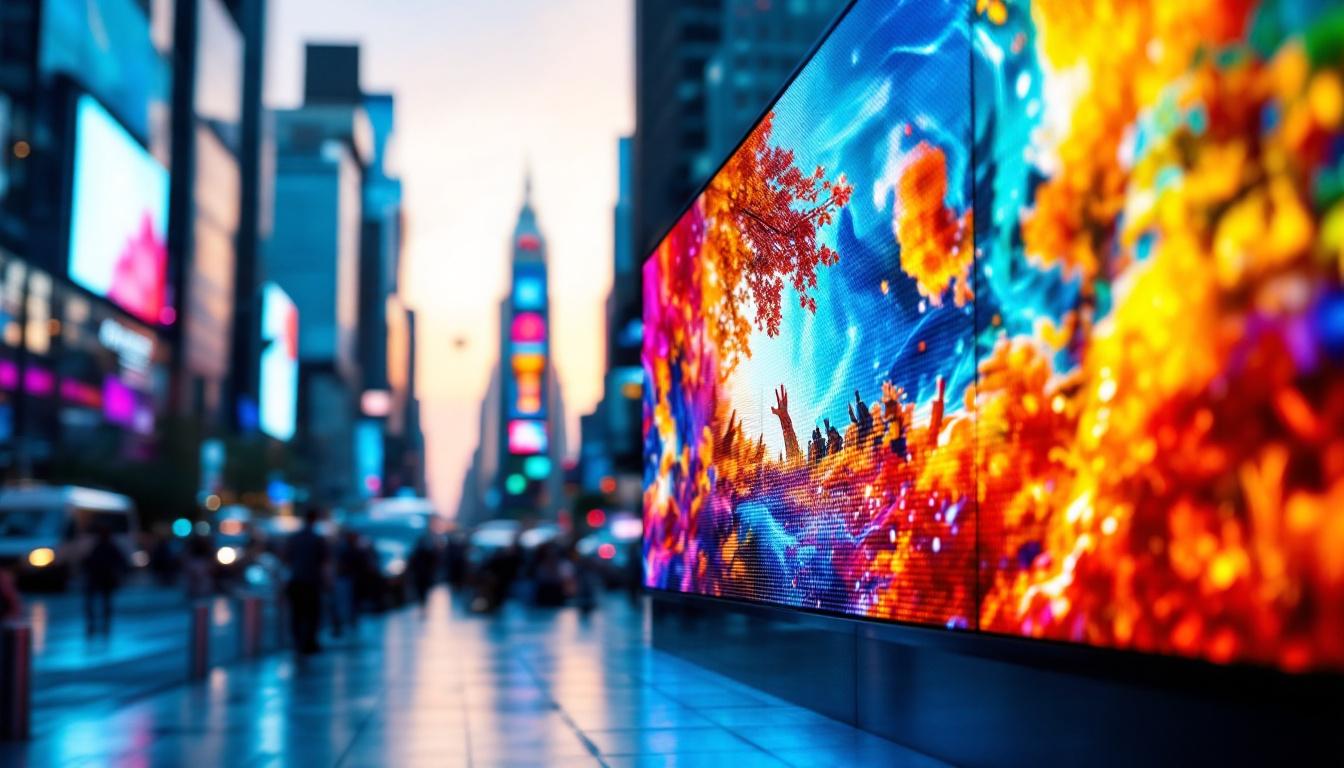
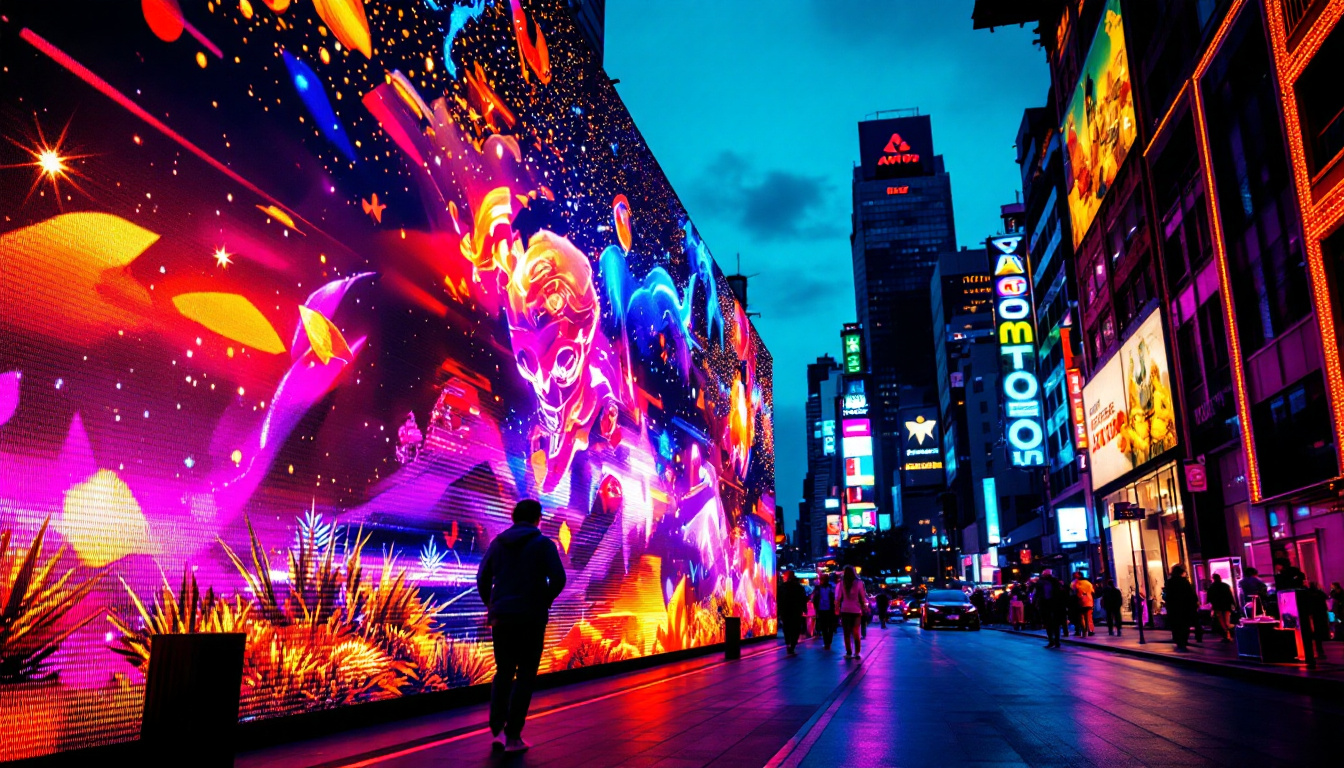
LED displays are ideal for outdoor art projects, such as public murals or interactive sculptures. Their brightness and weather resistance enable artists to create large-scale works that engage passersby and enliven urban spaces.
One notable example is the use of LED walls in city centers to display digital paintings synchronized with city events or festivals, turning public spaces into vibrant open-air galleries.
Commercial and Corporate Spaces
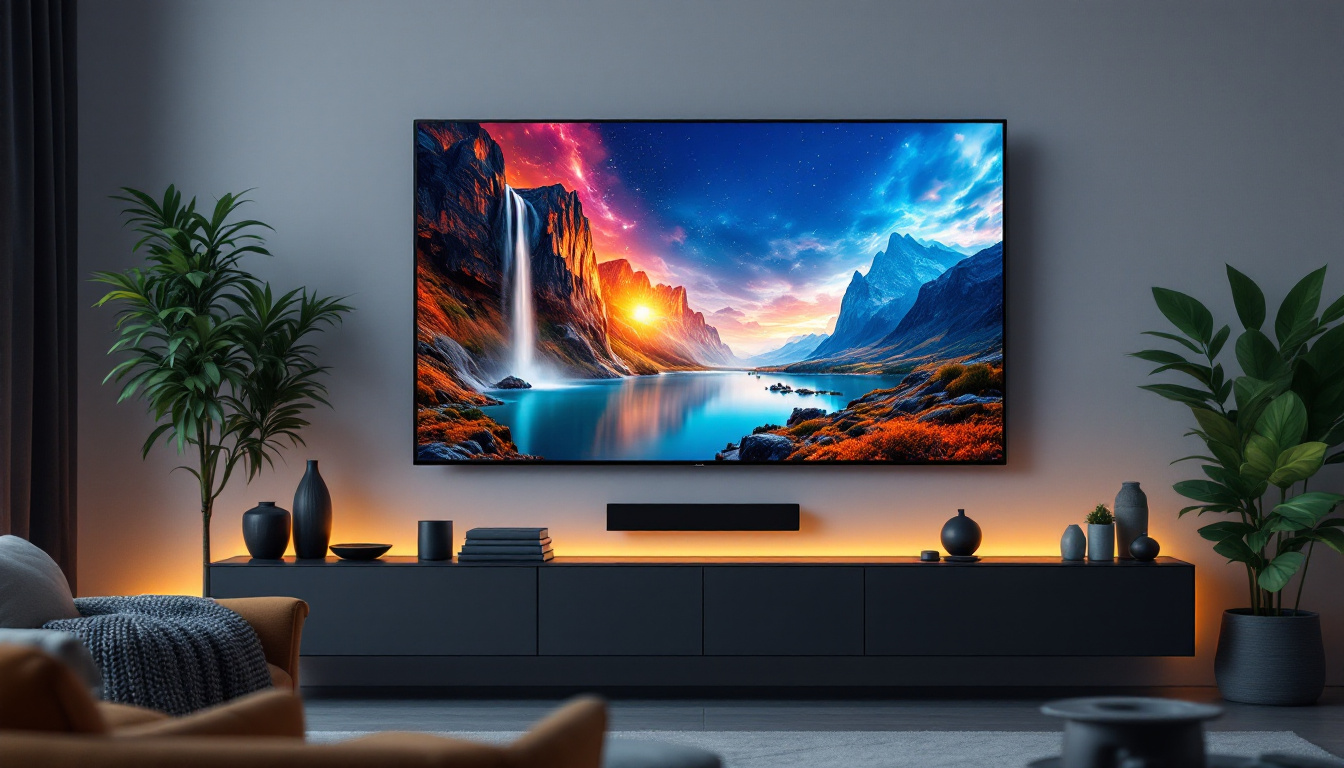
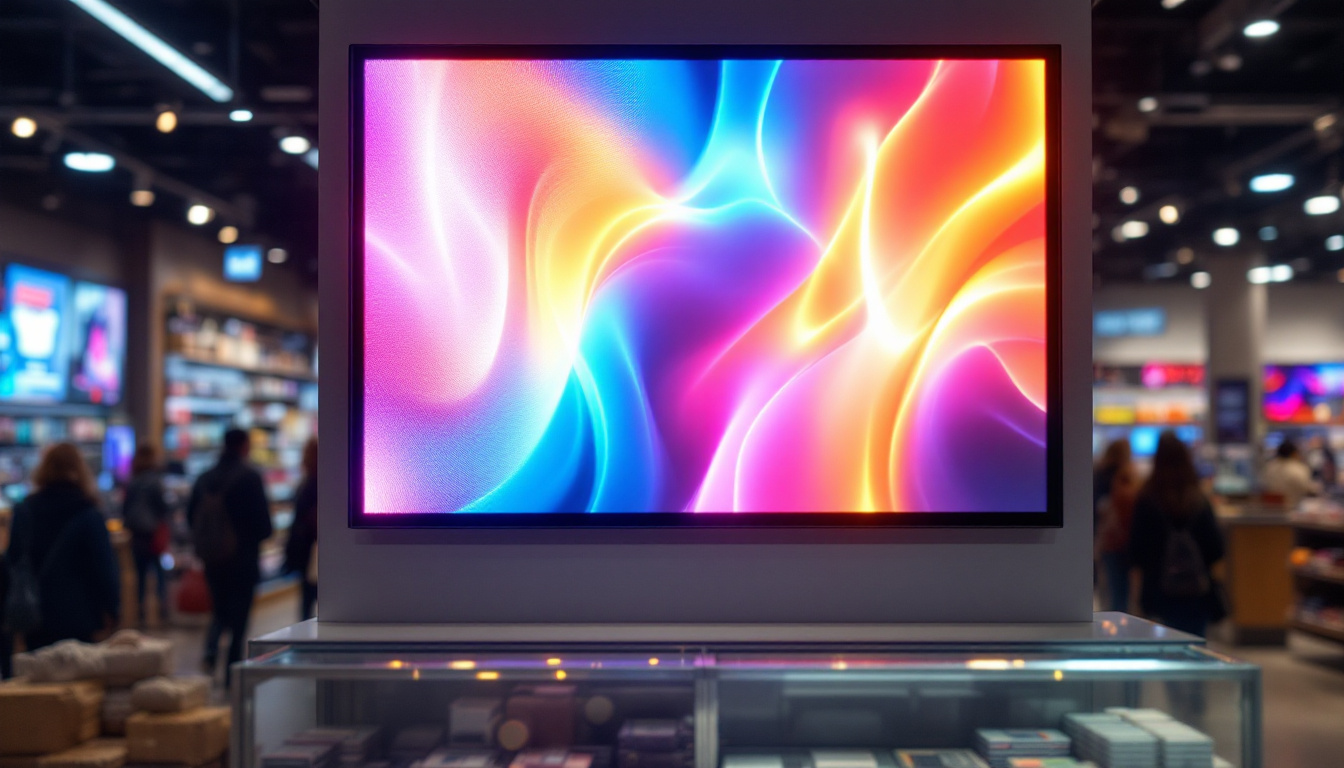
Beyond traditional galleries, LED displays are increasingly used in commercial environments to exhibit artistic content. Hotels, restaurants, and corporate lobbies use LED art displays to enhance ambiance, convey brand identity, or support cultural initiatives.
This integration of art and technology helps businesses create memorable experiences for clients and visitors.
Technical Considerations When Choosing LED Displays for Painting
Selecting the right LED display for painting exhibitions involves several technical factors that influence the quality and impact of the presentation.
Resolution and Pixel Pitch
As mentioned earlier, pixel pitch is crucial for image clarity. For indoor art displays where viewers are close, a pixel pitch of 1.2mm or less is recommended to ensure fine details are visible. For larger, outdoor displays viewed from a distance, a pixel pitch of 10mm or more may suffice.
High-resolution LED displays can render intricate brush strokes and subtle gradients, preserving the integrity of the original artwork.
Brightness and Contrast Ratio
Brightness is measured in nits, with indoor LED displays typically ranging from 800 to 1,500 nits, and outdoor displays reaching up to 5,000 nits or higher. High brightness ensures visibility under various lighting conditions, including direct sunlight.
Contrast ratio—the difference between the darkest black and brightest white—is equally important for depth and realism. LED displays generally offer superior contrast ratios compared to LCDs, enhancing the visual impact of paintings.
Color Calibration and Uniformity
To accurately reproduce paintings, LED displays must be calibrated for color accuracy and uniformity. Professional calibration tools and software help maintain consistent color across the entire display, preventing color shifts that could distort the artwork.
Regular maintenance and recalibration are recommended, especially for large or permanent installations.
Viewing Angle and Refresh Rate
Wide viewing angles ensure that the artwork looks consistent from different positions within the exhibition space. Most modern LED displays offer viewing angles of 160 degrees or more.
A high refresh rate (typically 60Hz or above) prevents flickering and ensures smooth transitions for dynamic or animated paintings, contributing to a comfortable viewing experience.
Future Trends in LED Displays for Art Exhibitions
The intersection of LED technology and art continues to evolve, driven by advances in display materials, software, and interactivity.
MicroLED and MiniLED Innovations
Emerging technologies like MicroLED and MiniLED promise even higher resolution, brightness, and energy efficiency. MicroLED displays, with their microscopic LEDs, can achieve pixel pitches below 1mm, making them ideal for ultra-high-definition art presentations.
These advancements will enable artists and curators to push the boundaries of digital painting displays, offering unprecedented detail and vibrancy.
Augmented Reality (AR) and Mixed Media Integration
Combining LED displays with AR technologies allows viewers to interact with paintings in new ways. For example, visitors might use smartphones or AR glasses to see additional layers of information or animation overlaid on static LED paintings.
This fusion of physical and digital art enhances engagement and storytelling possibilities.
Sustainability and Energy Efficiency
As sustainability becomes a priority, LED display manufacturers are focusing on reducing power consumption and using eco-friendly materials. Energy-efficient LED displays not only lower operational costs but also align with the values of environmentally conscious artists and institutions.
Conclusion
LED displays have redefined the landscape of painting exhibitions by offering dynamic, vivid, and versatile platforms for visual art. Their ability to present high-resolution, color-accurate images in various environments makes them an invaluable tool for artists, curators, and commercial spaces alike.
As technology continues to advance, the integration of LED displays with interactive and immersive experiences will further enrich the way audiences engage with painting and digital art. Understanding the technical aspects and potential applications of LED displays empowers stakeholders to make informed decisions that enhance artistic expression and viewer enjoyment.
Discover the Future of Art Exhibitions with LumenMatrix
Embrace the transformative power of LED display technology in your next art exhibition with LumenMatrix. As a pioneer in the field, LumenMatrix offers an extensive array of LED display solutions, from the immersive Indoor LED Wall Display to the robust Outdoor LED Wall Display, and from the innovative LED Transparent Display to the versatile All-in-One LED Display. Each product is designed to bring your visual storytelling to life, ensuring your message resonates with brilliance and precision. Don’t miss the opportunity to elevate your artistic and commercial presentations. Check out LumenMatrix LED Display Solutions today and join the revolution in visual communication.