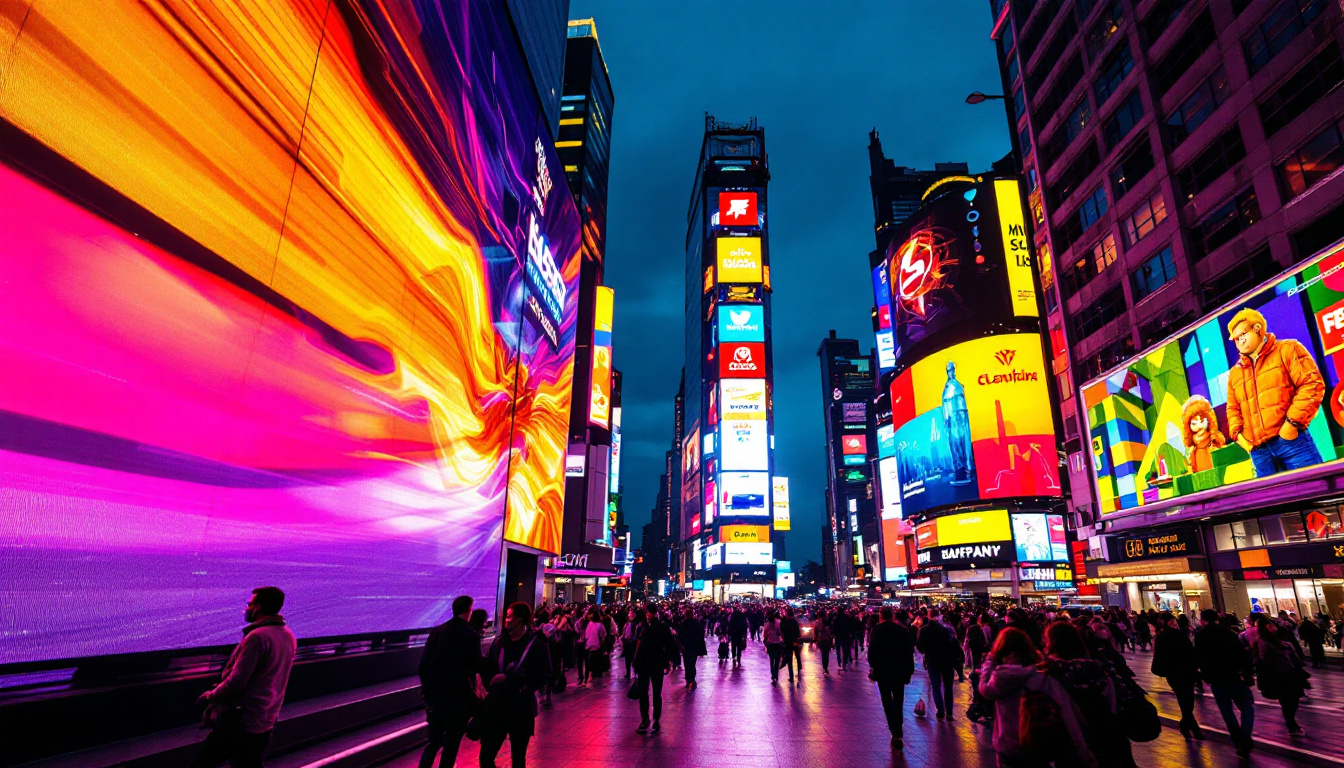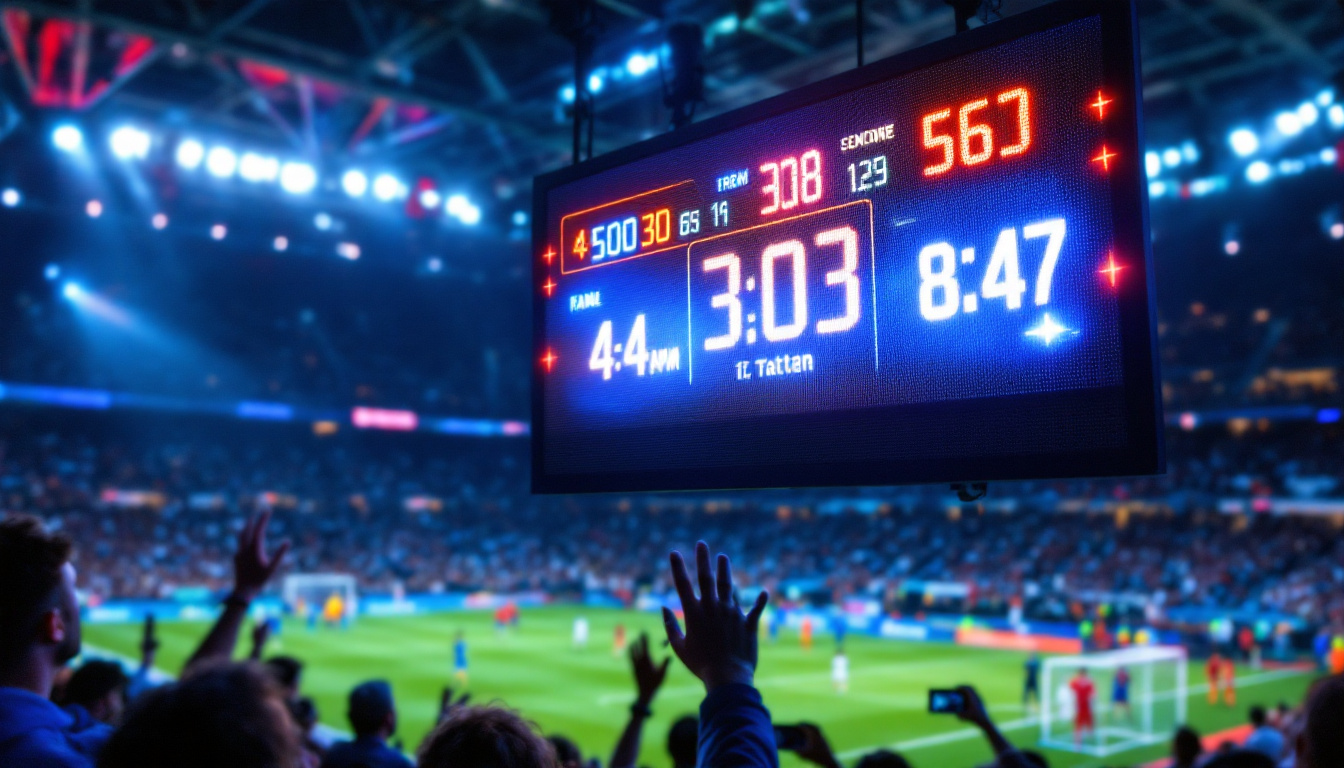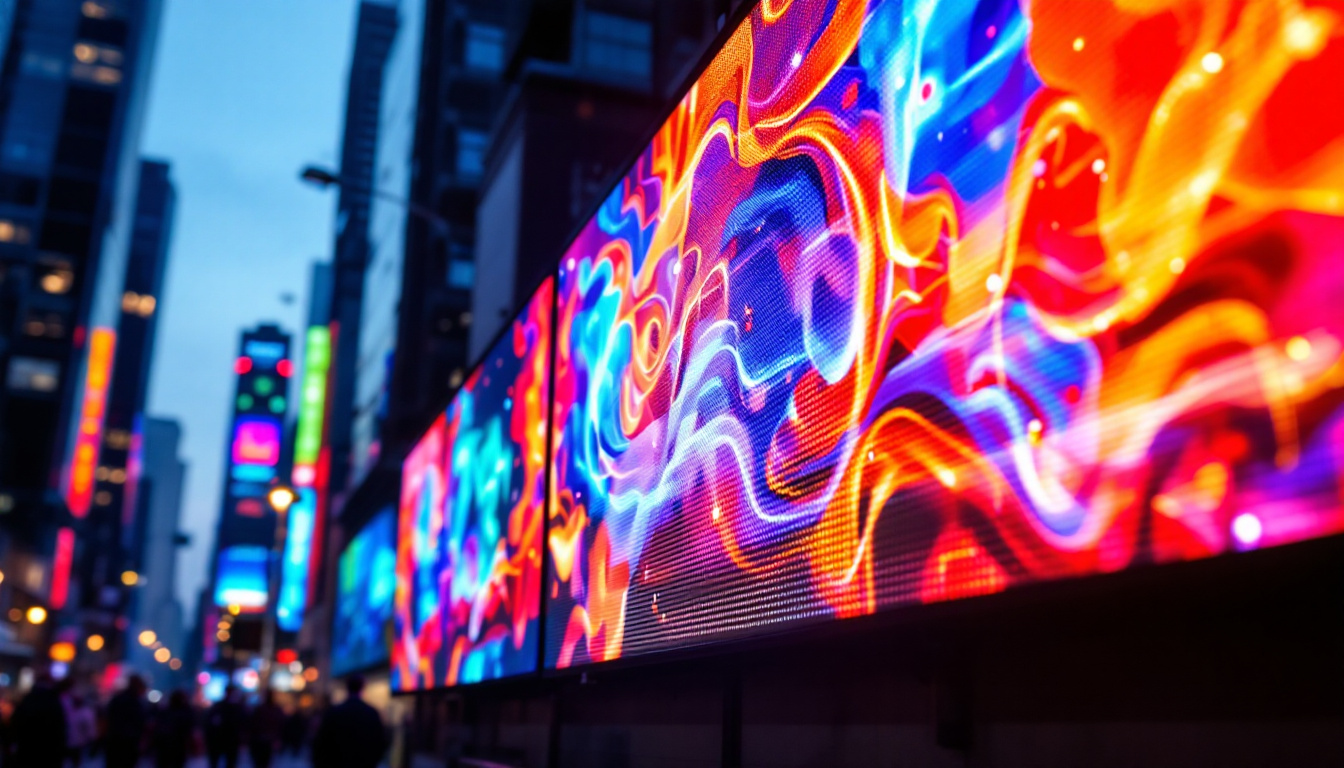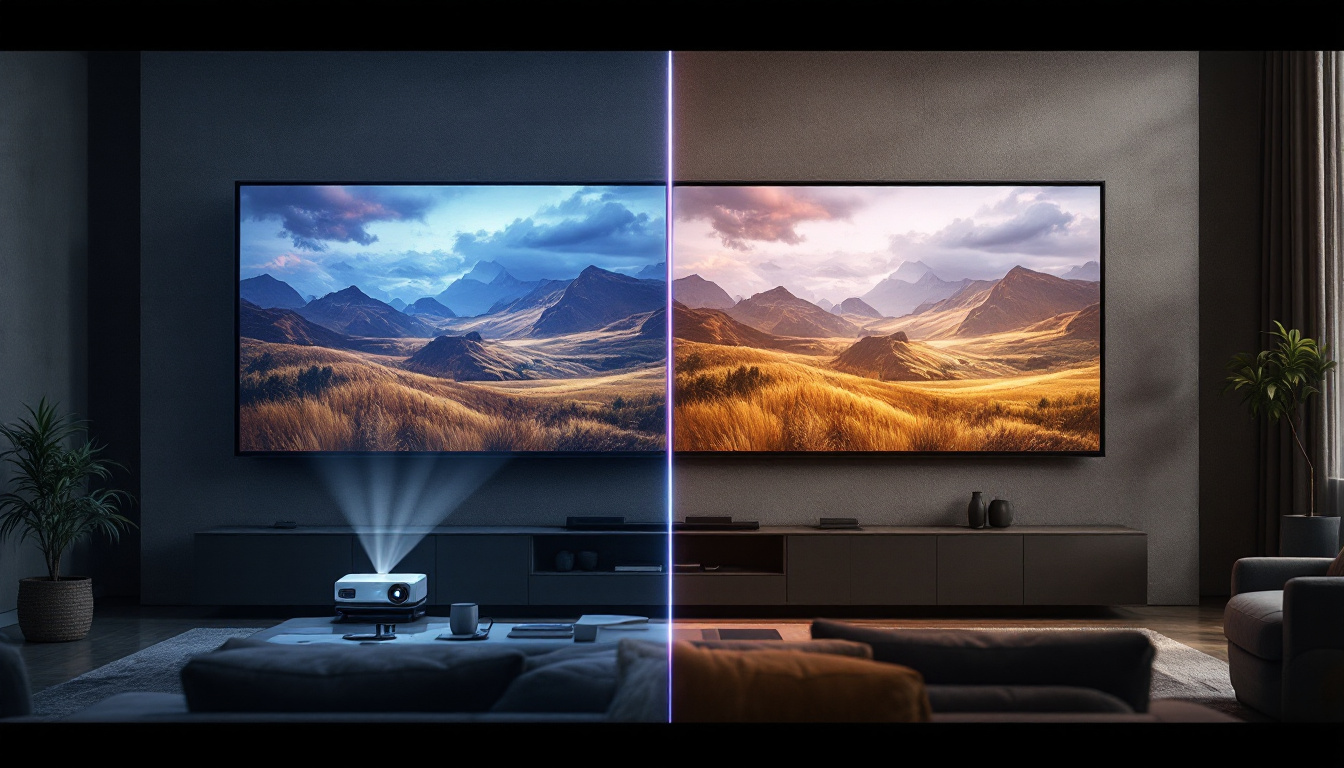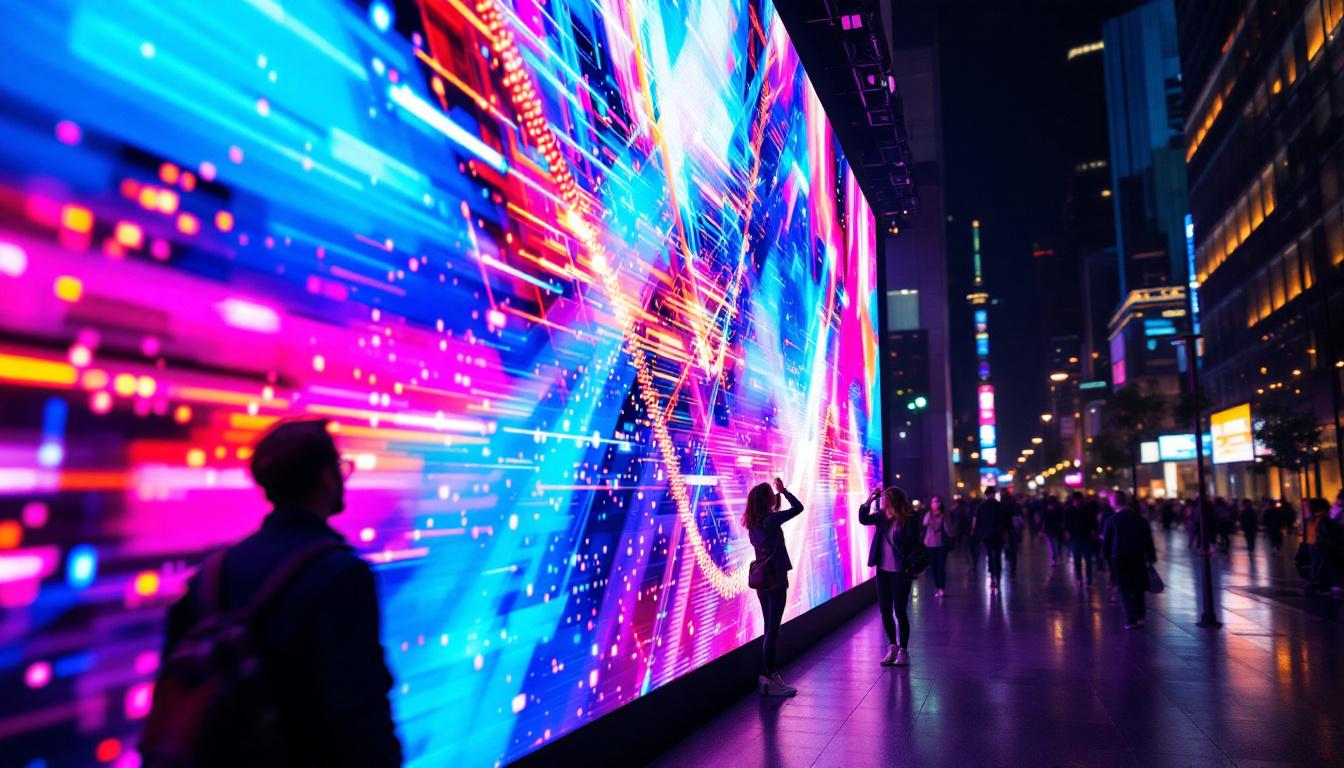
In the rapidly evolving world of digital signage and display technology, LED displays have emerged as a dominant choice for businesses, advertisers, and event organizers. Their vibrant visuals, energy efficiency, and versatility make them ideal for a variety of applications. However, understanding the pricing structure of LED display panels can be complex due to the numerous factors influencing cost. This article delves into the components that determine the panel price, helping buyers make informed decisions when investing in LED display technology.
Understanding LED Display Panels
At its core, an LED display panel is a flat surface composed of numerous light-emitting diodes (LEDs) arranged in a grid. These LEDs illuminate to form images, videos, or text, offering bright and dynamic visual output. LED displays come in various sizes, resolutions, and configurations, tailored to different environments such as indoor retail spaces, outdoor billboards, stadiums, and control rooms. The versatility of LED technology allows for creative applications, from vibrant advertising displays to intricate art installations, making them a popular choice across various industries.
The panel itself is a modular unit, often combined with multiple panels to create larger screens. Each panel consists of LED modules, a printed circuit board (PCB), power supplies, and control systems. The quality and specifications of these components directly impact both the performance and price of the panel. Furthermore, advancements in technology have led to the development of energy-efficient models that not only reduce operational costs but also contribute to sustainability efforts by minimizing energy consumption and waste.
Types of LED Displays
LED displays can be broadly categorized into two types based on their application environment:
- Indoor LED Displays: Designed for close viewing distances, these panels have smaller pixel pitches (the distance between two adjacent LEDs), typically ranging from 0.9mm to 4mm. They offer high resolution and sharp images but require controlled lighting conditions. These displays are often utilized in settings such as conference rooms, retail stores, and theaters, where clarity and detail are paramount for effective communication and engagement.
- Outdoor LED Displays: Built to withstand harsh weather conditions, these panels feature larger pixel pitches (4mm to 20mm or more) to maintain visibility from greater distances. They are rugged, waterproof, and often include brightness levels exceeding 5,000 nits to combat sunlight glare. Commonly seen in sports arenas, public transport stations, and large-scale advertising, outdoor LED displays are engineered for durability and high performance, ensuring that messages are conveyed clearly regardless of environmental challenges.
Understanding these types is crucial because the intended use case heavily influences the panel price. Additionally, the choice between indoor and outdoor displays can affect factors such as installation complexity, maintenance requirements, and overall lifespan. As technology continues to evolve, innovations like flexible LED displays and transparent screens are emerging, further expanding the possibilities for creative applications in both commercial and artistic domains.
Key Factors Influencing LED Panel Price
Several technical and market-driven factors determine the cost of an LED display panel. Recognizing these elements can help buyers evaluate options and avoid overpaying for features that may not be necessary for their specific needs.
Pixel Pitch and Resolution
Pixel pitch is one of the most significant determinants of LED panel price. It refers to the distance between the centers of two adjacent pixels, measured in millimeters. A smaller pixel pitch means more LEDs per square meter, resulting in higher resolution and sharper images.
For example, an indoor LED panel with a 1.2mm pixel pitch will be considerably more expensive than an outdoor panel with a 10mm pitch because it requires more LEDs and precision manufacturing. The increased density of LEDs also demands more advanced driving electronics and heat management, further adding to the cost.
In practical terms, a high-resolution panel is essential for applications where viewers are close to the display, such as retail stores or conference rooms. Conversely, outdoor billboards viewed from hundreds of feet away can use larger pixel pitches without sacrificing image quality, reducing costs.
Panel Size and Modularity
The physical size of the LED panel impacts the price both directly and indirectly. Larger panels require more materials, including LEDs, PCBs, and structural components. Additionally, the modular design of LED displays allows multiple panels to be tiled seamlessly to create custom-sized screens.
Modularity adds flexibility but can also increase costs related to installation, calibration, and maintenance. High-quality panels often include features like magnetic modules for easy replacement and precise alignment mechanisms, which enhance durability and image uniformity but come at a premium.
Brightness and Color Quality
Brightness, measured in nits, is critical for visibility, especially in outdoor environments. Panels with higher brightness levels require LEDs capable of producing intense light output, which are more expensive and consume more power.
Color accuracy and depth are also important for many applications. Higher-end panels incorporate advanced calibration technologies and support wider color gamuts, such as Rec. 709 or DCI-P3 standards, to deliver vivid and true-to-life images. These features increase manufacturing complexity and cost.
Refresh Rate and Gray Scale
The refresh rate indicates how often the display updates its image per second. Higher refresh rates (above 3,000 Hz) are essential for applications involving video or fast-moving content, ensuring smooth visuals without flicker. Similarly, gray scale levels affect the display’s ability to render subtle color gradations.
Panels with superior refresh rates and gray scale capabilities use more sophisticated driver ICs and processing units, which raise the price. This is particularly relevant for broadcast studios, control rooms, and high-end advertising where image quality is paramount.
Durability and Environmental Protection
Outdoor LED panels must endure exposure to rain, dust, extreme temperatures, and UV radiation. To achieve this, manufacturers use robust materials, waterproof coatings, and protective enclosures rated to IP65 or higher. These enhancements increase production costs but are necessary to ensure longevity and reduce maintenance expenses.
Indoor panels, while less exposed to harsh conditions, might include features such as anti-glare surfaces and fire-retardant materials, which also influence pricing.
Brand and Warranty
Reputable brands with proven track records often command higher prices due to their reliability, after-sales support, and warranty terms. A comprehensive warranty covering parts and labor for several years can justify a premium, as it reduces the total cost of ownership over the panel’s lifespan.
Conversely, lower-cost panels from lesser-known manufacturers might offer attractive upfront prices but carry risks related to quality, durability, and support.
Additional Costs Beyond the Panel Price
While the panel price is a significant part of the overall investment, buyers should also consider other expenses that contribute to the total cost of ownership.
Installation and Infrastructure
Proper installation is critical for the performance and longevity of LED displays. Costs include mounting structures, electrical wiring, power supplies, and sometimes climate control systems for indoor environments. Complex installations, such as curved or irregularly shaped screens, can increase labor and engineering expenses.
Control Systems and Software
LED displays require control systems to manage content playback, synchronization, and calibration. These systems can range from basic media players to advanced video processors with real-time content management capabilities. Licensing fees for software and ongoing subscription costs may also apply.
Maintenance and Operation
Regular maintenance, including cleaning, calibration, and module replacement, is necessary to keep LED displays functioning optimally. Some manufacturers offer service contracts, which add to the recurring costs but help prevent downtime and costly repairs.
Current Market Trends Affecting LED Panel Prices
The LED display market is dynamic, influenced by technological advancements, supply chain factors, and shifting consumer demands. Understanding these trends can provide insight into pricing fluctuations and future investment value.
Advancements in Mini-LED and Micro-LED Technologies
Emerging technologies like Mini-LED and Micro-LED promise even higher resolution, better contrast ratios, and improved energy efficiency. While these technologies are currently more expensive, they are gradually becoming more accessible, potentially reshaping pricing structures in the coming years.
Supply Chain and Component Costs
Global supply chain disruptions, particularly in semiconductor manufacturing, have affected the availability and cost of LED components. While some easing has occurred in 2024, fluctuations in raw material prices and logistics continue to impact panel pricing.
Energy Efficiency and Environmental Regulations
Increasing emphasis on sustainability has led manufacturers to develop more energy-efficient panels. Although these may carry higher initial costs, their lower operating expenses can result in significant savings over time, influencing purchasing decisions.
How to Evaluate LED Panel Price for Your Needs
Choosing the right LED display panel involves balancing quality, performance, and budget. Here are some practical tips to consider when assessing panel prices:
Define Your Viewing Distance and Environment
Understanding where and how the display will be viewed helps determine the appropriate pixel pitch and brightness. Avoid over-specifying features that won’t be noticeable to your audience, as this can unnecessarily increase costs.
Assess Content Requirements
Consider the type of content you plan to display. High-motion video or detailed graphics require higher refresh rates and resolutions, while static images or text may not.
Request Detailed Quotations
Ask suppliers for comprehensive quotes that break down costs for panels, installation, control systems, and warranties. This transparency helps identify hidden expenses and compare options effectively.
Check References and Reviews
Research manufacturer reputation and seek feedback from other buyers. Reliable products with strong support can save money and headaches in the long run.
Conclusion
The price of an LED display panel is influenced by a complex interplay of technical specifications, manufacturing quality, environmental considerations, and market conditions. By understanding key factors such as pixel pitch, brightness, durability, and additional costs, buyers can make informed decisions that align with their specific needs and budget.
As LED technology continues to advance and become more accessible, staying informed about market trends and innovations will ensure that investments in LED displays deliver maximum value and impact.
Discover LumenMatrix’s Advanced LED Solutions
Ready to elevate your visual communication with cutting-edge LED technology? LumenMatrix offers an extensive range of innovative LED display solutions tailored to meet your unique needs. From the vibrant Indoor LED Wall Display to the robust Outdoor LED Wall Display, and from the dynamic Vehicle LED Display to the sleek LED Poster Display, our products are designed to captivate and engage your audience. Explore our LED Sports Display, Floor LED Display, Custom LED Display, All-in-One LED Display, and LED Transparent Display, and join the revolution in digital signage. Check out LumenMatrix LED Display Solutions today and transform your space with unparalleled clarity and impact.