In recent years, LED display technology has revolutionized the way businesses, event organizers, and advertisers communicate visually with their audiences. From vibrant digital billboards to immersive stage backdrops, LED panels have become an essential component in delivering dynamic and eye-catching content. If you’re considering purchasing LED panels for sale, understanding the technology, types, benefits, and practical considerations is crucial to making an informed decision.
What Is an LED Display?
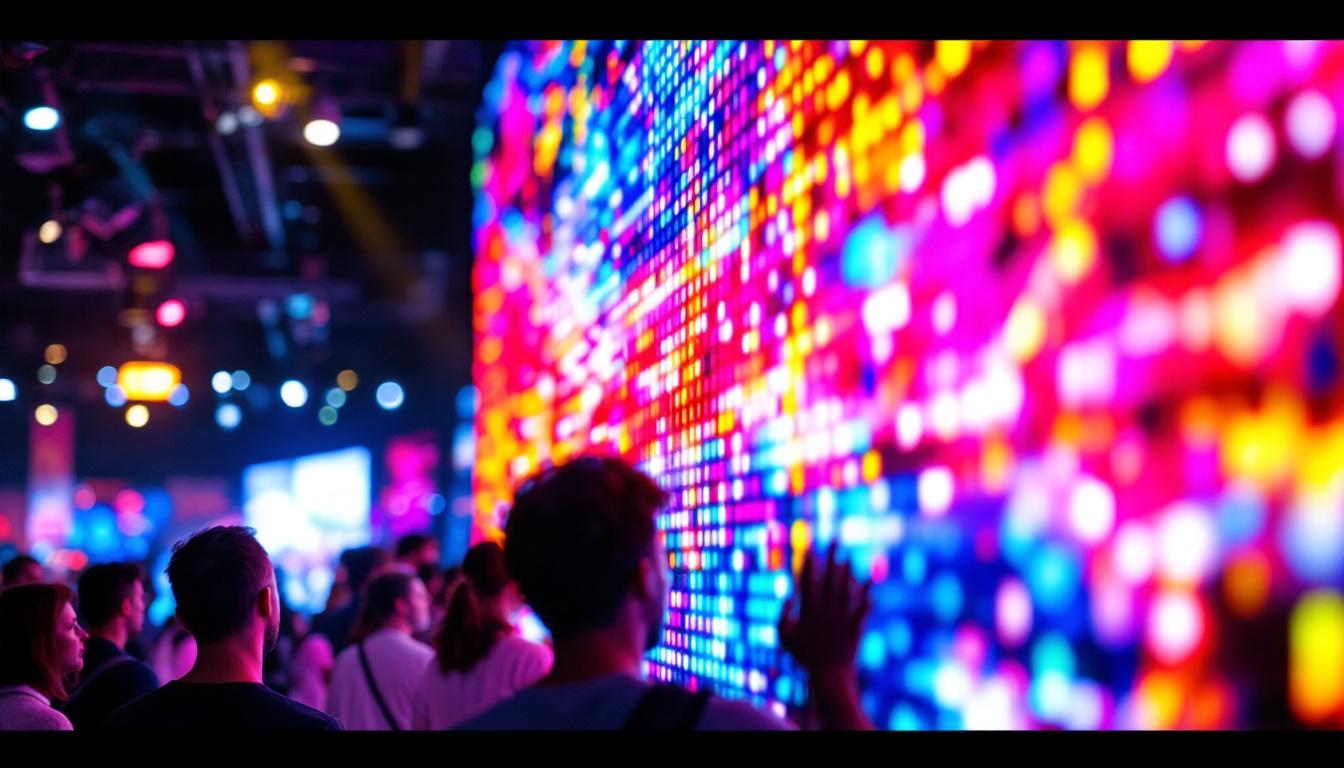
LED stands for Light Emitting Diode, a semiconductor device that emits light when an electric current passes through it. An LED display consists of numerous tiny LEDs arranged in a grid to form pixels, which collectively create images, videos, or text. These displays are widely used for both indoor and outdoor applications due to their brightness, energy efficiency, and flexibility.
Unlike traditional LCD or projection screens, LED displays produce their own light, which results in higher contrast ratios and better visibility even in direct sunlight. This self-illumination also means that LED panels can be made extremely thin and lightweight, making them ideal for versatile installations. Their ability to maintain vibrant colors and sharp images in various lighting conditions has made them a popular choice for advertising, entertainment, and information dissemination in public spaces.
Furthermore, LED displays are known for their longevity and durability. Unlike older technologies that may require frequent replacements, LEDs can last up to 100,000 hours, significantly reducing maintenance costs over time. This longevity, combined with their low power consumption, makes LED displays an environmentally friendly option, appealing to businesses looking to reduce their carbon footprint while still delivering high-quality visual content.
How LED Panels Work
Each LED panel contains multiple modules, and each module comprises hundreds or thousands of individual LEDs. These LEDs are usually red, green, and blue (RGB), and by varying the intensity of each color, the panel can produce a full spectrum of colors. The panels are connected and controlled by a central processing unit that sends signals to display the desired content.
The resolution of an LED display depends on its pixel pitch, which is the distance between the centers of two adjacent pixels. A smaller pixel pitch means higher resolution and sharper images, which is especially important for close viewing distances. Additionally, advancements in technology have led to the development of fine-pitch LED displays, which are capable of delivering stunning visuals even in compact spaces, making them ideal for venues like concert halls, conference rooms, and retail environments.
Moreover, LED displays can be customized in various shapes and sizes, allowing for creative installations that can fit into unique architectural designs. From curved screens that wrap around a building to massive video walls that dominate a stadium, the versatility of LED technology enables designers and advertisers to push the boundaries of visual communication. This adaptability has not only transformed the way information is presented but has also enhanced the overall aesthetic appeal of public and private spaces.
Types of LED Displays
When shopping for LED panels, it’s important to understand the different types available, as each serves different purposes and environments.
Indoor LED Displays
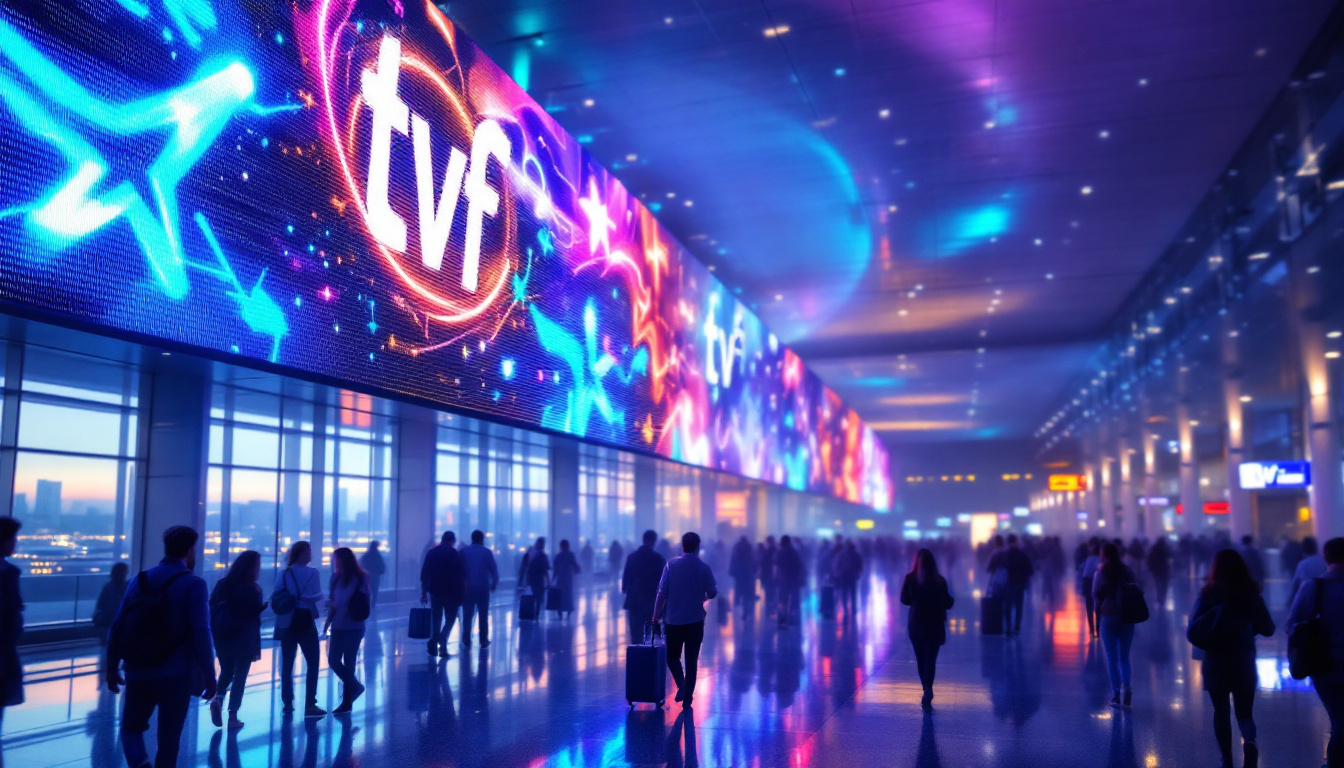
Indoor LED panels are designed for environments with controlled lighting. They typically have a smaller pixel pitch, ranging from 1.2mm to 4mm, which allows for high-definition images and videos. These panels are commonly used in conference rooms, retail stores, airports, and control rooms.
Because indoor displays do not need to compete with sunlight, they have lower brightness levels, usually between 800 and 1,500 nits. Their design focuses on color accuracy and viewing angles to ensure content looks vibrant and clear from multiple perspectives.
Outdoor LED Displays
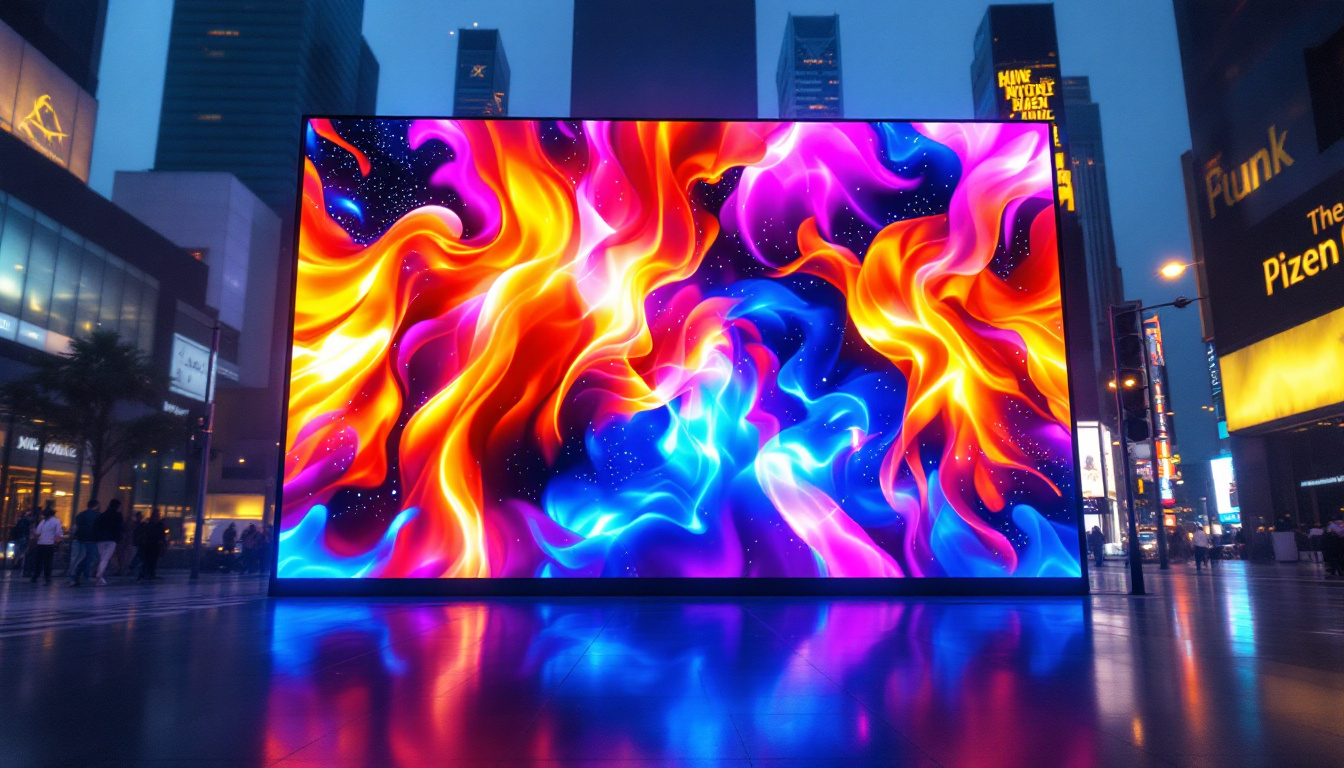
Outdoor LED panels are built to withstand harsh weather conditions and high ambient light levels. Their brightness can exceed 5,000 nits, ensuring visibility even in direct sunlight. The pixel pitch is generally larger, often between 6mm and 20mm, as these displays are viewed from greater distances.
Durability is a key feature of outdoor panels, with waterproof and dustproof ratings (IP65 or higher) being standard. These displays are frequently used for digital billboards, stadium screens, and public information boards.
Flexible and Transparent LED Displays
Recent innovations have introduced flexible LED panels that can curve or bend, enabling creative installations on curved surfaces or irregular shapes. Transparent LED displays allow light to pass through, making them ideal for storefront windows or architectural glass facades where maintaining natural light is important.
Benefits of LED Panels
Investing in LED panels offers numerous advantages over traditional display technologies, making them a popular choice across industries.
High Brightness and Visibility
One of the standout features of LED displays is their exceptional brightness. This ensures that content remains visible and vibrant regardless of ambient lighting conditions. Outdoor LED billboards, for example, maintain clarity even on the brightest days, which is critical for advertising effectiveness.
Energy Efficiency
Compared to older technologies like incandescent or fluorescent displays, LEDs consume significantly less power. This translates to lower operating costs and a smaller environmental footprint. Energy efficiency is particularly important for large-scale installations that run continuously.
Longevity and Durability
LED panels boast long lifespans, often exceeding 100,000 hours of operation. Their solid-state construction makes them resistant to shock and vibration, reducing maintenance needs. Outdoor panels are engineered to withstand rain, wind, and extreme temperatures, ensuring reliable performance over time.
Customizability and Scalability
LED panels are modular, allowing users to configure displays of various sizes and shapes. Whether it’s a small indoor screen or a massive outdoor billboard, panels can be combined seamlessly to meet specific spatial requirements. This flexibility also simplifies future upgrades or expansions.
Key Considerations When Buying LED Panels
Choosing the right LED panels requires careful evaluation of several factors to ensure the display meets your needs and budget.
Pixel Pitch and Resolution
As mentioned earlier, pixel pitch directly affects image clarity. For indoor applications where viewers are close to the screen, a smaller pixel pitch (1.2mm to 3mm) is preferable. For outdoor displays viewed from a distance, larger pixel pitches (6mm and above) are sufficient and more cost-effective.
Brightness and Contrast Ratio
Brightness is measured in nits and should correspond to the installation environment. Indoor displays typically require 800 to 1,500 nits, while outdoor displays need 5,000 nits or more. Contrast ratio, the difference between the darkest black and brightest white, impacts image depth and color richness.
Viewing Angle
A wide viewing angle ensures that content remains visible and consistent from various positions. This is particularly important in public spaces where audiences may view the display from different directions.
Durability and Weather Resistance
For outdoor use, panels must have appropriate IP ratings to resist water and dust ingress. Additionally, UV protection and temperature tolerance are critical to prevent damage and color fading over time.
Control Systems and Connectivity
Modern LED displays come with sophisticated control systems that allow real-time content updates, remote management, and integration with other digital platforms. Ensure that the panels you choose support the connectivity options and software compatibility you require.
Installation and Maintenance
Consider the complexity of installation and ongoing maintenance. Some panels are designed for easy mounting and quick replacement of modules, which can reduce downtime and service costs.
Popular Applications of LED Displays
LED panels have found their way into a diverse range of industries and uses, demonstrating their versatility and impact.
Advertising and Digital Signage
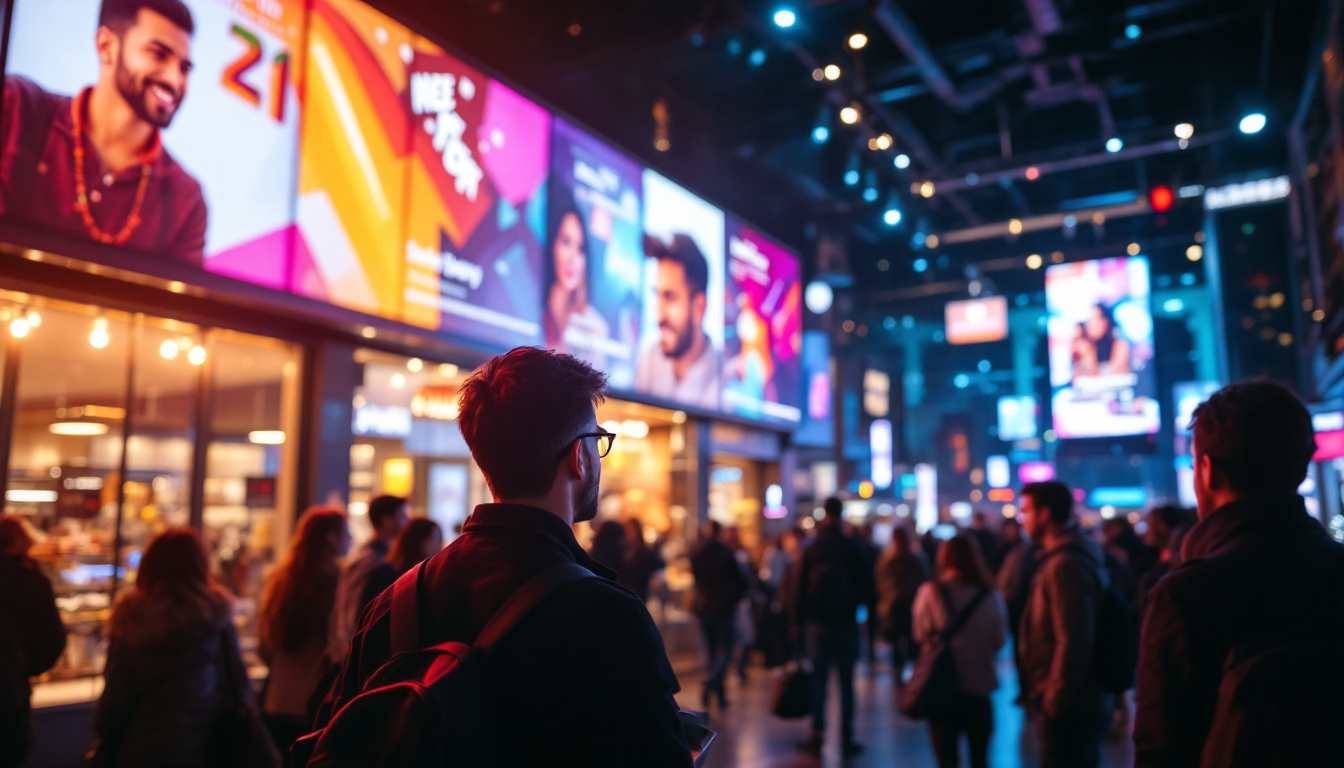
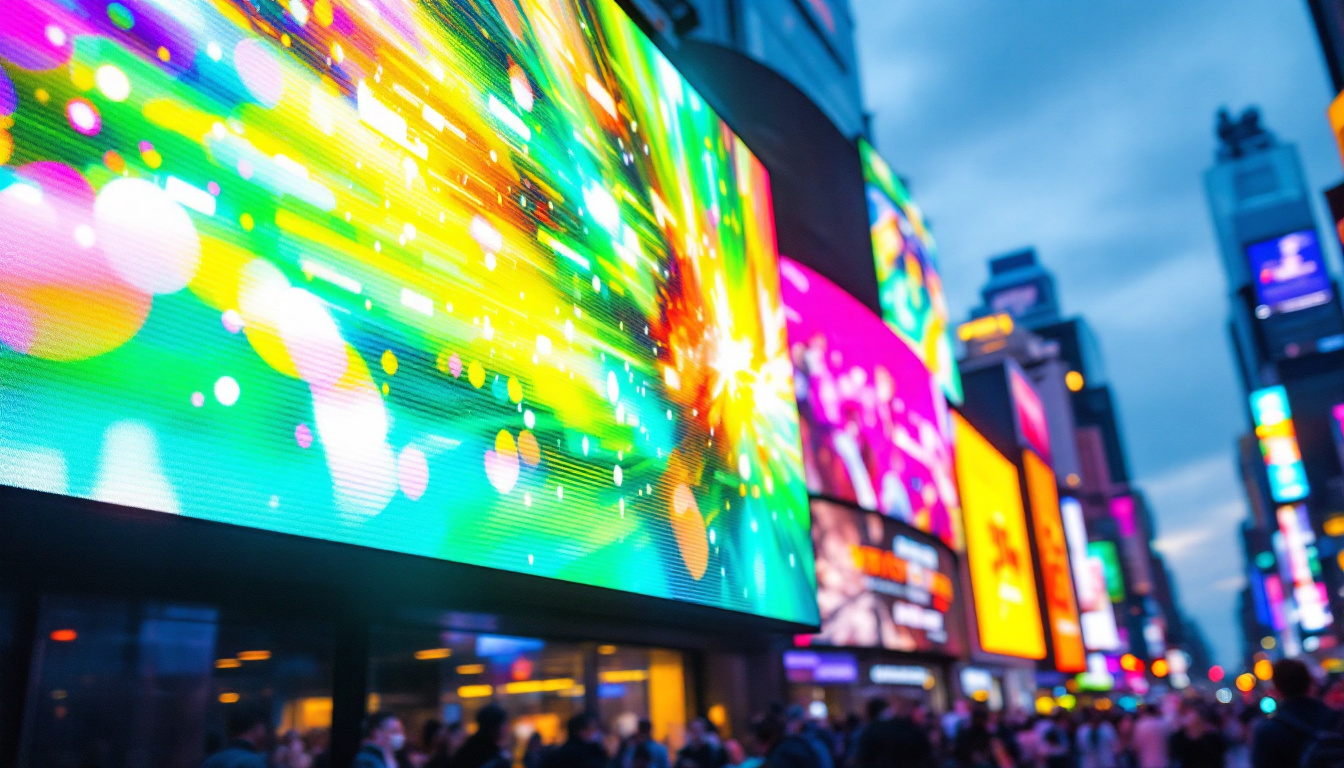
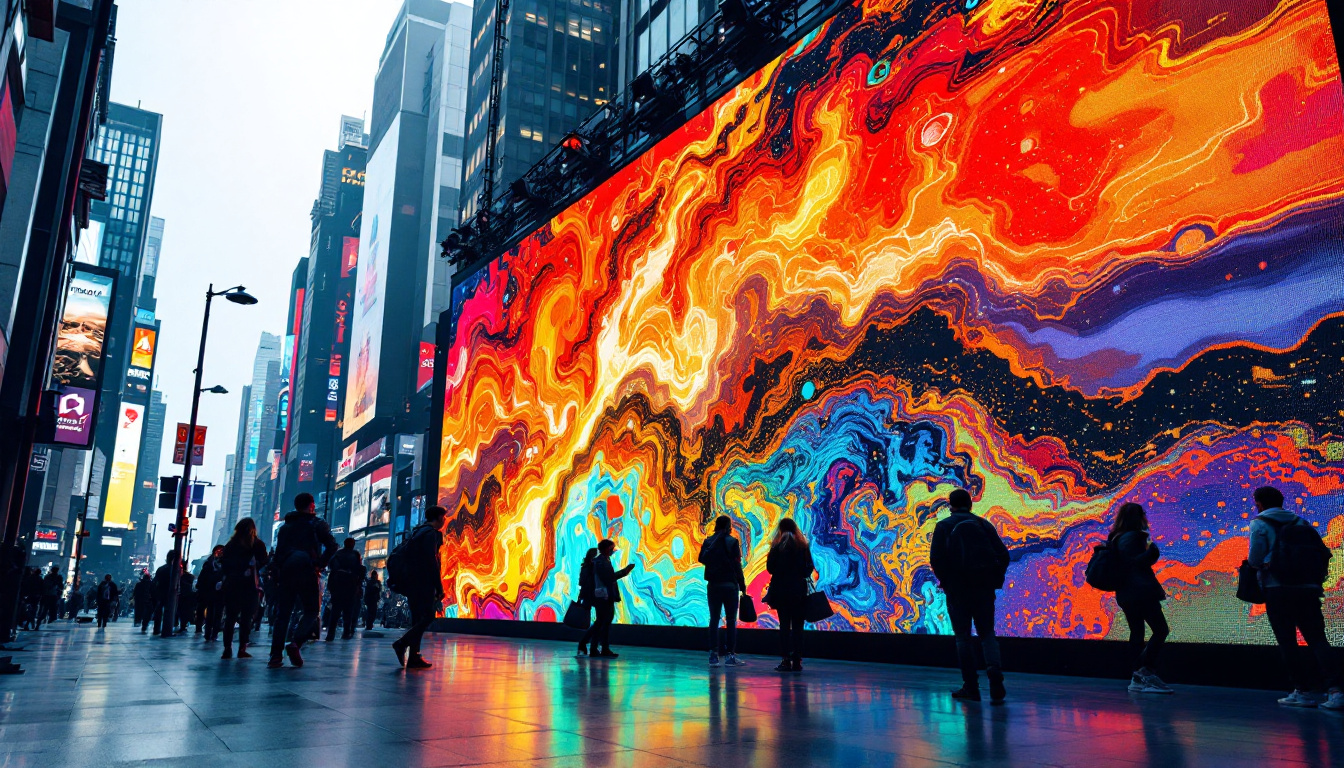
One of the most common uses of LED displays is in advertising. Digital billboards can show dynamic content that attracts more attention than static signs. Retailers use LED signage to promote sales and engage customers, while transportation hubs display schedules and announcements.
Entertainment and Events
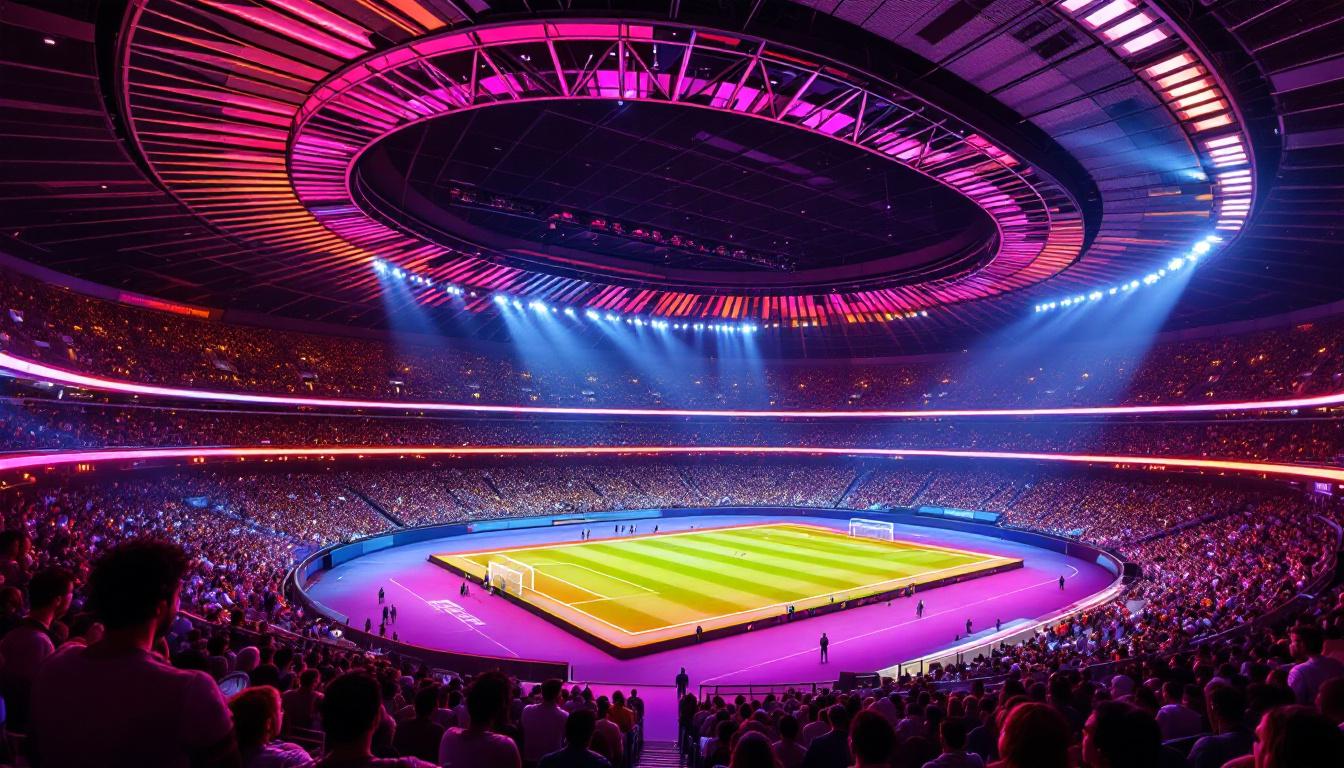
Concerts, sports arenas, and theaters utilize large LED screens to enhance the audience experience. These displays provide live feeds, graphics, and interactive content that complement performances and keep viewers engaged.
Corporate and Educational Settings
Businesses use LED displays for presentations, video conferencing, and digital information boards. Educational institutions install LED panels in lecture halls and auditoriums to improve communication and learning environments.
Public Information and Safety
Governments and municipalities deploy LED displays for traffic management, emergency alerts, and public announcements. The ability to update content quickly and remotely is vital in these contexts.
Cost Factors and Budgeting
LED panels vary widely in price depending on size, resolution, brightness, and features. While initial investment can be significant, the long-term benefits such as energy savings, durability, and advertising impact often justify the expense.
It’s important to obtain detailed quotes that include installation, control systems, and maintenance services. Comparing warranties and after-sales support can also influence the total cost of ownership.
Future Trends in LED Display Technology
The LED display industry continues to evolve rapidly, driven by advancements in materials, manufacturing, and software integration.
MicroLED and MiniLED Innovations
Emerging technologies like MicroLED and MiniLED offer even higher resolution and brightness with improved energy efficiency. These smaller LEDs enable ultra-fine pixel pitches, expanding possibilities for ultra-high-definition displays.
Interactive and Smart Displays
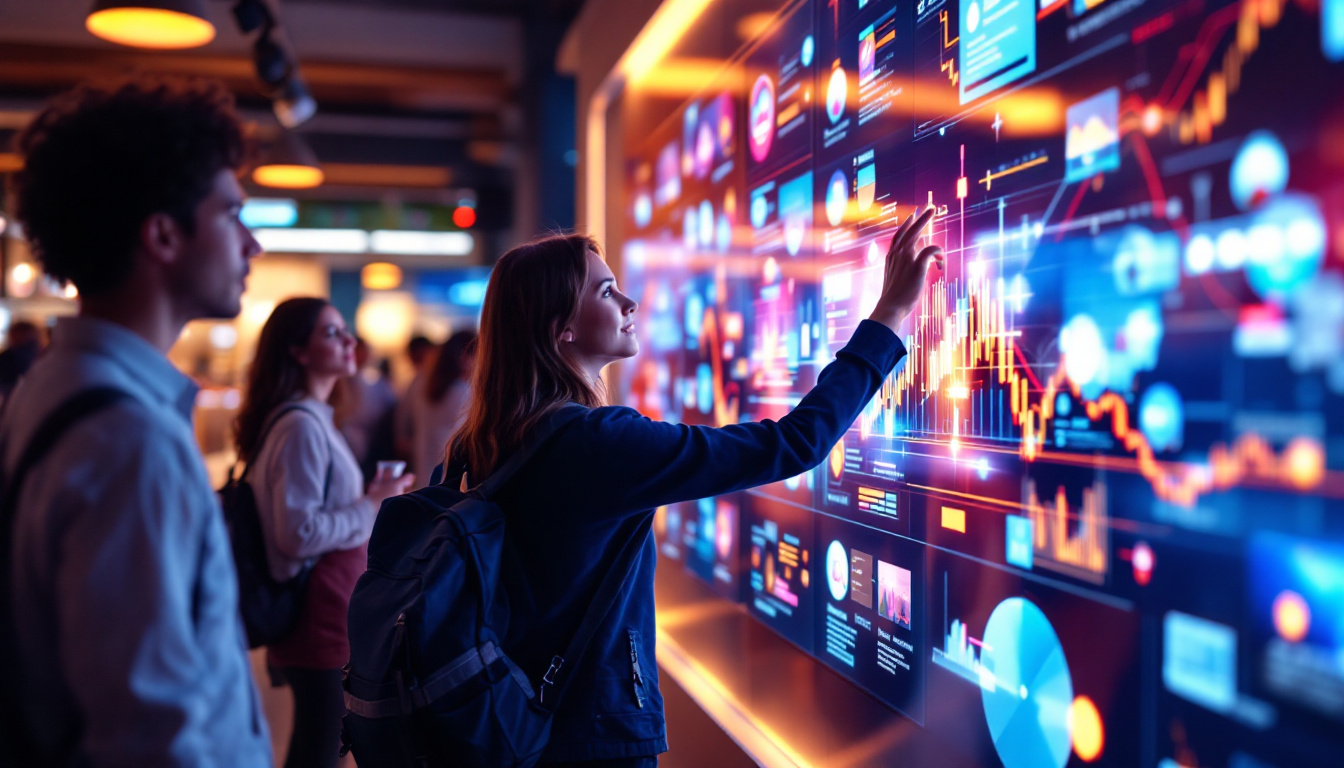
Integration with touch sensors, cameras, and AI-powered content management systems is making LED displays more interactive and responsive. This enhances user engagement and enables personalized experiences.
Sustainability and Eco-Friendly Designs
Manufacturers are focusing on reducing the environmental impact of LED panels by using recyclable materials, improving energy efficiency, and designing for easier repair and recycling.
Conclusion
LED panels offer a powerful and versatile solution for visual communication across a wide range of industries. Understanding the technology, types, benefits, and key purchasing considerations ensures that buyers select the right panels to meet their specific needs. Whether for advertising, entertainment, corporate use, or public information, investing in quality LED displays can deliver impactful, vibrant content that captivates audiences and drives engagement.
As LED technology continues to advance, staying informed about the latest developments will help businesses and organizations maximize their return on investment and leverage the full potential of LED displays.
Discover LumenMatrix’s Innovative LED Solutions
Ready to transform your visual communication with cutting-edge LED technology? LumenMatrix is at the forefront of LED display innovation, offering a diverse range of solutions tailored to your unique needs. From Indoor and Outdoor LED Wall Displays to specialized options like Vehicle, Sports, and Floor LED Displays, our products are designed to make your brand shine. Experience the difference with our Custom, All-in-One, and Transparent LED Displays. Elevate your message with clarity and impact—check out LumenMatrix LED Display Solutions today and see your vision come to life.