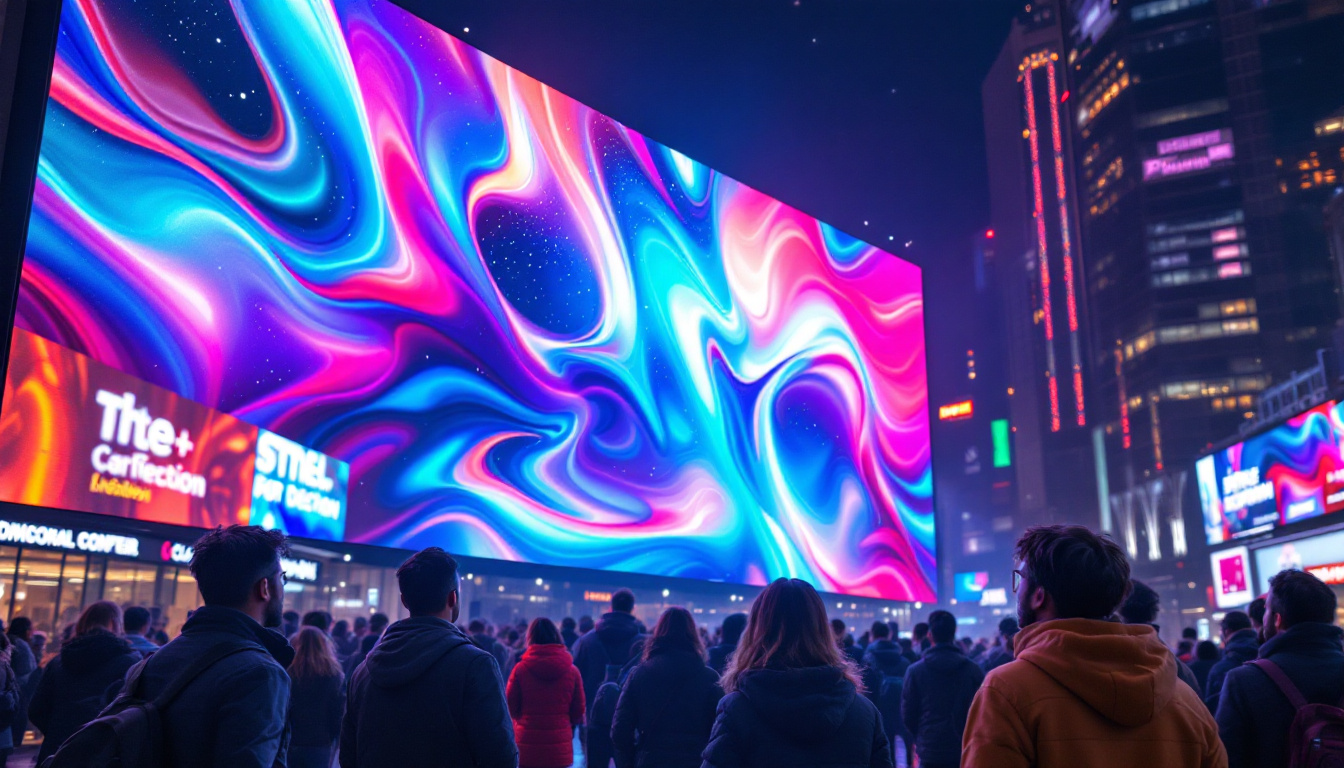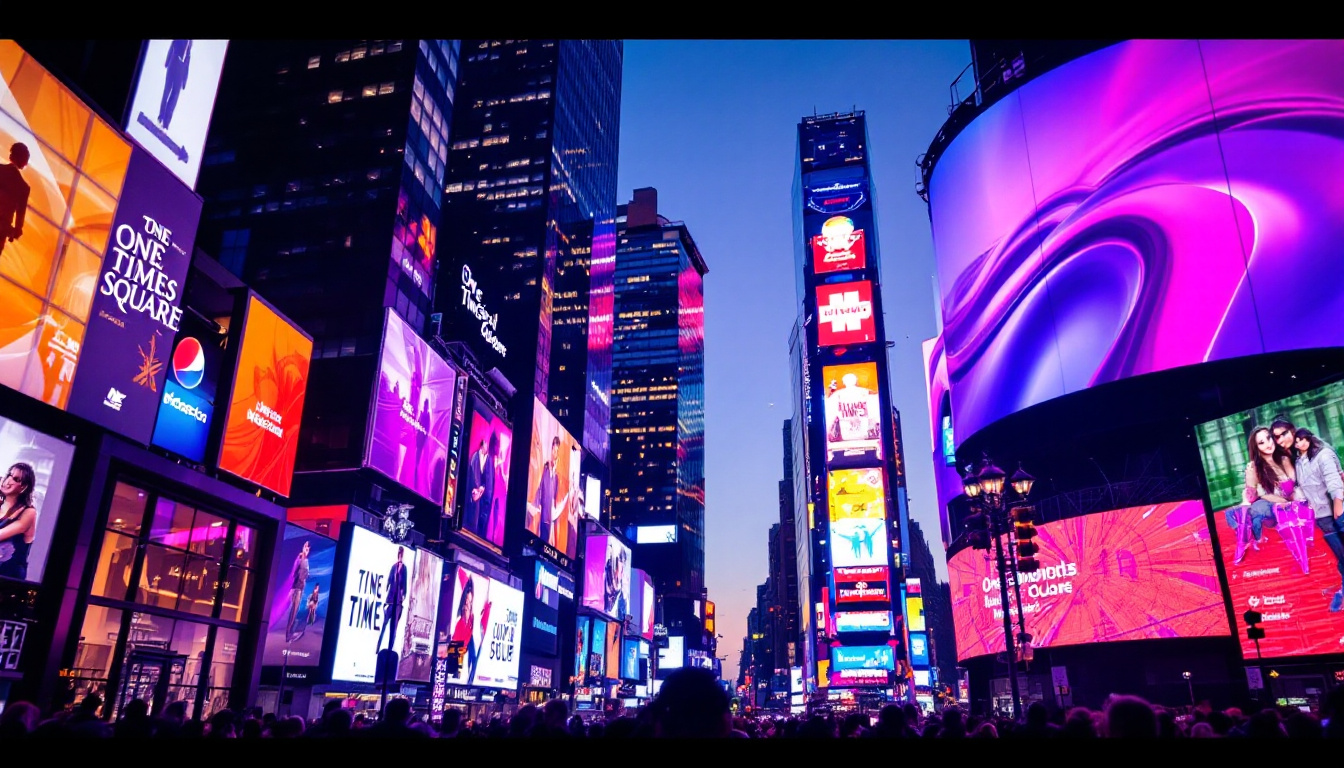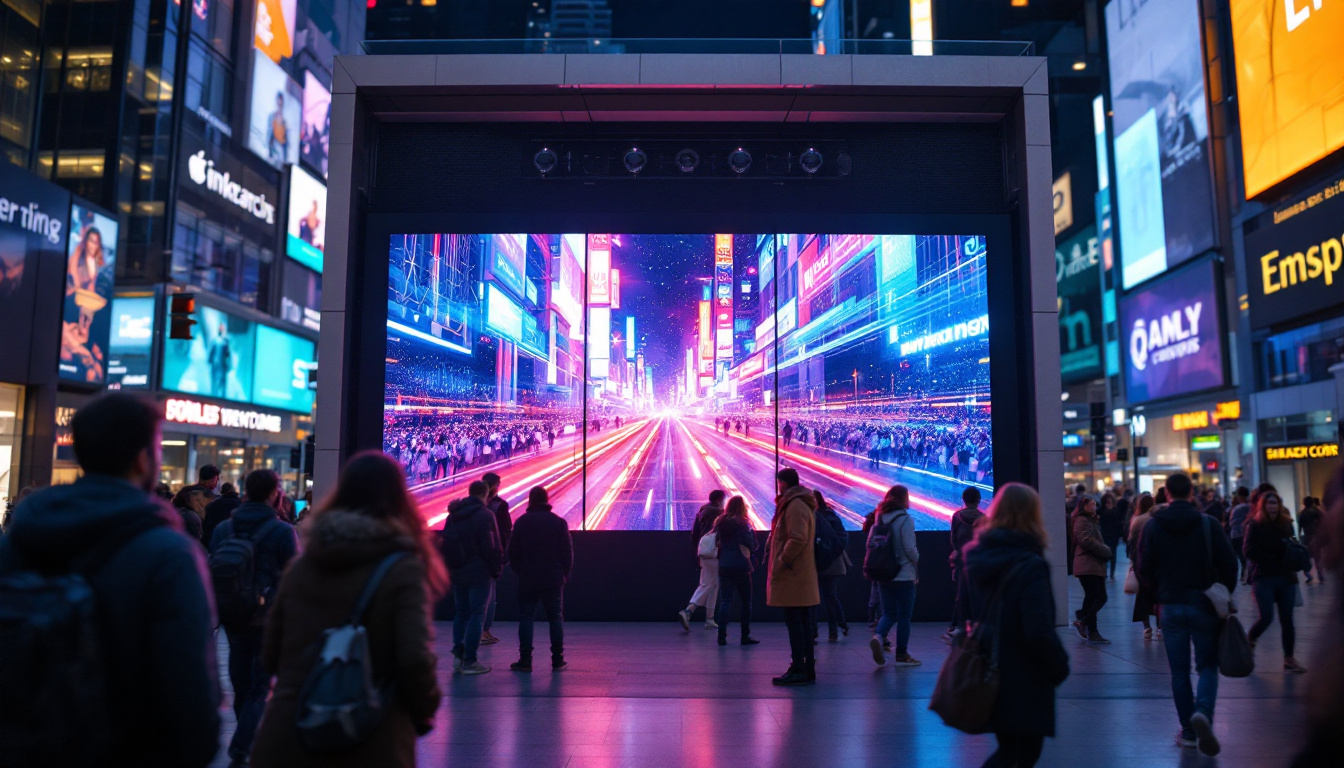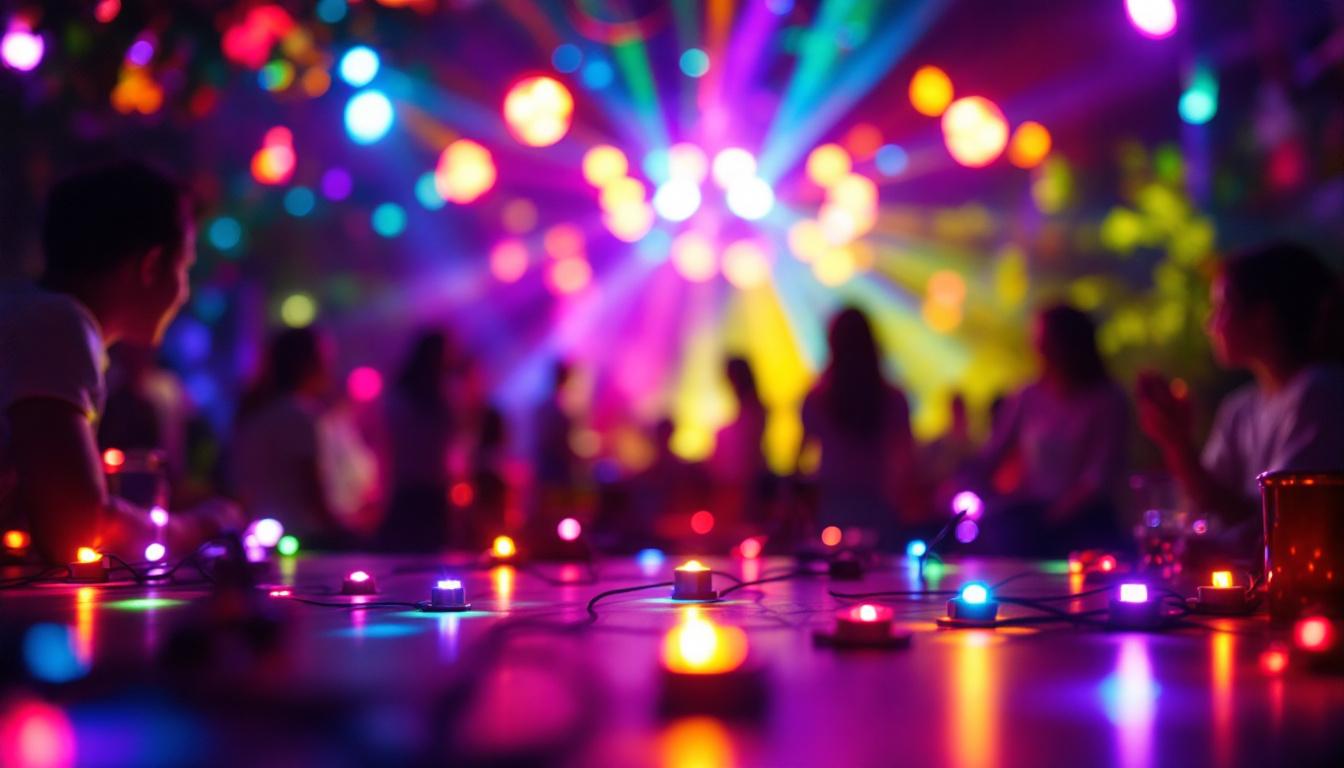
In today’s vibrant event and entertainment industry, LED displays have become a cornerstone technology for creating immersive visual experiences. From concerts and festivals to private parties and corporate events, LED video walls and panels transform ordinary spaces into dazzling spectacles. This article explores the technology behind party lights video LED displays, their types, benefits, and practical considerations for choosing the right setup for your event.
Understanding LED Display Technology
LED stands for Light Emitting Diode, a semiconductor device that emits light when an electric current passes through it. LED displays are composed of thousands, sometimes millions, of these tiny diodes arranged in a matrix to form images and videos. The brilliance, color accuracy, and energy efficiency of LEDs make them an ideal choice for dynamic visual displays. Their versatility allows them to be used in a variety of applications, from large outdoor billboards to small screens in mobile devices, showcasing their adaptability to different environments and use cases.
Unlike traditional screens that rely on backlighting, LED displays are self-illuminating. Each diode acts as a pixel, producing its own light, which results in higher contrast ratios and vibrant colors even in bright environments. This characteristic is especially important for party settings where lighting conditions can vary dramatically. The ability of LED displays to maintain clarity and brightness in challenging lighting conditions makes them a preferred choice for events, concerts, and exhibitions, where visual impact is paramount.
How LED Displays Work
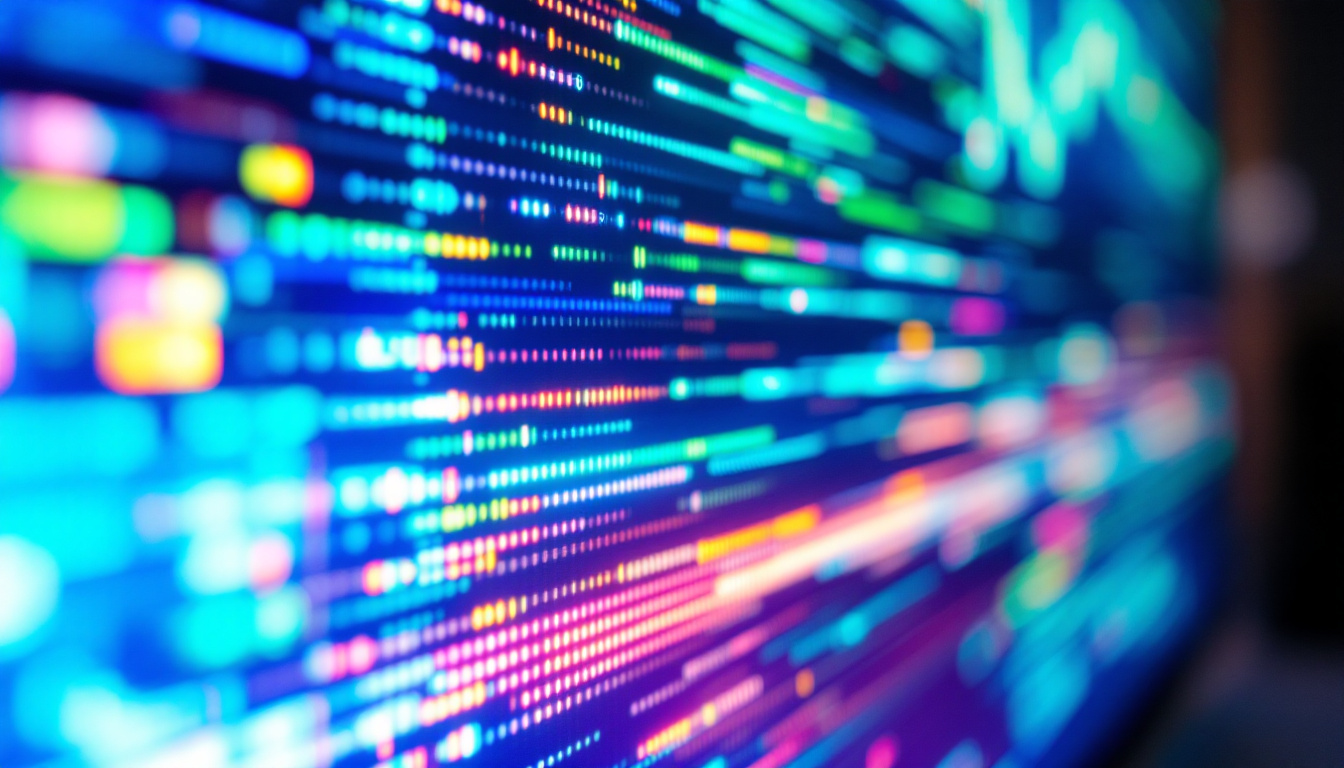
LED displays operate by controlling the brightness and color of individual diodes. Each pixel typically consists of three sub-pixels: red, green, and blue (RGB). By adjusting the intensity of these sub-pixels, the display can reproduce millions of colors. Modern LED panels use advanced control systems to synchronize these pixels, creating smooth motion video and crisp images. This technology not only enhances visual quality but also allows for real-time adjustments, making it possible to create stunning visual effects that can captivate an audience.
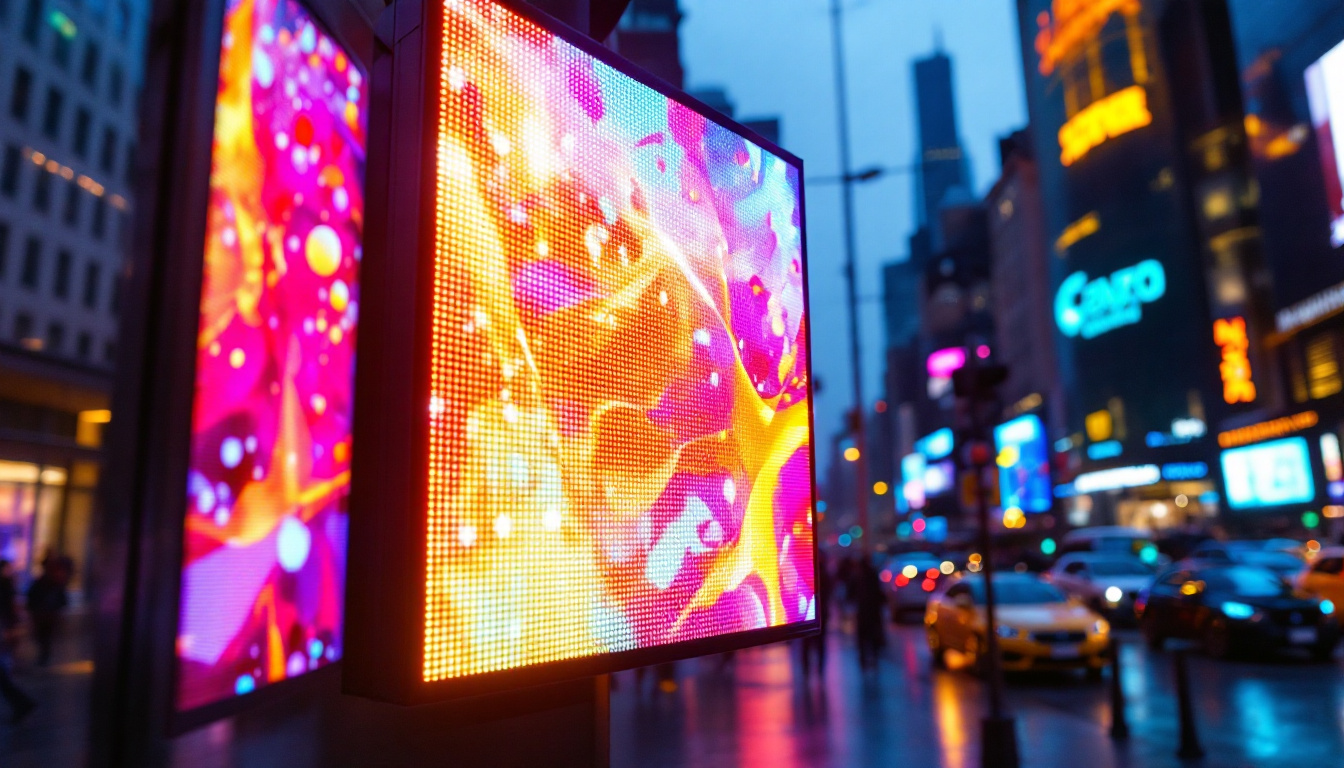
The resolution of an LED display depends on the pixel pitch — the distance between the centers of two adjacent pixels. Smaller pixel pitches mean higher resolution and sharper images, which is crucial for close-up viewing, such as in indoor party environments. Furthermore, advancements in LED technology have led to the development of flexible and transparent displays, opening up new possibilities for creative installations. These innovations enable designers to integrate LED displays seamlessly into architectural elements, enhancing both functionality and aesthetic appeal in modern spaces.
Types of LED Displays for Party Lighting
When it comes to party lights video, there are several types of LED displays to consider. Each type serves different purposes depending on the event size, venue, and desired visual effect.
Indoor LED Displays
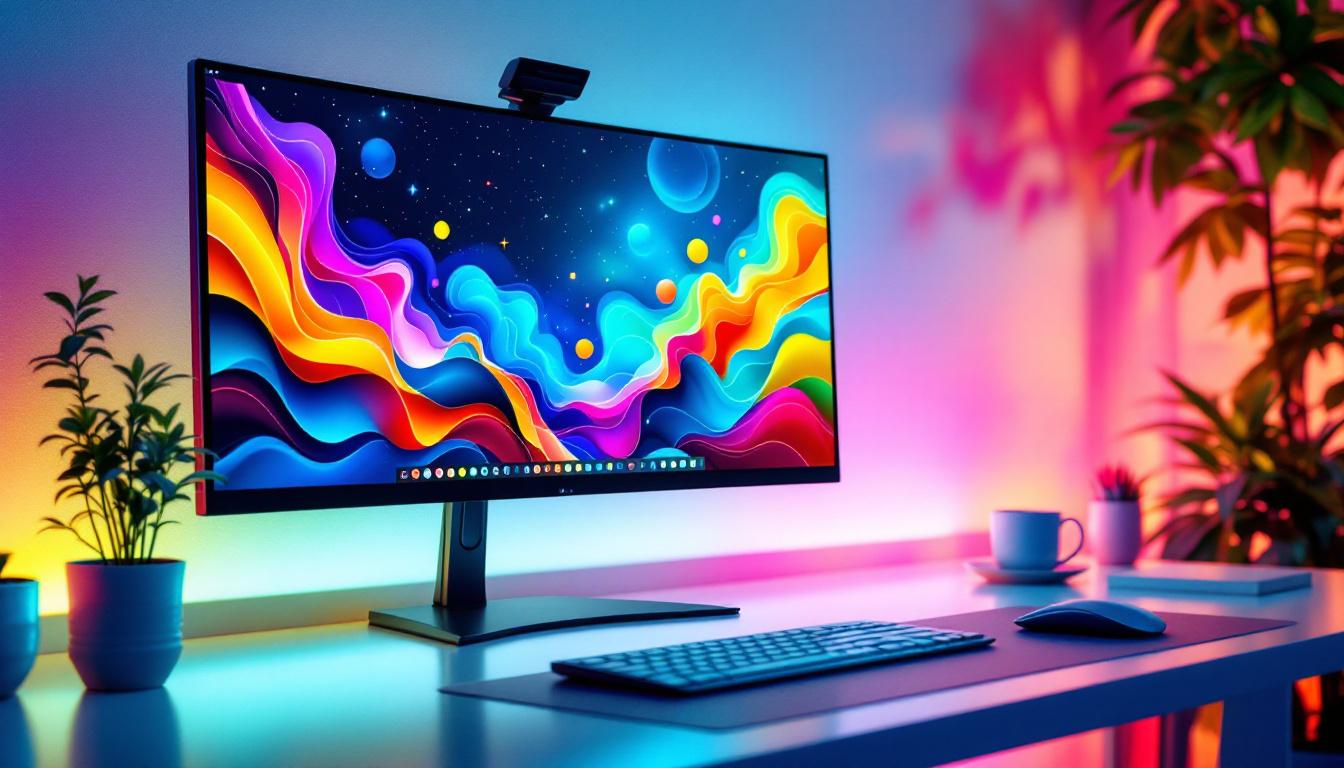
Indoor LED displays are designed with smaller pixel pitches, typically ranging from 1.2mm to 4mm. This allows for high-resolution images that look sharp even from a short distance. These displays are perfect for nightclubs, private parties, and corporate events where guests are close to the screen.
They are lightweight, easy to install, and often come in modular panels that can be configured into various shapes and sizes. Indoor LED displays also offer excellent color reproduction and brightness levels suitable for controlled lighting environments.
Outdoor LED Displays
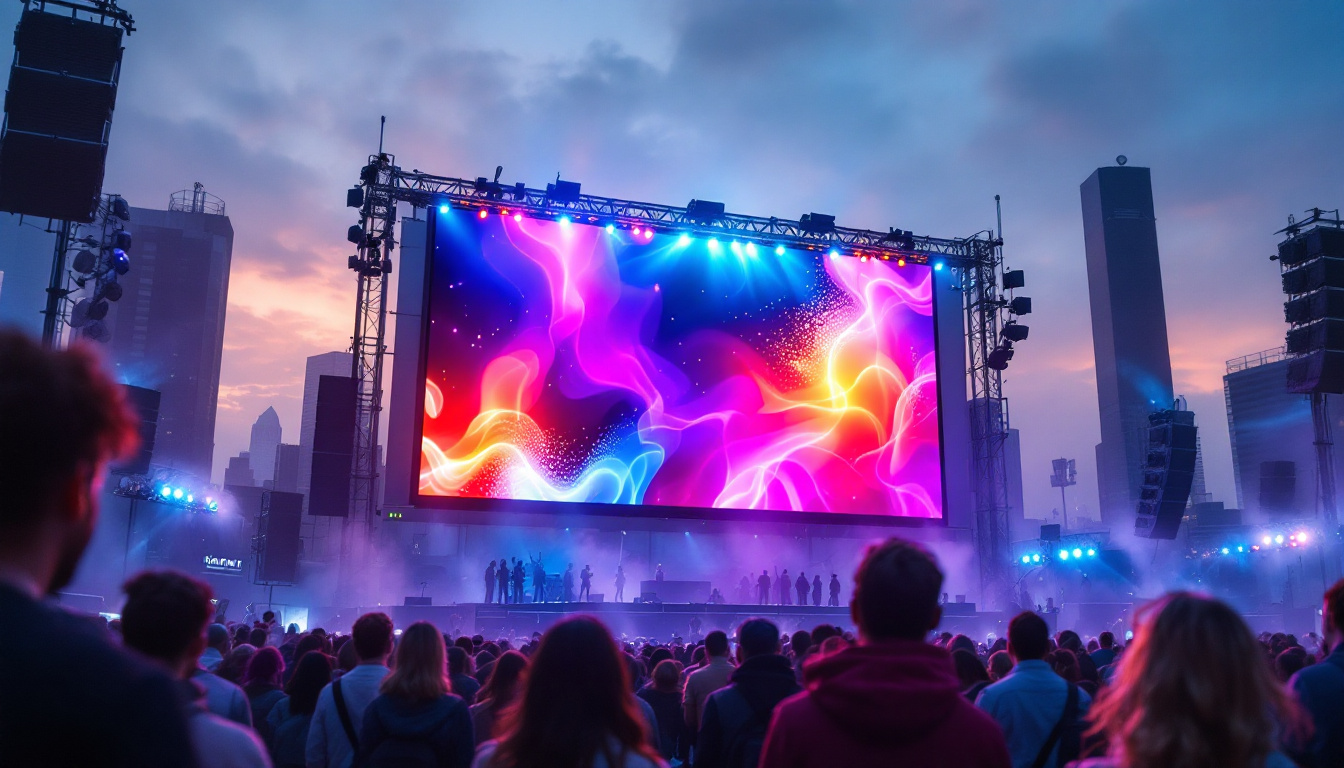
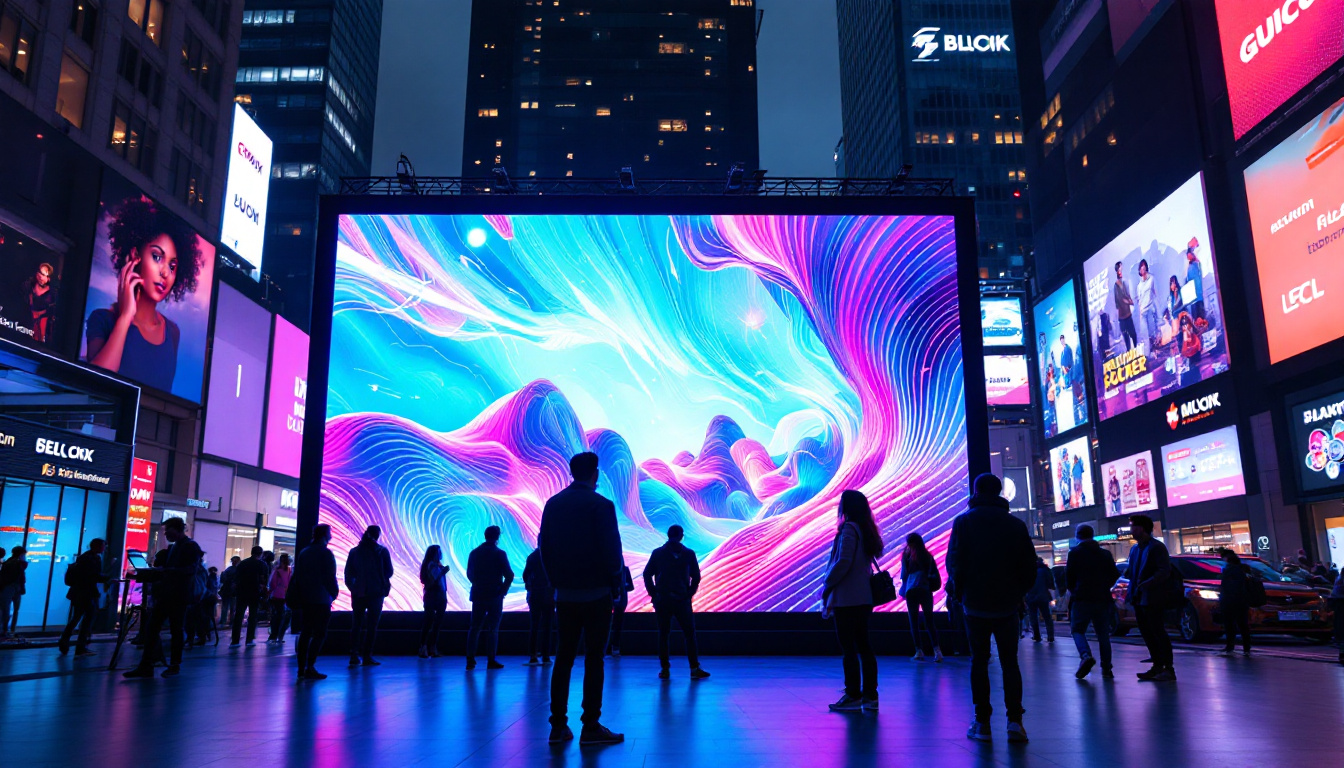
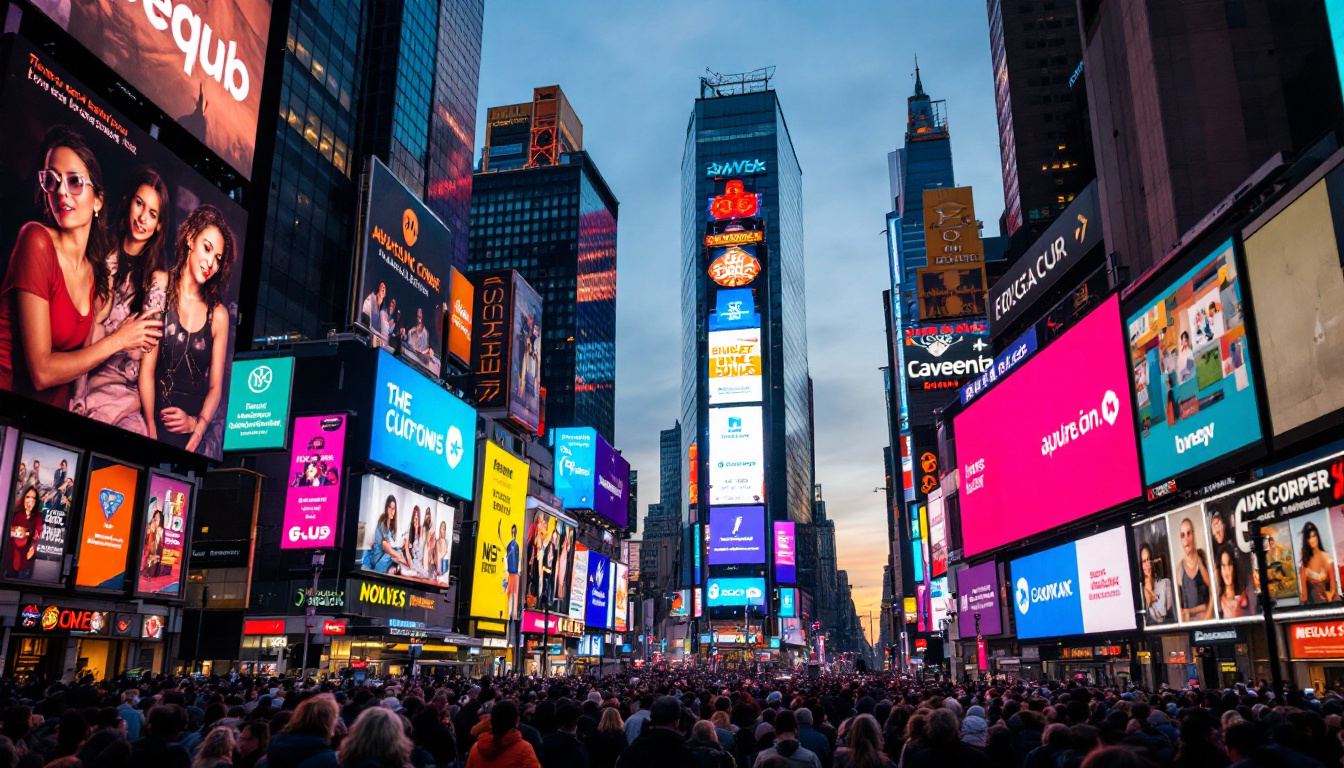
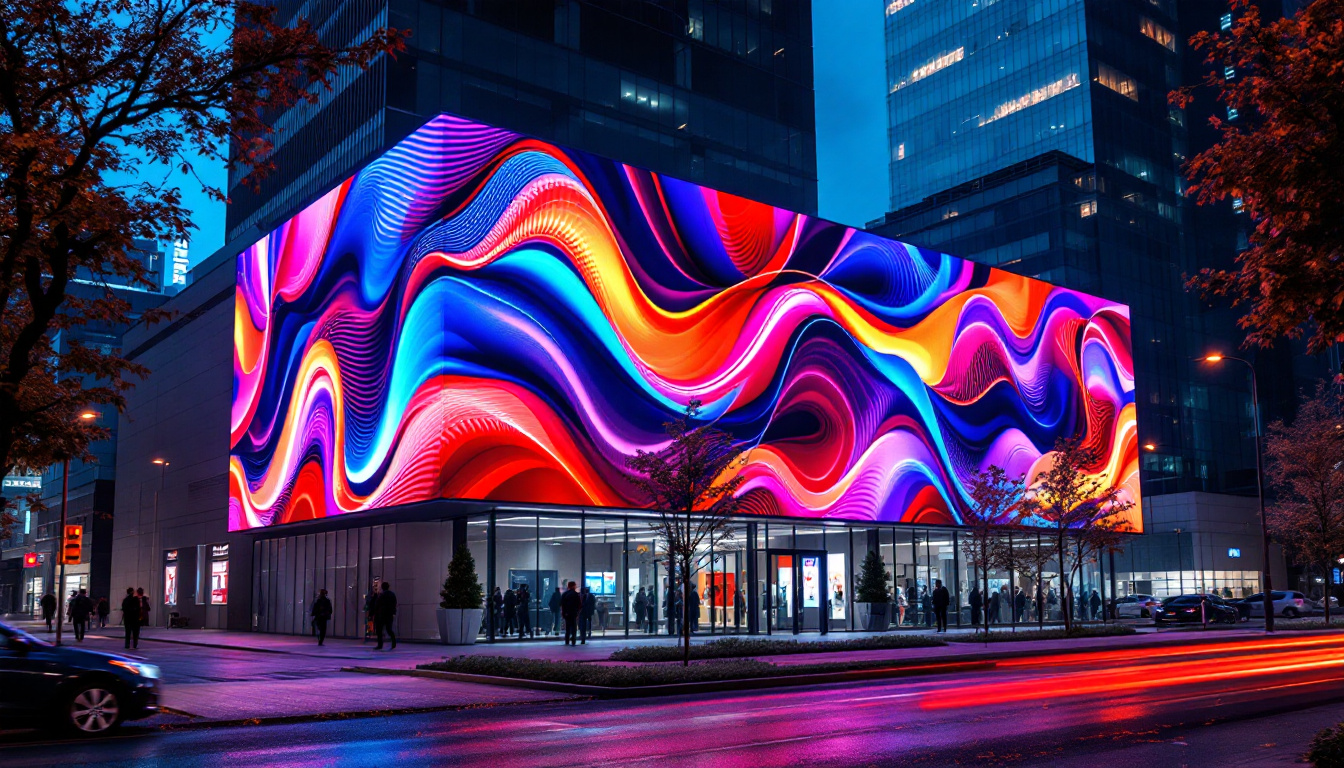
Outdoor LED displays are built to withstand weather conditions such as rain, wind, and direct sunlight. They typically have larger pixel pitches, from 4mm to 20mm or more, to ensure visibility from greater distances. These are commonly used for large festivals, concerts, and outdoor parties where the audience is spread out.
Durability and brightness are key features of outdoor LED displays. They often include protective coatings and higher brightness levels, sometimes exceeding 5,000 nits, to remain visible even under direct sunlight.
Flexible and Transparent LED Displays
Innovative LED technologies have introduced flexible and transparent LED displays. Flexible LED panels can be bent or curved, allowing creative setups such as wrapping around pillars or creating immersive environments. Transparent LED displays, meanwhile, allow light to pass through, making them ideal for windows or glass walls without blocking the view.
These cutting-edge options are increasingly popular in high-end party venues and experiential marketing events, offering unique visual effects that traditional LED displays cannot achieve.
Benefits of Using LED Displays for Party Lights Video
LED displays offer numerous advantages over traditional lighting and projection systems when it comes to party lighting and video presentation.
Vibrant and Dynamic Visuals
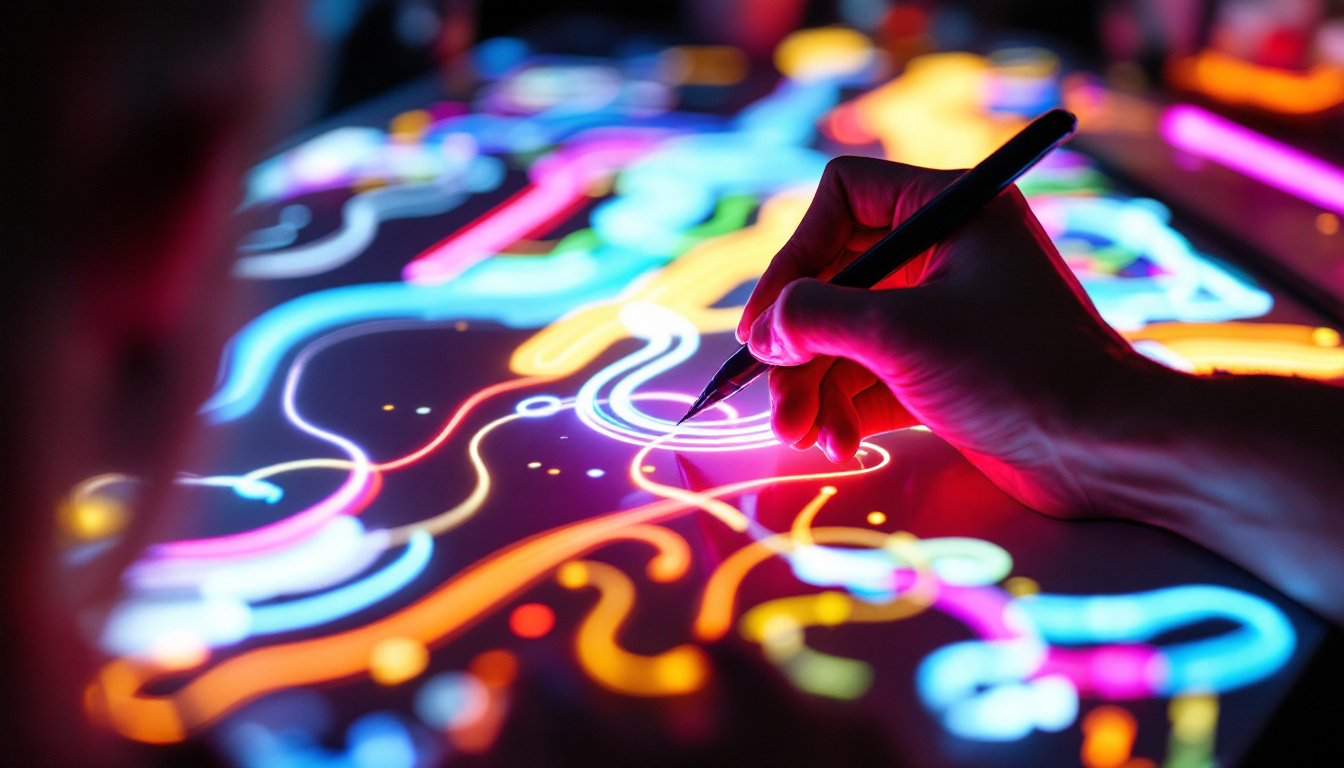
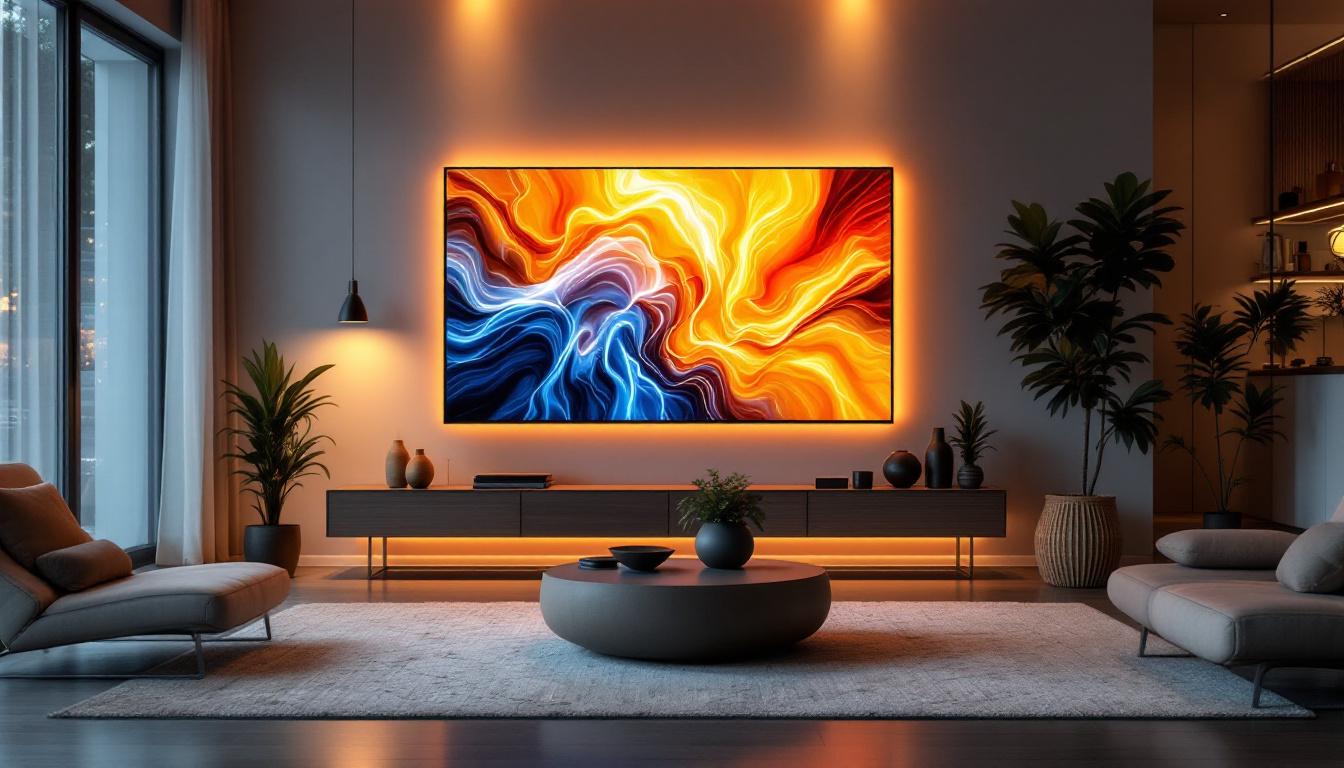
LED displays deliver bright, vivid colors and dynamic video content that can be tailored to the mood and theme of any party. Unlike static lighting, LED video walls can display animations, live feeds, interactive graphics, and synchronized light shows, creating an engaging atmosphere that captivates guests.
Energy Efficiency and Longevity
LED technology is highly energy-efficient compared to incandescent or halogen lighting. This efficiency translates into lower operating costs, especially for long-duration events. Additionally, LEDs have a longer lifespan, often exceeding 50,000 hours, reducing maintenance and replacement expenses.
Customizability and Scalability
LED displays are modular, allowing event organizers to customize the size and shape to fit any venue or design concept. Whether it’s a small dance floor backdrop or a massive stage wall, LED panels can be scaled accordingly. This flexibility enables creative freedom and ensures the display integrates seamlessly with other event elements.
Improved Visibility and Impact
With high brightness and contrast levels, LED displays ensure that visuals remain clear and impactful even in brightly lit environments or outdoor settings. This reliability is crucial for maintaining audience engagement and enhancing the overall party experience.
Key Considerations When Choosing an LED Display for Your Party
Selecting the right LED display involves evaluating several factors to ensure optimal performance and cost-effectiveness.
Venue Size and Viewing Distance
The size of the venue and how close the audience will be to the display influence the choice of pixel pitch and screen dimensions. For intimate indoor parties, a high-resolution display with a small pixel pitch is essential to avoid pixelation. For large outdoor events, bigger panels with wider pixel pitches are more appropriate.
Content Type and Resolution
Consider the type of content you plan to display. High-definition videos, animations, and live streams require higher resolution LED panels to maintain clarity. If the content is primarily simple graphics or text, a lower resolution display might suffice, potentially lowering costs.
Brightness and Ambient Lighting
Assess the ambient lighting conditions of your venue. Outdoor or well-lit indoor spaces demand higher brightness levels to ensure visibility. LED displays with adjustable brightness settings provide flexibility to adapt to different lighting scenarios.
Installation and Portability
For temporary party setups, ease of installation and portability are important. Lightweight, modular LED panels that can be quickly assembled and disassembled save time and labor costs. Some LED displays come with integrated rigging systems for fast deployment.
Budget Constraints
LED display costs vary widely based on size, resolution, and features. Establishing a budget upfront helps narrow down options and prioritize essential specifications. Remember to factor in additional costs such as content creation, control systems, and technical support.
Popular Applications of LED Displays in Party Lighting
LED displays have revolutionized how party environments are designed and experienced. Here are some common applications that showcase their versatility.
Dance Floor Backdrops
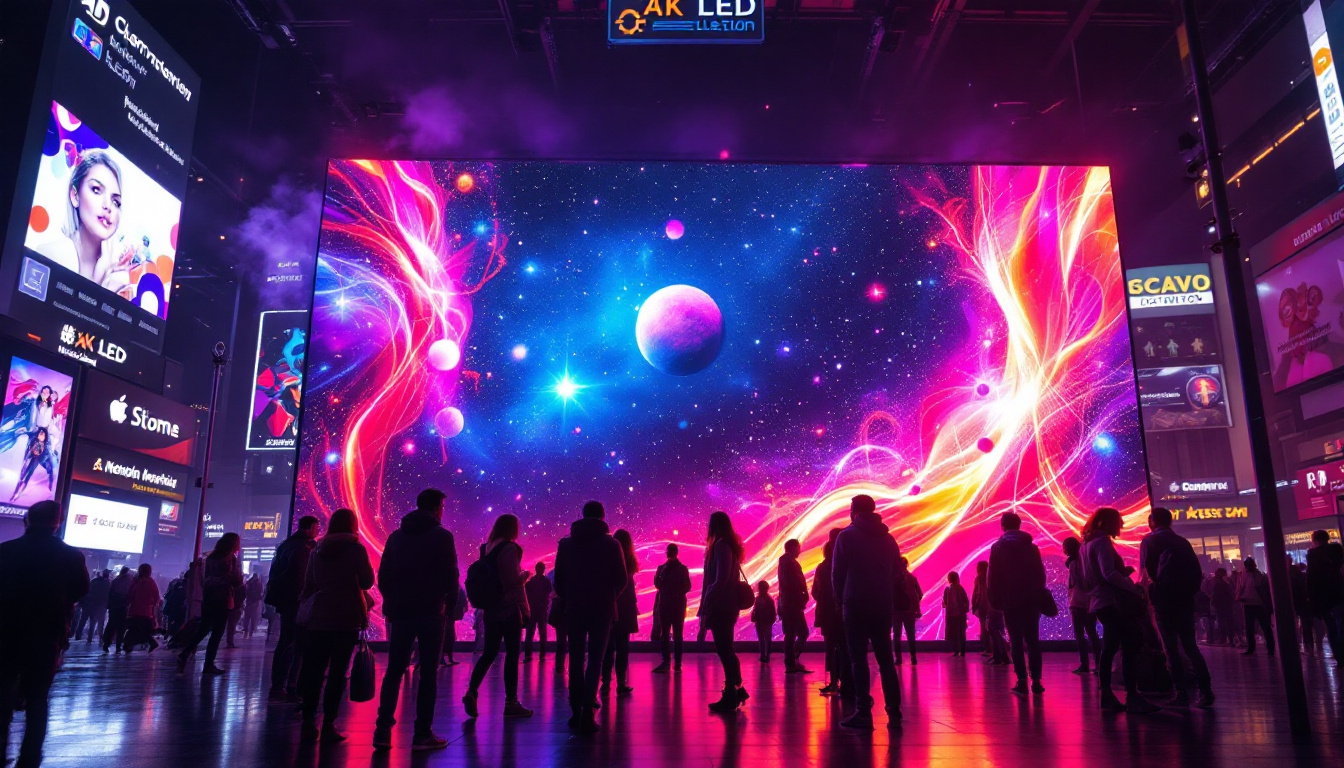
LED video walls behind the DJ or dance floor create a dynamic visual centerpiece. They can display synchronized light patterns, music-reactive animations, or thematic visuals that enhance the energy on the floor. This setup is a staple in nightclubs and private parties aiming for a high-impact atmosphere.
Stage and Performance Screens
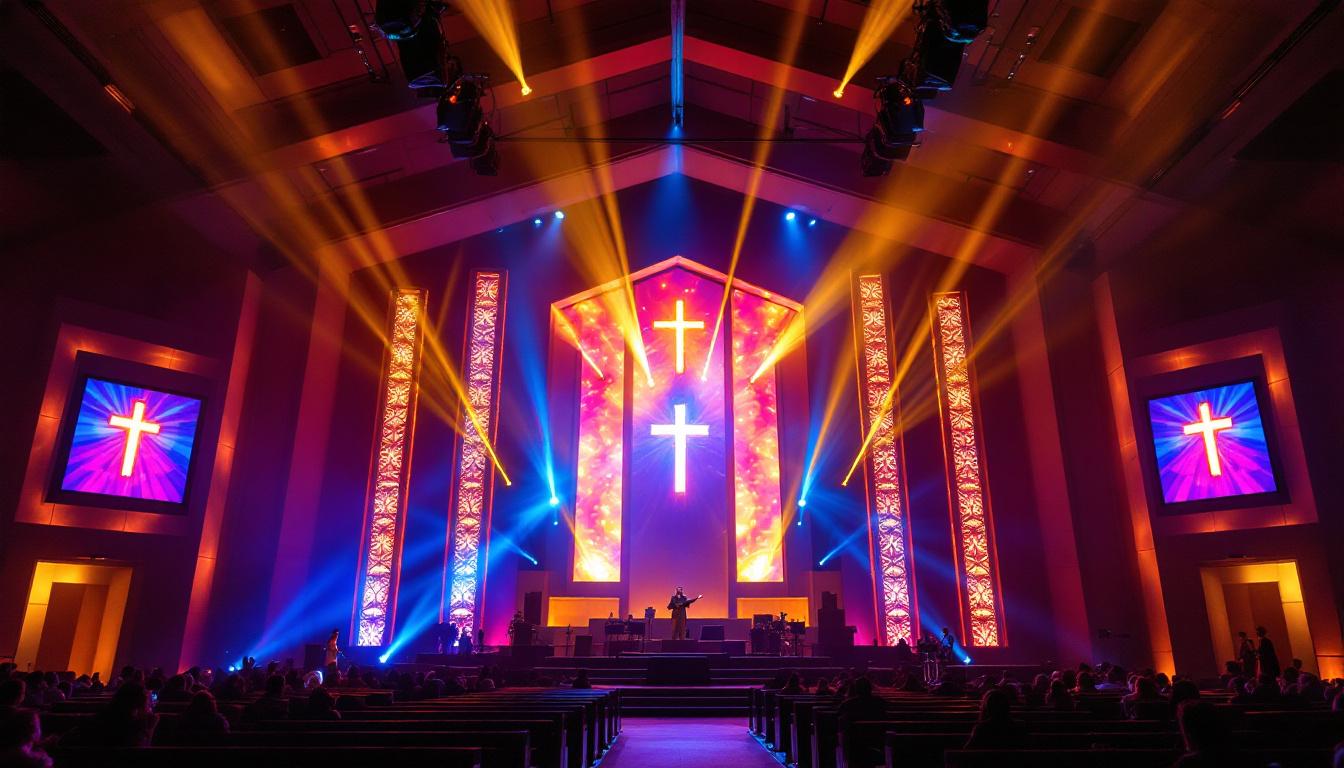
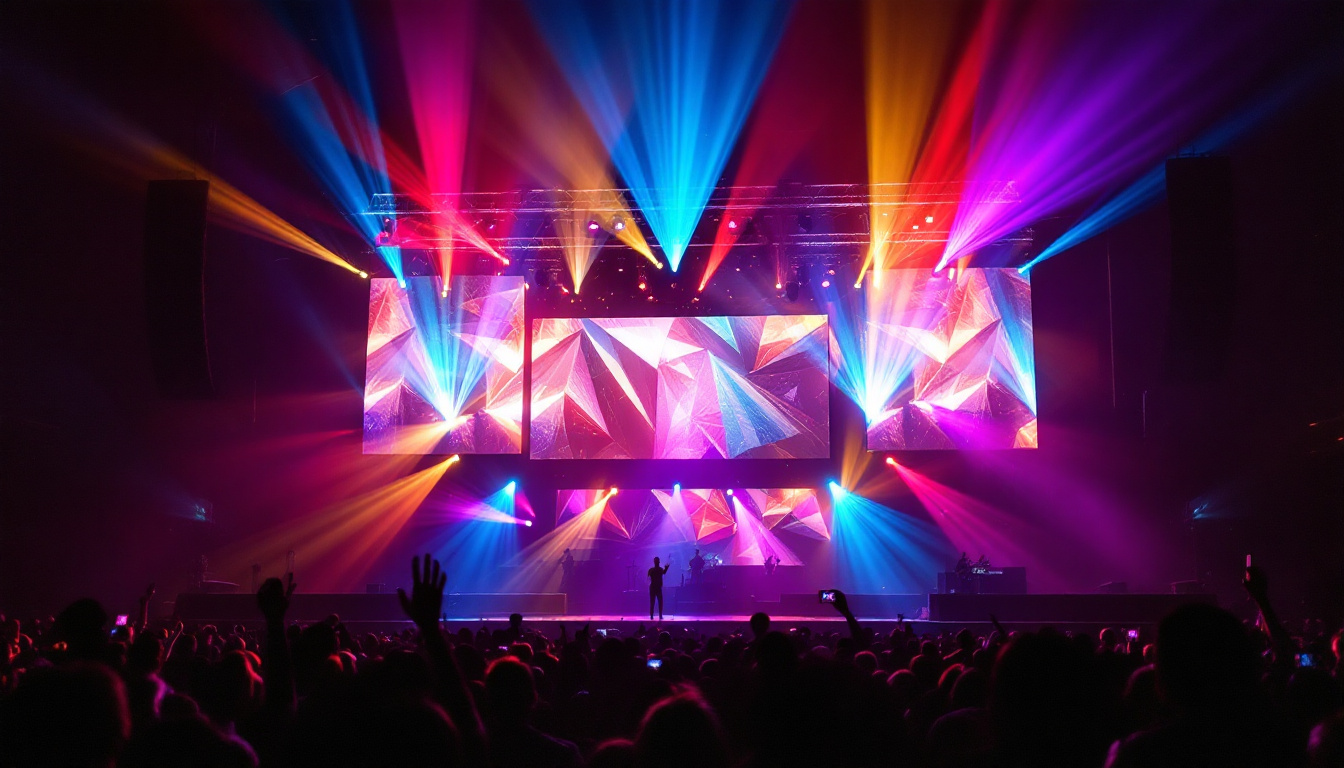
Concerts and live performances use large LED screens to project close-up shots of artists, lyrics, and special effects. This not only improves visibility for distant audience members but also adds a layer of visual storytelling to the performance.
Interactive and Immersive Installations
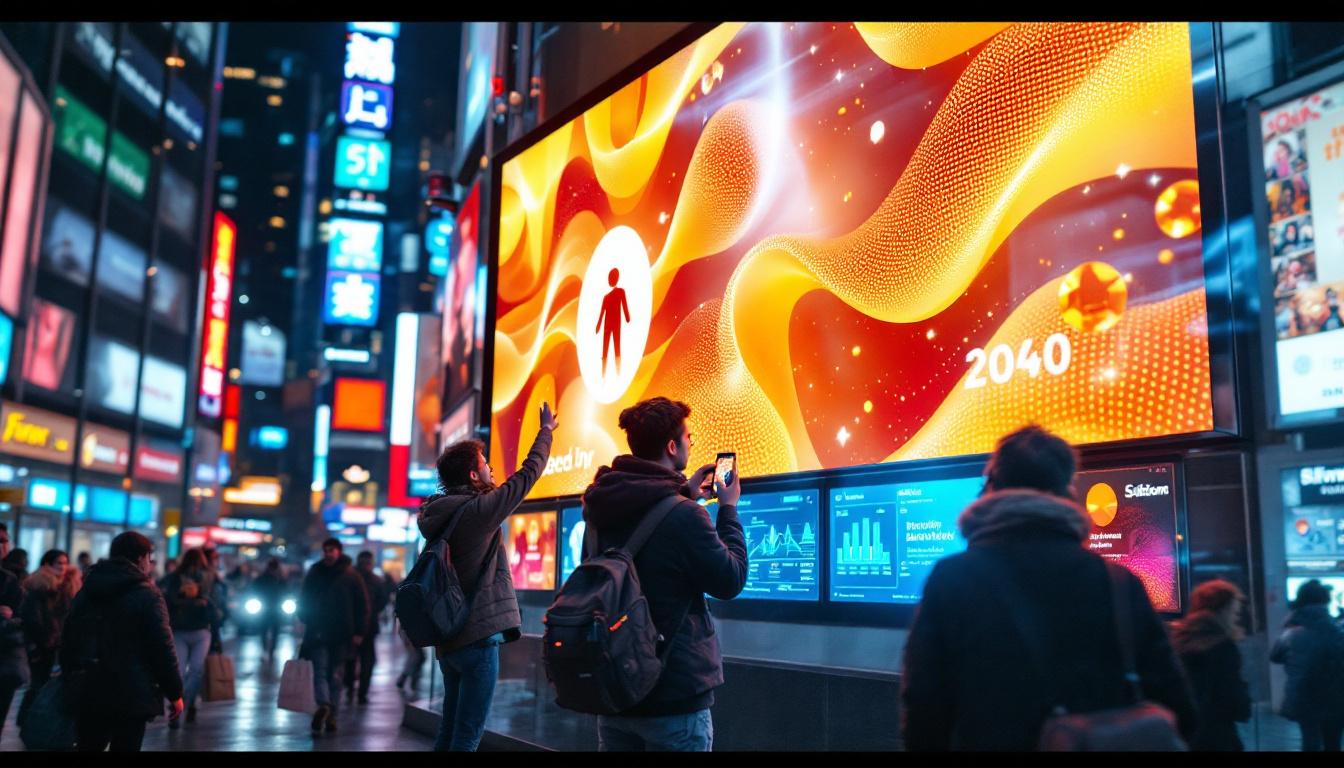
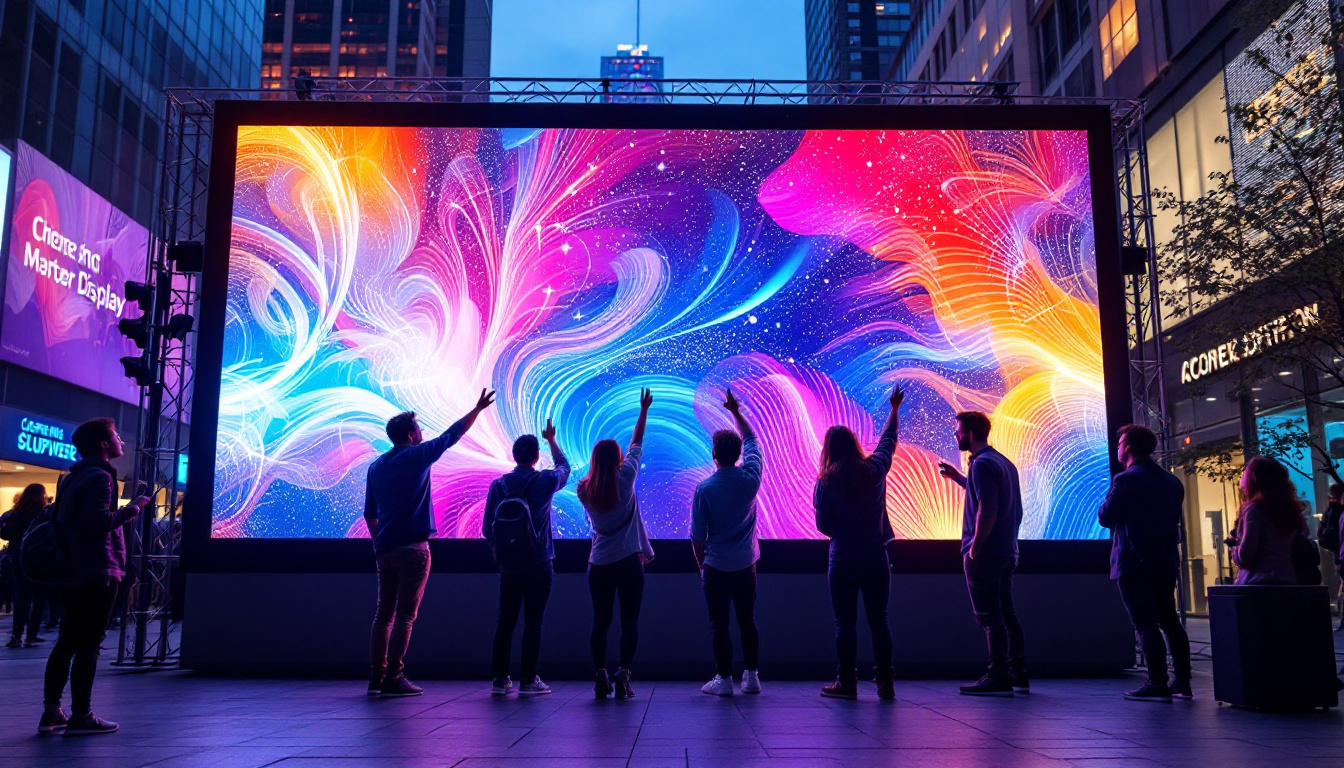
Some parties incorporate interactive LED displays that respond to guest movements or inputs, creating immersive environments. Examples include LED walls with touch sensors or motion tracking, allowing attendees to influence the visuals, making the experience more engaging and memorable.
Event Branding and Messaging
Corporate parties and sponsored events utilize LED displays to showcase branding, logos, and promotional messages. The ability to change content instantly enables event organizers to tailor messaging throughout the event, maximizing marketing impact.
Future Trends in LED Display Technology for Parties
The LED display industry continues to evolve rapidly, introducing innovations that will shape the future of party lighting and video.
MicroLED and MiniLED Advances
MicroLED and MiniLED technologies offer even higher resolution, better brightness, and improved energy efficiency. These smaller diodes enable ultra-fine pixel pitches, making displays virtually seamless and perfect for close-up viewing in premium party venues.
Integration with Augmented Reality (AR)
Combining LED displays with AR technology will allow for hybrid physical and digital experiences. Partygoers could interact with virtual elements projected on LED walls, blurring the lines between reality and digital art.
AI-Driven Content and Light Shows
Artificial intelligence is beginning to play a role in generating and synchronizing LED content in real-time. AI algorithms can analyze music, crowd reactions, and environmental factors to create adaptive light shows that enhance the party atmosphere dynamically.
Conclusion
LED displays have transformed party lighting from static illumination into dynamic, interactive visual experiences. Understanding the technology, types, and practical considerations of LED video walls empowers event organizers, DJs, and venue managers to create unforgettable events. Whether it’s a small indoor gathering or a massive outdoor festival, the right LED display setup can elevate the mood, energize the crowd, and leave a lasting impression.
As LED technology continues to advance, the possibilities for creative expression and audience engagement in party environments will only expand, making LED displays an essential tool for modern event production.
Illuminate Your Event with LumenMatrix
Ready to take your event to the next level with vibrant, dynamic LED displays? LumenMatrix is at the forefront of LED display innovation, offering a wide range of solutions tailored to your needs. Whether you’re looking for an Indoor LED Wall Display for your next corporate event, an Outdoor LED Wall Display for a festival, or any of our specialized options like Vehicle, Sports, or Floor LED Displays, we have you covered. Our mission is to transform your visual communication, ensuring your message resonates with clarity and impact. Don’t wait to create a captivating visual experience that will leave your audience in awe. Check out LumenMatrix LED Display Solutions today and light up your party with unforgettable brilliance.