In today’s digital era, the demand for high-quality computer monitors has skyrocketed, driven by the needs of professionals, gamers, and everyday users alike. Among the various types of displays available, widescreen LED monitors have become particularly popular due to their superior image quality, energy efficiency, and sleek design. This article delves into the world of PC monitor widescreens with LED displays, explaining their technology, benefits, and how to choose the right one for your needs.
Understanding Widescreen Monitors
What Defines a Widescreen Monitor?
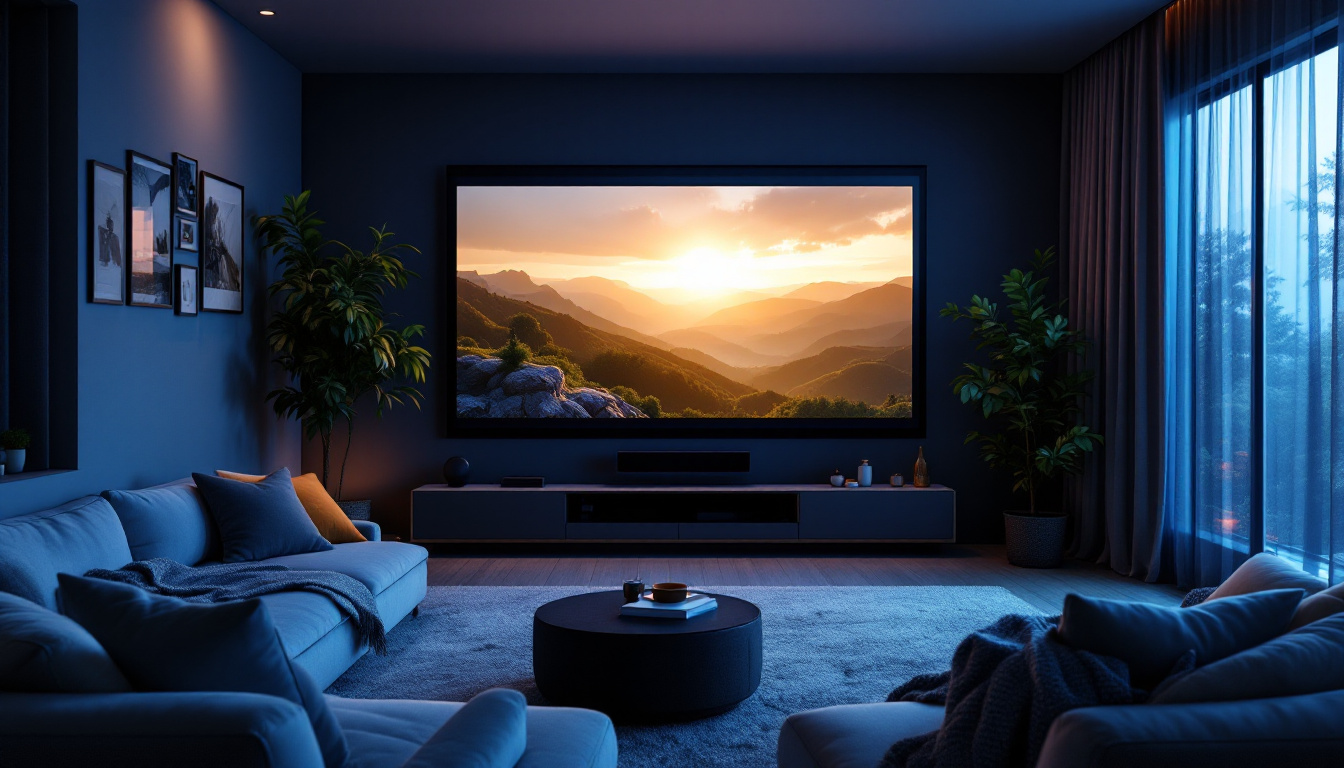
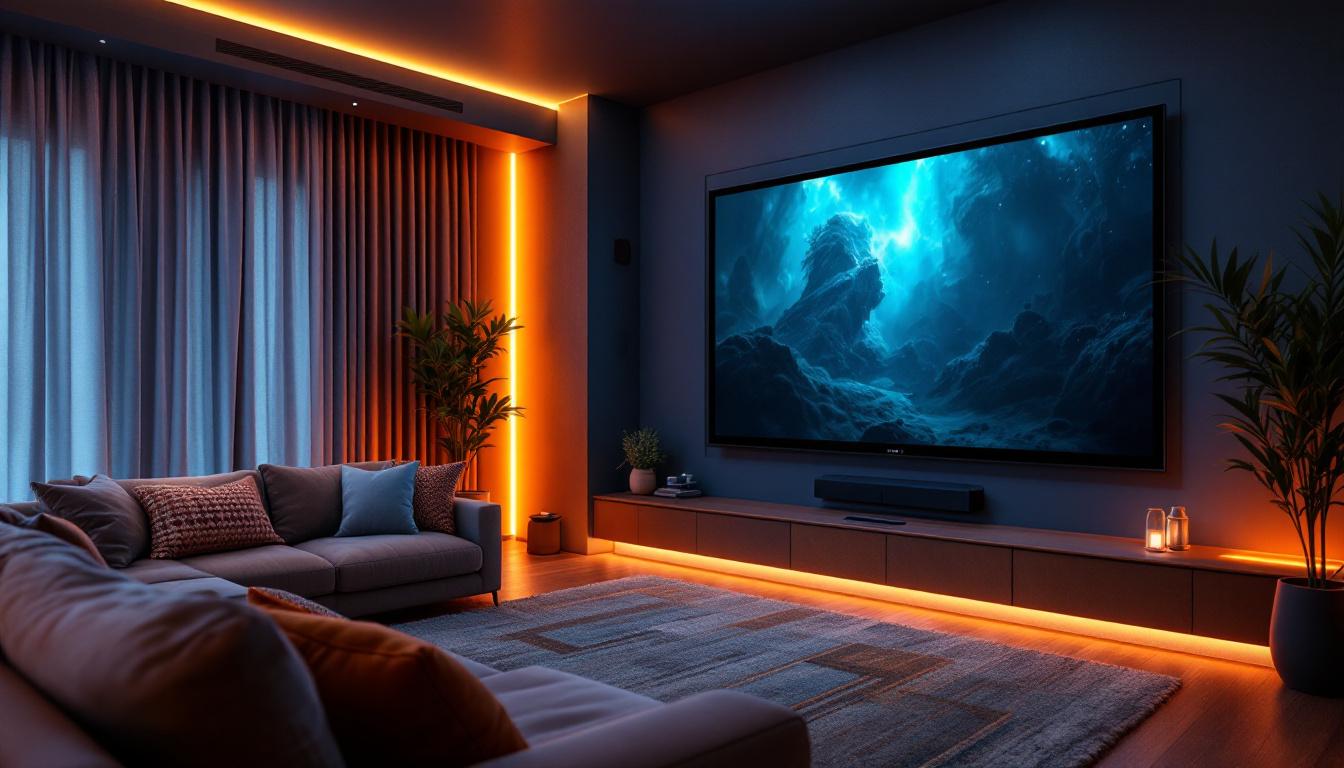
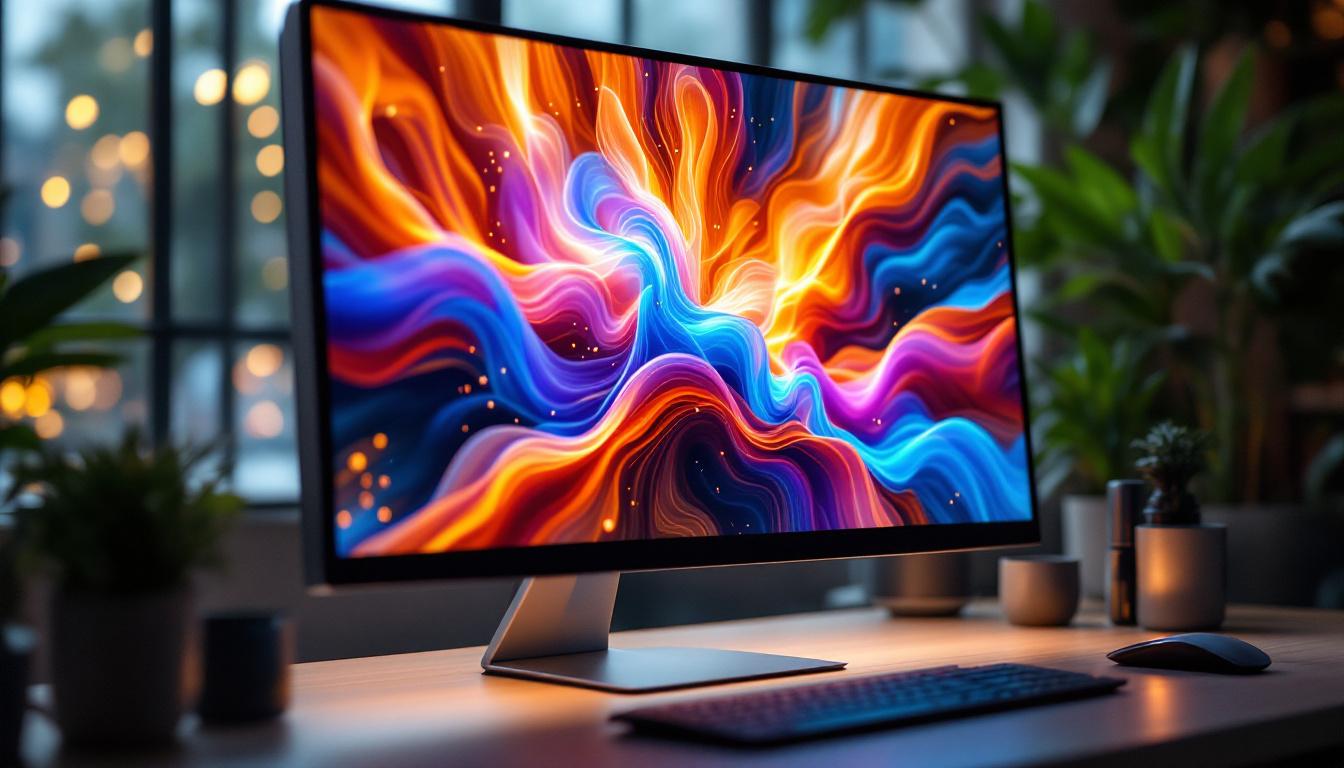
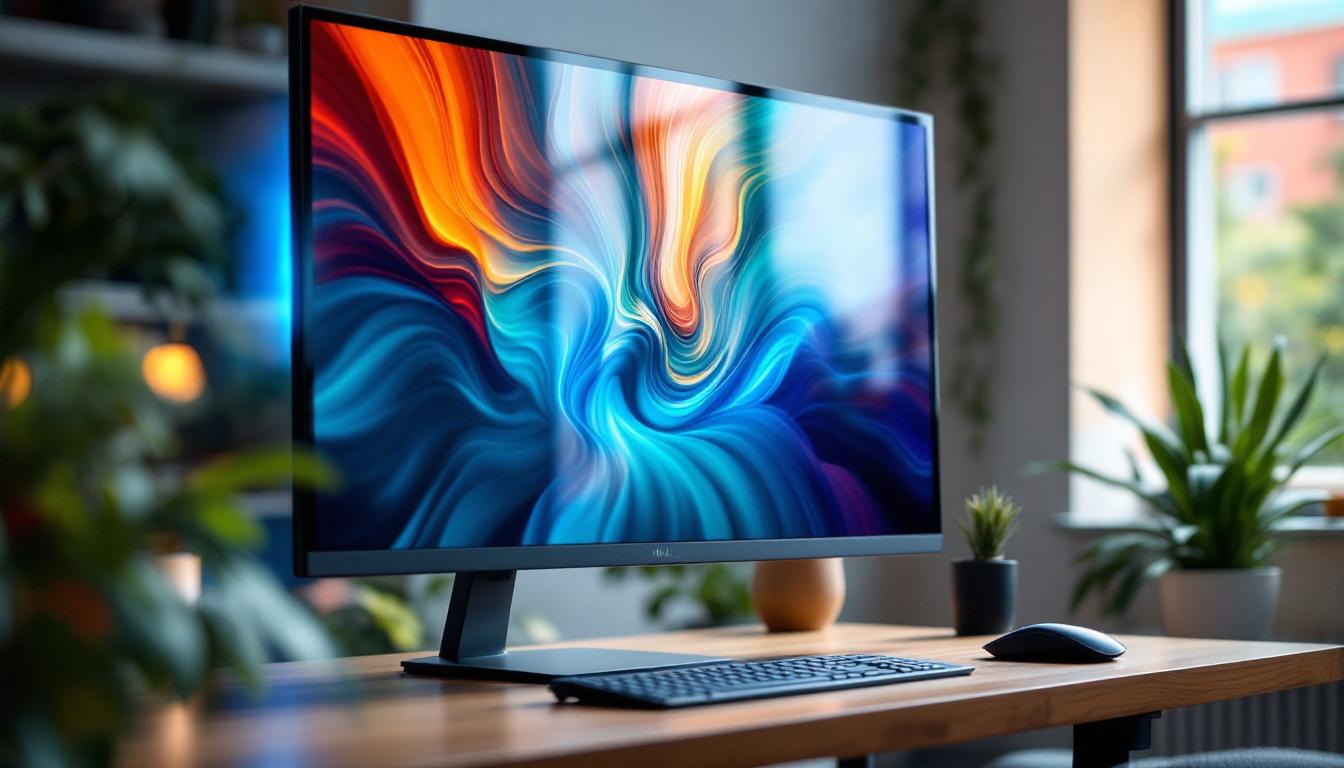
A widescreen monitor is characterized by its aspect ratio, which is the proportional relationship between the width and height of the display. Traditional monitors typically have a 4:3 aspect ratio, whereas widescreen monitors usually feature a 16:9 or 21:9 ratio. This means the screen is significantly wider than it is tall, providing more horizontal space for multitasking, immersive gaming, and cinematic viewing.
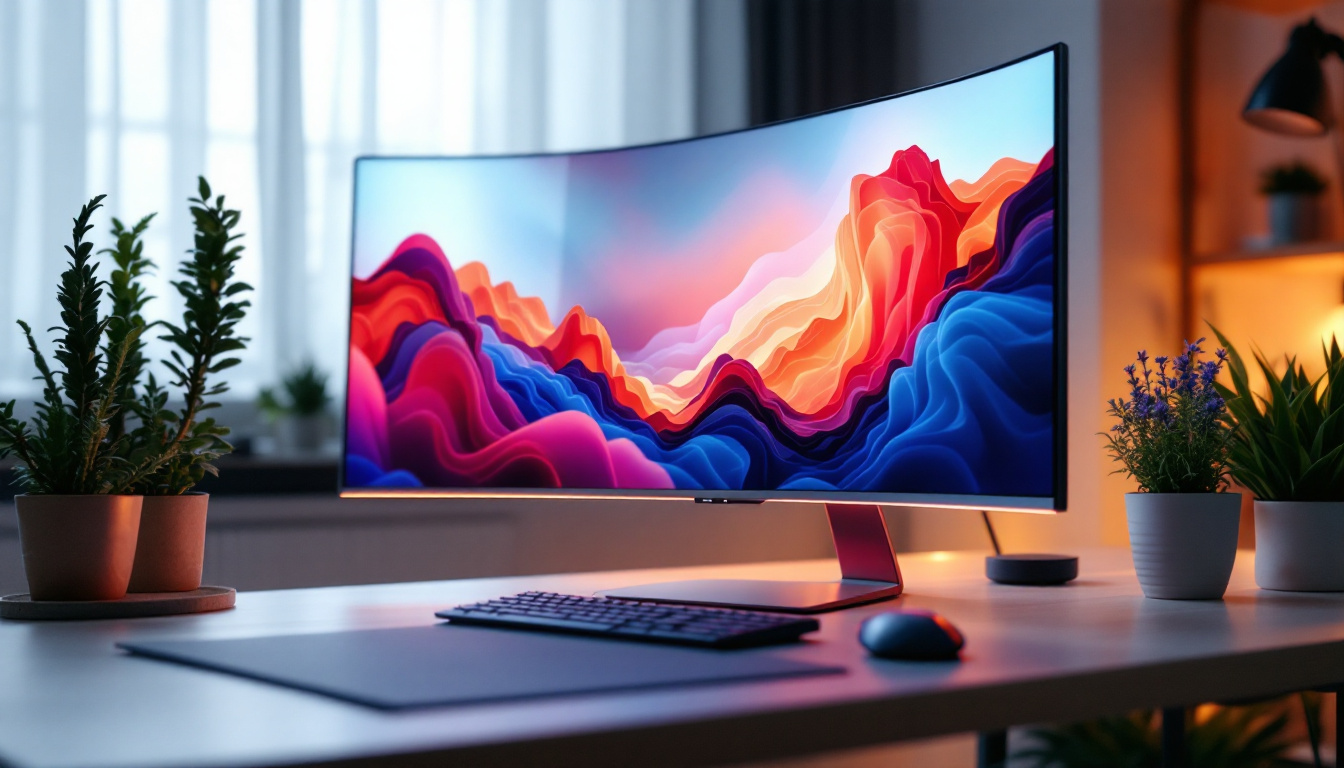
The 16:9 aspect ratio has become the industry standard for most consumer monitors and televisions, offering a balanced viewing experience suitable for a variety of applications. Meanwhile, ultrawide monitors with a 21:9 ratio cater to users who require even more screen real estate, such as video editors, graphic designers, and gamers looking for a more immersive experience. These ultrawide displays often come with curved screens, enhancing the sense of depth and drawing the viewer into the action, making them particularly appealing for those who spend long hours in front of their screens.
Benefits of Widescreen Displays
One of the primary advantages of widescreen monitors is the increased workspace. For professionals, this means the ability to have multiple windows open side by side without the need for multiple monitors. This can significantly enhance productivity, especially in fields like programming, financial analysis, and content creation. The ability to view extensive spreadsheets or large coding projects simultaneously can streamline workflows and reduce the time spent switching between applications.
For entertainment, widescreen monitors provide a more cinematic experience. Many movies and games are designed with widescreen formats in mind, so these monitors can display content in its native aspect ratio without black bars or distortion. Additionally, the wider field of view in gaming can offer a competitive edge by allowing players to see more of the game environment. This is particularly advantageous in fast-paced games where situational awareness is crucial. Moreover, the advancements in display technology, such as higher refresh rates and improved color accuracy, further enhance the visual experience, making widescreen monitors a popular choice among enthusiasts and casual users alike.
Moreover, widescreen monitors often come equipped with features such as Picture-in-Picture (PiP) and Picture-by-Picture (PbP) modes, which allow users to view multiple inputs at once. This can be particularly beneficial for professionals who may need to reference a video call while working on a presentation or for gamers who want to keep an eye on a live stream while playing. The versatility of widescreen monitors extends beyond just their size; they are designed to accommodate a variety of use cases, making them an essential tool in both personal and professional settings.
The Technology Behind LED Displays
What is an LED Display?
LED stands for Light Emitting Diode, a technology used for backlighting in LCD (Liquid Crystal Display) panels. Unlike older CCFL (Cold Cathode Fluorescent Lamp) backlights, LED backlighting uses tiny diodes that emit light when an electric current passes through them. This shift has led to several improvements in monitor performance and efficiency.
It’s important to note that LED monitors are essentially LCD monitors with LED backlighting. The LCD panel itself controls the image, while the LEDs provide the illumination. This combination allows for thinner, lighter, and more energy-efficient monitors compared to traditional LCDs with fluorescent backlights.
Types of LED Backlighting
There are two main types of LED backlighting used in widescreen monitors: edge-lit and full-array.
- Edge-lit LED: LEDs are placed along the edges of the screen, and light is diffused across the panel. This design enables ultra-thin monitors but can sometimes lead to uneven brightness and less precise local dimming.
- Full-array LED: LEDs are distributed evenly behind the entire screen, allowing for better control of brightness and contrast through local dimming zones. This results in deeper blacks and improved picture quality, especially in HDR content.
Choosing between these types depends on your budget and desired image quality. Full-array LED monitors tend to be more expensive but offer superior performance.
Advantages of LED Widescreen Monitors
Enhanced Image Quality
LED backlighting contributes to brighter displays with higher contrast ratios. This means colors appear more vibrant, and blacks are deeper compared to older LCD technologies. For professionals in photography, design, or video editing, accurate color reproduction is crucial, and many LED widescreen monitors support wide color gamuts such as Adobe RGB or DCI-P3.
Energy Efficiency and Longevity
LEDs consume less power than traditional CCFL backlights, making LED monitors more energy-efficient. This not only reduces electricity bills but also contributes to a lower environmental footprint. Moreover, LEDs have a longer lifespan, often exceeding 50,000 hours, which means the monitor will maintain consistent brightness and color performance over many years.
Sleek Design and Reduced Eye Strain
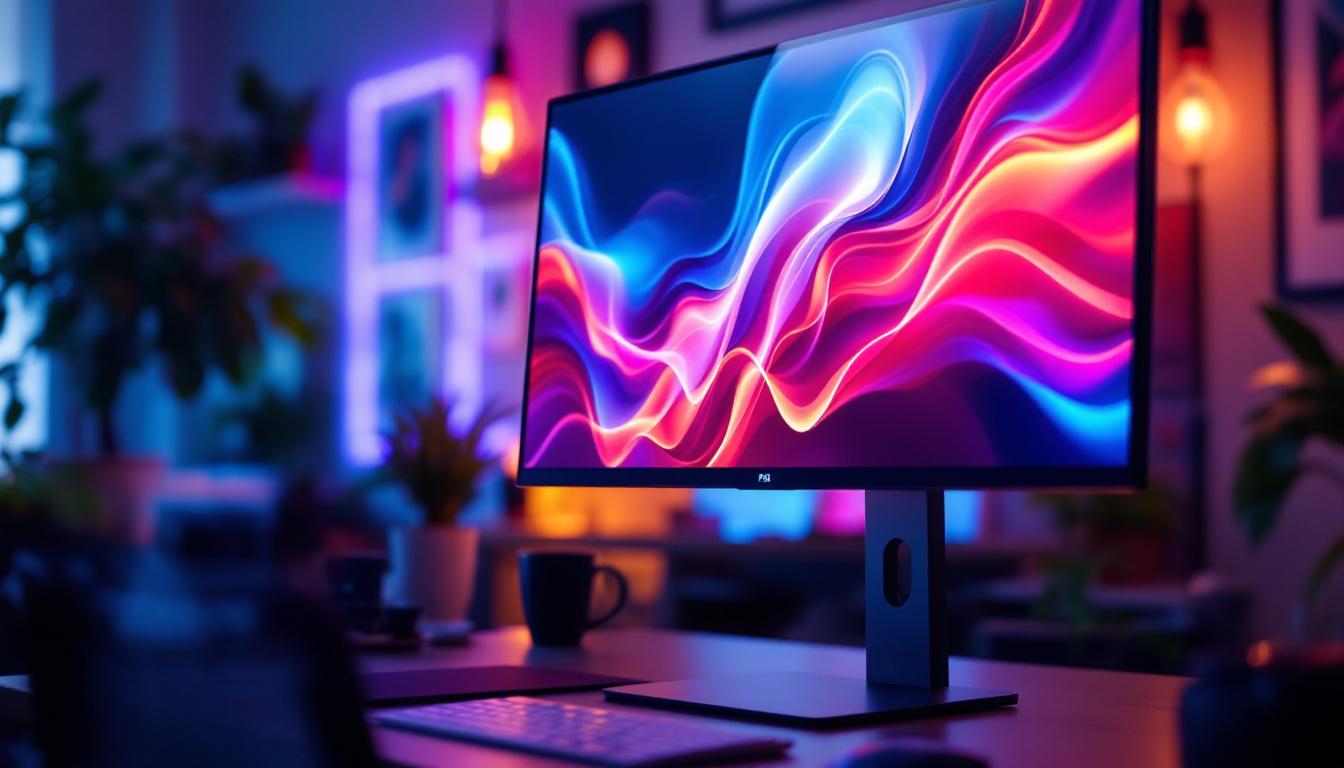
The slim profile of LED monitors allows for modern, minimalist designs that fit well in any workspace. Many widescreen LED monitors also incorporate flicker-free technology and blue light filters, which help reduce eye strain during extended use. This is particularly important for users who spend long hours in front of the screen, such as office workers and gamers.
Choosing the Right Widescreen LED Monitor
Consider Your Use Case
Before purchasing a widescreen LED monitor, it’s essential to identify your primary use cases. For general office work, a 24- to 27-inch monitor with a 16:9 aspect ratio and Full HD (1920×1080) resolution may suffice. However, for creative professionals or gamers, larger screens with higher resolutions such as 2560×1440 (QHD) or 3840×2160 (4K UHD) are preferable.
Ultrawide monitors (21:9) ranging from 29 to 34 inches are excellent for multitasking and immersive gaming. They provide a broader workspace but may require a more powerful graphics card to handle the increased pixel count.
Resolution and Refresh Rate
Resolution determines the sharpness of the image. Higher resolutions mean more pixels, resulting in crisper visuals. For widescreen monitors, 1080p is the baseline, but 1440p and 4K are becoming increasingly affordable and popular.
Refresh rate, measured in hertz (Hz), indicates how many times the screen updates per second. Standard monitors have 60Hz, but gaming monitors often offer 120Hz, 144Hz, or even 240Hz for smoother motion and reduced input lag. Professionals working with video may also benefit from higher refresh rates for more fluid playback.
Panel Types and Viewing Angles
The type of LCD panel affects color accuracy, contrast, and viewing angles. The most common panel types are:
- TN (Twisted Nematic): Offers fast response times and high refresh rates but poorer color accuracy and narrow viewing angles.
- IPS (In-Plane Switching): Provides excellent color reproduction and wide viewing angles, making it ideal for professional work and general use.
- VA (Vertical Alignment): Balances good contrast and color accuracy with decent response times, often used in budget-friendly monitors.
For widescreen LED monitors, IPS panels are generally recommended due to their superior color fidelity and consistent image quality from different angles.
Connectivity and Ergonomics
Modern widescreen monitors offer various connectivity options such as HDMI, DisplayPort, USB-C, and sometimes legacy ports like VGA or DVI. USB-C ports are particularly useful for users who want to connect laptops or mobile devices with a single cable that carries video, data, and power.
Ergonomics also play a crucial role in comfort and productivity. Look for monitors with adjustable height, tilt, swivel, and pivot features to customize your viewing position. Some widescreen monitors also support VESA mounts for flexible placement.
Popular Use Cases for Widescreen LED Monitors
Professional Workstations
In creative industries such as graphic design, video editing, and CAD, widescreen LED monitors are invaluable. The expanded horizontal space allows for detailed timelines, toolbars, and multiple windows to be displayed simultaneously. High color accuracy and HDR support ensure that the final output matches the creator’s vision.
Gaming Setups
Gamers benefit from widescreen LED monitors by enjoying immersive gameplay with wider fields of view. High refresh rates and low response times reduce motion blur and input lag, enhancing competitive performance. Additionally, features like G-Sync or FreeSync synchronize the monitor’s refresh rate with the graphics card to eliminate screen tearing.
General Productivity and Multitasking
For office workers and students, widescreen monitors simplify multitasking by reducing the need for multiple displays. This can lead to a cleaner desk setup and less distraction. The energy efficiency of LED displays also makes them suitable for long-term daily use.
Future Trends in Widescreen LED Monitor Technology
Mini-LED and Micro-LED Innovations
Emerging technologies like Mini-LED and Micro-LED promise to further enhance LED monitor performance. Mini-LED uses thousands of tiny LEDs for backlighting, enabling even more precise local dimming and higher contrast ratios. Micro-LED, still in development for consumer products, aims to combine the best features of OLED and LED displays, offering perfect blacks, high brightness, and long lifespan without burn-in issues.
Higher Resolutions and Refresh Rates
As content creation and gaming demands increase, widescreen monitors will continue to push boundaries with 5K and 8K resolutions. Refresh rates beyond 240Hz are also being explored, particularly for esports and professional gaming markets.
Integration with Smart Technologies
Future widescreen LED monitors may integrate more smart features such as voice control, AI-based eye strain reduction, and adaptive brightness that learns user preferences. Connectivity will also improve with faster wireless standards and seamless multi-device support.
Conclusion
Widescreen LED monitors represent a significant advancement in display technology, combining expansive screen real estate with vibrant, energy-efficient lighting. Whether for professional use, gaming, or everyday productivity, these monitors offer versatile solutions tailored to diverse needs. Understanding the nuances of aspect ratios, LED backlighting, panel types, and connectivity options empowers consumers to make informed decisions that enhance their computing experience.
As technology continues to evolve, widescreen LED monitors will remain at the forefront of visual innovation, delivering clearer images, richer colors, and more immersive environments for users worldwide.
Discover the Future of Visual Display with LumenMatrix
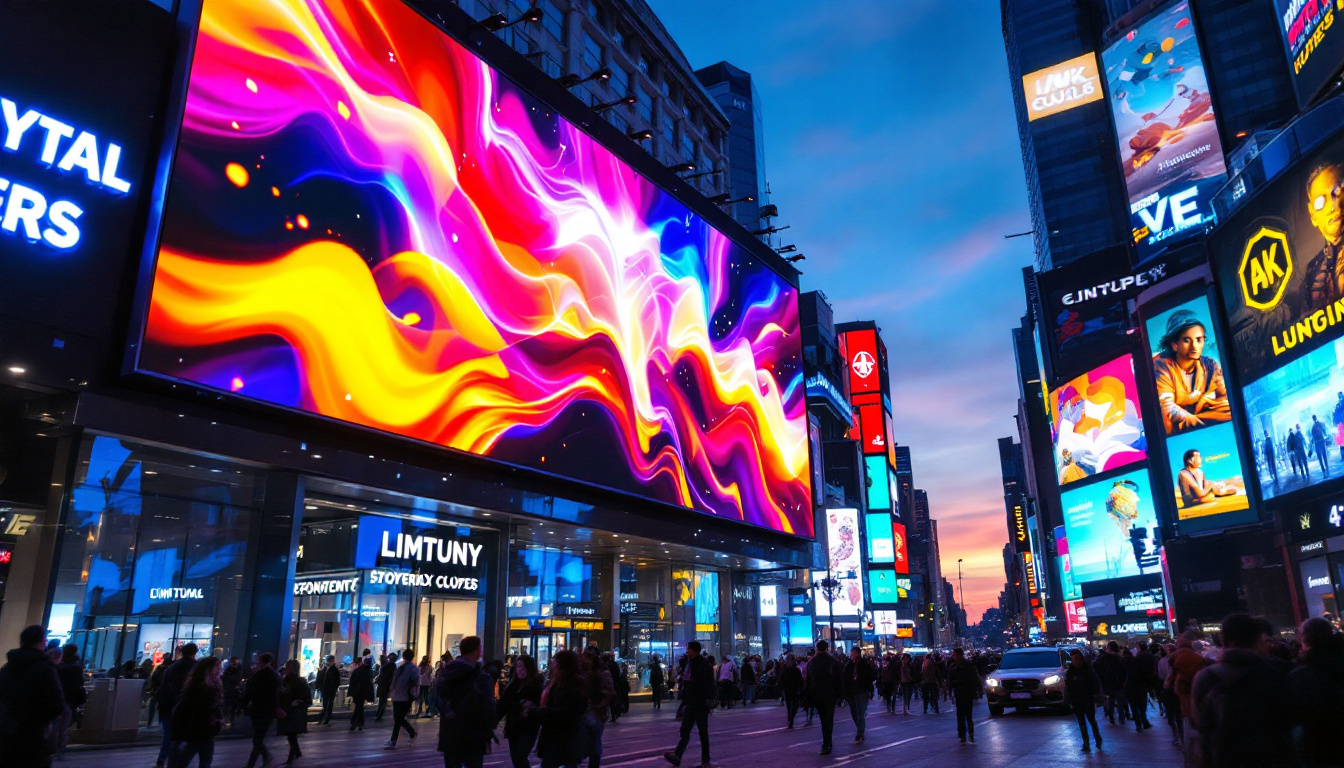
Ready to elevate your visual experience with the latest in widescreen LED technology? Look no further than LumenMatrix, a pioneer in crafting LED displays that bring your content to life. Whether you’re looking to boost your brand’s presence, immerse yourself in gaming worlds, or enhance your workspace, LumenMatrix offers a comprehensive range of solutions including Indoor and Outdoor LED Wall Displays, Vehicle LED Displays, and more. Each product is designed to captivate and engage, ensuring your message is seen with unparalleled clarity and impact. Don’t wait to transform your visual communication—Check out LumenMatrix LED Display Solutions today and join the revolution in display technology.