When discussing LED displays, especially in the context of size and resolution, understanding measurements is crucial. One common question that arises is how to convert metric dimensions like 0.7 meters into inches, and why this conversion matters in the LED display industry. This article will explore the conversion of 0.7 meters into inches and delve into how this measurement relates to LED display technology, including pixel pitch, screen size, and viewing distance. Whether you’re a professional in the audiovisual field, a business owner considering digital signage, or simply curious about LED technology, this comprehensive guide will clarify the essentials.
Converting 0.7 Meters to Inches: The Basics
Before diving into the specifics of LED displays, it’s important to understand the fundamental conversion between meters and inches. The metric system is widely used internationally, but many industries, particularly in the United States, rely on imperial units like inches. This duality can sometimes lead to confusion, especially when dealing with technical specifications where precision is key.
How Many Inches Are in 0.7 Meters?
One meter equals approximately 39.3701 inches. To convert 0.7 meters to inches, multiply 0.7 by 39.3701:
0.7 meters × 39.3701 inches/meter = 27.559 inches
Therefore, 0.7 meters is roughly 27.56 inches. This measurement is useful when specifying the physical dimensions of an LED display or its components. For example, if you are considering a display that is 0.7 meters wide, knowing that it translates to about 27.56 inches can help you visualize how it will fit into your intended space, whether that be a retail setting, an event venue, or a home theater.
Why Does This Conversion Matter for LED Displays?
LED displays are often designed and marketed using a mix of metric and imperial units. Manufacturers might specify pixel pitch in millimeters, while screen size or installation space might be given in feet or inches. Understanding conversions ensures accurate planning and communication, especially for international projects. This is particularly crucial in collaborative environments where teams from different countries are involved, as a miscommunication in measurements can lead to costly errors in design and implementation.
For instance, a pixel pitch of 0.7 mm (millimeters) is a common specification in high-resolution LED panels. While 0.7 meters is a much larger scale, knowing how to convert between units helps in interpreting technical data and making informed decisions. Additionally, the physical size of the display can impact viewing distance and clarity, which are essential factors in determining the effectiveness of the display in various settings. Understanding these measurements allows designers and engineers to optimize the viewing experience, ensuring that the display meets the needs of its intended audience, whether for advertising, information dissemination, or entertainment purposes.
Understanding LED Display Measurements
LED displays are complex systems with multiple specifications that define their performance and suitability for different applications. Size, resolution, pixel pitch, and viewing distance all interplay to create the final visual experience.
What Is Pixel Pitch and How Does It Relate to Size?
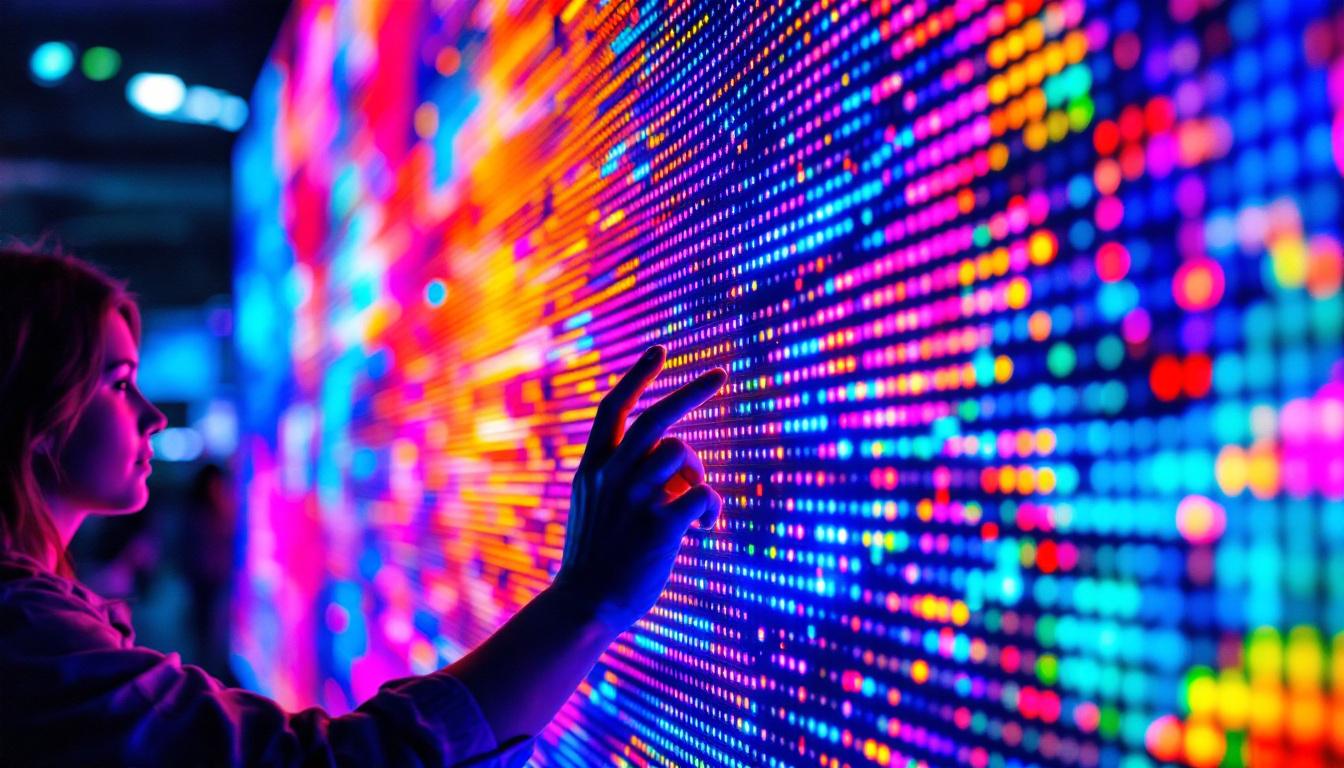
Pixel pitch refers to the distance from the center of one LED cluster (pixel) to the center of the next, usually measured in millimeters. A smaller pixel pitch means more pixels per unit area, resulting in higher resolution and better image clarity, especially at close viewing distances.
For example, a pixel pitch of 0.7 mm is considered fine pitch and is commonly used in indoor LED displays where viewers are close to the screen, such as in control rooms, broadcast studios, or retail environments.
Screen Size: Physical Dimensions vs. Resolution
While pixel pitch determines resolution, the physical size of the LED display is measured in meters or feet. A 0.7-meter dimension might refer to the height or width of a display panel or a module within a larger screen.
Converting this to inches (approximately 27.56 inches) helps in visualizing the size, especially when planning installations or comparing with other display technologies like LCD or OLED screens.
Example: A 0.7 m x 1.4 m LED Display
Consider an LED display that measures 0.7 meters in height and 1.4 meters in width. Converting these dimensions to inches:
- Height: 0.7 m × 39.3701 = 27.56 inches
- Width: 1.4 m × 39.3701 = 55.12 inches
This means the display is approximately 27.5 inches tall and 55 inches wide, roughly the size of a large TV or monitor wall. Knowing this helps in assessing whether the display fits the intended space and meets viewing requirements.
Applications of 0.7 Meter LED Displays
Understanding the size and resolution of LED displays is essential for selecting the right product for specific applications. Displays around 0.7 meters in dimension are common in various settings, each with unique requirements.
Indoor Fine Pitch LED Displays
Indoor environments often demand high-resolution displays for close viewing distances. A 0.7-meter tall LED panel with a 0.7 mm pixel pitch can deliver crisp images suitable for:
- Corporate conference rooms
- Broadcast studios
- Retail signage
- Exhibition booths
These displays offer vibrant colors and sharp details, enhancing communication and engagement.
Modular LED Walls
LED displays are typically modular, composed of multiple panels that can be combined to create larger screens. A 0.7-meter panel might be one module in a video wall, allowing for flexible configurations tailored to venue size and audience needs.
For example, a video wall made of 0.7 m x 0.7 m panels can be assembled into a 3 m x 2 m screen by arranging multiple modules, providing a seamless viewing experience.
Outdoor LED Displays
While 0.7 meters is more common indoors, some outdoor LED displays use similar panel sizes for easier transport and installation. However, outdoor LED displays typically have larger pixel pitches (e.g., 4 mm to 10 mm) due to longer viewing distances and environmental considerations.
Viewing Distance and Pixel Pitch: Why Size Matters
The relationship between LED display size, pixel pitch, and viewing distance is critical to achieving optimal image quality. Understanding how these factors interact helps in selecting the right display for any environment.
Determining Optimal Viewing Distance
Optimal viewing distance is the distance at which the human eye can fully appreciate the resolution of the display without seeing individual pixels. A general rule of thumb is:
Optimal Viewing Distance (in meters) ≈ Pixel Pitch (in mm) × 1.5 to 2
For a pixel pitch of 0.7 mm, the optimal viewing distance is approximately 1 to 1.4 meters (3.3 to 4.6 feet). This means viewers closer than this may see pixel structure, while those farther away benefit from smooth images.
How Does a 0.7 Meter Dimension Fit Into Viewing Distance?
If the LED display height is 0.7 meters (27.5 inches), the screen is relatively compact, suitable for close-range viewing environments. For example, in a retail store, customers might stand within 1 meter of the screen, making a 0.7 mm pixel pitch ideal for clear, detailed visuals.
Impact on Content Design
Knowing the physical size and pixel pitch helps content creators design visuals that maximize the display’s potential. High-resolution content with fine details is best suited for fine-pitch LED displays, while simpler graphics work well on larger pixel pitch screens.
Technical Considerations When Working with 0.7 m LED Displays
Beyond size and resolution, several technical factors influence the performance and installation of LED displays around 0.7 meters in dimension.
Power Consumption and Heat Management
Fine-pitch LED displays with small pixel pitches like 0.7 mm often consume more power due to the density of LEDs. Proper heat dissipation and ventilation are essential to maintain performance and longevity.
Designers and installers must consider these factors, especially in enclosed spaces, to prevent overheating and ensure consistent brightness and color accuracy.
Installation and Maintenance
Modular panels measuring approximately 0.7 meters are manageable for installation teams, allowing for easier transport and assembly compared to larger panels. However, precise alignment is necessary to avoid visible seams or misalignment in the video wall.
Regular maintenance, including cleaning and inspection of LED modules, is vital to prevent dead pixels and maintain image quality over time.
Connectivity and Control Systems
Modern LED displays integrate with sophisticated control systems that manage content playback, brightness, and color calibration. When working with 0.7 m panels, ensuring compatibility with control hardware and software is essential for seamless operation.
Future Trends in LED Display Technology
The LED display industry continues to evolve rapidly, with innovations that impact size, resolution, and application possibilities.
Smaller Pixel Pitches and Higher Resolutions
Advancements in LED manufacturing have led to pixel pitches below 0.7 mm, pushing the boundaries of image clarity. These ultra-fine pitch displays are increasingly used in premium indoor applications, including virtual production studios and immersive environments.
Flexible and Transparent LED Displays
Emerging technologies allow LED panels to be flexible or transparent, expanding design possibilities. While these displays may not yet commonly measure exactly 0.7 meters, their modular nature means similar size panels could be adapted for creative installations.
Energy Efficiency and Sustainability
With growing emphasis on sustainability, LED manufacturers are developing more energy-efficient panels with lower power consumption and longer lifespans. This trend benefits all sizes of LED displays, including those around 0.7 meters, by reducing operational costs and environmental impact.
Conclusion
Understanding the conversion of 0.7 meters to inches—approximately 27.56 inches—is a foundational step in grasping LED display specifications. This measurement, combined with knowledge of pixel pitch, screen size, and viewing distance, enables better decision-making for selecting and deploying LED displays.
Whether for indoor fine-pitch applications, modular video walls, or specialized installations, the interplay of size and resolution defines the visual experience. As LED technology advances, staying informed about these technical details ensures that users and professionals alike can leverage the full potential of modern LED displays.
Ultimately, precise measurement conversions and a deep understanding of LED display characteristics empower users to create impactful, visually stunning environments tailored to their unique needs.
Explore Cutting-Edge LED Displays with LumenMatrix
Ready to transform your space with the latest in LED display technology? LumenMatrix offers a comprehensive range of innovative solutions tailored to your needs. From captivating Indoor and Outdoor LED Wall Displays to dynamic Vehicle and Sports LED Displays, our products are designed to make a lasting impression. Discover the possibilities with our LED Poster Displays, immersive Floor LED Displays, and the versatility of Custom and All-in-One LED Display solutions. Experience the future of visual communication with our LED Transparent Displays and revolutionize how you engage with your audience. Check out LumenMatrix LED Display Solutions today and elevate your visual storytelling to new heights.