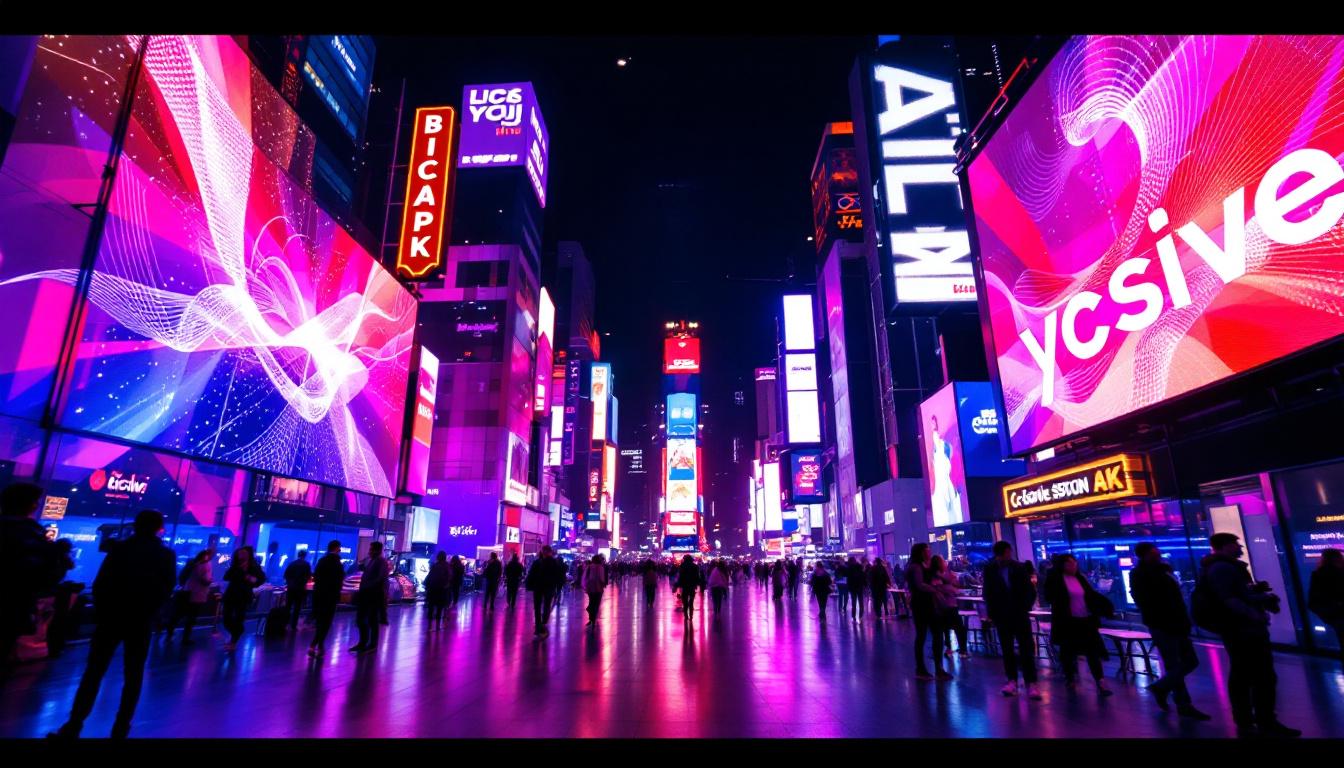
In today’s fast-paced world, visual communication is more important than ever. From bustling city streets to corporate lobbies, LED displays have become a cornerstone of modern signage. Their vibrant colors, dynamic content, and energy efficiency make them a preferred choice for businesses and advertisers worldwide. This article delves into the world of LED signage, explaining what LED displays are, how they work, and why they have revolutionized the signage industry.
What Is an LED Display?
LED stands for Light Emitting Diode, a semiconductor device that emits light when an electric current passes through it. An LED display is a flat panel or screen that uses an array of these tiny diodes to produce images, videos, and text. These displays are widely used in advertising, information dissemination, and entertainment due to their brightness, durability, and versatility.
Unlike traditional signage that relies on static images or printed materials, LED displays can change content dynamically. This capability allows businesses to update messages in real-time, tailor content to specific audiences, and create visually striking presentations that capture attention. The technology behind LED displays has evolved significantly, enabling features like high-definition resolution and energy efficiency, which further enhance their appeal in various settings.
Types of LED Displays
LED displays come in various forms, each suited to different applications:
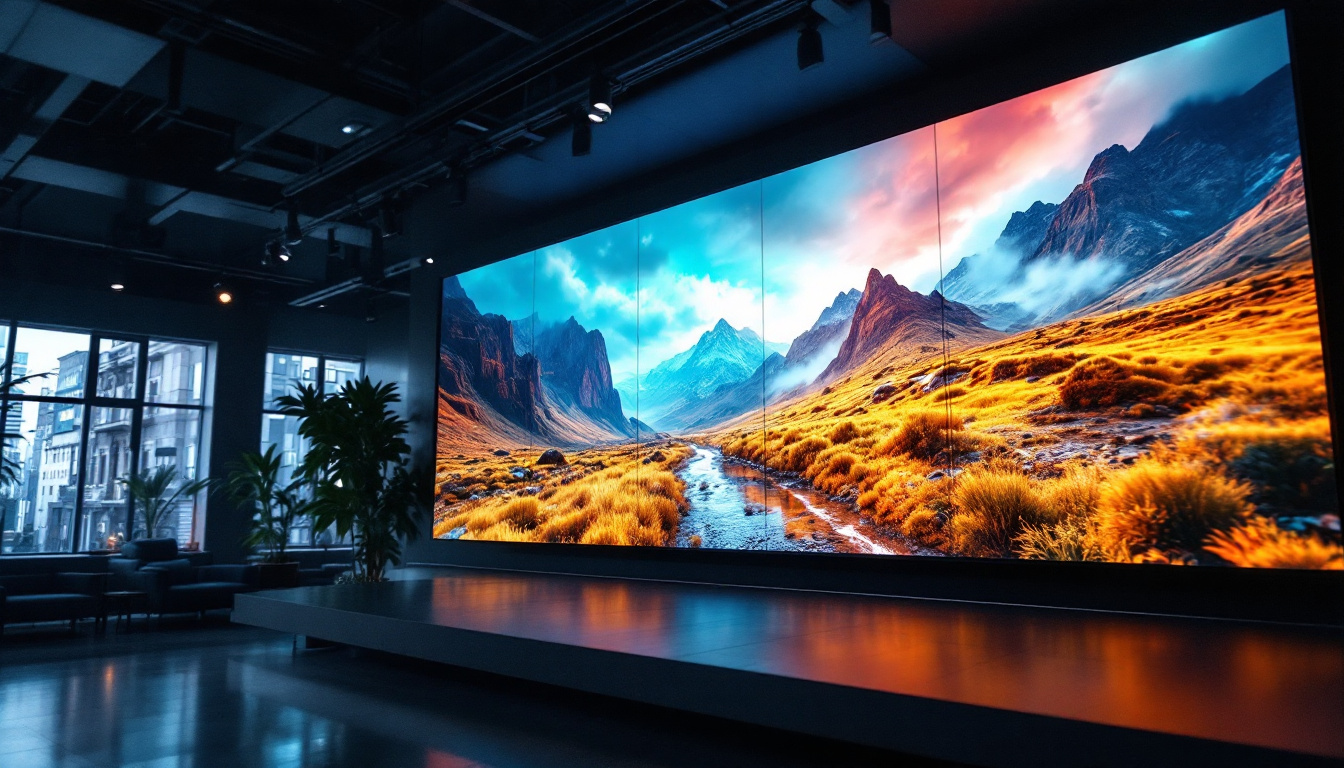
- Indoor LED Displays: Designed for environments like malls, airports, and conference centers, these displays offer high resolution and brightness optimized for controlled lighting conditions.
- Outdoor LED Displays: Built to withstand weather elements, these are brighter and more robust, ideal for billboards, stadiums, and public spaces.
- Flexible LED Displays: These innovative displays can bend and curve, enabling creative installations on non-flat surfaces.
- Transparent LED Displays: Used primarily in retail and architectural settings, these allow light to pass through while displaying content, blending signage with the environment.
In addition to these types, LED displays are also categorized by their pixel pitch, which refers to the distance between the centers of two adjacent pixels. A smaller pixel pitch typically results in higher resolution and sharper images, making it ideal for close viewing distances. Conversely, larger pixel pitches are more suited for applications where viewers are farther away, such as large outdoor billboards. Furthermore, advancements in LED technology have led to the development of energy-efficient displays that consume less power while maintaining high brightness levels, making them an environmentally friendly choice for businesses looking to reduce their carbon footprint.
Moreover, the integration of smart technology into LED displays has opened new avenues for interactivity and engagement. Many modern LED displays can connect to the internet, allowing for remote content management and real-time updates. This feature is particularly beneficial for businesses that want to engage their audience with timely promotions or event announcements. Additionally, some LED displays now incorporate sensors and cameras, enabling them to respond to viewer interactions or environmental changes, further enhancing the user experience and making them a powerful tool for marketing and communication.
How LED Displays Work
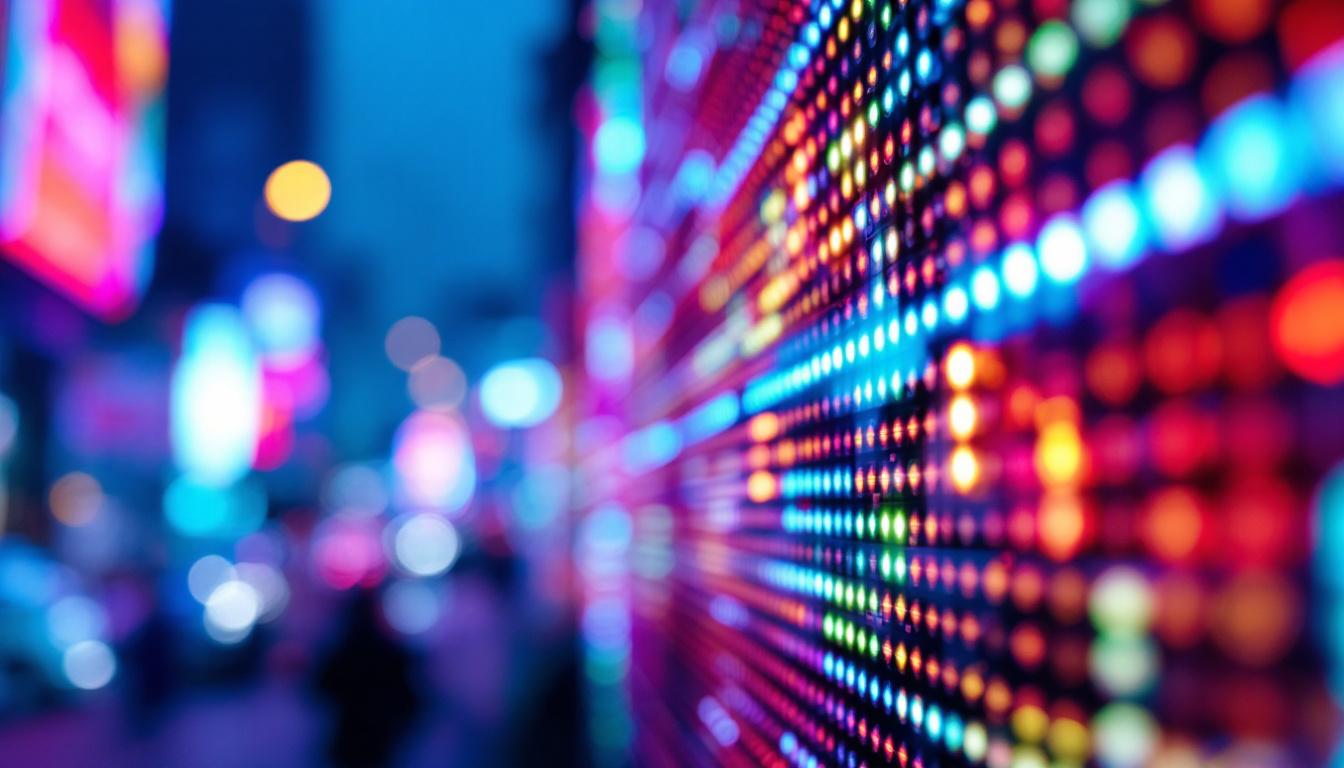
Understanding the technology behind LED displays helps appreciate their capabilities and limitations. At their core, LED displays consist of thousands to millions of tiny LEDs arranged in a grid, known as pixels. Each pixel comprises red, green, and blue LEDs that combine to create a full spectrum of colors.
Pixel Pitch and Resolution
One of the critical factors influencing image quality is pixel pitch, which is the distance between the centers of two adjacent pixels. A smaller pixel pitch means more pixels per unit area, resulting in higher resolution and sharper images. For indoor displays viewed up close, pixel pitches can be as small as 1mm, while outdoor displays typically have larger pitches ranging from 4mm to 20mm due to the longer viewing distances.
Brightness and Contrast
LED displays are renowned for their brightness, often measured in nits (candelas per square meter). Outdoor LED screens can reach brightness levels exceeding 5,000 nits, ensuring visibility even under direct sunlight. Contrast ratios, which compare the luminance of the brightest white to the darkest black, are also crucial for image clarity. LEDs inherently provide high contrast because they emit light directly and can be turned off completely to produce true blacks.
Control Systems and Content Management
Modern LED signage is controlled by sophisticated software that manages content scheduling, playback, and display settings. These systems allow operators to remotely update content, adjust brightness based on ambient light, and monitor the health of the display. Integration with sensors and data feeds enables real-time information displays, such as news tickers, weather updates, or social media feeds.
Advantages of LED Signage
LED displays offer numerous benefits over traditional signage and other digital display technologies such as LCD or projection. Their unique properties make them a compelling choice for a wide range of applications.
Energy Efficiency and Longevity
Compared to incandescent or fluorescent lighting, LEDs consume significantly less power while providing higher brightness. This energy efficiency translates into lower operational costs, especially for large-scale or 24/7 installations. Additionally, LEDs have a long lifespan, often exceeding 100,000 hours, reducing maintenance and replacement expenses.
Vibrant and Dynamic Content
The ability to display vivid colors and dynamic content is a major advantage. LED displays can show animations, videos, and interactive content, creating engaging experiences that static signs cannot match. This versatility allows advertisers to tailor messages based on time of day, audience demographics, or special events.
Durability and Weather Resistance
Outdoor LED displays are engineered to withstand harsh environmental conditions, including rain, snow, wind, and extreme temperatures. Their robust construction ensures consistent performance and minimal downtime, making them reliable tools for communication in public spaces.
Applications of LED Displays in Signage
LED signage has permeated numerous industries, transforming how information is presented and perceived. Here are some of the most impactful applications:
Advertising and Marketing
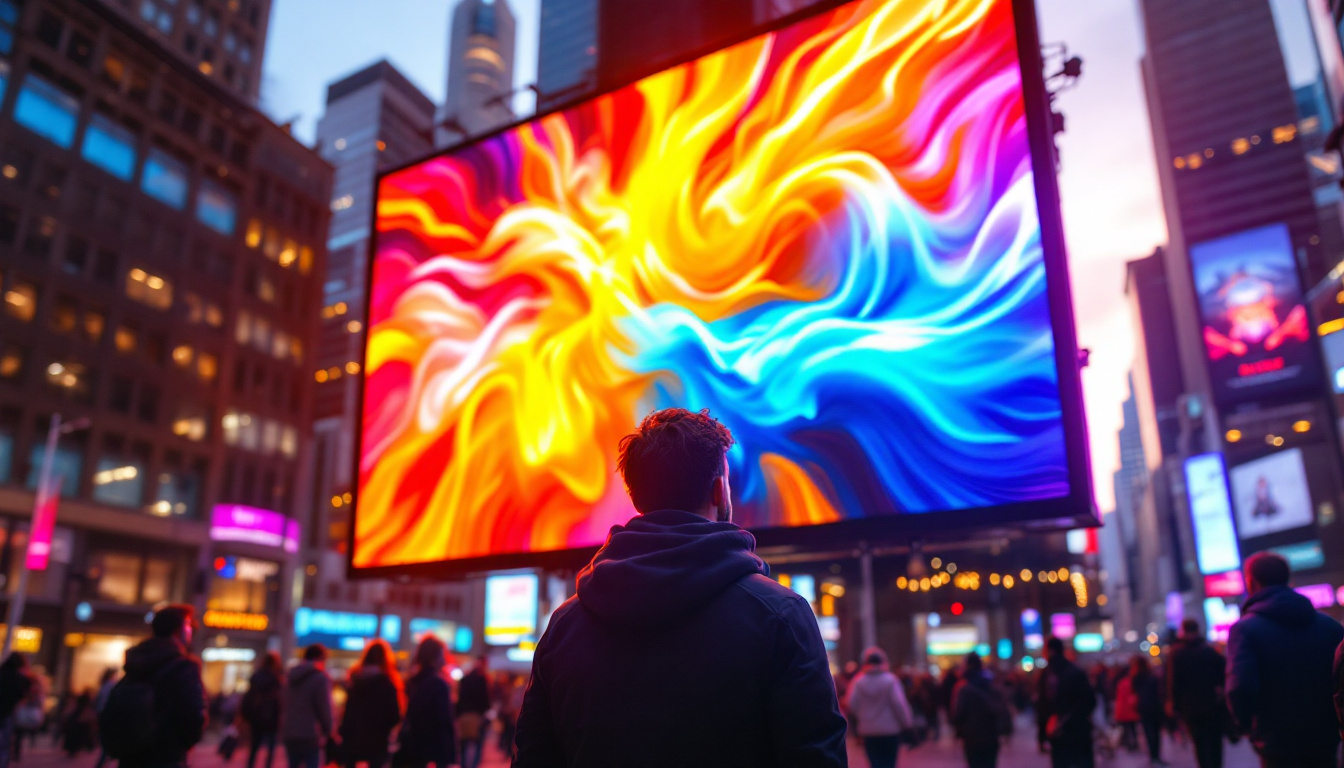
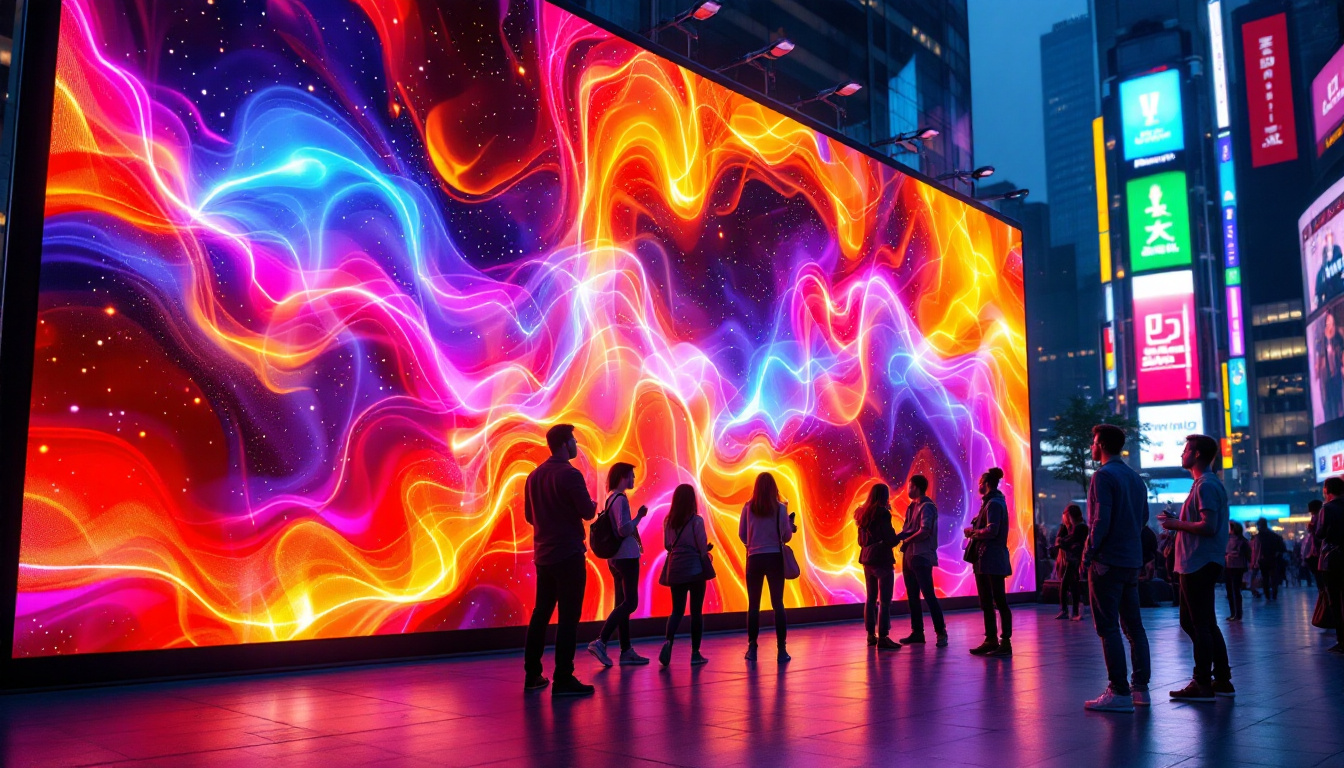
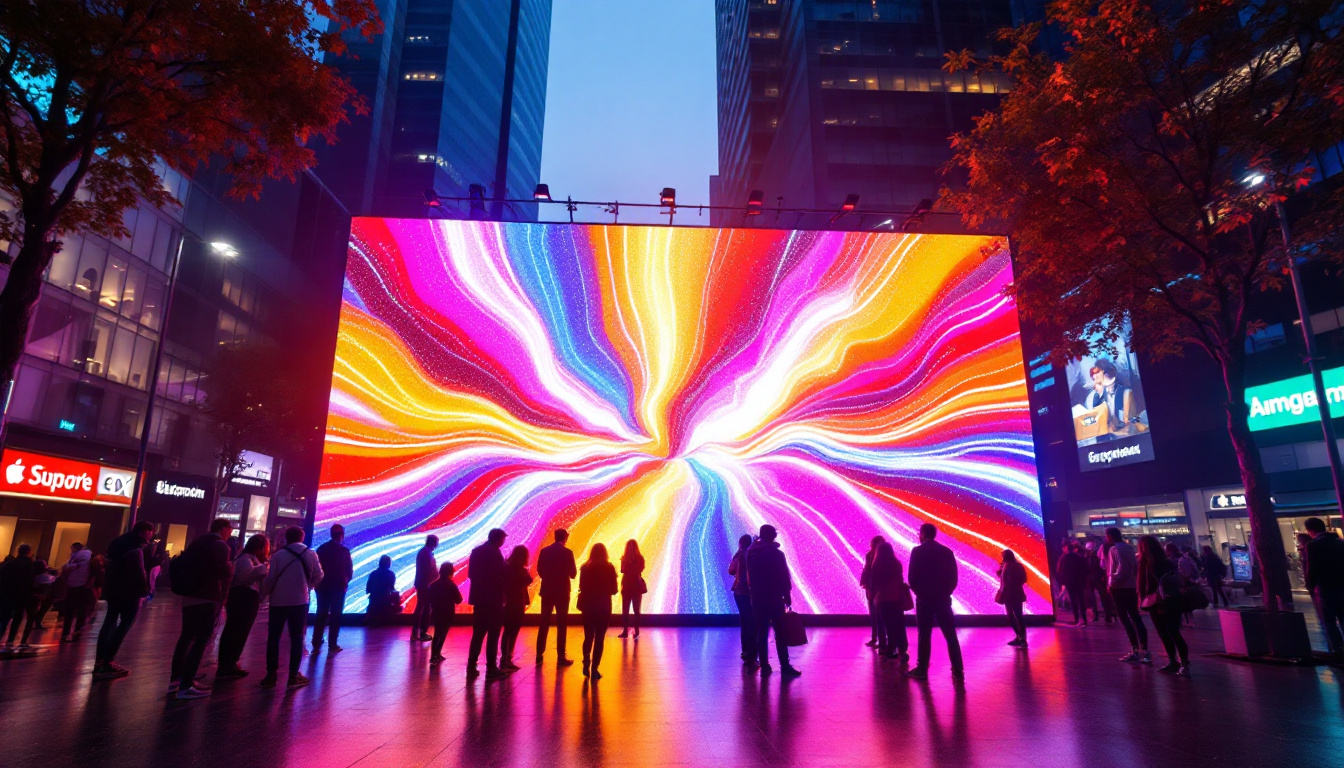
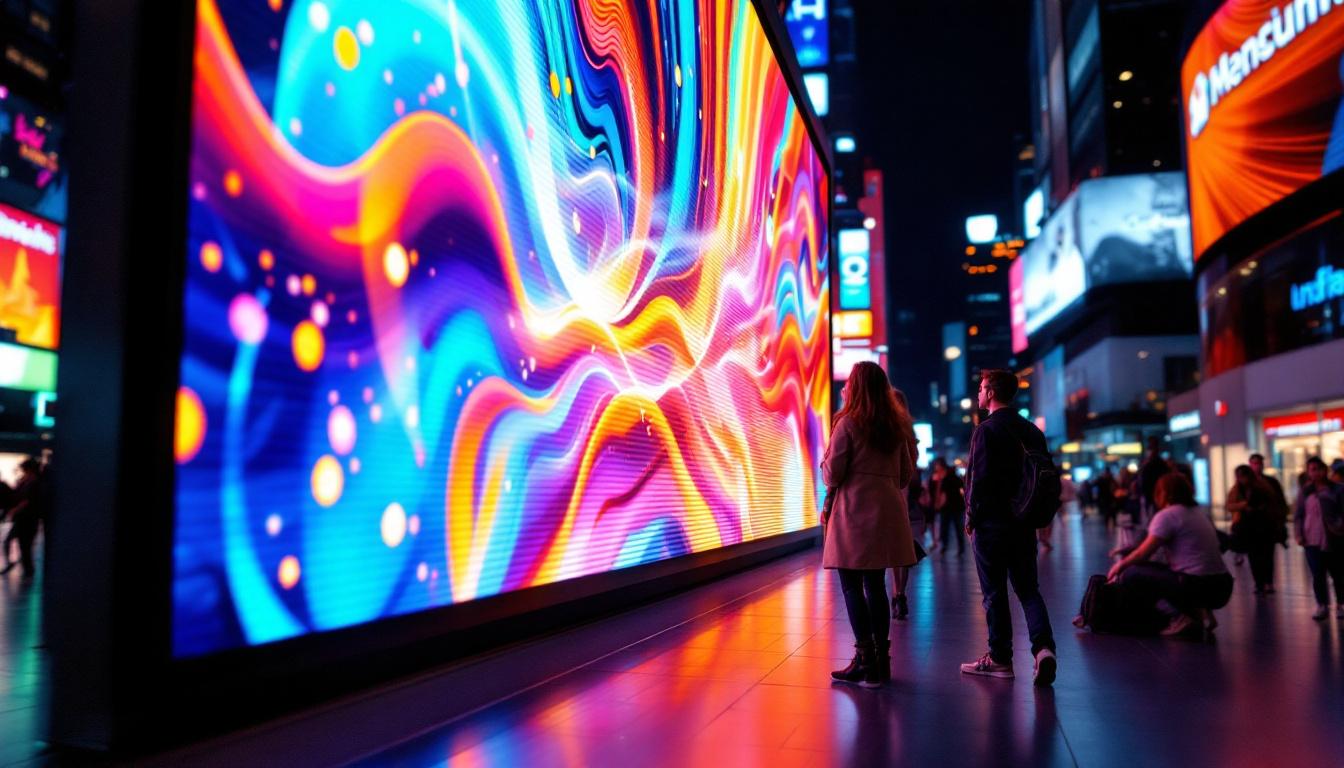
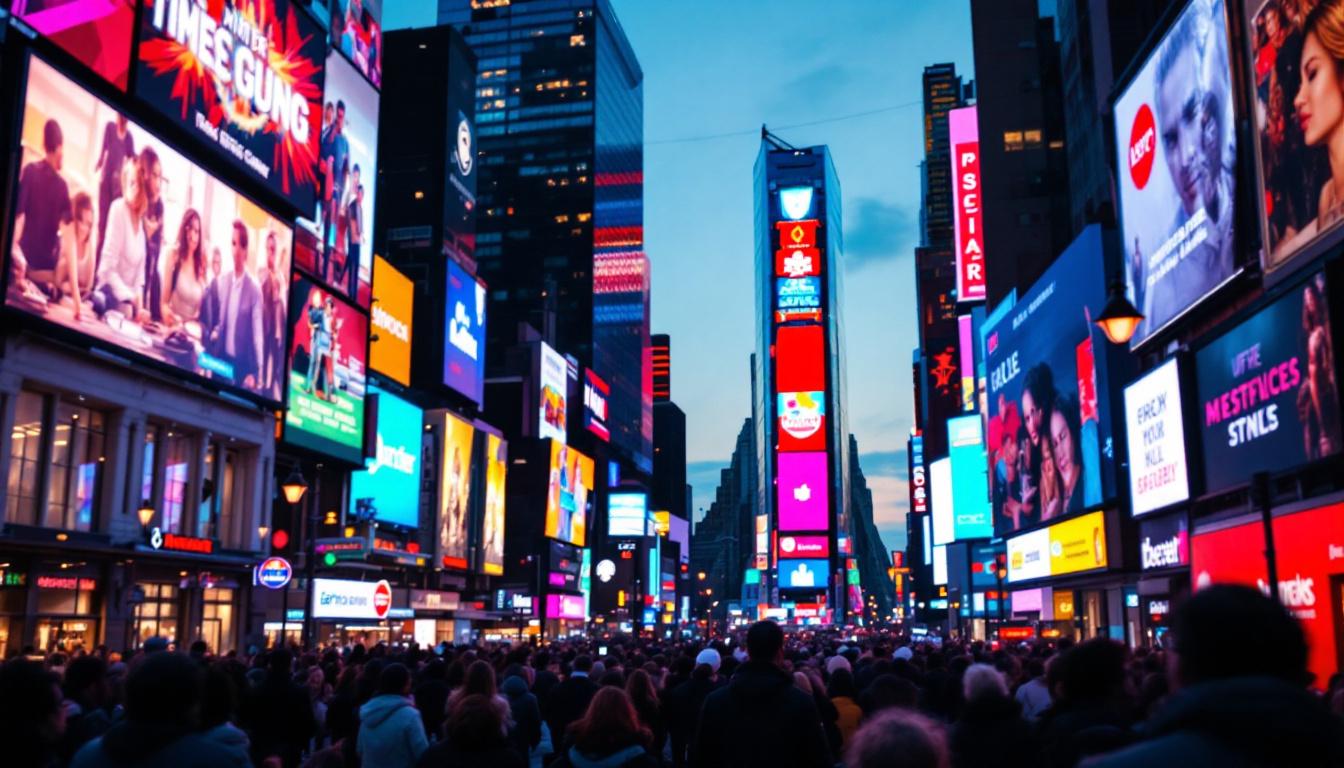
Billboards and digital signage in urban centers are increasingly dominated by LED displays. Their brightness and motion capabilities attract attention, making advertisements more memorable. Brands use LED signage to launch campaigns, promote products, and engage customers interactively. For example, Times Square in New York City features some of the world’s largest and most iconic LED billboards, showcasing dynamic ads that captivate millions of visitors.
Transportation and Public Information
LED displays are integral to transportation hubs such as airports, train stations, and bus terminals. They provide real-time updates on arrivals, departures, delays, and safety information. Their clarity and visibility help reduce confusion and improve passenger experience. Additionally, LED road signs communicate traffic conditions, speed limits, and emergency alerts efficiently.
Retail and Hospitality
Stores and hotels use LED signage to enhance customer engagement and brand visibility. Indoor LED walls display promotions, menus, and event information, while outdoor signs attract foot traffic. Interactive LED kiosks and wayfinding systems improve navigation and service delivery in large venues.
Sports and Entertainment Venues
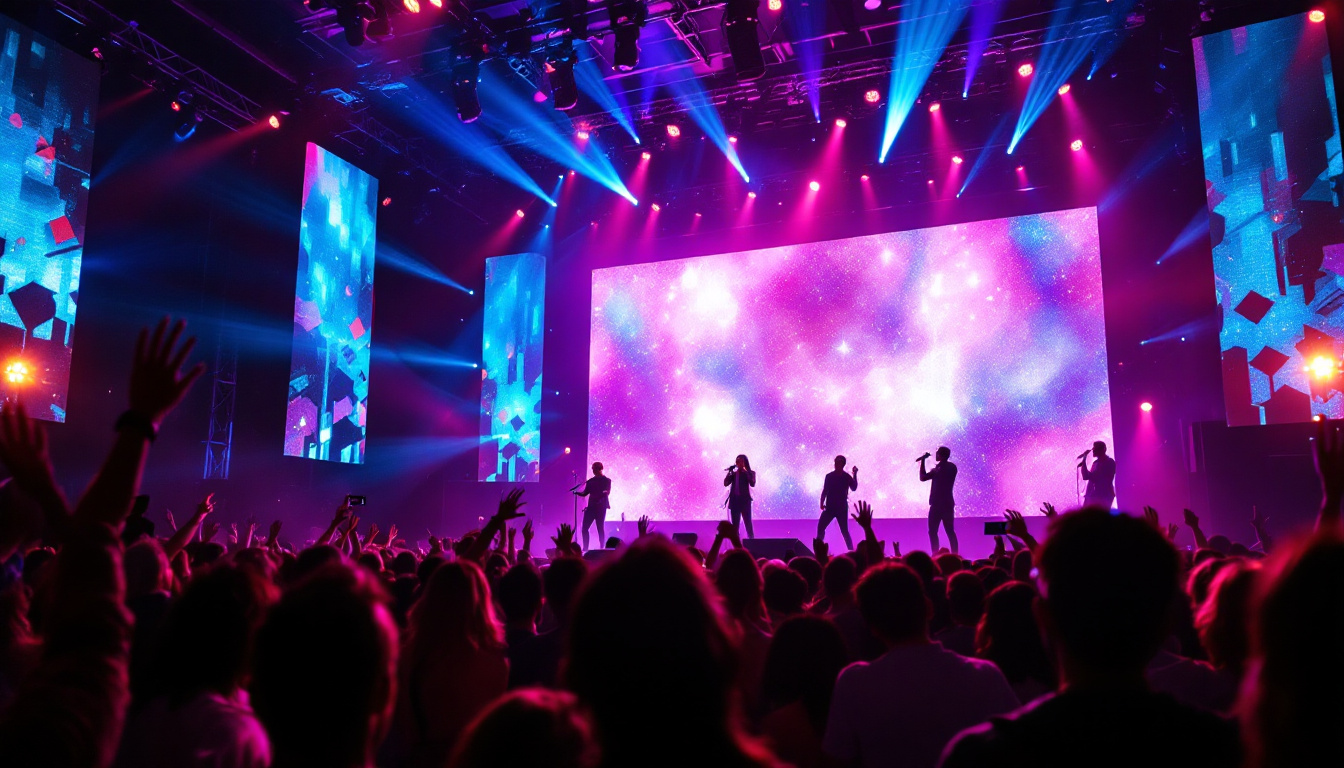
Stadiums and arenas employ massive LED screens to broadcast live action, replays, and advertisements. These displays enhance spectator experience by providing clear visuals regardless of seating location. Concerts and festivals also use LED walls and panels to create immersive stage designs and visual effects.
Considerations When Choosing LED Signage
While LED displays offer many advantages, selecting the right signage solution requires careful consideration of several factors to ensure effectiveness and return on investment.
Viewing Distance and Environment
The intended viewing distance largely dictates pixel pitch and resolution requirements. For close-range viewing, such as retail displays, high-resolution panels with small pixel pitches are essential. Conversely, billboards viewed from afar can use larger pixel pitches without compromising image quality. Environmental factors like ambient light, weather exposure, and installation location also influence display specifications.
Content Strategy and Management
Effective LED signage depends on compelling content and efficient management. Businesses should plan content schedules, update frequency, and interactive features to maximize engagement. Investing in user-friendly content management systems simplifies operations and enables timely updates.
Budget and Total Cost of Ownership
Initial investment in LED displays can be substantial, especially for large or high-resolution installations. However, the long-term benefits of energy savings, low maintenance, and advertising flexibility often justify the expense. It is important to consider installation costs, software licensing, and potential upgrades when budgeting.
Future Trends in LED Signage
The LED display industry continues to evolve rapidly, driven by technological advancements and changing market demands.
MicroLED and MiniLED Technologies
Emerging MicroLED and MiniLED technologies promise even higher resolution, improved color accuracy, and better energy efficiency. These innovations enable thinner, lighter, and more flexible displays, expanding design possibilities.
Integration with IoT and AI
Smart LED signage integrated with Internet of Things (IoT) devices and artificial intelligence (AI) can deliver personalized content based on audience behavior, weather conditions, or social trends. This level of interactivity and data-driven customization enhances marketing effectiveness and user experience.
Environmental Sustainability
As sustainability becomes a priority, manufacturers are focusing on eco-friendly materials, recyclable components, and energy-saving features. LED signage solutions that minimize environmental impact while maintaining performance are gaining traction among conscientious businesses.
Conclusion
LED displays have transformed the landscape of signage, offering unparalleled brightness, flexibility, and dynamic content capabilities. Their applications span advertising, transportation, retail, and entertainment, making them indispensable tools for modern communication. By understanding the technology, benefits, and considerations involved, businesses can harness the power of LED signage to engage audiences effectively and elevate their brand presence.
As LED technology continues to advance, the future of signage looks brighter than ever, promising innovative solutions that blend creativity, functionality, and sustainability.
Illuminate Your Message with LumenMatrix
Ready to elevate your brand’s visibility and captivate your audience with vibrant, dynamic displays? LumenMatrix is at the forefront of LED display innovation, offering a comprehensive range of solutions tailored to your unique needs. From Indoor and Outdoor LED Walls to specialized displays for vehicles, sports, and more, our technology is designed to revolutionize visual communication. Experience the difference with our state-of-the-art LED displays and transform the way you connect with your audience. Check out LumenMatrix LED Display Solutions and start creating unforgettable visual experiences today.