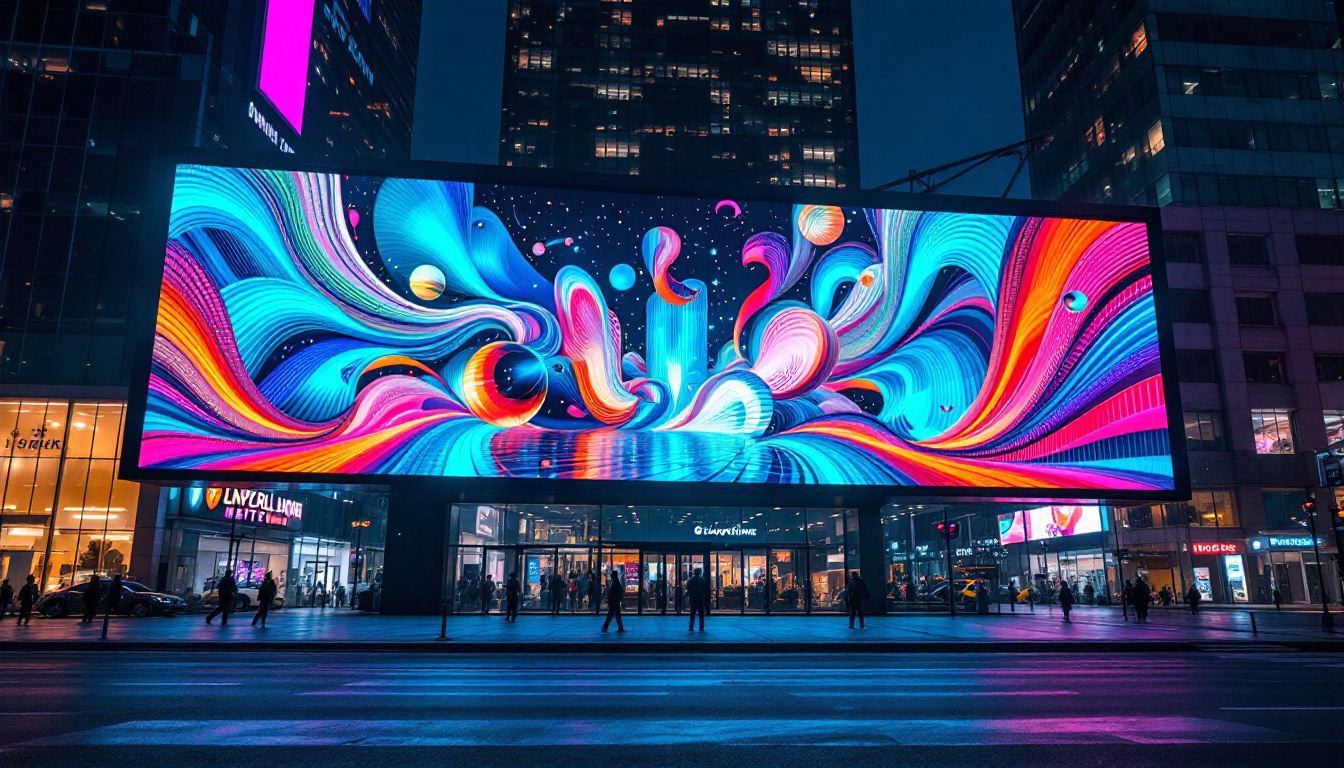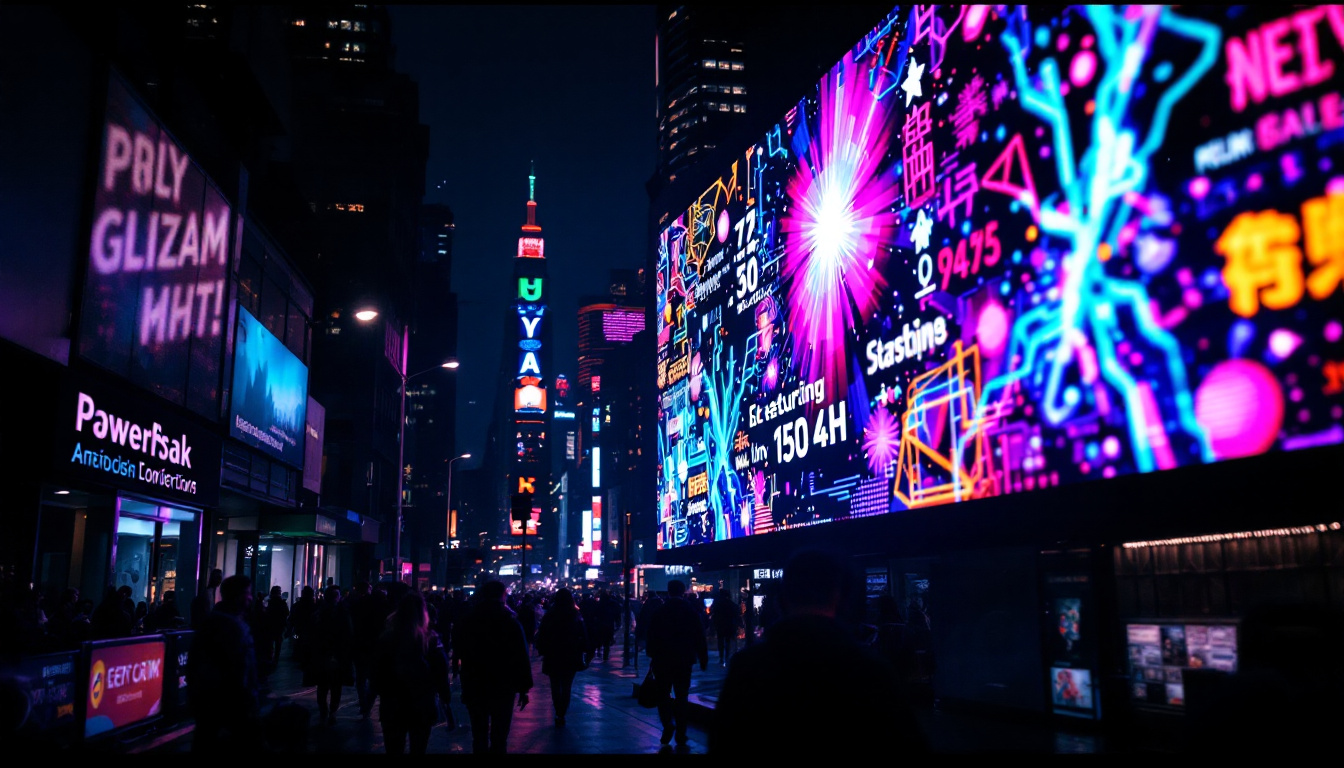
In the world of digital signage and large-scale visual communication, LED displays have become the gold standard. Whether it’s a massive billboard in Times Square, a dynamic scoreboard in a stadium, or a sleek retail display, LED technology offers unparalleled brightness, versatility, and durability. However, one of the most critical factors that determine the quality and clarity of an LED display is the concept of “pitch.” This article delves into what pitch means in the context of LED displays, why it matters, and how to choose the right pitch for your specific application.
Understanding LED Display Pitch
What Is Pixel Pitch?
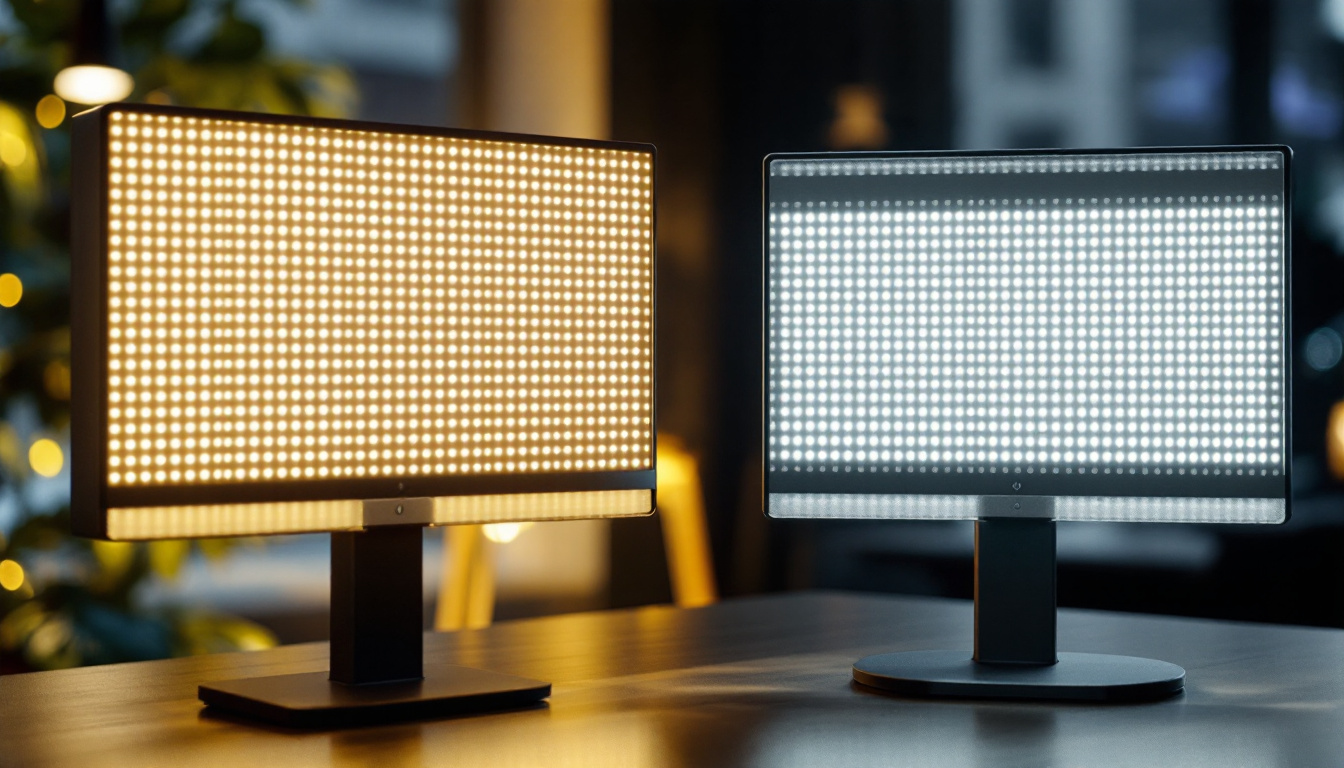
Pixel pitch, often simply called “pitch,” refers to the distance from the center of one LED pixel to the center of the adjacent pixel, usually measured in millimeters. It essentially defines the density of the LEDs on the display panel. The smaller the pitch, the closer the LEDs are to each other, resulting in higher resolution and sharper image quality.
For example, an LED display with a pixel pitch of 2mm means that each LED pixel is 2 millimeters apart from its neighbor. Conversely, a display with a 10mm pitch has LEDs spaced much further apart, which typically results in a lower resolution image when viewed up close. This concept is crucial for manufacturers and consumers alike, as it influences not only the visual experience but also the cost and application of the display. A finer pixel pitch often requires more advanced technology and materials, which can increase production costs, but it also enhances the viewer’s experience significantly.
How Pixel Pitch Affects Image Quality
The pixel pitch directly influences the sharpness and clarity of the image produced by the LED display. A smaller pitch means more pixels per square meter, which translates to finer details and smoother graphics. This is particularly important for displays that will be viewed from close distances, such as indoor advertising screens, control rooms, or retail environments. In these settings, the ability to display intricate graphics and text clearly can greatly impact customer engagement and information retention.
On the other hand, displays with larger pixel pitches are better suited for outdoor environments where viewers are typically farther away. For instance, a 16mm or 20mm pitch LED billboard on a highway is designed to be seen clearly from hundreds of feet away, where a high pixel density would be unnecessary and cost-prohibitive. Additionally, the choice of pixel pitch can also affect the brightness and color accuracy of the display. Larger pitches can often accommodate brighter LEDs, which are essential for visibility in direct sunlight, while smaller pitches may require more sophisticated technology to maintain color fidelity and brightness levels in varied lighting conditions. This balance between pitch, brightness, and color accuracy is vital for achieving optimal performance in diverse viewing environments.
Types of LED Displays Based on Pitch
Indoor LED Displays
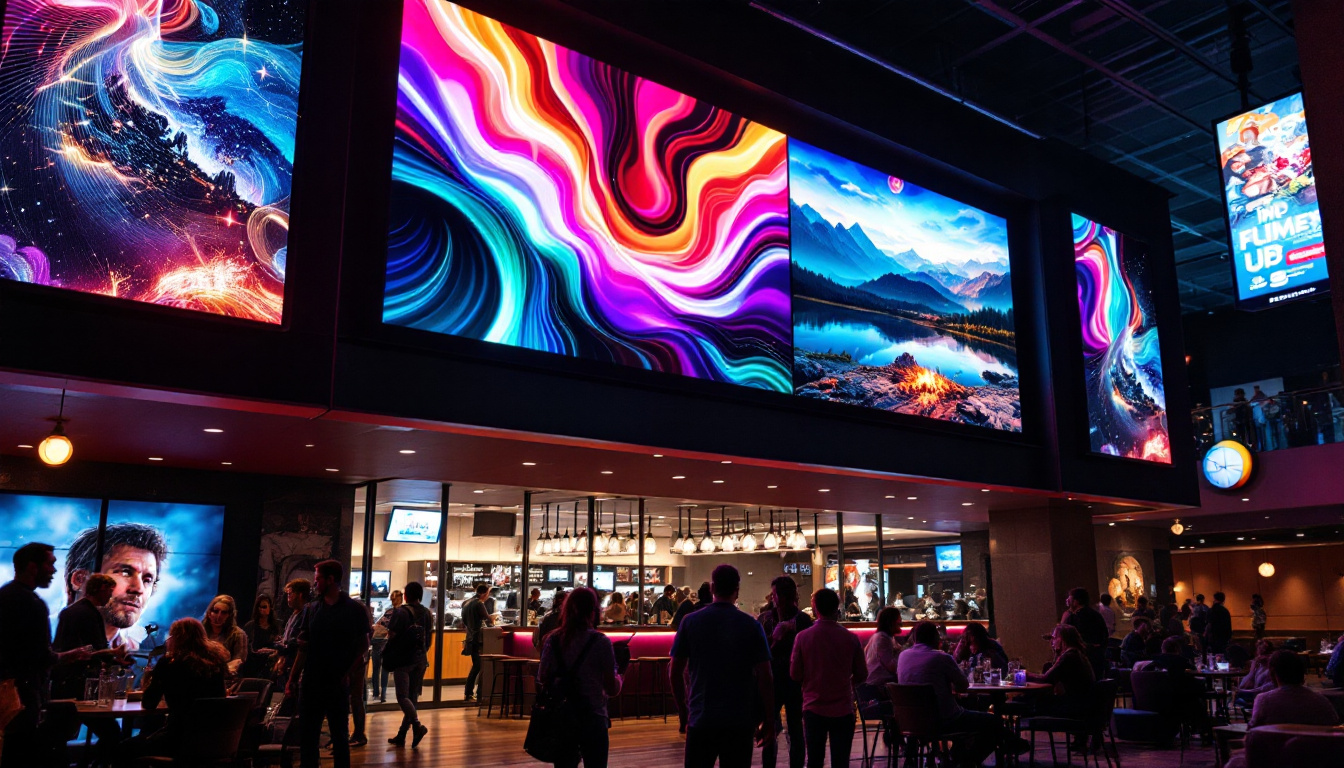
Indoor LED displays generally require a smaller pixel pitch to ensure crisp visuals at close viewing distances. Common indoor pitches range from 0.9mm to 4mm. These displays are used in settings such as conference rooms, retail stores, museums, and broadcast studios.
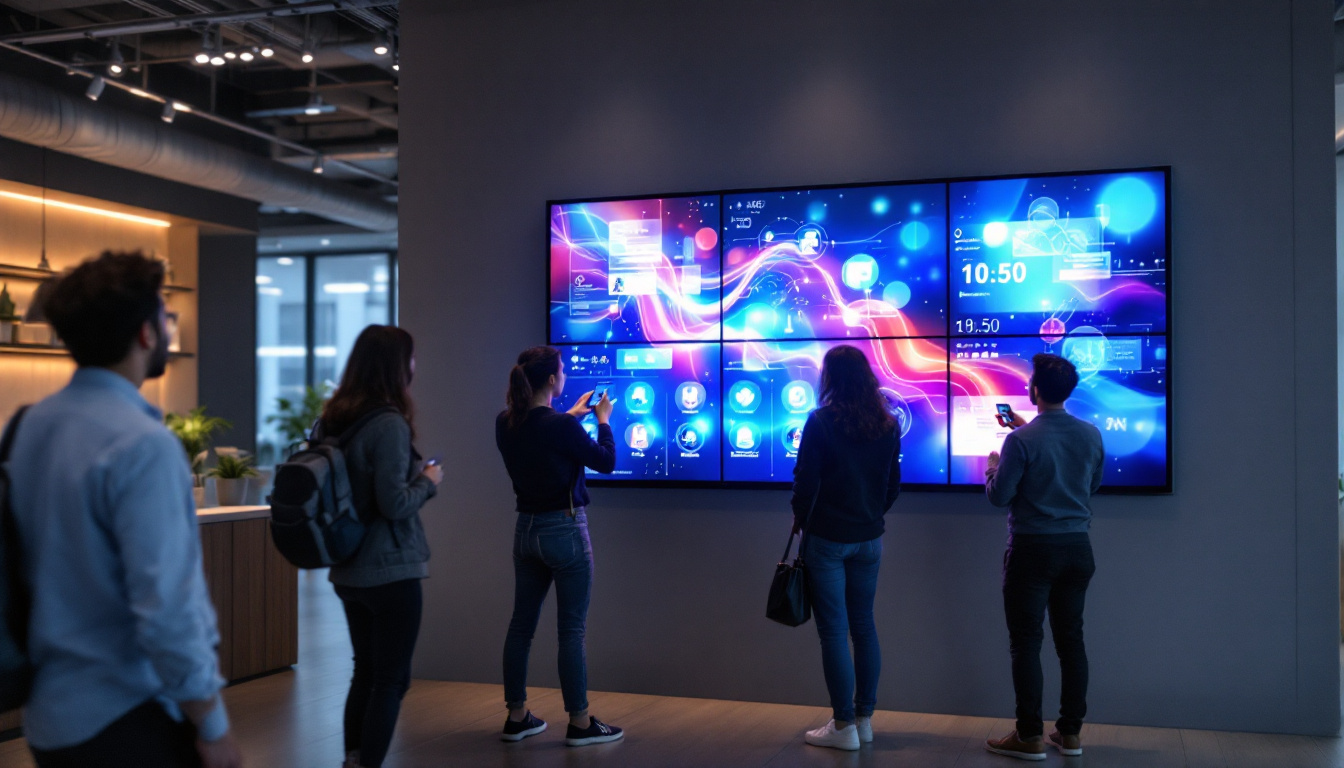
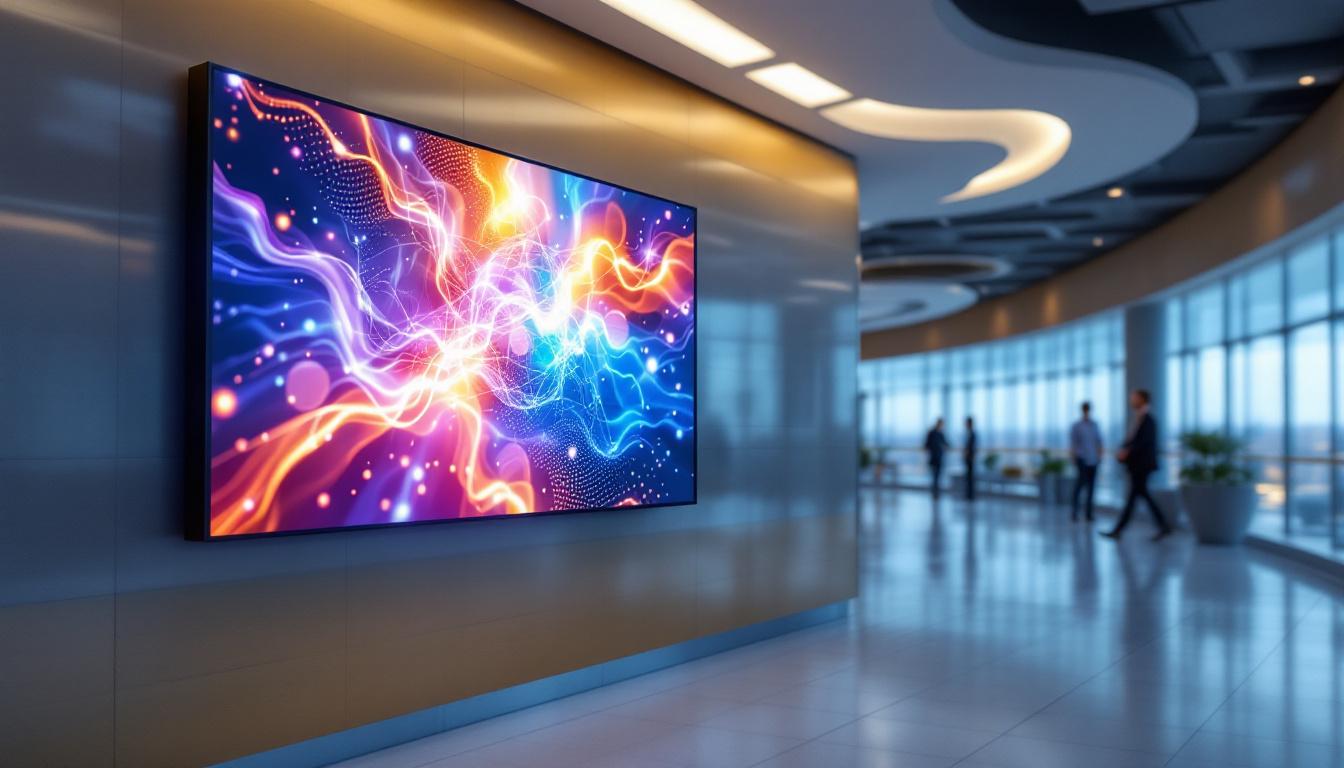
For example, a 1.5mm pitch LED wall in a corporate lobby can display detailed videos and graphics that look sharp even when viewers are standing just a few feet away. The higher pixel density also allows for more vibrant colors and smoother gradients, enhancing the overall viewing experience.
Outdoor LED Displays
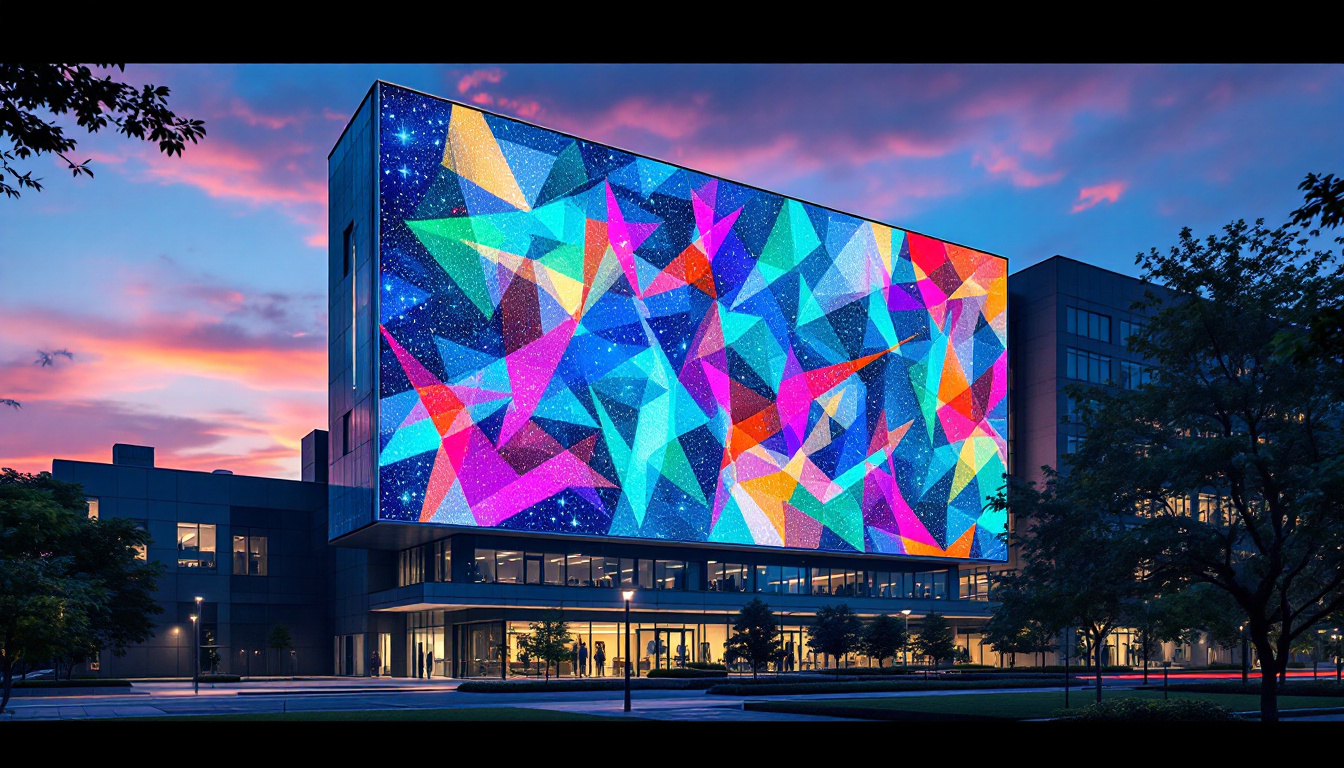
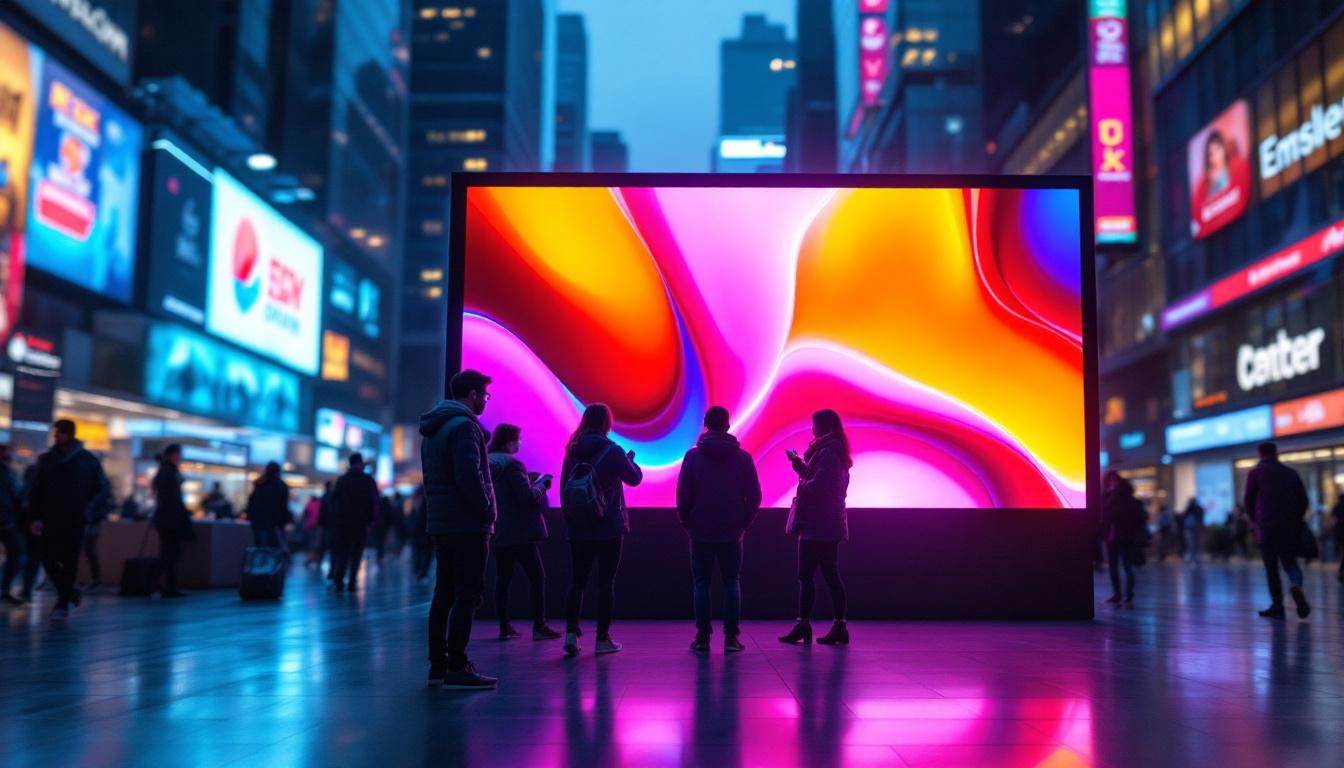
Outdoor LED displays typically have larger pixel pitches, ranging from 10mm to 20mm or more. The primary considerations for outdoor displays include visibility under direct sunlight, weather resistance, and the distance from which the display will be viewed.
For instance, a 16mm pitch LED billboard on a busy highway is designed to be legible and visually impactful from several hundred feet away. The larger pitch reduces manufacturing costs and power consumption while still delivering effective messaging to passing drivers and pedestrians.
Fine Pitch LED Displays
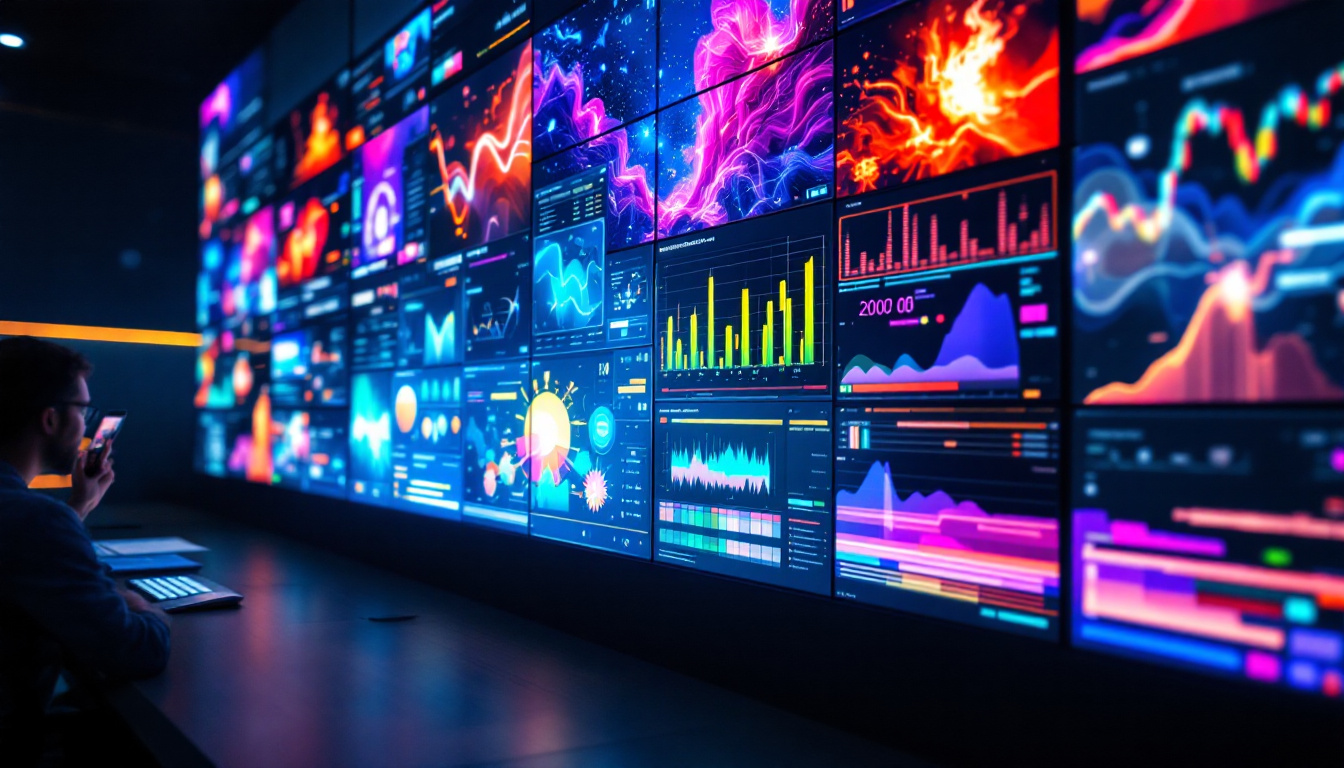
Fine pitch LED displays, often with pitches below 1.5mm, represent the cutting edge of LED technology. These displays are capable of rivaling LCD and OLED screens in terms of resolution and image quality. They are increasingly popular in high-end applications such as control rooms, broadcast studios, and luxury retail environments.
However, fine pitch displays come with higher costs and more complex installation requirements, making them a specialized choice rather than a general solution.
Choosing the Right Pixel Pitch for Your Project
Viewing Distance Considerations
One of the most important factors in selecting pixel pitch is the typical viewing distance. The general rule of thumb is that the optimal viewing distance (in meters) is approximately 1,000 times the pixel pitch (in millimeters). For example, a 4mm pitch display is best viewed from about 4 meters (13 feet) or more.
Choosing a pixel pitch that is too large for close viewing distances will result in a pixelated, unclear image. Conversely, selecting an extremely fine pitch for a display that will only be seen from afar can be unnecessarily expensive without providing a visible benefit.
Application and Environment
The intended use and environment of the LED display also play critical roles in pitch selection. For indoor environments with controlled lighting and close viewing, smaller pitches are ideal. For outdoor applications exposed to sunlight and weather, durability and brightness take precedence, often requiring larger pitches.
Additionally, the content type matters. Displays intended for video playback or detailed graphics benefit from smaller pitches, whereas text-based or simple image displays can work well with larger pitches.
Budget and Maintenance
Pixel pitch also impacts the overall cost of an LED display. Smaller pitch displays require more LEDs per square meter, increasing manufacturing complexity and price. They also tend to consume more power and may require more frequent maintenance due to the density of components.
Budget constraints often necessitate balancing resolution needs with cost efficiency. Understanding the trade-offs between pitch, image quality, and price is essential for making an informed decision.
Technical Aspects and Innovations in LED Pitch Technology
Advancements in LED Manufacturing
Recent years have seen significant advancements in LED manufacturing that have enabled smaller pixel pitches without compromising brightness or reliability. Technologies such as surface-mount device (SMD) LEDs and chip-on-board (COB) LEDs have improved pixel density and color accuracy.
These innovations allow for ultra-fine pitch displays that maintain high brightness levels and long lifespans, even in demanding environments.
Calibration and Image Processing
Beyond physical pixel pitch, modern LED displays employ sophisticated calibration and image processing techniques to enhance perceived resolution and color fidelity. Software-driven pixel mapping, brightness uniformity adjustments, and color calibration ensure consistent image quality across the entire display surface.
These technologies help maximize the performance of LED displays, especially those with fine pitches, by compensating for minor manufacturing variances and environmental factors.
Flexible and Transparent LED Displays
Emerging trends in LED technology include flexible and transparent LED panels, which often feature unique pixel pitch configurations. These displays open new possibilities for creative installations in architecture, retail, and entertainment.
Flexible LED displays can conform to curved surfaces, while transparent LEDs allow for see-through effects, both requiring precise control over pixel pitch to maintain image clarity and visual impact.
Common Misconceptions About Pixel Pitch
Smaller Pitch Always Means Better Quality
While smaller pixel pitch generally correlates with higher resolution, it does not automatically guarantee better overall display quality. Factors such as brightness, color accuracy, contrast ratio, and viewing angle are equally important.
For example, an indoor display with a 1.2mm pitch but poor brightness and color calibration may perform worse than a 2.5mm pitch display optimized for its environment.
Pixel Pitch Is the Only Specification That Matters
Pixel pitch is a crucial metric, but it is just one of many specifications to consider. Other important parameters include refresh rate, contrast ratio, brightness levels (measured in nits), and ingress protection ratings for outdoor durability.
Choosing an LED display based solely on pitch without considering these factors can lead to suboptimal results.
All LED Displays with the Same Pitch Are Equal
Not all LED displays with identical pixel pitches are created equal. Differences in LED quality, cabinet design, power management, and manufacturing standards can significantly affect performance and longevity.
It’s essential to evaluate the overall build quality and reputation of the manufacturer alongside pixel pitch.
Practical Examples of Pixel Pitch in Use
Sports Stadium Scoreboards
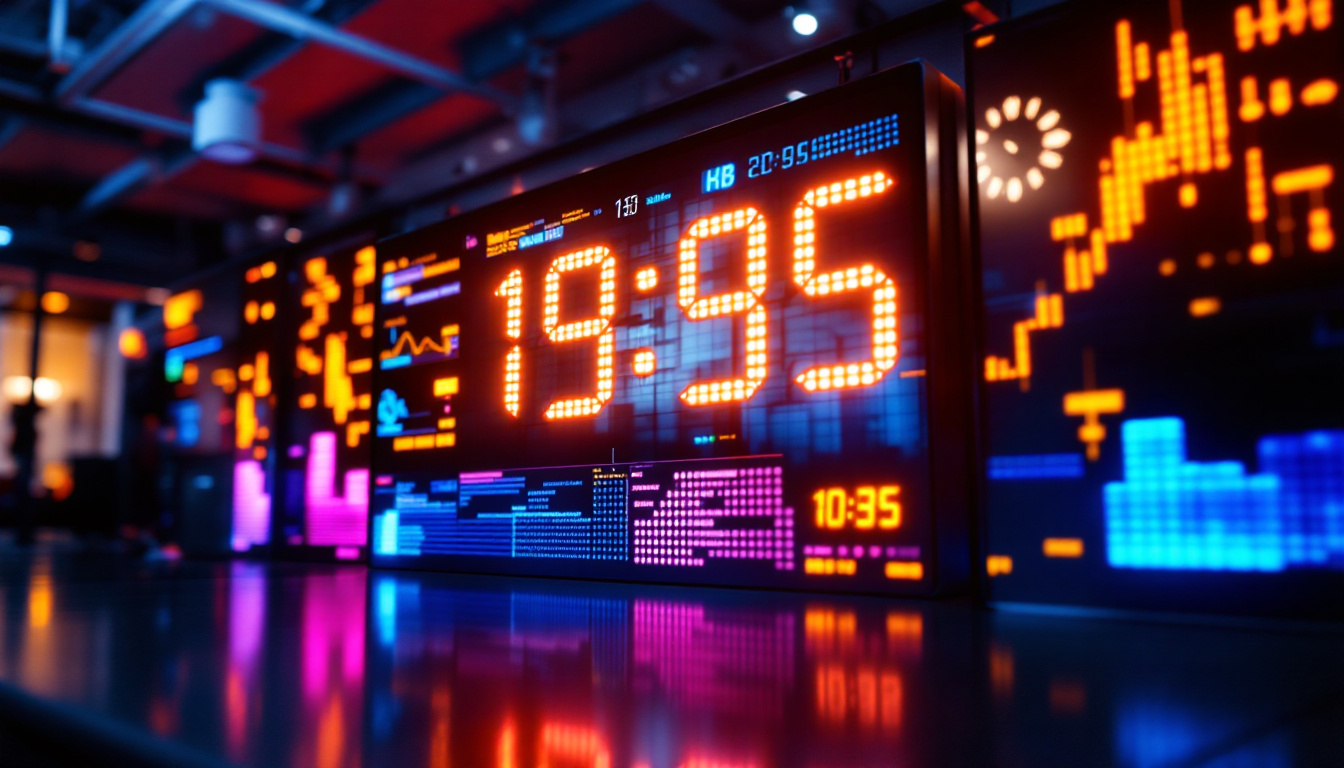
Large outdoor sports stadiums often use LED displays with pixel pitches ranging from 10mm to 20mm. These displays must be bright enough to be visible in daylight and large enough to be seen from the stands, sometimes over 100 meters away.
For example, the LED scoreboard at a major football stadium might use a 16mm pitch to balance cost, visibility, and image quality, ensuring fans can easily follow scores and replays.
Retail Digital Signage
Retail environments frequently use indoor LED displays with pitches between 1.2mm and 3mm. These displays attract customers with vivid, high-resolution content that can be viewed up close without pixelation.
A luxury boutique might install a 1.5mm pitch LED wall to showcase detailed product videos and animations, enhancing brand perception and customer engagement.
Transportation Hubs
Airports and train stations often use a mix of pixel pitches depending on the display’s purpose and location. Information boards viewed from a distance may have pitches around 10mm, while interactive kiosks and indoor advertising screens use finer pitches.
This strategic use of pixel pitch ensures clarity and legibility across diverse viewing scenarios.
Conclusion: Making Informed Decisions About LED Pixel Pitch
Pixel pitch is a fundamental concept in LED display technology that directly impacts image clarity, viewing experience, and cost. Understanding the relationship between pitch, viewing distance, environment, and application is essential for selecting the right LED display solution.
Advancements in LED manufacturing and image processing continue to push the boundaries of what is possible, offering increasingly fine pitches and innovative display formats. However, the best choice always depends on the specific needs and constraints of the project.
By carefully considering pixel pitch alongside other technical specifications and practical factors, businesses and organizations can maximize the effectiveness and return on investment of their LED display installations.
Discover the Perfect LED Display Solution with LumenMatrix
Ready to elevate your visual communication with an LED display that meets your exact needs? Look no further than LumenMatrix, a pioneer in LED display technology. Whether you’re seeking an Indoor LED Wall Display for a corporate lobby, an Outdoor LED Wall Display for impactful advertising, or any of our other innovative solutions like Vehicle LED Displays, LED Sports Displays, or Custom LED Displays, LumenMatrix has the expertise to bring your vision to life. Check out LumenMatrix LED Display Solutions today and experience how our state-of-the-art products can enhance your brand visibility and captivate your audience.