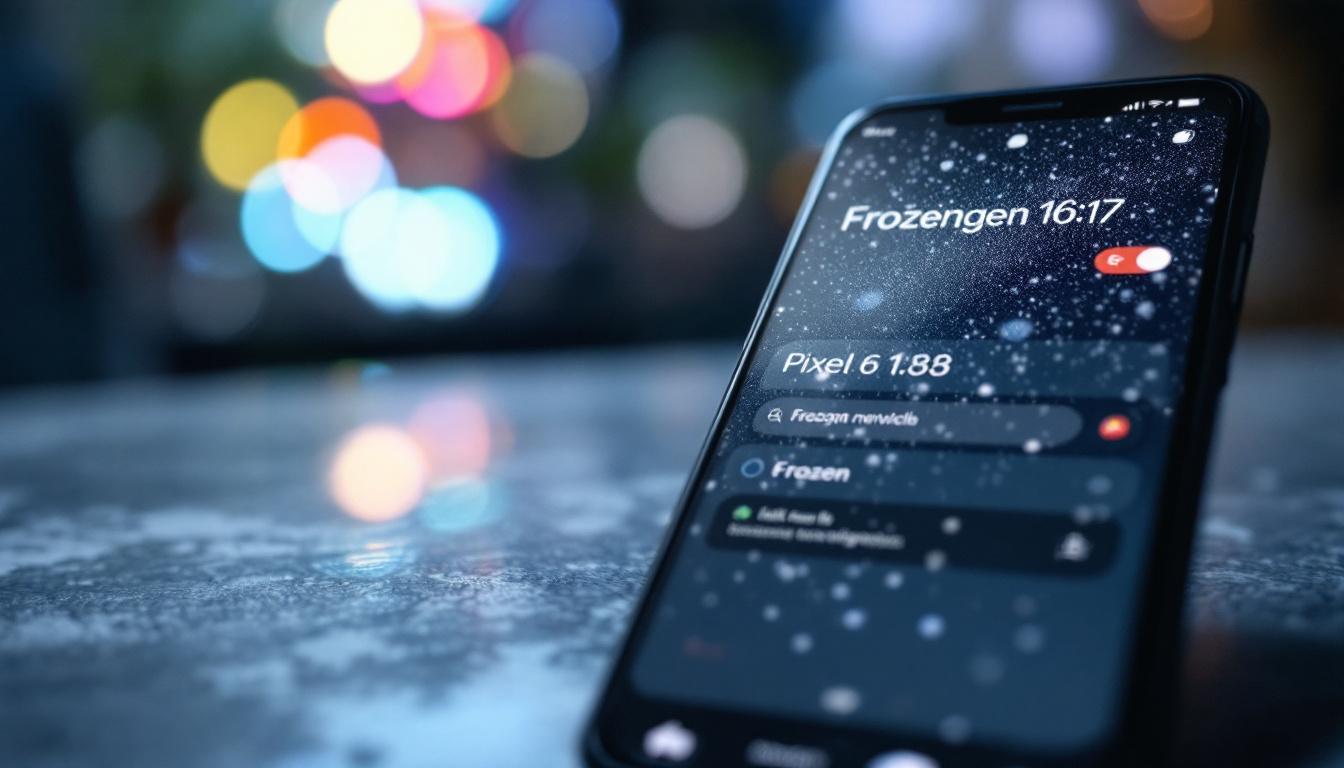
The Google Pixel 6, launched with much anticipation, brought a fresh design and powerful features to the smartphone market. However, like many modern devices, it is not immune to hardware and software issues. One of the most common complaints among Pixel 6 users is the touch screen not responding properly, which can be frustrating and disrupt daily use. This article delves into the causes behind the Pixel 6 touch screen malfunction, the role of its LED display, and practical solutions to get your device back in working order.
Understanding the Pixel 6’s Display Technology
The Pixel 6 features a 6.4-inch AMOLED display, a type of LED (Light Emitting Diode) technology that provides vibrant colors, deep blacks, and energy efficiency. AMOLED displays differ from traditional LCDs by using organic compounds that emit light when an electric current passes through them. This technology allows for thinner screens, better contrast ratios, and more vivid visuals. The Pixel 6’s display also supports HDR (High Dynamic Range), which enhances the viewing experience by allowing for a broader range of colors and improved brightness levels, making it ideal for streaming high-definition content and gaming.
However, the advanced technology behind the Pixel 6’s display also means that issues with the touch screen can stem from a variety of hardware and software components. The screen itself is a complex assembly of the AMOLED panel, digitizer (which senses touch), and the underlying circuitry that processes input signals. Additionally, the display is protected by Corning Gorilla Glass, which not only adds durability but also contributes to the overall clarity and responsiveness of the screen. This protective layer helps to minimize scratches and impacts, ensuring that users can enjoy their device without the constant worry of damage.
What is the Digitizer and How Does it Work?
The digitizer is a transparent layer placed over the AMOLED panel that detects touch inputs. It converts the physical touch into electrical signals that the phone’s processor interprets as commands. If the digitizer malfunctions or becomes disconnected, the touch screen may stop responding or behave erratically. The technology used in the Pixel 6’s digitizer is capacitive, which means it relies on the electrical properties of the human body to detect touch. This allows for multi-touch capabilities, enabling users to perform gestures such as pinch-to-zoom and swipe with ease.
In the Pixel 6, the digitizer is integrated tightly with the display assembly, making repairs more challenging compared to older models. Understanding this integration is crucial for diagnosing touch screen issues effectively. Furthermore, the digitizer’s sensitivity can be affected by environmental factors such as temperature and humidity, which may lead to inconsistent performance. This is particularly important for users who live in areas with extreme weather conditions, as they may experience variations in touch responsiveness. Overall, the combination of AMOLED technology and a sophisticated digitizer makes the Pixel 6’s display a standout feature, but it also necessitates careful handling and maintenance to ensure optimal performance.
Common Causes of Pixel 6 Touch Screen Malfunction
When the Pixel 6 touch screen stops working, pinpointing the root cause is essential before attempting any fixes. The problem can be due to software glitches, hardware damage, or even environmental factors.
Software Glitches and System Bugs
Software issues are often the simplest to diagnose and fix. The Pixel 6 runs on Android 12 (upgradable to later versions), and occasional bugs or corrupted system files can interfere with touch responsiveness. For example, certain app conflicts or system updates might cause the screen to freeze or ignore touch inputs.
In some cases, background processes can overload the system, causing lag or unresponsiveness. Restarting the device or performing a factory reset can often resolve these issues. Additionally, keeping the software updated is crucial, as manufacturers frequently release patches to fix known bugs and improve performance. Users should also consider clearing the cache of problematic apps, which can sometimes resolve touch screen issues without needing a full reset.
Physical Damage and Hardware Failures
Physical damage is a leading cause of touch screen problems. Dropping the phone, exposure to water, or applying excessive pressure can damage the AMOLED panel or the digitizer. Even if the display looks intact, internal components may be compromised.
Other hardware issues include loose connections inside the device or manufacturing defects. The Pixel 6’s tightly integrated display assembly means that even minor damage can disrupt touch functionality. Users should also be aware that battery swelling, often a result of overheating or age, can push against the screen from behind, leading to unresponsive areas. Regularly checking for signs of battery issues can help prevent further damage and ensure the longevity of the device.
Environmental Factors Affecting Touch Sensitivity
Sometimes, external factors such as extreme temperatures, moisture, or screen protectors can impact the touch screen’s responsiveness. For instance, cold weather can temporarily reduce the sensitivity of capacitive touch screens like the Pixel 6’s.
Additionally, certain screen protectors or cases may interfere with touch detection, especially if they are thick or poorly fitted. It’s important to consider these factors before concluding that the device itself is faulty. Moreover, humidity can also play a role; moisture on the screen can create a layer that disrupts the capacitive touch functionality. Users should ensure that their devices are kept in environments that are neither too hot nor too cold, and they might want to periodically clean their screens to remove any residue that could affect touch sensitivity.
Troubleshooting Steps for a Non-Responsive Pixel 6 Touch Screen
Before seeking professional repair, several troubleshooting methods can help determine whether the issue is software-related or hardware-based.
Restart and Safe Mode
The first step is to restart the Pixel 6. A simple reboot can clear temporary glitches causing the touch screen to freeze. If the problem persists, booting the device into Safe Mode disables third-party apps, helping identify if any installed app is causing the issue.
To enter Safe Mode:
- Press and hold the power button.
- When the power menu appears, press and hold the “Power off” option.
- Select “OK” when prompted to reboot into Safe Mode.
If the touch screen works in Safe Mode, uninstall recently added apps that might be responsible.
Update or Factory Reset
Ensuring the Pixel 6 runs the latest software version is critical, as updates often include bug fixes. Navigate to Settings > System > System update to check for available updates.
If updating doesn’t help, a factory reset can restore the device to its original settings. Back up important data before proceeding:
- Go to Settings > System > Reset options.
- Select “Erase all data (factory reset).”
This step should be a last resort after other troubleshooting methods fail.
Check for Physical Damage and Accessories
Inspect the Pixel 6 for visible cracks, dents, or water damage. Remove any screen protectors or cases and test the touch screen again. Sometimes, simply cleaning the screen with a microfiber cloth can improve responsiveness.
If the device was recently dropped or exposed to moisture, professional inspection is recommended.
When to Seek Professional Repair or Replacement
If the above steps do not resolve the touch screen issue, it is likely a hardware problem requiring professional intervention.
Authorized Repair Services
Google offers authorized repair services for the Pixel 6, including screen replacement and hardware diagnostics. Using authorized centers ensures genuine parts and maintains warranty coverage where applicable.
Attempting self-repair or using unauthorized services may void warranties and risk further damage.
Cost and Considerations for Screen Replacement
Replacing the Pixel 6’s AMOLED display and digitizer assembly can be costly, often ranging between $200 to $300 depending on the service provider and region. Given the Pixel 6’s advanced display technology, professional repair is recommended over DIY solutions.
Evaluate the cost of repair against the age and condition of the device. In some cases, upgrading to a newer model might be more cost-effective.
Preventative Measures to Protect Your Pixel 6 Touch Screen
To minimize the risk of touch screen issues, users can adopt several preventative strategies.
Use Quality Screen Protectors and Cases
Investing in high-quality tempered glass screen protectors and shock-absorbing cases can safeguard the Pixel 6’s display from scratches, cracks, and impact damage. Ensure that accessories are compatible with the device to avoid interference with touch sensitivity.
Avoid Exposure to Extreme Conditions
Protect the phone from extreme temperatures and moisture. Avoid using the device in very cold environments for prolonged periods, and keep it away from water or high humidity areas unless it is properly sealed and certified for water resistance.
Regular Software Maintenance
Keep the Pixel 6’s software updated and periodically clear cache files to maintain optimal performance. Avoid installing suspicious apps that might cause system instability.
Conclusion
The Pixel 6’s touch screen is a sophisticated component that relies on the seamless interaction between its AMOLED LED display and digitizer. When the touch screen stops working, the issue can stem from software glitches, hardware damage, or environmental factors. Understanding the underlying technology helps in diagnosing the problem accurately.
Users should start with basic troubleshooting steps such as restarting the device, entering Safe Mode, and updating software before considering professional repair. Protecting the device with quality accessories and proper care can reduce the likelihood of touch screen failures.
Ultimately, addressing touch screen issues promptly ensures that the Pixel 6 continues to deliver the smooth and responsive experience it was designed for.
Enhance Your Pixel 6 Experience with LumenMatrix
If you’re captivated by the vibrant and responsive touch screen of the Pixel 6, imagine what LumenMatrix’s advanced LED display technology can do for your visual projects. As a leader in the field, LumenMatrix offers an array of innovative LED display solutions, from Indoor and Outdoor LED Walls to Custom and All-in-One LED Displays, designed to elevate your brand’s presence and create immersive experiences. Whether for advertising, entertainment, or information sharing, our displays are crafted to capture attention and convey your message with unparalleled clarity. Don’t let a malfunctioning touch screen hold you back. Check out LumenMatrix LED Display Solutions today and see how we can transform your visual communication.