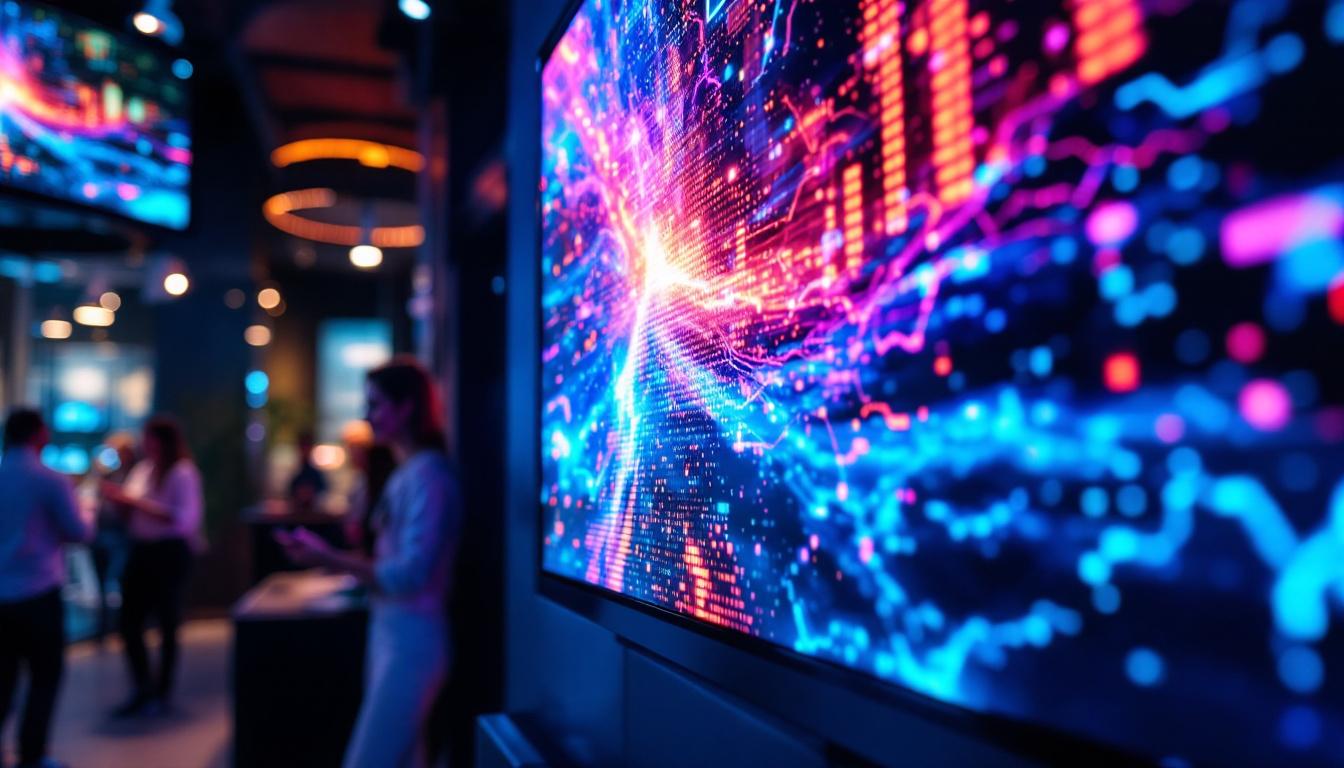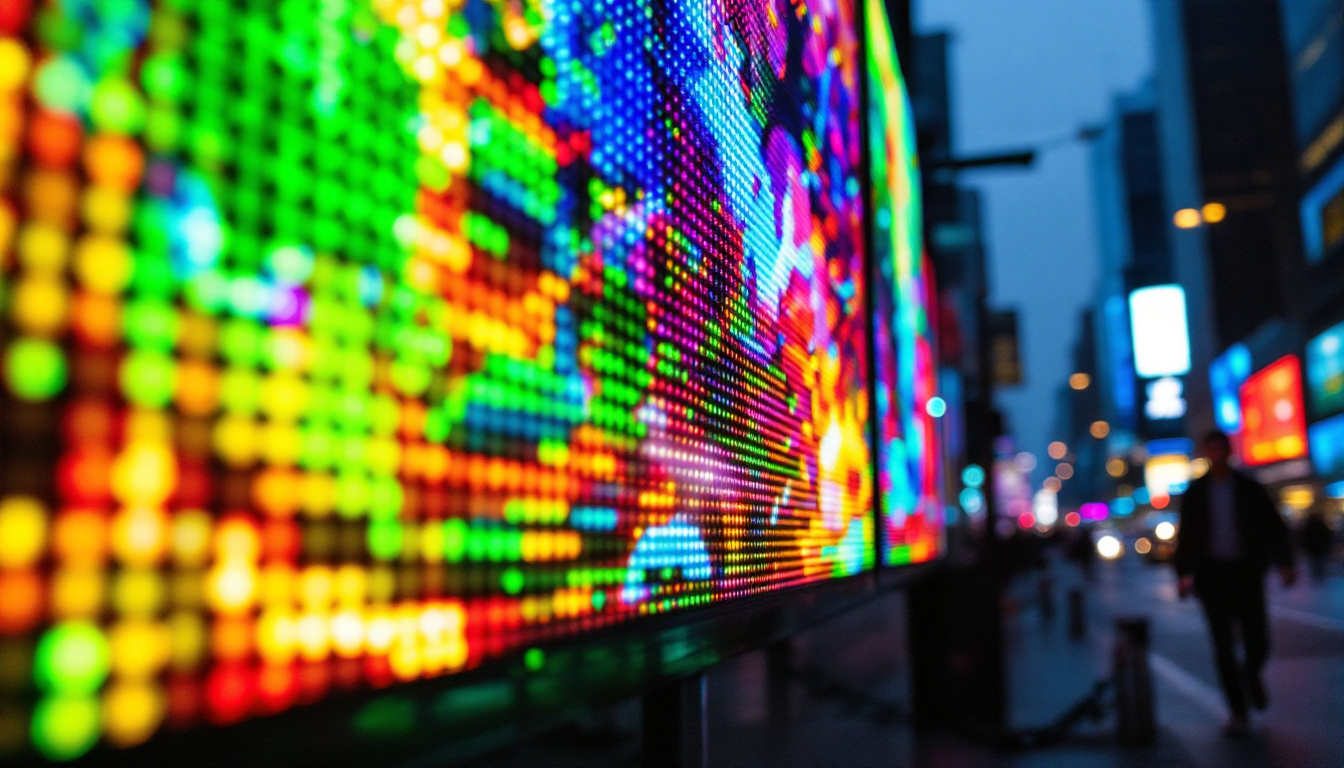
In the rapidly evolving world of digital displays, LED technology stands at the forefront, powering everything from massive outdoor billboards to sleek indoor video walls. Central to understanding LED displays is the concept of the pixel panel—a modular unit that forms the building blocks of these vibrant screens. This article delves deep into the anatomy, technology, and applications of pixel panels in LED displays, offering a comprehensive guide for professionals, enthusiasts, and decision-makers alike.
Understanding Pixel Panels: The Core of LED Displays
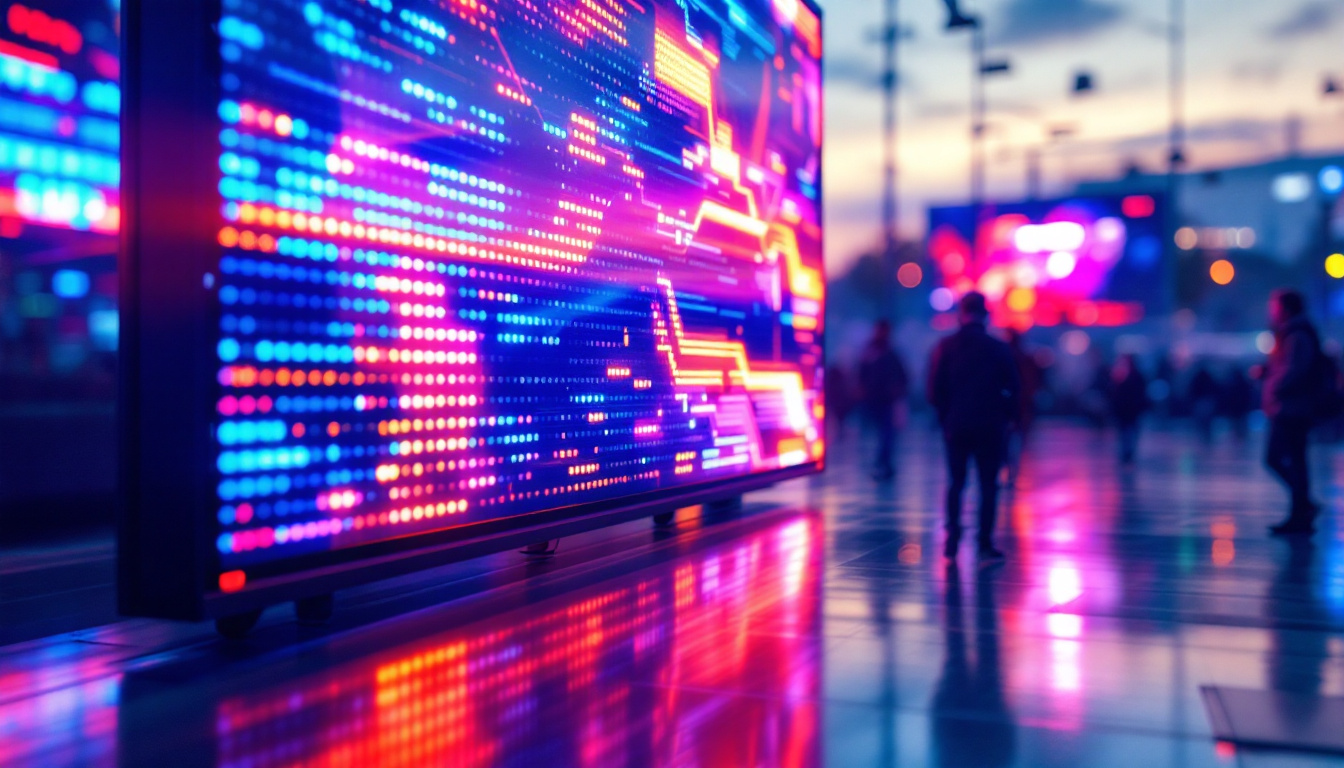
At its essence, a pixel panel is a flat module composed of numerous tiny light-emitting diodes (LEDs), arranged in a grid to create pixels. Each pixel consists of red, green, and blue LEDs that combine to produce a full spectrum of colors through varying intensities. When multiple pixel panels are connected, they form a larger LED display capable of showing images, videos, and dynamic content with remarkable brightness and clarity.
What Exactly Is a Pixel Panel?
Pixel panels are standardized units designed to be easily assembled into larger displays. They typically come in sizes ranging from small squares of a few inches to larger rectangles, depending on the application. The modular design allows for scalability and flexibility, enabling displays to be customized in size and shape to fit specific environments.
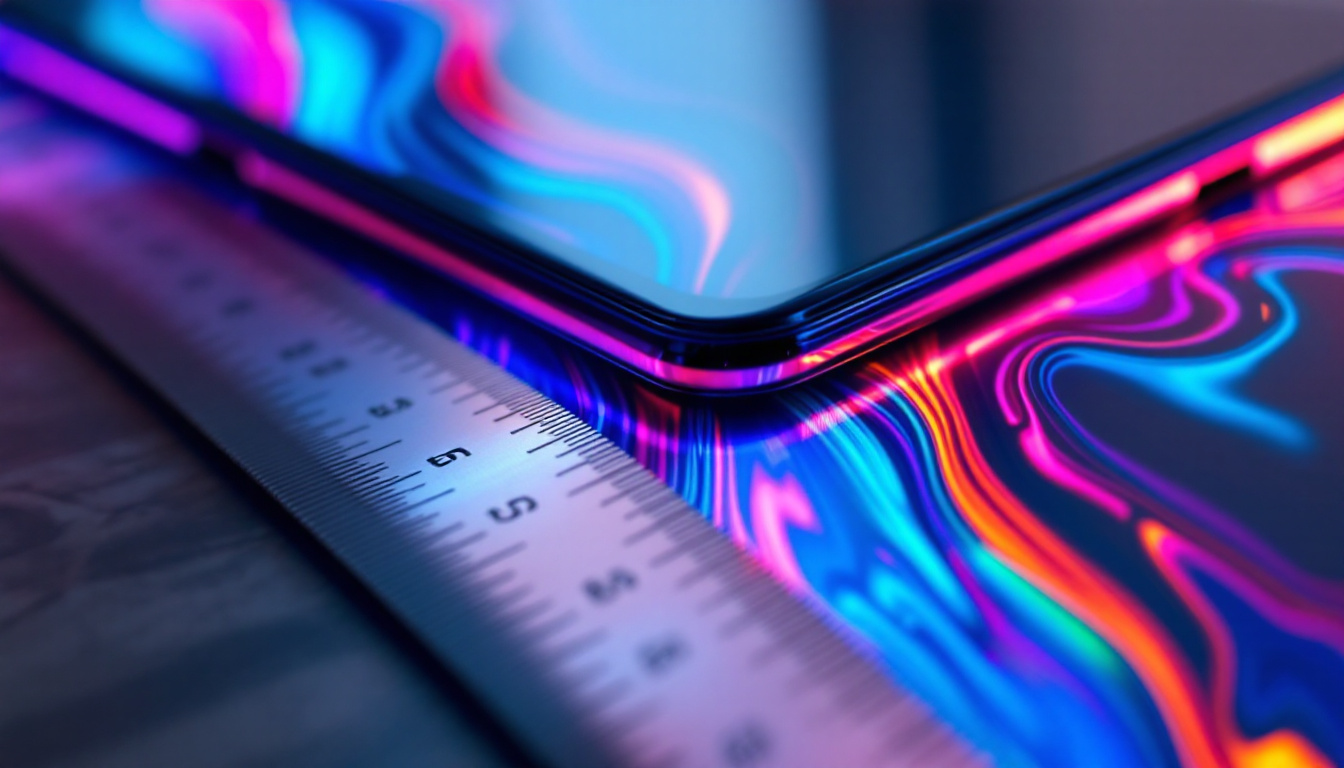
Each pixel panel contains a matrix of pixels, with the density of these pixels—known as pixel pitch—being a critical factor in determining image resolution and viewing distance. For example, a pixel pitch of 1.5mm means the center-to-center distance between two adjacent pixels is 1.5 millimeters, which is ideal for close-up viewing in retail or control room settings.
The Role of Pixel Pitch and Resolution
Pixel pitch directly influences the visual quality of an LED display. Smaller pixel pitches deliver higher resolution and finer detail, making them suitable for indoor applications where viewers are close to the screen. Conversely, larger pixel pitches are common in outdoor displays, where viewers are farther away, and brightness and durability take precedence over ultra-high resolution.
To illustrate, a stadium scoreboard might use pixel panels with a 10mm or 16mm pitch, ensuring visibility from hundreds of feet away. In contrast, a corporate lobby video wall might feature 1.2mm or 1.5mm pitch panels to display crisp images and text.
Beyond just resolution and pitch, the technology behind pixel panels has evolved significantly. Modern pixel panels often incorporate advanced features such as high dynamic range (HDR) capabilities, which enhance the contrast and color accuracy of the displayed images. This technology allows for a more immersive viewing experience, particularly in environments like museums or art galleries where visual fidelity is paramount. Additionally, some pixel panels are designed with improved energy efficiency, utilizing innovative materials and circuitry to reduce power consumption while maintaining brightness levels, making them more sustainable for long-term use.
Furthermore, the integration of smart technology into pixel panels has opened up new possibilities for interactive displays. Many contemporary installations allow for touch-sensitive capabilities or integration with mobile devices, enabling users to engage with the content in real-time. This interactivity can transform a simple display into a dynamic platform for storytelling, advertising, or educational purposes, making pixel panels not just a visual medium but a versatile tool for communication and engagement in various settings.
Technical Components of Pixel Panels
Behind the vibrant visuals of an LED display lies a complex interplay of components within each pixel panel. Understanding these elements is essential for grasping how LED displays achieve their performance and reliability.
LED Chips and Their Types
The fundamental light source in pixel panels is the LED chip. Modern LED displays primarily use surface-mounted device (SMD) LEDs, which integrate red, green, and blue diodes into a single package. This technology allows for compact pixel arrangements and superior color blending.
There are also discrete LED types, where individual red, green, and blue LEDs are mounted separately. While these can offer higher brightness and durability, they generally result in larger pixel pitches and are more common in outdoor or large-scale installations.
Driving Circuitry and Control Systems
Each pixel panel contains integrated circuits that control the timing and intensity of each LED. These driver ICs receive data signals from a central controller, translating digital images into electrical impulses that light up the appropriate LEDs at the correct brightness levels.
Advanced control systems enable features such as grayscale rendering, color calibration, and refresh rates that reduce flicker and motion blur. High refresh rates—above 1920Hz—are particularly important for applications involving video capture, such as broadcasting and live events, ensuring the display appears smooth on camera.
Power Supply and Thermal Management
LEDs, while energy-efficient compared to traditional lighting, still require a stable power source. Pixel panels incorporate power supply units that regulate voltage and current to maintain consistent brightness and prevent damage.
Heat dissipation is another critical factor. Excess heat can degrade LED performance and lifespan. To combat this, pixel panels often feature aluminum backplates or heat sinks, and some designs include active cooling systems for high-power installations.
Applications of Pixel Panels in LED Displays
Pixel panels have revolutionized the way visual content is presented across diverse industries. Their versatility and scalability make them suitable for a wide range of applications, each with unique requirements and challenges.
Outdoor Advertising and Digital Billboards
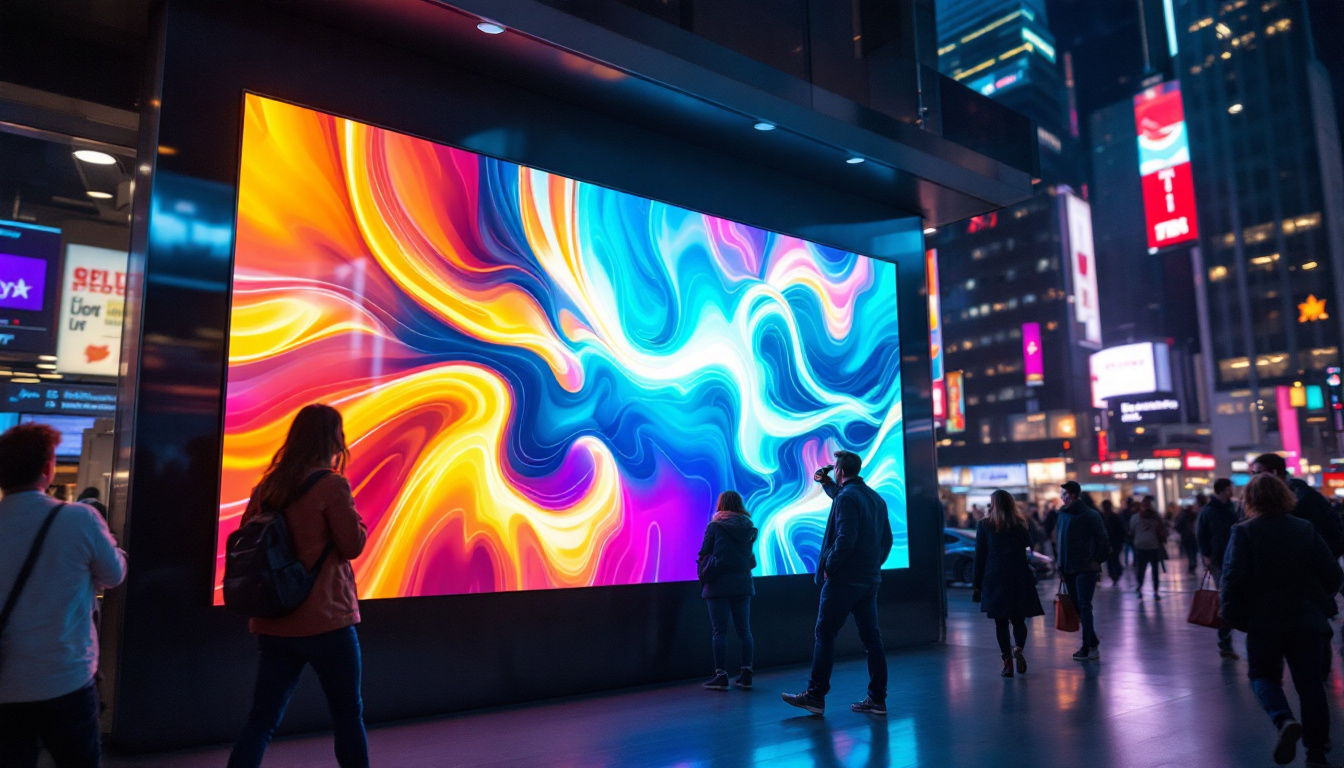
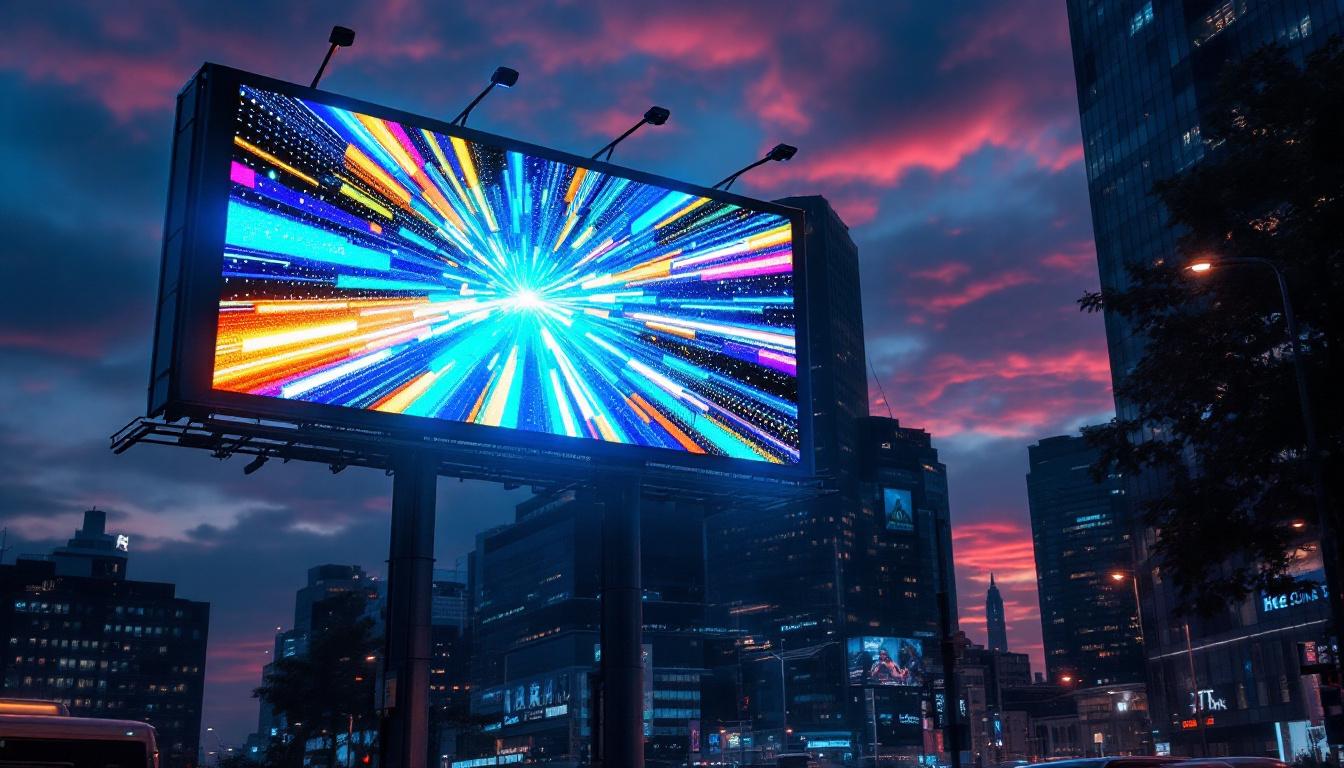
One of the most visible uses of pixel panels is in outdoor advertising. Digital billboards leverage large-scale LED displays composed of numerous pixel panels to deliver bright, eye-catching content that can be updated remotely and in real-time.
These displays must withstand harsh weather conditions, including rain, wind, and extreme temperatures. Therefore, pixel panels designed for outdoor use are ruggedized with waterproof coatings and enhanced brightness—often exceeding 5,000 nits—to remain visible even in direct sunlight.
Indoor Video Walls and Corporate Displays
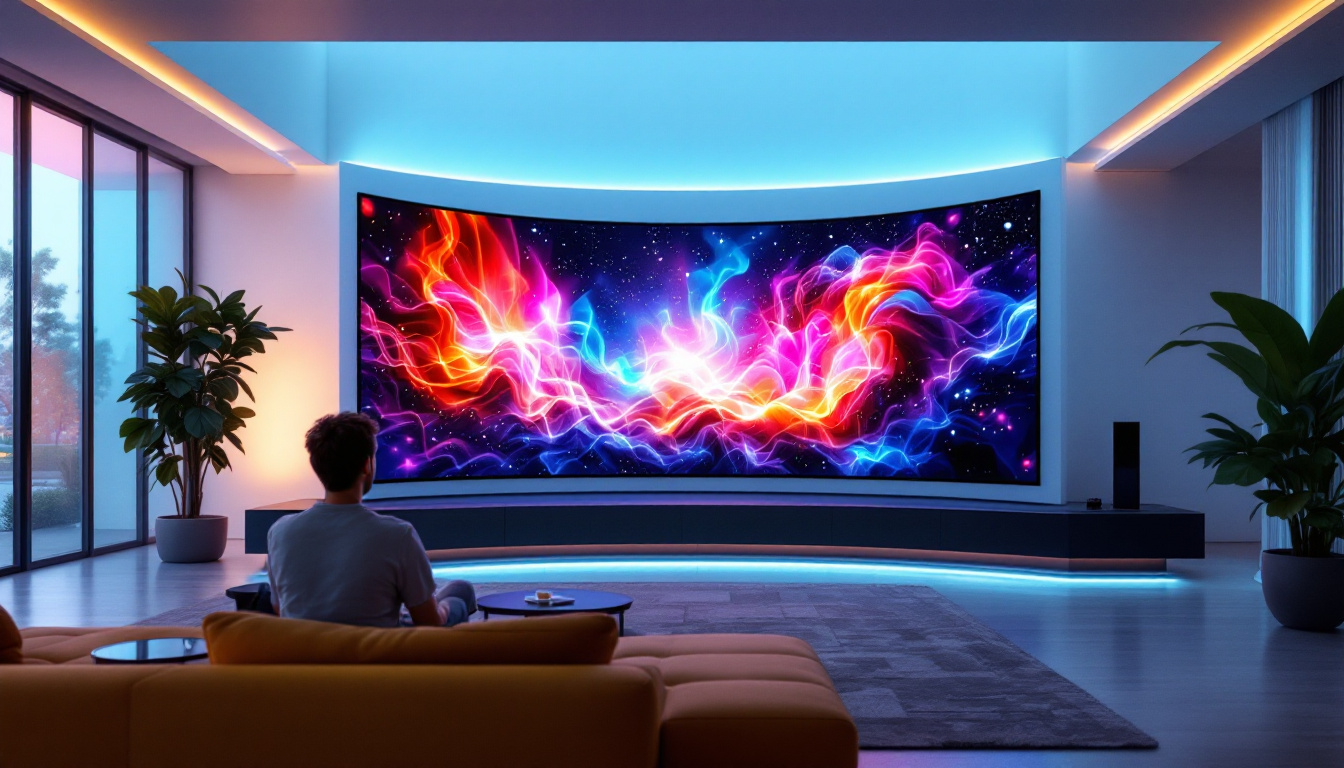
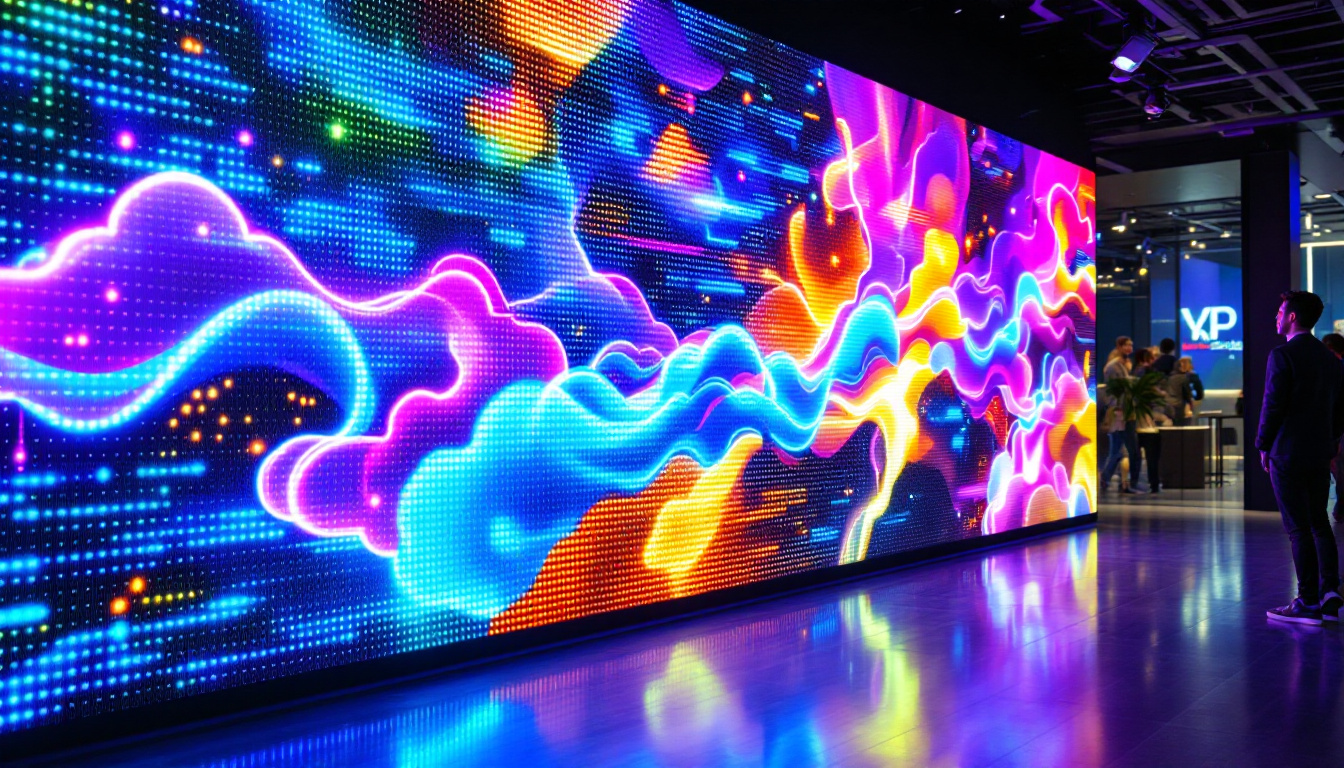
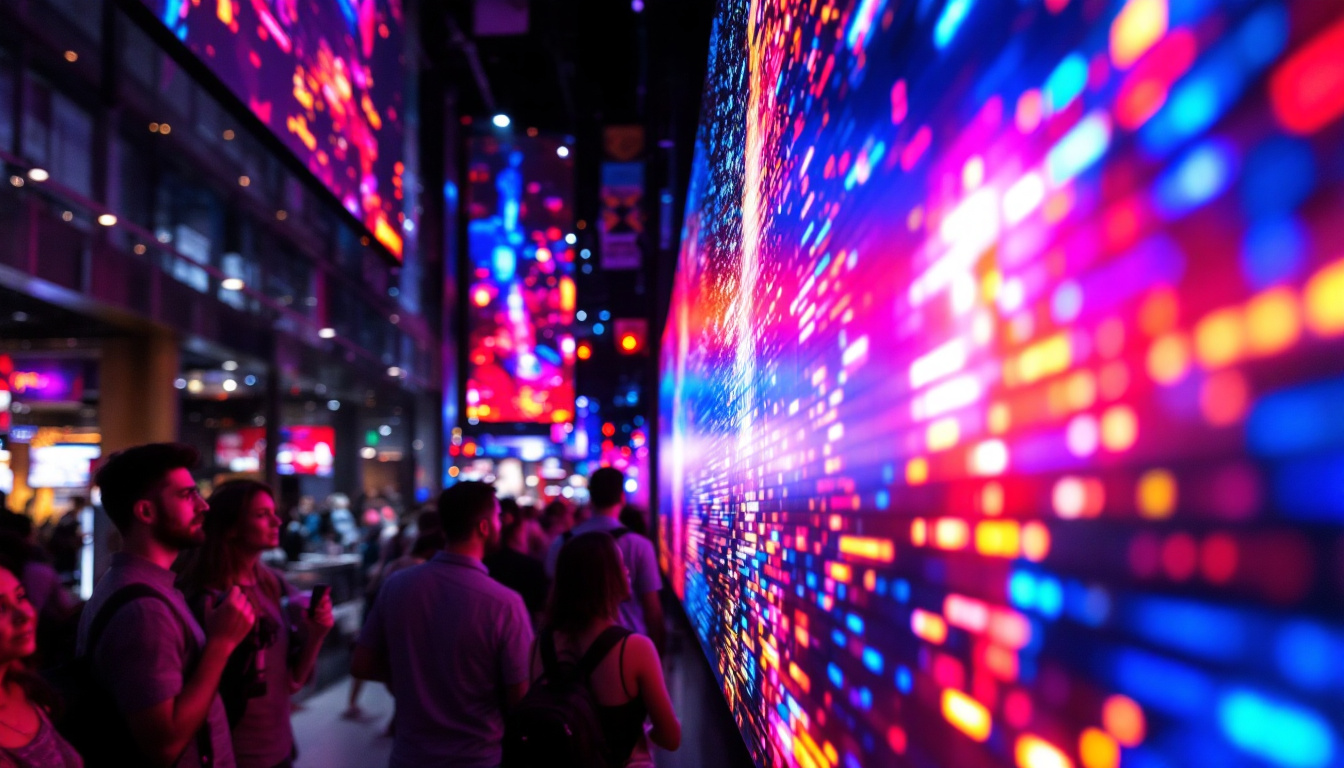
Indoor LED video walls have become a staple in corporate environments, retail stores, museums, and control rooms. Here, pixel panels with fine pixel pitches provide high-resolution imagery suitable for close viewing distances.
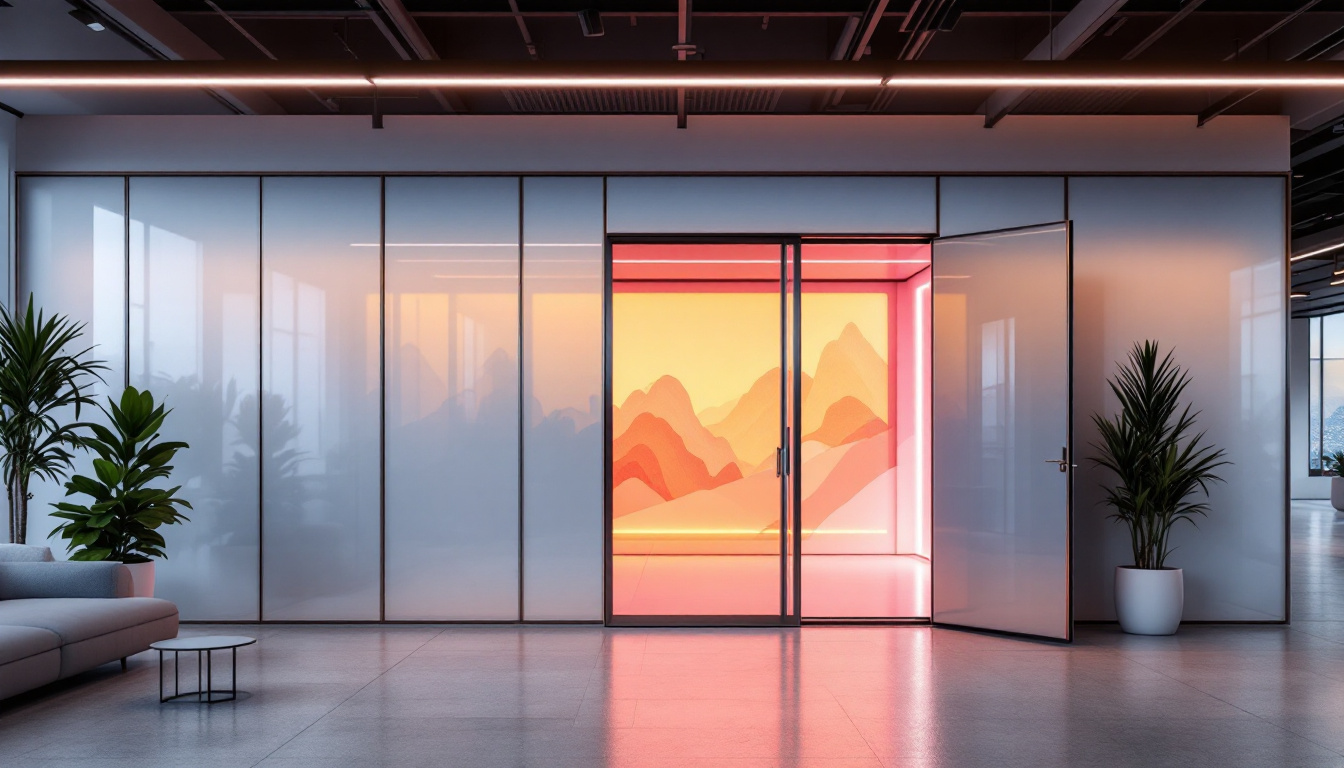
These installations often emphasize color accuracy and seamless panel integration to create immersive visual experiences. Additionally, the thin profile and lightweight design of modern pixel panels facilitate installation in tight spaces and on curved surfaces.
Event Production and Entertainment
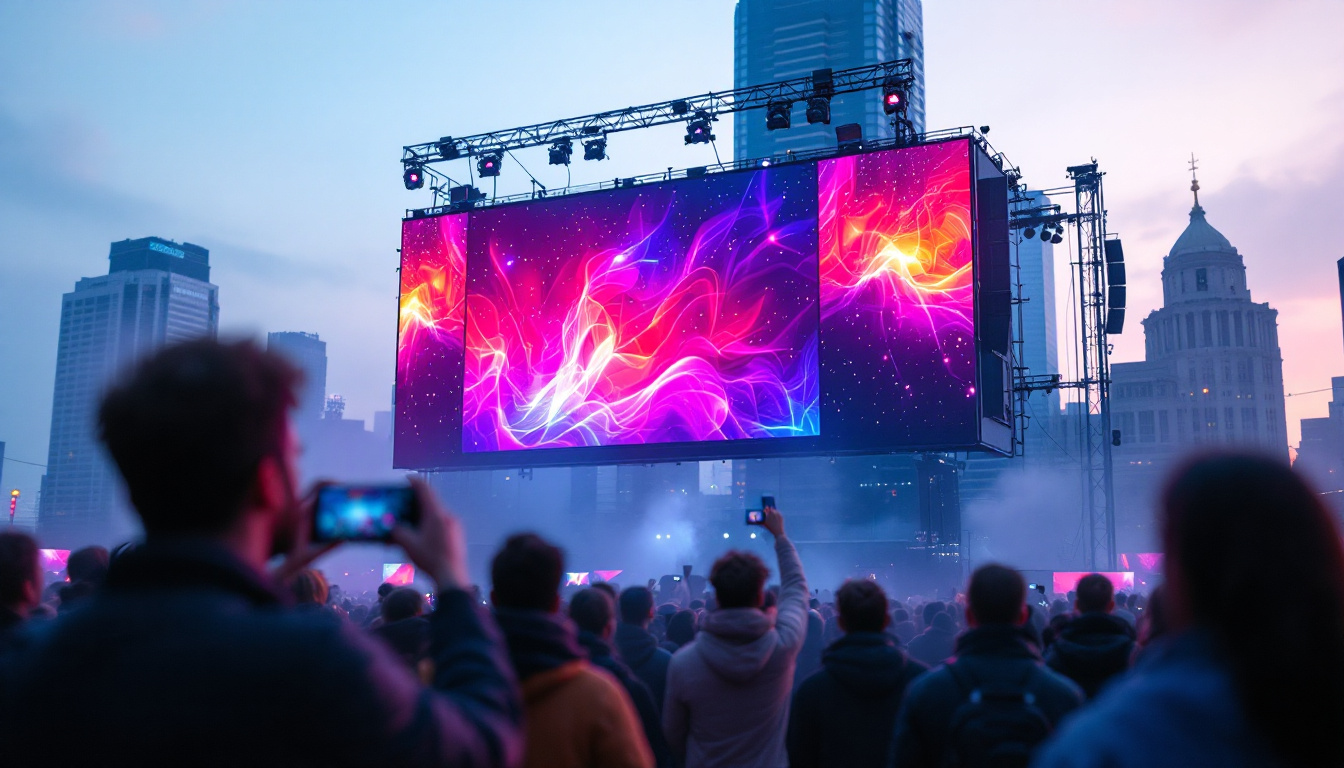
Concerts, trade shows, and live events frequently utilize LED displays built from pixel panels due to their flexibility and vibrant output. Portable pixel panels allow for quick assembly and disassembly, making them ideal for touring productions.
High refresh rates and color fidelity are critical in these environments to ensure dynamic content looks flawless both to live audiences and through broadcast cameras.
Choosing the Right Pixel Panel for Your LED Display
Selecting the appropriate pixel panel is a crucial step in designing an LED display that meets specific needs and budget constraints. Several factors should be considered to ensure optimal performance and longevity.
Assessing Viewing Distance and Environment
Understanding the typical viewing distance is fundamental to choosing the correct pixel pitch. For instance, a retail store display viewed from 3 to 5 feet requires a much finer pixel pitch than a highway billboard seen from hundreds of feet away.
Environmental conditions also dictate the choice of pixel panels. Outdoor displays require weatherproofing and higher brightness, while indoor panels prioritize resolution and color accuracy.
Resolution and Content Requirements
The nature of the content to be displayed influences panel selection. Static images and text demand high resolution and color precision, whereas video content benefits from higher refresh rates and contrast ratios.
Moreover, the total resolution of the assembled display depends on the number of pixel panels and their individual pixel density, so planning the overall screen size and pixel count is essential.
Budget and Maintenance Considerations
While high-end pixel panels offer superior performance, they come at a premium cost. Balancing initial investment with operational expenses, such as power consumption and maintenance, is key.
Modular pixel panels simplify repairs, as faulty modules can be replaced without dismantling the entire display. This reduces downtime and maintenance costs over the display’s lifespan.
Future Trends in Pixel Panel and LED Display Technology
As LED technology continues to advance, pixel panels are evolving to deliver even more impressive visual experiences and operational efficiencies.
MicroLED and MiniLED Innovations
Emerging technologies like MicroLED and MiniLED push the boundaries of pixel density and brightness. MicroLED panels feature microscopic LEDs that enable ultra-high-resolution displays with exceptional color accuracy and contrast, rivaling OLED screens without their burn-in issues.
MiniLED technology uses smaller LEDs as backlighting for LCD panels, enhancing contrast and brightness. While not a direct replacement for traditional pixel panels, these innovations influence the broader display market and consumer expectations.
Flexible and Transparent Pixel Panels
Flexible LED panels are gaining traction, allowing displays to bend and conform to unconventional surfaces. This opens new possibilities for architectural integration and creative installations.
Transparent LED panels enable see-through displays, ideal for retail windows and augmented reality applications, blending digital content with real-world views.
Improved Energy Efficiency and Smart Controls
With growing emphasis on sustainability, manufacturers are developing pixel panels that consume less power without compromising brightness or color quality. Smart control systems incorporating AI optimize display performance based on ambient conditions and content type.
Conclusion
Pixel panels are the fundamental units that make modern LED displays possible, combining sophisticated technology with modular design to create scalable, high-impact visual solutions. Whether illuminating cityscapes with towering billboards or enhancing corporate environments with stunning video walls, pixel panels continue to shape the future of digital display technology.
Understanding the technical aspects, applications, and emerging trends of pixel panels empowers businesses and creatives to make informed decisions, ensuring their LED displays deliver maximum impact, reliability, and value.
Illuminate Your Space with LumenMatrix
Ready to transform your environment with a dazzling display of light and color? LumenMatrix is at the forefront of LED display innovation, offering a wide array of solutions tailored to your unique needs. From Indoor and Outdoor LED Wall Displays to specialized options like Vehicle, Sports, and Floor LED Displays, our products are designed to captivate and engage. Experience the future of visual communication with our Custom, All-in-One, and Transparent LED Displays. Check out LumenMatrix LED Display Solutions today and see how we can help you make a lasting impression.