The plantar region of the foot plays a critical role in human mobility, balance, and overall health. Recent advances in technology have introduced innovative ways to study and understand this complex area, one of which involves the use of LED display systems. This article explores the anatomy and function of the plantar region, the technology behind LED displays used in foot analysis, and the practical applications and benefits of this integration in medical and sports science fields.
Understanding the Plantar Region of the Foot
Anatomy and Function
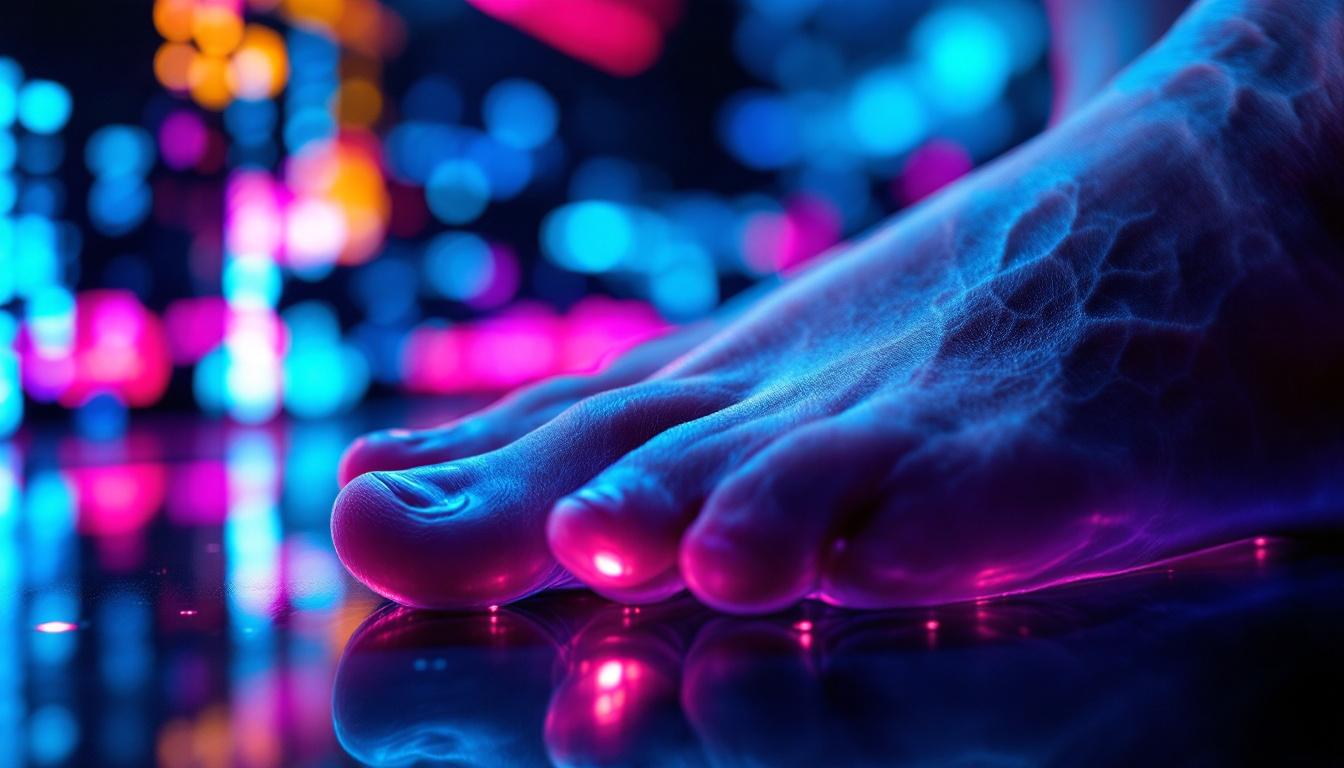
The plantar region refers to the bottom surface of the foot, encompassing the skin, muscles, ligaments, and bones that contribute to weight bearing and locomotion. It is composed of several layers, including a thick layer of skin designed to withstand pressure and friction, and a network of muscles that support the arch and facilitate movement.
Key anatomical structures in the plantar region include the plantar fascia, a strong connective tissue band that supports the arch, and the intrinsic muscles that help maintain foot stability. The region also contains numerous nerve endings and blood vessels, making it sensitive and vital for proprioception — the body’s ability to sense position and movement. The plantar surface is also home to specialized structures such as the digital pads, which enhance grip and provide cushioning during activities like running and jumping, allowing for greater agility and balance.
Importance in Biomechanics
The plantar region is essential in absorbing shock and distributing pressure during walking, running, and standing. It acts as a dynamic interface between the body and the ground, adapting to various surfaces and loads. Abnormalities or injuries in this area, such as plantar fasciitis or flat feet, can lead to pain and impaired mobility, highlighting the need for precise assessment and treatment. Additionally, the plantar region plays a crucial role in the overall biomechanics of the lower limb, influencing the alignment and function of the knees and hips. This interconnectedness means that issues in the plantar region can have cascading effects on the entire kinetic chain, potentially leading to compensatory injuries elsewhere in the body.
Moreover, the plantar region’s health is paramount for athletes and individuals engaged in physical activities. Proper footwear, orthotic devices, and targeted exercises can enhance the function of the plantar structures, promoting better performance and reducing the risk of injury. Understanding the mechanics of this area can also aid in rehabilitation strategies, allowing for tailored approaches that address specific dysfunctions. As research continues to evolve, the insights gained into the plantar region’s role in overall foot health will undoubtedly shape future practices in sports medicine and physical therapy.
LED Display Technology in Foot Analysis
What is an LED Display System?
LED (Light Emitting Diode) display technology involves arrays of tiny light sources that can be controlled to show patterns, images, or data in real time. In the context of plantar foot analysis, LED displays are integrated into pressure-sensing mats or insoles to visually represent pressure distribution and foot dynamics. This innovative approach allows for a deeper understanding of how the foot interacts with various surfaces, providing insights that are crucial for athletes, individuals with foot-related ailments, and those undergoing rehabilitation.
These systems typically consist of a grid of sensors beneath the surface, which detect the force and location of pressure points. The data is then translated into a visual output on the LED display, often color-coded to indicate varying pressure levels, allowing for immediate and intuitive interpretation. The versatility of LED technology means that it can also be adapted for different applications, from sports performance analysis to gait assessment in clinical settings. As a result, practitioners can tailor their approach based on the specific needs of each patient or athlete.
Advantages Over Traditional Methods
Traditional methods of foot pressure analysis often involve static measurements or require complex interpretation of data charts. LED displays provide a dynamic, real-time visualization that enhances accuracy and user engagement. This immediate feedback is invaluable for clinicians, therapists, and patients alike. For example, during a gait analysis session, practitioners can observe how pressure shifts occur with each step, allowing for timely adjustments in treatment plans or athletic training regimens.
Moreover, LED systems can be portable and integrated into wearable devices, enabling continuous monitoring outside clinical settings. This flexibility supports more personalized and context-specific assessments, which are critical for effective diagnosis and intervention. Users can track their foot pressure patterns over time, gaining insights into how their activities or footwear choices impact their foot health. Additionally, the ability to visualize data in real-time fosters a collaborative environment where patients can actively participate in their treatment, leading to better adherence and outcomes. As technology continues to advance, the potential applications of LED display systems in foot analysis are only expected to grow, paving the way for more innovative solutions in the field of podiatry and sports science.
Applications of LED Display in Plantar Foot Assessment
Medical Diagnostics and Rehabilitation
In medical practice, LED display systems are increasingly used to diagnose conditions such as plantar fasciitis, diabetic foot ulcers, and gait abnormalities. By visualizing pressure distribution, clinicians can identify areas of excessive load that may contribute to tissue damage or pain. This technology allows for a more nuanced understanding of foot mechanics, enabling healthcare providers to tailor interventions that address specific issues rather than relying on generalized treatment protocols.
During rehabilitation, these displays assist in monitoring progress and adjusting treatment plans. For example, patients recovering from foot surgery or injury can receive real-time feedback on their walking patterns, promoting proper weight distribution and reducing the risk of re-injury. Additionally, the visual nature of LED displays can enhance patient engagement, as individuals can see their improvements over time, fostering motivation and adherence to rehabilitation exercises.
Sports Science and Performance Enhancement
Athletes benefit greatly from plantar pressure analysis using LED displays. Understanding how force is applied during different phases of movement enables coaches and trainers to optimize technique, improve balance, and prevent injuries. For instance, runners can adjust their stride to reduce impact forces, enhancing both performance and longevity in their sport. This data-driven approach not only aids in refining athletic performance but also helps in injury prevention strategies, allowing athletes to train smarter rather than harder.
Furthermore, customized footwear and orthotics can be designed based on precise pressure maps, ensuring better support and comfort tailored to individual biomechanics. This personalization is particularly advantageous in sports where foot dynamics play a critical role, such as basketball or soccer, where quick changes in direction and speed are common. By incorporating LED display technology into training regimens, athletes can gain a competitive edge while minimizing the risk of foot-related injuries.
Ergonomics and Footwear Design
Beyond clinical and athletic settings, LED display technology informs the design of ergonomic footwear. Shoe manufacturers use pressure data to create soles that better distribute weight and reduce fatigue. This is particularly important for professions requiring prolonged standing or walking, such as healthcare workers and retail employees. The integration of LED display systems into the design process allows for iterative testing and refinement, ensuring that the final product meets the specific needs of various user groups.
By integrating LED-based plantar pressure analysis into the design process, companies can produce shoes that not only enhance comfort but also contribute to long-term foot health. This innovation has led to the development of smart footwear that can monitor and adjust to the wearer’s foot dynamics in real-time, providing feedback on posture and gait. Such advancements not only revolutionize the footwear industry but also pave the way for future research into the interplay between foot health and overall well-being, potentially leading to breakthroughs in preventative care and lifestyle management.
Technical Considerations and Future Directions
Accuracy and Calibration
For LED display systems to provide reliable data, sensor accuracy and proper calibration are paramount. Factors such as sensor resolution, response time, and environmental conditions can affect performance. Advances in sensor technology continue to improve these aspects, enabling more precise and consistent measurements.
Regular calibration against known standards ensures that the LED displays accurately reflect true pressure values, which is critical for clinical decision-making and research validity.
Integration with Other Technologies
The future of plantar foot analysis lies in the integration of LED displays with complementary technologies such as motion capture, electromyography (EMG), and artificial intelligence (AI). Combining these modalities can provide a comprehensive picture of foot function, muscle activity, and gait mechanics.
AI algorithms, for example, can analyze large datasets from LED pressure maps to detect subtle patterns and predict injury risk, enabling proactive interventions. Such innovations promise to revolutionize personalized healthcare and athletic training.
Challenges and Limitations
Despite their benefits, LED display systems face challenges including cost, durability, and user accessibility. High-quality sensors and displays can be expensive, potentially limiting widespread adoption. Additionally, wearable devices must withstand daily wear and environmental factors without compromising accuracy.
User training is also essential to interpret LED data correctly. Without proper understanding, there is a risk of misdiagnosis or ineffective treatment. Ongoing education and user-friendly interfaces are vital to overcoming these barriers.
Conclusion
The plantar region of the foot is a complex and vital component of human movement, and understanding its function is crucial for health and performance. LED display technology offers a powerful tool for visualizing and analyzing plantar pressure, transforming the way clinicians, athletes, and designers approach foot care and optimization.
As technology advances, the integration of LED displays with other diagnostic tools and AI will further enhance our ability to monitor, diagnose, and treat foot-related issues. Embracing these innovations promises improved outcomes, greater comfort, and enhanced quality of life for individuals across diverse fields.
Discover the Future of Foot Analysis with LumenMatrix
Ready to experience the next level of plantar pressure analysis and foot care optimization? LumenMatrix invites you to explore our advanced LED display solutions, designed to revolutionize visual communication and enhance engagement in medical diagnostics, sports science, and beyond. From our innovative Floor LED Display to Custom LED solutions tailored to your specific needs, we are committed to empowering professionals and businesses with the tools to share their message with precision and impact. Check out LumenMatrix LED Display Solutions today and step into a world where technology meets human movement like never before.