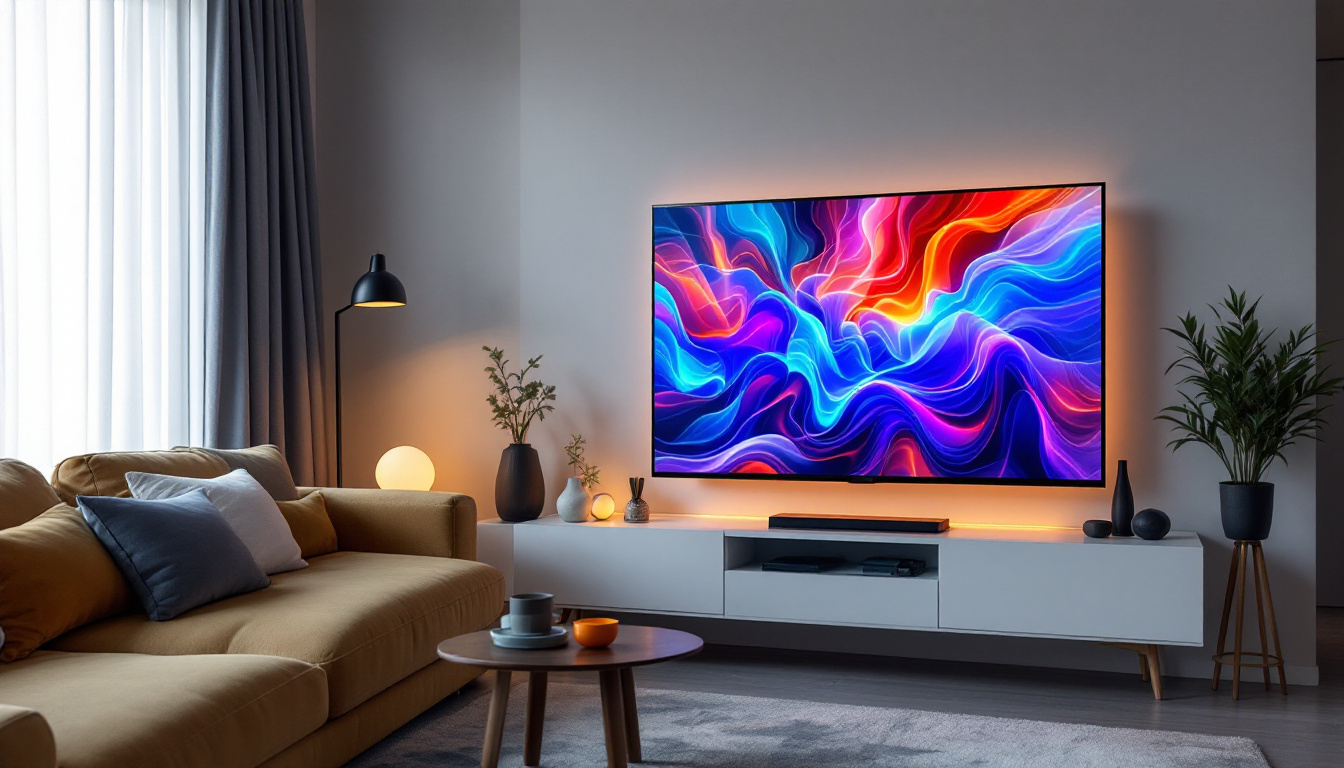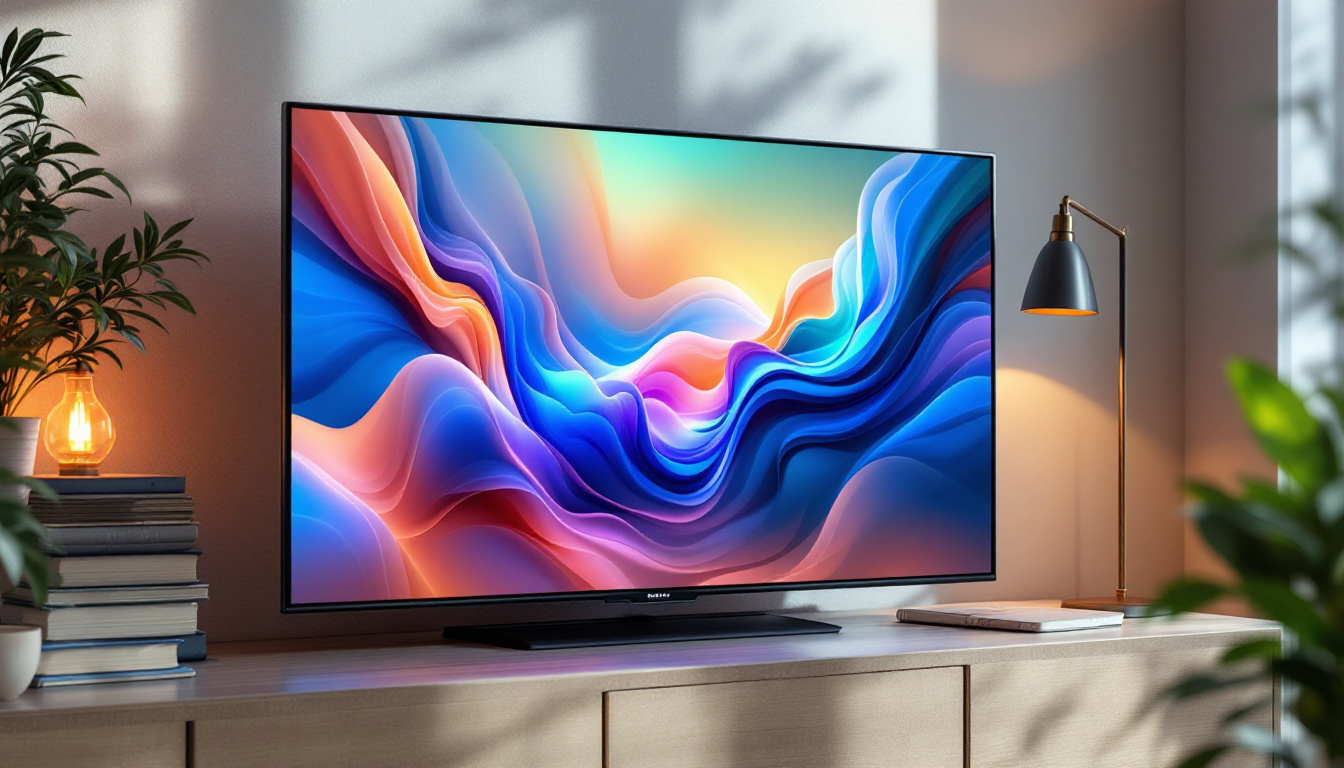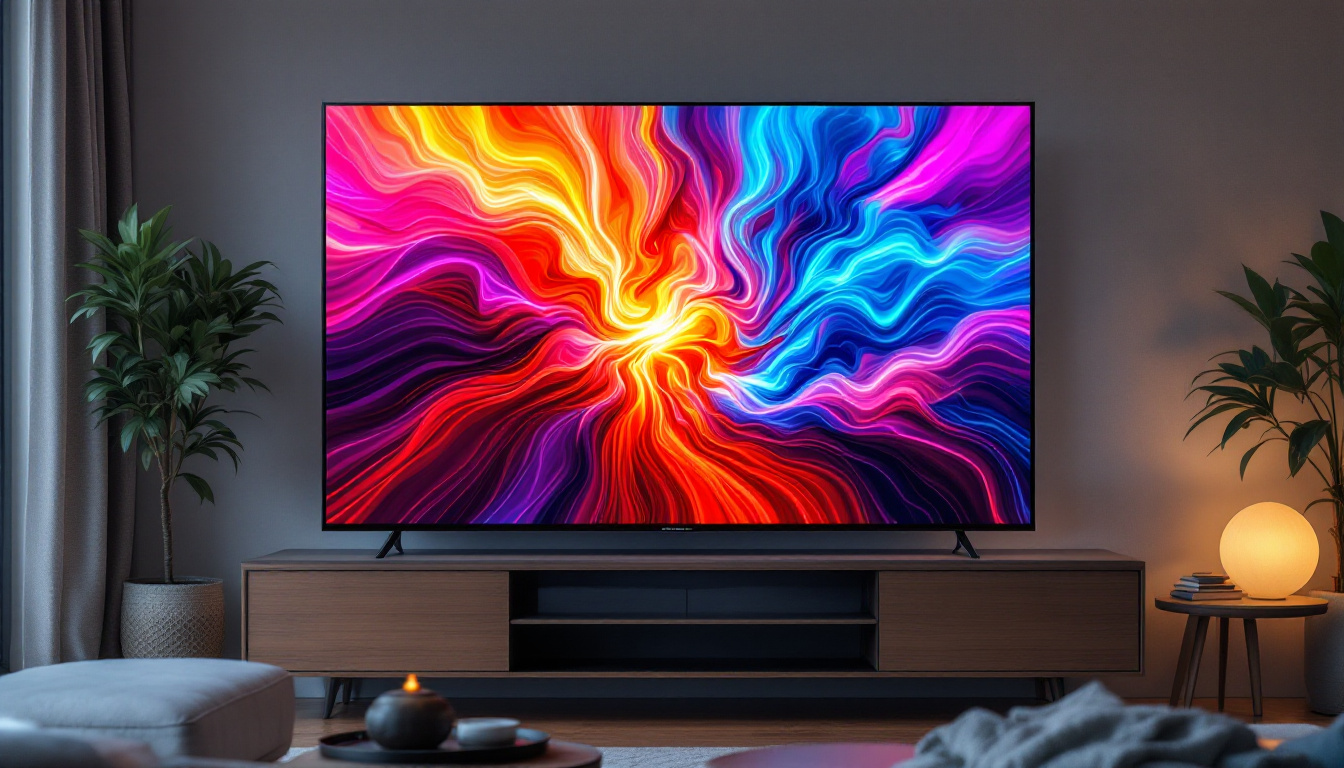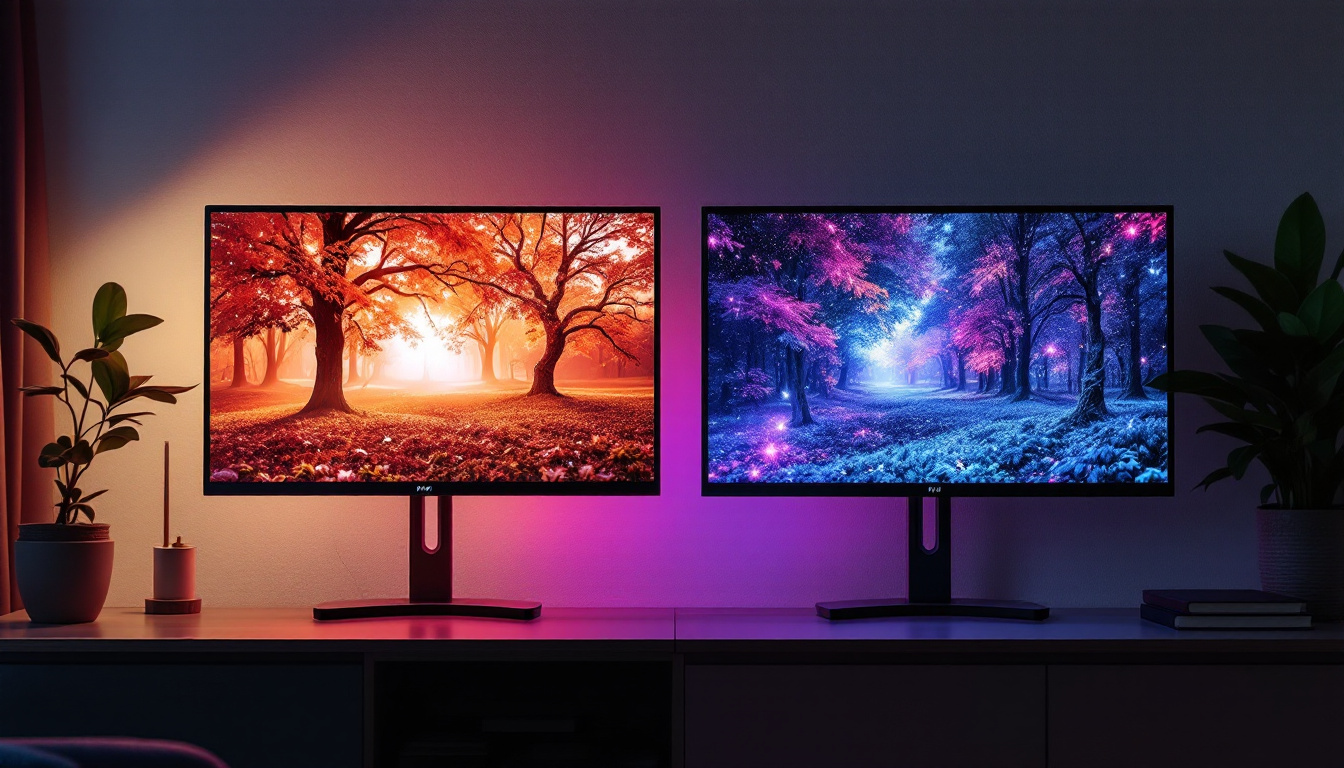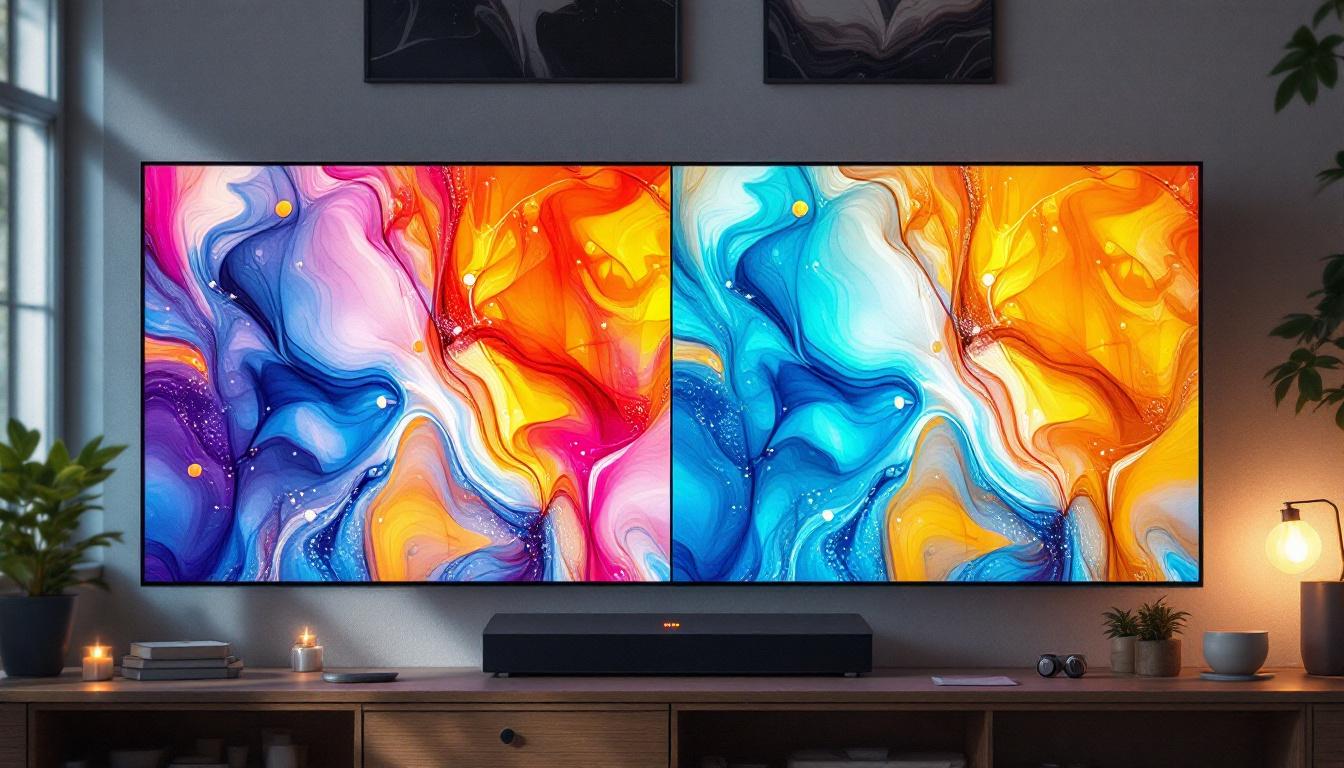
In the rapidly evolving world of television technology, understanding the differences between plasma screens and LED displays is essential for making an informed purchase. While plasma screens once dominated the market with their superior color accuracy and contrast, LED displays have surged ahead in popularity due to their energy efficiency and sleek design. This article will explore the pricing dynamics of plasma screens, explain the technology behind LED displays, and guide consumers through the key factors influencing their buying decisions.
Understanding Plasma Screen Technology and Pricing
Plasma screens were once the gold standard for large-format televisions, especially for home theater enthusiasts who prized rich colors and deep blacks. Unlike LCD or LED displays, plasma screens use small cells containing electrically charged ionized gases, or plasma, to produce images. This technology allows for excellent color reproduction and wide viewing angles.
Why Plasma Screens Were Popular
During the early 2000s, plasma TVs were preferred for their ability to display true blacks and vibrant colors, making them ideal for cinematic experiences. They also offered consistent picture quality regardless of viewing angle, a feature that many LCD TVs struggled with at the time. For consumers prioritizing image quality over energy consumption, plasma was the go-to choice. The immersive experience provided by plasma screens made them a favorite among movie buffs and gamers alike, who appreciated the depth and clarity that these displays brought to their viewing experiences. Additionally, the sleek design of plasma TVs allowed them to fit seamlessly into modern living spaces, further enhancing their appeal.
Factors Affecting Plasma Screen Prices
Several factors influenced the price of plasma screens when they were widely available. Screen size was a major determinant; larger plasma TVs commanded higher prices due to the complexity of manufacturing bigger plasma panels. Brand reputation also played a role, with premium manufacturers charging more for advanced features like higher refresh rates and better contrast ratios. The inclusion of smart technology and connectivity options, such as built-in Wi-Fi and streaming capabilities, also contributed to price variations. Consumers were willing to pay a premium for models that offered cutting-edge features, which reflected the growing trend towards integrated smart home technology.
Another important factor was the technology’s inherent cost structure. Plasma screens required more power and produced more heat, which increased manufacturing and operational costs. Additionally, their relatively short lifespan compared to LED displays contributed to higher long-term expenses for consumers. Despite these drawbacks, many enthusiasts were drawn to the unique qualities of plasma technology, often justifying the higher price point with the promise of superior picture quality. This led to a passionate community of users who shared tips on optimizing their plasma displays for the best performance.
The Decline of Plasma Screens and Its Impact on Pricing
By the mid-2010s, plasma technology began to decline as LED and OLED displays advanced rapidly. Manufacturers gradually phased out plasma production, leading to a reduction in available models and parts. This scarcity initially caused some plasma screens to retain value among niche buyers, but overall, prices dropped due to decreased demand and limited supply. As consumers shifted their focus to more energy-efficient and longer-lasting technologies, the market for plasma screens dwindled, resulting in significant discounts on remaining stock. Retailers often found themselves slashing prices to clear out inventory, leading to some incredible deals for those willing to embrace the technology.
Today, plasma screens are largely considered obsolete in the mainstream market, and new models are no longer produced. However, understanding their pricing history provides valuable context when comparing them to modern LED displays. The nostalgia surrounding plasma technology remains strong among enthusiasts, who often reminisce about the unparalleled picture quality and vibrant colors that defined the era. Collectors have even emerged, seeking out vintage plasma models as a testament to the evolution of display technology, while discussions about their merits continue to spark debates in online forums and tech communities.
LED Display Technology: How It Works and Why It’s Popular
Light Emitting Diode (LED) displays have become the dominant technology in the television market, largely replacing plasma and traditional LCD screens. LED TVs are essentially LCD screens that use LEDs as a backlighting source, offering significant advantages in terms of energy efficiency, brightness, and design flexibility.
The Basics of LED Displays
LED displays use an array of light-emitting diodes to illuminate the liquid crystal display panel. This method allows for thinner screens and better control over brightness compared to older CCFL-backlit LCDs. There are two main types of LED backlighting: edge-lit and full-array. Edge-lit LEDs are placed around the screen’s perimeter, making TVs thinner but sometimes less uniform in brightness. Full-array LED TVs have LEDs spread evenly behind the screen, enabling local dimming for improved contrast.
Advantages of LED Displays Over Plasma
LED displays offer several key benefits that have contributed to their widespread adoption. First, they consume significantly less power, making them more environmentally friendly and cost-effective to operate. Second, LED TVs are generally lighter and thinner, allowing for more versatile mounting options and modern aesthetics.
Additionally, LED technology supports higher resolutions, including 4K and 8K, which are now standard in premium models. This capability ensures sharper images and better detail, appealing to consumers seeking the latest in visual performance.
Pricing Factors for LED Displays
The price of an LED TV depends on multiple factors such as screen size, resolution, refresh rate, HDR support, and smart TV features. Larger screens with 4K or 8K resolution and advanced features like Dolby Vision or HDMI 2.1 ports naturally command higher prices. Brand reputation and warranty services also influence cost.
As LED technology has matured, prices have become more accessible. For example, a 55-inch 4K LED TV can range from around $300 for budget models to over $1,500 for premium versions with advanced picture processing and gaming capabilities.
Comparing Plasma and LED Displays: Price and Performance
When deciding between plasma and LED displays, price is an important consideration, but performance characteristics and long-term value also play crucial roles. Although plasma screens offered superior picture quality in their prime, LED displays have closed the gap and surpassed plasma in many areas.
Initial Purchase Price
Historically, plasma TVs were priced competitively with LED models of similar size and features. However, as plasma technology became obsolete, the cost to purchase a new plasma screen became prohibitive due to scarcity. Conversely, LED TVs have benefited from economies of scale and technological advancements, resulting in a broad range of affordable options.
Energy Consumption and Operating Costs
One of the most significant differences between plasma and LED displays is energy efficiency. Plasma TVs typically consumed 30-50% more power than comparable LED models. Over the lifespan of the TV, this difference can translate into substantial savings on electricity bills, making LED displays more economical in the long run.
Picture Quality and Viewing Experience
Plasma screens excelled in delivering deep blacks and smooth motion handling, which made them favorites for watching movies and sports. However, modern LED TVs with full-array local dimming and high refresh rates have narrowed this gap considerably. Additionally, LED displays often provide higher peak brightness, improving visibility in well-lit rooms.
Durability and Lifespan
LED displays generally have longer lifespans than plasma TVs. Plasma screens were prone to burn-in and image retention issues, especially when static images were displayed for extended periods. LED technology has largely eliminated these problems, providing more reliable performance over time.
Current Market Trends and Future Outlook
As of 2024, plasma screens are effectively phased out from the consumer market, with LED and OLED technologies leading the way. Understanding current trends helps consumers anticipate future developments and make smart purchasing decisions.
The Rise of OLED and QLED Technologies
Organic Light Emitting Diode (OLED) displays have gained traction for their ability to produce perfect blacks and vibrant colors without the backlighting used in LED TVs. OLEDs offer superior contrast ratios and viewing angles, making them a popular choice for high-end home theaters.
Quantum Dot LED (QLED) technology, a variation of LED displays, uses quantum dots to enhance color accuracy and brightness. QLED TVs often provide a middle ground between traditional LED and OLED in terms of price and performance.
Price Trends in LED TVs
LED TV prices have steadily decreased over the past decade due to improvements in manufacturing and increased competition. Entry-level 4K LED TVs can now be found for under $300, while premium models with advanced features range from $1,000 to $3,000 or more.
Consumers can expect continued price reductions as 8K resolution and AI-enhanced picture processing become more mainstream. Additionally, smart TV capabilities and integration with home ecosystems are becoming standard, adding value without significantly increasing cost.
Environmental Considerations
Energy efficiency remains a critical factor for many buyers. LED TVs consume less power and have a smaller carbon footprint compared to plasma screens. Manufacturers are also focusing on sustainable materials and recycling programs, aligning with growing consumer demand for eco-friendly products.
Making the Right Choice: What Should Consumers Consider?
Choosing between plasma and LED displays today largely means opting for LED technology, given the discontinuation of plasma models. However, understanding the nuances of LED displays can help buyers select a TV that fits their budget and viewing preferences.
Assess Your Viewing Environment
Consider the lighting conditions and room size where the TV will be placed. LED TVs with high brightness and anti-reflective coatings perform well in bright rooms, while OLEDs excel in dark environments. Screen size should also match viewing distance for optimal comfort.
Prioritize Features That Matter
Think about what features are most important: Is it gaming performance with low input lag? Is it cinematic picture quality with HDR support? Or is it smart TV functionality for streaming and connectivity? Prioritizing these factors helps narrow down the options.
Set a Realistic Budget
LED TVs offer a wide price range, so setting a budget helps focus the search. Remember to factor in potential additional costs such as wall mounts, sound systems, or extended warranties. Investing in a quality display can provide better value over time.
Check Reviews and Expert Opinions
Reading professional reviews and user feedback can provide insights into real-world performance and reliability. Look for trusted sources that conduct thorough testing and comparisons.
Conclusion
While plasma screens once set the benchmark for picture quality, LED displays have emerged as the dominant technology due to their energy efficiency, versatility, and affordability. Understanding the pricing factors and technological differences between plasma and LED TVs empowers consumers to make informed decisions aligned with their needs and budgets.
As the television market continues to evolve with innovations like OLED and QLED, buyers can expect even more options that blend stunning visuals with smart features. Ultimately, selecting the right display involves balancing price, performance, and personal preferences to create the ideal viewing experience.
Discover LumenMatrix’s Advanced LED Solutions
Ready to elevate your viewing experience with the latest in LED display technology? Look no further than LumenMatrix, a leader in innovative LED solutions. From vibrant Indoor and Outdoor LED Wall Displays to dynamic Vehicle and Sports LED Displays, LumenMatrix offers a wide range of products designed to bring your visual communications to life. Whether you’re looking to create an immersive environment with Floor LED Displays or make a bold statement with Custom and All-in-One LED Displays, our mission is to provide you with displays that captivate and engage. Experience the future of visual storytelling with our Transparent LED Displays and see how our technology can transform your space. Check out LumenMatrix LED Display Solutions today and start your journey towards unparalleled visual impact.