Plasma TV Stands: LED Display Explained
In the rapidly evolving world of television technology, understanding the differences between display types and how to best showcase your TV is essential. Plasma TVs, once the pinnacle of home theater displays, have given way to LED and OLED screens in recent years. However, plasma TVs still hold a special place for many enthusiasts due to their rich colors and deep blacks. Choosing the right TV stand for a plasma or LED display is more than just a matter of aesthetics—it’s about functionality, safety, and enhancing your viewing experience.
This article delves into the nuances of plasma and LED displays, explores the importance of selecting the right TV stand, and provides practical tips to help you make an informed decision for your home entertainment setup.
Understanding Plasma and LED Displays
What is a Plasma TV?
Plasma TVs use small cells containing electrically charged ionized gases (plasma) to produce images. Each cell emits light when energized, creating vibrant colors and deep blacks. This technology was widely popular from the early 2000s through the mid-2010s, especially for larger screen sizes ranging from 42 inches to 65 inches and beyond.
One of the key advantages of plasma TVs is their ability to display true black levels and excellent color accuracy. This made them a favorite among cinephiles and gamers who value immersive picture quality. However, plasma TVs tend to be heavier and thicker compared to modern LED displays, which impacts the type of stand or mounting solution required. Additionally, plasma screens are known for their wide viewing angles, allowing viewers to enjoy consistent color and brightness from various positions in the room, which is particularly beneficial for gatherings or movie nights with friends and family.
Despite their many advantages, plasma TVs do have some drawbacks. One notable issue is the phenomenon known as “burn-in,” where static images can become permanently etched into the screen if displayed for extended periods. This can be a concern for users who frequently watch news channels with logos or play video games with static HUDs. Manufacturers have implemented various technologies to mitigate this issue, but it remains a consideration for potential buyers.
What is an LED Display?
LED TVs are essentially LCD TVs that use light-emitting diodes (LEDs) as their backlighting source. Unlike plasma TVs, which generate light within each pixel, LED TVs rely on an LCD panel that blocks or allows light from the LEDs to pass through, creating the image. This technology allows for thinner, lighter, and more energy-efficient displays.
LED TVs come in various forms, including edge-lit, full-array, and mini-LED, each offering different levels of brightness, contrast, and color performance. The versatility and affordability of LED TVs have made them the dominant technology in the market today. Furthermore, advancements in LED technology have led to features like HDR (High Dynamic Range), which enhances the contrast and color range, providing a more dynamic viewing experience that is particularly noticeable in bright scenes or dark shadows.
Another significant advantage of LED displays is their energy efficiency. They consume less power compared to plasma TVs, making them a more environmentally friendly option. This efficiency not only translates to lower electricity bills but also contributes to a longer lifespan for the TV. Many modern LED TVs are designed with smart features, allowing users to stream content directly from the internet and integrate with smart home systems, further enhancing their appeal in contemporary households.
Comparing Plasma and LED: What Matters for Your TV Stand?
When considering a TV stand, the differences between plasma and LED TVs are crucial. Plasma TVs are generally heavier—some models weigh upwards of 70 pounds—requiring sturdy, well-constructed stands that can support the weight without risk of tipping or damage.
LED TVs, being lighter and thinner, offer more flexibility in stand design and placement. However, they often have wider bases or unique mounting points that may require specialized stands or mounts. Additionally, LED TVs tend to generate less heat than plasma TVs, which can influence ventilation considerations in stand design. This is particularly important in enclosed spaces where airflow might be restricted, as proper ventilation can help prolong the lifespan of the TV and maintain optimal performance.
Moreover, the aesthetic aspect of the TV stand should not be overlooked. With the sleek design of LED TVs, many consumers prefer stands that complement their modern decor. This has led to a rise in stylish, minimalist stands that can accommodate the slim profile of LED displays while providing ample storage for media devices and accessories. On the other hand, the bulkier nature of plasma TVs may necessitate more robust furniture solutions, often leading to a more traditional or industrial design that can support their weight and size effectively.
Choosing the Right Plasma TV Stand
Weight Capacity and Stability
One of the most important factors when selecting a plasma TV stand is ensuring it can safely support the weight of your television. A stand rated for at least 20-30% more than your TV’s weight is advisable to provide a safety margin. For example, if your plasma TV weighs 70 pounds, look for a stand rated for at least 90 pounds.
Stability is equally important. Plasma TVs are often top-heavy due to their thickness and weight distribution. Stands with a wide base, low center of gravity, and anti-tip features help prevent accidents, especially in homes with children or pets.
Material and Build Quality
Stands made from solid wood, metal, or high-quality engineered wood tend to offer the best durability and aesthetic appeal. Glass shelves can add a modern touch but may not be ideal for heavier plasma TVs unless reinforced with metal supports.
Additionally, consider the finish and style of the stand to complement your room décor. Dark woods and metals often pair well with the sleek black bezels of plasma TVs, while lighter finishes can brighten a space.
Ventilation and Cable Management
Plasma TVs can generate more heat than LED TVs, so proper ventilation is critical to prevent overheating and prolong the lifespan of your device. Look for stands with open backs or ventilation holes to allow air circulation.
Cable management features such as built-in channels or clips help keep cords organized and out of sight, reducing clutter and minimizing the risk of tripping or cable damage.
Storage and Additional Features
Many plasma TV stands offer additional storage options for media players, gaming consoles, and accessories. Adjustable shelves and compartments can accommodate various equipment sizes and help keep your entertainment area tidy.
Some stands also come with swivel mounts or adjustable heights, allowing you to customize your viewing angle for maximum comfort.
LED TV Stands: What to Consider
Design Flexibility and Modern Aesthetics
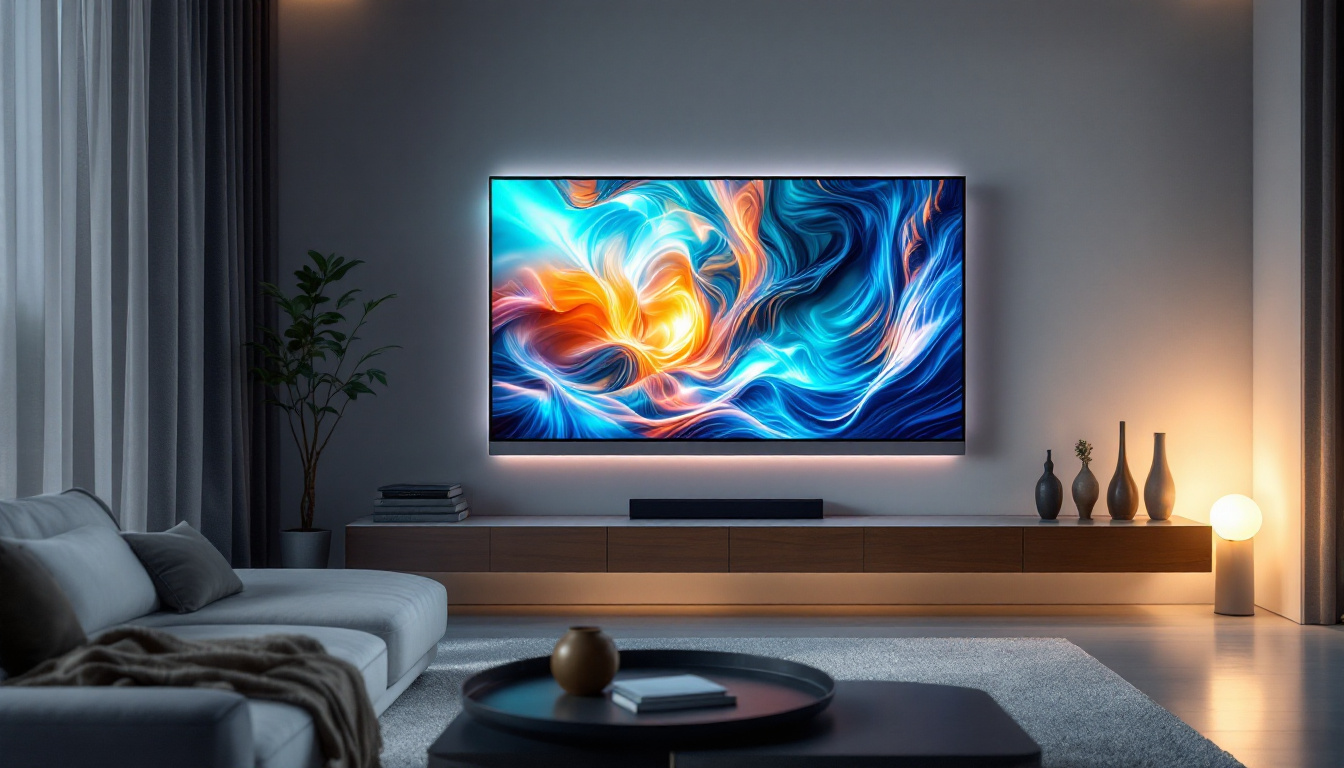
LED TVs are designed to be slim and lightweight, which means stands can be more minimalist and stylish. Floating stands, slim-profile consoles, and wall-mounted shelves are popular options that enhance the sleek look of LED displays.
Because LED TVs often have wider bases or unique mounting points, it’s important to verify compatibility with the stand or mount you choose. Some manufacturers offer stands specifically designed for their models, ensuring a perfect fit.
Weight and Size Considerations
While LED TVs are lighter than plasma models, larger LED TVs can still be heavy and require sturdy support. Always check the weight capacity of the stand and confirm it matches your TV’s specifications.
Additionally, consider the size of the stand relative to your TV. A stand that is too small can look awkward and may not provide adequate support, while an oversized stand can overwhelm the room.
Ventilation and Heat Dissipation
LED TVs generate less heat than plasma TVs, but proper ventilation remains important to maintain performance and longevity. Stands with open designs or ventilation slots help prevent heat buildup, especially if you have multiple devices stored together.
Adjustability and Viewing Comfort
Many LED TV stands offer adjustable heights, swivel mounts, or tilting mechanisms to optimize your viewing angle. This is particularly useful in rooms with varied seating arrangements or where glare from windows might affect the picture quality.
Practical Tips for Setting Up Your TV Stand
Measure Your Space Carefully
Before purchasing a TV stand, measure the available space in your room, including width, depth, and height. Ensure there is enough clearance for ventilation, cable connections, and any additional devices you plan to place on or inside the stand.
Consider Viewing Distance and Height
The ideal viewing distance depends on your TV’s size and resolution. For example, for a 55-inch 4K LED TV, a viewing distance of about 4.5 to 7 feet is recommended. The stand height should position the center of the screen at eye level when seated to reduce neck strain.
Secure Your TV Properly
For safety, especially in households with children or pets, secure your TV to the stand or wall using anti-tip straps or brackets. This prevents accidental tipping and potential injury.
Organize Cables and Accessories
Use cable management solutions to keep wires neat and out of sight. This not only improves aesthetics but also reduces the risk of damage and makes cleaning easier.
Future-Proofing Your Home Entertainment Setup
Consider Compatibility with New Technologies
While plasma TVs are less common today, many households still use them alongside newer LED or OLED models. When selecting a stand, consider whether it can accommodate future upgrades or additional devices, such as soundbars, gaming consoles, or streaming devices.
Modular stands with adjustable shelves and mounting options provide flexibility as your entertainment needs evolve.
Invest in Quality for Longevity
A high-quality TV stand is an investment that can enhance your viewing experience and protect your equipment. Cheaper, flimsy stands may save money upfront but can lead to safety hazards or require replacement sooner.
Look for stands with good reviews, solid warranties, and materials that withstand daily use.
Conclusion
Choosing the right TV stand for your plasma or LED display is a crucial part of setting up a comfortable and safe home entertainment environment. Understanding the differences between plasma and LED technologies helps inform the best choice in terms of weight capacity, ventilation, and design.
For plasma TVs, prioritize sturdy, well-ventilated stands with ample weight support and stability. For LED TVs, focus on sleek designs that complement the slim profile of the display while ensuring proper support and ventilation.
By carefully measuring your space, considering viewing comfort, and planning for future upgrades, you can select a TV stand that not only showcases your display beautifully but also enhances your overall viewing experience for years to come.
Enhance Your Viewing Experience with LumenMatrix
Ready to take your home entertainment to the next level? LumenMatrix offers a wide array of cutting-edge LED display solutions that will transform your space and elevate your viewing experience. From immersive Indoor LED Wall Displays to dynamic Outdoor LED Wall Displays, and from sleek LED Poster Displays to engaging LED Sports Displays, LumenMatrix has the perfect option to suit your needs. Embrace the future of visual communication with our innovative LED technology that promises to captivate your audience and deliver your message with unparalleled impact. Check out LumenMatrix LED Display Solutions today and see the difference for yourself!