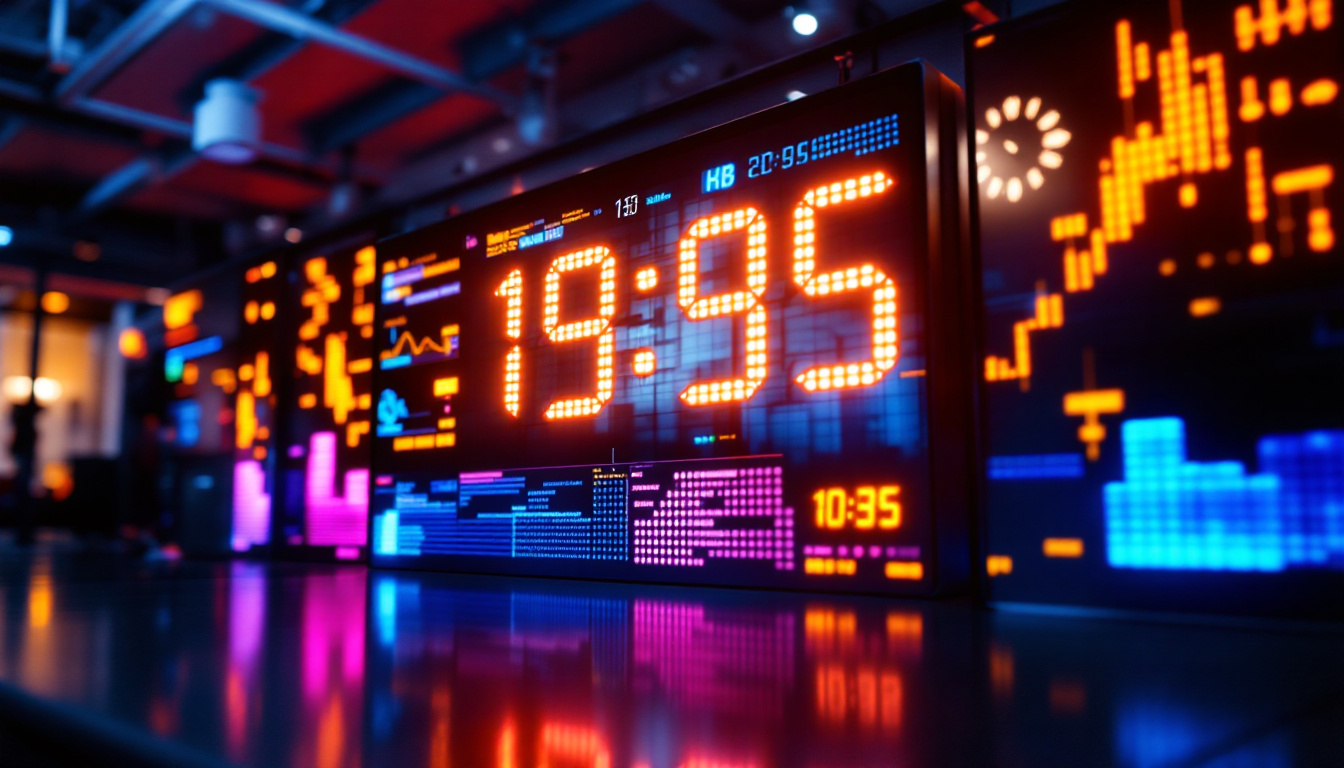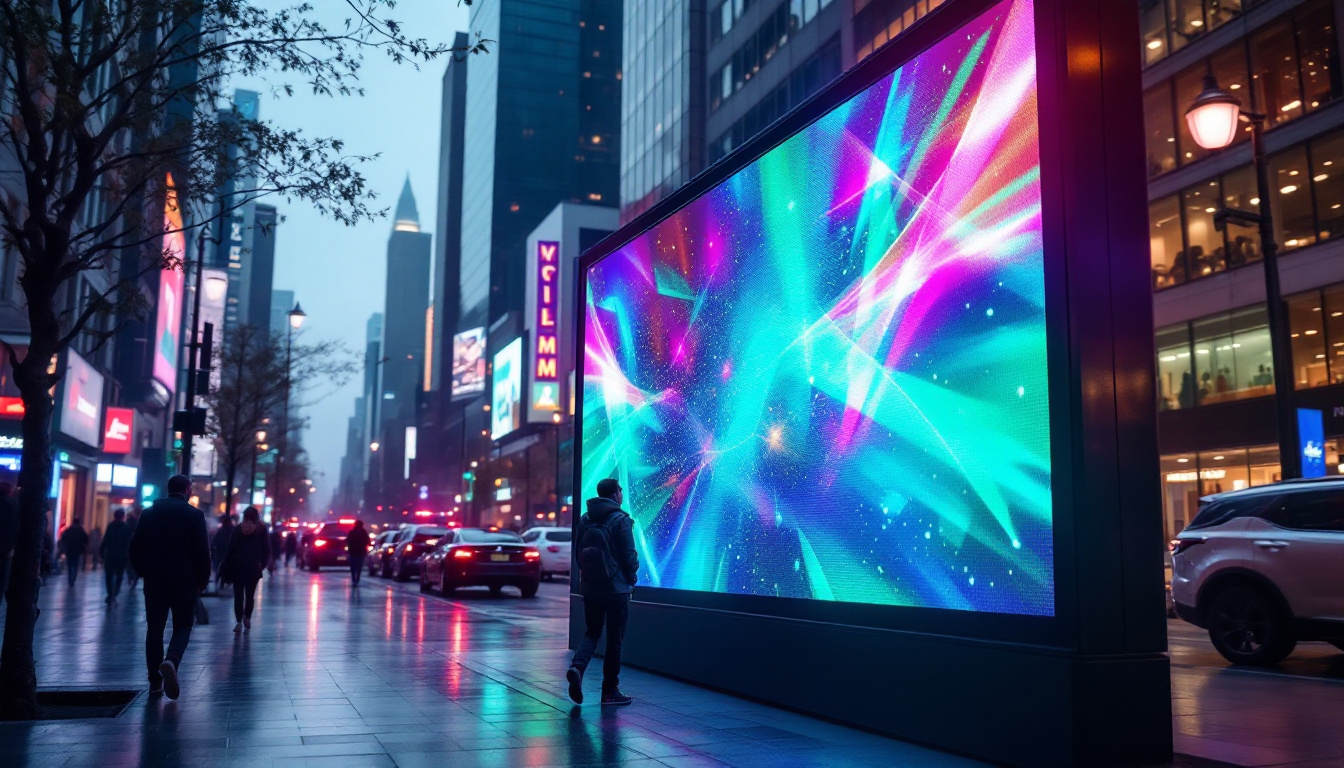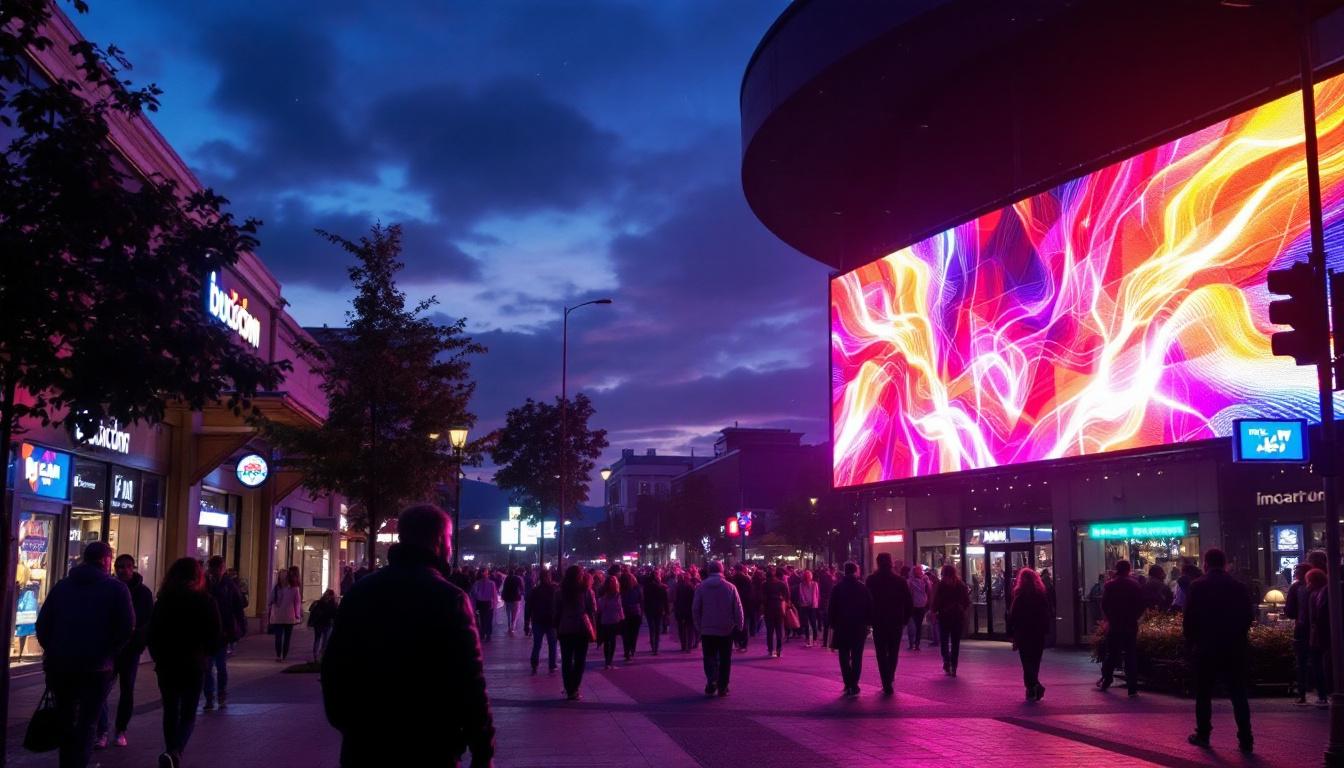
In the ever-evolving world of digital displays, LED technology stands out as a cornerstone for vibrant, energy-efficient, and versatile screens. From massive outdoor billboards to sleek indoor monitors, LED displays have transformed how information and visuals are presented across industries. This article delves into the fundamentals of LED displays, exploring their technology, applications, benefits, and future trends to provide a comprehensive understanding of why they dominate the display market today.
Understanding LED Display Technology
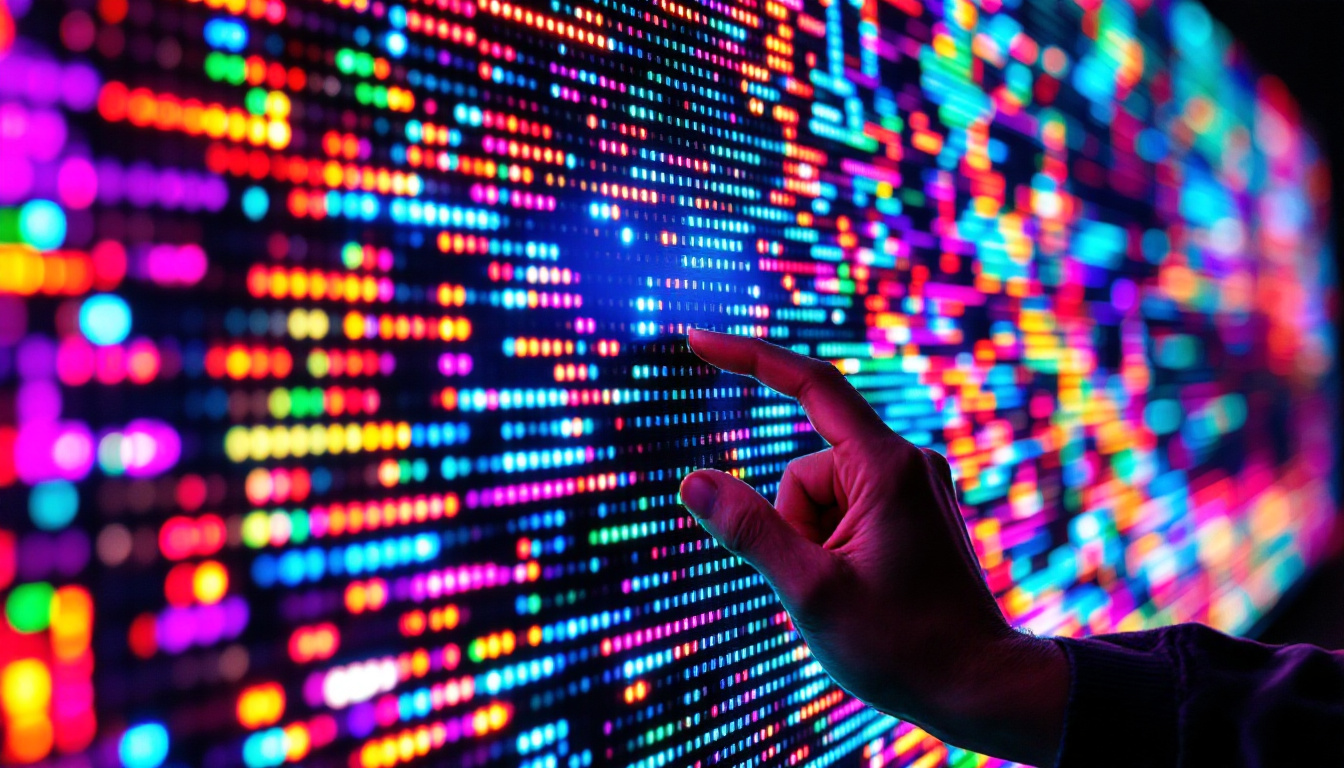
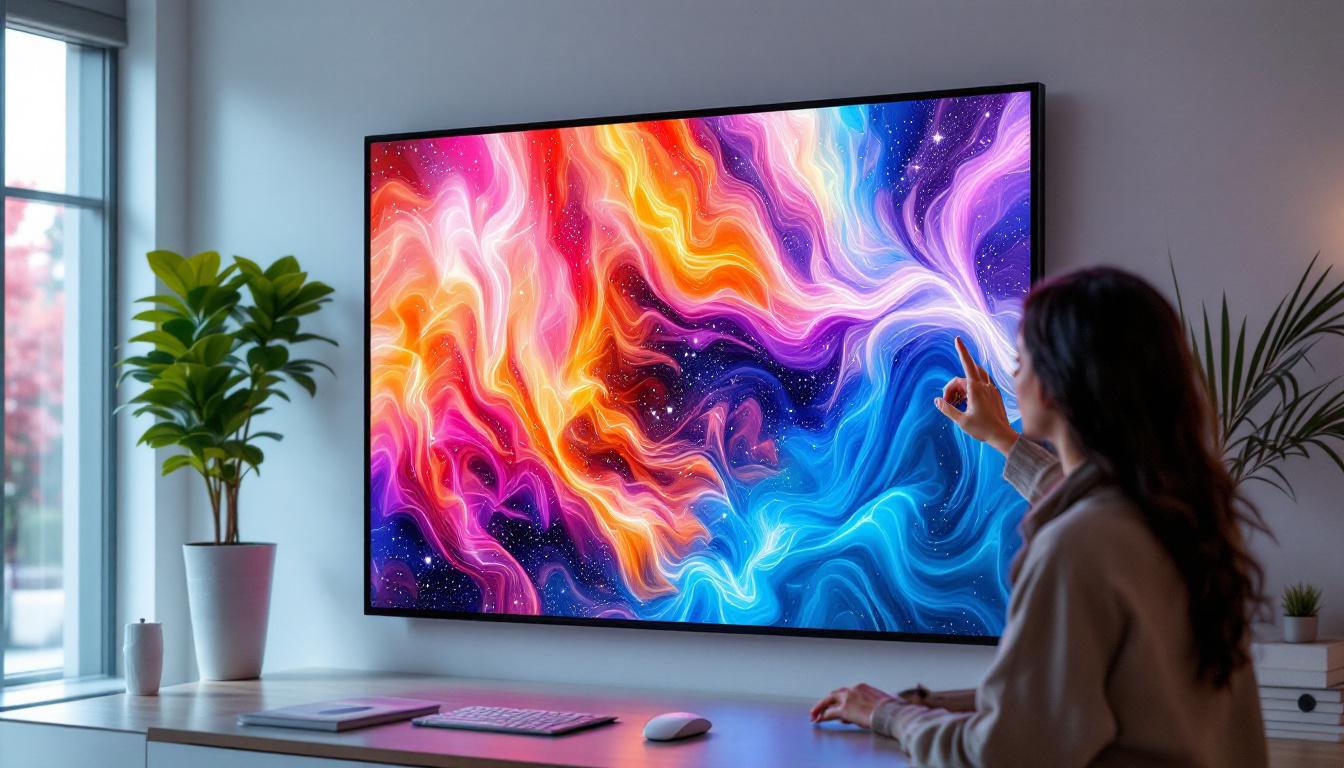
At its core, an LED display is a flat panel that uses light-emitting diodes (LEDs) as pixels to produce images. Unlike traditional LCD screens that rely on backlighting, LED displays generate their own light, resulting in brighter images and better contrast ratios. This self-illuminating feature not only enhances the visual experience but also contributes to energy efficiency, making LED technology a popular choice in various applications.
The term “Po Led” often refers to a specific type of LED display technology that emphasizes pixel optimization and high definition. While the nomenclature can vary, the underlying principles remain consistent across LED displays. The evolution of this technology has been driven by the demand for higher resolution and more vibrant displays, leading to innovations that continually push the boundaries of what’s possible in digital imaging.
How LEDs Work in Displays
Each LED in a display functions as a tiny light source that can be individually controlled to emit different colors and intensities. By combining red, green, and blue LEDs, displays can produce a full spectrum of colors through additive color mixing. This capability allows for vivid and accurate color representation, essential for applications ranging from advertising to medical imaging. The precision of color mixing also enables LED displays to reproduce images that are not only visually striking but also true to life, which is crucial in fields such as photography and graphic design.
Modern LED displays use surface-mounted device (SMD) LEDs or chip-on-board (COB) LEDs to achieve higher pixel density and improved image quality. These advancements have enabled LED screens to reach resolutions comparable to, or even surpassing, those of traditional LCD and OLED displays. Furthermore, the integration of advanced processing technologies allows for real-time adjustments to brightness and color balance, ensuring optimal performance in varying lighting conditions and enhancing the viewer’s experience.
Types of LED Displays
LED displays come in several forms, each suited to different environments and purposes:
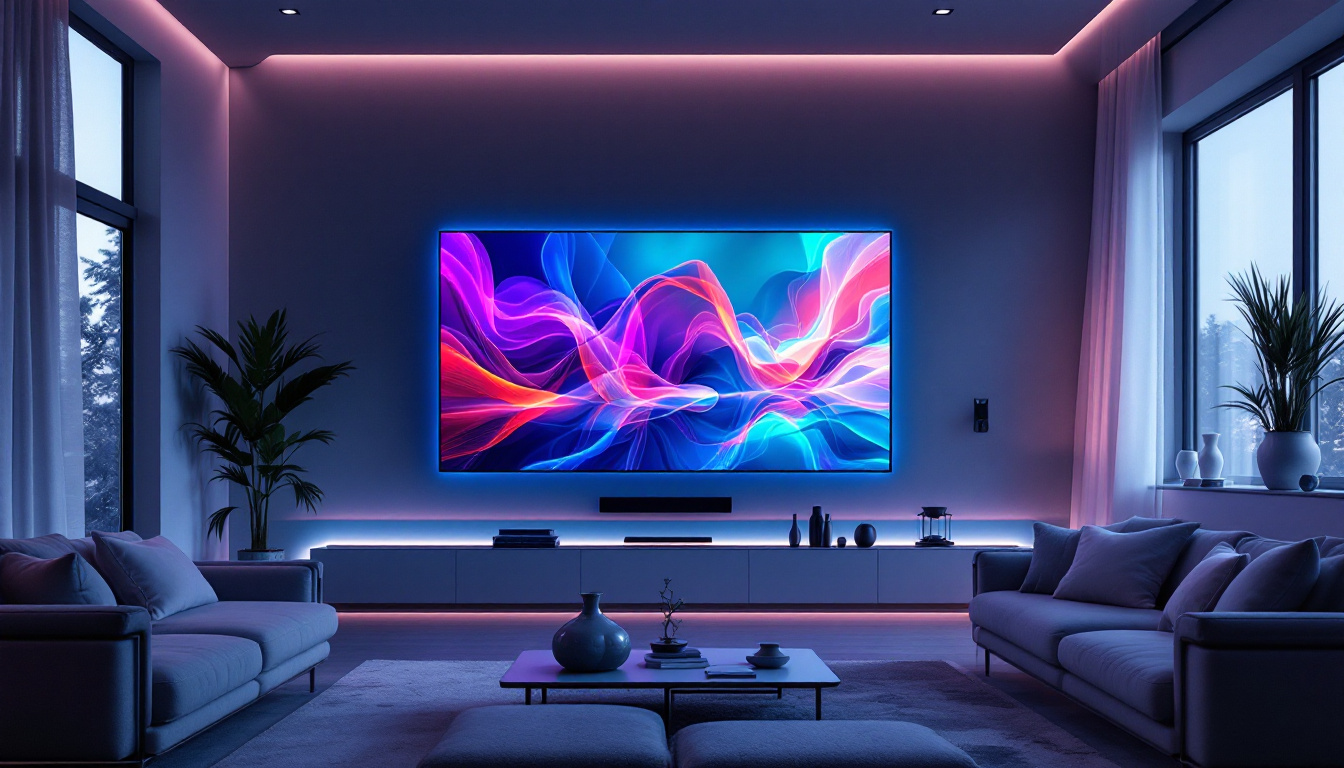
- Indoor LED Displays: Designed for close viewing distances, these displays offer high resolution and brightness levels tailored to indoor lighting conditions. They are commonly used in venues such as theaters, conference rooms, and retail spaces, where clarity and detail are paramount.
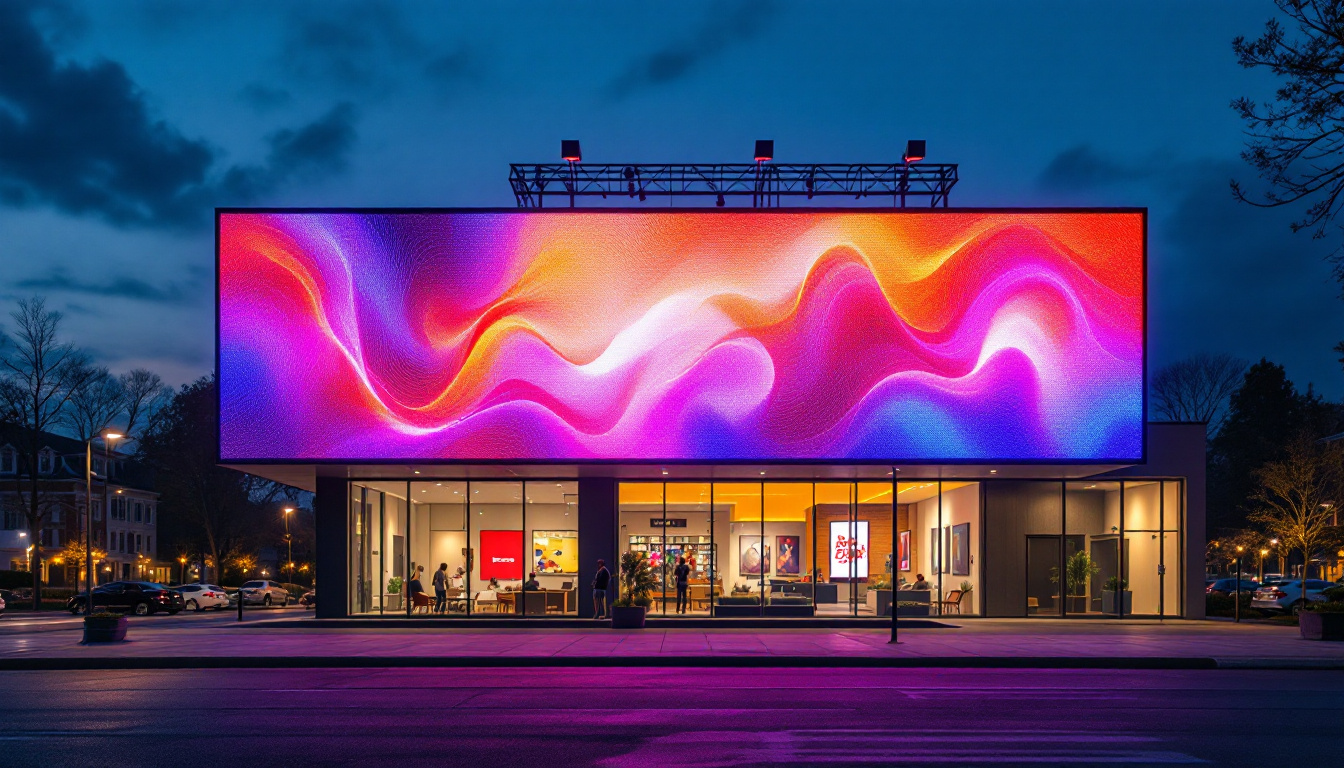
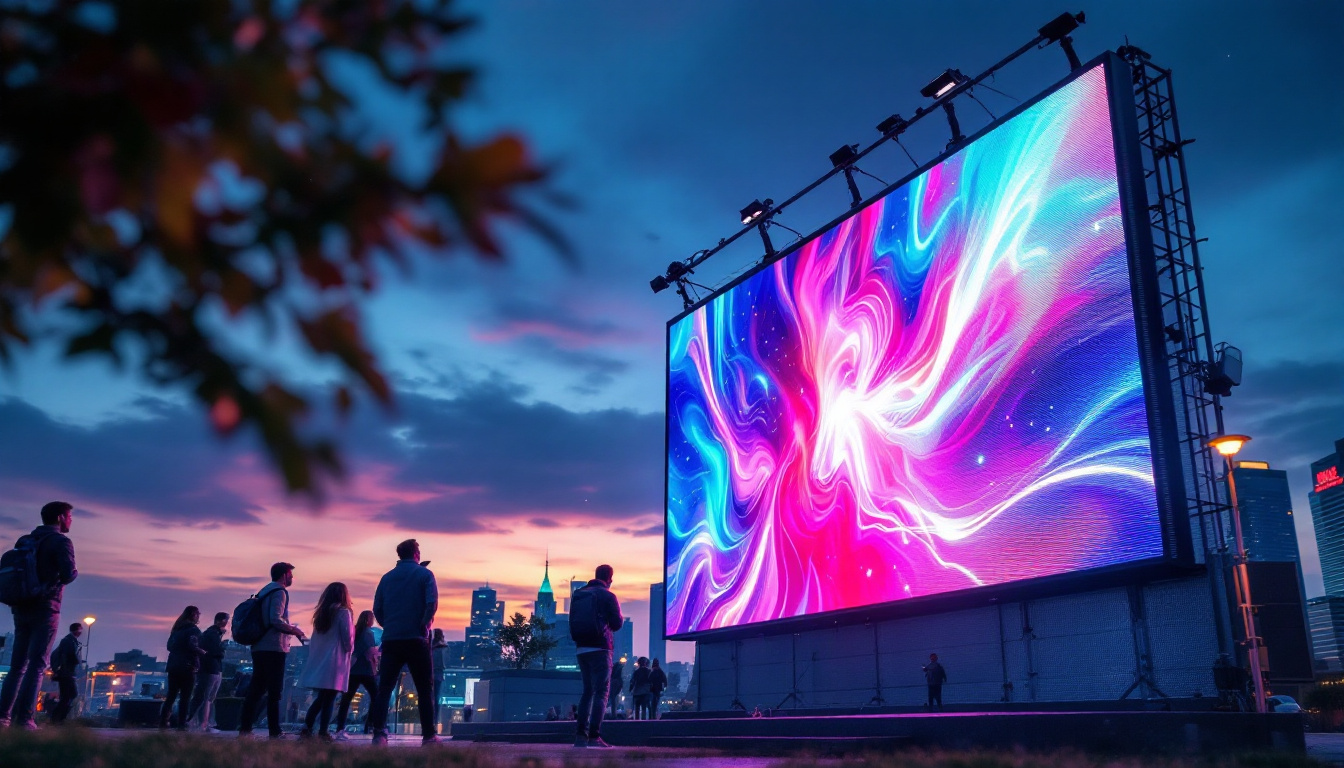
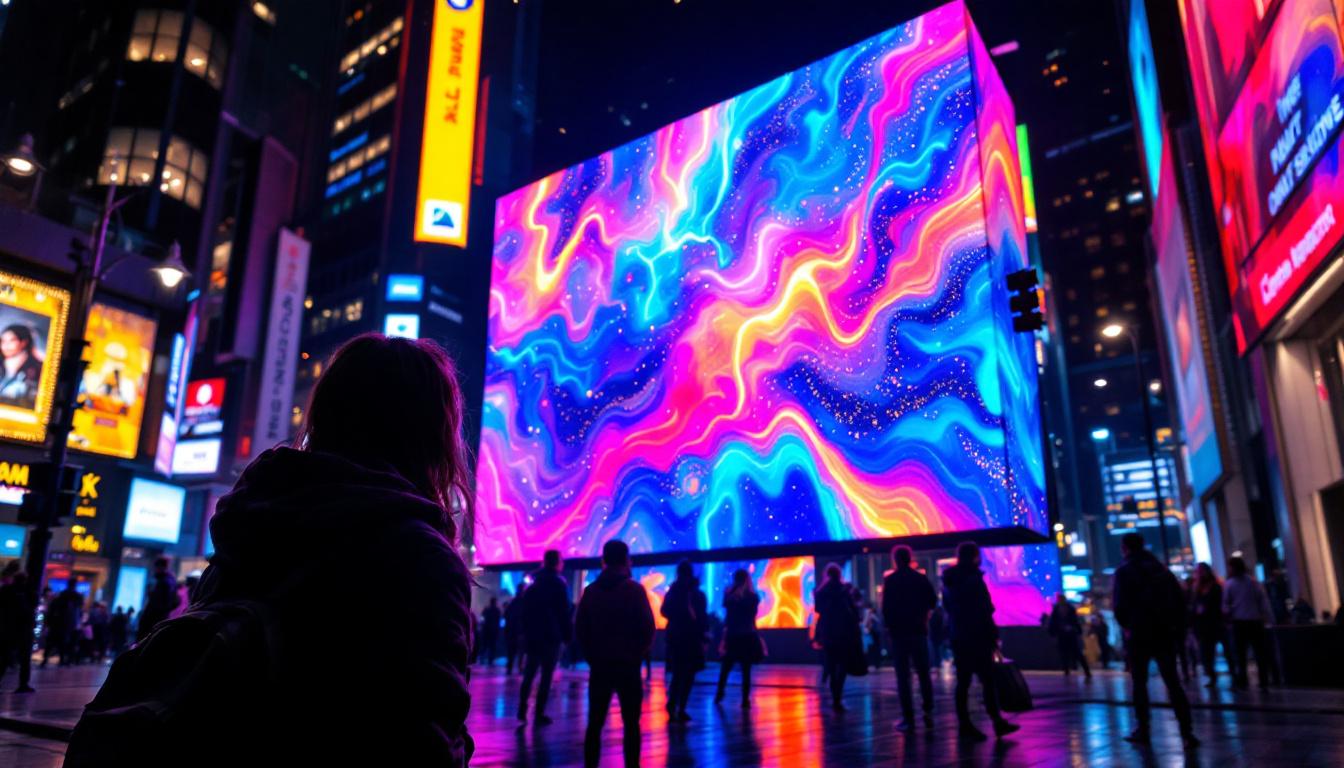
- Outdoor LED Displays: Built to withstand harsh weather and direct sunlight, outdoor LEDs feature higher brightness and robust casing for durability. These displays are often seen in stadiums, billboards, and public transportation hubs, where they must remain visible and functional in a variety of environmental conditions.
- Transparent LED Displays: These innovative screens allow light to pass through, making them ideal for storefronts and architectural applications where visibility from both sides is desired. They create a unique visual effect that can enhance the aesthetic appeal of buildings while still providing advertising opportunities.
- Flexible LED Displays: Utilizing bendable substrates, these displays can curve or wrap around surfaces, opening new possibilities in design and installation. Their adaptability makes them suitable for creative projects, such as art installations and immersive environments, where traditional rigid displays would be impractical.
In addition to these types, LED technology is also being integrated into emerging formats such as microLED and miniLED displays. MicroLED technology, for instance, promises even greater pixel density and energy efficiency by using microscopic LEDs, which can lead to ultra-high-definition displays that are thinner and lighter than ever before. As the technology continues to evolve, we can expect to see even more innovative applications and enhancements that push the boundaries of visual display capabilities.
Applications of LED Displays Across Industries
LED displays have become ubiquitous due to their adaptability and performance. Their applications span a wide range of industries, each leveraging the technology’s unique advantages.
Advertising and Marketing
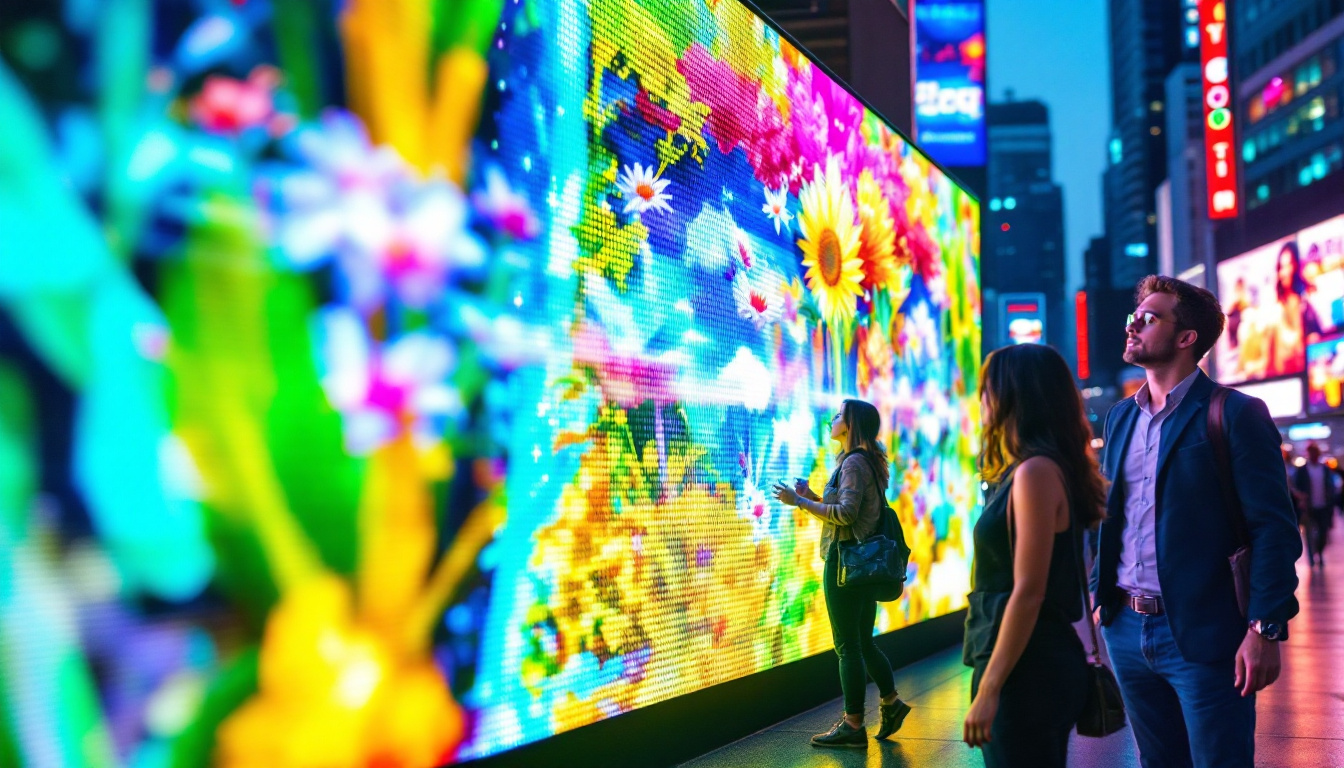
One of the most visible uses of LED displays is in outdoor advertising. Digital billboards powered by LEDs offer dynamic content that can be updated in real-time, enabling advertisers to target audiences with timely and engaging messages. According to recent market research, the global digital out-of-home (DOOH) advertising market, which heavily relies on LED displays, is projected to reach over $40 billion by 2027.
Indoor LED displays are also popular in retail environments, where they enhance customer engagement through interactive signage and promotional content. The ability to display high-quality video and animations helps brands capture attention and drive sales.
Sports and Entertainment Venues
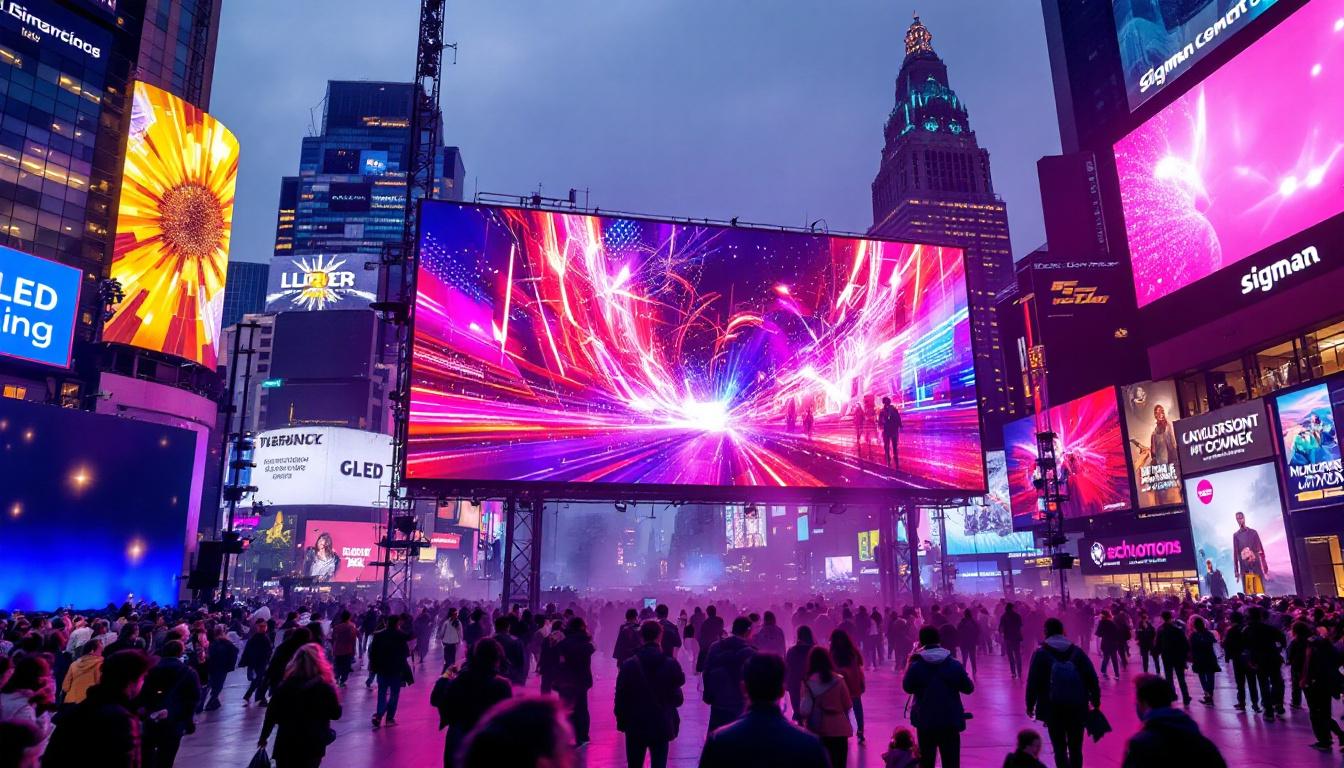
Stadiums and arenas extensively use large-scale LED displays to provide spectators with live game footage, replays, and advertisements. These screens must deliver high brightness and excellent visibility even under direct sunlight or stadium lighting.
Concerts and events utilize LED walls and panels to create immersive visual experiences. The flexibility of LED technology allows for creative stage designs that integrate video content seamlessly with live performances.
Transportation and Public Information
LED displays are integral to transportation hubs such as airports, train stations, and bus terminals. They provide real-time updates on schedules, delays, and safety information, enhancing passenger experience and operational efficiency.
Smart city initiatives also employ LED screens for public announcements, traffic management, and emergency alerts, contributing to urban safety and connectivity.
Corporate and Educational Environments
In corporate settings, LED displays facilitate presentations, video conferencing, and digital signage within offices and conference rooms. Their clarity and brightness improve communication and collaboration among teams.
Educational institutions use LED screens for interactive learning, digital notice boards, and event broadcasting, enriching the educational experience for students and staff alike.
Advantages of LED Displays Over Other Technologies
LED displays offer numerous benefits that have propelled their widespread adoption. Understanding these advantages helps clarify why they are often the preferred choice for many applications.
Superior Brightness and Contrast
LEDs emit their own light, enabling displays to achieve brightness levels far exceeding those of LCDs with backlighting. This self-emissive property also allows for deeper blacks, as individual LEDs can be turned off completely, enhancing contrast ratios and image depth.
Energy Efficiency and Longevity
Compared to traditional lighting and display technologies, LEDs consume significantly less power. This energy efficiency translates into lower operational costs and a reduced environmental footprint. Additionally, LED displays boast long lifespans, often exceeding 100,000 hours of operation, minimizing maintenance and replacement expenses.
Flexibility and Scalability
LED modules can be assembled into virtually any size or shape, making them highly adaptable to various installation requirements. Whether it’s a small indoor screen or a massive outdoor billboard, LED technology scales efficiently without sacrificing image quality.
Wide Viewing Angles and Fast Refresh Rates
LED displays maintain consistent image quality across wide viewing angles, ensuring that content is visible and vibrant from multiple perspectives. Their fast refresh rates reduce motion blur, which is critical for video playback and dynamic content.
Challenges and Considerations in LED Display Deployment
While LED displays offer many advantages, there are important factors to consider to ensure optimal performance and return on investment.
Initial Investment and Installation Costs
High-quality LED displays can involve substantial upfront costs, especially for large or customized installations. These expenses include not only the panels themselves but also supporting infrastructure such as mounting systems, power supplies, and control hardware.
However, the long-term savings from energy efficiency and durability often offset the initial investment, particularly in commercial applications where uptime and reliability are critical.
Pixel Pitch and Resolution
Pixel pitch—the distance between individual LEDs—directly affects the display’s resolution and viewing distance. Smaller pixel pitches yield higher resolution but increase costs and complexity. Selecting the appropriate pixel pitch depends on the intended use case, viewing distance, and budget.
Environmental and Maintenance Factors
Outdoor LED displays must withstand weather conditions such as rain, wind, dust, and temperature extremes. Ensuring proper IP ratings and protective enclosures is essential to maintain functionality and longevity.
Regular maintenance, including cleaning and calibration, helps preserve image quality and prevent failures. Advances in remote monitoring and diagnostics have made it easier to manage large LED installations efficiently.
The Future of LED Display Technology
LED display technology continues to advance rapidly, driven by innovations in materials, manufacturing, and software integration.
MicroLED and MiniLED Innovations
Emerging technologies like MicroLED and MiniLED promise even higher resolutions, improved energy efficiency, and thinner form factors. MicroLED, in particular, offers the potential for self-emissive displays with pixel sizes measured in micrometers, enabling stunning image quality for TVs, smartphones, and augmented reality devices.
Integration with Smart Technologies
LED displays are increasingly integrated with IoT (Internet of Things) systems, enabling dynamic content management, real-time analytics, and interactive capabilities. Smart LED displays can adapt content based on audience demographics, environmental conditions, or user interactions, creating personalized and engaging experiences.
Sustainability and Eco-Friendly Design
As environmental concerns grow, manufacturers are focusing on eco-friendly materials and energy-saving designs. Advances in LED efficiency and recycling programs contribute to reducing the ecological impact of display technologies.
Conclusion
LED displays have revolutionized the way visual information is delivered across diverse sectors. Their unmatched brightness, flexibility, and efficiency make them an indispensable tool for communication, entertainment, and information dissemination. Understanding the technology behind LED displays, their applications, advantages, and challenges equips businesses and consumers to make informed decisions when selecting display solutions.
As LED technology continues to evolve, it promises even greater capabilities and integration possibilities, shaping the future of digital displays in ways that are both exciting and transformative.
Discover the Future of LED Displays with LumenMatrix
Ready to elevate your visual experience with the latest in LED display technology? LumenMatrix is at the forefront of innovation, offering a wide array of LED display solutions tailored to your needs. From vibrant Indoor LED Walls to dynamic Outdoor LED Displays, and from sleek LED Posters to immersive LED Sports Displays, our products are designed to captivate and engage. Embrace the future of digital signage with LumenMatrix and transform how you communicate with your audience. Check out LumenMatrix LED Display Solutions today and see your vision come to life.