In today’s fast-paced digital world, the demand for versatile and high-quality display solutions has never been greater. Portable LED displays have emerged as a powerful tool for professionals, creatives, and tech enthusiasts alike. Whether used for presentations, gaming, or on-the-go content creation, these displays combine convenience with cutting-edge technology to deliver vibrant visuals anywhere.
This article delves into the technology behind portable LED displays, exploring how they work, their benefits, and what to consider when choosing one. By the end, readers will have a comprehensive understanding of why LED displays are becoming the go-to choice for portable screen needs.
Understanding LED Display Technology
What is an LED Display?
LED stands for Light Emitting Diode, a semiconductor device that emits light when an electric current passes through it. An LED display is a flat panel display that uses an array of these tiny LEDs to create images. Unlike traditional LCDs that rely on backlighting, LED displays use individual light sources which can be controlled independently, resulting in superior brightness, contrast, and color accuracy.
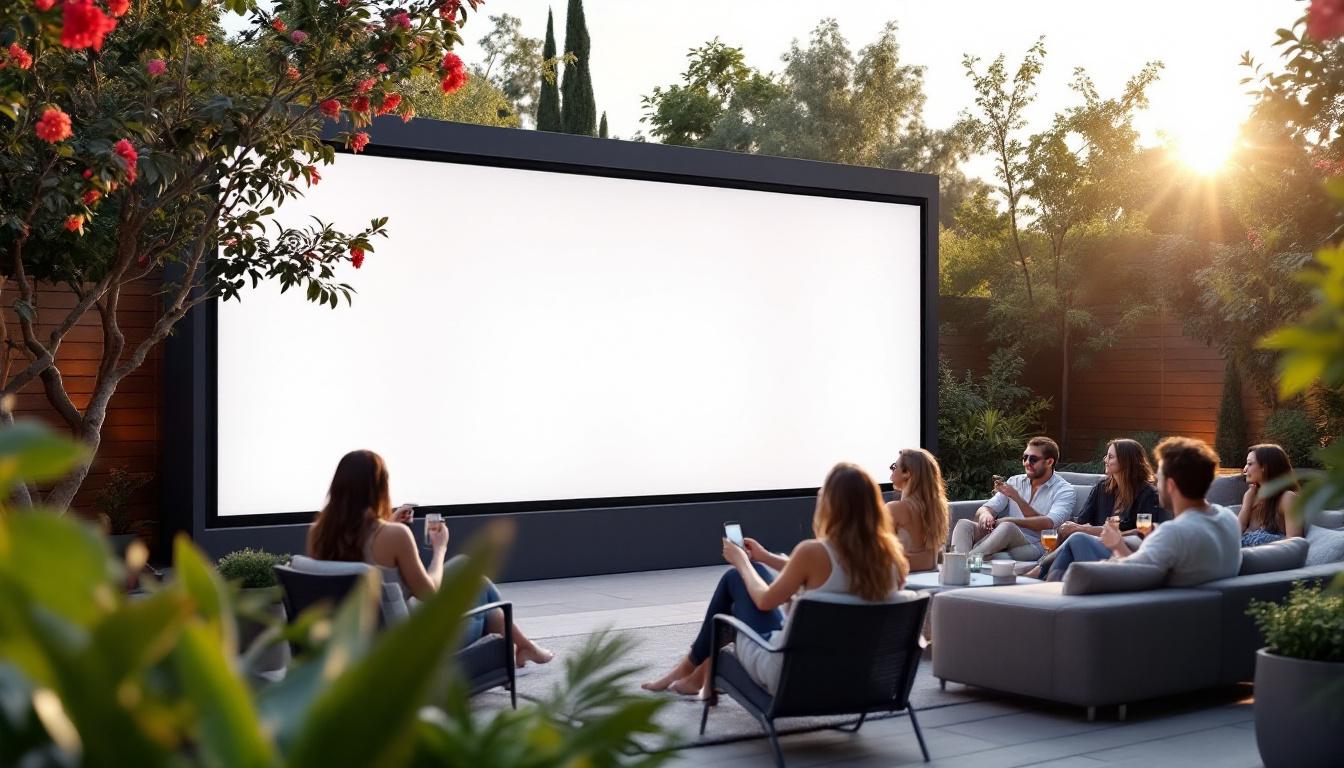
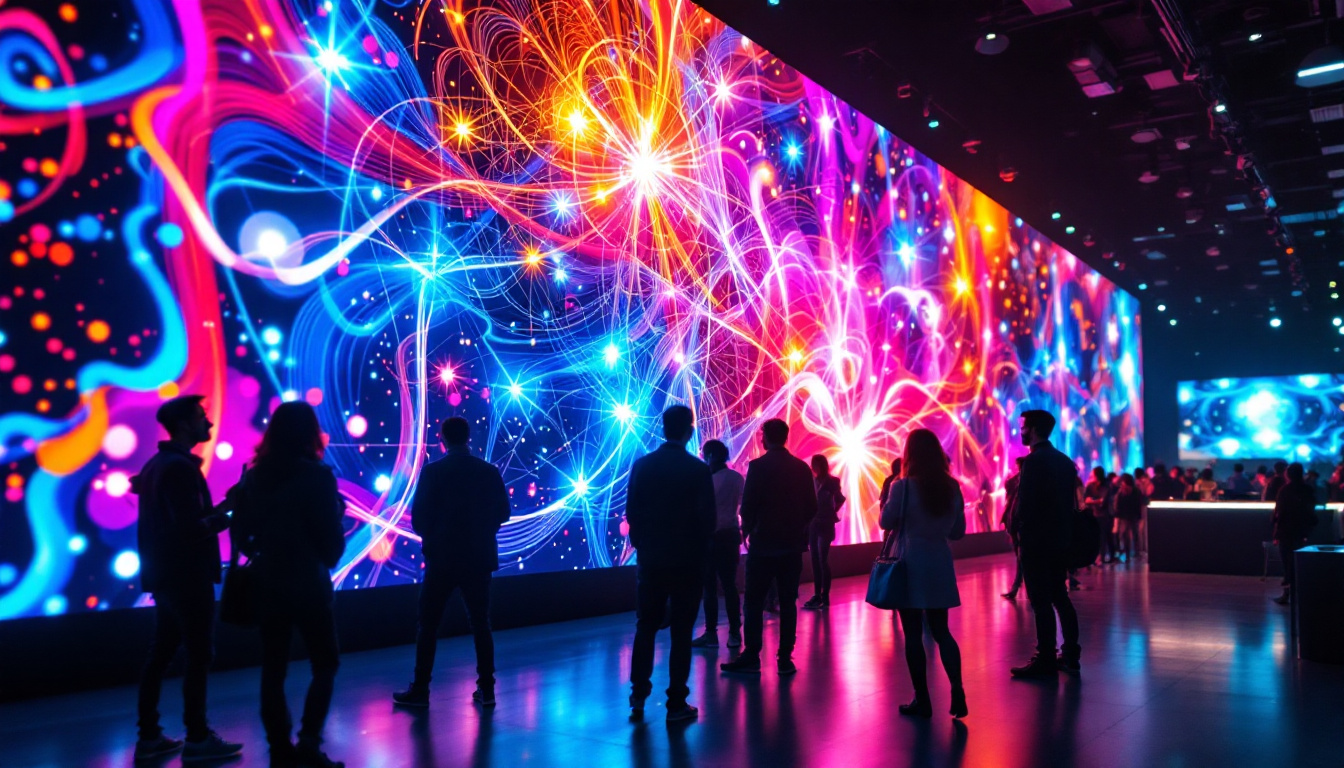
Portable LED displays typically utilize Organic LED (OLED) or Mini-LED technology, both of which offer distinct advantages. OLED displays feature self-emissive pixels, meaning each pixel produces its own light, allowing for true blacks and exceptional color depth. Mini-LEDs, on the other hand, use thousands of tiny LEDs as backlights, improving brightness and contrast while maintaining energy efficiency. The advancements in these technologies have led to thinner and lighter displays, making them ideal for portable applications, such as outdoor advertising, live events, and even personal use in home theaters.
How Do Portable LED Displays Work?
At the core, portable LED displays function by controlling the intensity and color of each LED pixel to form images and videos. The display’s controller processes input signals—such as HDMI or USB—and translates them into electrical impulses that activate specific LEDs. This precise control allows for dynamic content to be displayed, from vibrant graphics to detailed video presentations, making them versatile tools for various industries.
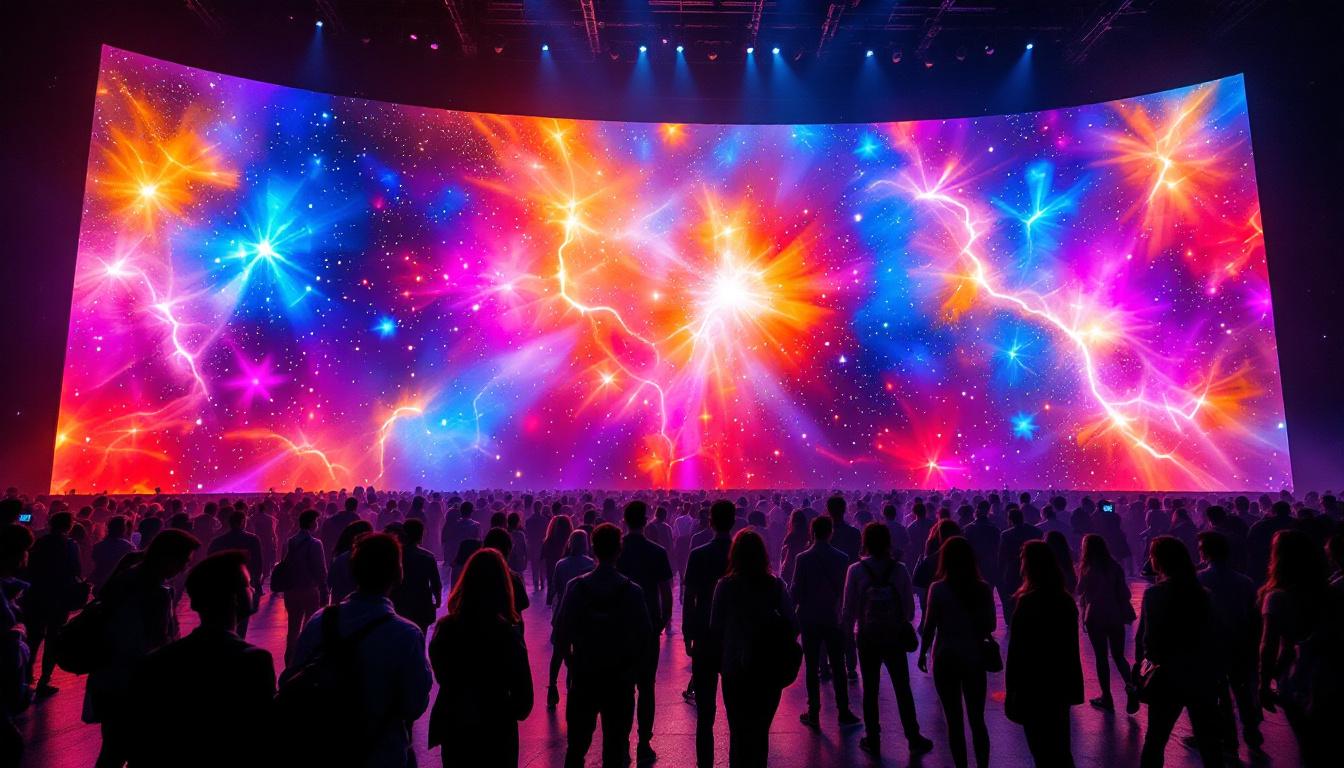
Because LEDs can turn on and off rapidly and with precision, these displays offer high refresh rates and low latency, which is especially beneficial for gaming and video playback. Additionally, the modular nature of LED arrays allows manufacturers to design displays in various sizes and resolutions, making them highly adaptable for portable use. For instance, a modular LED display can be easily expanded or reconfigured to fit different event spaces, providing flexibility for everything from corporate presentations to concerts. Furthermore, advancements in wireless technology have enabled some portable LED displays to connect seamlessly to devices, allowing for easy content sharing and real-time updates, which is particularly advantageous in fast-paced environments where information needs to be conveyed quickly and effectively.
Advantages of Portable LED Displays
Superior Image Quality
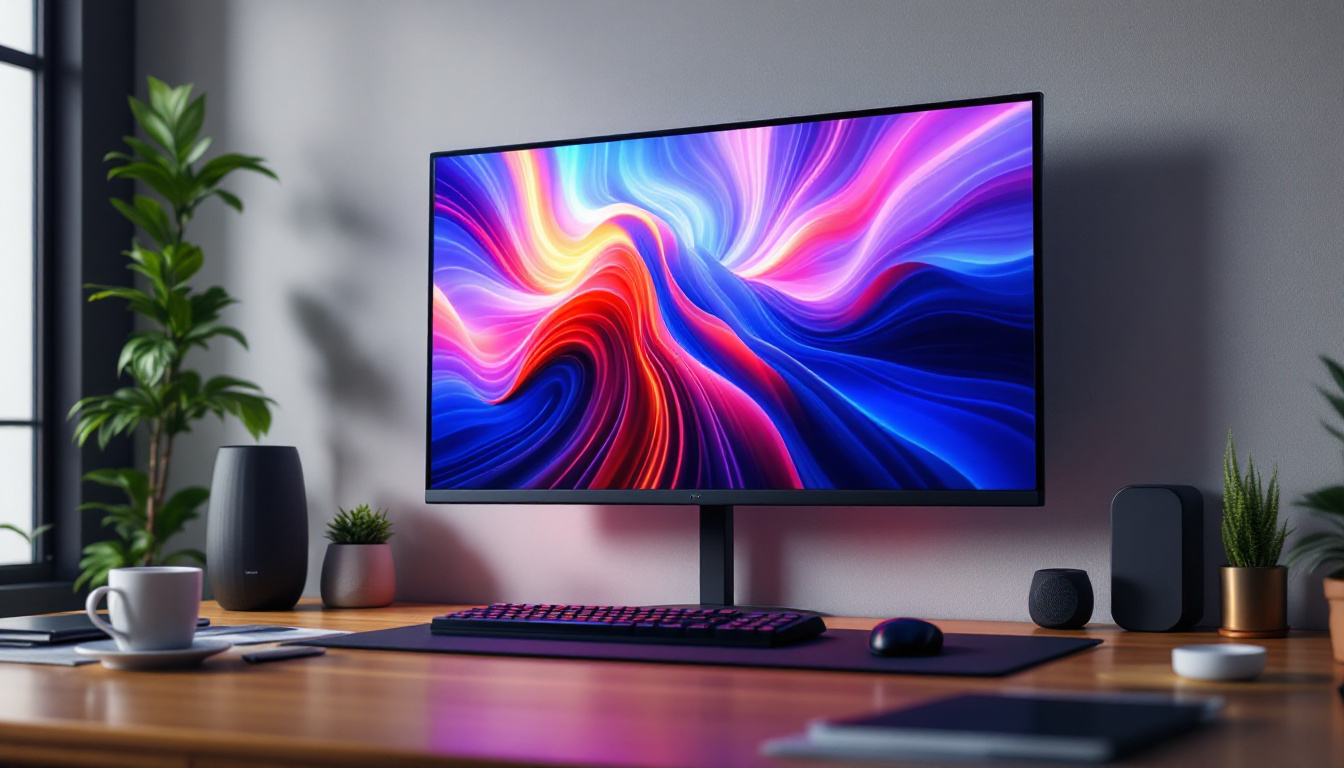
One of the primary reasons LED displays are favored is their outstanding image quality. Portable LED screens deliver vibrant colors, deep blacks, and high contrast ratios that surpass many traditional display types. This makes them ideal for applications where visual clarity is critical, such as photo editing, video production, and professional presentations.
Moreover, LED displays maintain consistent brightness across the screen, even in well-lit environments. This is a significant advantage for users who frequently work outdoors or in brightly lit rooms, ensuring content remains visible and engaging.
Portability and Convenience
Modern portable LED displays are designed with mobility in mind. Many models are lightweight, slim, and come with protective cases or stands, making them easy to carry and set up. This portability enables users to extend their workspace beyond a traditional desk setup, facilitating productivity on the go.
For business professionals, this means seamless presentations without relying on fixed conference room equipment. For gamers and streamers, portable LED displays allow for multi-screen setups anywhere, enhancing the immersive experience without the bulk of traditional monitors.
Energy Efficiency and Longevity
LED technology is inherently energy-efficient compared to older display technologies like CCFL-backlit LCDs. Portable LED displays consume less power, which translates to longer battery life when paired with laptops or portable power sources. This efficiency is crucial for users who spend extended periods away from power outlets.
Additionally, LEDs have a longer lifespan, often rated for tens of thousands of hours of use. This durability reduces the need for frequent replacements, making portable LED displays a cost-effective investment over time.
Key Features to Consider When Choosing a Portable LED Display
Resolution and Screen Size
Resolution directly impacts the sharpness and clarity of the display. Common resolutions for portable LED displays range from Full HD (1920×1080) to 4K UHD (3840×2160). Higher resolutions provide more detailed images, which is especially important for creative professionals who require precision.
Screen size is equally important. While larger screens offer more workspace, they can compromise portability. Most portable LED displays fall between 13 to 17 inches, striking a balance between usability and convenience. Choosing the right size depends on the user’s specific needs and how often they plan to carry the display.
Connectivity Options
Versatile connectivity is essential for portable displays. HDMI remains a standard for high-definition video and audio transfer, but USB-C has become increasingly popular due to its ability to carry power, video, and data through a single cable. Some portable LED displays also support wireless connections via Wi-Fi or Bluetooth, enabling cable-free setups.
When selecting a portable LED display, consider the devices it will connect to—laptops, smartphones, gaming consoles—and ensure compatibility with the available ports and protocols.
Brightness and Color Accuracy
Brightness is measured in nits, with portable LED displays typically ranging from 300 to 600 nits. Higher brightness levels improve visibility in bright environments and enhance overall image vibrancy. For outdoor use or brightly lit rooms, a display with at least 400 nits is recommended.
Color accuracy is crucial for professionals working in design, photography, or video. Look for displays that cover a wide color gamut (such as 100% sRGB or AdobeRGB) and offer factory calibration or the ability to calibrate colors manually. This ensures that the colors you see on the display match real-world outputs.
Refresh Rate and Response Time
Refresh rate, measured in hertz (Hz), indicates how many times the display updates per second. Standard portable LED displays offer 60Hz, which is sufficient for most tasks. However, gamers and video editors may prefer displays with 120Hz or higher for smoother motion and reduced blur.
Response time—the speed at which a pixel changes color—is also important for reducing ghosting and motion artifacts. Lower response times (measured in milliseconds) are better for fast-paced content.
Build Quality and Additional Features
Durability is a key consideration for portable devices. Look for displays with sturdy frames, scratch-resistant glass, and protective cases. Some models also offer adjustable stands, touchscreens, or stylus support, enhancing usability and versatility.
Additional features like built-in speakers, blue light filters, and anti-glare coatings can improve the overall user experience, especially during long work sessions or travel.
Applications of Portable LED Displays
Business and Professional Use
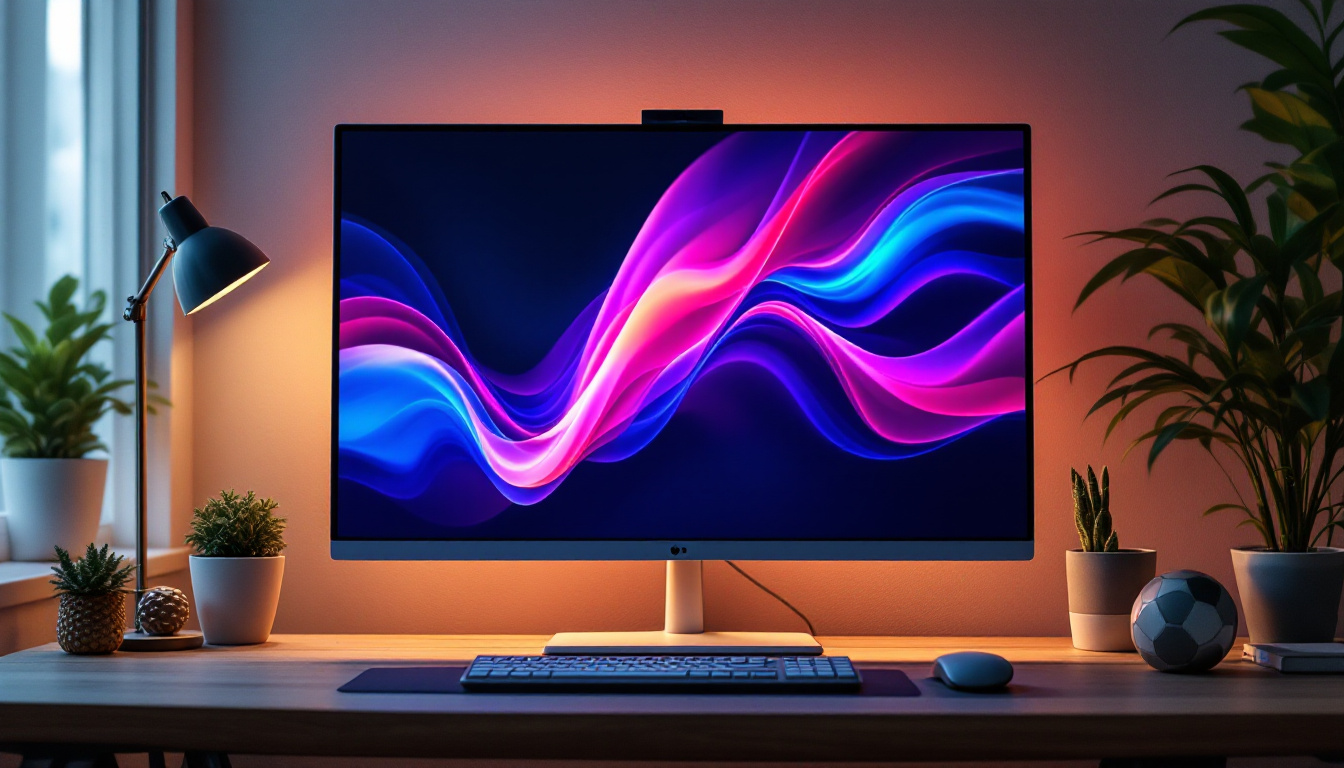
Portable LED displays have transformed how professionals conduct presentations, collaborate, and work remotely. Sales teams can impress clients with crisp visuals on the go, while remote workers can expand their digital workspace without being tethered to a single location.
Industries such as architecture, graphic design, and video production benefit greatly from the color accuracy and portability of LED displays, allowing for on-site reviews and adjustments.
Gaming and Entertainment
Gamers seek immersive experiences, and portable LED displays provide the perfect combination of high refresh rates, low latency, and vibrant colors. Multi-screen setups are easier to achieve when displays are lightweight and compact, enabling gaming tournaments, streaming, or casual play anywhere.
For movie enthusiasts and content creators, portable LED displays offer cinema-quality visuals, making them ideal for editing and viewing high-resolution videos on the go.
Education and Training
In educational settings, portable LED displays facilitate interactive learning and remote instruction. Teachers and trainers can bring multimedia content directly to classrooms or training sites without relying on fixed equipment.
Students also benefit from additional screen space for note-taking, research, and collaboration, enhancing the overall learning experience.
Future Trends in Portable LED Display Technology
Advancements in Mini-LED and Micro-LED
Mini-LED and Micro-LED technologies are set to revolutionize portable displays further. Mini-LEDs offer improved local dimming and contrast by using thousands of tiny LEDs as backlighting, while Micro-LEDs promise even greater brightness, efficiency, and lifespan by incorporating microscopic LEDs as individual pixels.
These advancements will enable thinner, lighter displays with superior image quality, pushing the boundaries of portability and performance.
Flexible and Foldable Displays
Flexible OLED and Micro-LED displays are emerging as innovative solutions for portable devices. Foldable screens allow users to carry larger displays in compact forms, opening new possibilities for multitasking and mobile productivity.
As manufacturing processes improve and costs decrease, foldable portable LED displays are expected to become mainstream, offering unparalleled convenience without sacrificing visual quality.
Integration with Augmented Reality (AR) and Virtual Reality (VR)
Portable LED displays are increasingly being integrated with AR and VR technologies. High-resolution, lightweight displays enhance immersive experiences by delivering crisp visuals with minimal latency.
Future portable displays may serve as external screens for AR glasses or VR headsets, expanding their functionality and making immersive technologies more accessible.
Conclusion
Portable LED displays represent a significant leap forward in display technology, combining exceptional image quality with unmatched convenience. Their versatility makes them suitable for a wide range of applications—from professional work and gaming to education and entertainment.
Understanding the technology behind LED displays and the key features to consider can help users make informed decisions when selecting a portable display. With ongoing advancements in Mini-LED, Micro-LED, and flexible screen technologies, the future of portable LED displays looks brighter than ever, promising even more innovative and immersive visual experiences on the go.
Explore Cutting-Edge LED Display Solutions
Ready to elevate your visual experience with the latest in LED display technology? Look no further than LumenMatrix, a pioneer in crafting dynamic and innovative LED display modules. From Indoor and Outdoor LED Wall Displays to specialized solutions like Vehicle LED Displays, LED Sports Displays, and even Custom LED Displays, LumenMatrix offers a wide range of products designed to make your brand shine and engage your audience. Embrace the future of visual communication and check out LumenMatrix LED Display Solutions today to see how our state-of-the-art displays can transform your message into an unforgettable visual journey.