In today’s fast-paced digital world, the demand for versatile and high-quality display solutions is growing rapidly. Portable LED monitors have emerged as a popular choice for professionals, gamers, and content creators who require mobility without compromising on visual performance. But what exactly makes these devices stand out? This article delves into the technology behind portable LED monitors, explaining how LED displays work, their advantages, and what to consider when choosing one.
Understanding LED Display Technology
What is an LED Display?
LED stands for Light Emitting Diode, a semiconductor device that emits light when an electric current passes through it. An LED display uses an array of these tiny diodes to produce images, making it a type of flat-panel display technology. Unlike traditional LCDs that rely on fluorescent backlighting, LED displays use LEDs either as backlights or as the actual pixels themselves, depending on the technology variant.
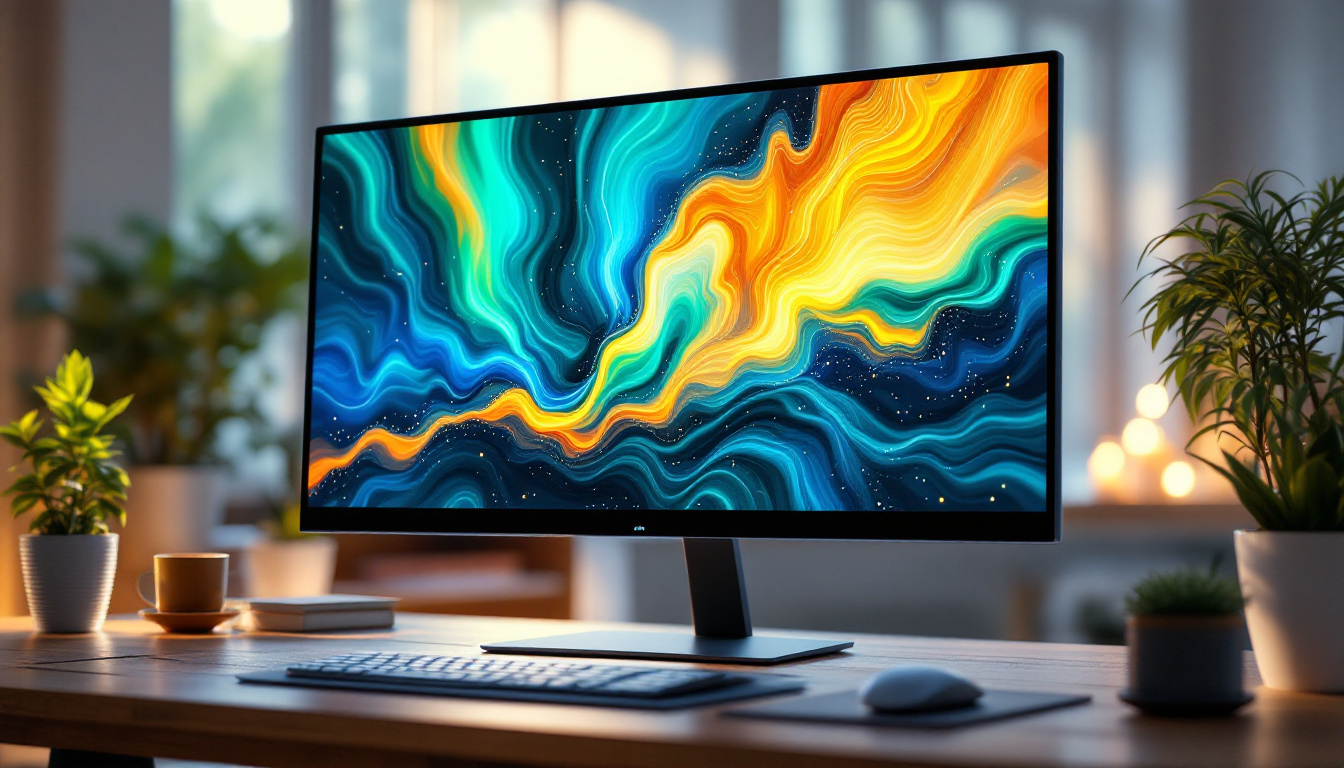
In portable monitors, the most common type is the LED-backlit LCD, where LEDs provide the backlight behind an LCD panel. This combination offers improved brightness, contrast, and energy efficiency compared to older CCFL (cold cathode fluorescent lamp) backlit LCDs. Some high-end portable monitors also use OLED (Organic LED) technology, where each pixel emits its own light, offering superior color accuracy and contrast. The vibrant colors and deeper blacks produced by OLED displays make them particularly popular among graphic designers and photographers, who rely on precise color representation for their work.
How Do LED Displays Work?
At the core of an LED display is the pixel, which is made up of red, green, and blue subpixels. By adjusting the intensity of each subpixel, the display can produce a wide range of colors. In LED-backlit LCDs, the LCD panel controls the passage of light from the LEDs behind it, selectively blocking or allowing light to create the image. This technology allows for dynamic contrast ratios and can enhance the viewing experience, especially in environments with varying lighting conditions.
The LEDs themselves can be arranged in different ways. Edge-lit LED displays place LEDs around the edges of the screen, using light guides to distribute light evenly. Direct-lit or full-array LED displays position LEDs directly behind the screen, allowing for better local dimming and improved contrast ratios. While full-array LED backlighting is more common in larger TVs, some portable monitors incorporate advanced backlighting techniques to enhance image quality. Additionally, the development of mini-LED technology has further improved the performance of LED displays by using thousands of tiny LEDs for backlighting, resulting in finer control over brightness and contrast, and making them an attractive option for high-end displays.
Advantages of Portable LED Monitors
Portability and Convenience
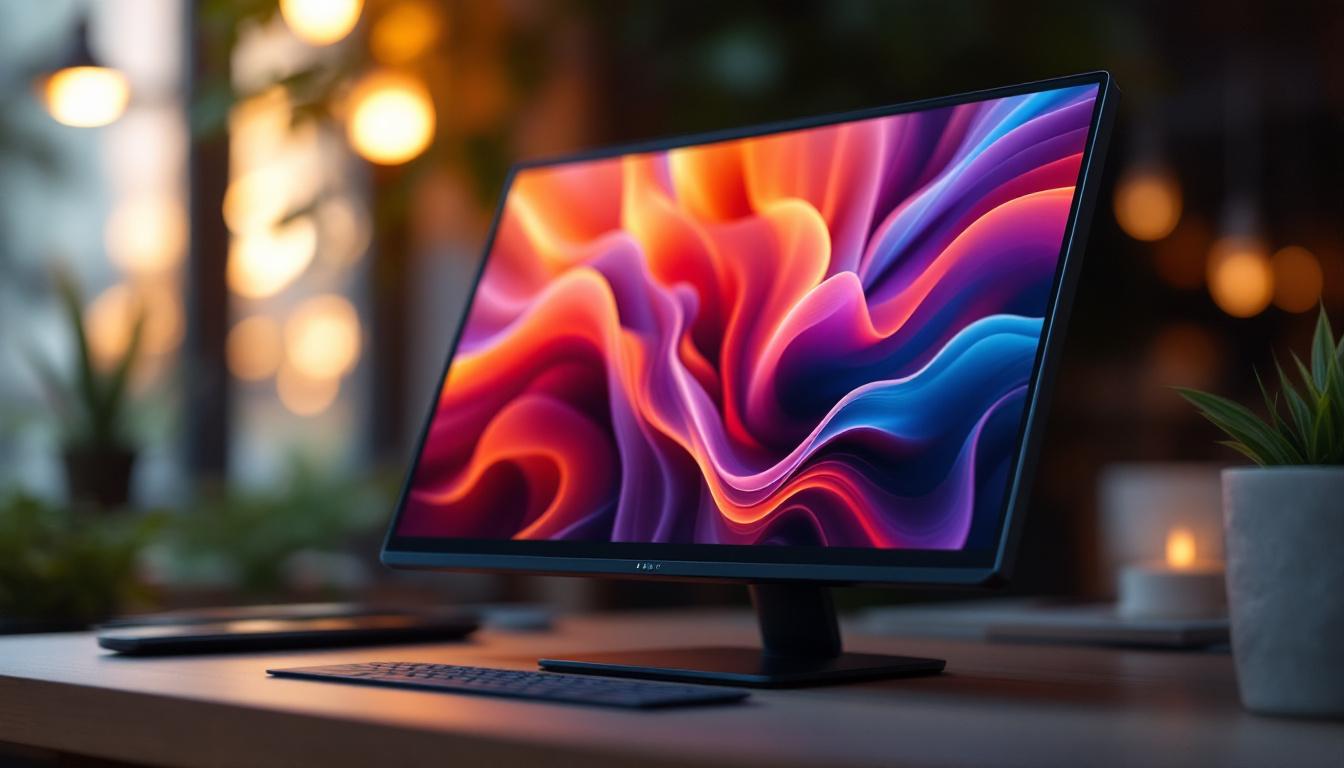
One of the primary benefits of portable LED monitors is their lightweight and slim design, making them easy to carry alongside laptops, tablets, or smartphones. This portability is especially valuable for professionals who work remotely or travel frequently, as it allows for dual-screen setups anywhere. For example, graphic designers can extend their workspace, while gamers can enjoy a larger display on the go.
Modern portable LED monitors typically weigh between 1 to 3 pounds and feature thin bezels and compact dimensions. Many models also come with protective cases that double as stands, adding to their convenience. This combination of portability and functionality helps users maintain productivity without being tethered to a fixed workstation.
Energy Efficiency and Brightness
LED technology is known for its energy efficiency compared to older display technologies. Portable LED monitors consume less power, which is crucial when running on battery-powered devices or when using the monitor itself with an internal battery. This efficiency translates into longer usage times and less frequent charging, enhancing the user experience during travel or outdoor use.
Additionally, LED displays can achieve higher brightness levels, often ranging from 250 to over 500 nits in portable models. This brightness is essential for visibility in various lighting conditions, including outdoor environments. Some portable monitors even feature anti-glare coatings or HDR (High Dynamic Range) support, further improving image clarity and color vibrancy.
Color Accuracy and Image Quality
For professionals in creative fields, color accuracy is paramount. Many portable LED monitors offer wide color gamut coverage, such as 100% sRGB or even AdobeRGB, ensuring that colors are rendered faithfully. This capability is vital for photo editing, video production, and graphic design, where precise color representation can impact the final output.
Moreover, LED technology supports higher contrast ratios and faster response times compared to traditional LCDs. This means deeper blacks, brighter whites, and smoother motion rendering, which benefits both professional and entertainment applications. Some portable monitors also support 4K resolution, delivering sharp and detailed images despite their compact size.
Key Features to Consider When Choosing a Portable LED Monitor
Screen Size and Resolution
Portable monitors generally range from 12 to 17 inches, with 15.6 inches being the most common size. The choice depends on the intended use—larger screens provide more workspace but may reduce portability. Resolution is equally important; Full HD (1920×1080) is standard for most portable monitors, balancing clarity and power consumption. For users requiring finer detail, 4K UHD (3840×2160) options are available but may come with trade-offs in battery life and cost.
Connectivity Options
Compatibility with various devices is a critical factor. Most portable LED monitors connect via USB-C, which supports video, data transfer, and power delivery through a single cable. This simplifies setup and reduces cable clutter. However, some monitors also include HDMI ports, DisplayPort, or even legacy connectors to accommodate a wider range of devices.
When selecting a portable monitor, consider the devices you plan to use it with—laptops, tablets, smartphones, or gaming consoles—and ensure the monitor supports the necessary input standards. Additionally, some monitors offer touchscreens or stylus support, which can enhance interactivity for certain workflows.
Refresh Rate and Response Time
For gamers and video editors, refresh rate and response time are crucial. A higher refresh rate (such as 120Hz or 144Hz) results in smoother motion and reduces eye strain during prolonged use. Response time, measured in milliseconds, indicates how quickly a pixel can change color; lower values mean less motion blur and ghosting.
While many portable LED monitors have standard 60Hz refresh rates suitable for general use, gaming-focused models are increasingly offering higher refresh rates and faster response times. These features can significantly enhance the gaming experience on the go.
Build Quality and Additional Features
Durability is important for portable devices. Look for monitors with robust chassis materials such as aluminum or reinforced plastic. Some models are designed to withstand minor impacts and include features like scratch-resistant screens.
Additional features to consider include built-in speakers, adjustable stands, blue light filters, and HDR support. These elements contribute to comfort and versatility, making the monitor more adaptable to different environments and user needs.
Applications of Portable LED Monitors
Business and Productivity
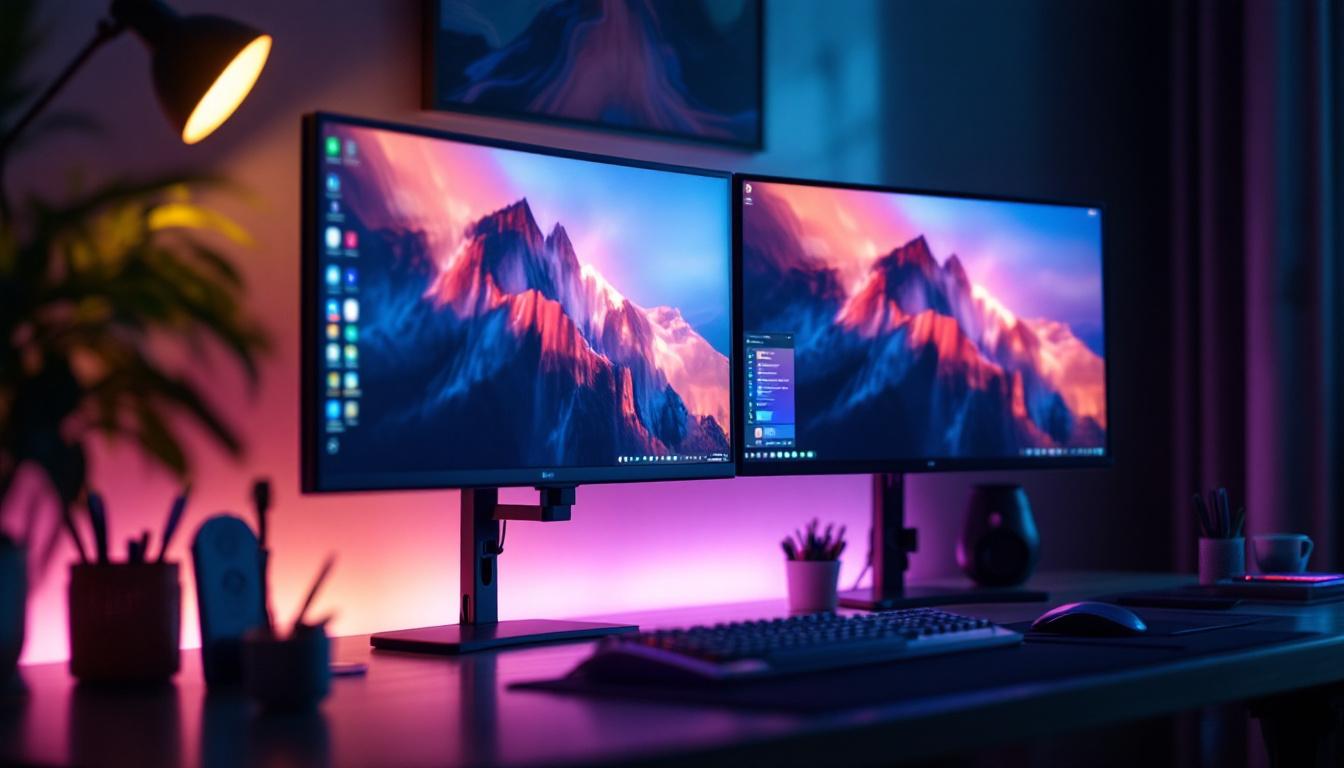
Portable LED monitors are invaluable tools for professionals who require multi-screen setups outside the office. Sales representatives, consultants, and remote workers can use these monitors to enhance productivity by extending their desktop workspace. This setup facilitates multitasking, improves workflow efficiency, and helps manage complex projects more effectively.
Creative Work and Content Creation
Photographers, video editors, and designers benefit from portable LED monitors with high color accuracy and resolution. These monitors allow creatives to review and edit their work on location, ensuring that color grading and detail are accurate before finalizing projects. The ability to carry a professional-grade display anywhere is a game-changer for fieldwork and client presentations.
Gaming and Entertainment
Gamers increasingly seek portable monitors to enjoy high-quality gaming experiences beyond their desktops. Portable LED monitors with fast refresh rates, low response times, and vivid color reproduction provide immersive gameplay on the go. Additionally, these monitors can serve as secondary screens for streaming or communication during gaming sessions.
Education and Learning
Students and educators can use portable LED monitors to enhance virtual learning environments. Dual-screen setups facilitate note-taking, research, and multitasking during online classes. The portability allows for flexible study spaces, whether at home, in libraries, or on campus.
Future Trends in Portable LED Monitor Technology
Advancements in Display Panels
Emerging technologies like mini-LED and micro-LED promise to revolutionize portable monitors by offering higher brightness, better contrast, and improved energy efficiency. These technologies use smaller LEDs to create more precise backlighting zones, resulting in superior image quality closer to OLED standards but with longer lifespan and less burn-in risk.
Integration of Touch and Pen Input
As mobile workflows evolve, the integration of touchscreens and stylus support in portable LED monitors is becoming more prevalent. This trend enhances interactivity and creativity, allowing users to draw, annotate, and navigate more naturally. Such features are particularly beneficial for designers, educators, and business professionals.
Wireless Connectivity and Power Solutions
Wireless display technologies, including Wi-Fi and Bluetooth, are being integrated into portable monitors to reduce cable dependency. Combined with improvements in battery technology, this allows for truly untethered use. Future portable LED monitors may offer longer battery life and faster charging, further enhancing mobility and convenience.
Conclusion
Portable LED monitors represent a significant advancement in display technology, combining mobility with high-quality visuals. Understanding the fundamentals of LED displays, their benefits, and the key features to consider can help users select the right device for their needs. Whether for professional productivity, creative work, gaming, or education, these monitors provide flexible solutions that adapt to modern lifestyles.
As technology continues to evolve, portable LED monitors are poised to become even more capable, integrating cutting-edge display innovations and connectivity options. Investing in a high-quality portable LED monitor can enhance digital experiences, making it a valuable tool in the increasingly mobile and visual-centric world.
Discover LumenMatrix’s Advanced LED Display Solutions
Ready to elevate your visual experience with the latest in portable LED monitor technology? Look no further than LumenMatrix, a pioneer in crafting LED displays that bring your content to life. Whether you’re seeking to boost your brand’s presence, engage with your audience, or enhance your professional and creative endeavors, LumenMatrix offers an extensive range of LED display solutions, including Indoor and Outdoor LED Walls, Vehicle Displays, LED Posters, Sports Displays, and more. Each product is designed with the mission to transform visual communication, ensuring your message resonates with brilliance and precision. Check out LumenMatrix LED Display Solutions today and step into a world where color, clarity, and innovation meet.