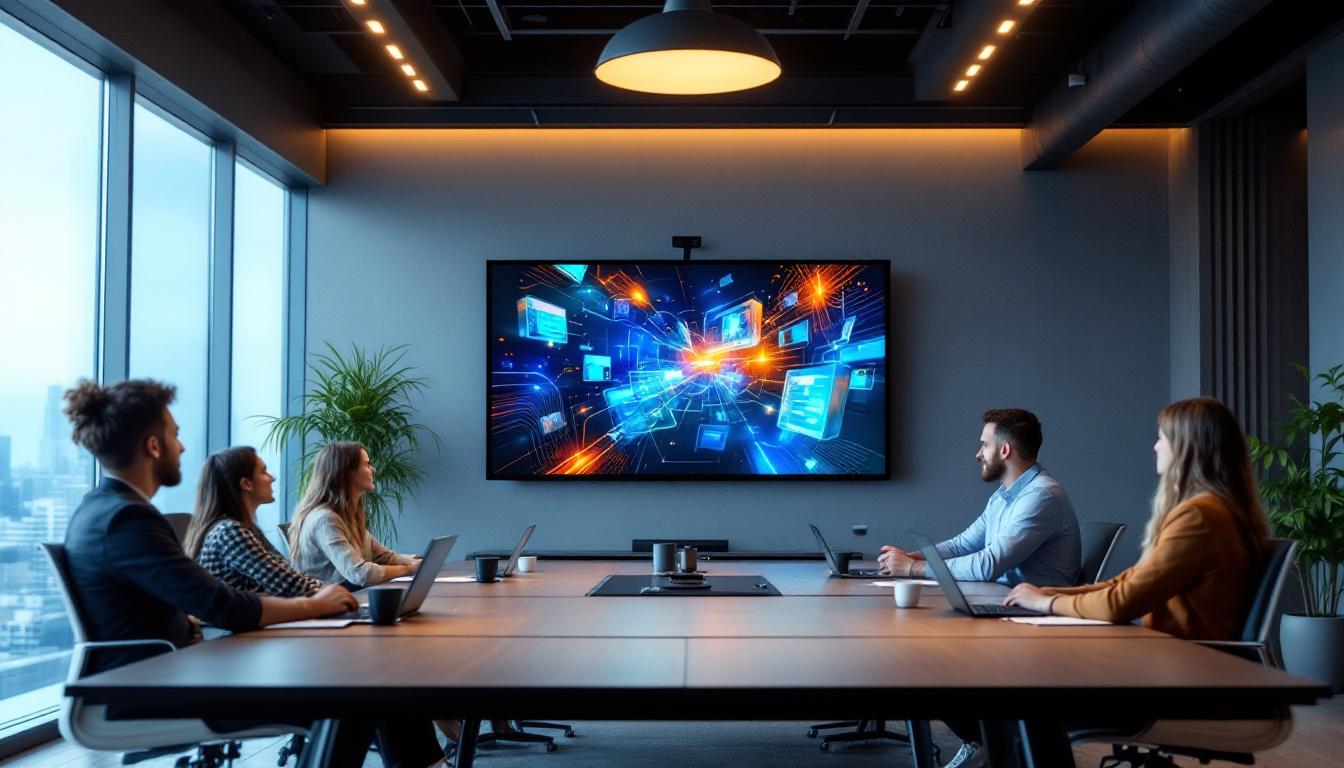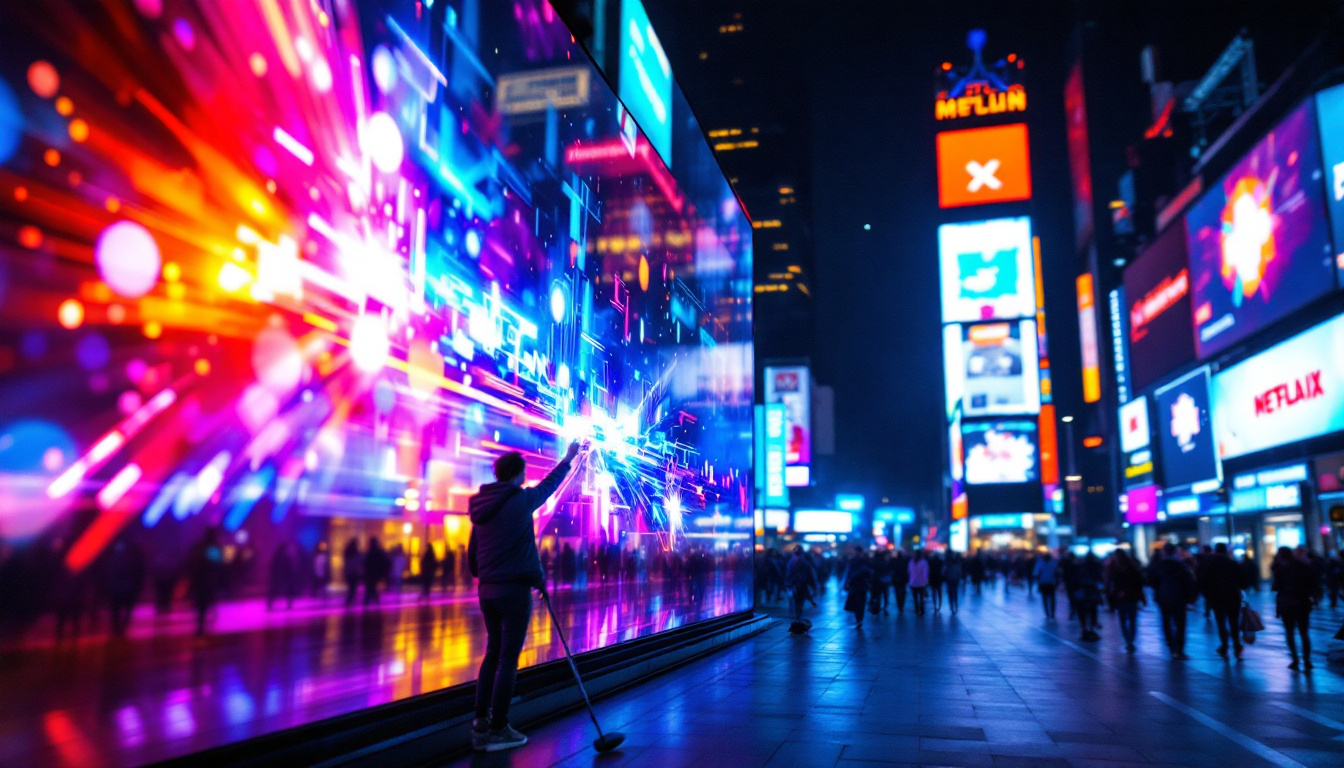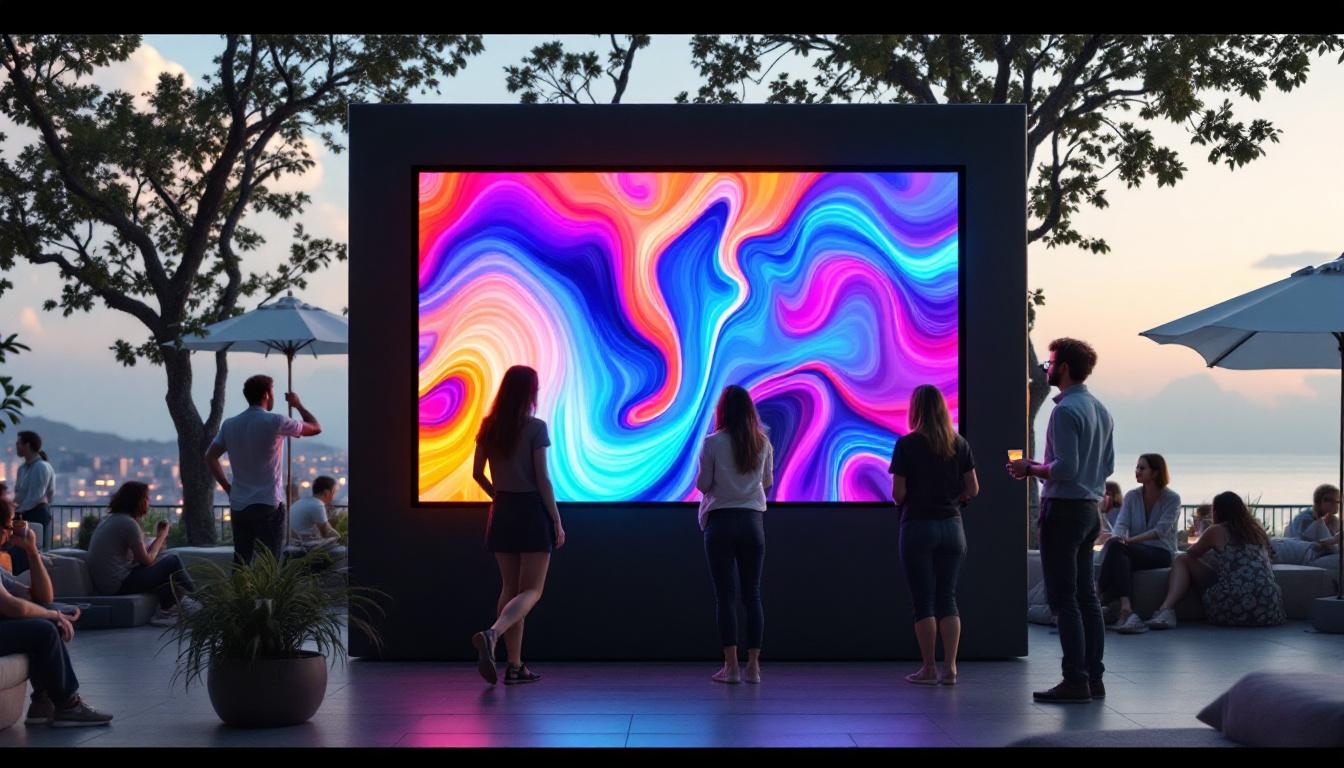
In today’s fast-paced world, outdoor events and gatherings have become increasingly popular, ranging from concerts and sports events to corporate presentations and community festivals. With this surge in outdoor activities, portable outdoor screens have emerged as a vital technology, enhancing visual experiences in open spaces. Among the various display technologies available, LED displays stand out for their brightness, durability, and versatility. However, as these screens become more prevalent, concerns about privacy and data security have also come to the forefront.
This article explores the nuances of portable outdoor LED screens, focusing on their privacy implications and the technology behind them. Whether you are an event organizer, a business owner, or a tech enthusiast, understanding how LED displays work and the privacy considerations involved will help you make informed decisions.
Understanding Portable Outdoor LED Screens
What Are Portable Outdoor LED Screens?
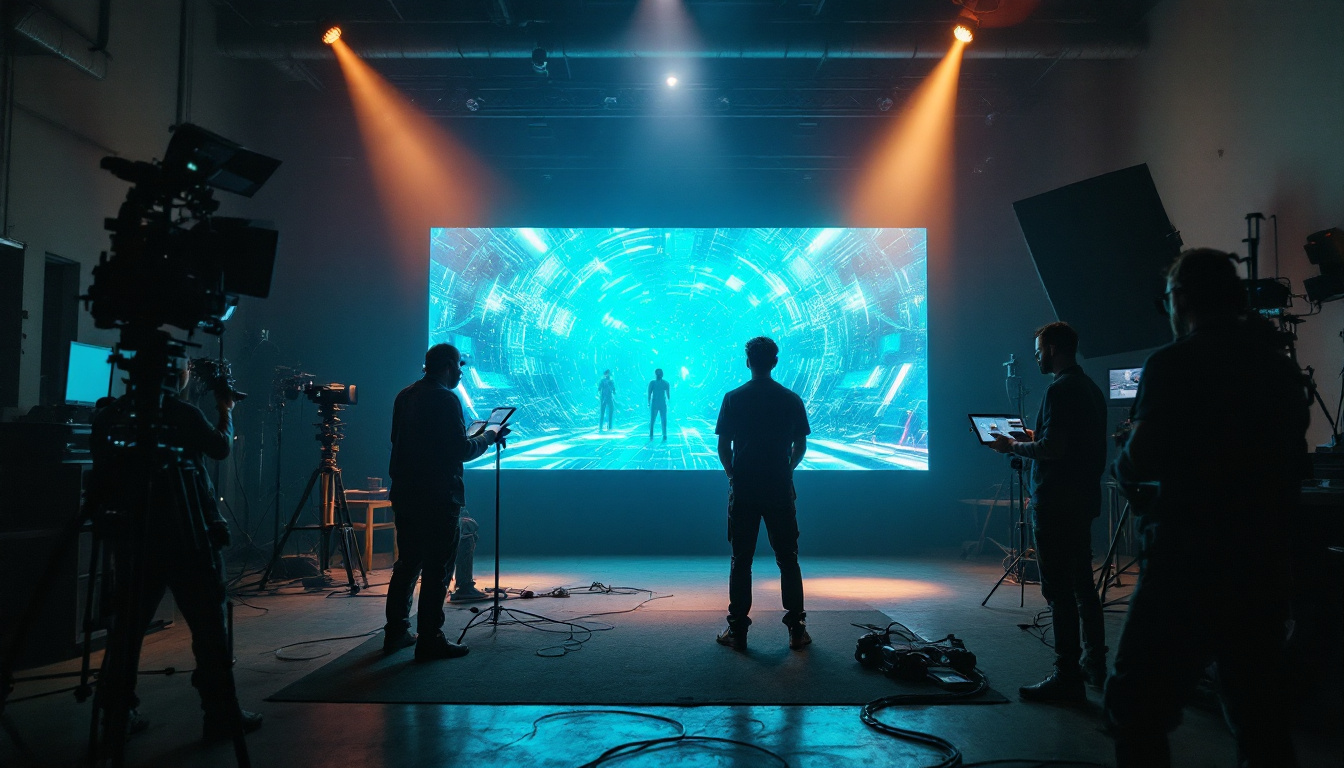
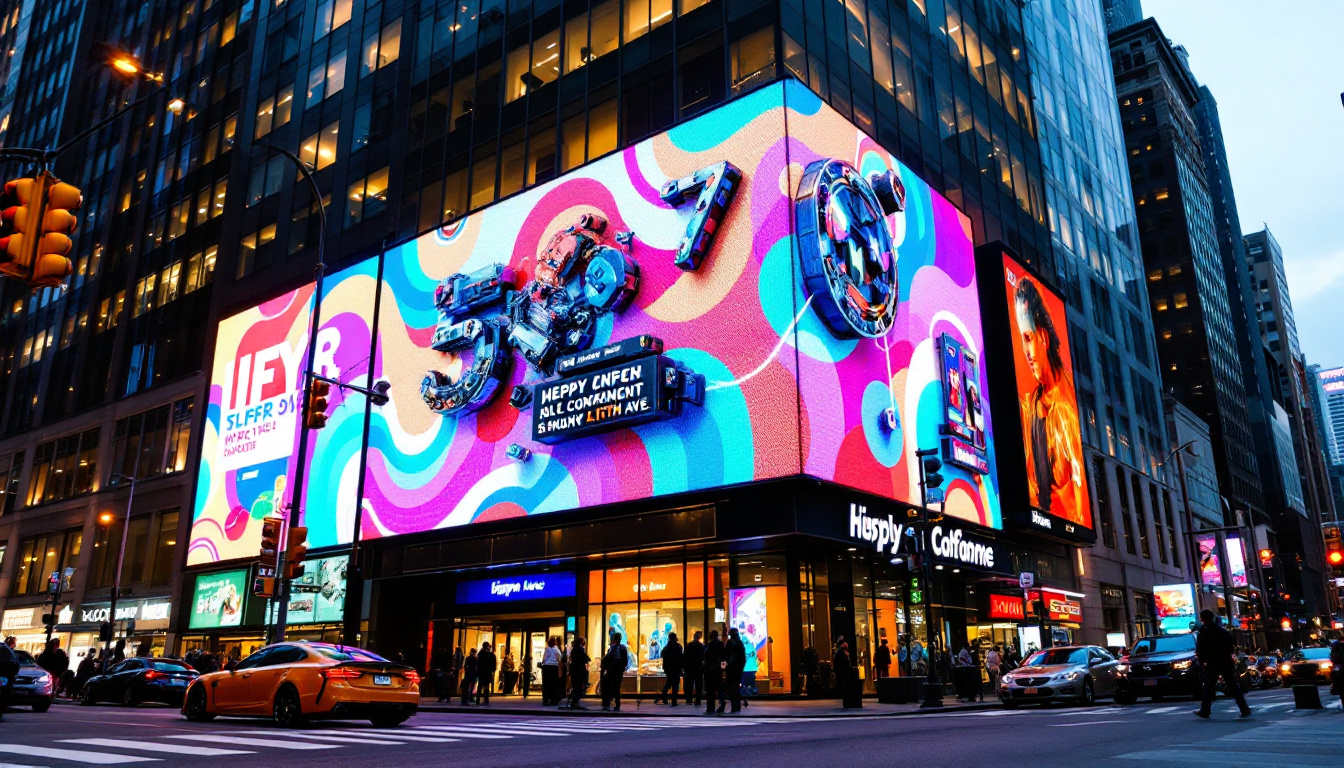
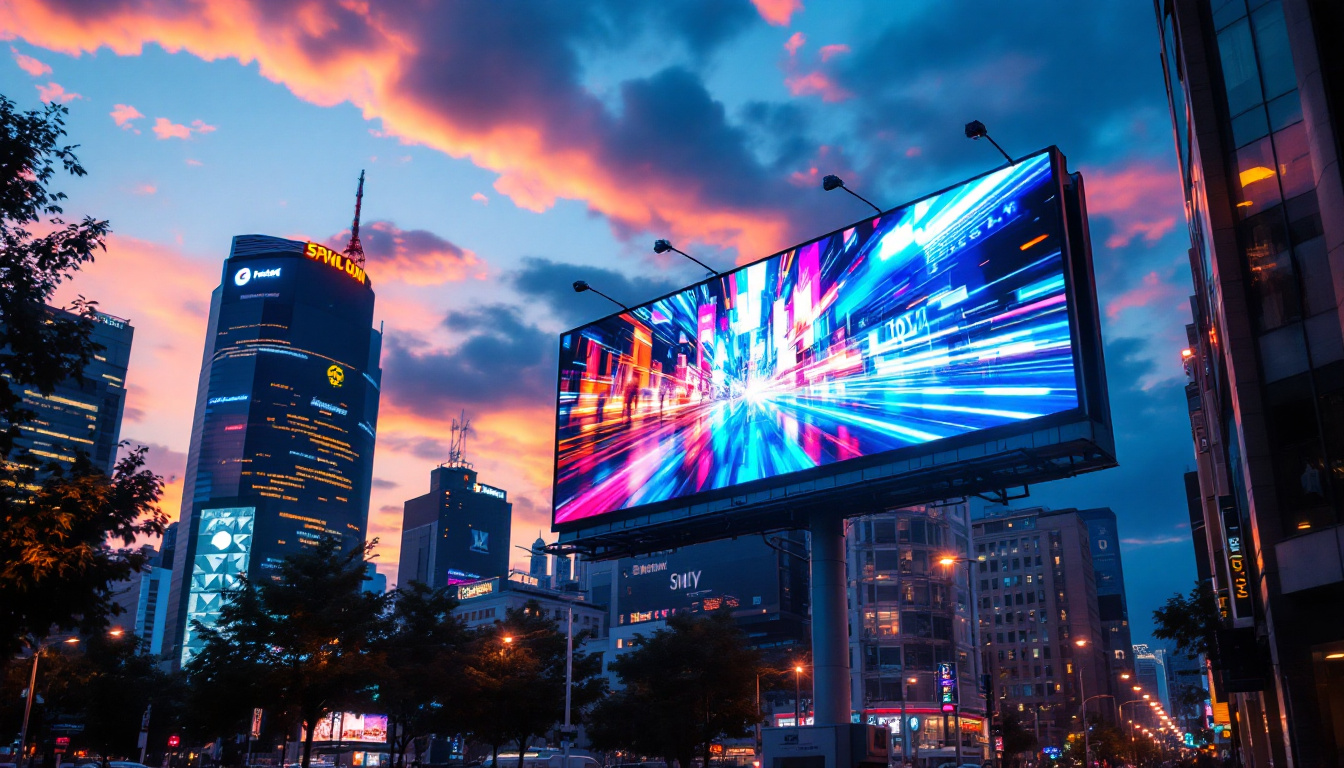
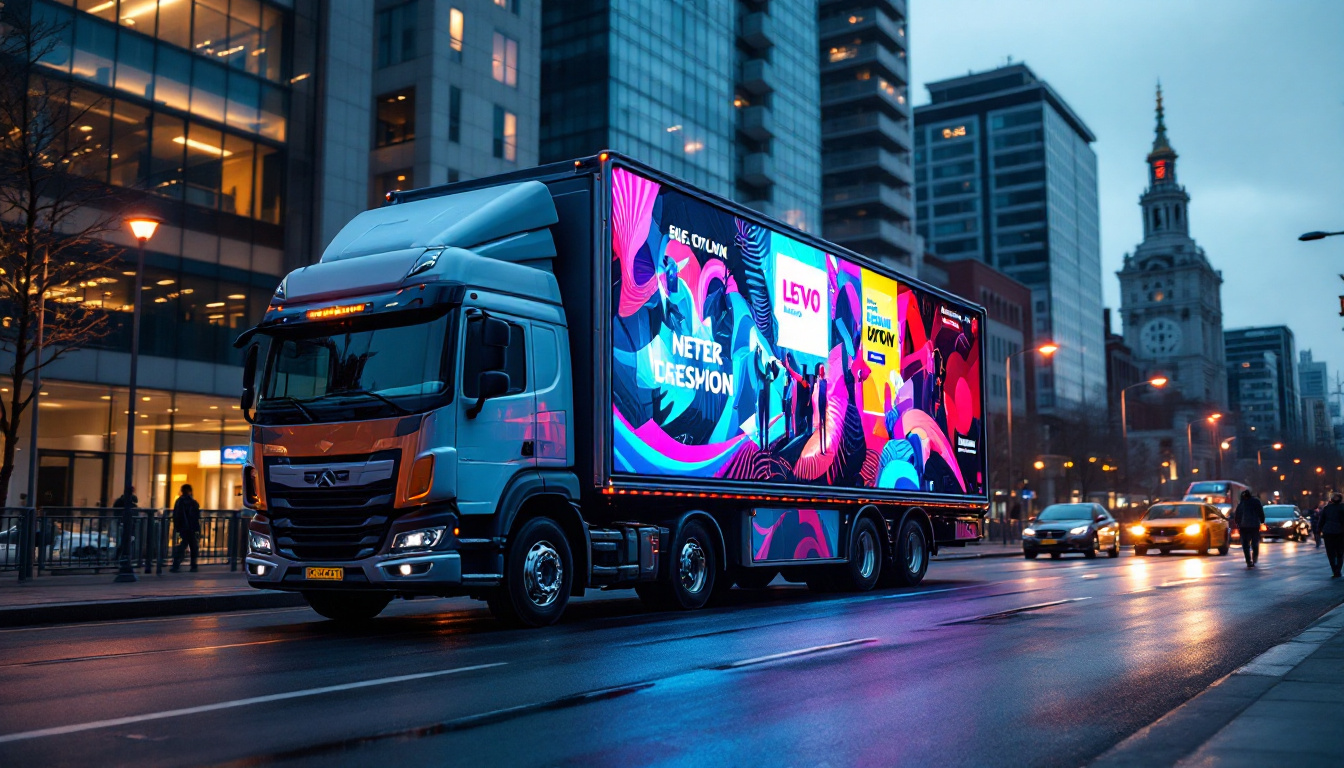
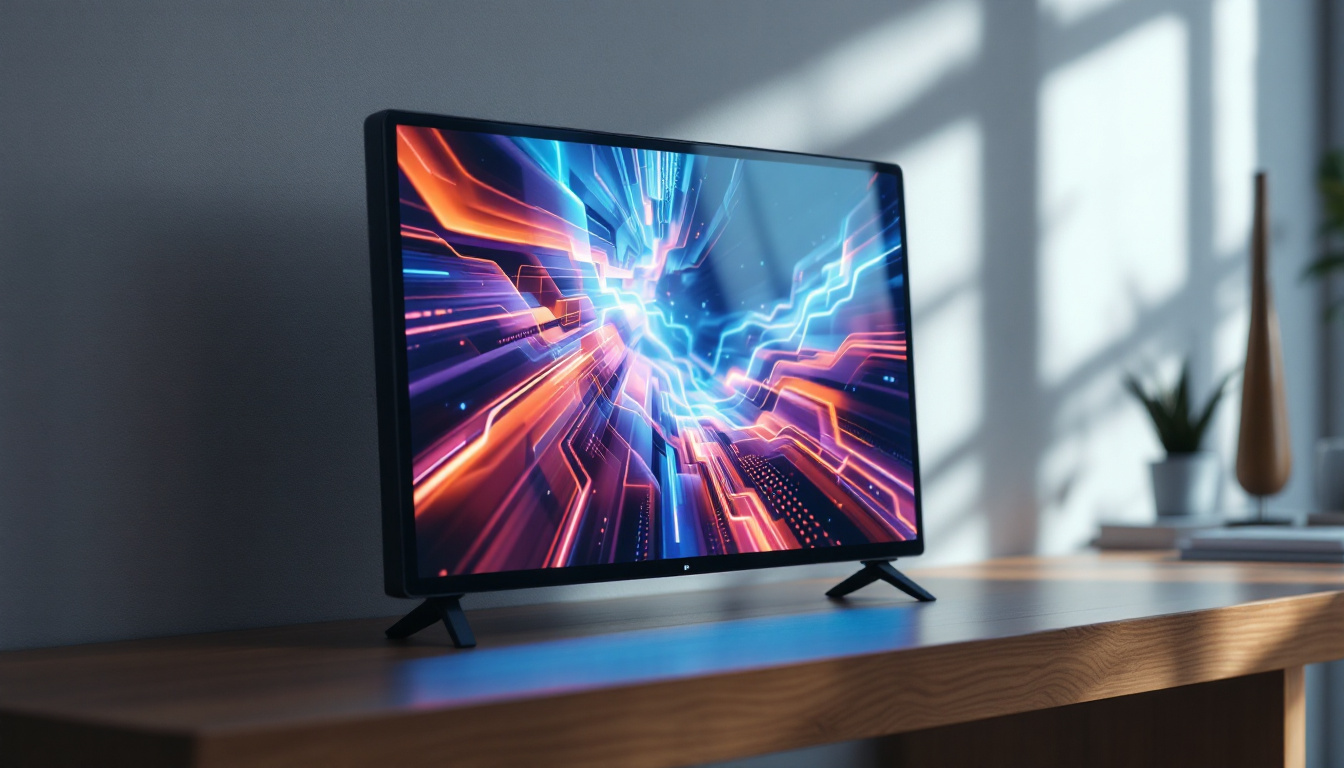
Portable outdoor LED screens are large, mobile display units that use light-emitting diodes (LEDs) to produce bright, high-resolution images visible even in direct sunlight. Unlike traditional LCD or projection screens, LED displays are self-illuminating, which means they do not require external light sources to be visible. This makes them ideal for outdoor environments where lighting conditions can vary significantly.
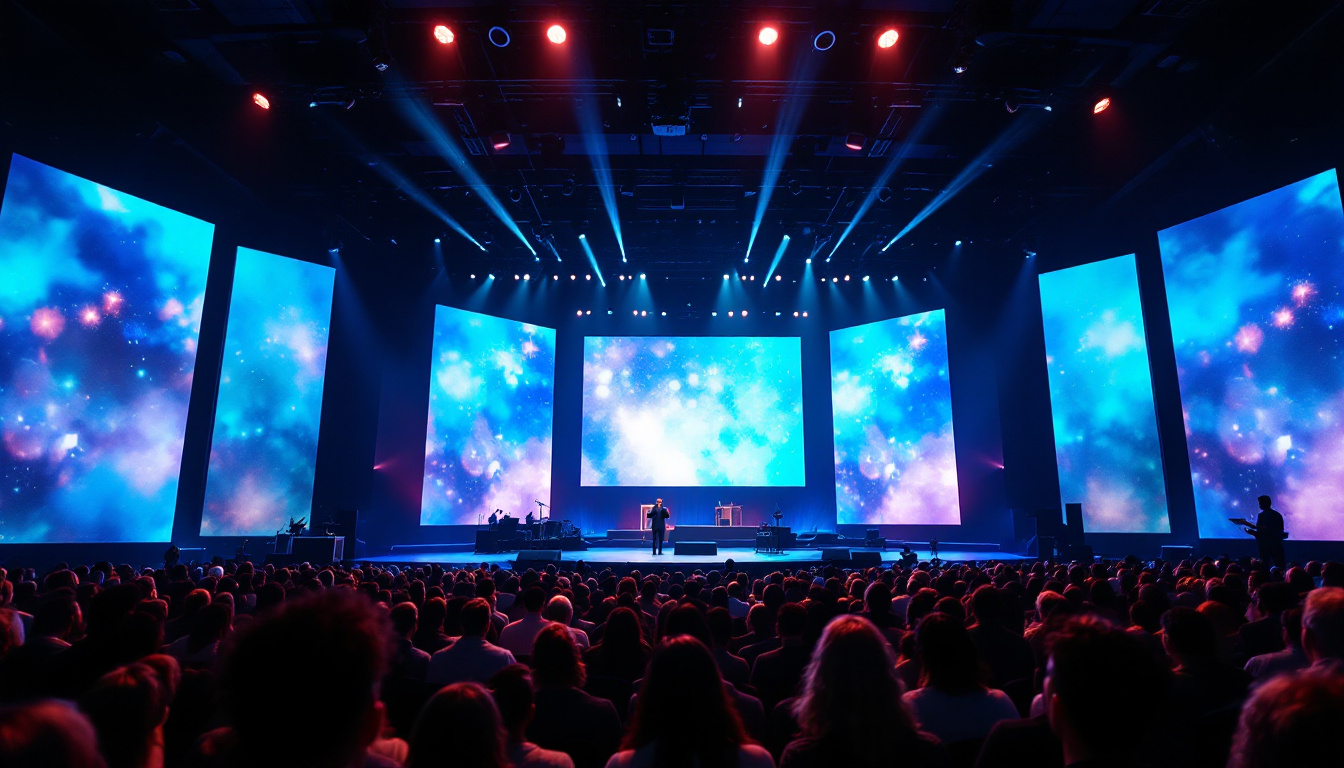
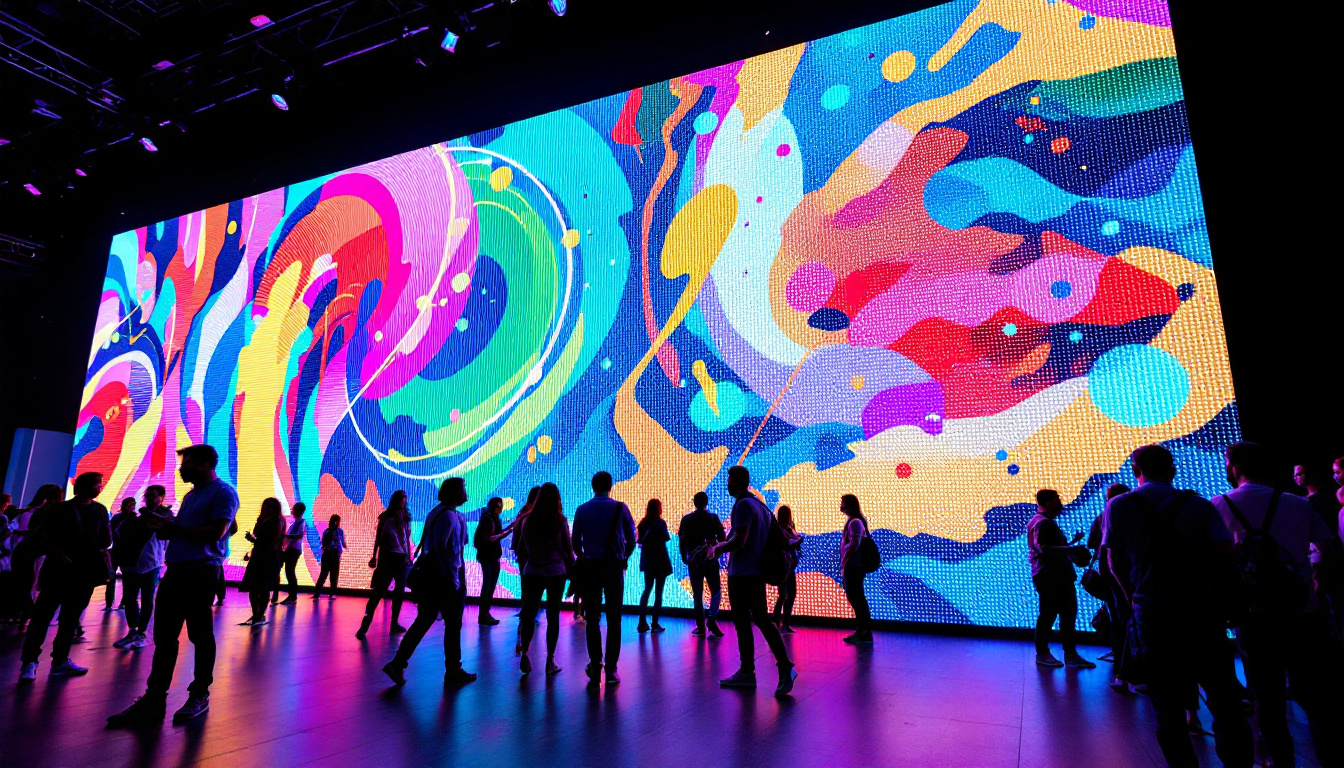
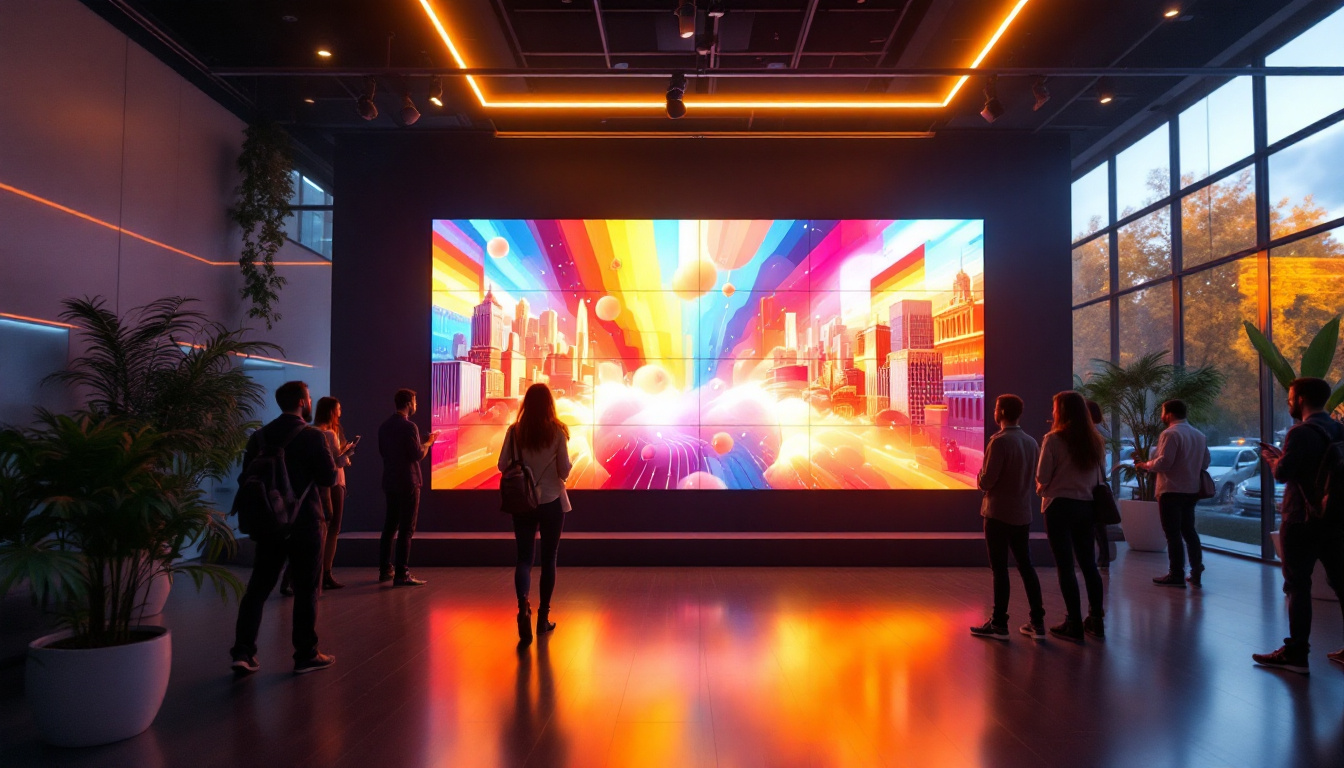
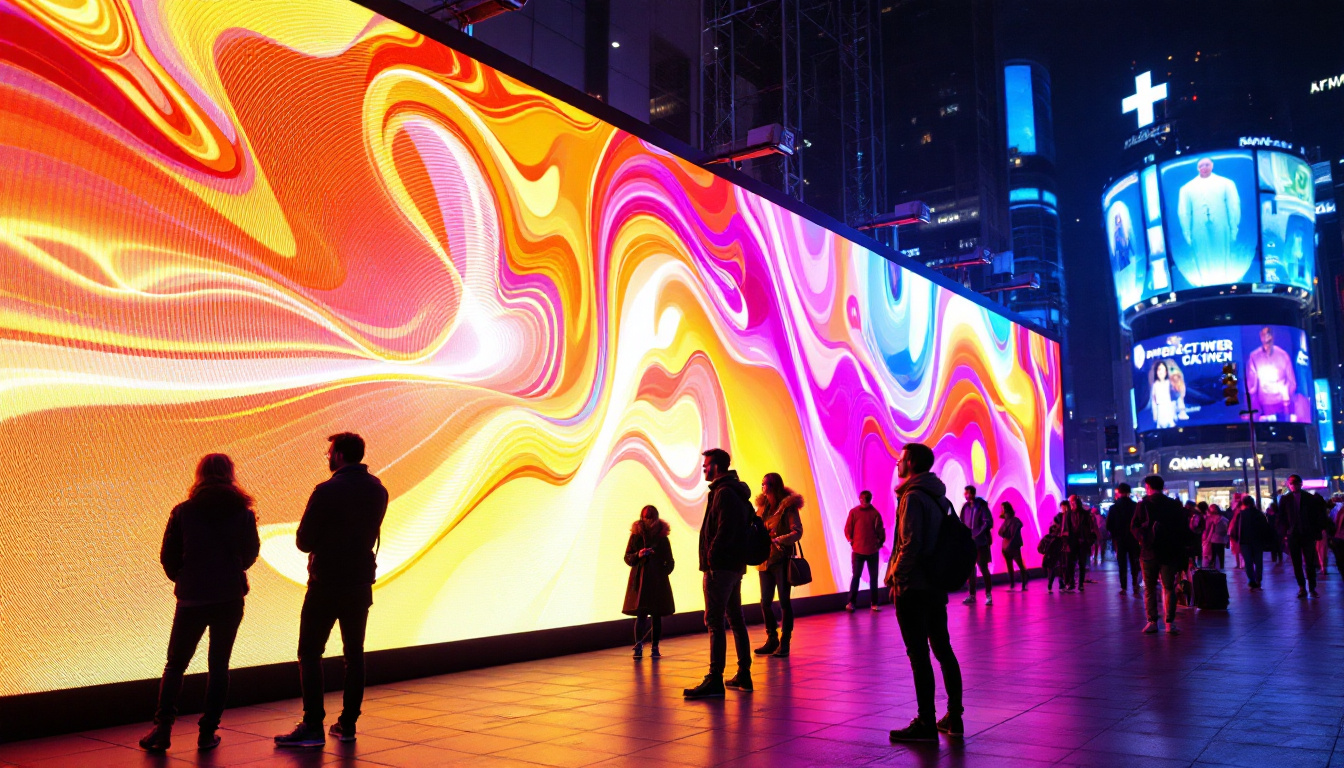
These screens come in various sizes and configurations, from small, foldable units to massive modular walls that can be assembled on-site. Their portability is enhanced by lightweight frames, quick assembly mechanisms, and battery-powered options, allowing them to be deployed in remote or temporary locations. The versatility of portable outdoor LED screens makes them a popular choice for a wide range of applications, including concerts, sporting events, festivals, and corporate gatherings. As technology continues to advance, these displays are becoming increasingly sophisticated, featuring enhanced connectivity options that allow for seamless integration with various media sources.
Key Features of LED Displays for Outdoor Use
Several features distinguish LED displays from other screen technologies, especially in outdoor settings:
- Brightness: Outdoor LED screens typically offer brightness levels ranging from 5,000 to 10,000 nits, ensuring visibility even in direct sunlight.
- Durability: Designed to withstand weather conditions such as rain, wind, and dust, these screens often come with IP65 or higher ratings for water and dust resistance.
- Flexibility: Modular designs allow customization of screen size and shape, making them suitable for various event types and venues.
- Energy Efficiency: Advances in LED technology have improved energy consumption, making portable screens more sustainable and cost-effective.
In addition to these features, many portable outdoor LED screens are equipped with advanced technology such as high refresh rates and wide viewing angles, which enhance the viewing experience from different distances and perspectives. This is particularly important for large gatherings where audience members may be seated at various angles relative to the screen. Furthermore, many models now support interactive capabilities, allowing users to engage with the content displayed, whether through touch or mobile device integration. This interactivity can elevate the overall experience at events, making them more engaging and memorable for attendees.
Moreover, the integration of smart technology into these displays has opened up new avenues for content management and customization. Users can easily update and change the content remotely, allowing for real-time updates and dynamic presentations that can adapt to the flow of an event. This capability is especially beneficial for advertising and promotional events, where timely information is crucial for audience engagement. As the demand for high-quality visual experiences continues to grow, portable outdoor LED screens are becoming an essential tool for event organizers, marketers, and businesses looking to make a lasting impression.
Privacy Concerns with Portable Outdoor LED Screens
Data Privacy in the Age of Digital Displays
While LED screens themselves are primarily output devices, the systems that control them often involve data collection and network connectivity. Modern portable LED screens are frequently managed via wireless connections, cloud-based platforms, or integrated with audience analytics tools. This raises concerns about how data is collected, stored, and used.
For example, some event organizers utilize cameras or sensors integrated with the display system to analyze audience demographics or engagement levels. Without proper safeguards, this data could be exposed or misused, leading to privacy violations.
Visual Privacy and Screen Placement
Another aspect of privacy relates to the content displayed and the screen’s visibility. Portable outdoor screens are designed to be highly visible, which can be a double-edged sword. Sensitive or proprietary information displayed in public areas may be seen by unintended audiences.
Screen placement and content control are critical to maintaining privacy. Organizers must consider sightlines, proximity to private areas, and the nature of the content to avoid inadvertent disclosures.
Security Risks of Wireless Connectivity
Wireless control systems for portable LED screens offer convenience but also introduce security vulnerabilities. Unauthorized access to the screen’s control interface could allow malicious actors to alter displayed content, potentially causing reputational damage or spreading misinformation.
Implementing robust encryption, secure authentication protocols, and regular software updates are essential steps to mitigate these risks.
Technical Insights: How LED Displays Work and Their Privacy Implications
LED Display Technology Basics
LED displays consist of numerous tiny light-emitting diodes arranged in a grid. Each diode can emit red, green, or blue light, and by varying the intensity of these colors, the screen produces a full spectrum of colors. The diodes are controlled by a driver circuit that receives image data from a video processor.
In portable outdoor screens, the LED modules are designed to be lightweight and weatherproof. The pixel pitch—the distance between individual LEDs—determines the resolution and viewing distance. Smaller pixel pitches offer higher resolution but can be more expensive and power-consuming.
Data Flow and Control Systems
The content displayed on LED screens is typically managed via a control system that can include a media player, computer, or cloud-based platform. These systems receive content files, process them, and send signals to the LED driver circuits to illuminate the appropriate diodes.
Many modern portable LED screens support remote management via Wi-Fi, cellular networks, or dedicated RF links. This allows real-time content updates and monitoring but also introduces potential entry points for cyber threats.
Privacy Implications of Integrated Technologies
Some portable LED screen solutions integrate audience measurement tools such as facial recognition cameras, motion sensors, or heat maps to provide valuable insights for advertisers and event organizers. While these features enhance marketing effectiveness, they also raise significant privacy concerns.
Compliance with data protection regulations like the General Data Protection Regulation (GDPR) in Europe or the California Consumer Privacy Act (CCPA) in the United States is mandatory when collecting personal data. Transparent communication, consent mechanisms, and data anonymization are critical components of responsible data handling.
Best Practices for Ensuring Privacy with Portable Outdoor LED Screens
Content Management and Access Control
Controlling who can upload and modify content on the LED screen is fundamental to maintaining privacy and security. Employing role-based access controls and multi-factor authentication can prevent unauthorized access.
Additionally, scheduling content updates and using content verification tools help ensure that only approved material is displayed, reducing the risk of accidental or malicious exposure of sensitive information.
Secure Network Infrastructure
When using wireless or cloud-based control systems, securing the network infrastructure is paramount. This includes using encrypted communication protocols (such as WPA3 for Wi-Fi), virtual private networks (VPNs), and firewalls.
Regularly updating firmware and software patches helps protect against known vulnerabilities. Event organizers should also conduct security audits and penetration testing to identify and mitigate potential weaknesses.
Physical Privacy Measures
Strategic placement of portable LED screens can minimize privacy risks. Avoid positioning screens where they can inadvertently display confidential information to passersby or neighboring properties.
Using privacy filters or directional LED modules can help limit the viewing angle, ensuring that only intended audiences can see the content clearly. In some cases, temporary barriers or fencing may be appropriate to control access to the screen’s immediate vicinity.
Compliance with Legal and Ethical Standards
Adhering to local privacy laws and regulations is not only a legal obligation but also a trust-building measure with audiences and stakeholders. Event organizers should consult legal experts to ensure compliance with data protection requirements related to both content and audience data collection.
Implementing clear privacy policies, providing opt-out options for data collection, and conducting privacy impact assessments are recommended practices.
Emerging Trends and Future Outlook
Advancements in LED Technology
Ongoing innovations in LED technology promise even brighter, more energy-efficient, and higher-resolution portable screens. MicroLED and miniLED technologies are gaining traction, offering improved color accuracy and longer lifespans.
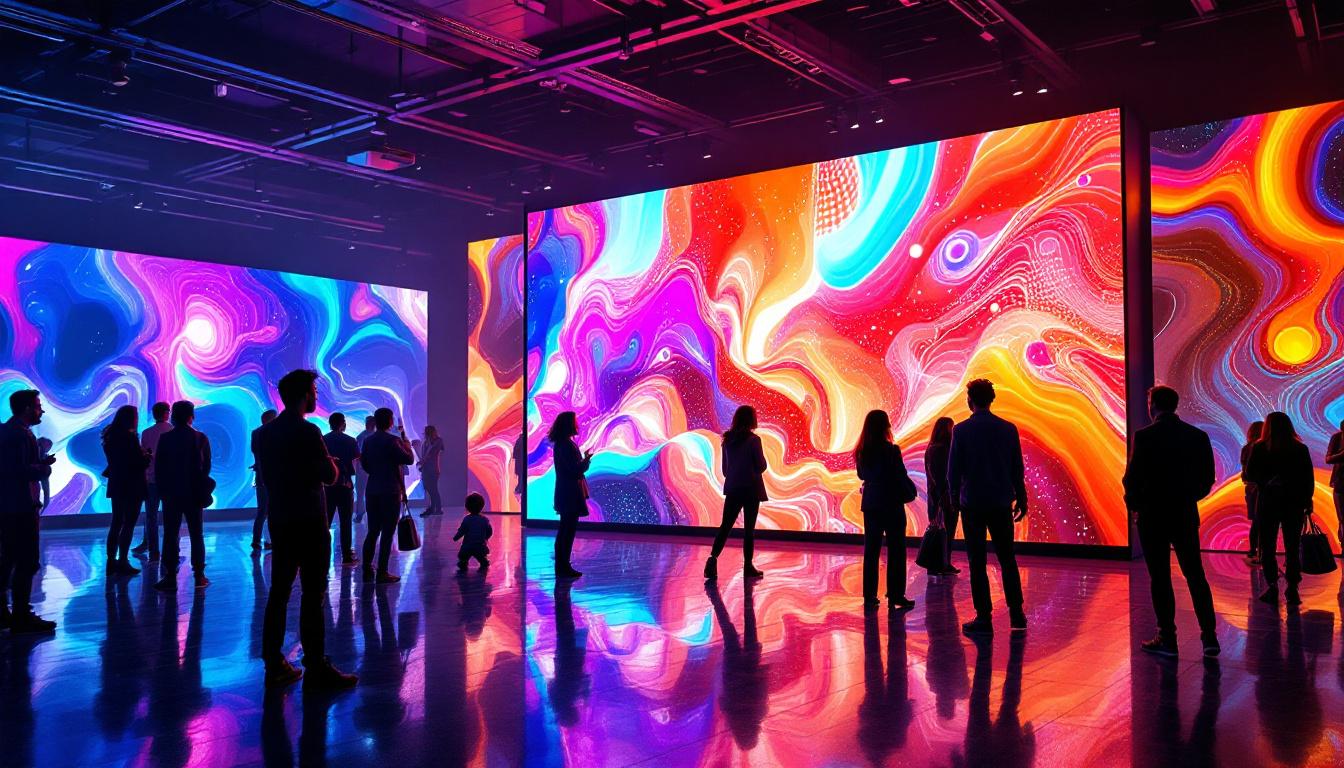
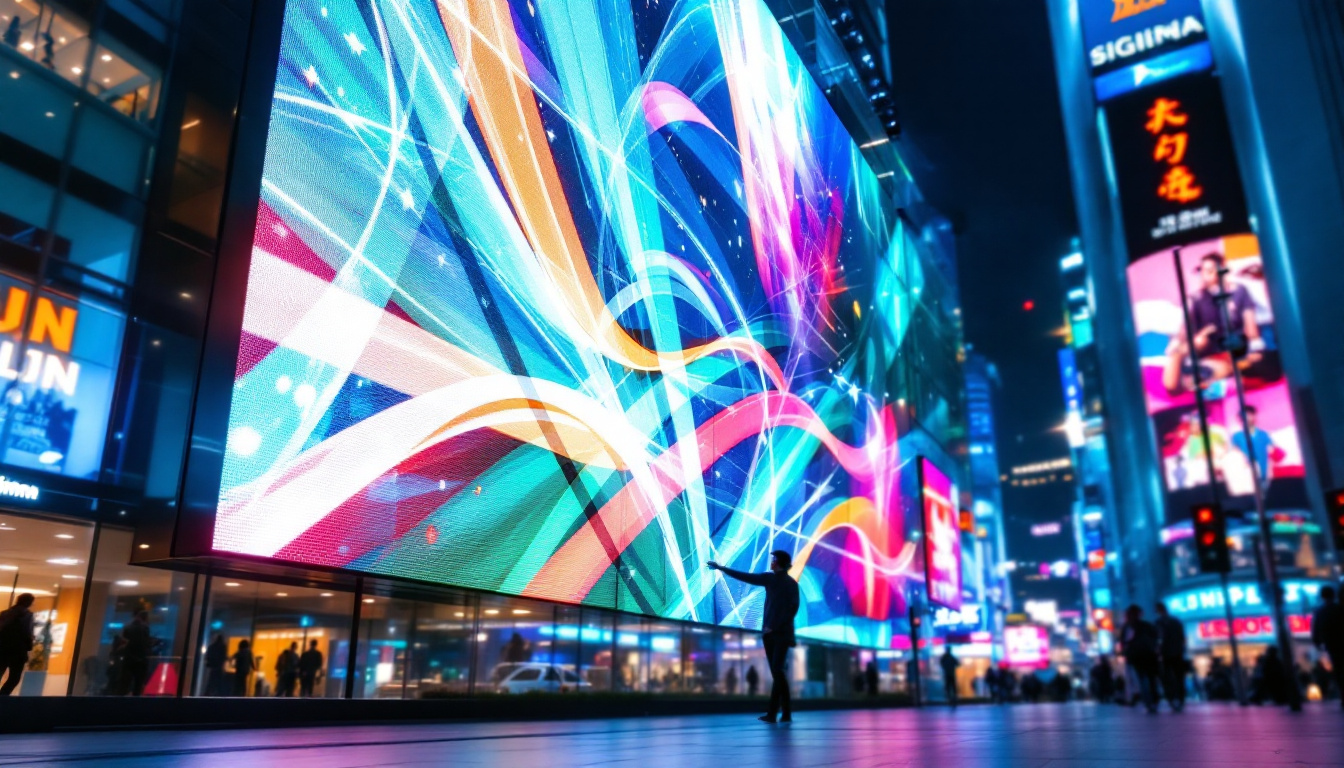
These advancements will expand the applications of portable outdoor LED screens, from immersive advertising to interactive public art installations.
Enhanced Privacy Features
Manufacturers and software developers are increasingly integrating privacy-by-design principles into portable LED screen solutions. Features such as encrypted data streams, anonymized analytics, and user consent management are becoming standard.
Artificial intelligence (AI) and machine learning (ML) are also being leveraged to detect and prevent unauthorized access or content manipulation in real time.
Growing Importance of Sustainability
As environmental concerns intensify, the sustainability of portable outdoor screens is gaining attention. Energy-efficient LEDs, recyclable materials, and solar-powered units are emerging trends that align with broader corporate social responsibility goals.
Balancing technological innovation with privacy and environmental stewardship will be a key challenge and opportunity for the industry moving forward.
Conclusion
Portable outdoor LED screens have revolutionized the way events and public spaces engage audiences, offering vivid, dynamic visual experiences that captivate and inform. However, as their use becomes more widespread, understanding and addressing privacy concerns is essential to protect both individuals and organizations.
By comprehending the technology behind LED displays, recognizing potential privacy risks, and implementing best practices for security and compliance, stakeholders can harness the full potential of portable outdoor screens while safeguarding privacy. As technology evolves, staying informed and proactive will remain crucial in navigating this dynamic landscape.
Discover LumenMatrix’s Advanced LED Display Solutions
As you consider the future of outdoor events and the importance of privacy in our digital age, LumenMatrix stands ready to provide you with cutting-edge LED display solutions. Our commitment to innovation ensures that your audience enjoys the most vibrant and secure visual experiences possible. From customizable LED displays to advanced privacy features, we empower your brand to communicate with confidence and creativity. Check out LumenMatrix LED Display Solutions today and take the first step towards transforming your visual engagement strategy.