In today’s fast-paced world, portable televisions have become an increasingly popular choice for those who want entertainment on the go. Whether for camping trips, outdoor events, or simply moving from room to room at home, the convenience of a compact TV is undeniable. Central to this convenience and quality is the LED display technology that powers these devices. This article delves into the world of portable televisions, focusing on the LED display technology that makes them efficient, vibrant, and user-friendly.
Understanding Portable Televisions
Portable televisions are compact, lightweight devices designed to deliver television content without the need for a fixed installation. Unlike traditional TVs, these units prioritize mobility and ease of use, often featuring built-in batteries, antennas, and multiple input options. The rise of portable TVs aligns with the growing demand for flexible entertainment solutions in a variety of environments. Whether you’re camping in the great outdoors, tailgating at a sports event, or simply enjoying a picnic in the park, portable televisions provide a convenient way to stay connected to your favorite shows and live broadcasts.
According to a 2023 market analysis by Grand View Research, the global portable television market is expected to grow at a compound annual growth rate (CAGR) of 4.5% over the next five years. This growth is driven by increasing outdoor recreational activities and the need for versatile media consumption devices. As people seek entertainment options that fit their on-the-go lifestyles, manufacturers are responding with innovative designs that enhance viewing experiences, such as improved screen resolutions and enhanced audio systems, making portable TVs more appealing than ever.
Key Features of Portable Televisions
Portability is the defining characteristic, but several other features enhance their appeal:
- Compact Size: Typically ranging from 7 to 15 inches, these TVs are easy to carry and store.
- Battery Power: Many models come with rechargeable batteries, allowing hours of use without a power outlet.
- Multiple Inputs: HDMI, USB, and even SD card slots enable users to connect various devices.
- Built-in Tuners and Antennas: For receiving free-to-air broadcast signals.
In addition to these core features, many portable televisions now come equipped with smart technology, allowing users to access streaming services directly from the device. This integration of Wi-Fi connectivity opens up a world of entertainment options, enabling viewers to binge-watch their favorite series or catch up on the latest movies without needing additional hardware. Furthermore, some models even offer touchscreen interfaces, making navigation more intuitive and user-friendly, particularly for younger audiences who are accustomed to smartphones and tablets.
Another noteworthy aspect of portable televisions is their versatility in terms of design and functionality. Some units are specifically designed for outdoor use, featuring rugged casings that can withstand the elements, while others focus on sleek aesthetics that fit seamlessly into modern home decor. Additionally, advancements in display technology, such as LED and OLED screens, enhance picture quality, providing vibrant colors and deeper contrasts that make watching a movie or a sports game a truly immersive experience, regardless of where you are.
The Role of LED Display Technology in Portable TVs
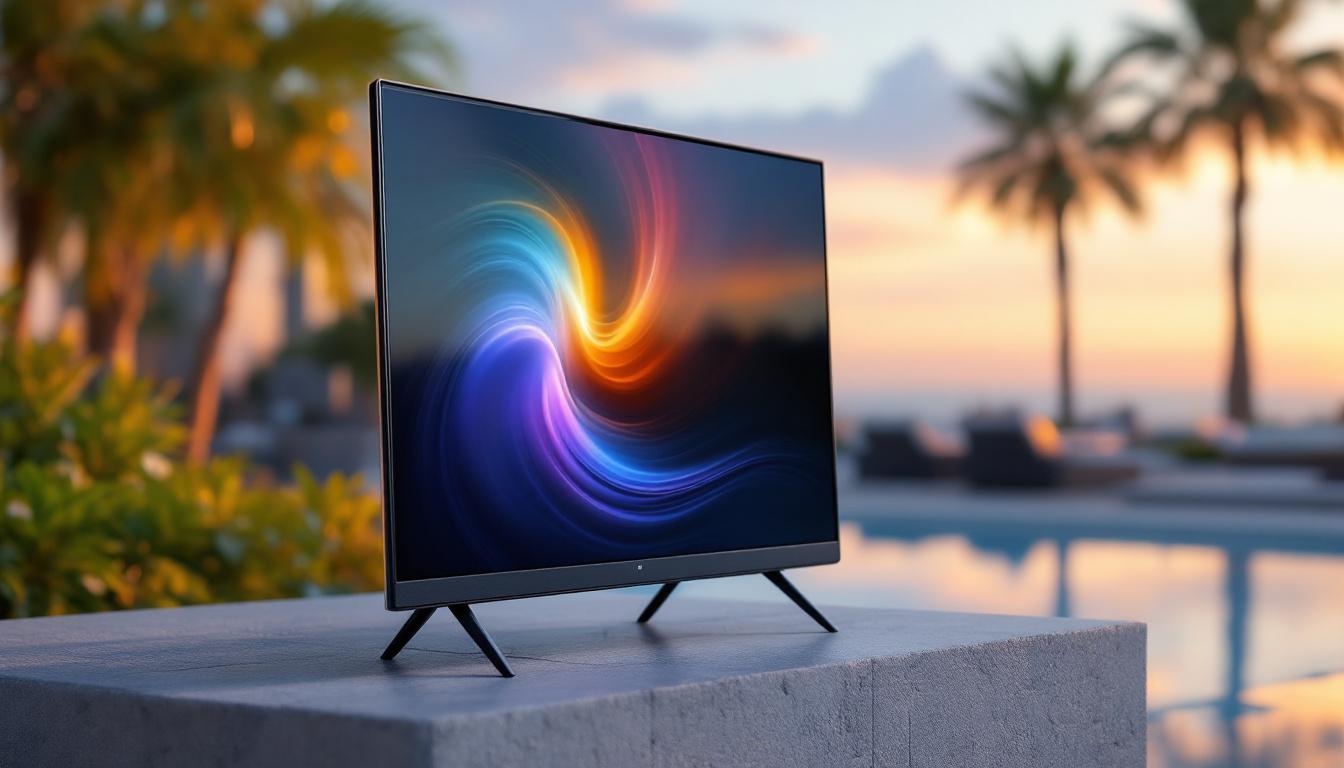
At the heart of most modern portable televisions is the LED (Light Emitting Diode) display. Unlike older technologies such as CRT (Cathode Ray Tube) or CCFL-backlit LCDs, LED displays offer significant advantages in terms of image quality, power consumption, and device thickness.
What is an LED Display?
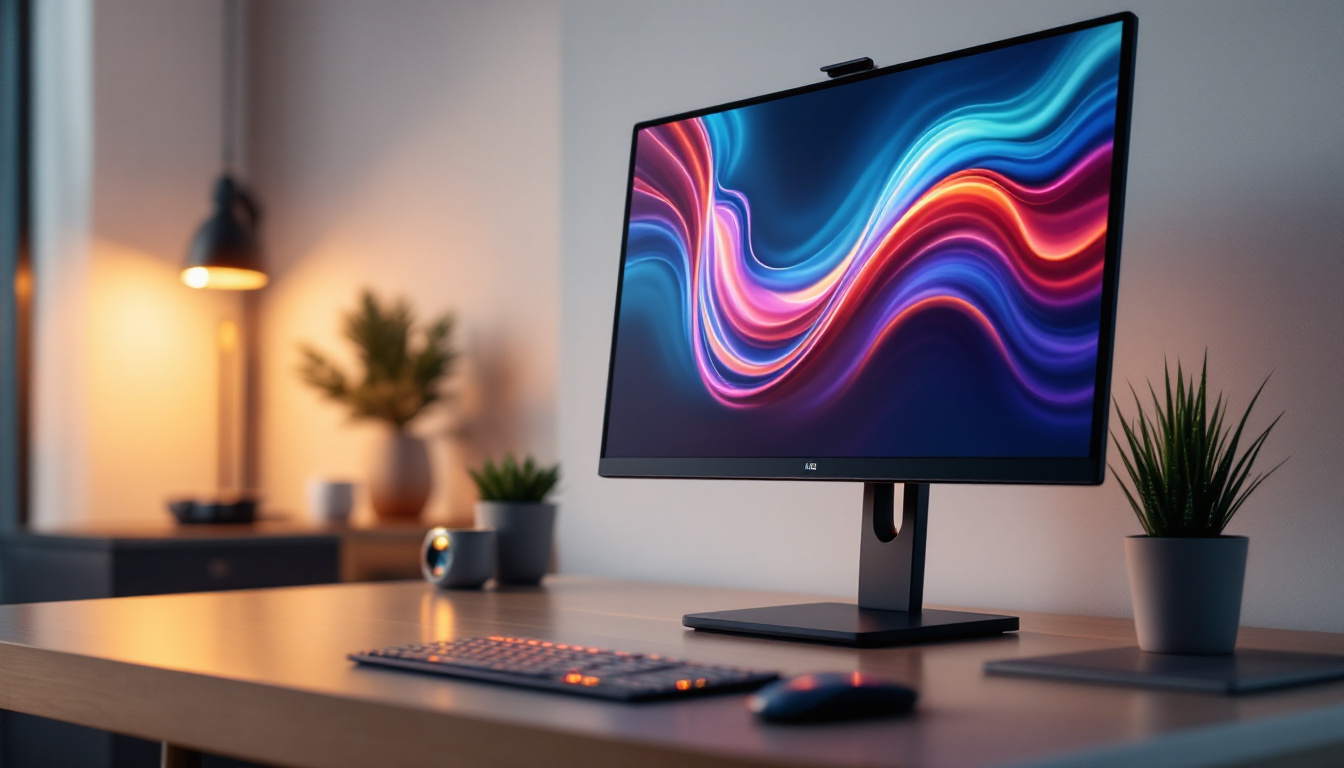
An LED display is a type of LCD (Liquid Crystal Display) that uses light-emitting diodes as a backlight source instead of traditional fluorescent lamps. This backlighting method enhances brightness, contrast, and color accuracy while reducing energy use.
LED displays can be categorized mainly into two types: edge-lit and direct-lit. Edge-lit LEDs place the light source along the edges of the screen, allowing for thinner designs, whereas direct-lit LEDs distribute the light evenly behind the screen, often resulting in better uniformity and contrast. Additionally, advancements in LED technology have led to the development of mini-LED and micro-LED displays, which offer even finer control over backlighting and improved picture quality, making them increasingly popular in high-end portable TVs.
Advantages of LED Displays in Portable TVs
Several factors make LED displays ideal for portable televisions:
- Energy Efficiency: LED backlighting consumes less power, which is crucial for battery-operated devices. This efficiency extends viewing time between charges.
- Brightness and Visibility: LED displays offer higher brightness levels, making the screen easier to view in various lighting conditions, including bright outdoor environments.
- Slim and Lightweight Design: LEDs allow manufacturers to create thinner and lighter screens, enhancing portability without sacrificing screen size.
- Improved Color Accuracy and Contrast: LED technology supports a wider color gamut and deeper blacks, resulting in a more immersive viewing experience.
Moreover, the rapid evolution of LED technology has paved the way for features like HDR (High Dynamic Range), which further enhances the viewing experience by providing a greater range of brightness and color detail. This is especially beneficial for watching movies and sports, where vibrant visuals can significantly elevate the entertainment experience. Additionally, many portable TVs now incorporate smart technology, allowing users to stream content directly from the internet, which is seamlessly complemented by the superior display quality of LED screens.
Another noteworthy aspect is the durability of LED displays. Unlike traditional LCDs that can suffer from issues like screen burn-in or limited lifespan, LED technology is more resilient, making it suitable for frequent travel and outdoor use. This robustness, combined with the lightweight design, makes portable TVs equipped with LED displays an excellent choice for those who enjoy watching their favorite shows or movies on the go, whether at a picnic, camping, or during long road trips.
Technical Specifications to Consider in LED Portable TVs
When choosing a portable television with an LED display, understanding key technical specifications can help ensure the best purchase decision.
Screen Size and Resolution
Screen size is a trade-off between portability and viewing comfort. While screens from 7 to 12 inches are common, some models offer up to 15 inches for a more immersive experience.
Resolution is equally important. Common resolutions include 720p (HD) and 1080p (Full HD). Higher resolutions provide sharper images, especially on larger screens. For portable TVs, 720p is often sufficient due to the smaller display size, but 1080p is becoming more prevalent as technology advances.
Refresh Rate and Response Time
The refresh rate, measured in Hertz (Hz), indicates how many times per second the image refreshes. A higher refresh rate (60Hz or more) results in smoother motion, which is beneficial for watching fast-paced content like sports or action movies.
Response time refers to how quickly pixels change color, affecting motion blur. Lower response times reduce ghosting effects and improve image clarity during fast movements.
Connectivity Options
Modern portable TVs often include a variety of input options to enhance versatility:
- HDMI Ports: Allow connection to streaming devices, gaming consoles, or laptops.
- USB Ports: Enable playback of media files directly from flash drives.
- AV Inputs: For older devices like DVD players.
- Wireless Connectivity: Some models offer Wi-Fi or Bluetooth for streaming and audio connections.
Comparing LED Portable TVs with Other Display Technologies
While LED displays dominate the portable TV market, it’s useful to understand how they compare with other technologies such as OLED and traditional LCDs.
LED vs. OLED
OLED (Organic Light Emitting Diode) displays are known for their exceptional color accuracy, contrast, and the ability to produce true blacks because each pixel emits its own light. However, OLEDs tend to be more expensive and less energy-efficient compared to LED-backlit LCDs.
For portable televisions, LED displays strike a balance between cost, power consumption, and image quality, making them the preferred choice for most manufacturers and consumers.
LED vs. Traditional LCD
Traditional LCDs use cold cathode fluorescent lamps (CCFL) for backlighting, which are bulkier and less energy-efficient than LEDs. LED backlighting allows for thinner designs, better brightness, and longer battery life, which are critical factors for portable devices.
Practical Applications and Use Cases of Portable LED TVs
The versatility of portable LED televisions has opened up numerous practical applications across different lifestyles and industries.
Outdoor and Recreational Use
Camping, tailgating, and outdoor parties have become prime scenarios for portable TVs. The bright LED display ensures visibility even in daylight, while the lightweight form factor makes it easy to transport. Some models are designed with rugged casings to withstand outdoor conditions.
Travel and Mobile Living
For travelers, digital nomads, and those living in RVs or tiny homes, portable LED TVs provide entertainment without requiring permanent installation. Their energy efficiency is a boon when relying on limited power sources like solar panels or vehicle batteries.
Emergency and Backup Entertainment
During power outages or emergencies, portable LED TVs can serve as a vital source of news and information, especially when paired with battery operation or alternative power sources.
Future Trends in Portable LED Television Technology
The portable television market continues to evolve, driven by advancements in display technology and user demands.
Higher Resolution and HDR Support
As 4K content becomes more accessible, portable TVs are beginning to support higher resolutions and High Dynamic Range (HDR) for enhanced picture quality. This trend will likely continue, improving the viewing experience on smaller screens.
Integration with Smart Features
Smart portable TVs with built-in streaming apps, voice control, and Wi-Fi connectivity are becoming more common. This integration reduces the need for external devices and enhances convenience.
Improved Battery Technology
Advances in battery technology will extend viewing times and reduce charging durations, making portable TVs even more practical for extended use away from power sources.
Conclusion
Portable televisions equipped with LED displays offer a compelling combination of portability, image quality, and energy efficiency. Understanding the technology behind LED displays helps consumers make informed choices that suit their lifestyle and viewing needs. As technology progresses, portable LED TVs will continue to improve, delivering richer visuals and smarter features in increasingly compact and versatile packages.
Whether for outdoor adventures, travel, or everyday convenience, portable LED televisions represent a practical and enjoyable way to stay connected to entertainment anywhere.
Explore the Future of Portable Entertainment with LumenMatrix
As you embrace the world of portable LED televisions, take your viewing experience to the next level with LumenMatrix. Our commitment to innovation in LED display technology ensures you enjoy not only mobility but also unparalleled visual quality. From Indoor and Outdoor LED Wall Displays to Custom and All-in-One LED solutions, LumenMatrix is at the forefront of revolutionizing visual communication. Ready to transform how you engage with media on the go? Check out LumenMatrix LED Display Solutions and join the visual revolution today.