In today’s fast-paced digital world, the demand for versatile and efficient display solutions has never been higher. Portable touch monitors with LED displays have emerged as a popular choice among professionals, gamers, educators, and tech enthusiasts alike. These devices combine the convenience of mobility with the interactivity of touchscreens and the vivid visual quality of LED technology.
This article delves into the world of portable touch monitors, focusing on the LED display technology that powers them. It explores the benefits, technical aspects, and practical applications of these devices, helping readers understand why they are becoming essential tools in various fields.
Understanding Portable Touch Monitors
What Is a Portable Touch Monitor?
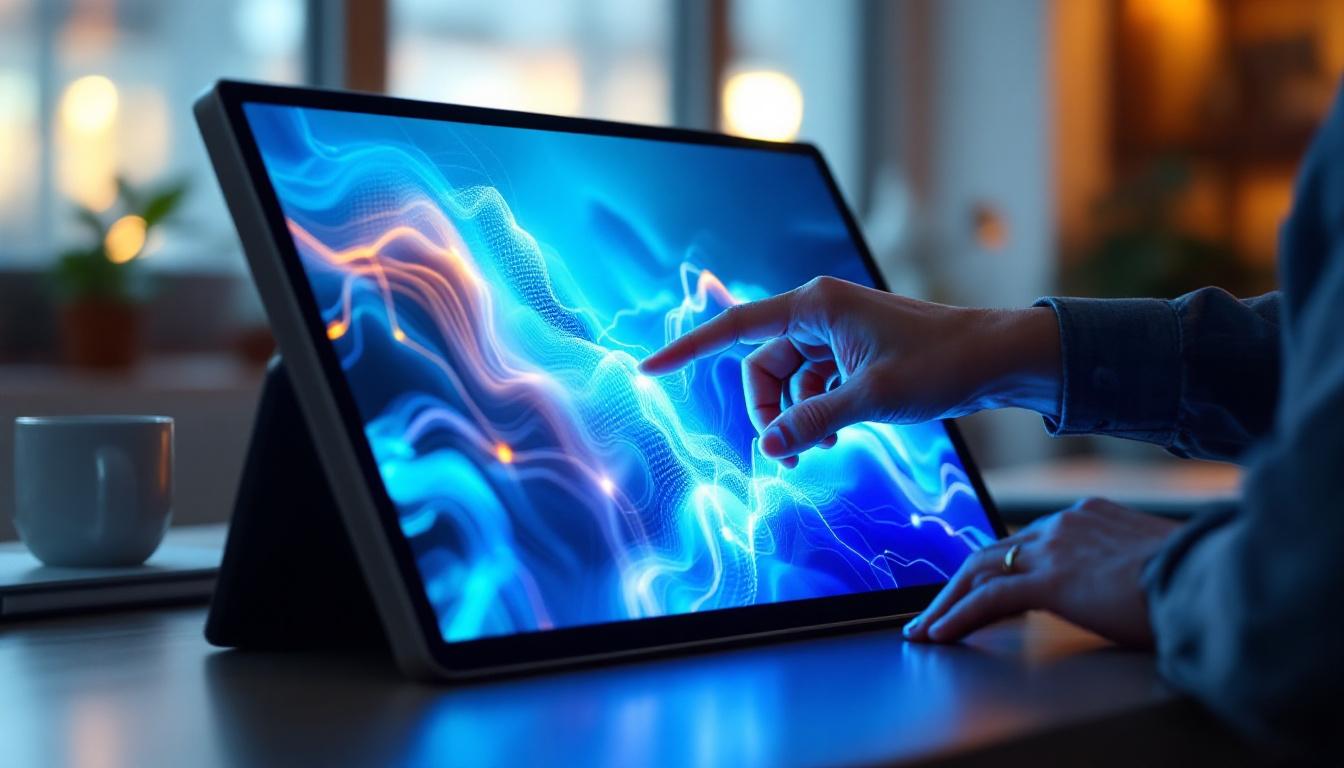
A portable touch monitor is a lightweight, compact display device that supports touch input and can be easily transported. Unlike traditional monitors, these devices are designed to be used on the go, connecting to laptops, smartphones, gaming consoles, or other compatible devices via USB-C, HDMI, or wireless connections.
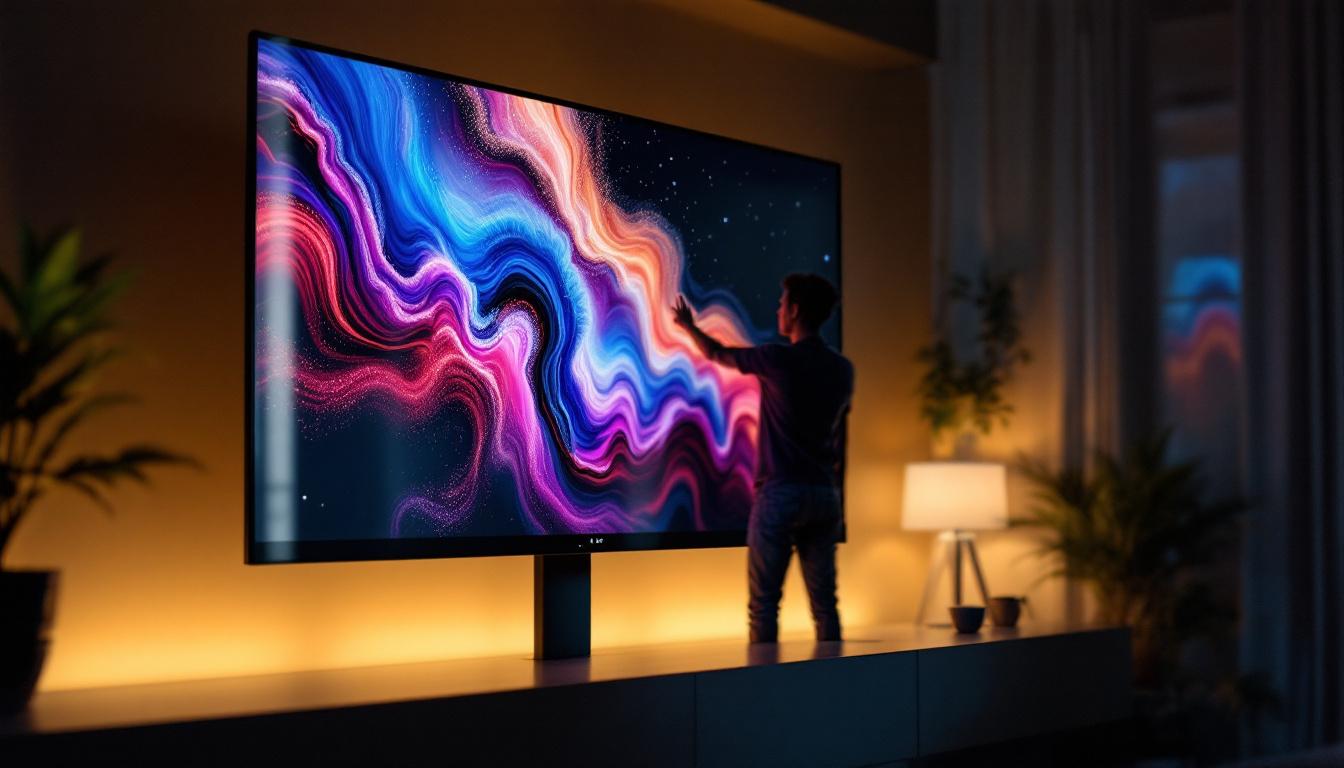
The touch functionality enables users to interact directly with the screen, making it ideal for presentations, creative work, or multitasking. Their portability and ease of use have made them increasingly popular among remote workers, digital artists, and mobile gamers.
Why Portability Matters
Portability is a crucial factor in today’s work and entertainment environments. With the rise of remote work and digital nomad lifestyles, users need displays that can keep up with their mobility. Portable touch monitors provide a second screen experience without the bulk of traditional monitors, allowing for enhanced productivity anywhere—from coffee shops to client meetings.
Moreover, the ability to quickly set up a touch-enabled display can transform how professionals interact with their devices, offering more intuitive control and reducing the need for additional peripherals like keyboards and mice.
LED Display Technology in Portable Touch Monitors
What Is LED Display Technology?
LED, or Light Emitting Diode, display technology is a type of flat-panel display that uses an array of light-emitting diodes as pixels to produce images. It is widely used in portable touch monitors due to its energy efficiency, brightness, and color accuracy.
LED displays can be categorized mainly into two types: direct LED and edge-lit LED. Direct LED displays have LEDs placed directly behind the screen, providing uniform brightness and better contrast. Edge-lit LED displays position LEDs along the edges, allowing for thinner designs but sometimes at the cost of uneven lighting.
Advantages of LED Displays in Portable Touch Monitors
LED displays offer several benefits that make them ideal for portable touch monitors:
- Brightness and Visibility: LED technology provides high brightness levels, ensuring clear visibility even in brightly lit environments.
- Energy Efficiency: LEDs consume less power compared to older display technologies like CCFL, extending battery life when used with portable devices.
- Color Accuracy and Contrast: LED displays deliver vibrant colors and deep blacks, enhancing the visual experience for users.
- Thin and Lightweight Design: The compact nature of LED technology allows manufacturers to produce slim and lightweight monitors, perfect for portability.
- Durability: LEDs have a longer lifespan and are more resistant to shock and vibration, making them suitable for mobile use.
Comparing LED with Other Display Technologies
While LED displays are prevalent, other technologies like OLED and LCD are also used in portable monitors. OLEDs offer superior contrast and color but tend to be more expensive and less power-efficient. Traditional LCDs without LED backlighting are bulkier and less bright.
For most portable touch monitors, LED strikes the right balance between performance, cost, and portability, making it the preferred choice for both manufacturers and consumers.
Key Features of Portable Touch Monitors with LED Displays
Touchscreen Capabilities
Touch functionality is a defining feature of these monitors. Capacitive touchscreens, which detect touch through the electrical properties of the human finger, are commonly used due to their responsiveness and multi-touch support. Some models also support stylus input, catering to artists and designers.
Touchscreens enhance user interaction by enabling gestures such as pinch-to-zoom, swipe, and tap, which can improve workflow efficiency and user experience.
Resolution and Screen Size
Portable touch monitors typically range from 10 to 17 inches in size, balancing portability with usability. Full HD (1920×1080 pixels) resolution is standard, providing sharp images and text. Higher-end models may offer 2K or 4K resolutions, appealing to professionals requiring detailed visuals.
The choice of screen size and resolution depends on the user’s needs—smaller screens are easier to carry, while larger, higher-resolution displays offer better clarity for complex tasks.
Connectivity Options
Modern portable touch monitors feature versatile connectivity options to ensure compatibility with a wide range of devices. USB-C ports are prevalent due to their ability to transmit video, data, and power through a single cable, simplifying setup and reducing clutter.
Other common connections include HDMI for video input and 3.5mm audio jacks. Some monitors also offer wireless connectivity options like Bluetooth or Wi-Fi, enabling cable-free operation.
Power Supply and Battery Life
Many portable touch monitors draw power directly from connected devices via USB-C, eliminating the need for separate power adapters. This feature enhances portability but may affect the battery life of the host device.
Some models include built-in batteries, allowing independent use without tethering to a laptop or smartphone. Battery life varies widely, typically ranging from 4 to 8 hours, depending on usage and brightness settings.
Practical Applications of Portable Touch Monitors
Enhancing Productivity for Remote Workers
Remote work has transformed how professionals approach their daily tasks. Portable touch monitors offer a convenient way to extend screen real estate, enabling multitasking and better organization. For example, a user can have a video conference on one screen while taking notes or referencing documents on the other.
The touch interface also supports quick navigation and annotation, which is especially useful during collaborative sessions or presentations.
Creative and Design Work
Artists, graphic designers, and video editors benefit significantly from portable touch monitors with LED displays. The accurate color reproduction and high resolution allow for precise work, while the touch and stylus support facilitate direct drawing and editing on the screen.
These monitors provide a flexible workspace that can be set up anywhere, from studios to client locations, enhancing creativity and productivity.
Gaming and Entertainment
Gamers appreciate portable touch monitors for their ability to deliver vibrant visuals and responsive touch controls. They can use these monitors as secondary displays for chat, streaming, or game guides, or even as primary screens when connected to handheld consoles or laptops.
LED technology ensures smooth motion and bright colors, which are essential for an immersive gaming experience.
Education and Training
In educational settings, portable touch monitors serve as interactive tools for both teachers and students. They can be used for digital whiteboarding, interactive lessons, and remote learning setups.
The portability allows educators to move between classrooms or conduct sessions outside traditional environments, while the touch interface encourages student engagement.
Choosing the Right Portable Touch Monitor
Assessing Your Needs
Choosing the right portable touch monitor depends on several factors, including intended use, budget, and compatibility with existing devices. Users should consider screen size, resolution, touch responsiveness, and connectivity options to ensure the monitor meets their specific requirements.
For instance, a graphic designer might prioritize color accuracy and stylus support, while a remote worker might focus on portability and dual-screen functionality.
Top Brands and Models
The market offers a wide range of portable touch monitors from reputable brands known for quality and innovation. Popular models often feature Full HD LED displays, USB-C connectivity, and multi-touch support.
Reading user reviews and professional evaluations can provide valuable insights into performance and reliability. Additionally, checking warranty and customer support options is advisable to safeguard the investment.
Budget Considerations
Prices for portable touch monitors vary widely, typically ranging from $150 to over $600 depending on features and specifications. While higher-end models offer advanced capabilities, many affordable options provide excellent performance for everyday use.
Balancing cost with desired features is key to making a smart purchase that delivers value and satisfaction.
Future Trends in Portable Touch Monitors and LED Displays
Advancements in Display Technology
The future of portable touch monitors is closely tied to innovations in LED and related display technologies. Mini-LED and Micro-LED are emerging as promising advancements, offering improved brightness, contrast, and energy efficiency over traditional LED displays.
These technologies could lead to thinner, lighter monitors with even better image quality, further enhancing portability and user experience.
Integration with Emerging Technologies
Integration with artificial intelligence (AI), augmented reality (AR), and improved wireless connectivity is expected to redefine how portable touch monitors are used. AI-powered touch interfaces could offer predictive controls and personalized settings, while AR integration might enable interactive 3D displays.
Wireless technologies like Wi-Fi 6 and beyond will facilitate seamless, cable-free connections, making these devices even more convenient.
Environmental and Sustainability Considerations
As sustainability becomes a priority, manufacturers are focusing on eco-friendly materials and energy-efficient designs. Portable touch monitors with LED displays are already more energy-efficient than older technologies, but future models are likely to emphasize recyclability and reduced environmental impact.
This shift aligns with global efforts to minimize electronic waste and promote responsible consumption.
Conclusion
Portable touch monitors with LED displays represent a significant advancement in display technology, offering a blend of portability, interactivity, and visual excellence. Their versatility makes them valuable tools across various industries, from remote work and education to creative arts and gaming.
Understanding the technical aspects of LED displays and the features that define these monitors helps users make informed decisions tailored to their needs. As technology continues to evolve, portable touch monitors are poised to become even more integral to how people work, create, and connect in an increasingly digital world.
Discover LumenMatrix’s Advanced LED Display Solutions
Ready to elevate your visual experience with the latest in LED display technology? LumenMatrix offers a comprehensive range of innovative solutions tailored to meet your needs. From captivating Indoor and Outdoor LED Wall Displays to dynamic Vehicle and Sports LED Displays, our products are designed to make your message shine. Explore our versatile LED Poster Displays, interactive Floor LED Displays, and the sleek All-in-One LED Display options. For a truly unique touch, delve into our Custom and Transparent LED Displays. Embrace the future of visual communication with LumenMatrix and create unforgettable impressions. Check out LumenMatrix LED Display Solutions today and transform how you connect with your audience.