Outdoor lighting has evolved dramatically over the past decade, with LED technology leading the charge in innovation, efficiency, and design flexibility. For businesses and homeowners alike, incorporating LED displays into outdoor lighting setups offers not only aesthetic appeal but also practical benefits such as energy savings and enhanced visibility. This article delves into the essentials of LED displays within the context of outdoor lighting portfolios, explaining how they work, their advantages, and how to select the right LED display for various applications.
Understanding LED Displays in Outdoor Lighting
LED, or Light Emitting Diode, technology has revolutionized the way outdoor lighting is designed and implemented. Unlike traditional incandescent or fluorescent bulbs, LEDs produce light through electroluminescence, which is more energy-efficient and longer-lasting. When integrated into outdoor lighting systems, LED displays can range from simple illuminated signs to complex video walls and dynamic architectural lighting. The shift towards LED technology not only reduces energy consumption but also minimizes maintenance costs, as these lights have a significantly longer lifespan compared to their predecessors.
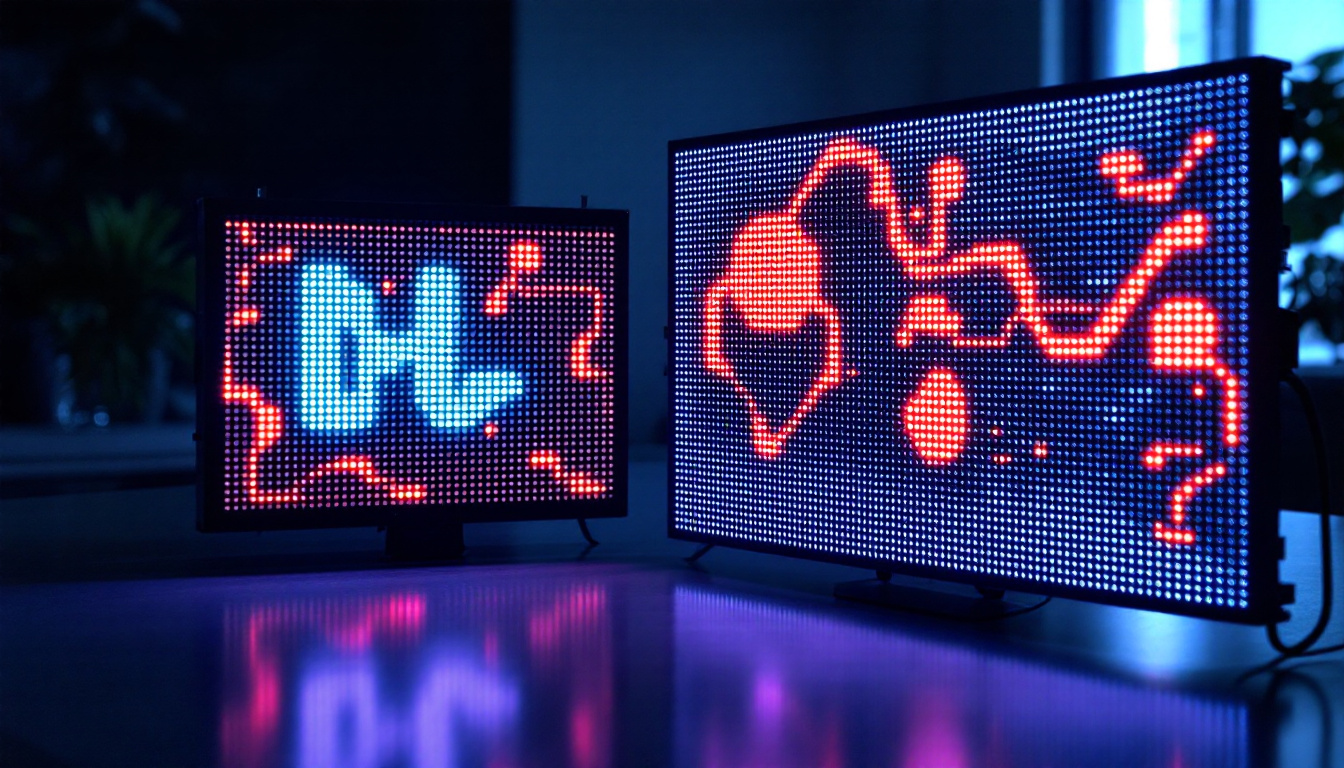
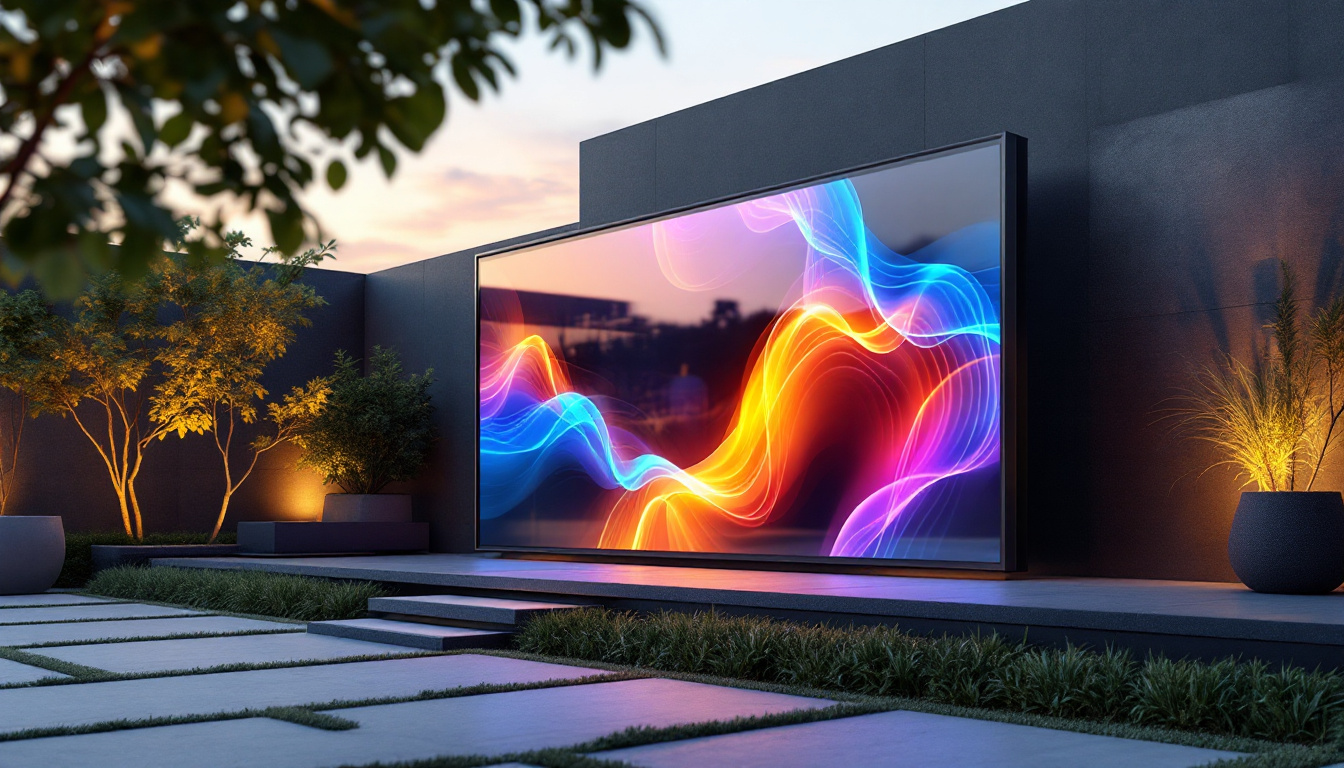
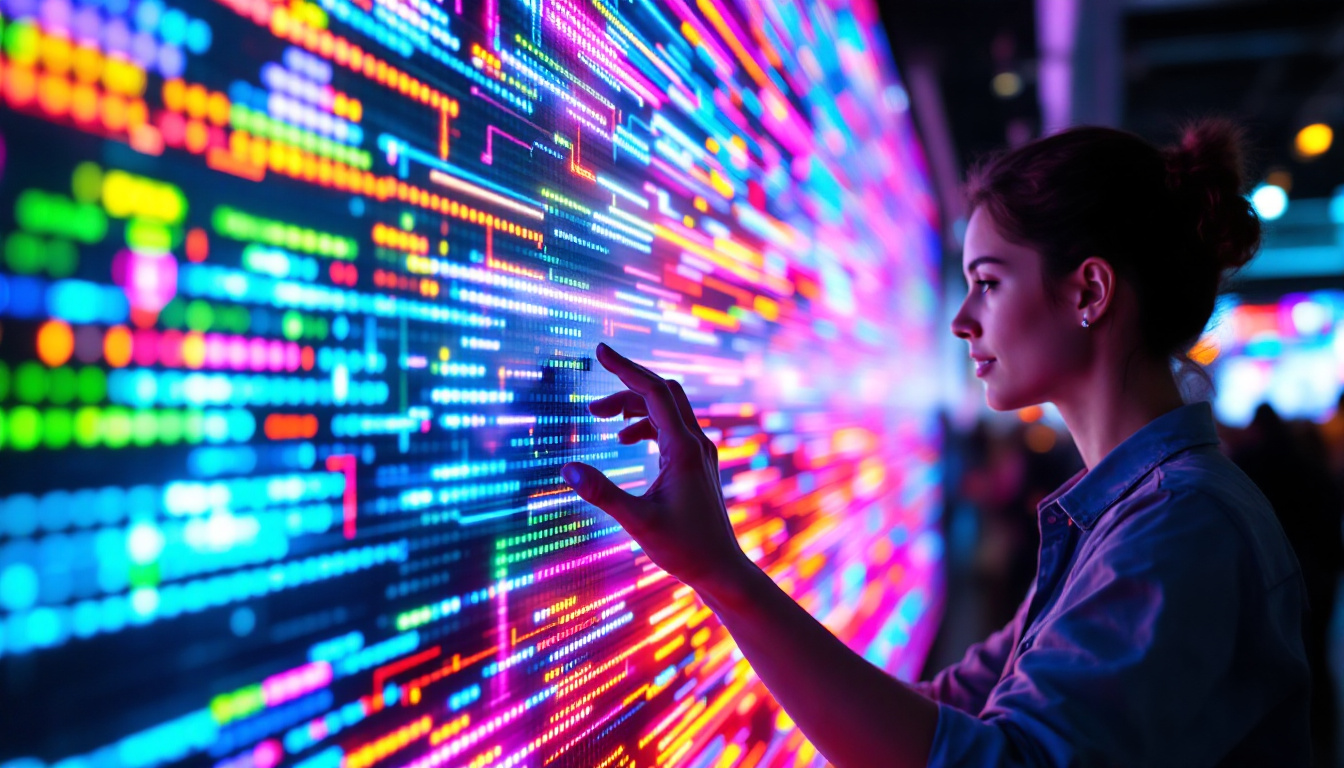
At its core, an LED display consists of numerous tiny diodes arranged in a matrix. Each diode can emit light in different colors, allowing for the creation of images, text, or animations. Outdoor LED displays are typically designed to be weather-resistant, bright enough to be visible in daylight, and capable of operating continuously under varying environmental conditions. This resilience makes them ideal for a variety of settings, from bustling urban environments to serene parks, where they can enhance visibility and safety while contributing to the aesthetic appeal of the surroundings.
Types of Outdoor LED Displays
There are several types of LED displays used in outdoor lighting portfolios, each suited to specific applications:
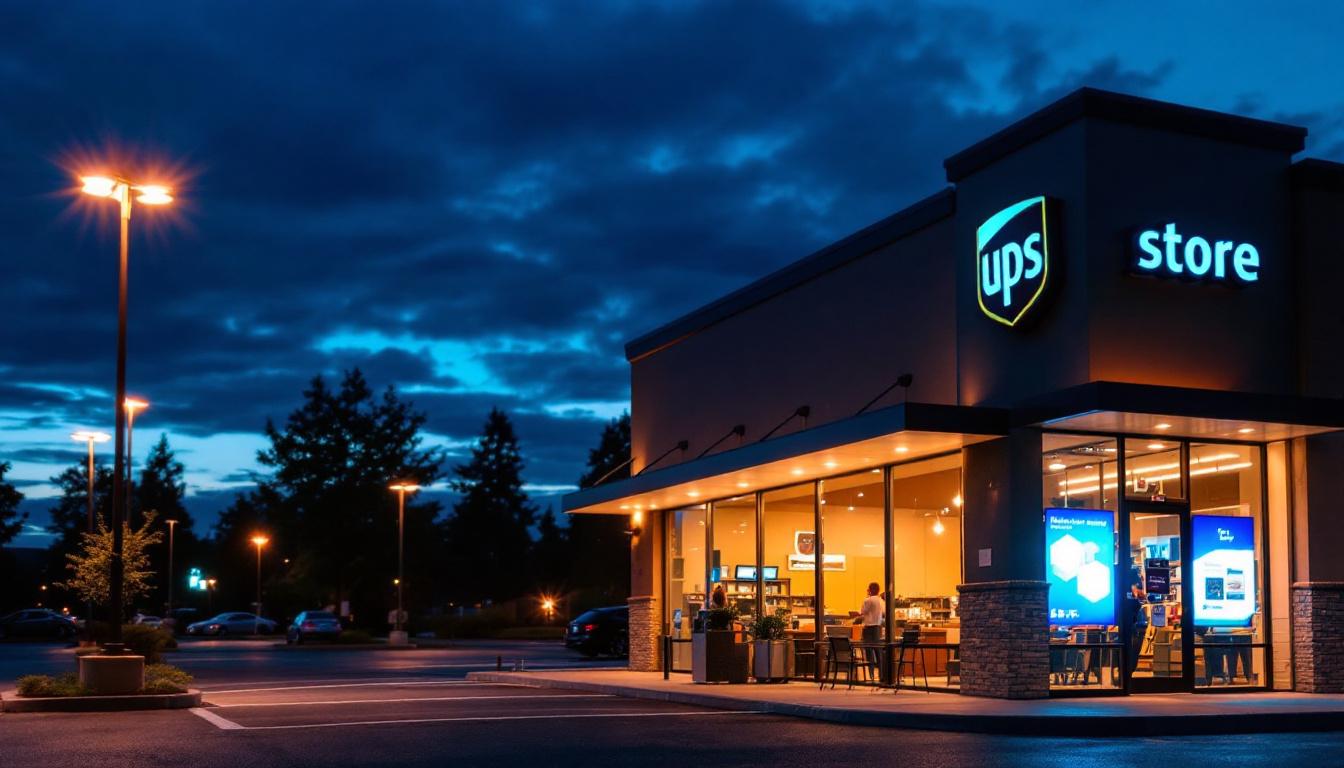
- LED Message Boards: Often used in commercial storefronts or public spaces to display scrolling text, announcements, or promotional messages. These boards can be programmed to change content frequently, allowing businesses to keep their messaging fresh and relevant.
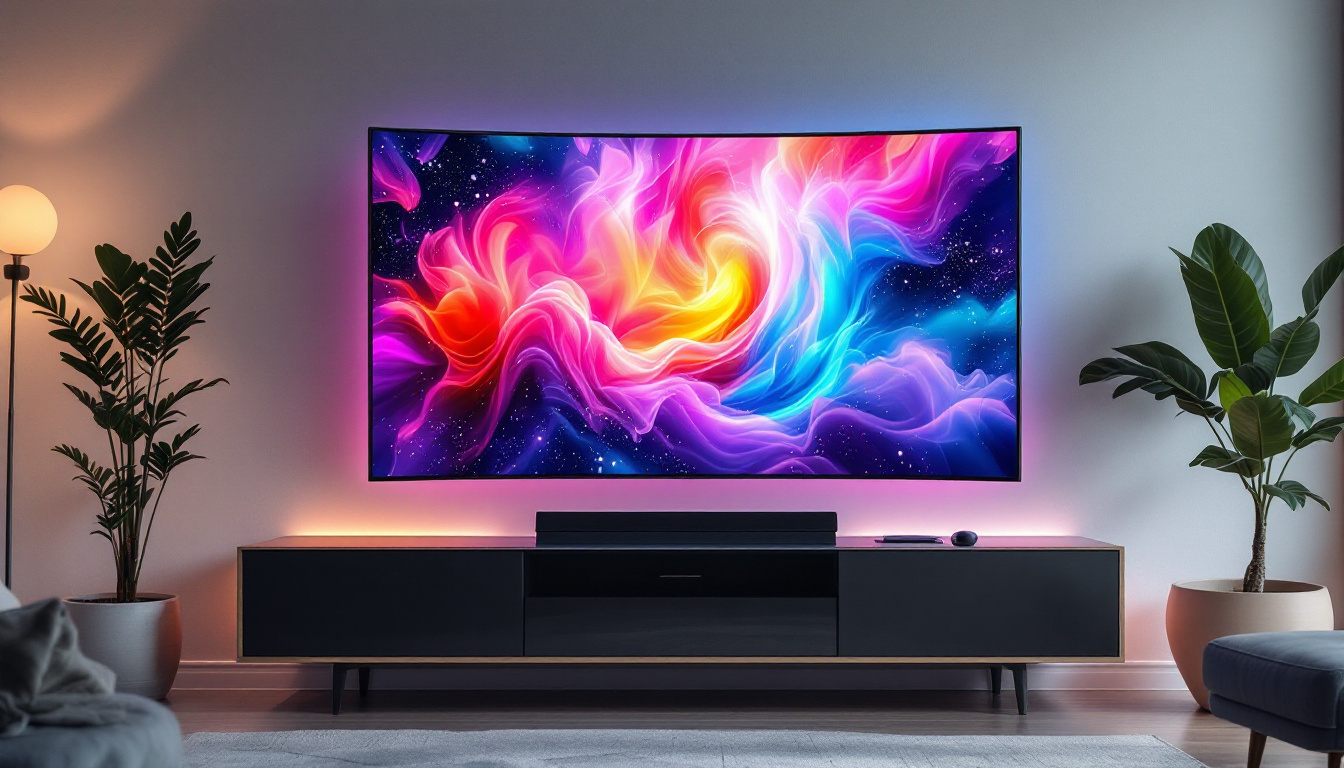
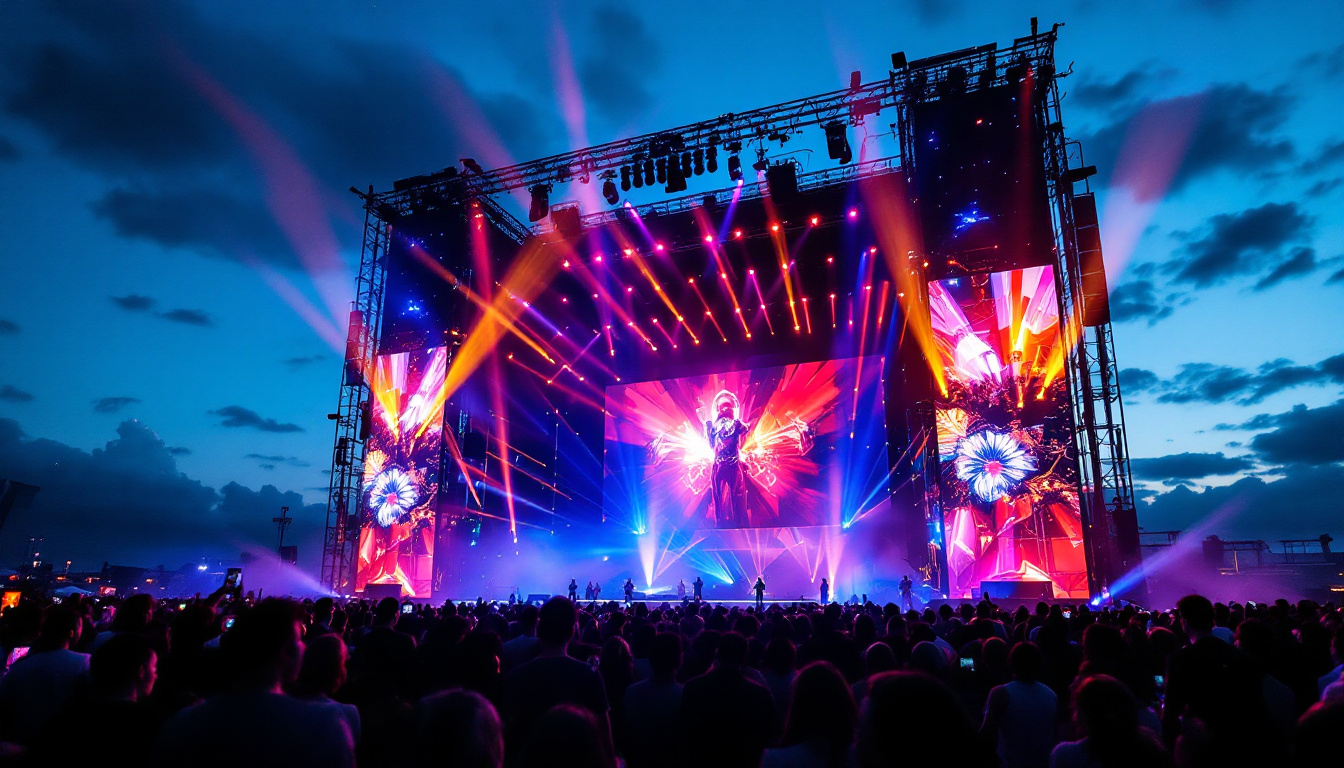
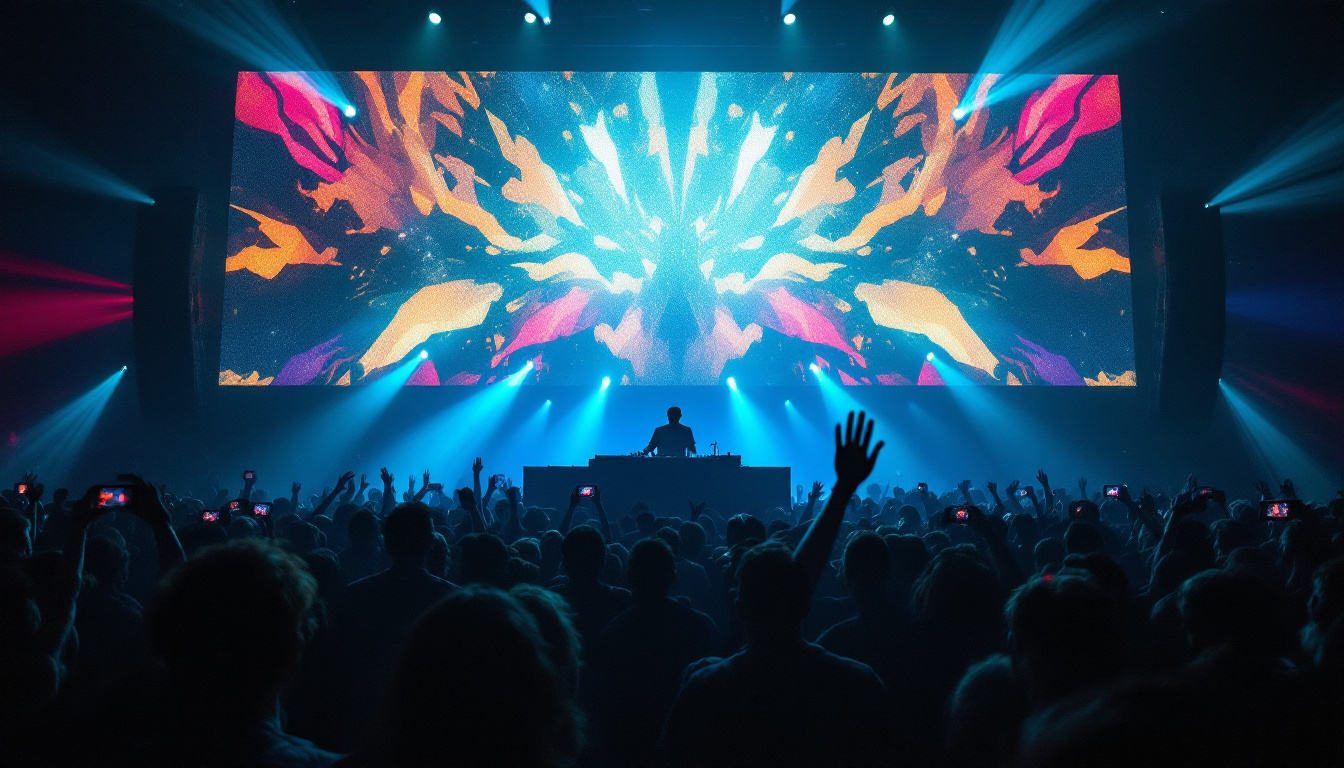
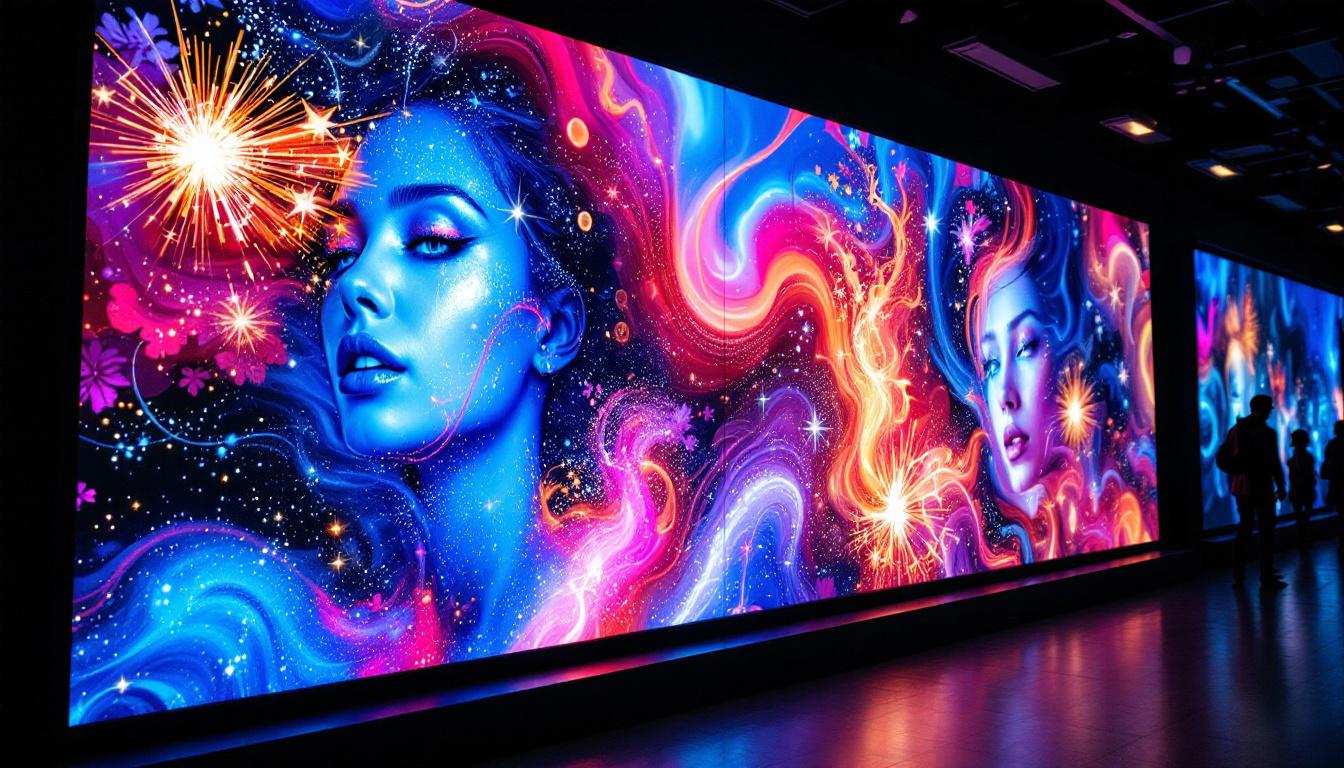
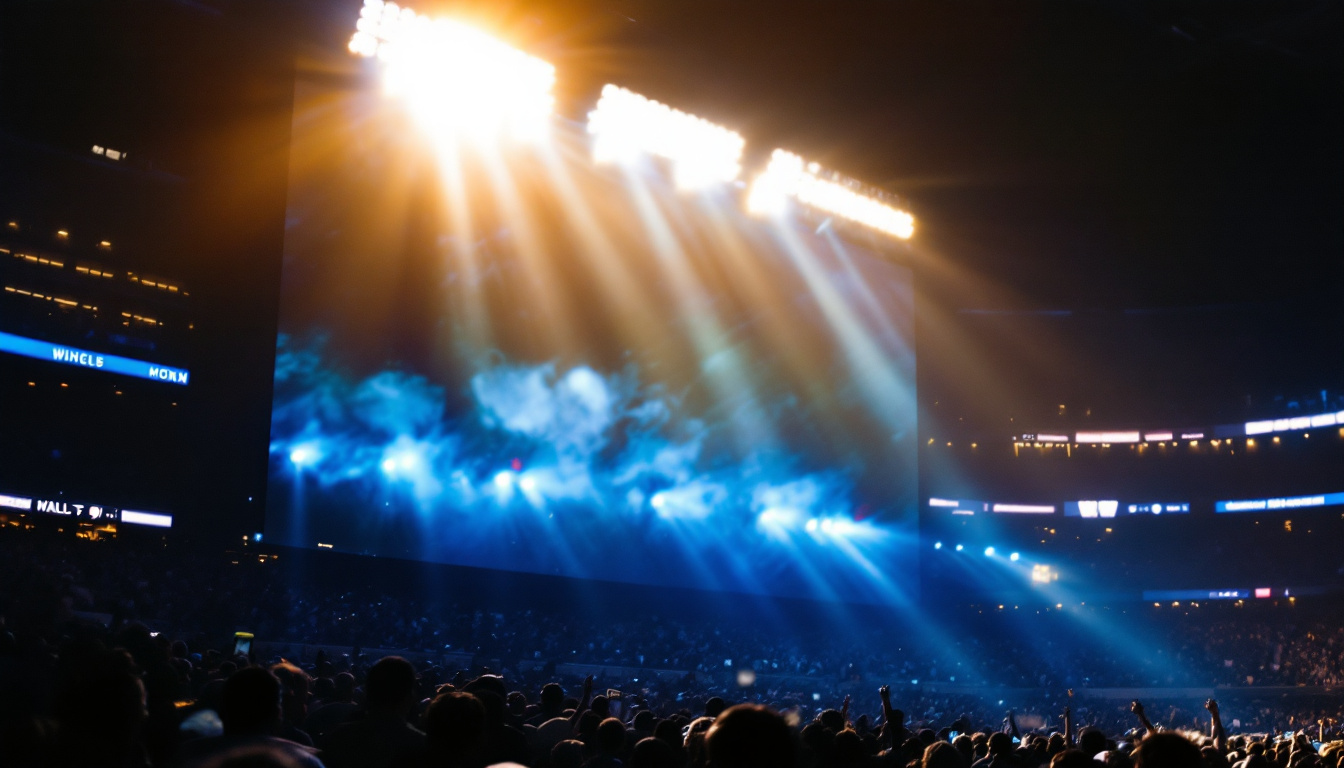
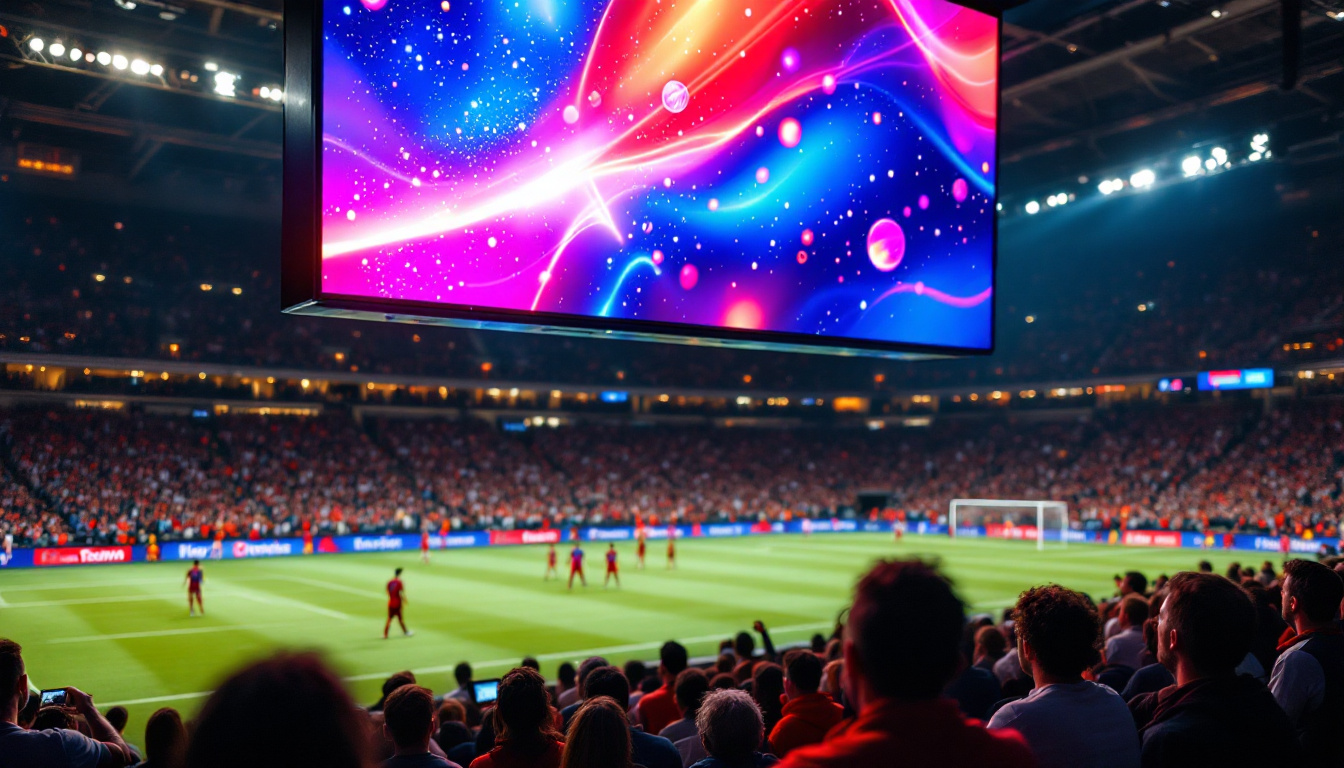
- LED Video Walls: Large-scale displays composed of multiple LED panels, used for advertising, entertainment, or informational purposes in stadiums, plazas, and building facades. These video walls can create immersive experiences, drawing in crowds and enhancing events with vibrant visuals.
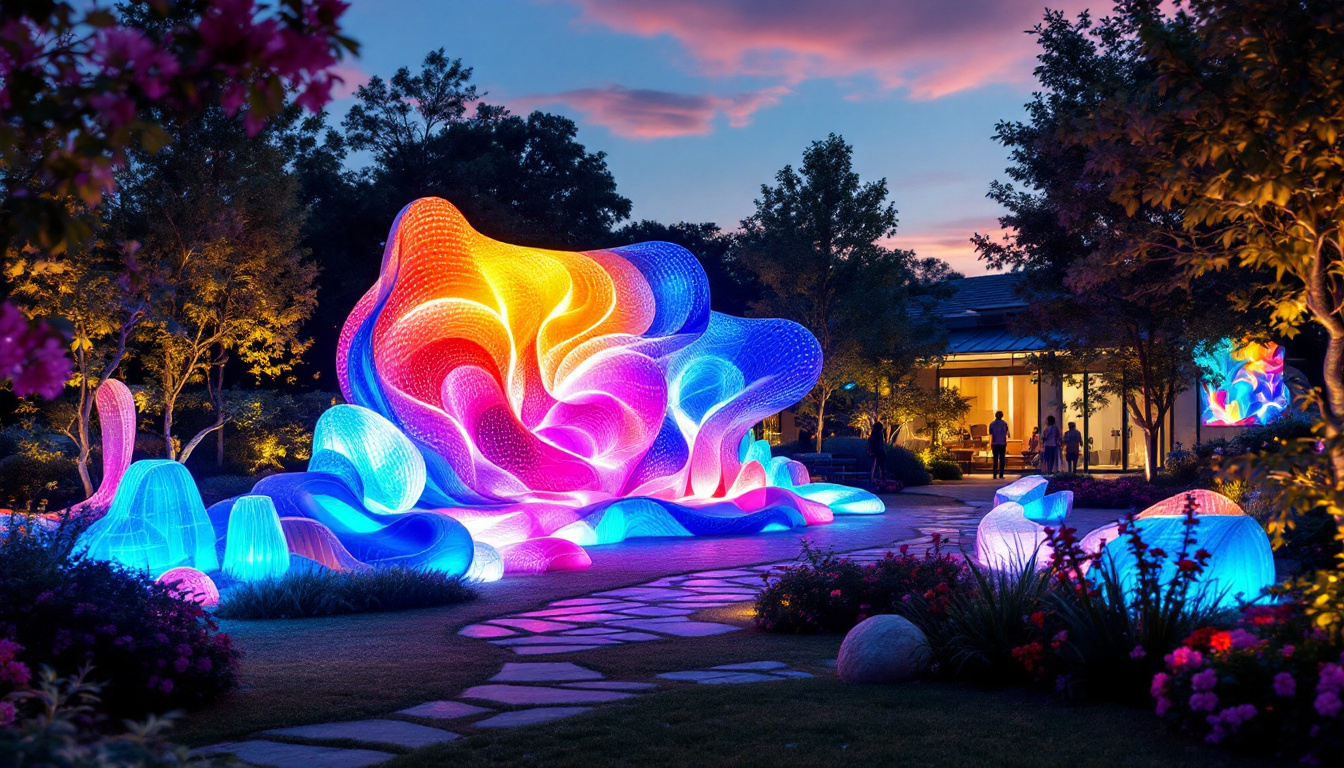
- Architectural LED Lighting: Incorporates LED strips or modules to highlight building features, create color-changing effects, or simulate natural lighting patterns. This type of lighting not only serves functional purposes but also transforms structures into stunning visual landmarks, especially at night.
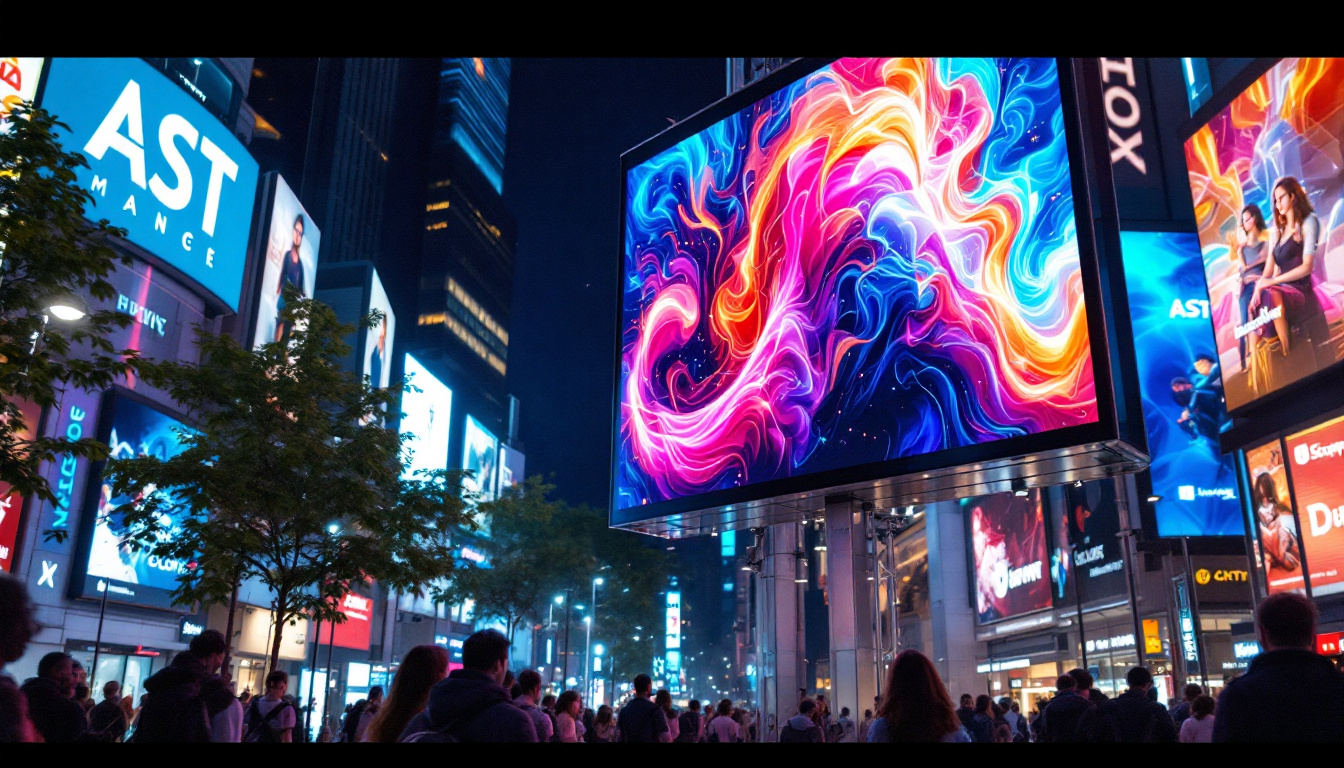
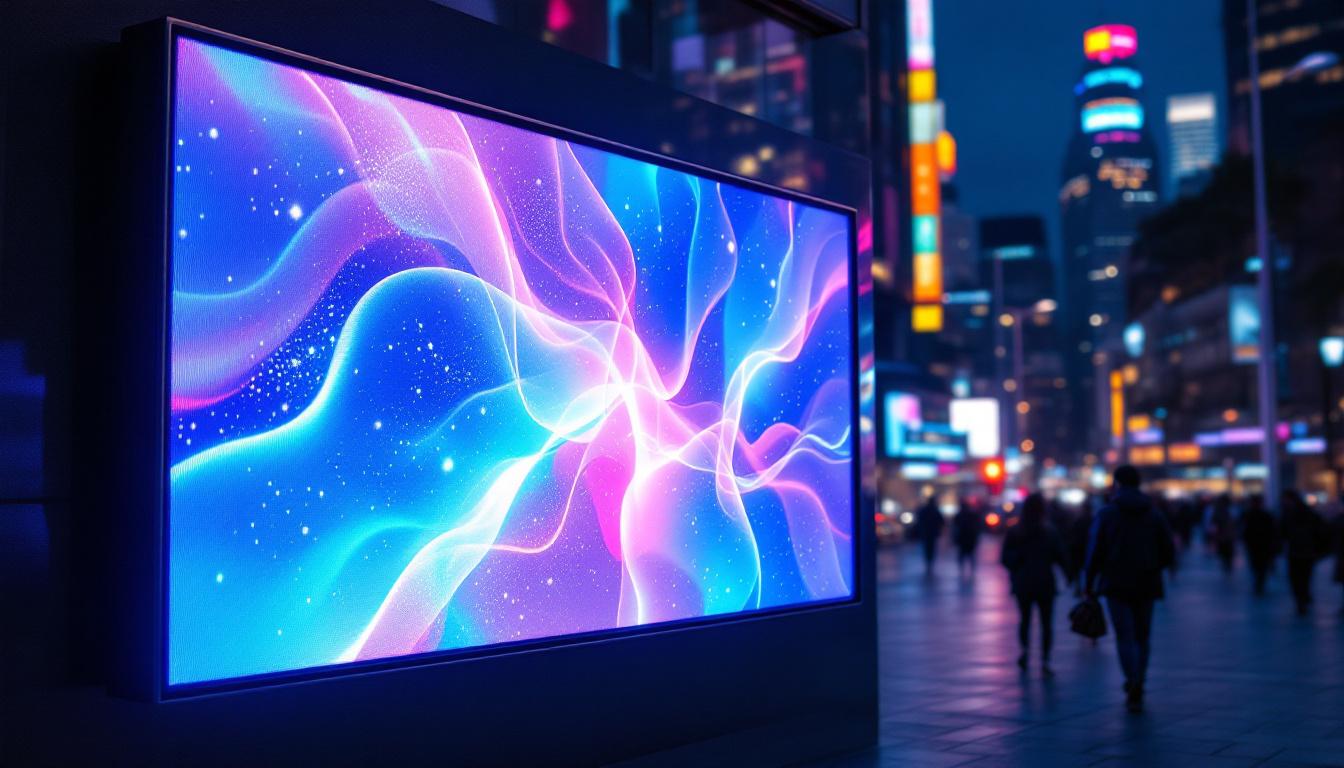
- Digital Billboards: High-resolution LED displays designed for outdoor advertising, capable of showing dynamic content that can be updated remotely. These billboards can rotate multiple advertisements in a short time, maximizing exposure for advertisers and providing real-time information to viewers.
In addition to these types, there are also LED displays designed specifically for sports venues, which provide real-time game statistics and instant replays, enhancing the spectator experience. Furthermore, the integration of smart technology into LED displays allows for features such as ambient light sensors that adjust brightness based on surrounding light conditions, ensuring optimal visibility at all times. As cities continue to embrace smart infrastructure, the role of LED displays in outdoor lighting is expected to expand, paving the way for innovative applications that blend functionality with cutting-edge technology.
Key Benefits of Using LED Displays for Outdoor Lighting
LED displays offer numerous advantages over traditional lighting and signage solutions, making them an increasingly popular choice for outdoor lighting projects.
Energy Efficiency and Cost Savings
One of the most compelling benefits of LED technology is its energy efficiency. According to the U.S. Department of Energy, LEDs use at least 75% less energy than incandescent lighting and can last 25 times longer. This translates into significant cost savings over time, especially for large-scale outdoor installations that operate for extended hours.
For businesses, lower energy consumption means reduced utility bills and a smaller carbon footprint, aligning with sustainability goals that are increasingly important to consumers and stakeholders.
Durability and Weather Resistance
Outdoor LED displays are built to withstand harsh environmental conditions including rain, wind, heat, and cold. Many LED modules come with an IP65 or higher rating, indicating strong protection against dust and water ingress. This durability ensures reliable performance and reduces maintenance costs compared to traditional lighting systems that may require frequent bulb replacements or repairs.
Enhanced Visibility and Brightness
LED displays are capable of producing high brightness levels, often exceeding 5,000 nits, which makes them easily visible even in direct sunlight. This is crucial for outdoor signage and lighting where visibility can impact safety, marketing effectiveness, and user experience. Additionally, LED displays can be programmed to adjust brightness automatically based on ambient light conditions, optimizing visibility while conserving energy.
Design Flexibility and Customization
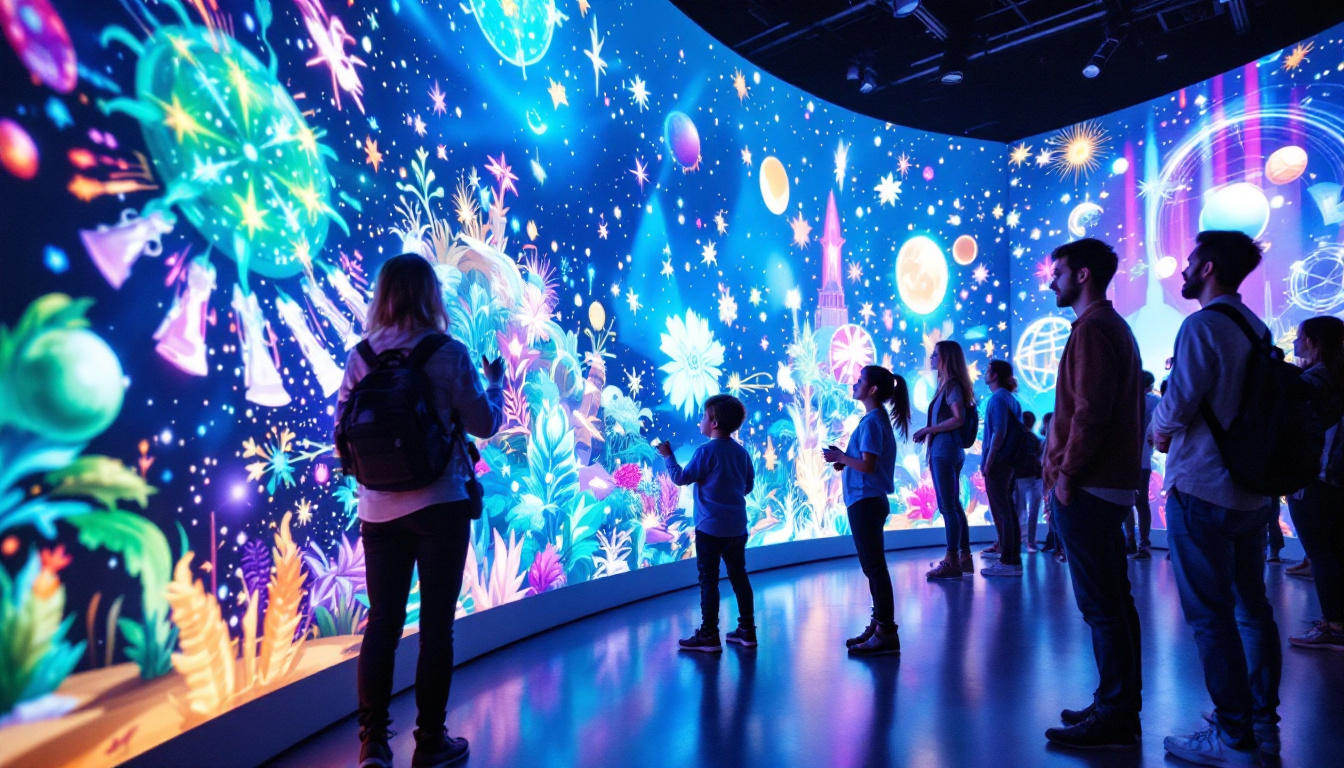
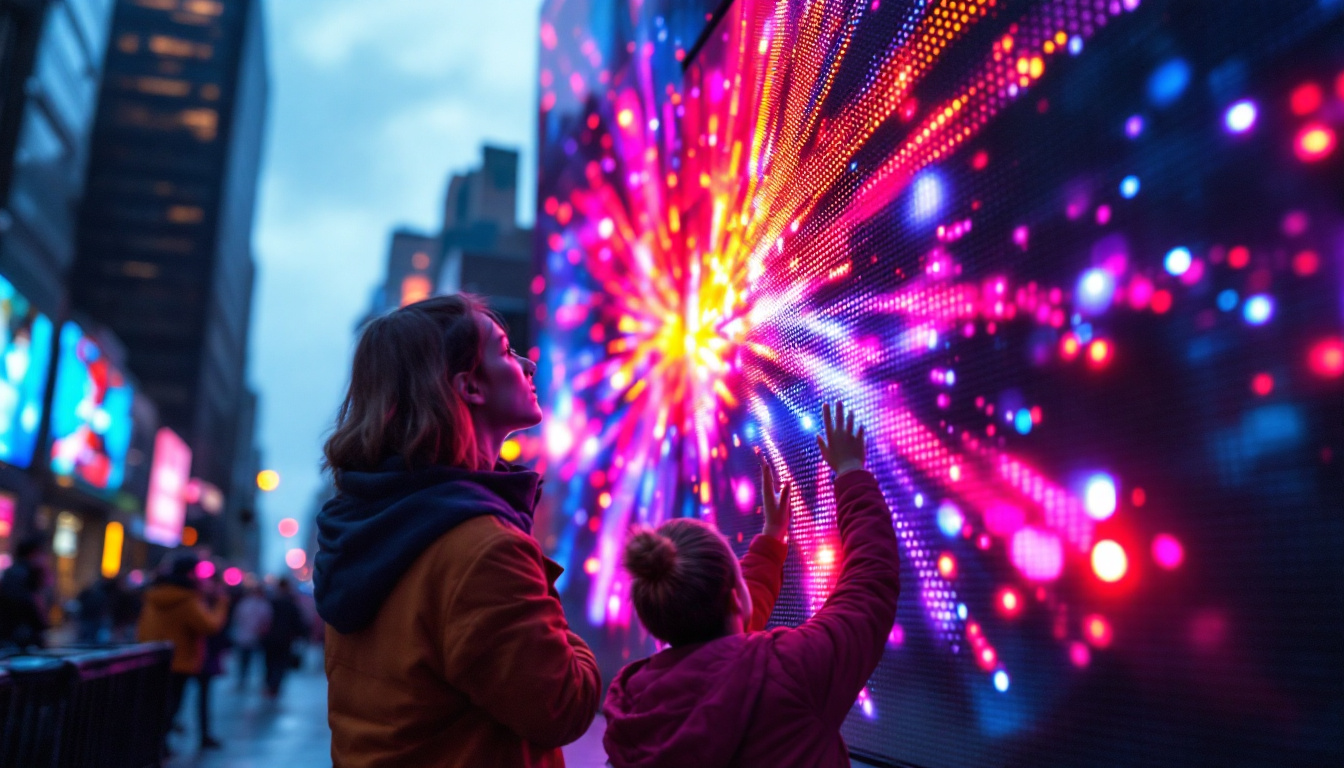
LED technology offers unparalleled design flexibility. Modular LED panels can be configured into virtually any shape or size, allowing architects and designers to create unique lighting features that enhance the aesthetic appeal of buildings and public spaces. Color-changing LEDs and programmable displays enable dynamic lighting effects and interactive installations that engage viewers and create memorable experiences.
Technical Considerations When Choosing an Outdoor LED Display
Selecting the right LED display for an outdoor lighting project requires a thorough understanding of technical specifications and installation requirements. The following factors are critical to ensuring optimal performance and longevity.
Pixel Pitch and Resolution
Pixel pitch refers to the distance between individual LED diodes on a display, typically measured in millimeters. A smaller pixel pitch means higher resolution and sharper images, which is important for displays viewed up close. For example, a pixel pitch of 4mm is suitable for viewing distances of about 10 feet or more, while larger pitches like 10mm are better for displays intended to be seen from hundreds of feet away.
Choosing the correct pixel pitch depends on the intended viewing distance and content type. High-resolution video walls require finer pixel pitches, whereas simple text-based message boards can use larger pitches.
Brightness and Contrast Ratio
Brightness is measured in nits and determines how well the display performs under various lighting conditions. For outdoor use, a minimum brightness of 5,000 nits is recommended to ensure visibility during daylight hours. Contrast ratio, the difference between the darkest black and brightest white a display can produce, affects image clarity and color vibrancy.
Viewing Angle
The viewing angle defines the range from which the display can be seen clearly without color distortion or brightness loss. Outdoor LED displays typically offer wide viewing angles, often up to 160 degrees horizontally and vertically, to accommodate viewers from multiple directions.
Ingress Protection (IP) Rating
The IP rating indicates the level of protection against dust and water. For outdoor installations, an IP65 rating or higher is essential to prevent damage from rain, dust, and other environmental factors. Some displays may offer even higher ratings for extreme conditions.
Control Systems and Connectivity
Modern LED displays are often connected to control systems that allow remote content management and scheduling. These systems can be cloud-based or locally hosted and support various content formats including images, videos, and live feeds. Reliable connectivity options such as Ethernet, Wi-Fi, or cellular networks ensure seamless operation and timely content updates.
Applications of LED Displays in Outdoor Lighting Portfolios
LED displays have become integral components of outdoor lighting portfolios across diverse sectors. Their versatility and effectiveness make them suitable for a wide range of applications.
Commercial and Retail Spaces
Retailers use LED displays to attract customers and communicate promotions in real-time. Dynamic signage can increase foot traffic and enhance brand visibility. For example, LED storefront displays can showcase new products, special offers, or event announcements with vibrant colors and motion graphics.
Public and Civic Installations
Municipalities deploy LED displays in public squares, transportation hubs, and parks to provide information such as weather updates, event schedules, and emergency alerts. LED lighting also enhances safety by illuminating pathways and landmarks effectively.
Sports and Entertainment Venues
Stadiums and arenas utilize large LED video walls for live broadcasts, replays, and advertising. These displays contribute to the spectator experience by delivering high-quality visuals and engaging content.
Architectural and Landscape Lighting
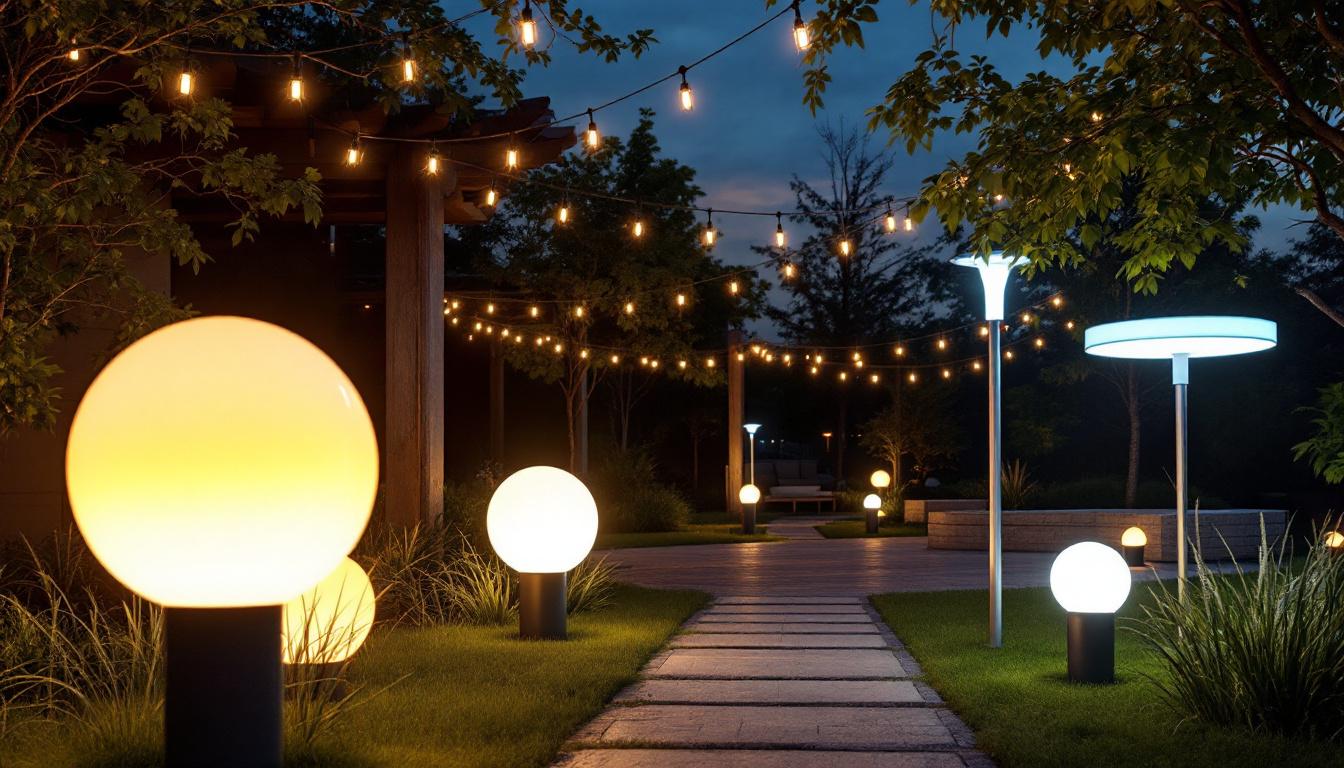
Architectural LED lighting transforms building facades with dynamic color schemes and patterns, highlighting structural features and creating visual interest. Landscape lighting with LED displays can accentuate gardens, fountains, and walkways, blending functionality with artistic expression.
Maintaining and Optimizing Outdoor LED Displays
Proper maintenance and optimization are essential to maximize the lifespan and performance of outdoor LED displays.
Regular Cleaning and Inspection
Accumulated dirt, dust, and moisture can degrade display quality. Routine cleaning using manufacturer-recommended methods helps maintain brightness and color accuracy. Inspections should check for damaged modules, loose connections, and signs of wear.
Software Updates and Calibration
Keeping control software up to date ensures compatibility with new content formats and security features. Periodic calibration maintains color consistency and brightness uniformity across the display.
Environmental Monitoring
Some advanced LED systems incorporate sensors to monitor temperature, humidity, and ambient light. These inputs allow automatic adjustments that protect the display and optimize energy consumption.
Conclusion
LED displays have become a cornerstone of modern outdoor lighting portfolios, offering unmatched energy efficiency, durability, and design versatility. Whether for commercial advertising, public information, or architectural enhancement, understanding the technical aspects and benefits of LED displays is crucial for selecting the right solution. By investing in quality LED technology and proper maintenance, businesses and municipalities can create impactful outdoor lighting installations that captivate audiences and stand the test of time.
Explore LumenMatrix LED Display Solutions
Ready to elevate your outdoor lighting portfolio with advanced LED display technology? Discover the innovative solutions offered by LumenMatrix, where we specialize in a wide array of LED displays designed to meet your unique needs. From vibrant Outdoor LED Wall Displays to interactive Floor LED Displays, our products are crafted to enhance brand visibility and create immersive visual experiences. Embrace the future of visual communication with LumenMatrix and transform your space today. Check out LumenMatrix LED Display Solutions and see the difference quality and innovation can make.