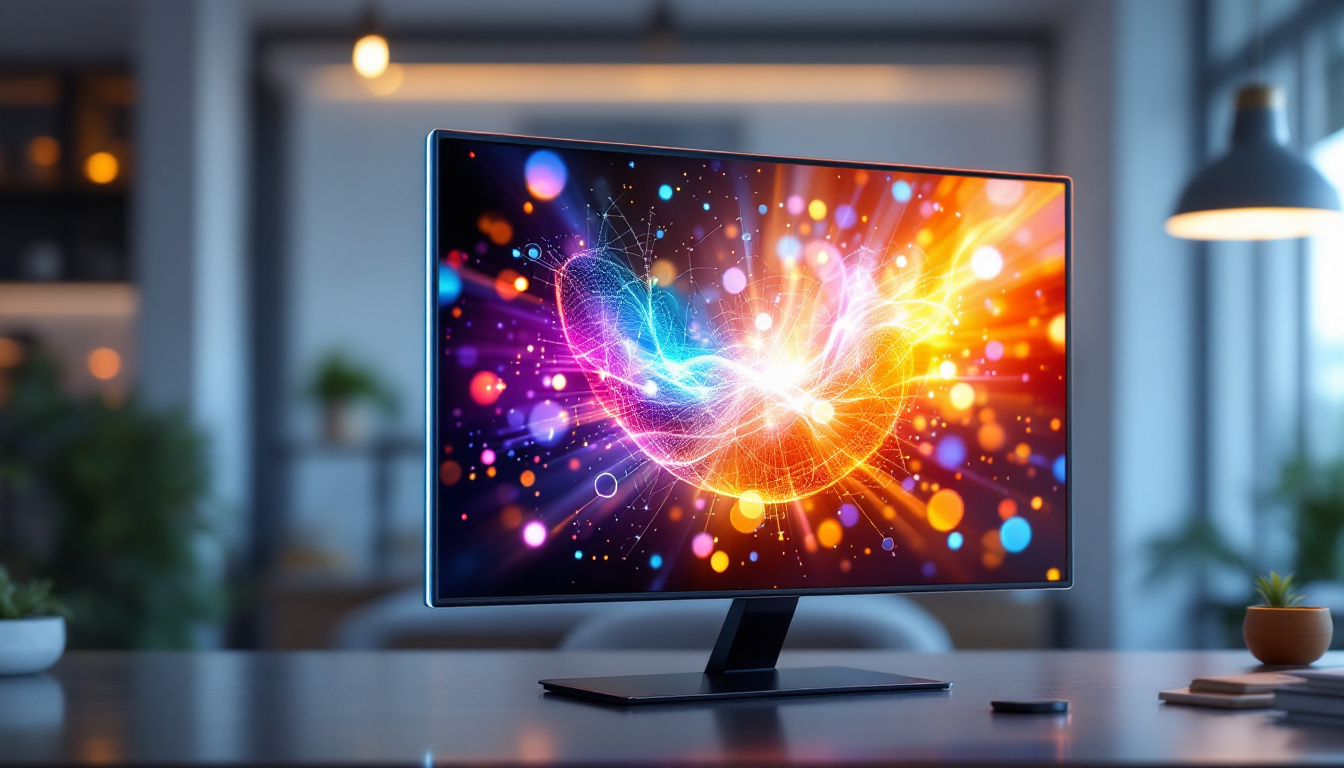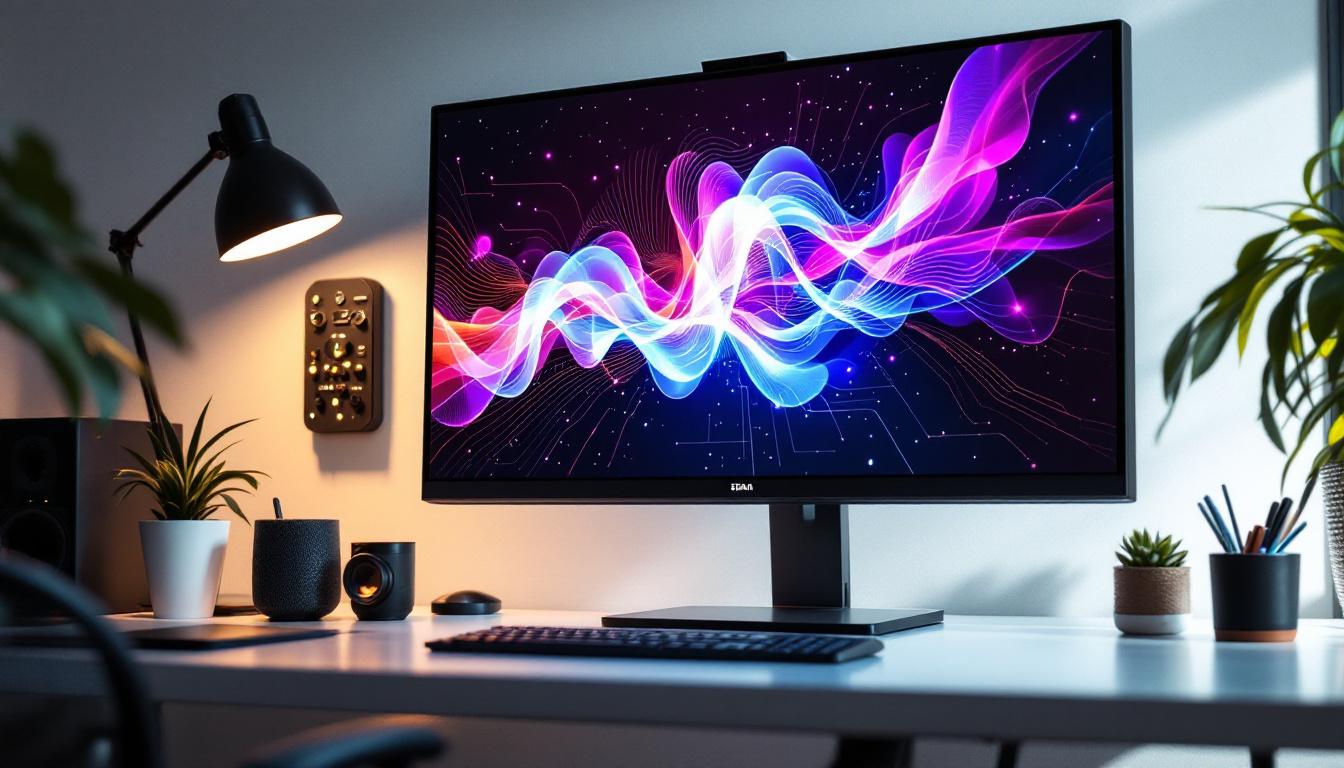
In today’s digital age, safeguarding sensitive information on computer screens has become a priority for both individuals and organizations. With the widespread use of 24-inch LED monitors in offices, homes, and public spaces, privacy screens have emerged as an essential accessory. This article delves into the technology behind privacy screens for 24-inch LED monitors, their benefits, and how they can protect your information without compromising display quality.
Understanding Privacy Screens: What Are They and How Do They Work?
Privacy screens are physical filters placed over a monitor’s display to restrict the viewing angle, ensuring that only the person directly in front of the screen can see the content clearly. Anyone looking from the side sees a darkened or blurred screen, preventing visual hacking or accidental information exposure.
These screens utilize micro-louver technology—tiny vertical blinds embedded within the filter—that control the direction of light emitted from the display. By narrowing the viewing angle, privacy screens limit visibility to about 60 degrees or less, compared to the typical 178-degree viewing angle of standard LED monitors.
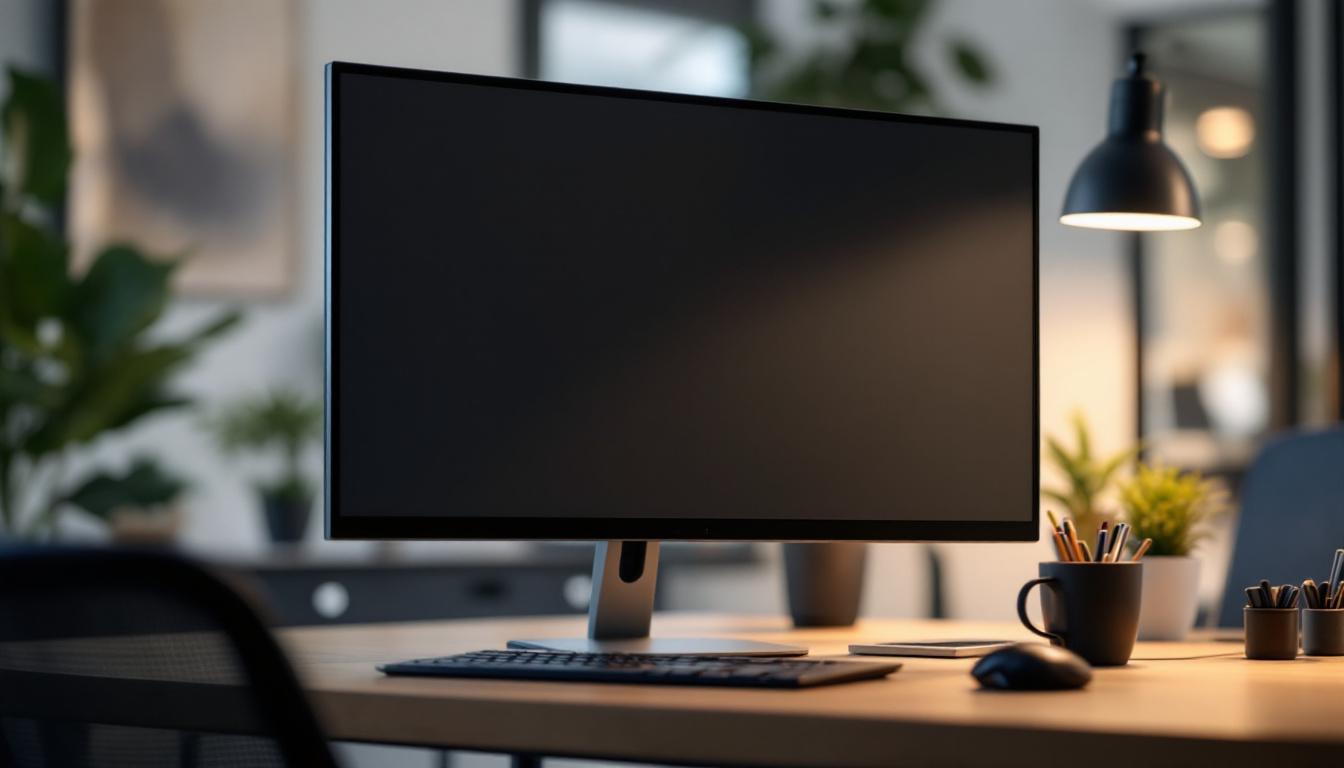
For a 24-inch LED monitor, which is a popular size for both personal and professional use, privacy screens are designed to fit precisely, maintaining the screen’s clarity and touch responsiveness (if applicable) while enhancing security.
The Science Behind Micro-Louver Technology
Micro-louvers are microscopic vertical blinds that block light from certain angles. When attached to an LED display, these louvers allow light to pass straight through to the user but block light at wider angles. This directional control of light is what creates the privacy effect.
The technology is similar to window blinds but on a microscopic scale, engineered to maintain the display’s brightness and color accuracy for the user while preventing side viewers from seeing the screen content. Advances in manufacturing have made these filters thinner and more transparent than ever, minimizing any negative impact on image quality.
In addition to their primary function of enhancing privacy, many privacy screens also offer additional benefits such as glare reduction and blue light filtering. This is particularly useful in environments with bright overhead lighting or during prolonged computer use, as it can help reduce eye strain and improve overall comfort. Some models even come with anti-reflective coatings that further enhance visibility and reduce distractions from reflections, making them ideal for both office settings and home use.
Moreover, privacy screens are not just limited to traditional monitors; they are also available for laptops, tablets, and even smartphones. This versatility ensures that sensitive information remains protected across various devices, which is increasingly important in today’s mobile and interconnected world. As remote work becomes more prevalent, the demand for effective privacy solutions has surged, prompting manufacturers to innovate and create privacy screens that cater to a wide range of devices and user needs.
Why Use a Privacy Screen on a 24-Inch LED Monitor?
As 24-inch LED monitors are widely used in offices, schools, healthcare facilities, and homes, the risk of sensitive data exposure is significant. Privacy screens provide a practical solution to several privacy and security challenges.
Protecting Sensitive Information
Whether you’re handling financial data, confidential client information, or personal emails, privacy screens help prevent “shoulder surfing” — a common security risk where unauthorized individuals view your screen over your shoulder or from adjacent desks. This is especially important in open-plan offices, co-working spaces, and public areas like airports or coffee shops.
According to a 2023 survey by the International Association of Privacy Professionals, over 65% of data breaches in office environments involved some form of visual data exposure. Privacy screens can significantly reduce this risk by restricting who can see the screen content.
Enhancing Compliance with Data Protection Regulations
Regulations such as GDPR in Europe and HIPAA in the United States require organizations to take reasonable measures to protect personal and sensitive data. Using privacy screens on monitors displaying protected information is a straightforward and cost-effective way to comply with these legal requirements.
For industries like healthcare and finance, where data confidentiality is paramount, privacy screens help demonstrate due diligence in safeguarding client and patient information.
Reducing Distractions and Increasing Productivity
Privacy screens not only protect data but also help reduce distractions. By limiting the visibility of the screen to only the user, they prevent coworkers or passersby from inadvertently catching glimpses of what’s on your monitor, which can reduce interruptions and improve focus.
In busy office settings, this can translate into better concentration and higher productivity, making privacy screens a valuable tool beyond just security.
Choosing the Right Privacy Screen for a 24-Inch LED Monitor
Not all privacy screens are created equal. Selecting the right one for your 24-inch LED monitor involves considering several factors to ensure optimal protection without sacrificing display quality.
Compatibility and Fit
Privacy screens come in various sizes and attachment methods. For a 24-inch LED monitor, it’s crucial to choose a screen that matches the exact dimensions of your display to avoid gaps that compromise privacy.
Attachment options include magnetic frames, adhesive strips, or slide-on mounts. Magnetic frames are popular for their ease of installation and removal, making them ideal for users who share workstations or frequently move between locations.
Viewing Angle and Privacy Level
Privacy screens vary in the degree to which they restrict viewing angles. Some offer narrow angles of 30 to 40 degrees for maximum privacy, while others provide wider angles for a balance between privacy and shared viewing.
Evaluate your environment and privacy needs when selecting the viewing angle. In highly sensitive settings, a narrower angle is preferable, whereas in collaborative environments, a moderate angle may suffice.
Impact on Screen Brightness and Color Accuracy
One common concern with privacy screens is the potential reduction in screen brightness and color fidelity. High-quality privacy filters are designed to minimize these effects, but some dimming is inevitable due to the light-blocking properties of micro-louvers.
Look for privacy screens with anti-glare coatings and high light transmission rates (typically above 70%) to maintain a clear and vibrant display. Some advanced models also include blue light filtering to reduce eye strain during prolonged use.
Touchscreen Compatibility
If your 24-inch LED monitor supports touch input, ensure the privacy screen is compatible with touch functionality. Many modern privacy screens are designed to work seamlessly with touchscreens, preserving responsiveness and accuracy.
Installation and Maintenance of Privacy Screens
Installing a privacy screen on a 24-inch LED monitor is generally straightforward, but following best practices ensures optimal performance and longevity.
Step-by-Step Installation Guide
- Clean the Monitor: Use a microfiber cloth and screen-safe cleaner to remove dust and fingerprints from the display surface.
- Attach the Privacy Screen: Depending on the attachment method, either align the magnetic frame around the monitor edges, apply adhesive strips carefully, or slide the screen into place.
- Adjust and Test: Confirm the screen is securely attached and check the viewing angle by looking at the display from different positions.
Proper alignment is crucial to prevent light leakage from the sides, which can reduce privacy effectiveness.
Cleaning and Care Tips
Privacy screens require gentle cleaning to avoid scratching the delicate micro-louvers. Use a soft, lint-free cloth and avoid harsh chemicals or abrasive materials. Regular cleaning maintains clarity and prevents buildup that can degrade the privacy effect.
When not in use, consider removing the privacy screen to protect it from damage, especially in environments where monitors are frequently moved or adjusted.
Comparing Privacy Screens with Alternative Privacy Solutions
While privacy screens are a popular and effective choice, it’s helpful to understand how they compare to other privacy-enhancing technologies.
Software-Based Privacy Solutions
Some software applications blur or mask screen content when unauthorized viewers are detected. While innovative, these solutions depend on camera accuracy and can be less reliable in dynamic environments. They also do not prevent physical viewing from side angles.
Physical Barriers and Workspace Design
Using cubicle walls, privacy panels, or strategic workstation placement can reduce screen visibility. However, these solutions often require significant space and investment, and may not be feasible in all office layouts.
Privacy Screen Advantages
Compared to alternative methods, privacy screens offer a cost-effective, portable, and immediate solution that directly addresses screen visibility without altering workspace design or relying on software detection.
Emerging Trends and Innovations in Privacy Screen Technology
Privacy screen technology continues to evolve, driven by increasing demand for data security and user comfort.
Integration with Anti-Glare and Blue Light Filters
Modern privacy screens often combine multiple features, including anti-glare coatings and blue light reduction, to enhance visual comfort and reduce eye strain during long hours of screen use.
Flexible and Curved Screen Compatibility
As curved and flexible monitors gain popularity, manufacturers are developing privacy screens tailored to these new form factors, ensuring privacy protection without compromising the unique display shapes.
Smart Privacy Screens
Innovations in smart glass technology are enabling screens that can switch between transparent and privacy modes electronically. While currently more common in larger displays and conference rooms, this technology may eventually become accessible for personal 24-inch monitors.
Conclusion: Is a Privacy Screen Essential for Your 24-Inch LED Monitor?
In an era where data breaches and privacy concerns are increasingly prevalent, investing in a privacy screen for a 24-inch LED monitor is a practical and effective way to protect sensitive information. By understanding how privacy screens work and selecting the right model for your needs, you can secure your digital workspace without sacrificing display quality or user comfort.
Whether you work in finance, healthcare, education, or simply value your personal privacy, a privacy screen is a worthwhile addition to your monitor setup. As technology advances, these screens will continue to offer enhanced protection and functionality, making them an indispensable tool in the modern digital environment.
Discover LumenMatrix’s Advanced LED Display Solutions
As you consider the importance of privacy for your 24-inch LED monitor, don’t forget the potential of enhancing your visual display with cutting-edge technology. LumenMatrix, a leader in LED display innovation, offers a wide array of solutions that can transform your environment and captivate your audience. From Indoor and Outdoor LED Wall Displays to specialized options like Vehicle, Sports, and Floor LED Displays, LumenMatrix tailors to your unique needs. Elevate your visual communication and create unforgettable experiences with our Custom, All-in-One, and Transparent LED Displays. Ready to revolutionize your space with high-impact, engaging LED solutions? Check out LumenMatrix LED Display Solutions today and see the difference for yourself.