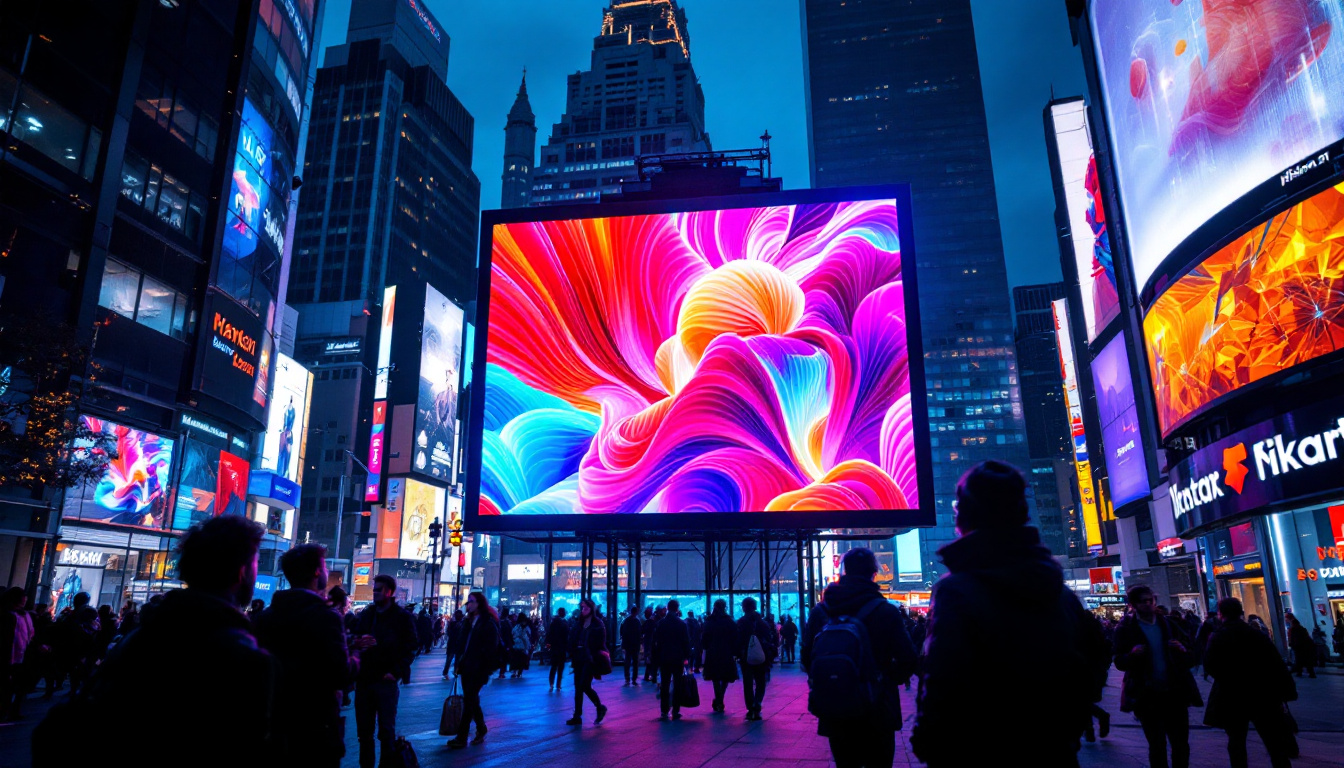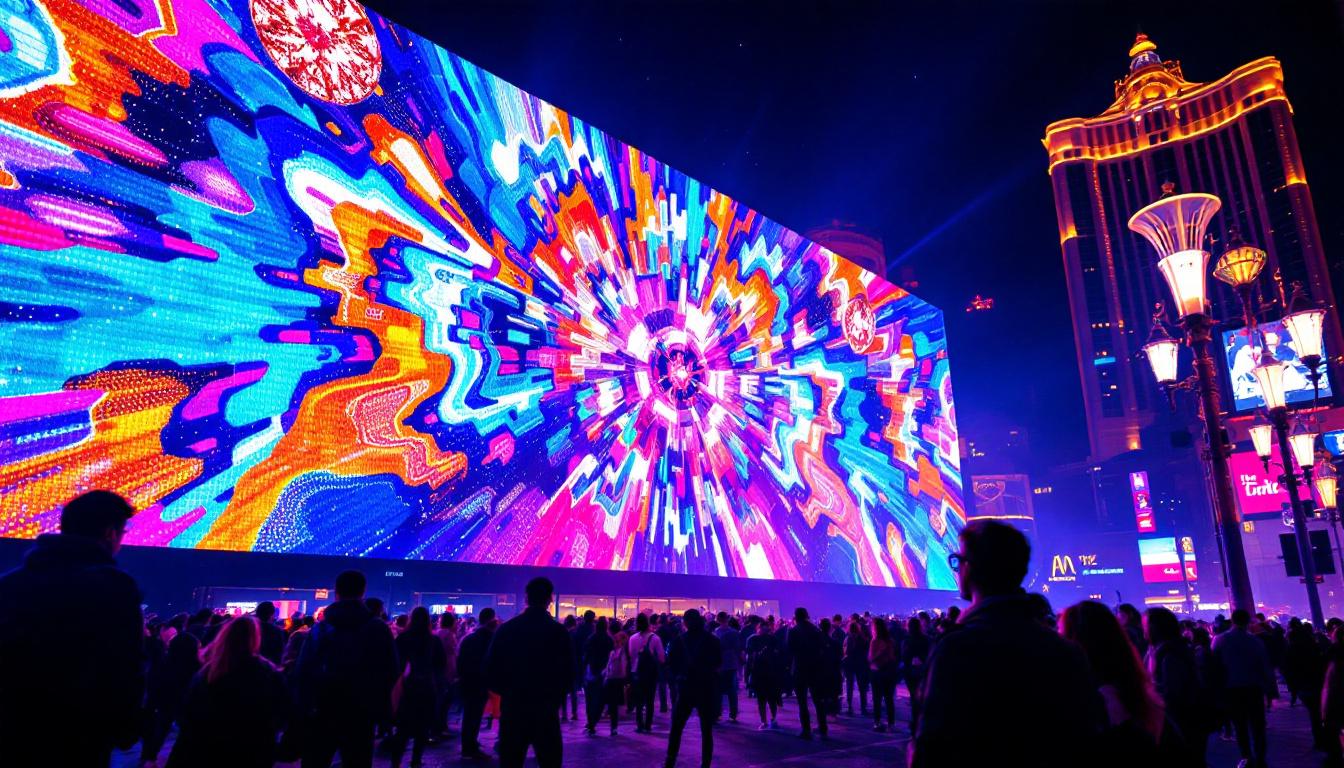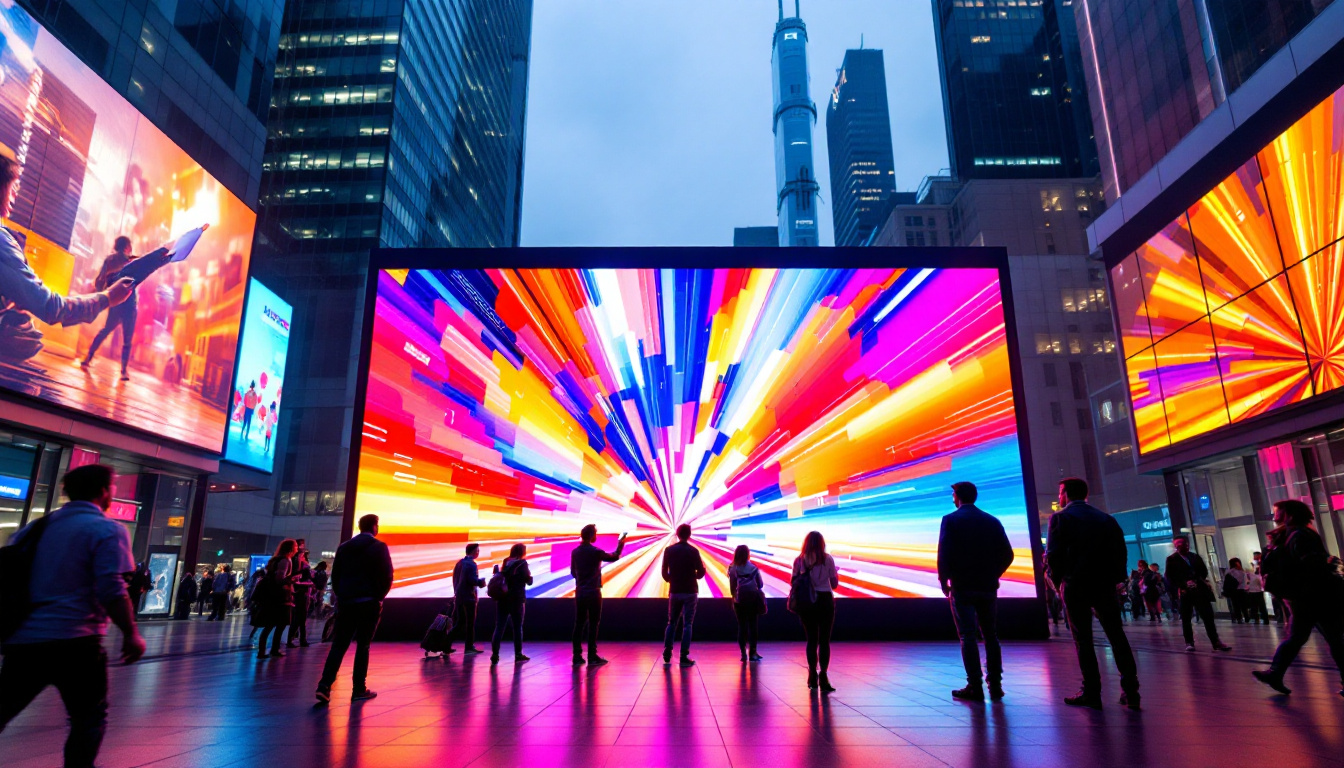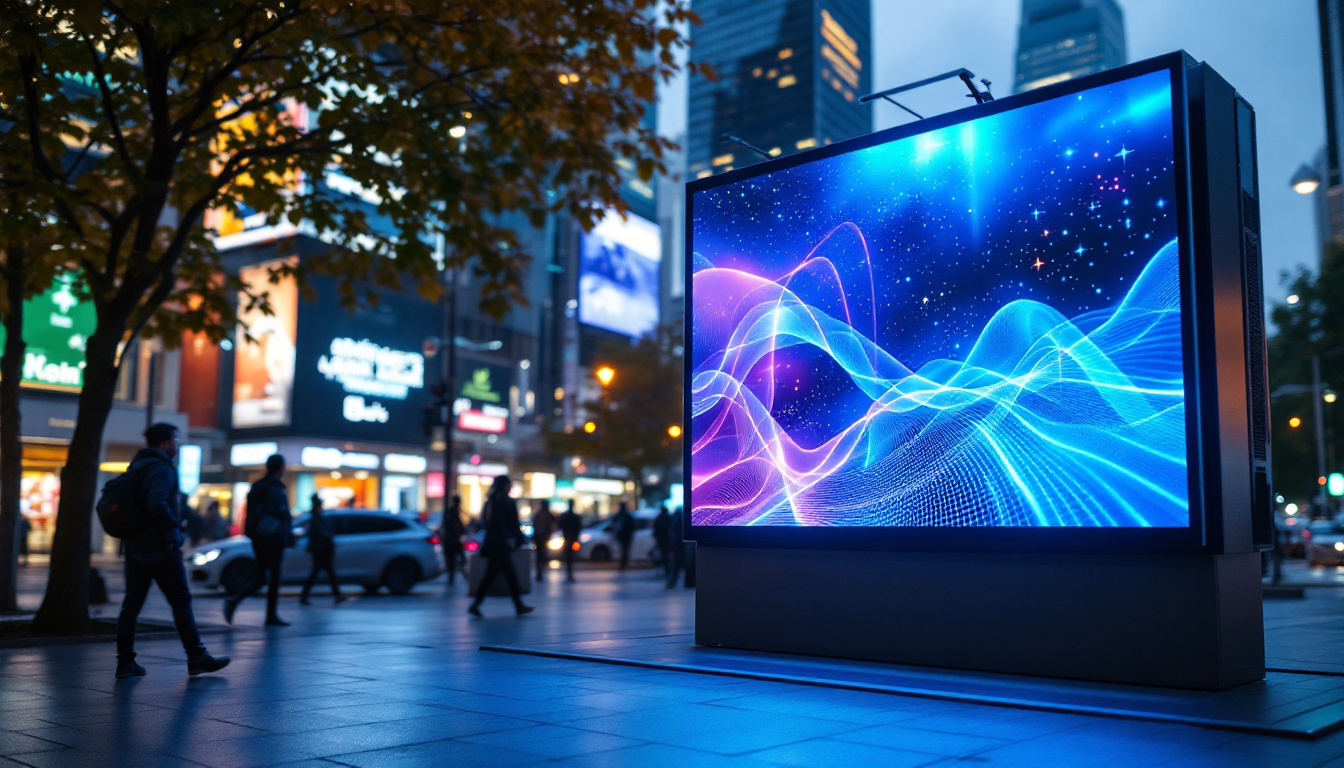
In today’s visually driven world, outdoor LED displays have become ubiquitous—from bustling city centers and stadiums to retail storefronts and corporate campuses. While these vibrant screens captivate audiences with dynamic content, they also raise concerns about privacy, especially in public or semi-public spaces. Privacy screens for outdoor LED displays are emerging as a crucial solution to balance visibility and confidentiality.
This article explores the technology behind outdoor LED privacy screens, their applications, benefits, and considerations for implementation. Whether you’re a business owner, urban planner, or technology enthusiast, understanding how privacy screens can enhance outdoor LED displays is essential in today’s privacy-conscious environment.
Understanding Outdoor LED Displays
What Are LED Displays?
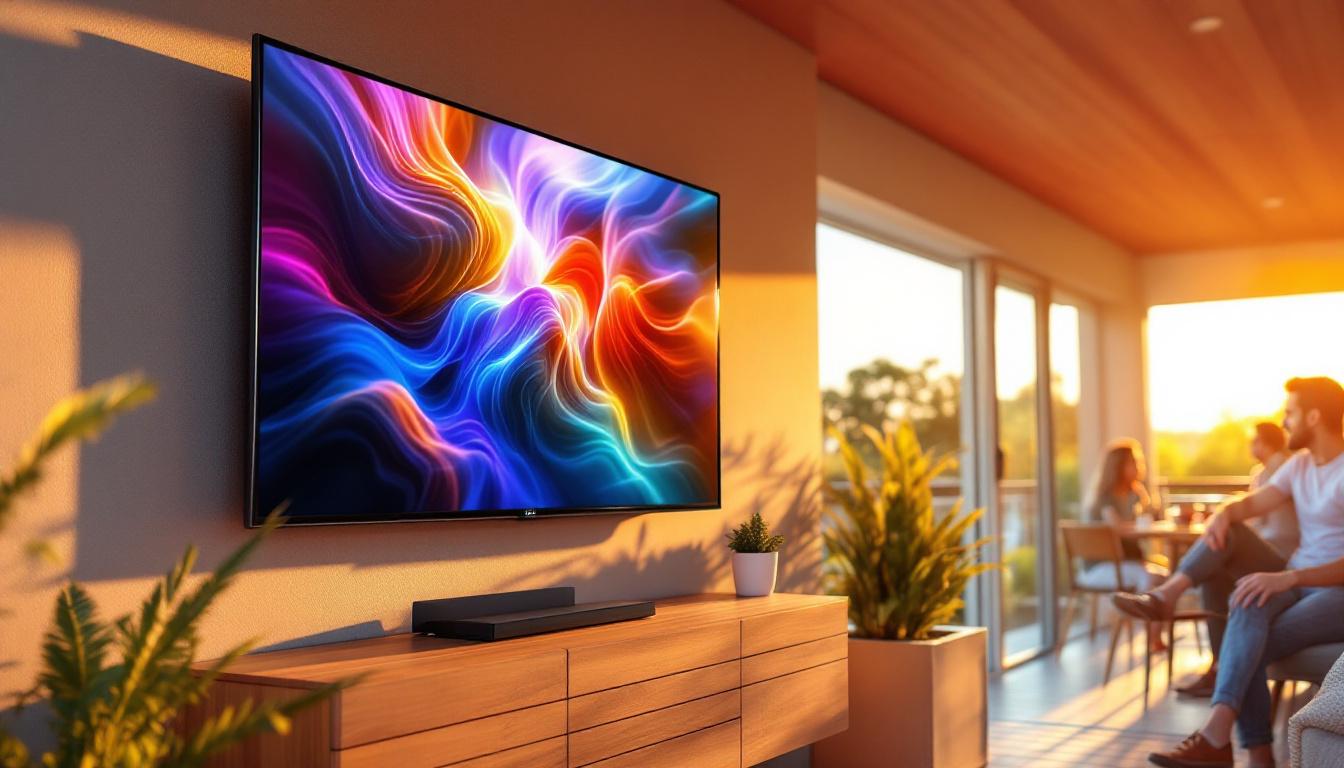
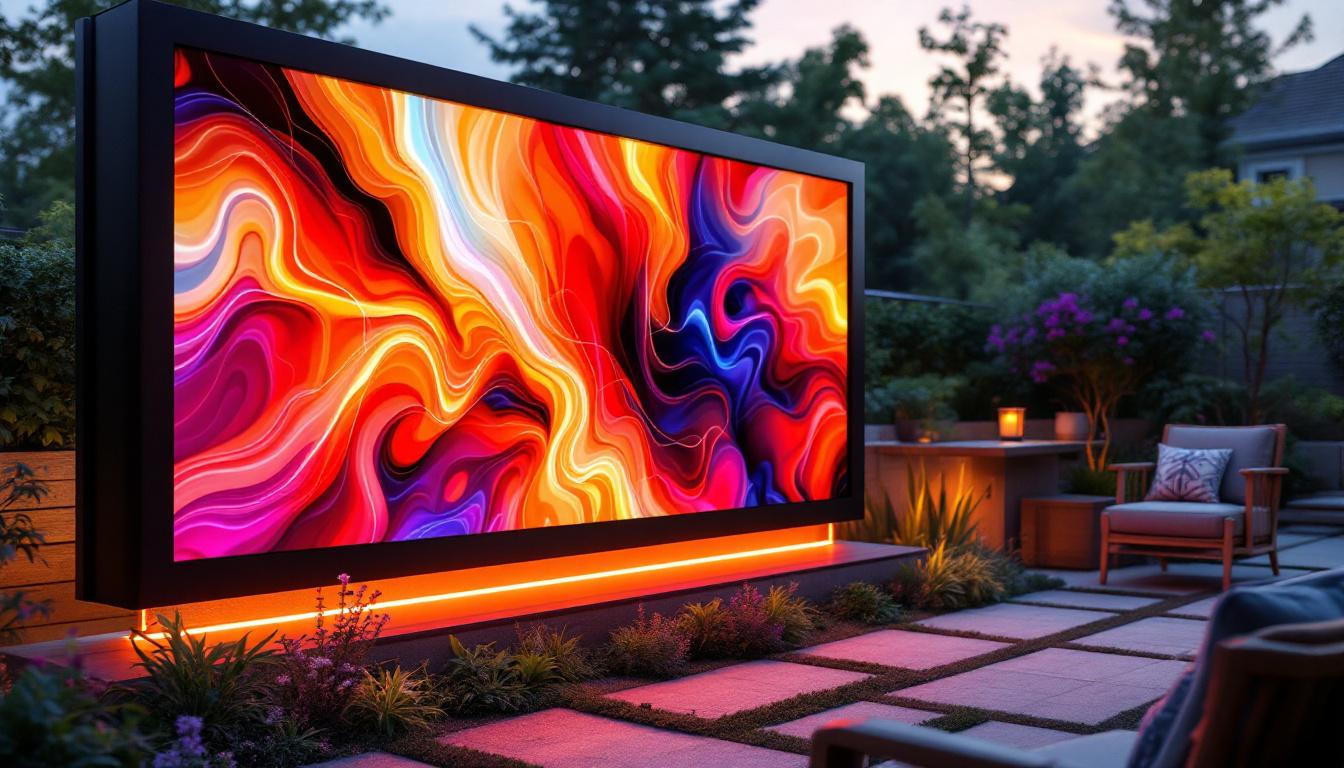
LED (Light Emitting Diode) displays consist of numerous tiny diodes that emit light when an electrical current passes through them. These displays are known for their brightness, energy efficiency, and ability to produce vivid colors. Outdoor LED displays are specifically designed to withstand environmental factors such as rain, wind, and sunlight, making them ideal for advertising, public information, and entertainment. Their robust construction often includes protective layers that shield the diodes from harsh weather conditions, ensuring longevity and consistent performance. Additionally, advancements in technology have allowed for higher pixel densities, resulting in sharper images and clearer text, which is crucial for capturing the attention of viewers in busy outdoor settings.
According to a 2023 report by Grand View Research, the global LED display market is expected to grow at a compound annual growth rate (CAGR) of 13.2% from 2023 to 2030, driven by increasing demand for outdoor advertising and smart city initiatives. This growth underscores the importance of integrating privacy considerations into LED display technology. As cities evolve and the urban landscape becomes more digitally integrated, the role of LED displays in conveying information and enhancing public spaces becomes increasingly significant. Moreover, innovations such as programmable content management systems allow for dynamic advertising that can be tailored to specific audiences or events, further driving engagement and effectiveness.
Common Uses of Outdoor LED Displays
Outdoor LED displays are versatile and serve multiple purposes:
- Advertising: Retailers and brands use LED billboards to showcase promotions and products.
- Public Information: Governments and municipalities display real-time traffic updates, weather alerts, and emergency notifications.
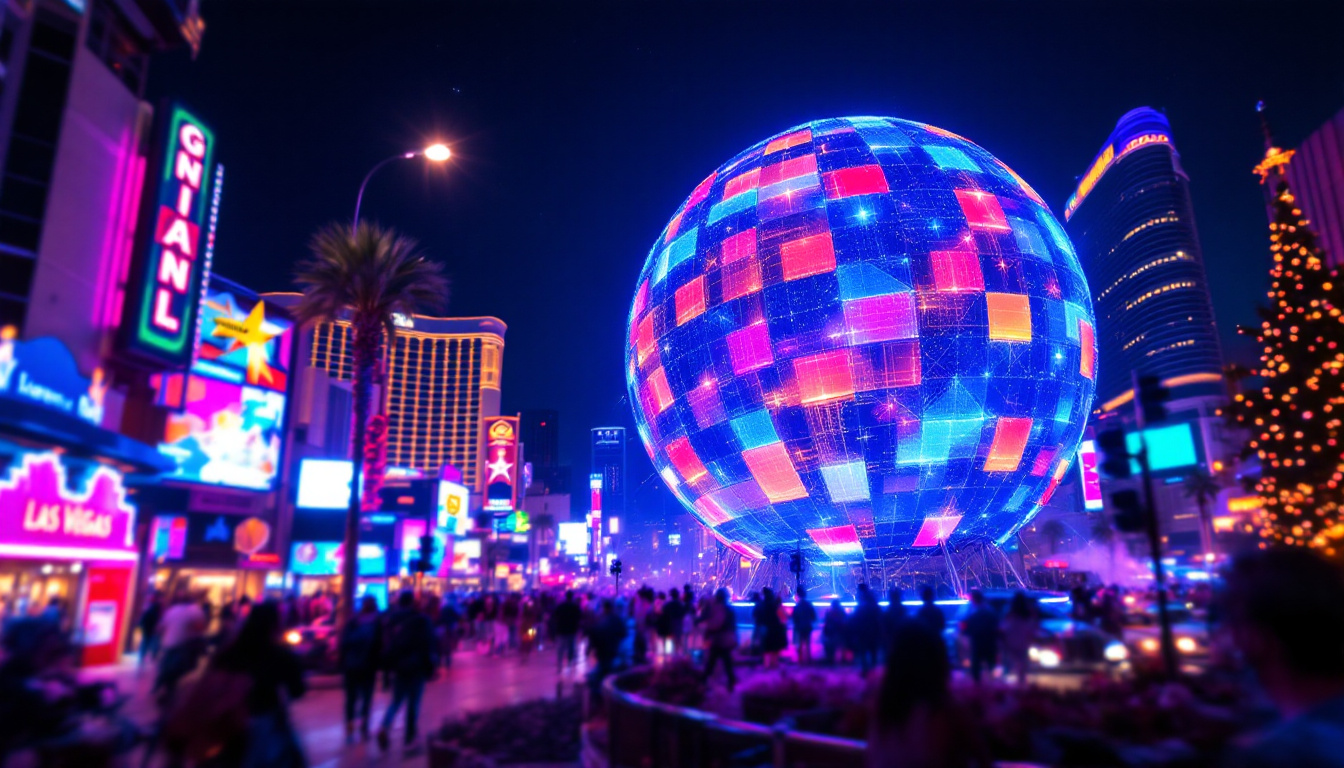
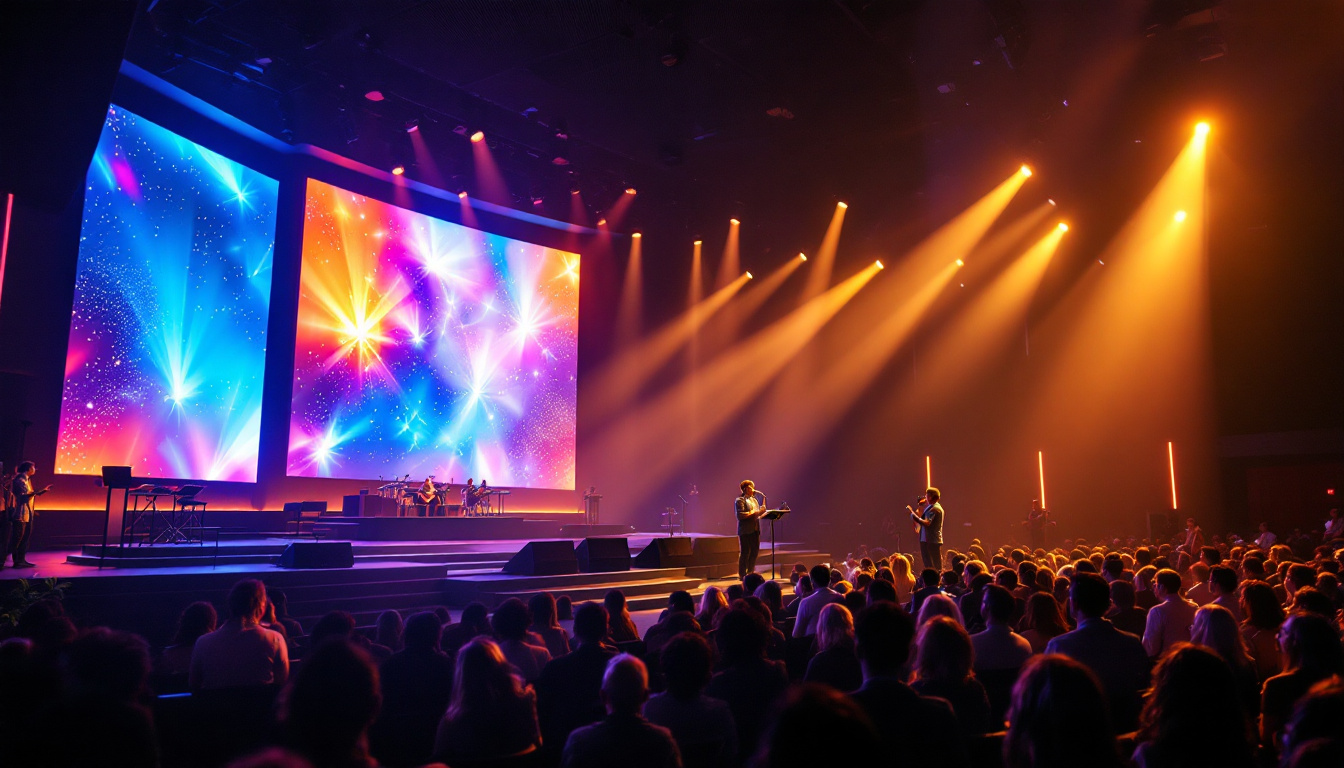
- Entertainment: Sports arenas and concert venues use large LED screens to enhance the spectator experience.
- Corporate Communication: Businesses use LED displays for branding and internal messaging in outdoor spaces.
Despite their benefits, these displays can inadvertently expose sensitive information or distract passersby, which is where privacy screens come into play. Additionally, the strategic placement of these displays is crucial; they are often located in high-traffic areas to maximize visibility and impact. For instance, LED displays in urban centers can reach thousands of viewers daily, making them a powerful tool for marketers. Furthermore, the integration of interactive elements, such as touch screens or QR codes, allows for a more engaging experience, encouraging audience participation and interaction with the displayed content. This interactive capability not only enhances the effectiveness of advertisements but also fosters a deeper connection between brands and consumers.
What Are Privacy Screens for Outdoor LED Displays?
Defining Privacy Screens
Privacy screens are specialized filters or layers applied to display surfaces to restrict the viewing angle and limit visibility from certain perspectives. This technology ensures that content is visible only to intended viewers while obscuring it from others, enhancing confidentiality and reducing distractions.
While privacy screens have been widely used in personal devices like smartphones and laptops, adapting this technology for large-scale outdoor LED displays involves unique challenges and innovations. The need for privacy in public spaces, such as parks, shopping malls, and outdoor events, has prompted the development of these screens, which not only serve to protect sensitive information but also contribute to a more focused viewing experience for audiences. As urban environments become increasingly crowded, the demand for such solutions is expected to rise, pushing manufacturers to explore new designs and functionalities.
How Privacy Screens Work on LED Displays
Privacy screens for outdoor LED displays typically utilize micro-louver technology or optical films that control light direction. Micro-louvers are tiny vertical blinds embedded in a film or glass layer, which block light from certain angles while allowing direct frontal viewing. This innovative approach ensures that while the display remains vibrant and engaging for those directly in front of it, passersby or individuals at oblique angles are unable to see the content clearly.
In outdoor environments, these privacy filters must also account for high brightness levels and environmental durability. Advanced materials ensure that the screen remains readable under direct sunlight while maintaining privacy from side angles. Furthermore, the integration of weather-resistant coatings protects the display from rain, dust, and other environmental factors, extending the lifespan of the privacy screen and ensuring consistent performance. This combination of functionality and resilience makes privacy screens an essential component for outdoor advertising and information displays.
Technological Innovations Enhancing Privacy
Recent developments in nanotechnology and optical engineering have led to more effective and less intrusive privacy solutions. For example, some manufacturers now offer privacy films that can be retrofitted onto existing LED displays without compromising brightness or color accuracy. These films are designed to be lightweight and easy to apply, allowing businesses to upgrade their displays with minimal downtime and disruption.
Additionally, smart privacy screens integrated with sensors can dynamically adjust the viewing angle or opacity based on ambient conditions and viewer positions, offering a customizable privacy experience. This adaptability not only enhances user satisfaction but also optimizes energy consumption by adjusting the screen’s brightness according to the surrounding light levels. As the technology continues to evolve, we may see even more sophisticated features, such as integration with mobile devices that allow users to control their viewing experience remotely, further enhancing the versatility and appeal of outdoor LED displays.
Benefits of Using Privacy Screens on Outdoor LED Displays
Protecting Sensitive Information
Outdoor LED displays are increasingly used to share sensitive or proprietary information, such as corporate announcements, event details, or even health data during public health campaigns. Privacy screens help prevent unauthorized viewing, reducing the risk of data leaks or competitive disadvantage.
Enhancing Viewer Experience
By controlling the viewing angle, privacy screens minimize distractions from unintended viewers. This is particularly valuable in environments like corporate campuses or outdoor meeting spaces where focused communication is essential.
Compliance with Privacy Regulations
With regulations such as the General Data Protection Regulation (GDPR) in Europe and various data protection laws worldwide, organizations must be vigilant about how they display personal or sensitive information. Privacy screens assist in meeting these compliance requirements by limiting exposure to unauthorized individuals.
Reducing Light Pollution and Glare
Privacy screens can also help reduce light spill and glare, which is beneficial in urban areas where excessive light pollution affects residents and wildlife. By directing light more precisely, these screens contribute to more sustainable and community-friendly outdoor displays.
Applications of Outdoor LED Privacy Screens
Corporate and Industrial Settings
Many corporations use outdoor LED displays for internal communications, such as shift schedules, safety alerts, and confidential announcements. Privacy screens ensure that only authorized personnel can view this information, protecting company operations and employee privacy.
Healthcare Facilities
Hospitals and clinics utilize outdoor LED displays to communicate with patients and visitors. Privacy screens help safeguard sensitive health information and maintain compliance with health privacy laws like HIPAA in the United States.
Educational Institutions
Universities and schools deploy outdoor LED displays for event promotions and emergency notifications. Privacy screens can restrict sensitive content, such as exam schedules or disciplinary announcements, to appropriate audiences.
Government and Public Spaces
While public information is generally intended for broad audiences, certain announcements or emergency alerts may require controlled visibility. Privacy screens can help manage who sees what, enhancing security and information management.
Considerations When Implementing Privacy Screens on Outdoor LED Displays
Balancing Privacy and Visibility
One of the primary challenges is maintaining screen brightness and clarity while restricting viewing angles. Overly aggressive privacy filters can diminish image quality or make the display unreadable under bright sunlight.
Choosing the right privacy screen involves assessing the environment, typical viewing distances, and lighting conditions to strike an optimal balance.
Durability and Maintenance
Outdoor installations face harsh weather, dust, and physical impact. Privacy screens must be robust, UV-resistant, and easy to clean or replace. Investing in high-quality materials can reduce long-term maintenance costs and ensure consistent performance.
Cost Implications
Adding privacy screens can increase the initial investment in outdoor LED displays. However, considering the potential benefits—such as enhanced security, regulatory compliance, and improved viewer experience—this cost is often justified.
Integration with Existing Systems
Retrofitting privacy screens onto existing LED displays requires careful planning to avoid damaging the screen or voiding warranties. Consulting with manufacturers or specialized installers ensures proper integration and maximizes the lifespan of the display.
Future Trends in Outdoor LED Privacy Screens
Smart and Adaptive Privacy Solutions
Emerging technologies are enabling privacy screens that can adapt in real-time to environmental changes and viewer positions. These smart systems use sensors and AI algorithms to optimize privacy without sacrificing display quality.
Eco-Friendly Materials
With growing environmental awareness, manufacturers are developing privacy films and filters made from sustainable or recyclable materials. These innovations align with broader efforts to reduce the ecological footprint of digital signage.
Integration with Augmented Reality (AR)
Future outdoor LED displays may incorporate AR elements that personalize content based on the viewer’s identity or preferences, further enhancing privacy and engagement. Privacy screens will play a crucial role in enabling secure and selective content delivery in such scenarios.
Conclusion
Privacy screens for outdoor LED displays represent a vital advancement in managing the balance between visibility and confidentiality in public and semi-public environments. As LED technology continues to evolve and outdoor digital signage becomes more prevalent, integrating effective privacy solutions is essential for protecting sensitive information, enhancing viewer experience, and complying with privacy regulations.
By understanding the technology, benefits, and implementation considerations of outdoor LED privacy screens, organizations and urban planners can make informed decisions that align with their security needs and community standards. With ongoing innovations on the horizon, the future of outdoor LED displays promises to be both vibrant and privacy-conscious.
Discover LumenMatrix’s Privacy-Enhanced LED Solutions
As you consider the delicate balance between visibility and privacy for your outdoor LED displays, LumenMatrix stands at the forefront of innovative solutions. Our commitment to revolutionizing visual communication extends to privacy-conscious environments, offering a range of LED display modules tailored to your needs. From vibrant Outdoor LED Wall Displays to Custom LED Displays with integrated privacy screens, we ensure your content captivates the intended audience while safeguarding sensitive information. Experience the future of secure and engaging digital signage with LumenMatrix. Check out LumenMatrix LED Display Solutions today and take the first step towards a visually stunning, yet privacy-respecting, display strategy.