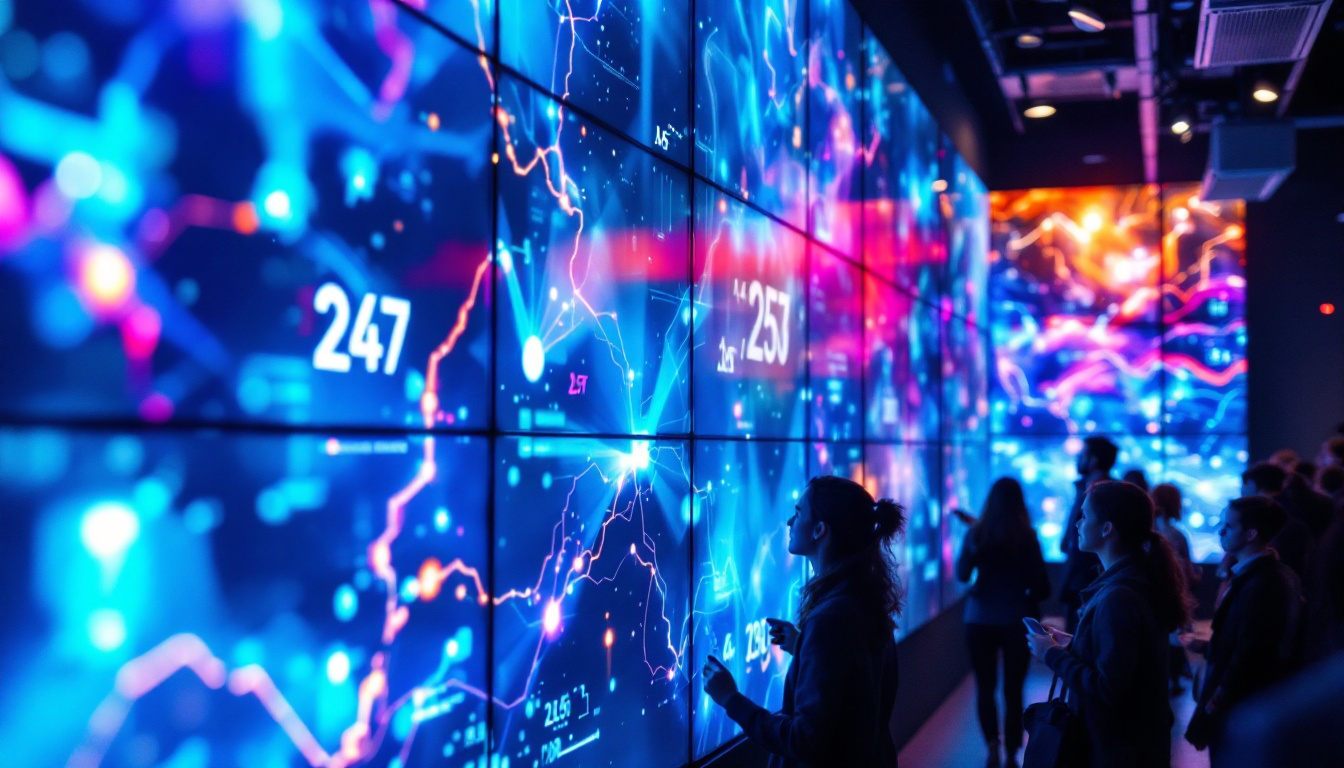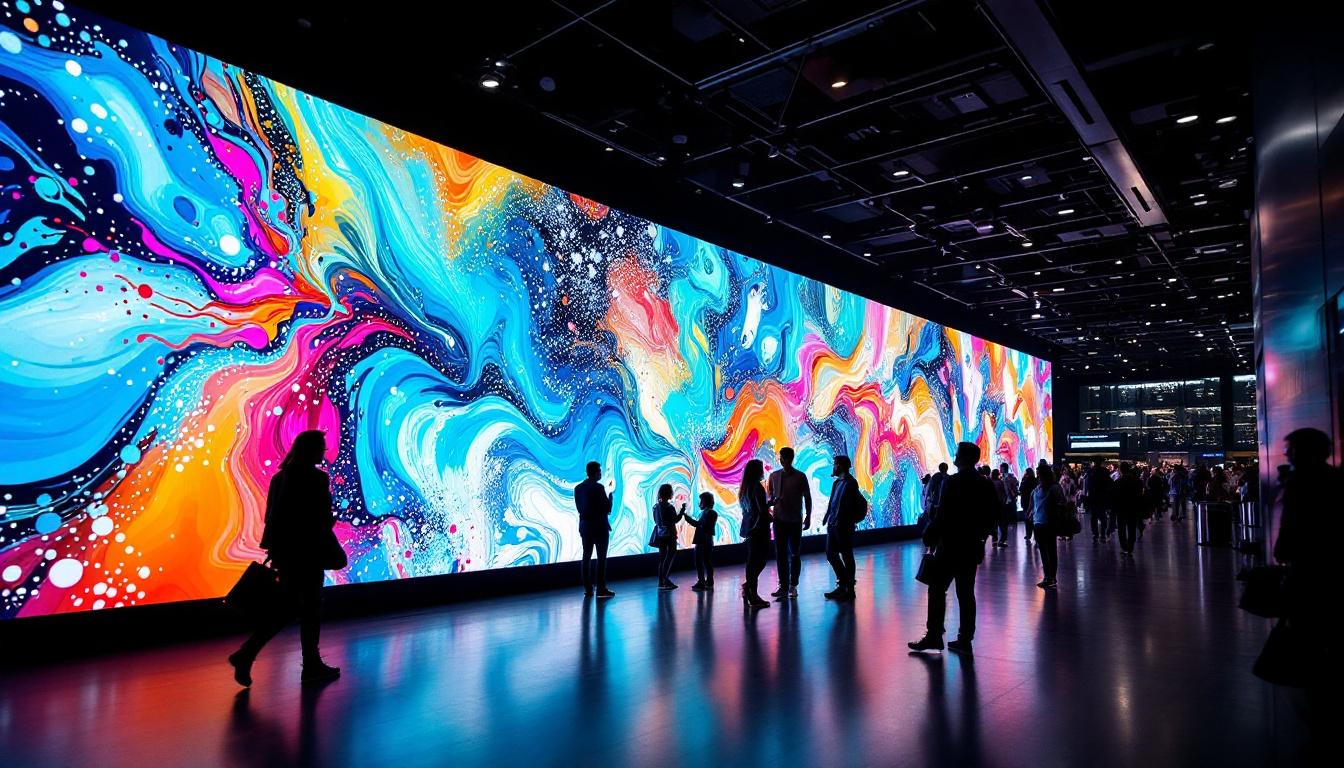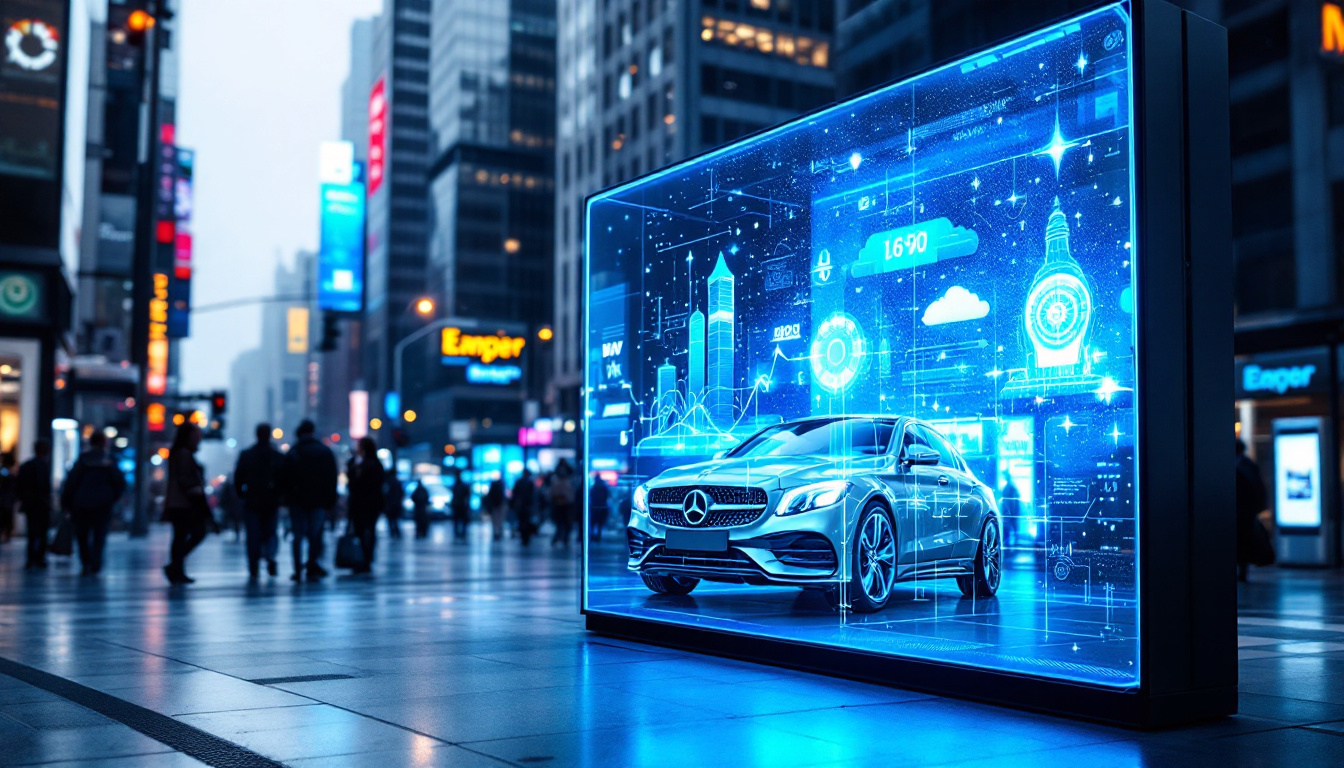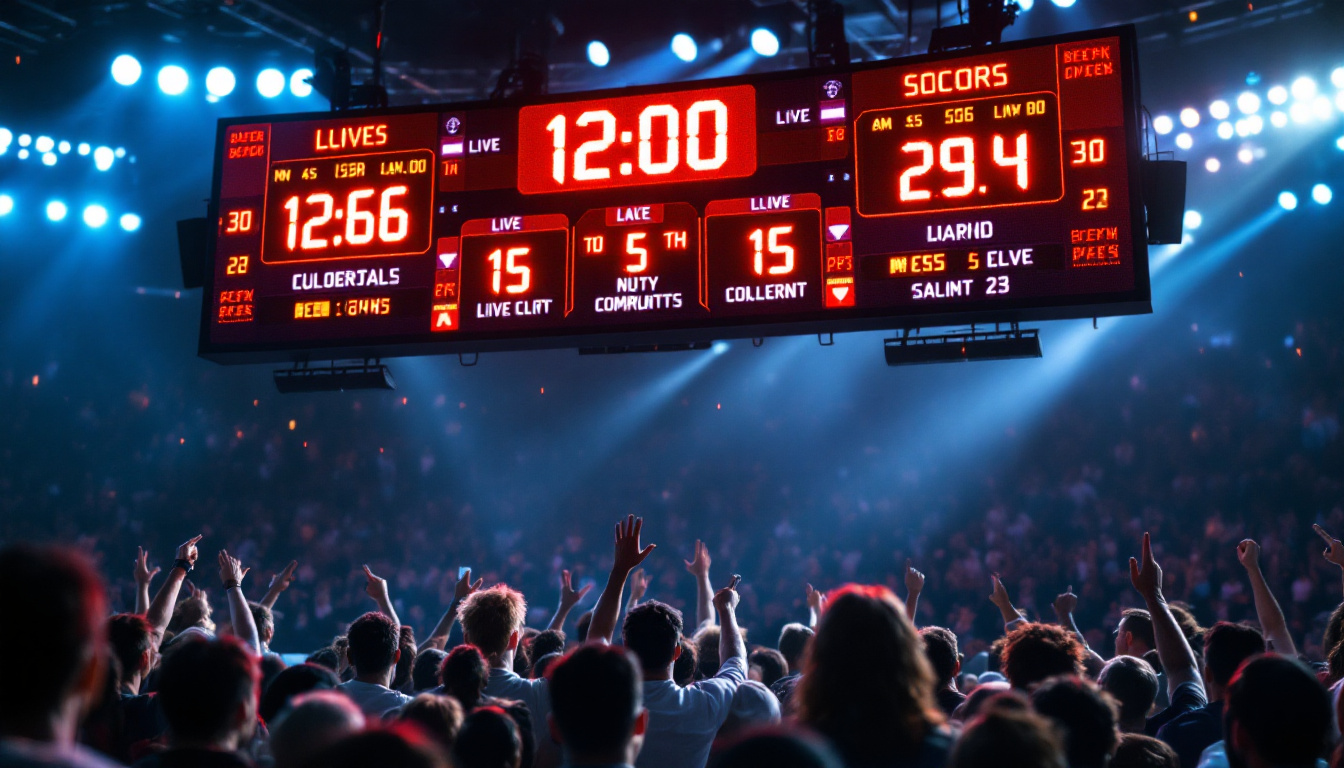
In today’s fast-paced digital world, LED displays have become an essential tool for communication, advertising, and information dissemination. From vibrant billboards in Times Square to dynamic menu boards in local eateries, LED technology is reshaping how businesses and organizations engage with their audiences. This article delves into the world of LED displays, explaining their technology, applications, benefits, and what sets professional LED signs apart in the market.
Understanding LED Display Technology
What is an LED Display?
LED stands for Light Emitting Diode, a semiconductor device that emits light when an electric current passes through it. An LED display is a flat panel display that uses an array of LEDs as pixels to create images, videos, or text. Unlike traditional displays that rely on LCD or projection technologies, LED displays emit their own light, which results in brighter images and better visibility, especially in outdoor or brightly lit environments.
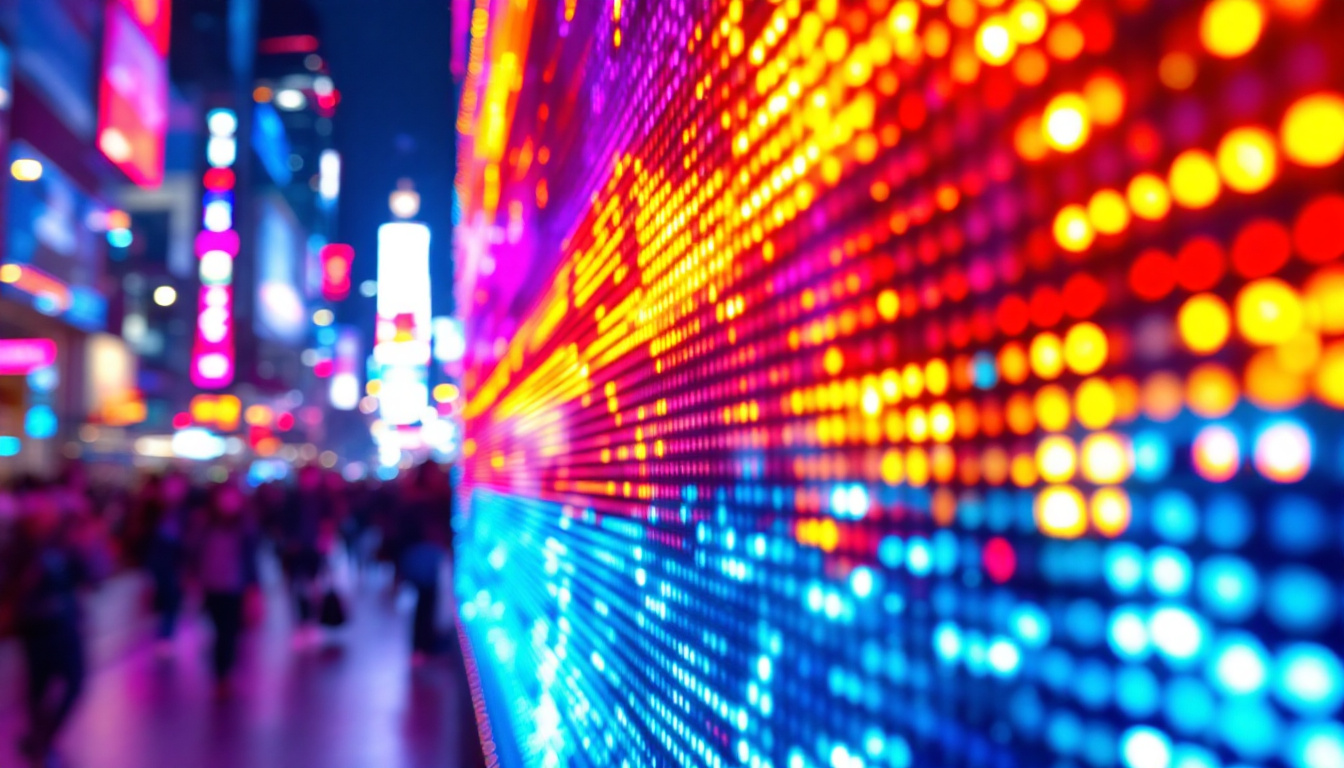
Modern LED displays are composed of thousands to millions of tiny LEDs arranged in a grid. Each LED can be individually controlled to produce a specific color and brightness level, allowing for full-color, high-resolution images. The technology behind LED displays has evolved significantly, enabling larger, more energy-efficient, and higher-definition screens than ever before. This advancement has not only improved the visual experience but has also led to a reduction in energy consumption, making LED displays a more sustainable choice for both consumers and businesses.
In addition to their energy efficiency, LED displays are known for their longevity. With a lifespan that can exceed 100,000 hours, these displays require less frequent replacements compared to traditional lighting technologies. This durability is particularly advantageous in commercial settings where constant operation is necessary, such as in advertising or information dissemination. Moreover, the low maintenance requirements of LED displays contribute to lower overall operational costs, making them an attractive option for various industries.
Types of LED Displays
There are several types of LED displays, each suited for different applications:
- Indoor LED Displays: Designed for controlled lighting environments, these displays have a higher pixel density for sharper images. They are commonly used in retail stores, conference rooms, and indoor advertising. The vibrant colors and high contrast ratios of indoor LED displays make them ideal for showcasing products and engaging audiences in environments where attention to detail is crucial.
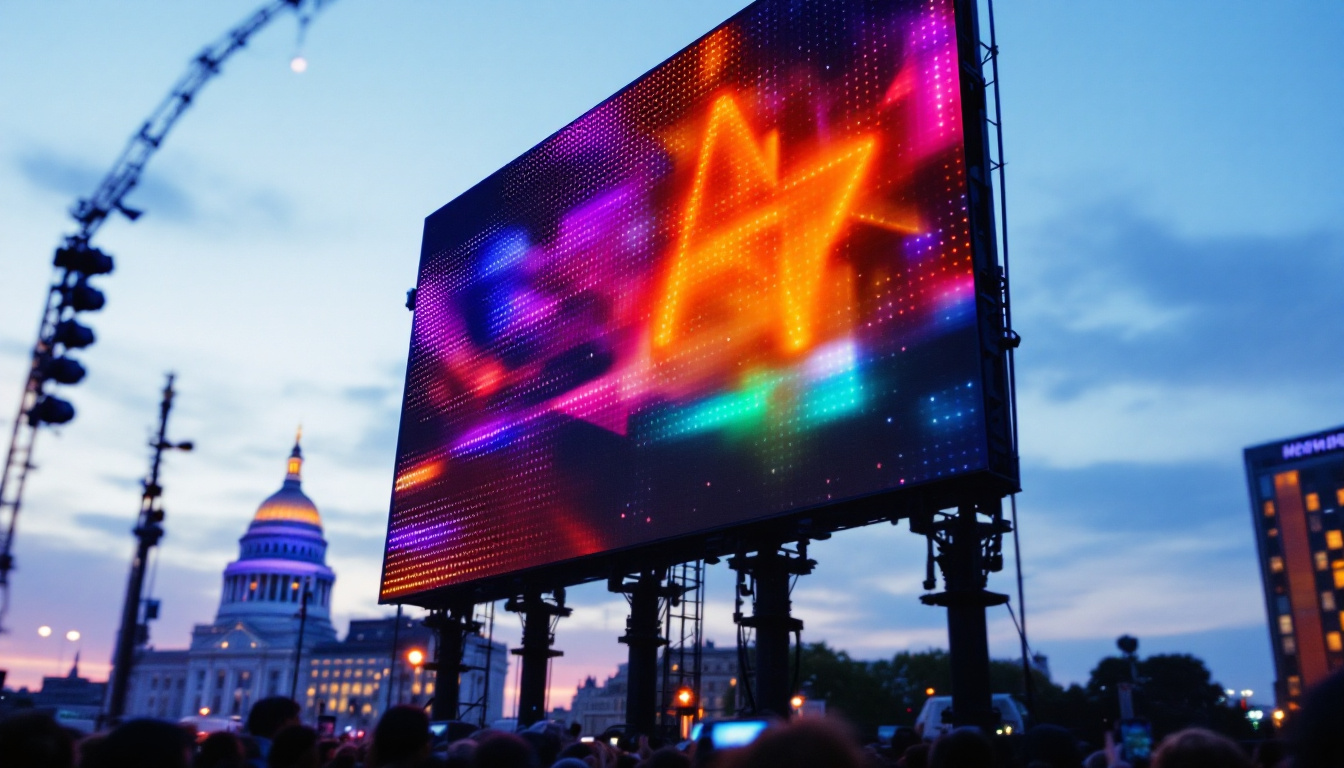
- Outdoor LED Displays: Built to withstand weather conditions such as rain, wind, and sunlight, outdoor LEDs are brighter and more durable. They are often found in stadiums, billboards, and public information boards. These displays are engineered with protective coatings and robust housings to ensure they can endure the elements while delivering clear and impactful visuals to large audiences.
- Flexible and Transparent LED Displays: These are innovative forms of LED technology that can bend or allow light to pass through, enabling creative installations in architecture and design. Flexible LED displays can be shaped to fit unique spaces, while transparent displays can be integrated into windows or glass structures, allowing for advertising without obstructing views. This versatility opens up new possibilities for branding and artistic expression in urban environments.
Another emerging type of LED display is the MicroLED technology, which utilizes microscopic LEDs to create even smaller pixels. This advancement allows for incredibly high-resolution displays that can be viewed from very close distances without losing image quality. MicroLED displays are gaining traction in the consumer electronics market, particularly in high-end televisions and wearable devices, promising a new era of visual fidelity.
The Advantages of Professional LED Signs
Superior Visibility and Brightness
One of the most significant advantages of LED displays is their exceptional brightness. Professional LED signs can reach brightness levels of up to 7,000 nits or more, making them easily visible even under direct sunlight. This brightness ensures that messages are clear and attention-grabbing, which is critical for outdoor advertising and public safety messages. Furthermore, the high contrast ratio of LED technology enhances readability from various distances, allowing for effective communication with potential customers or passersby, regardless of their location or angle of approach.
Energy Efficiency and Longevity
Compared to traditional lighting and display technologies, LEDs consume significantly less power. This energy efficiency translates into lower operating costs, which is particularly important for large-scale or continuously operating displays. Additionally, LEDs have a long lifespan, often exceeding 100,000 hours, reducing maintenance and replacement expenses over time. This durability means that businesses can rely on their LED signs for years without the frequent interruptions associated with traditional bulb replacements, ensuring consistent messaging and visibility. The reduced need for maintenance also minimizes downtime, allowing companies to maintain a steady flow of information to their audience.
Flexibility and Customization
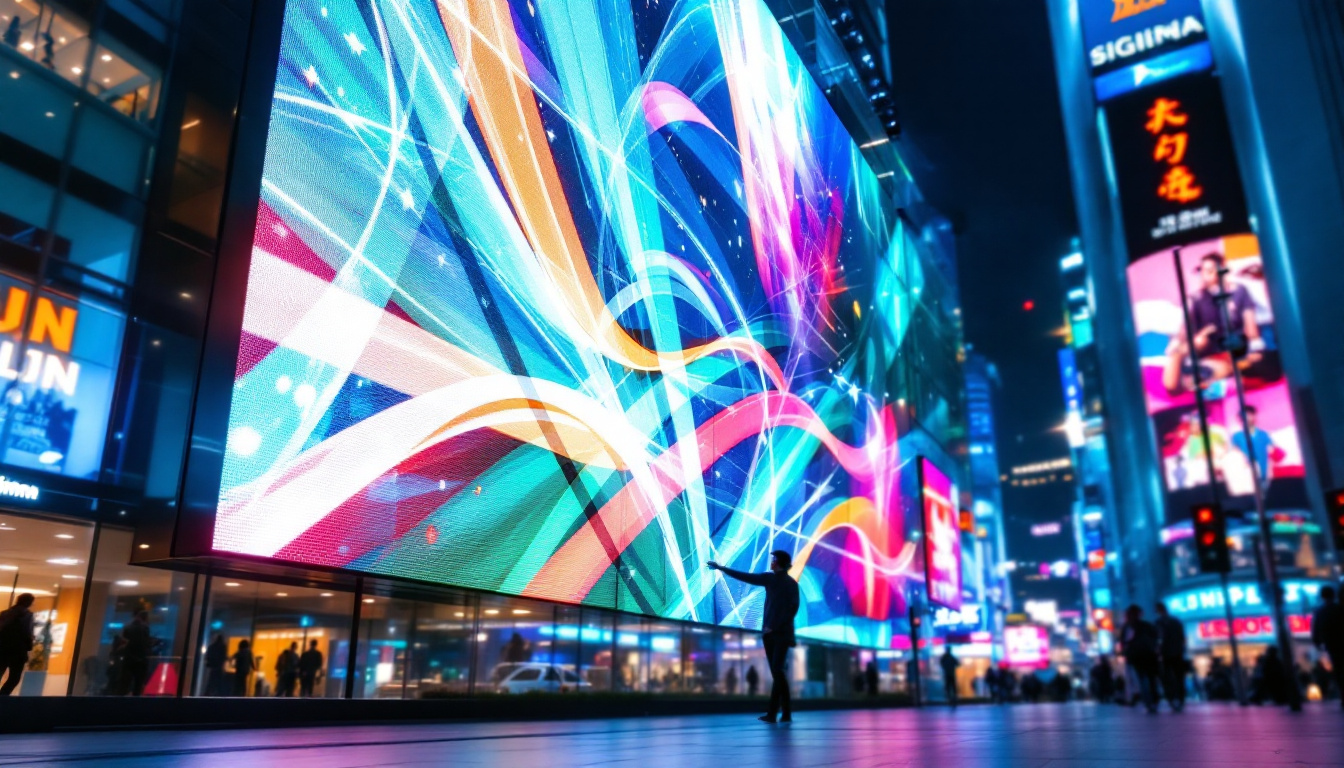
Professional LED signs can be customized in size, shape, and resolution to meet specific needs. Whether it’s a massive video wall on a skyscraper or a compact digital menu board, LED technology offers unparalleled flexibility. Content can be updated remotely and in real-time, allowing businesses to adapt their messaging quickly and efficiently. This capability is particularly advantageous for industries that require frequent updates, such as retail promotions or event announcements. Additionally, the ability to integrate dynamic content, such as animations or videos, can significantly enhance engagement and capture the attention of a diverse audience, making the signs not just informative but also visually appealing.
Environmental Benefits
LED displays are more environmentally friendly than many other display technologies. They contain no mercury, produce less heat, and are recyclable. Their energy efficiency also contributes to a smaller carbon footprint, aligning with sustainability goals that many companies and municipalities prioritize today. Furthermore, by reducing energy consumption, LED signs help lessen the demand on power grids, which can lead to a decrease in fossil fuel reliance. As more organizations commit to green initiatives, investing in LED technology not only supports their environmental objectives but also positions them as leaders in corporate responsibility, appealing to eco-conscious consumers and stakeholders alike.
Applications of LED Displays in Various Industries
Advertising and Marketing
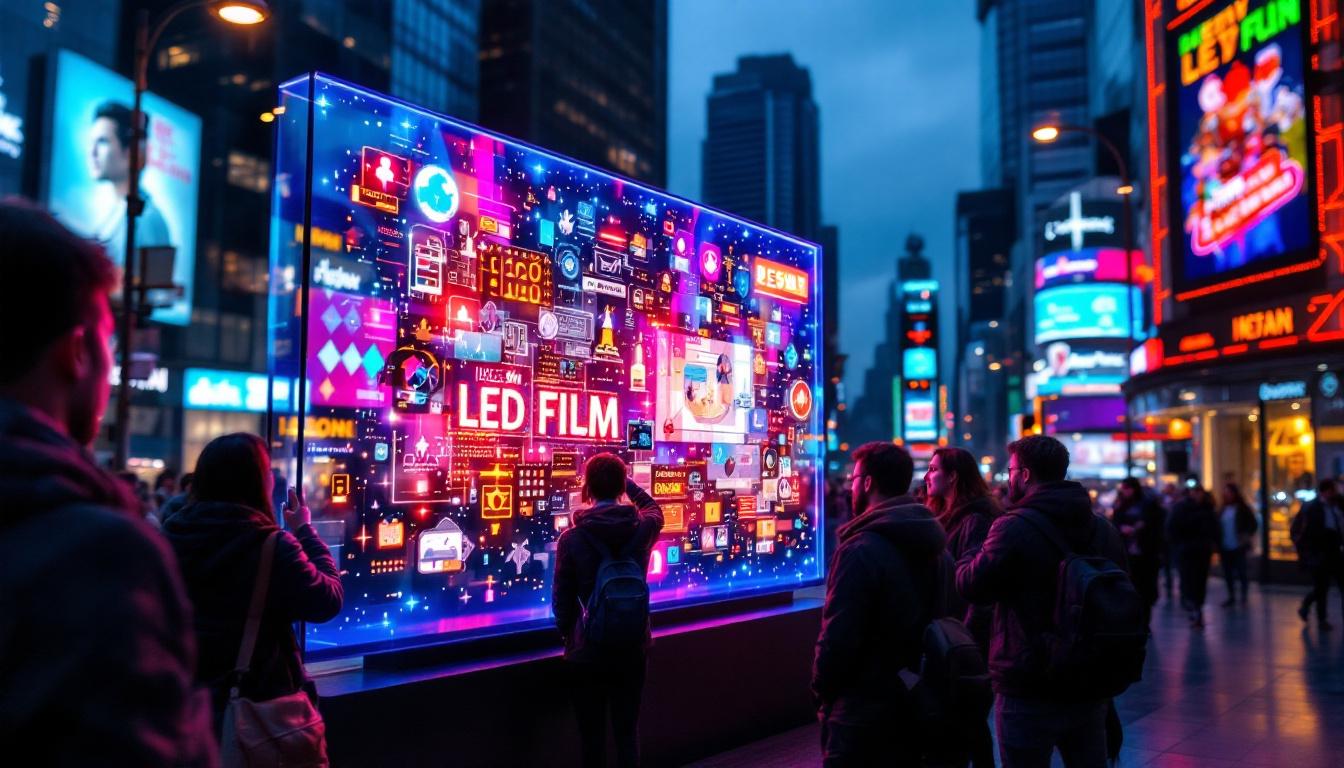
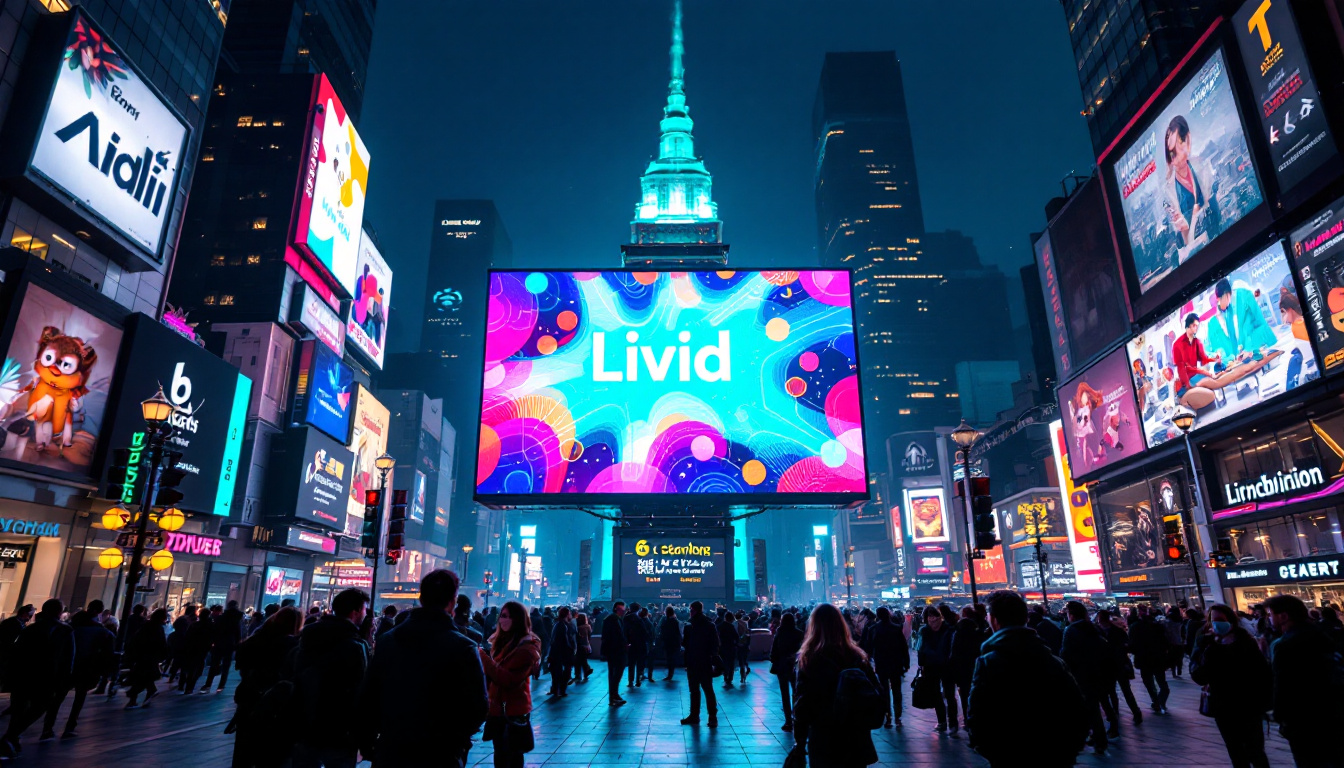
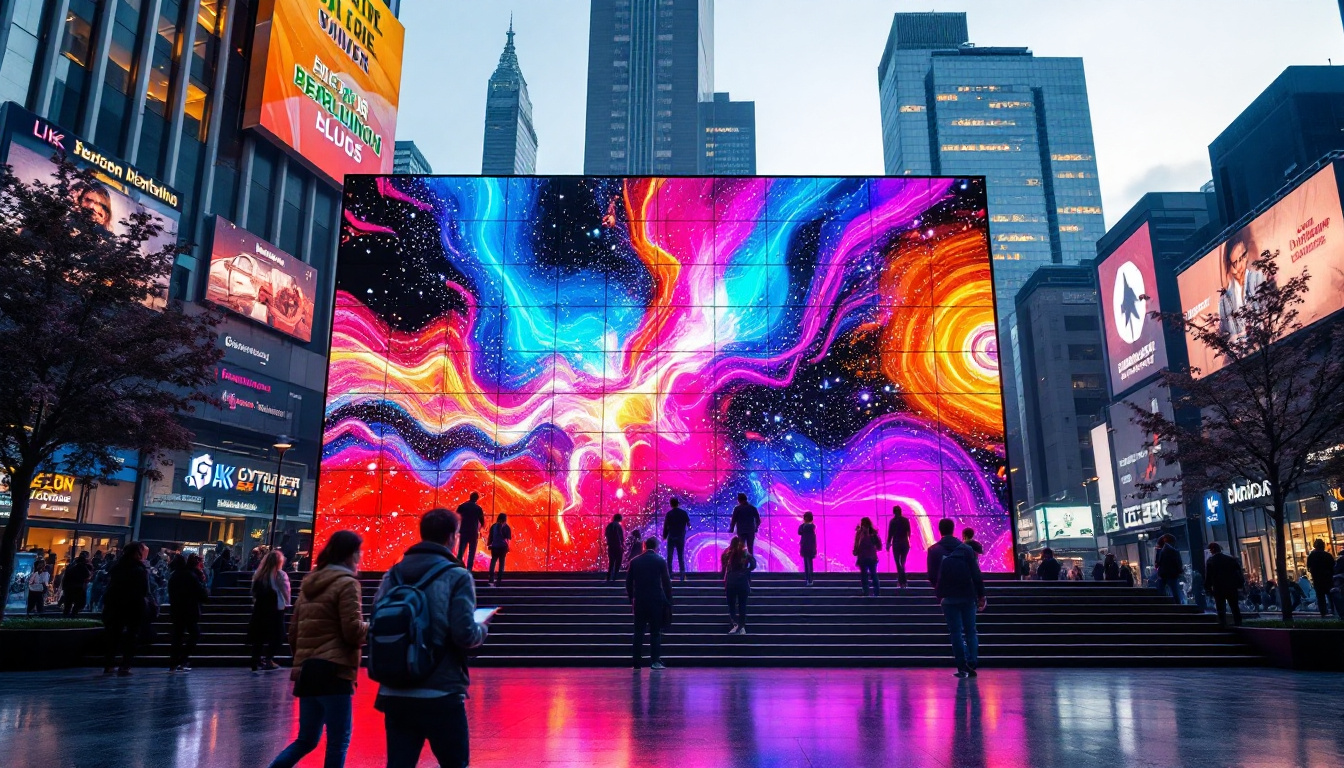
LED displays have revolutionized advertising by enabling dynamic, eye-catching campaigns that can be updated instantly. Brands use LED billboards and digital signage to engage consumers with vivid visuals and interactive content. For example, Times Square in New York City is famous for its massive LED billboards that showcase everything from movie trailers to product launches.
Retail and Hospitality
In retail environments, LED displays enhance the customer experience by providing clear product information, promotions, and wayfinding. Restaurants and cafes utilize LED menu boards to display menus that can be changed easily to reflect daily specials or pricing adjustments, improving operational efficiency and customer satisfaction.
Transportation and Public Safety
LED signs are widely used in transportation hubs such as airports, train stations, and highways to provide real-time information and alerts. Their high visibility ensures that travelers receive timely updates about schedules, delays, or emergencies. Additionally, municipalities use LED displays for public safety announcements and traffic management.
Entertainment and Events
Concerts, sports arenas, and theaters rely on LED screens for live video feeds, scoreboards, and immersive visual effects. The ability to produce bright, high-resolution images enhances the audience experience and allows event organizers to deliver compelling content.
Key Features to Consider When Choosing a Professional LED Sign
Resolution and Pixel Pitch
Resolution refers to the number of pixels in the display, while pixel pitch is the distance between the centers of two adjacent pixels. A smaller pixel pitch means higher resolution and sharper images, which is essential for indoor displays viewed up close. For outdoor displays, a larger pixel pitch is acceptable due to the typical viewing distance.
Brightness and Contrast Ratio
Brightness is measured in nits and determines how well the display performs under various lighting conditions. A high contrast ratio ensures that images have depth and clarity, making content more legible and visually appealing.
Durability and Weather Resistance
For outdoor installations, it’s crucial to select LED signs that are rated for water resistance (IP65 or higher) and can withstand temperature extremes. Durable housing and protective coatings extend the lifespan of the display and reduce maintenance costs.
Control Systems and Software
Professional LED signs come with control systems that allow users to manage content easily. Advanced software enables scheduling, remote updates, and integration with other digital platforms, providing flexibility and convenience.
Future Trends in LED Display Technology
MicroLED and MiniLED Innovations
Emerging technologies like MicroLED and MiniLED are pushing the boundaries of LED displays by offering even higher brightness, better color accuracy, and thinner panels. These advances promise to enhance both indoor and outdoor signage with improved image quality and energy efficiency.
Interactive and Smart Displays
The integration of touch technology and sensors is transforming LED signs into interactive platforms. Smart LED displays can respond to user input, gather data, and connect with mobile devices, creating personalized and engaging experiences.
Augmented Reality (AR) and LED Integration
Combining LED displays with AR technology is opening new possibilities for advertising and entertainment. This fusion allows for immersive content that blends digital and physical environments, captivating audiences in innovative ways.
Conclusion: Why Choose Pro LED Signs?
Professional LED signs represent a powerful communication tool that combines technological sophistication with practical benefits. Their superior brightness, energy efficiency, and versatility make them ideal for a wide range of applications across industries. By investing in high-quality LED displays, businesses and organizations can enhance their visibility, engage audiences more effectively, and adapt swiftly to changing needs.
As LED technology continues to evolve, staying informed about the latest advancements and selecting the right solutions will be critical for maximizing the impact of digital signage. Whether for advertising, information dissemination, or entertainment, pro LED signs offer a future-ready platform that delivers vibrant, dynamic content with lasting value.
Illuminate Your Message with LumenMatrix
Ready to elevate your brand’s presence and captivate your audience with unparalleled clarity? Discover LumenMatrix’s comprehensive range of LED display solutions, from Indoor and Outdoor LED Wall Displays to innovative options like Vehicle LED Displays and LED Transparent Displays. Embrace the future of visual communication with our cutting-edge technology designed to make your message shine. Check out LumenMatrix LED Display Solutions today and transform the way you connect with your audience.