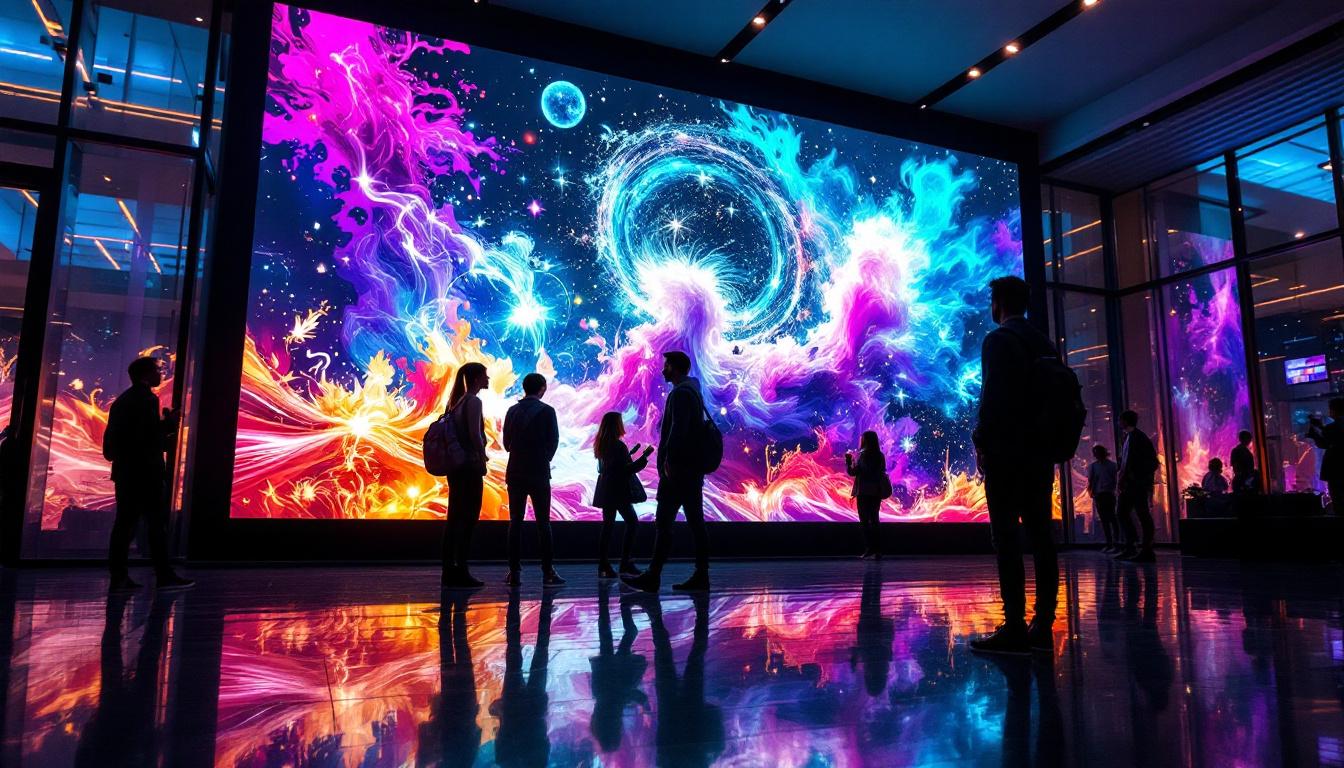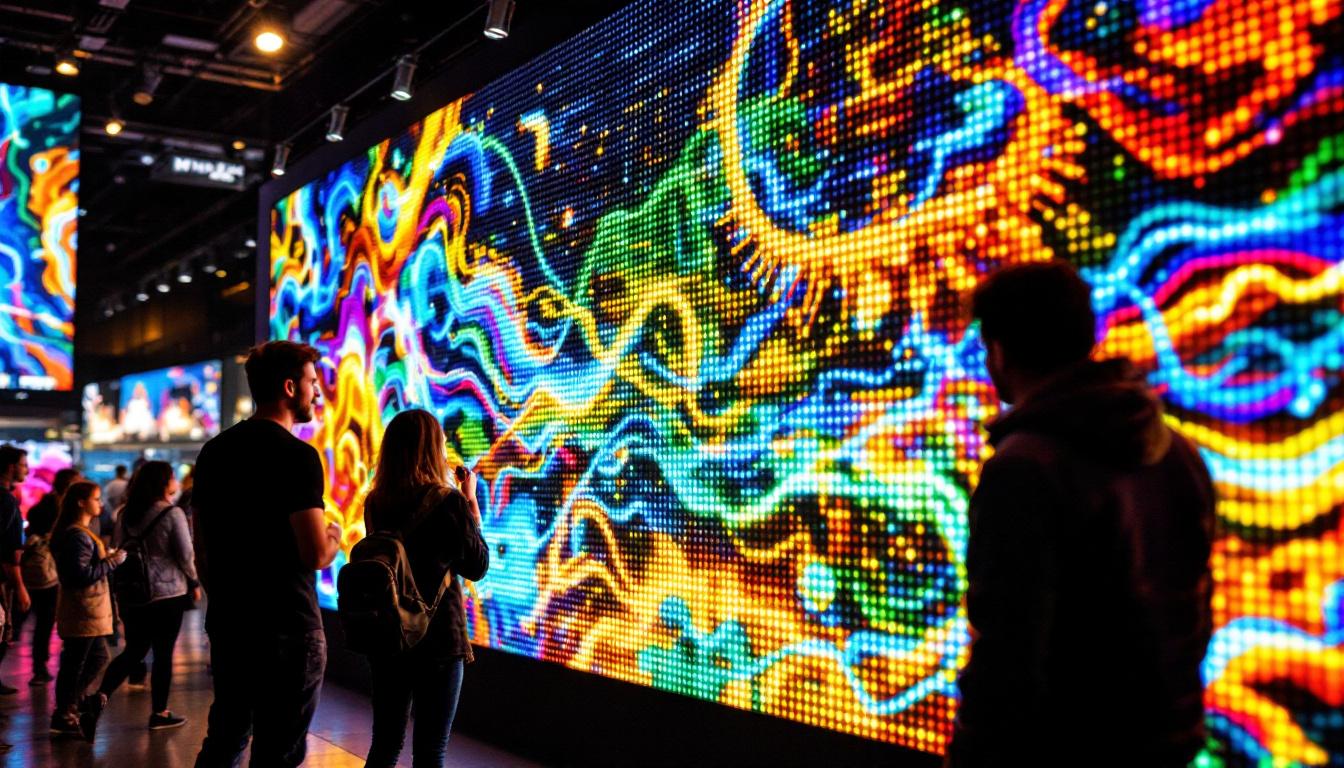
In today’s fast-evolving digital landscape, LED displays have become a cornerstone of visual communication across industries. From advertising billboards and stadium screens to control rooms and corporate presentations, LED technology offers unparalleled brightness, clarity, and versatility. For businesses and professionals seeking cutting-edge display solutions, understanding the fundamentals and advantages of LED displays is essential.
This comprehensive article delves into the technology behind LED displays, their types, benefits, and the considerations when selecting the right display for professional use. Whether you are a digital signage expert, an event organizer, or a corporate IT manager, this guide will equip you with the knowledge to make informed decisions.
Understanding LED Display Technology
What is an LED Display?
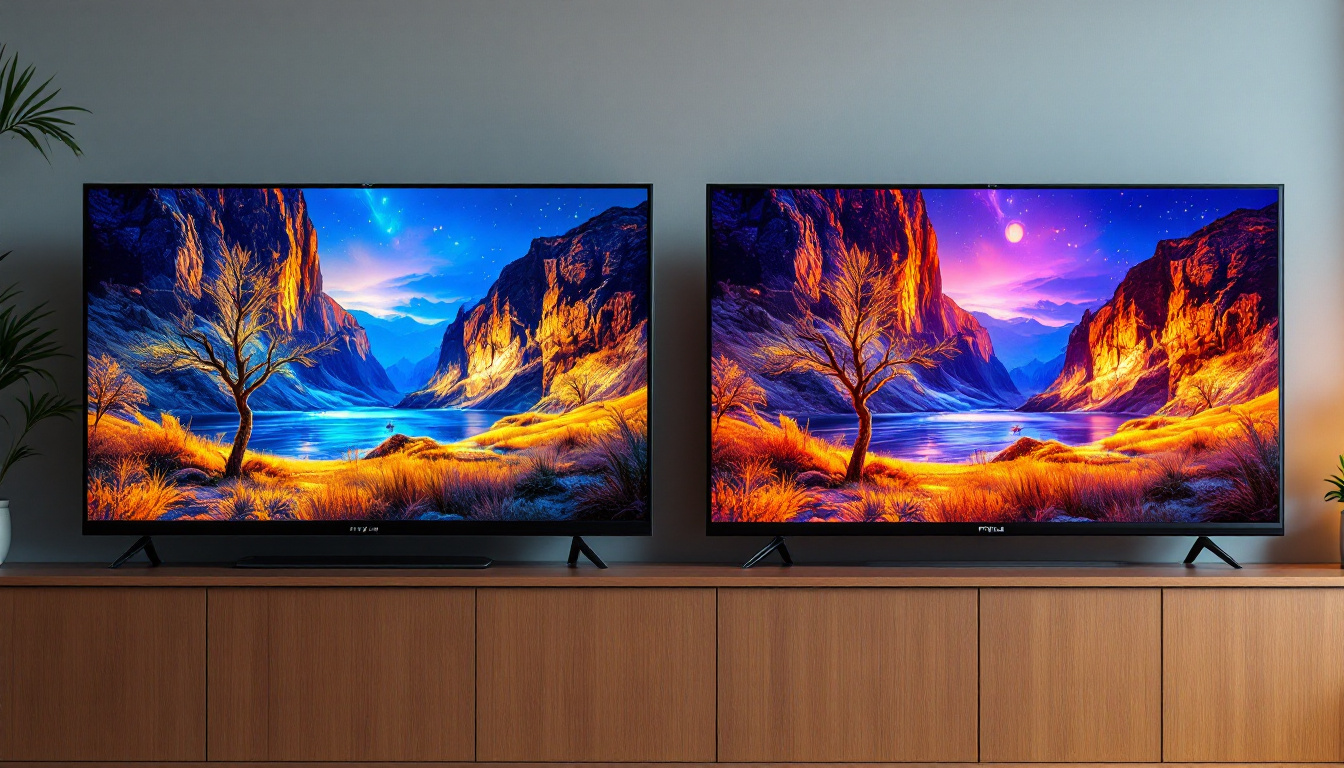
LED stands for Light Emitting Diode, a semiconductor device that emits light when an electric current passes through it. An LED display is a flat panel display that uses an array of these tiny LEDs as pixels to create images, videos, or text. Unlike traditional LCD or plasma screens, LED displays produce their own light, which results in superior brightness and contrast.
LED displays are composed of thousands to millions of individual LEDs arranged in a matrix. Each LED can be controlled independently to display precise colors and brightness levels. This granular control allows for vivid, high-resolution images that remain visible even under direct sunlight. The technology behind LED displays has evolved significantly, leading to thinner, lighter, and more energy-efficient screens, making them ideal for a wide range of applications, from consumer electronics to large-scale advertising installations.
Types of LED Displays
LED displays come in various forms, primarily categorized by their pixel pitch, configuration, and intended application:
- Indoor LED Displays: Designed for environments with controlled lighting, these displays have a smaller pixel pitch (typically 1.2mm to 4mm), enabling high-resolution images suitable for close viewing distances such as conference rooms, retail stores, and broadcast studios.
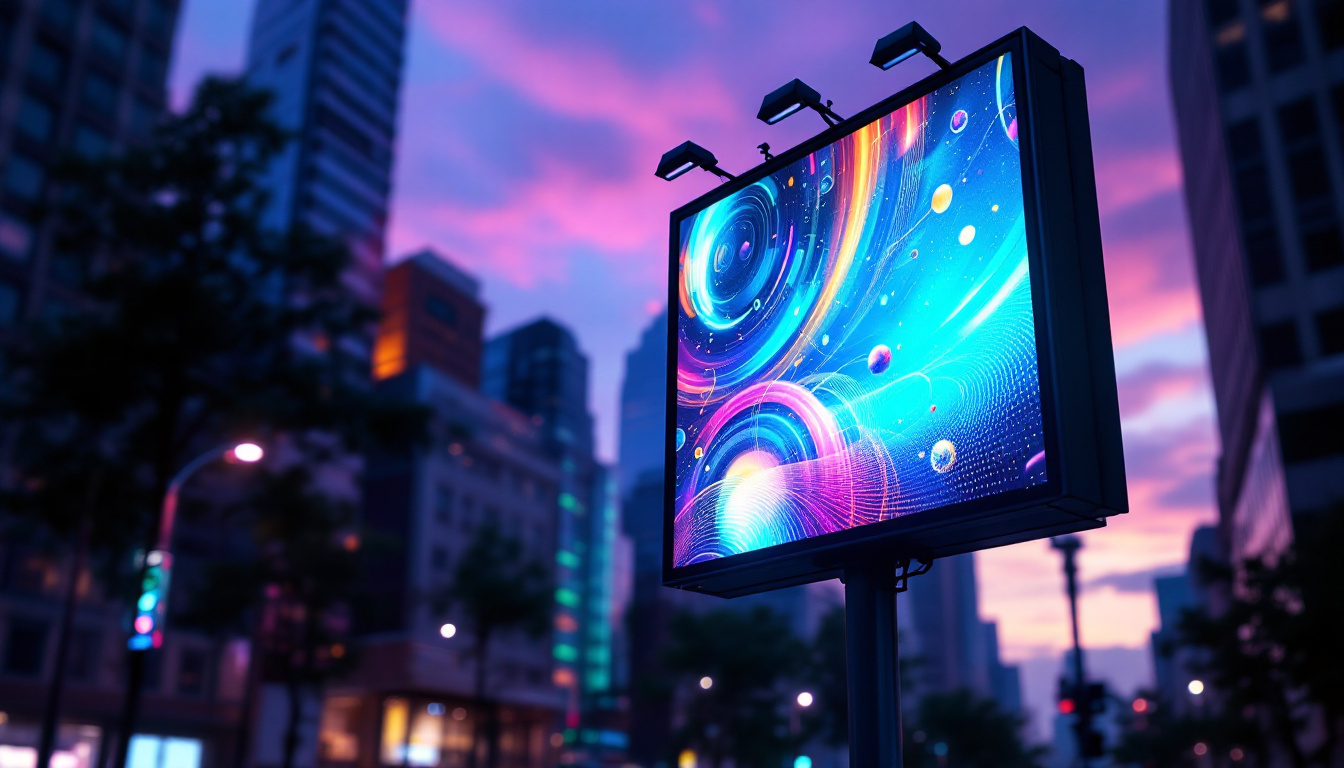
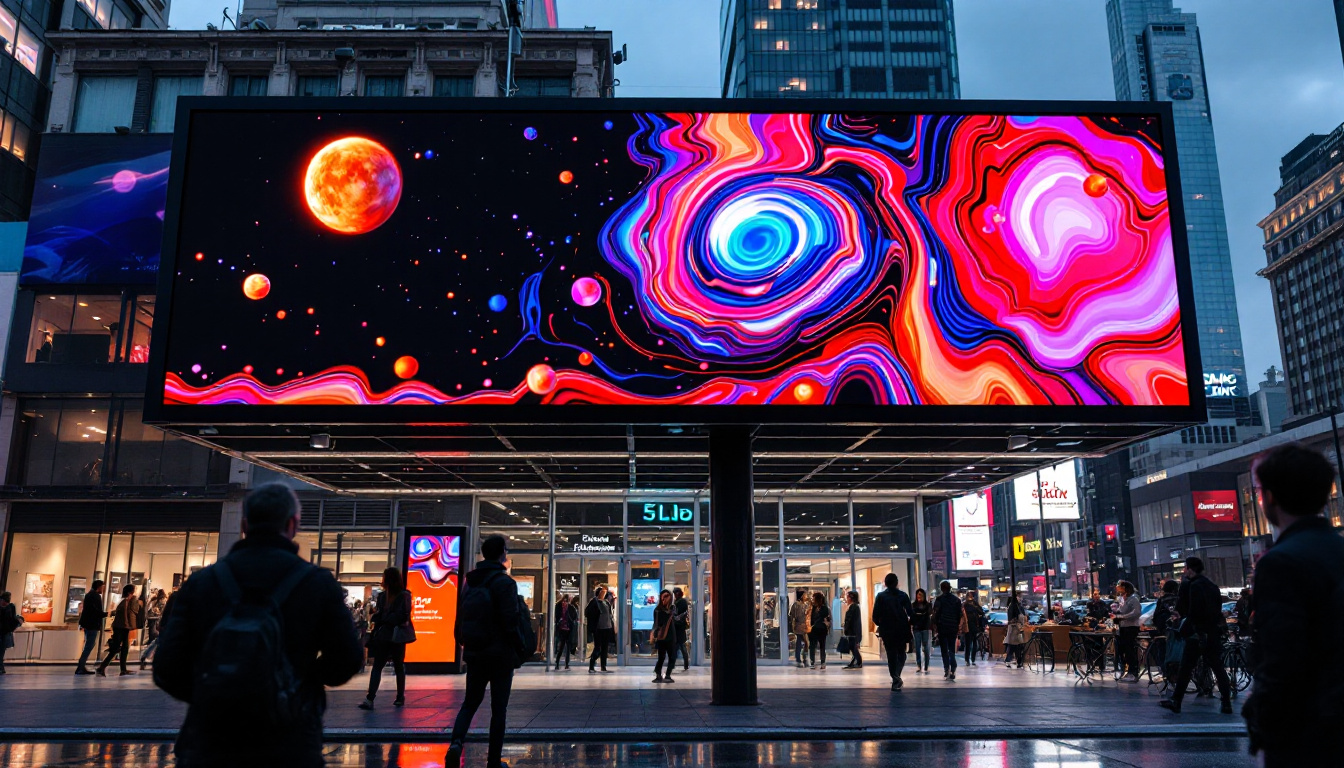
- Outdoor LED Displays: Built to withstand harsh weather conditions, these displays have a larger pixel pitch (usually 4mm to 20mm) to ensure visibility from greater distances. They are commonly used for billboards, sports arenas, and public information boards.
- Flexible and Transparent LED Displays: Innovative designs allow LED panels to bend or integrate into glass surfaces, opening new possibilities for architectural and creative installations. These displays can create immersive environments or serve as dynamic advertising spaces that blend seamlessly with their surroundings.
How LED Displays Work
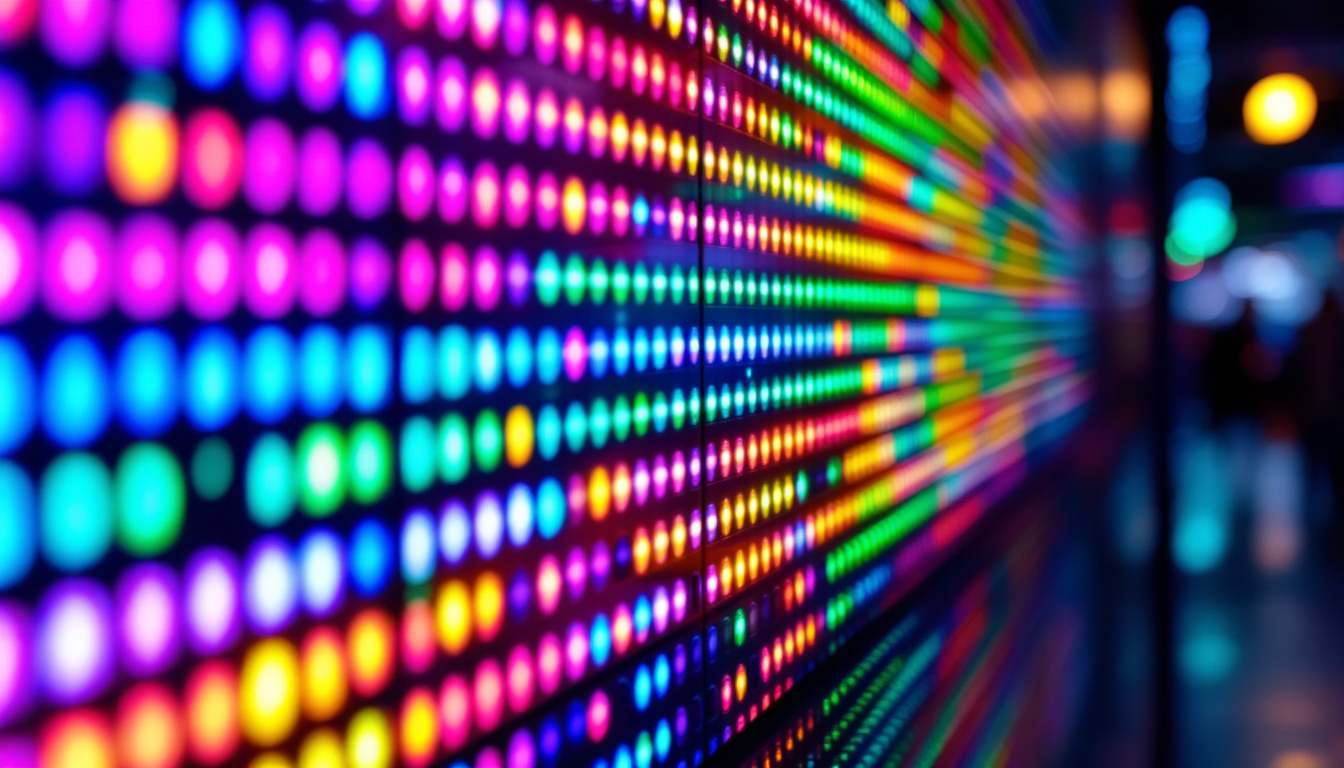
Each LED in the display emits light in one of three primary colors: red, green, or blue. By varying the intensity of these LEDs, the display can produce millions of colors through color mixing. The control system manages the timing and brightness of each LED, refreshing the image multiple times per second to create smooth motion and dynamic content.
Modern LED displays use advanced driver ICs and calibration techniques to ensure color consistency and uniform brightness across the entire screen. This level of precision is critical for professional applications where image quality directly impacts audience engagement and brand perception. Furthermore, the integration of smart technology into LED displays has enabled features such as remote management, real-time content updates, and interactive capabilities, enhancing the overall user experience. As a result, LED displays are becoming increasingly popular in sectors like retail, entertainment, and transportation, where captivating visuals are essential for attracting and retaining attention.
Advantages of LED Displays for Professional Use
Superior Brightness and Visibility
One of the most significant advantages of LED displays is their exceptional brightness. Typical LED screens can achieve brightness levels of 1,000 to 5,000 nits, far exceeding those of LCD displays, which usually max out around 300 to 500 nits. This makes LED displays ideal for environments with high ambient light, such as outdoor venues or brightly lit indoor spaces.
High brightness ensures that content remains clear and legible, even in direct sunlight or from long distances. For example, outdoor advertising companies report up to a 30% increase in viewer engagement when switching from traditional billboards to LED displays due to enhanced visibility.
Energy Efficiency and Longevity
LED technology is inherently energy-efficient compared to older display technologies. LEDs consume less power while delivering higher brightness, which translates to lower operating costs for businesses. According to industry data, LED displays can reduce energy consumption by up to 50% compared to fluorescent or incandescent signage solutions.
Additionally, LEDs have a long operational lifespan, often exceeding 100,000 hours. This durability minimizes maintenance and replacement costs, making LED displays a cost-effective investment over time.
Flexibility and Customization
LED displays offer remarkable flexibility in size, shape, and resolution. They can be seamlessly tiled to create massive video walls or designed as compact displays for intimate settings. This adaptability allows businesses to tailor their visual solutions precisely to their spatial and branding needs.
Moreover, LED technology supports dynamic content, including live video feeds, animations, and interactive elements. This capability enhances audience engagement and enables real-time communication, which is invaluable for events, retail promotions, and control room monitoring.
Choosing the Right LED Display: Key Considerations
Pixel Pitch and Viewing Distance
Pixel pitch, the distance between the centers of adjacent LEDs, is a critical factor in determining image clarity. Smaller pixel pitches yield higher resolution and finer detail, which is essential for close-range viewing. Conversely, larger pixel pitches are suitable for displays viewed from a distance, where individual pixels are less discernible.
As a rule of thumb, the optimal viewing distance is approximately 1.5 to 2 times the pixel pitch in millimeters. For example, a display with a 4mm pixel pitch is best viewed from about 6 to 8 meters away. Selecting the appropriate pixel pitch ensures the audience experiences crisp, comfortable visuals without pixelation.
Brightness and Environmental Conditions
Consider the ambient lighting conditions where the display will be installed. Outdoor displays require higher brightness and weatherproofing features such as IP65-rated enclosures to resist dust and water. Indoor displays can prioritize resolution and color accuracy over extreme brightness.
Some professional LED displays also include sensors that automatically adjust brightness based on surrounding light levels, optimizing visibility while conserving energy.
Color Accuracy and Calibration
For applications like broadcast studios, museums, or retail environments where brand colors and image fidelity are paramount, color accuracy is a top priority. Professional LED displays often come with factory calibration and support for advanced color profiles (e.g., Rec. 709 or DCI-P3).
Regular calibration and maintenance help maintain consistent color performance over the display’s lifespan, ensuring that visual content remains true to the creator’s intent.
Installation and Maintenance
Installation complexity varies depending on the size and type of LED display. Modular designs with lightweight panels facilitate easier assembly and servicing. Businesses should consider the availability of technical support and warranty services from the manufacturer or supplier.
Routine maintenance, including cleaning and software updates, is essential to preserve optimal performance. Many professional LED displays feature remote monitoring capabilities to detect faults and schedule preventive maintenance efficiently.
Applications of LED Displays in Professional Settings
Digital Signage and Advertising
LED displays have revolutionized outdoor and indoor advertising by enabling dynamic, eye-catching content that can be updated instantly. Retailers use LED screens to promote products and sales, while city centers deploy digital billboards for public announcements and commercial advertising.
According to the Digital Signage Federation, the global digital signage market is projected to reach $31 billion by 2026, driven largely by the adoption of LED technology.
Corporate and Control Room Displays
In corporate environments, LED video walls enhance presentations, video conferencing, and data visualization. Control rooms in industries such as transportation, utilities, and emergency services rely on large LED displays for real-time monitoring and decision-making.
The ability to display multiple data sources simultaneously and scale content across expansive screens improves situational awareness and operational efficiency.
Entertainment and Events
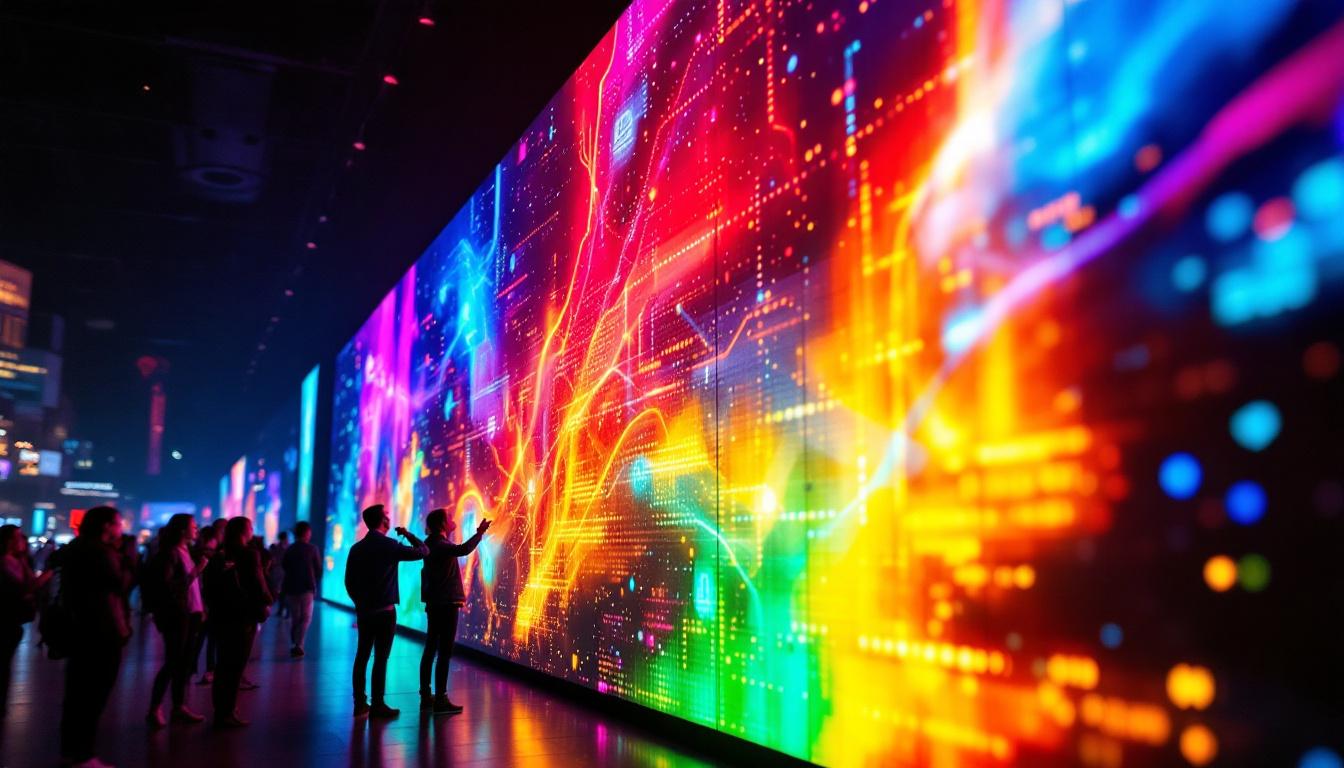
Concerts, sports arenas, and trade shows utilize LED displays to create immersive experiences. High refresh rates and vivid color reproduction make LED screens ideal for live video, graphics, and interactive content that captivate audiences.
Recent advancements include transparent LED displays integrated into stage designs and flexible panels that conform to unconventional shapes, expanding creative possibilities.
Future Trends in LED Display Technology
Mini-LED and Micro-LED Innovations
Emerging technologies such as Mini-LED and Micro-LED promise even higher resolution, improved contrast ratios, and enhanced energy efficiency. Mini-LED uses smaller LEDs to increase pixel density, while Micro-LED involves microscopic LEDs that can be individually controlled for unparalleled image quality.
These advances are expected to impact professional monitors, providing sharper images and more vibrant colors, particularly for high-end broadcast and medical applications.
Integration with Smart Technologies
LED displays are increasingly integrated with IoT (Internet of Things) and AI-driven content management systems. This integration enables automated content scheduling, audience analytics, and adaptive brightness control, enhancing user experience and operational efficiency.
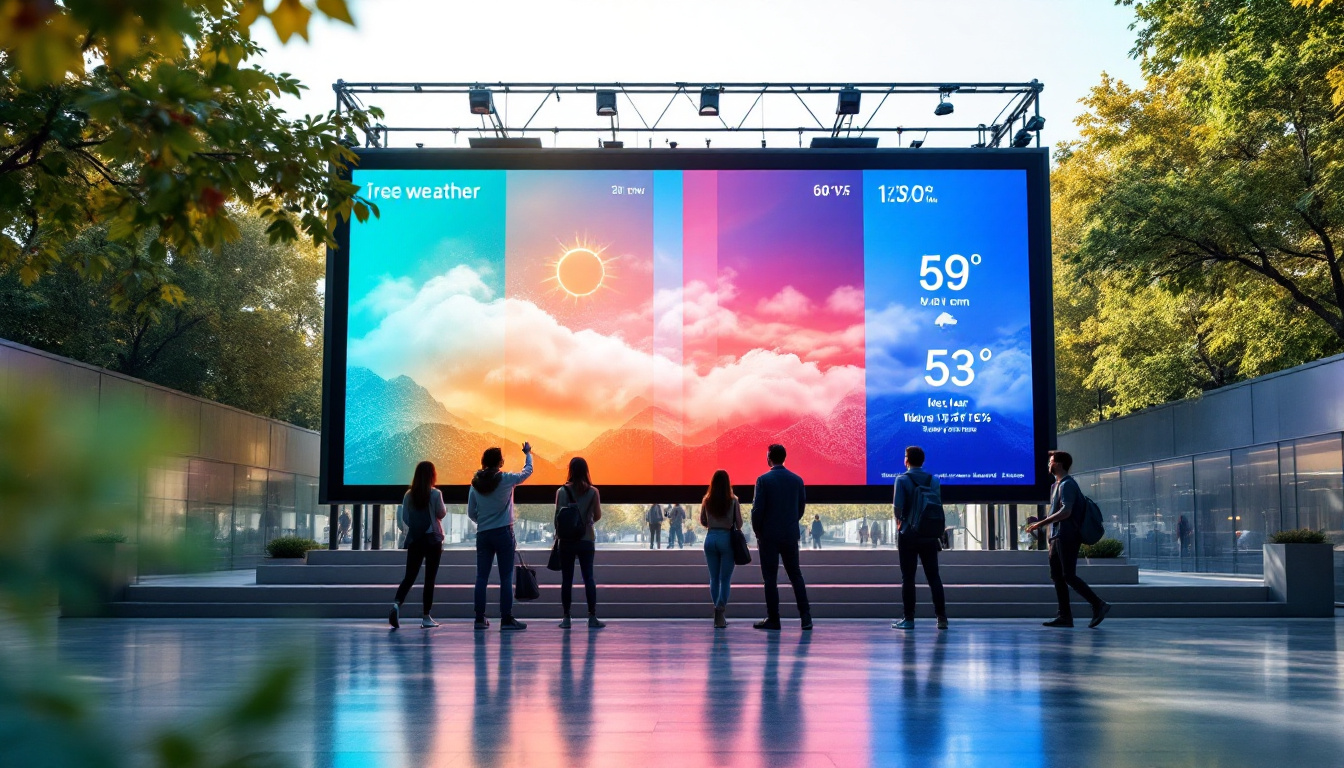
For example, smart LED signage can adjust messaging based on time of day, weather conditions, or customer demographics, maximizing relevance and engagement.
Sustainability and Eco-Friendly Design
As environmental concerns grow, manufacturers are focusing on sustainable materials, energy-saving features, and recyclability in LED display production. Professional companies are adopting greener practices to reduce the carbon footprint associated with large-scale digital displays.
Energy-efficient LED displays not only lower operational costs but also contribute to corporate social responsibility goals.
Conclusion
LED displays represent a transformative technology in the realm of professional visual communication. Their superior brightness, energy efficiency, flexibility, and adaptability make them indispensable across diverse industries. Understanding the technical aspects, benefits, and application-specific considerations enables businesses to select the optimal LED display solutions tailored to their needs.
As LED technology continues to evolve, embracing innovations like Mini-LED, smart integration, and sustainable design will further enhance the value and impact of professional displays. Partnering with a reputable professional monitor company ensures access to expert guidance, quality products, and ongoing support, empowering organizations to deliver compelling visual experiences that resonate with their audiences.
Discover LumenMatrix’s Innovative LED Solutions
Ready to elevate your professional visual communication with top-tier LED displays? LumenMatrix is at the forefront of LED display technology, offering a wide array of solutions that cater to every need—from Indoor and Outdoor LED Walls to specialized displays for vehicles, sports, and custom installations. Embrace the future of digital signage with our All-in-One and Transparent LED Displays, designed to captivate your audience and amplify your message. Check out LumenMatrix LED Display Solutions today and transform your space with vibrant, energy-efficient, and dynamic visual experiences.