Programmable LCD Display: LED Display Explained
In today’s rapidly evolving digital landscape, display technologies play a pivotal role in how information is communicated and visualized. Among these technologies, programmable LCD and LED displays have become essential tools across industries, from advertising and retail to industrial automation and consumer electronics. Understanding the nuances of these displays, their functionalities, and applications can empower businesses and developers to make informed decisions when selecting the right display solutions.
This article delves into the core concepts behind programmable LCD and LED displays, exploring their technical foundations, advantages, and practical uses. Whether you are a product designer, engineer, or technology enthusiast, this comprehensive guide will clarify how these displays work and why they matter.
Understanding Programmable LCD Displays
What is an LCD Display?
LCD stands for Liquid Crystal Display, a technology that uses liquid crystals sandwiched between two layers of glass or plastic. These crystals do not emit light directly but modulate light from a backlight to produce images. The ability to control each pixel individually makes LCDs highly versatile for displaying text, graphics, and video. This technology has become ubiquitous in our daily lives, found in everything from televisions and computer monitors to smartphones and digital signage.
Programmable LCD displays incorporate microcontrollers or integrated circuits that allow users to customize the content shown on the screen dynamically. This programmability is crucial for applications requiring real-time updates, such as digital meters, handheld devices, and interactive kiosks. For instance, in retail environments, programmable LCDs can be used to display promotional messages or product information that changes frequently, enhancing customer engagement and improving the shopping experience.
How Programmable LCDs Work
At the heart of a programmable LCD display is a controller that interprets input signals and translates them into pixel arrangements on the screen. These controllers often support communication protocols like SPI, I2C, or parallel interfaces, enabling seamless integration with microcontrollers and embedded systems. The choice of protocol can significantly affect the speed and efficiency of data transfer, making it essential for developers to select the appropriate one based on their specific application needs.
Users can program the display to show specific characters, symbols, or graphics by sending commands to the controller. This flexibility allows for dynamic content changes without needing to replace hardware, making programmable LCDs ideal for applications where information varies frequently. For example, in a smart home system, a programmable LCD can display real-time data such as temperature, humidity, or security alerts, providing users with immediate feedback and control over their environment.
Types of Programmable LCD Displays
Programmable LCDs come in various forms, including character displays, graphic displays, and segment displays:
- Character LCDs: These display fixed-size characters, typically arranged in rows and columns (e.g., 16×2 or 20×4). They are commonly used in devices like calculators and digital clocks. Their simplicity and ease of use make them a popular choice for basic applications where only text is needed.
- Graphic LCDs: These provide pixel-level control, enabling the display of complex images, icons, and custom fonts. They are prevalent in handheld devices, instrumentation, and medical equipment. The ability to create intricate graphics allows for more engaging user interfaces, which can enhance usability and functionality.
- Segment LCDs: These use predefined segments to form numbers or letters, often seen in digital watches and simple meters. Their low power consumption and straightforward design make them ideal for battery-operated devices, where efficiency is paramount.
Additionally, there are hybrid displays that combine features of both character and graphic LCDs, offering even greater versatility. These displays can adapt to various applications, from simple text output to complex graphical interfaces, catering to a wide range of industries, including automotive, consumer electronics, and industrial automation. As technology continues to advance, the capabilities of programmable LCDs will likely expand, allowing for even more innovative applications in the future.
The Fundamentals of LED Displays
What is an LED Display?
LED stands for Light Emitting Diode, a semiconductor device that emits light when an electric current passes through it. LED displays use arrays of these diodes to create images and text by turning individual LEDs on or off or adjusting their brightness and color.
Unlike LCDs, LEDs are self-emissive, meaning they generate their own light, which results in higher brightness levels and better visibility in various lighting conditions, including direct sunlight. This unique characteristic makes LED displays particularly advantageous for outdoor applications, where sunlight can wash out other types of screens. Additionally, the longevity of LED technology—often exceeding 50,000 hours—ensures that these displays remain functional and vibrant for extended periods, reducing maintenance costs and downtime.
Programmability in LED Displays
Programmable LED displays are designed with control electronics that allow users to modify the displayed content dynamically. These displays can range from simple single-color modules to complex full-color video walls.
The programmability is typically achieved through embedded controllers or external processors that manage the LED matrix. Communication interfaces such as Ethernet, USB, or wireless connections enable remote content updates, making LED displays highly suitable for advertising, public information systems, and event displays. This flexibility allows businesses to adapt their messaging in real-time, tailoring content to specific audiences or events, which can significantly enhance engagement and effectiveness. Furthermore, advanced software solutions now allow for the integration of social media feeds, weather updates, and other dynamic content, making LED displays a versatile tool for modern communication strategies.
Types of LED Displays
LED displays vary widely based on application and technology:
- Monochrome LED Displays: Use a single color, often red or green, for simple text or numeric displays.
- Multicolor LED Displays: Combine red, green, and blue LEDs to create a broad color spectrum, suitable for more detailed graphics.
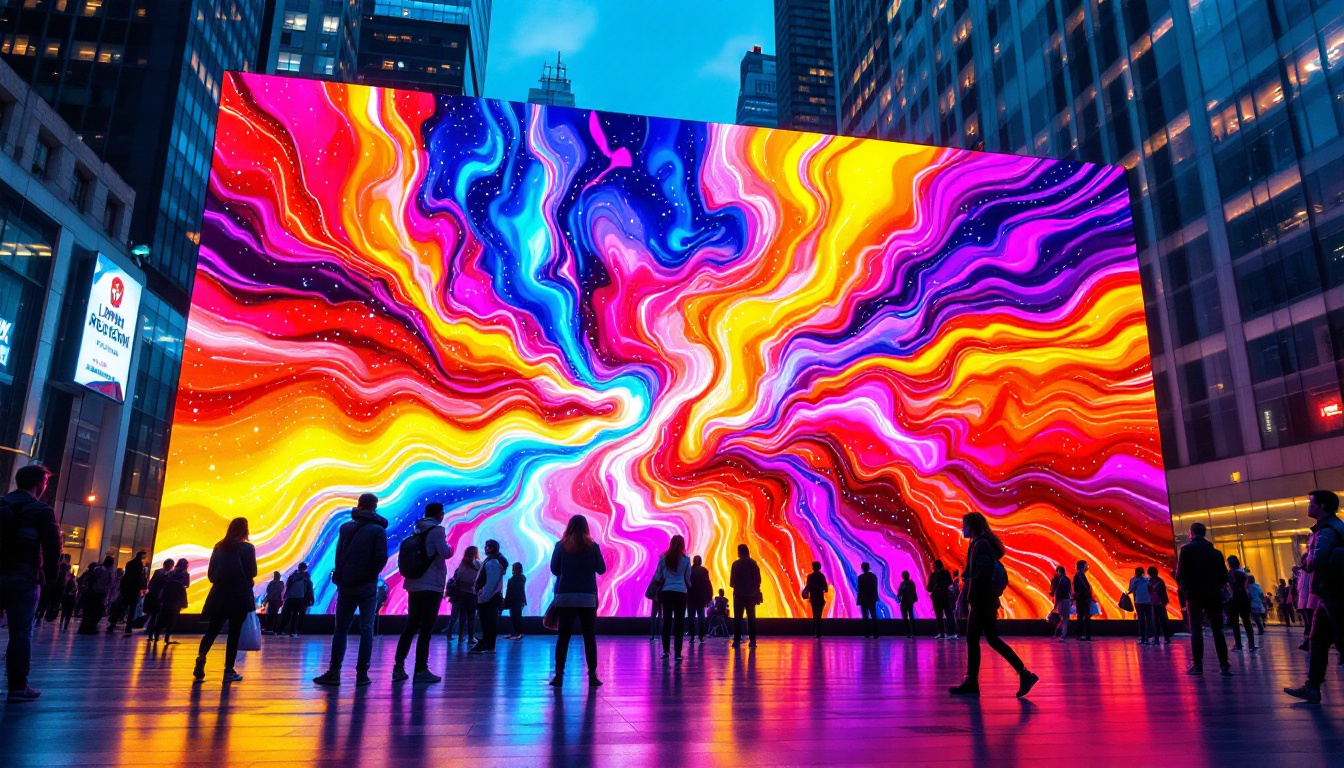
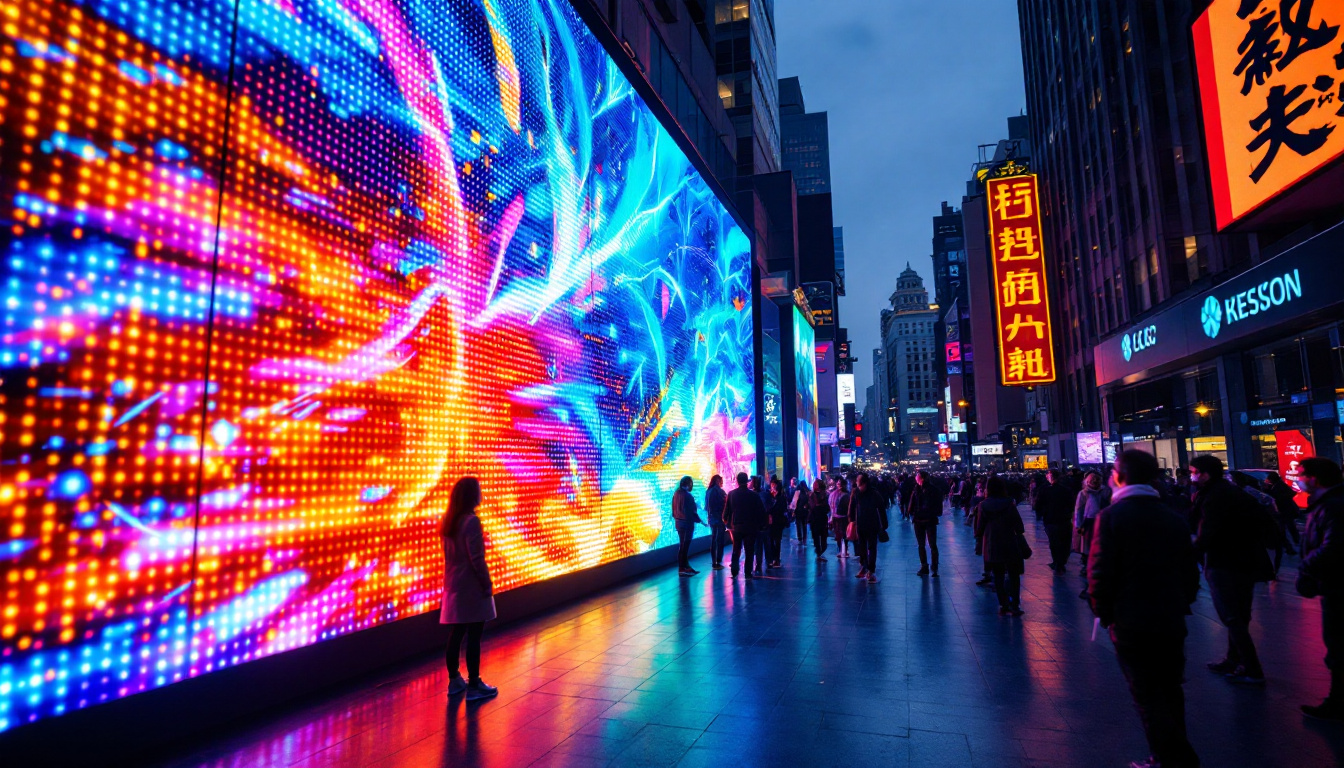
- Full-Color LED Video Walls: Large-scale displays composed of many LED modules, capable of showing high-resolution video content in outdoor and indoor environments.
In addition to these categories, there are also specialized LED displays designed for specific uses, such as transparent LED screens that allow viewers to see through them while still displaying vibrant content. These innovative displays are increasingly being used in retail environments, where they can showcase products without obstructing the view of the store. Another notable type is flexible LED displays, which can be bent or shaped to fit unconventional spaces, opening up new possibilities for creative installations in art and architecture. With the rapid advancements in LED technology, the potential applications continue to expand, making them a cornerstone of modern visual communication.
Comparing Programmable LCD and LED Displays
Brightness and Visibility
One of the most notable differences between LCD and LED displays is brightness. LED displays generally offer superior brightness levels, often exceeding 1,000 nits, which makes them highly visible in bright environments such as outdoor signage. In contrast, LCDs rely on backlighting, which can limit their effectiveness under direct sunlight.
Power Consumption
LCDs typically consume less power than LED displays, especially when displaying static content. This efficiency makes LCDs suitable for battery-powered devices and applications where energy conservation is critical. However, advancements in LED technology, such as organic LEDs (OLEDs) and microLEDs, are narrowing this gap.
Color and Image Quality
Programmable LCDs excel in displaying sharp images and accurate colors, particularly in graphic LCDs with high pixel density. LED displays, especially full-color variants, offer vibrant colors and high contrast ratios, enhancing the visual impact of dynamic content.
Durability and Lifespan
LED displays generally boast longer lifespans and greater durability, especially in harsh environments. Their solid-state nature makes them resistant to shock and vibration, whereas LCDs can be more fragile due to their glass components.
Applications of Programmable LCD and LED Displays
Industrial and Commercial Uses
Programmable LCD displays are widely used in industrial control panels, medical devices, and handheld instruments where clear, customizable readouts are essential. Their low power consumption and sharp display make them ideal for embedded systems.
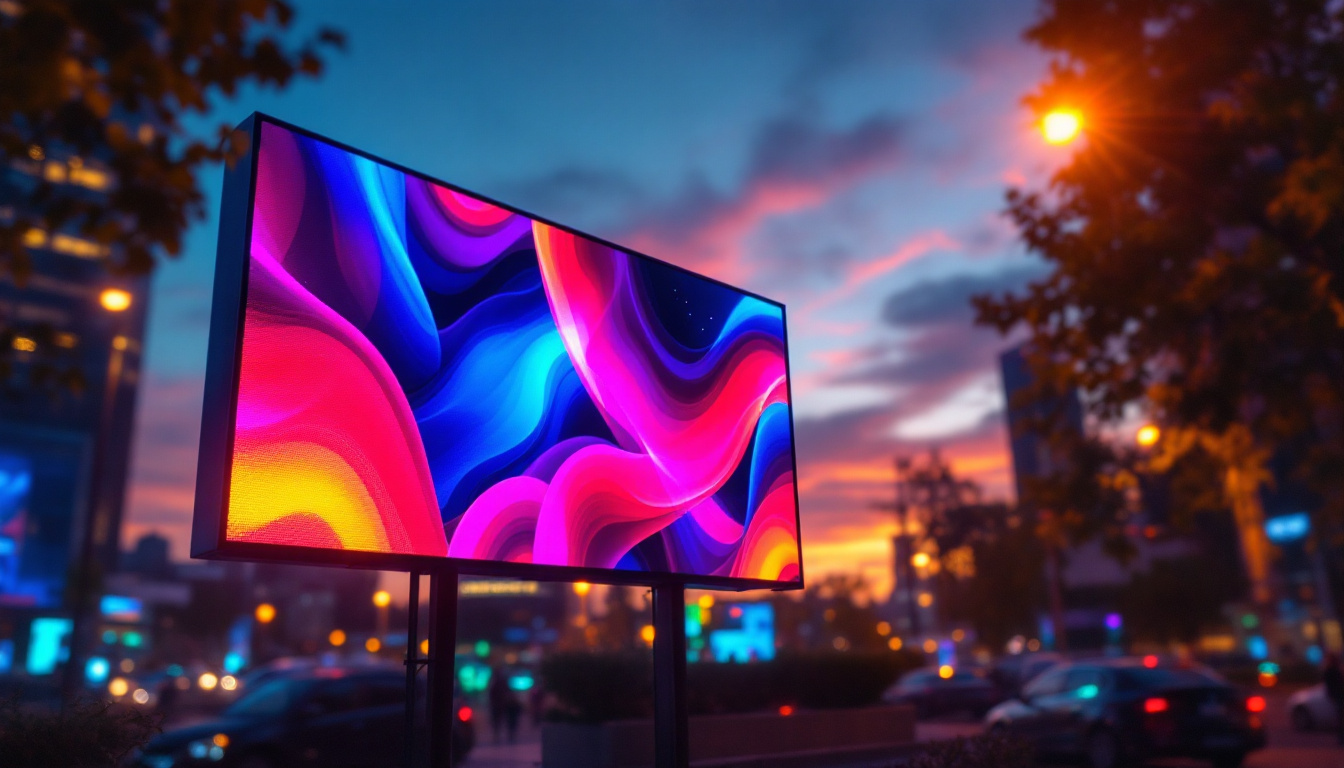
LED displays dominate in commercial advertising, public transportation signage, and event venues. Their brightness and scalability allow for large, eye-catching installations that can be updated in real time to deliver targeted messages.
Consumer Electronics
Many consumer devices, such as smartphones, smartwatches, and fitness trackers, use programmable LCD or OLED displays to provide interactive and customizable user interfaces. The choice between LCD and LED depends on factors like power efficiency, display quality, and cost.
Emerging Trends and Innovations
Recent advancements include microLED technology, which combines the benefits of LED brightness with LCD-like resolution and efficiency. Flexible and transparent programmable displays are also gaining traction, opening new possibilities in wearable technology and smart surfaces.
Choosing the Right Programmable Display for Your Project
Assessing Your Requirements
When selecting a programmable display, consider factors such as:
- Environment: Will the display be used indoors or outdoors? Brightness and durability needs vary accordingly.
- Content Type: Is the content primarily text, graphics, or video? This influences the choice between character, graphic LCDs, or full-color LED displays.
- Power Constraints: Battery-operated devices benefit from low-power LCDs, while mains-powered installations can leverage the brightness of LEDs.
- Budget: Cost considerations may affect the choice of display technology and size.
Integration and Programming Considerations
Evaluate the compatibility of the display’s communication protocols with your system’s hardware. Additionally, consider the availability of development tools, libraries, and community support to streamline programming and customization.
Future-Proofing Your Design
Opt for displays that support firmware updates and have modular designs to accommodate future upgrades. This approach ensures longevity and adaptability in a fast-changing technological landscape.
Conclusion
Programmable LCD and LED displays are foundational components in modern digital communication, each offering unique strengths tailored to specific applications. LCDs provide energy-efficient, high-resolution displays suited for embedded and portable devices, while LED displays deliver unmatched brightness and visual impact for large-scale and outdoor use.
Understanding the technical distinctions, advantages, and use cases of these display technologies enables informed decision-making and optimized design outcomes. As innovations continue to emerge, the convergence of LCD and LED technologies promises even more versatile and powerful display solutions in the near future.
Whether implementing a simple numeric readout or a complex full-color video wall, selecting the right programmable display technology is critical to achieving clarity, reliability, and engagement in any digital interface.
Discover Cutting-Edge LED Display Solutions with LumenMatrix
Ready to elevate your digital communication with unparalleled brightness and visual impact? LumenMatrix is at the forefront of LED display innovation, offering a diverse range of solutions that cater to any application. From captivating Indoor and Outdoor LED Wall Displays to dynamic Vehicle and Sports LED Displays, and even bespoke Custom LED solutions, we have the technology to transform your space and message. Embrace the future of visual engagement with our All-in-One and Transparent LED Displays. Don’t just share your message—make it resonate with clarity and vibrancy. Check out LumenMatrix LED Display Solutions today and see how we can help you create unforgettable visual experiences.