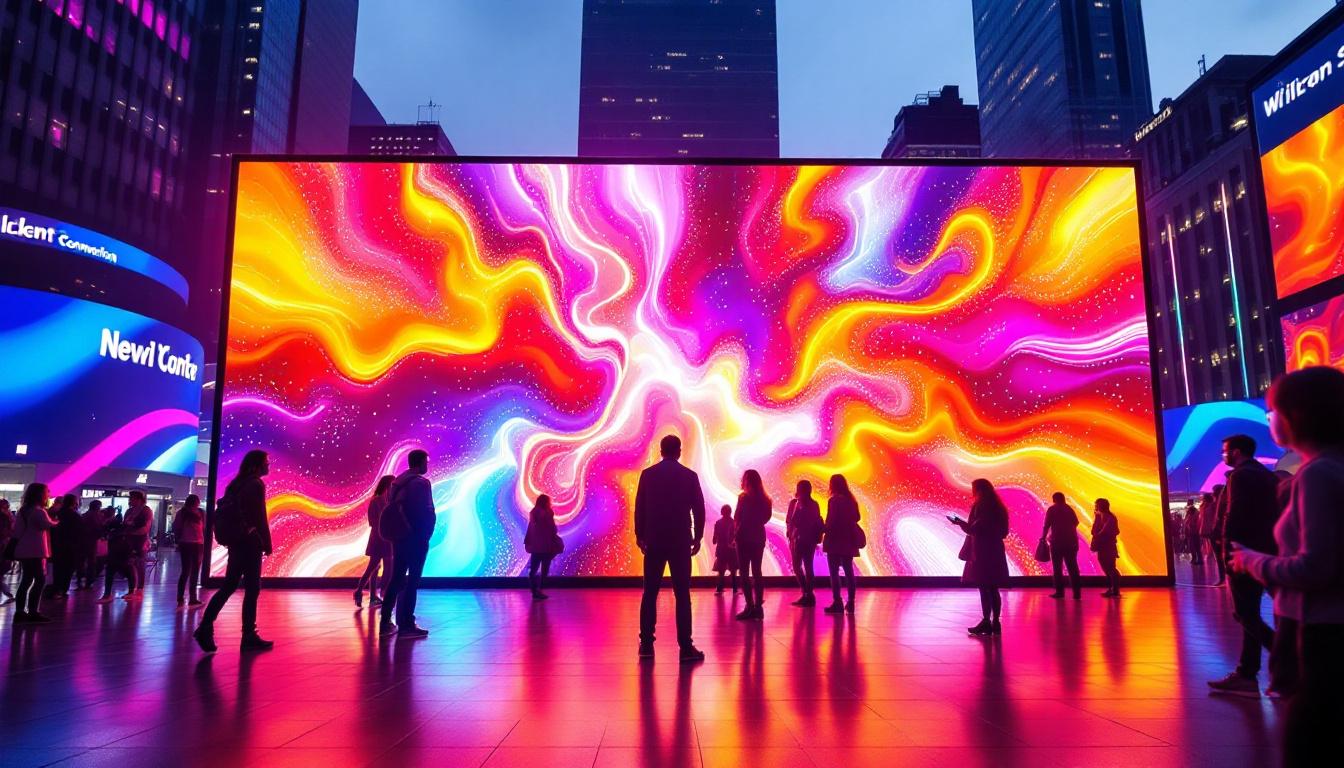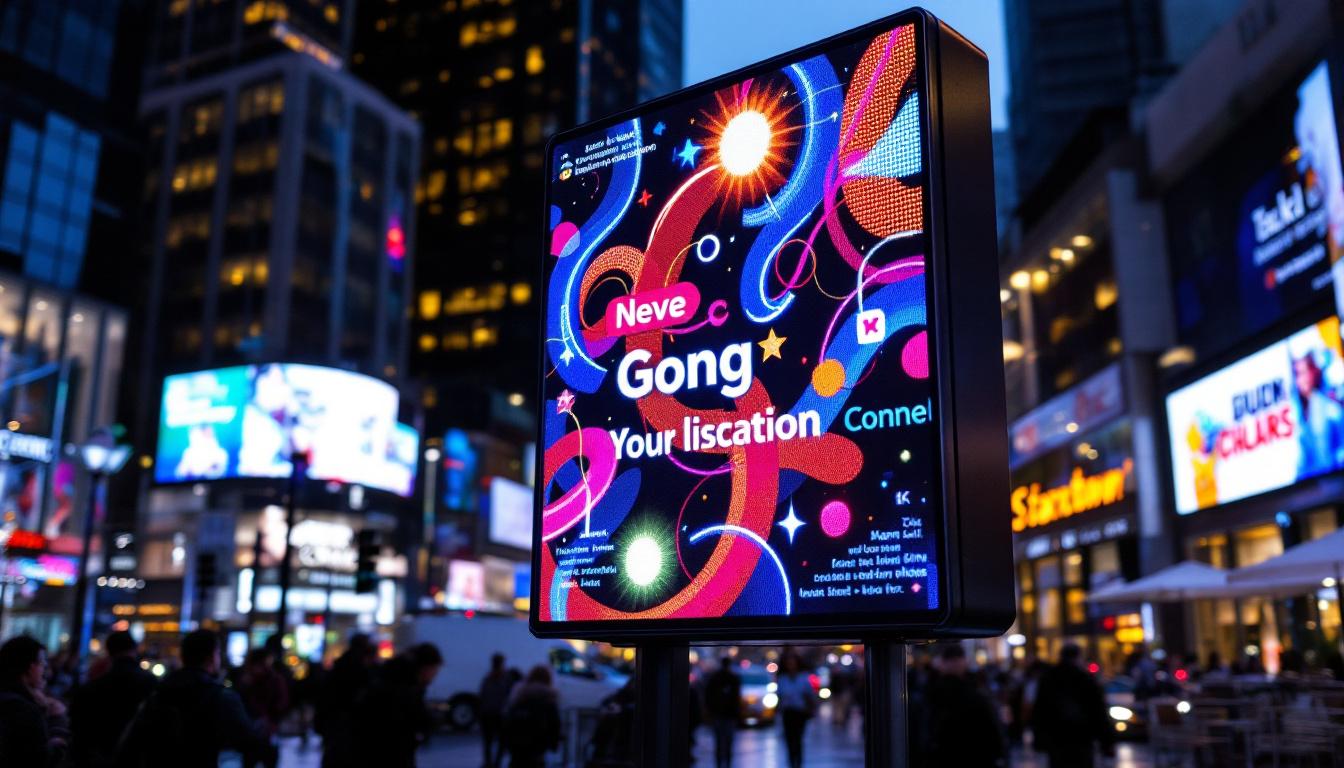
In today’s fast-paced digital world, capturing attention quickly and effectively is paramount for businesses, public institutions, and event organizers alike. Programmable LED signage has emerged as a powerful tool to communicate dynamic messages with vivid clarity and versatility. From bustling city centers to retail storefronts, LED displays are transforming how information is presented and perceived.
This comprehensive guide delves into the technology behind programmable LED signage, exploring its components, benefits, applications, and considerations for selecting the right display. Whether you’re a business owner, marketer, or technology enthusiast, understanding LED displays will empower you to leverage this innovative medium to its fullest potential.
What is Programmable LED Signage?
Programmable LED signage refers to digital displays composed of light-emitting diodes (LEDs) that can be controlled and updated remotely or on-site to show various types of content. Unlike traditional static signs, these displays can present text, images, animations, and videos, all programmable through specialized software.
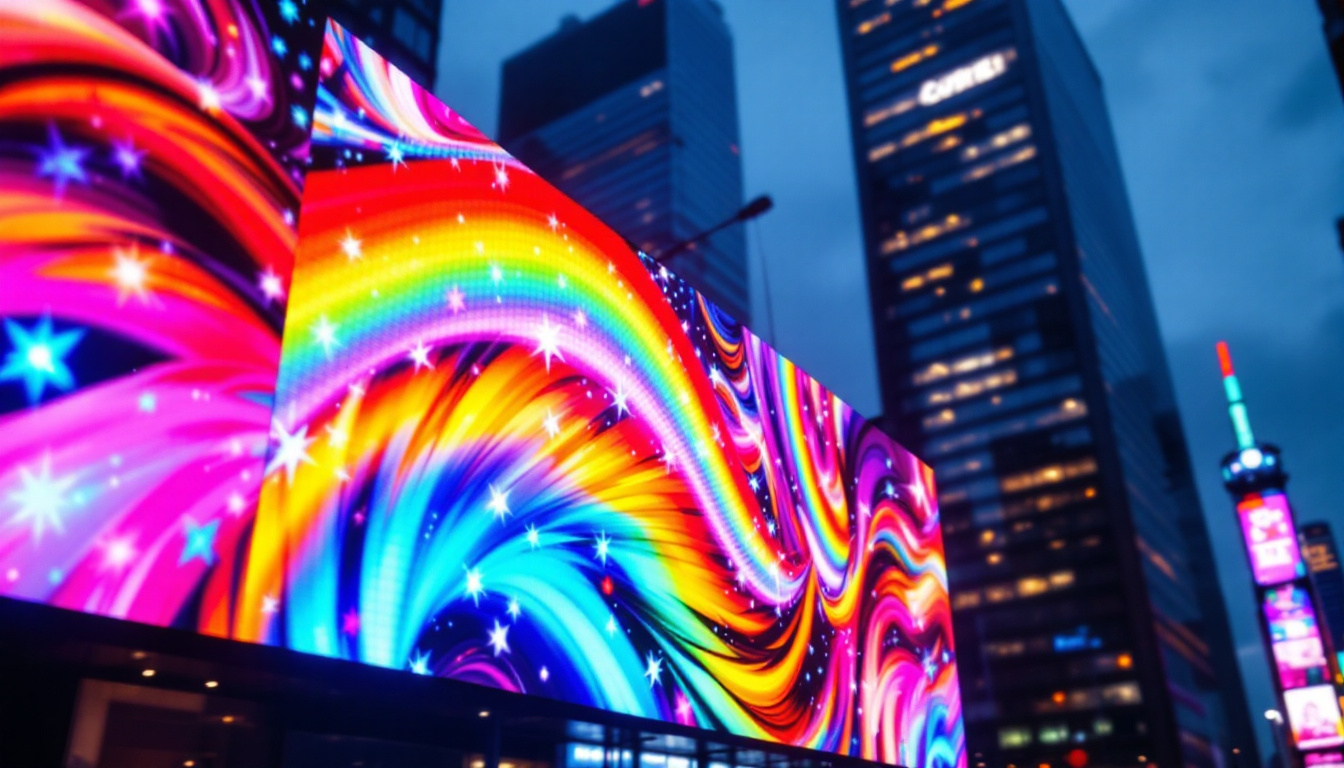
These signs are typically modular, allowing for customization in size and resolution depending on the intended use. The ability to change content in real-time makes programmable LED signage highly adaptable for advertising, information dissemination, and entertainment. Businesses can leverage this technology to create eye-catching displays that can attract attention and engage customers, making them an invaluable tool in competitive markets. For instance, a retail store might use vibrant animations to highlight sales or new products, while a sports arena could display live scores and updates, enhancing the overall spectator experience.
How LED Technology Works
At the core of these displays are LEDs—semiconductor devices that emit light when an electric current passes through them. Each LED acts as a pixel in the display, and by combining thousands or millions of these pixels, the sign can render complex visuals.
LEDs are energy-efficient, durable, and capable of producing bright, vibrant colors visible even in direct sunlight. This makes them ideal for both indoor and outdoor applications. The color and brightness of each pixel are controlled by varying the intensity of red, green, and blue (RGB) LEDs, enabling millions of color combinations. Additionally, advancements in LED technology have led to the development of high-definition displays that offer improved clarity and detail, making them suitable for a wide range of applications, from advertising billboards to artistic installations that captivate audiences.
Programmability and Control Systems
Programmable LED signage is managed through control systems that allow users to upload, schedule, and modify content. These systems range from simple USB-based solutions to sophisticated cloud platforms that enable remote management from anywhere in the world.
Modern LED signage software often includes features such as real-time data integration, automated scheduling, and interactive capabilities. This enhances the flexibility and effectiveness of the signage, allowing for dynamic campaigns and timely updates. For example, businesses can integrate social media feeds to display live customer interactions or use weather data to adjust messaging based on current conditions, creating a more personalized experience for viewers. Furthermore, the ability to analyze viewer engagement through analytics tools allows businesses to refine their content strategies, ensuring that the messaging resonates with their target audience and maximizes impact.
Types of Programmable LED Displays
LED signage comes in various formats tailored to specific needs and environments. Understanding these types helps in selecting the right solution for your application.
Indoor LED Displays
Indoor LED displays are designed for environments such as shopping malls, airports, conference centers, and retail stores. They typically have higher pixel density for close viewing distances, delivering sharp images and text.
These displays are often used for digital menu boards, wayfinding, event information, and promotional content. Because they operate in controlled lighting conditions, their brightness levels are optimized to reduce glare and eye strain.
Outdoor LED Displays
Outdoor LED signage must withstand varying weather conditions, including rain, wind, and extreme temperatures. These displays are built with robust enclosures and waterproof components to ensure durability.
Brightness is a critical factor for outdoor displays, as they need to be visible in direct sunlight. Typical outdoor LED signs can reach brightness levels of 5,000 to 10,000 nits, significantly higher than indoor models.
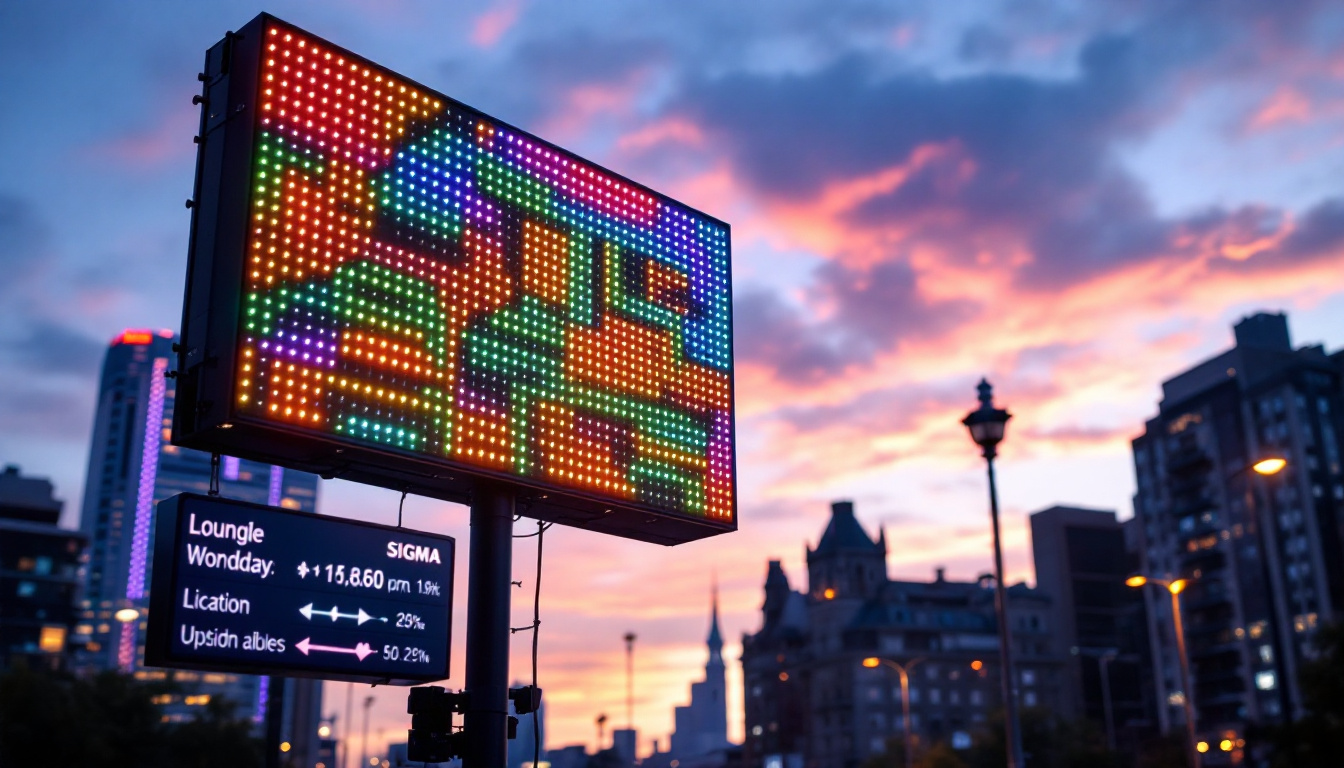
Common uses include billboards, traffic signs, stadium screens, and public information boards.
Flexible and Transparent LED Displays
Innovations in LED technology have led to flexible and transparent displays, which open new possibilities for creative installations. Flexible LED panels can curve around surfaces, making them ideal for architectural applications and immersive environments.
Transparent LED displays allow light to pass through, enabling their use on glass surfaces without obstructing views. This technology is popular in retail storefronts and vehicle windows, blending digital content with physical surroundings.
Benefits of Programmable LED Signage
Programmable LED signage offers a range of advantages that make it a compelling choice for modern communication needs.
Dynamic Content and Real-Time Updates
One of the most significant benefits is the ability to change content instantly. Whether promoting a flash sale, displaying emergency alerts, or updating schedules, LED signage can be refreshed in real-time without the cost or delay of printing new materials.
This flexibility supports targeted marketing campaigns and timely messaging, improving engagement and relevance.
High Visibility and Impact
LED displays are bright and colorful, ensuring messages stand out even in crowded or visually noisy environments. Their high contrast and wide viewing angles make them effective for capturing attention from various distances and perspectives.
Studies have shown that digital signage can increase brand recall by up to 83% compared to static signs, highlighting the impact of dynamic visuals.
Energy Efficiency and Longevity
LED technology is inherently energy-efficient, consuming significantly less power than traditional incandescent or neon signs. This translates to lower operating costs and a reduced environmental footprint.
Additionally, LEDs have a long lifespan, often exceeding 100,000 hours of operation, which minimizes maintenance and replacement expenses.
Customization and Scalability
Programmable LED signage can be tailored in size, shape, and resolution to fit specific requirements. Whether it’s a small digital menu board or a massive stadium screen, the modular nature of LED panels allows for scalable solutions.
This adaptability ensures that organizations can invest in signage that grows with their needs.
Applications of Programmable LED Signage
The versatility of programmable LED signage makes it suitable for a wide array of industries and purposes.
Retail and Advertising
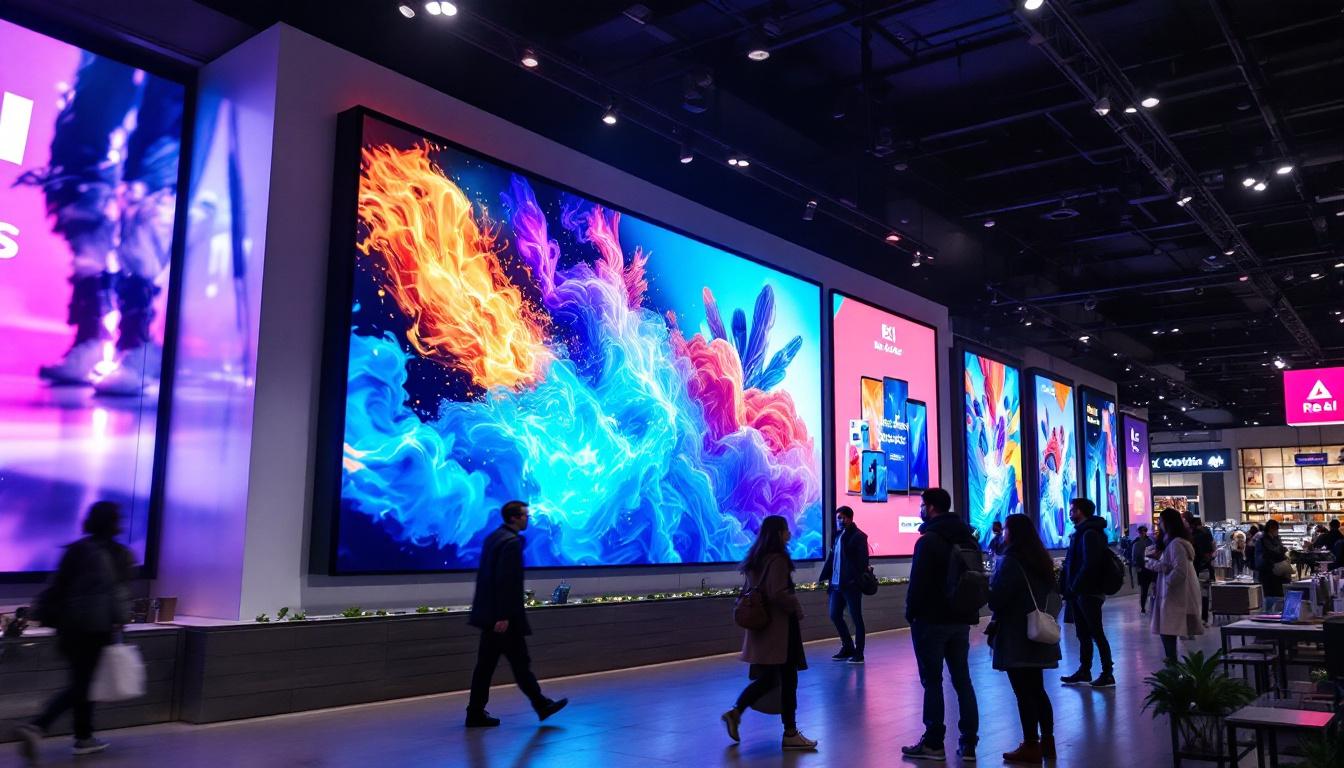
Retailers leverage LED signage to promote products, announce sales, and enhance the shopping experience. Dynamic displays can adapt to different times of day or customer demographics, increasing the effectiveness of marketing efforts.
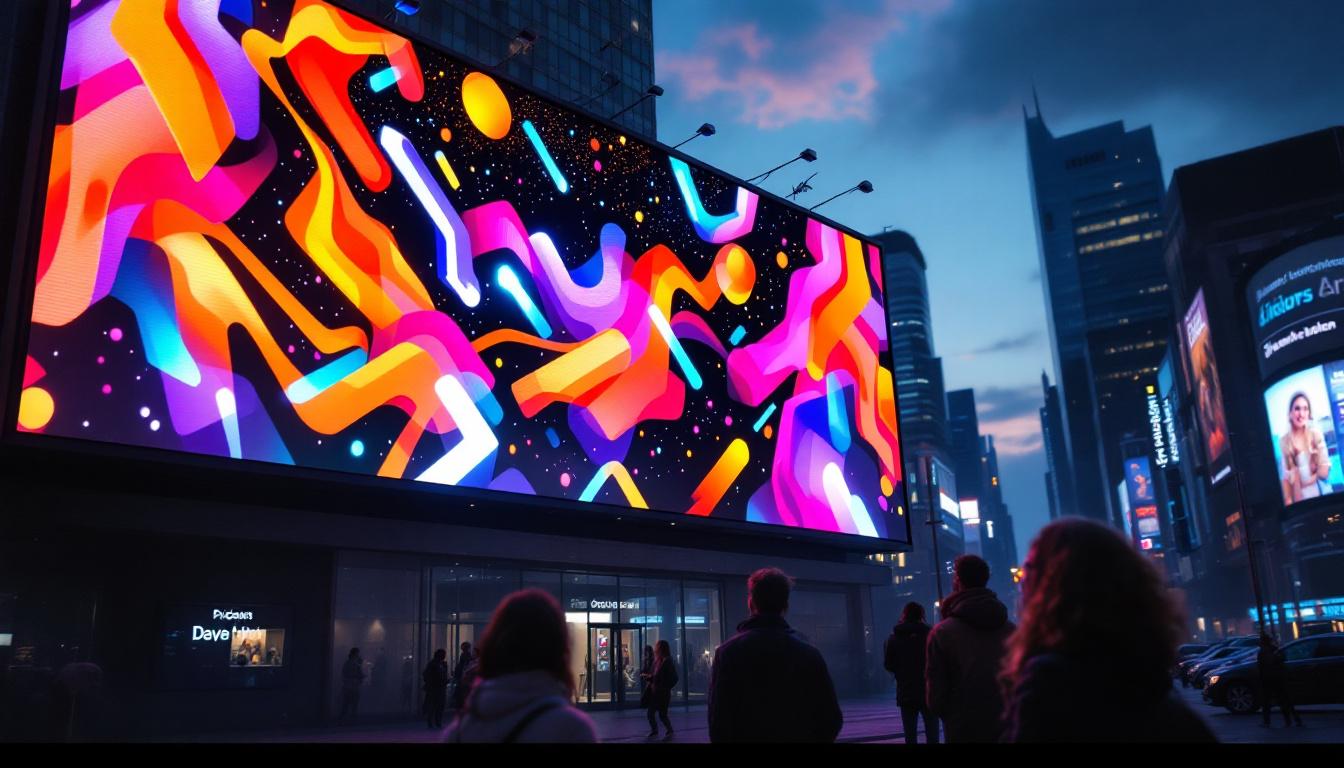
Digital billboards and roadside LED signs also dominate outdoor advertising, offering high-impact visibility to passing traffic.
Transportation and Public Information
Airports, train stations, and bus terminals use programmable LED displays to provide real-time schedules, gate information, and safety announcements. This improves passenger experience by delivering timely and accurate updates.
Traffic management systems employ LED signage for variable message signs, alerting drivers to road conditions, speed limits, and incidents.
Events and Entertainment
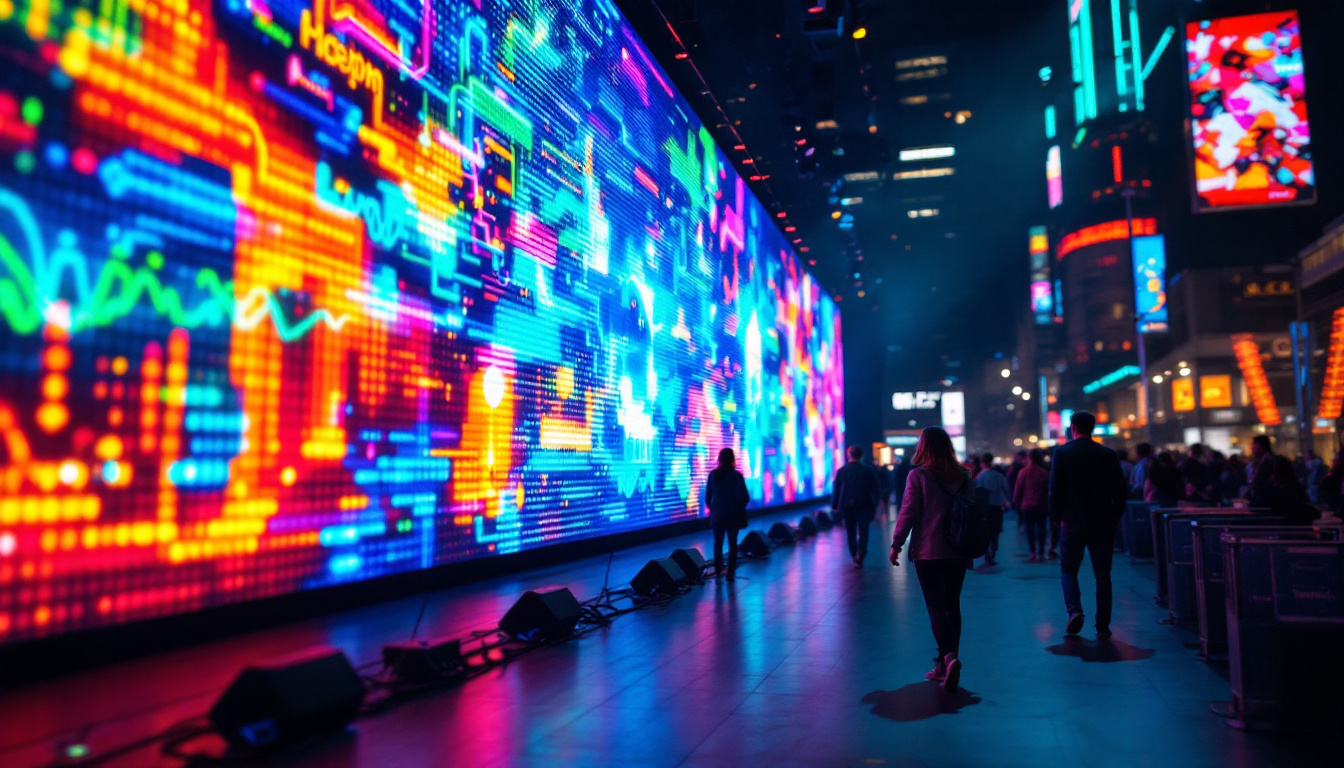
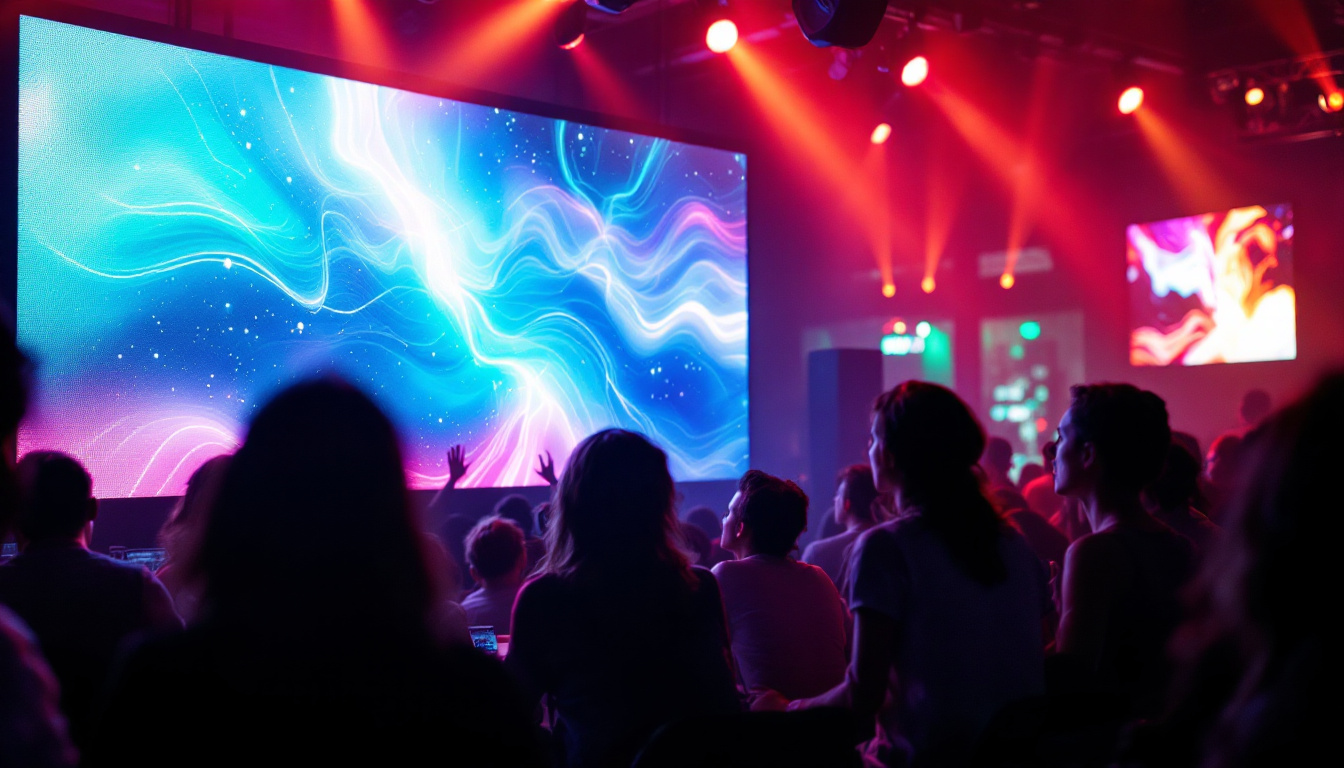
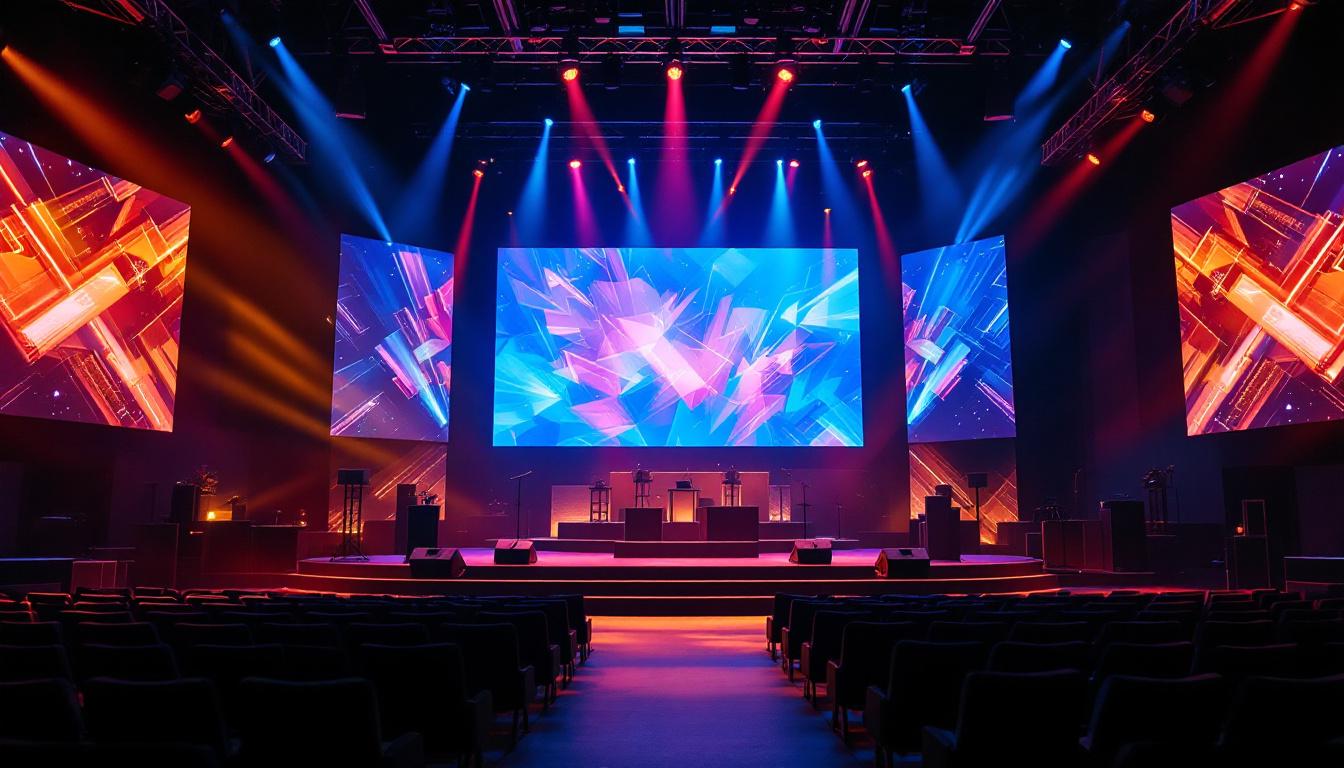
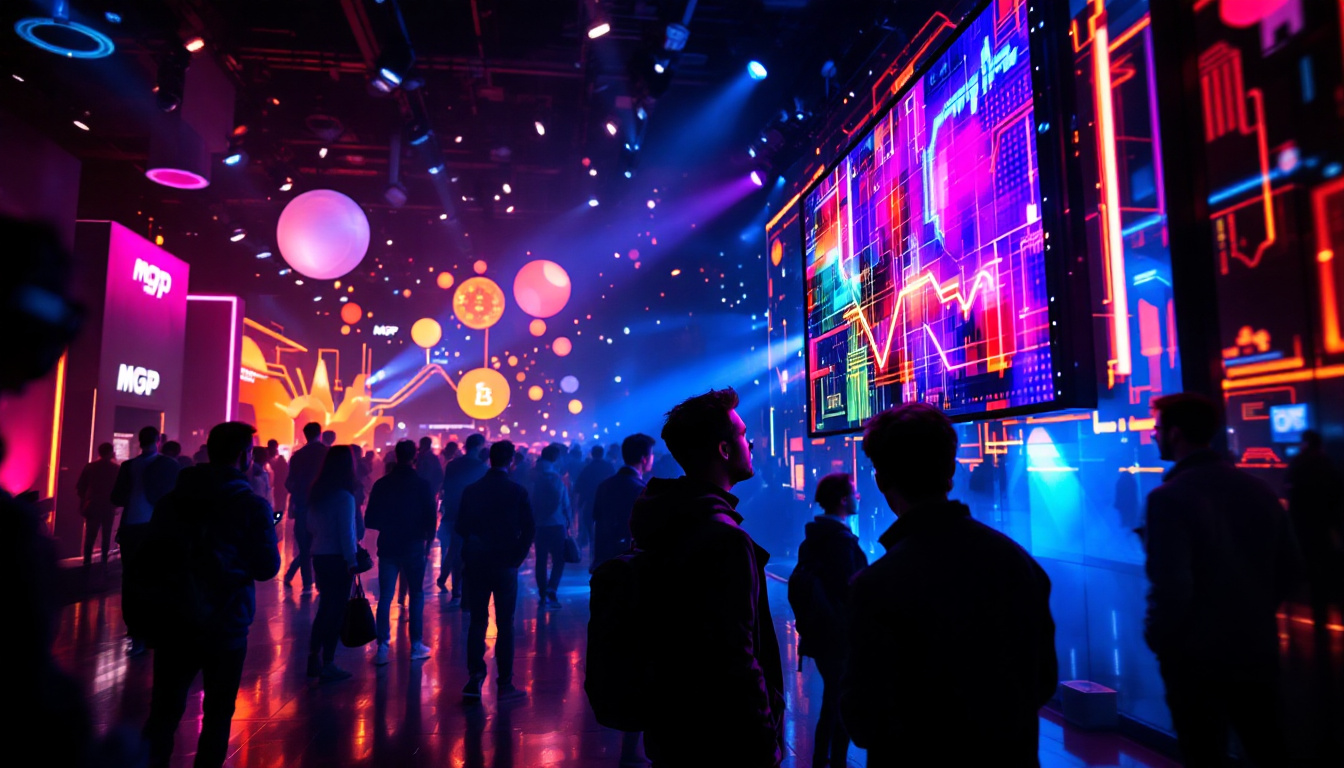
Concerts, sports events, and exhibitions utilize large LED screens to display live feeds, scores, advertisements, and interactive content. The ability to program content on the fly enhances audience engagement and event production quality.
Corporate and Educational Environments
Businesses and educational institutions use programmable LED signage for internal communications, wayfinding, and branding. Digital notice boards and meeting room displays streamline information sharing and improve organizational efficiency.
Key Considerations When Choosing Programmable LED Signage
Selecting the right LED display requires careful evaluation of several factors to ensure it meets your specific needs and budget.
Resolution and Pixel Pitch
Resolution refers to the number of pixels in the display, while pixel pitch is the distance between the centers of adjacent pixels. A smaller pixel pitch results in higher resolution and sharper images, especially important for close viewing distances.
For indoor signage viewed up close, pixel pitches of 1 to 4 millimeters are common. Outdoor displays, which are viewed from farther away, typically have larger pixel pitches ranging from 10 to 25 millimeters.
Brightness and Contrast Ratio
Brightness, measured in nits, determines the visibility of the display under various lighting conditions. Outdoor signs require higher brightness levels to combat sunlight glare, whereas indoor signs benefit from balanced brightness to avoid eye strain.
The contrast ratio affects how well the display can differentiate between light and dark areas, influencing image quality and readability.
Durability and Environmental Protection
For outdoor applications, it’s essential to choose LED signage with appropriate ingress protection (IP) ratings to guard against dust and water. Additionally, displays should be resistant to temperature extremes and UV exposure to maintain performance over time.
Content Management Software
The software used to program and control the LED signage plays a crucial role in user experience. Look for intuitive interfaces, compatibility with various media formats, scheduling capabilities, and remote access features.
Integration with data sources, such as social media feeds or weather updates, can add dynamic elements to your content.
Installation and Maintenance
Consider the complexity of installation, including mounting options, power requirements, and connectivity. Modular designs facilitate easier maintenance and scalability.
Regular maintenance, such as cleaning and software updates, is necessary to ensure longevity and optimal performance.
Future Trends in Programmable LED Signage
As technology advances, programmable LED signage continues to evolve, offering new possibilities and enhanced capabilities.
Integration with Artificial Intelligence
AI-powered content management systems can analyze audience demographics, weather conditions, and other contextual data to deliver personalized and optimized messaging. This level of automation enhances engagement and campaign effectiveness.
Higher Resolution and Miniaturization
Emerging micro-LED technology promises even higher resolutions and more compact displays, expanding applications to smaller devices and wearable technology.
Interactive and Immersive Experiences
Touch-sensitive LED displays and augmented reality (AR) integrations are creating interactive signage that invites user participation, transforming passive viewers into active participants.
Sustainability and Energy Efficiency
Continued improvements in LED efficiency and the use of sustainable materials are reducing the environmental impact of digital signage, aligning with global sustainability goals.
Conclusion
Programmable LED signage represents a dynamic and versatile communication medium that continues to reshape the landscape of visual messaging. Its ability to deliver vibrant, real-time content across diverse environments makes it indispensable for businesses, public services, and entertainment venues.
Understanding the technology, types, benefits, and key considerations enables informed decisions that maximize the impact and return on investment of LED displays. As innovations continue to emerge, programmable LED signage will remain at the forefront of digital communication, captivating audiences and driving engagement in an increasingly connected world.
Discover Cutting-Edge LED Solutions with LumenMatrix
Ready to elevate your visual messaging with the latest in LED technology? LumenMatrix is at the forefront of innovative LED display solutions, offering a wide range of products from Indoor and Outdoor LED Wall Displays to specialized options like Vehicle LED Displays and Transparent LED Displays. Embrace the future of digital signage with LumenMatrix’s commitment to enhancing engagement and delivering unforgettable visual experiences. Check out LumenMatrix LED Display Solutions today and transform how you communicate with your audience.