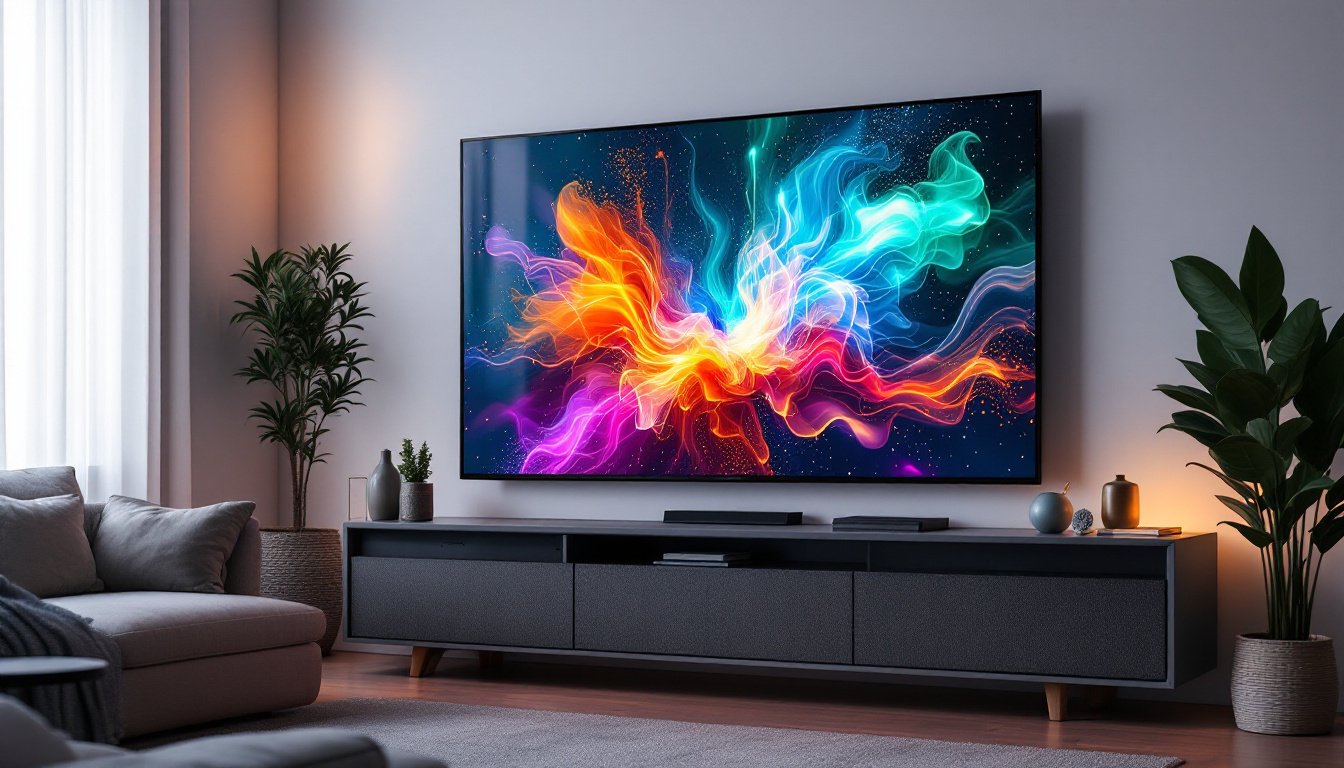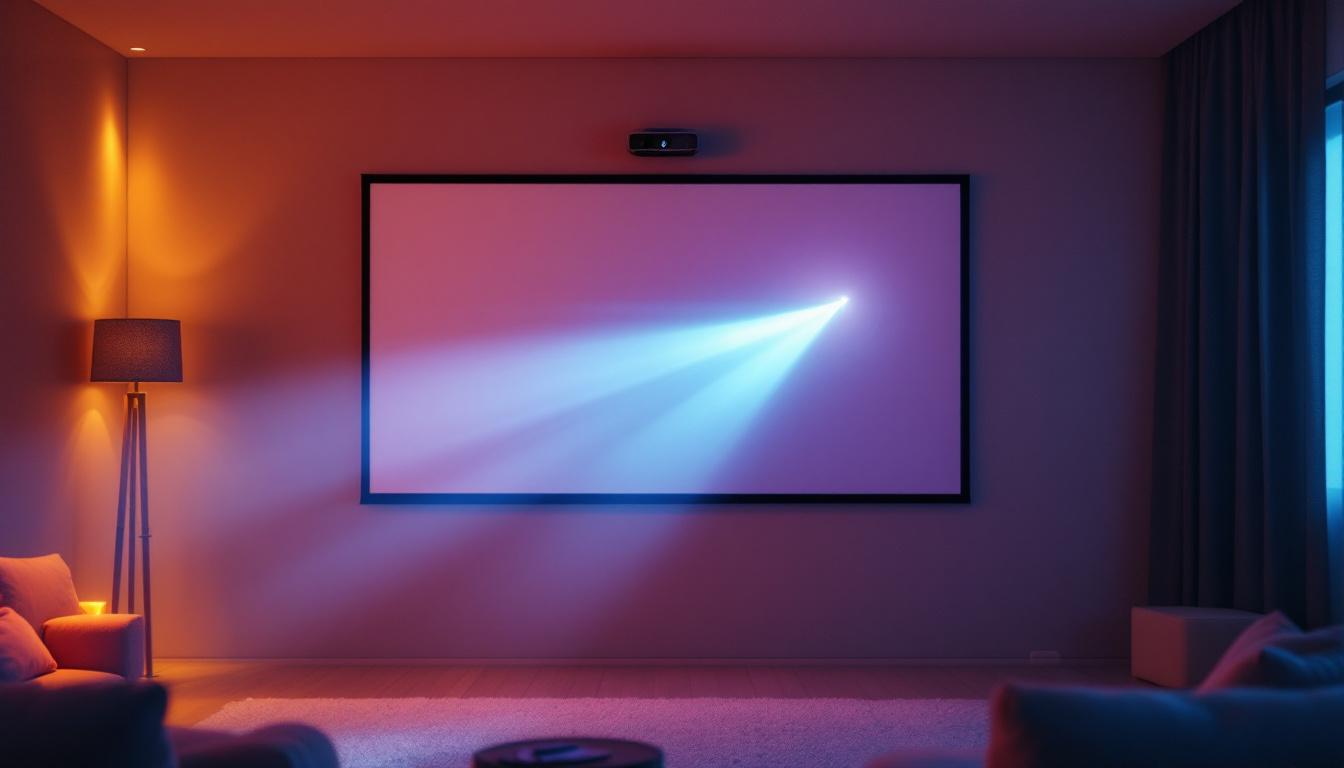
In recent years, the way people consume television content has evolved significantly. Traditional TV sets are increasingly being complemented or replaced by projectors that cast images directly onto walls, offering a cinematic experience within the comfort of home. Among the various projector technologies available, LED projectors have gained substantial popularity due to their efficiency, image quality, and longevity. This article explores the fundamentals of LED projectors designed for TV use on walls, explaining how they work, their advantages, and what to consider when choosing one.
Understanding LED Projectors: How They Work
LED projectors differ from traditional lamp-based projectors in the light source they use. Instead of a high-intensity discharge lamp, LED projectors utilize light-emitting diodes (LEDs) to generate the light necessary for image projection. This fundamental difference affects various aspects of performance, including brightness, color accuracy, and lifespan.
The Basics of LED Technology in Projection
LEDs produce light through electroluminescence, where an electric current passes through a semiconductor material, emitting photons. In projectors, multiple LEDs—typically red, green, and blue—combine to create the full color spectrum necessary for displaying images. This tri-color LED system allows for precise color reproduction and vibrant visuals.
Unlike traditional lamps, LEDs do not require warm-up time and can be turned on or off instantly. This makes them highly convenient for casual TV viewing, where users might want to start or stop the projection quickly without waiting. Additionally, the energy efficiency of LEDs means that they consume significantly less power than their lamp-based counterparts, making them not only cost-effective in the long run but also environmentally friendly.
Projection Mechanics: From Light to Image
After the LEDs generate light, it passes through a series of optical components that modulate the image. Most LED projectors use Digital Light Processing (DLP) or Liquid Crystal on Silicon (LCoS) technologies to control the image pixels. DLP projectors employ microscopic mirrors to reflect light, while LCoS projectors use liquid crystals to modulate light transmission.
The modulated light is then projected onto a flat surface—typically a wall or a dedicated screen. The quality of the projected image depends on factors such as resolution, brightness (measured in lumens), contrast ratio, and the projector’s throw distance (the distance between the projector and the wall). Furthermore, many modern LED projectors come equipped with advanced features like keystone correction and lens shift, which allow users to adjust the image to fit various screen sizes and shapes without compromising on quality.
In addition to these technical specifications, the portability of LED projectors has made them increasingly popular for both home and professional use. Many models are lightweight and compact, making them ideal for presentations on the go or for movie nights in different locations. This versatility opens up a world of possibilities for users, whether they are educators looking to enhance classroom engagement or families wanting to create an immersive home theater experience. The integration of smart technology in some LED projectors also allows for seamless connectivity with smartphones and streaming devices, further enhancing their usability and appeal.
Advantages of Using LED Projectors for TV on Wall
LED projectors offer several benefits that make them an attractive choice for home entertainment setups. Understanding these advantages can help consumers decide if an LED projector suits their needs better than conventional TVs or other projector types.
Longer Lifespan and Lower Maintenance
One of the most significant advantages of LED projectors is their extended lifespan. While traditional lamp-based projectors typically require lamp replacements every 2,000 to 4,000 hours, LED light sources can last up to 20,000 to 30,000 hours. This translates to years of use without the need for costly and inconvenient maintenance.
Additionally, LEDs generate less heat compared to traditional lamps, reducing the risk of overheating and component wear. This contributes to the overall durability and reliability of LED projectors.
Energy Efficiency and Environmental Impact
LED projectors consume significantly less power than their lamp-based counterparts. For example, a typical LED projector might use between 20 to 50 watts, whereas a traditional projector lamp can consume upwards of 200 watts. This efficiency not only reduces electricity bills but also aligns with growing consumer interest in environmentally friendly technology.
Moreover, LEDs do not contain hazardous materials like mercury, which is present in many traditional projector lamps. This makes LED projectors safer to dispose of and more eco-friendly.
Superior Color Performance and Image Quality
LED projectors are known for their vivid and accurate color reproduction. Because LEDs emit pure red, green, and blue light, they can produce a wider color gamut compared to lamp-based projectors. This results in richer, more lifelike images, which is particularly important for watching TV shows, movies, and sports where color detail enhances the viewing experience.
While LED projectors may not yet match the peak brightness of high-end lamp projectors, advances in LED technology have significantly narrowed this gap. Many modern LED projectors offer sufficient brightness for use in moderately lit rooms, making them practical for everyday TV viewing on a wall.
Choosing the Right LED Projector for Your TV Setup
Selecting the ideal LED projector for projecting TV content onto a wall involves considering several key factors. These factors influence the viewing experience and ensure that the projector meets the specific needs of the space and usage patterns.
Brightness and Room Lighting Conditions
Brightness is measured in lumens and determines how well the projected image will appear under various lighting conditions. For home TV viewing, a projector with 1,000 to 2,500 lumens is typically adequate, especially if the room can be darkened. However, if the room has ambient light or if the projector will be used during the day, higher brightness levels may be necessary to maintain image clarity.
It is also important to consider the color brightness, or color lumen rating, which reflects how vivid the colors will appear. Some projectors list both white and color brightness, and for TV viewing, a balanced color brightness is crucial for an immersive experience.
Resolution and Image Sharpness
Resolution determines the detail and sharpness of the projected image. For TV viewing, Full HD (1920×1080 pixels) is generally the minimum recommended resolution. Many LED projectors now support 4K resolution, providing ultra-sharp images that enhance modern high-definition content.
Higher resolution projectors are particularly beneficial for larger projection sizes, where lower resolutions might result in pixelation and reduced image quality.
Throw Distance and Screen Size
The throw distance is the space between the projector and the wall where the image is displayed. Depending on the room size and layout, users may require a short-throw or ultra-short-throw projector that can produce large images from a short distance.
Short-throw projectors are ideal for smaller rooms or setups where the projector cannot be placed far from the wall. They also reduce shadows and glare caused by people moving in front of the projector beam during viewing.
Connectivity and Smart Features
Modern LED projectors often come equipped with multiple input options such as HDMI, USB, and wireless connectivity. This flexibility allows users to connect streaming devices, gaming consoles, or directly cast content from smartphones and laptops.
Some projectors also feature built-in smart TV platforms, enabling access to popular streaming services without the need for external devices. This integration simplifies the setup and enhances the convenience of using a projector as a primary TV display.
Setting Up Your LED Projector for Optimal TV Viewing
Proper setup is essential to maximize the performance of an LED projector when used for TV viewing on a wall. Several factors influence the image quality and overall experience.
Choosing the Right Wall or Screen Surface
The surface onto which the image is projected significantly affects picture quality. While a plain white wall can suffice, dedicated projector screens or specially painted projection walls provide better reflectivity and color accuracy.
Matte white surfaces are preferred to avoid glare and hotspots. If using a wall, ensure it is smooth and free from textures or patterns that may distort the image.
Adjusting Projector Placement and Alignment
Position the projector at the correct distance and height to achieve the desired image size and focus. Many projectors include keystone correction and lens shift features that help adjust the image shape and position to fit the wall perfectly.
Ensuring the projector is stable and aligned perpendicular to the wall prevents distortion and maintains image clarity.
Optimizing Room Lighting and Acoustics
Controlling ambient light enhances image visibility. Using blackout curtains or dimmable lighting can create an ideal viewing environment. Additionally, considering room acoustics and speaker placement improves the overall entertainment experience, as projector speakers may not always provide sufficient sound quality.
Comparing LED Projectors to Other Projection Technologies
While LED projectors offer many benefits, it is useful to understand how they compare to other common projector types such as lamp-based and laser projectors.
LED vs. Lamp-Based Projectors
Lamp-based projectors have traditionally dominated the market due to their high brightness and lower initial cost. However, they require frequent lamp replacements and generate more heat. LED projectors, while often more expensive upfront, provide longer service life, better color accuracy, and lower maintenance costs.
LED vs. Laser Projectors
Laser projectors represent a newer technology that offers extremely high brightness and excellent color performance. They also have long lifespans similar to LEDs but usually come with a higher price tag. For typical home TV viewing, LED projectors strike a balance between cost, performance, and convenience.
Conclusion: Is an LED Projector the Right Choice for Your TV on Wall Setup?
LED projectors have emerged as a compelling option for those seeking a versatile, high-quality display solution for TV viewing on walls. Their long lifespan, energy efficiency, and vibrant color reproduction make them particularly well-suited for home entertainment environments.
When selecting an LED projector, consider factors such as brightness, resolution, throw distance, and connectivity to ensure it meets your specific needs. Proper setup and room preparation further enhance the viewing experience, bringing the big-screen cinema feel into your living room.
As technology continues to advance, LED projectors are becoming more accessible and feature-rich, promising a bright future for wall-mounted TV projection.
Discover the Future of Home Entertainment with LumenMatrix
Ready to elevate your home viewing experience with the latest in LED display technology? LumenMatrix offers a wide range of innovative LED display solutions that are perfect for creating an immersive TV on wall setup. From Indoor LED Wall Displays to Custom LED Displays, our products are designed to bring your favorite content to life with unparalleled brightness, resolution, and color accuracy. Check out LumenMatrix LED Display Solutions today and transform the way you watch TV with a display that’s as vibrant and dynamic as your viewing needs.