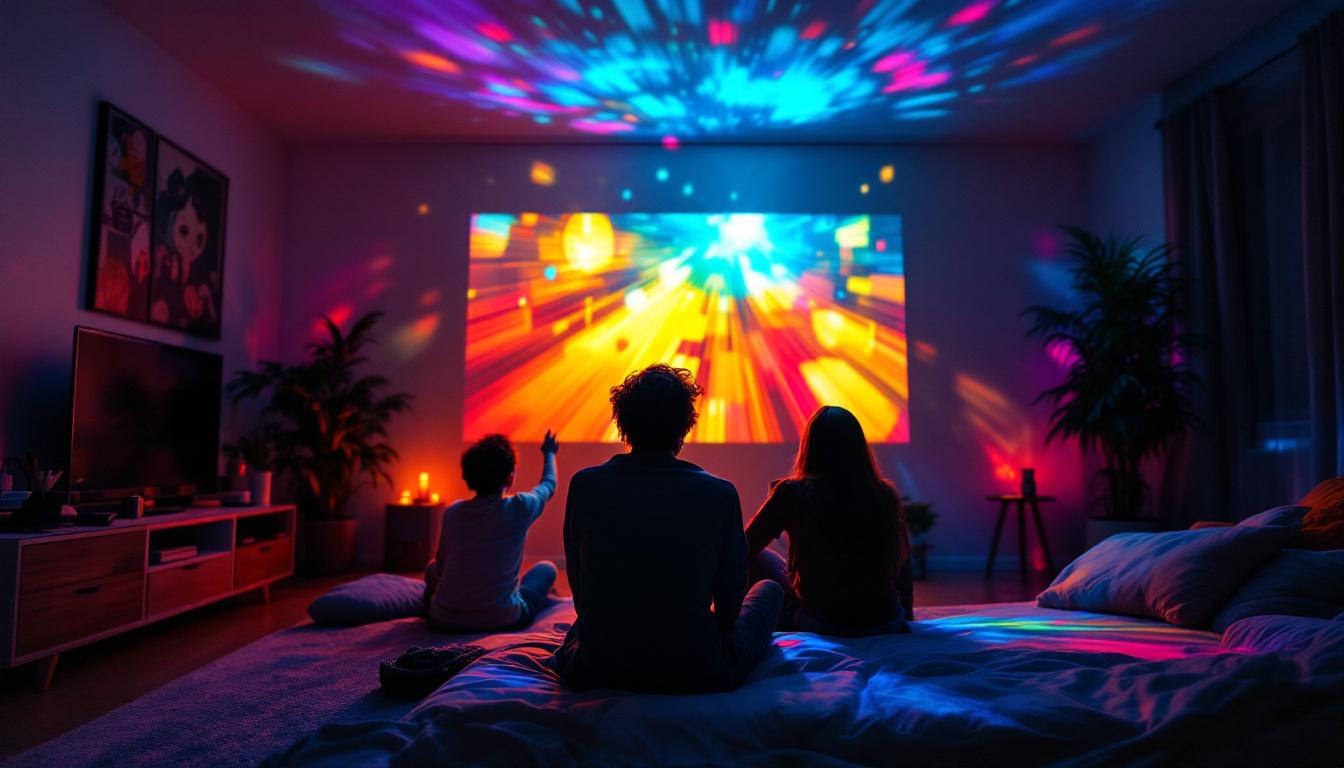
In recent years, the rapid evolution of indoor projection technology has transformed how businesses, educators, and homeowners approach visual displays. Among the various technologies available, LED projector lights stand out for their efficiency, brightness, and versatility. This article delves into the fundamentals of indoor projector lights with a focus on LED displays, exploring how they work, their advantages, and practical applications.
Understanding LED Projector Lights
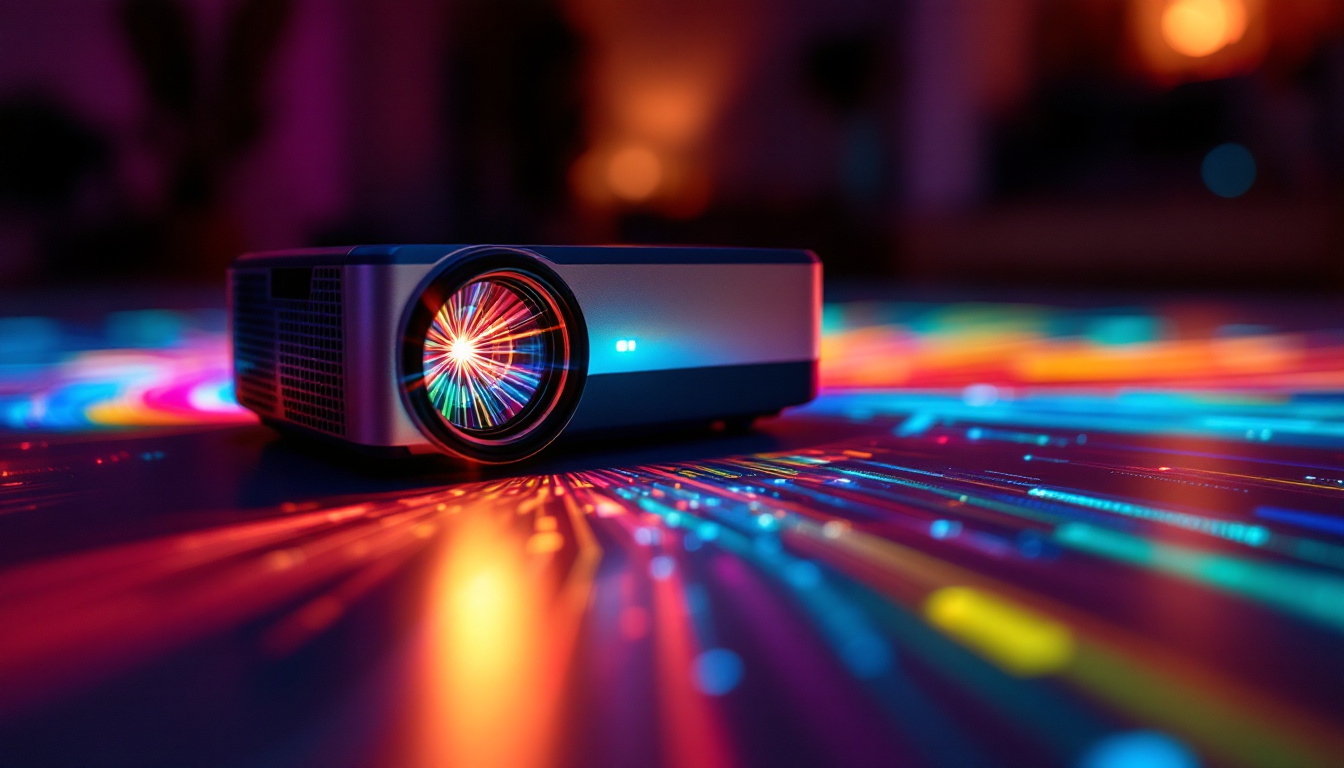
LED projector lights utilize light-emitting diodes (LEDs) as their primary light source, replacing traditional lamps such as halogen or metal halide bulbs. This shift has been pivotal in enhancing projector performance, especially for indoor environments where controlled lighting conditions are common. The transition to LED technology not only improves energy efficiency but also significantly extends the lifespan of projectors, making them a more sustainable option for both casual users and professional settings.
How LED Projectors Work
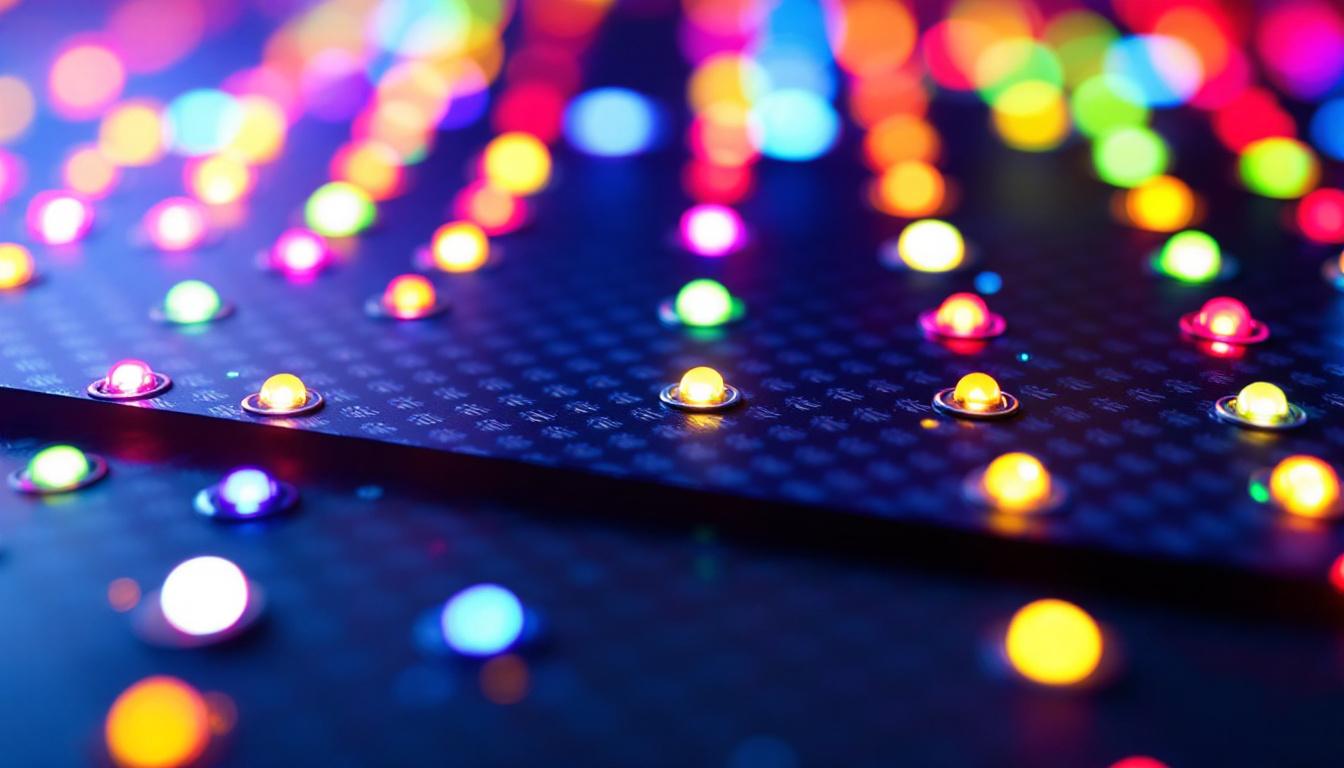
At the core of an LED projector is the LED light engine, which generates light through semiconductor diodes. Unlike conventional lamps that produce light by heating a filament or vaporizing metal, LEDs emit light when an electric current passes through them. This process results in a more stable and consistent light output. Additionally, LED projectors often have the advantage of being able to reach full brightness almost instantly, eliminating the warm-up time associated with traditional bulb projectors.
The emitted light is then directed through a series of optical components, including lenses and mirrors, to project images onto a screen or wall. The image itself is created using Digital Light Processing (DLP), Liquid Crystal Display (LCD), or Liquid Crystal on Silicon (LCoS) technologies, each manipulating the light in different ways to produce vivid visuals. For instance, DLP technology uses micro-mirrors to reflect light, allowing for smoother motion and better color accuracy, while LCD technology utilizes liquid crystals to filter light and create sharp images, making it ideal for presentations and detailed graphics.
Key Components of LED Projectors
Understanding the main components helps clarify why LED projectors are gaining popularity:
- LED Light Source: Provides long-lasting, energy-efficient illumination with minimal heat generation.
- Optical Engine: Includes lenses and mirrors that shape and direct the light beam.
- Imaging Technology: DLP, LCD, or LCoS chips that modulate light to form images.
- Cooling System: Maintains optimal operating temperature, ensuring durability.
Moreover, many modern LED projectors come equipped with additional features that enhance user experience. For instance, some models offer built-in speakers, reducing the need for external audio equipment, while others include wireless connectivity options, allowing users to stream content directly from their devices. This versatility makes LED projectors suitable for a variety of applications, from home theater setups to business presentations and educational environments. As technology continues to evolve, we can expect further advancements in LED projectors, including improved resolution and color accuracy, making them an even more compelling choice for visual display needs.
Advantages of LED Projector Lights for Indoor Use
When selecting a projector for indoor applications, factors such as brightness, color accuracy, lifespan, and maintenance requirements are crucial. LED projectors excel in these areas, making them an attractive choice.
Energy Efficiency and Longevity
One of the most significant benefits of LED projectors is their energy efficiency. LEDs consume considerably less power than traditional projector lamps, reducing electricity costs and environmental impact. For example, an LED projector may use 30-50% less energy than a comparable lamp-based model.
Moreover, LED light sources have an impressive lifespan, often exceeding 20,000 to 30,000 hours of use. This longevity translates to fewer replacements and lower maintenance expenses over time, a critical consideration for businesses and institutions deploying multiple units.
Superior Color Performance
LED projectors are known for their vibrant and accurate color reproduction. The nature of LED light allows for a wider color gamut, which means richer reds, greens, and blues. This capability is particularly advantageous in settings where image quality is paramount, such as art galleries, conference rooms, and classrooms.
Additionally, LED projectors maintain consistent color performance throughout their lifespan, unlike lamp-based projectors whose colors may degrade as the lamp ages.
Instant On/Off and Low Heat Output
Unlike traditional projectors that require warm-up and cool-down periods, LED projectors power on and off almost instantly. This feature enhances user convenience and reduces waiting times during presentations or events.
LEDs also generate less heat, minimizing the need for bulky cooling systems and allowing for more compact projector designs. The reduced heat output also contributes to safer operation and less strain on surrounding equipment.
Applications of LED Projector Lights Indoors
LED projectors have found a broad range of indoor applications due to their adaptability and performance. Understanding these use cases can help potential buyers identify whether LED projection technology fits their needs.
Corporate and Educational Environments
In offices and educational institutions, LED projectors are increasingly replacing traditional models for presentations, training sessions, and lectures. Their sharp image quality and reliable performance ensure that content is delivered clearly, enhancing engagement and comprehension.
Furthermore, the low maintenance and energy efficiency of LED projectors align well with institutional budgets and sustainability goals.
Home Theaters and Entertainment
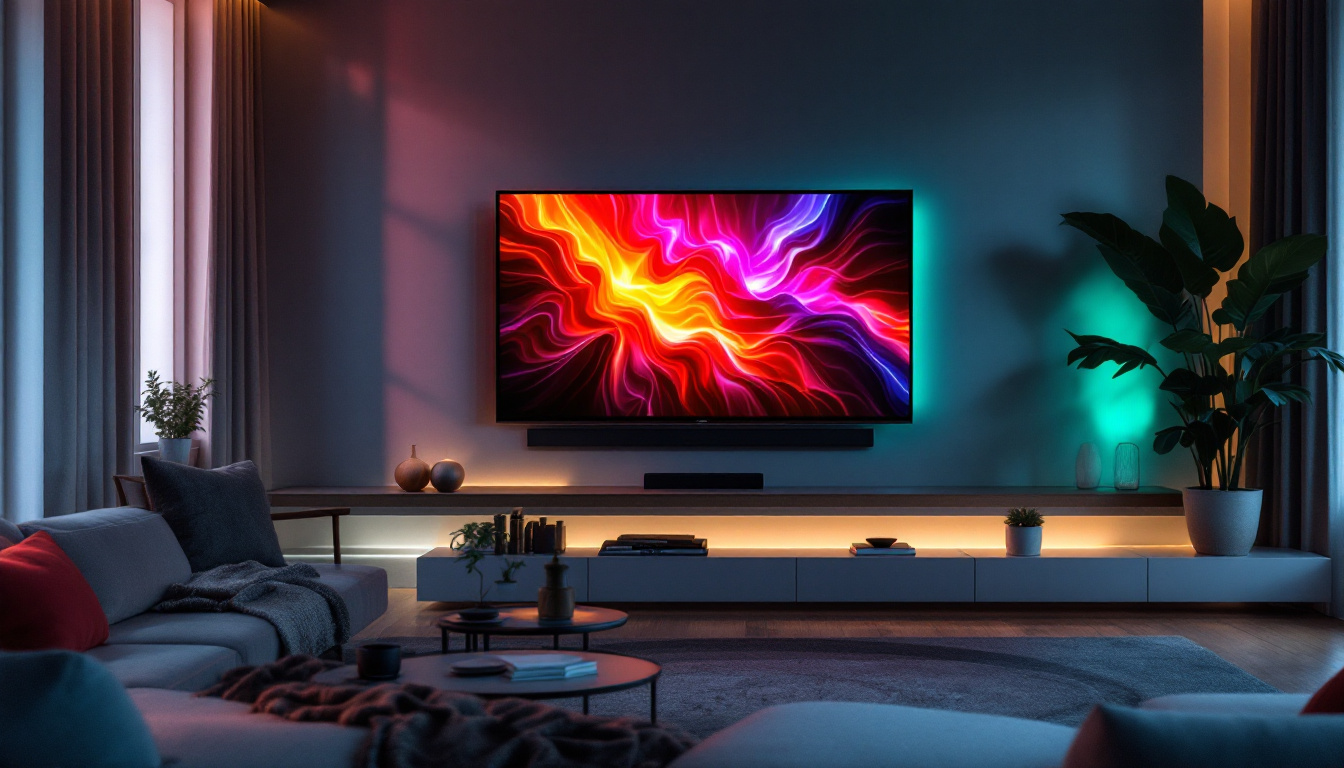
For home entertainment enthusiasts, LED projectors offer a compelling alternative to large-screen televisions. Their ability to produce bright, colorful images in controlled lighting environments makes them ideal for movie nights, gaming, and streaming.
Compact LED projectors can be easily integrated into living rooms or dedicated media rooms, providing a cinematic experience without the bulk and heat of traditional projectors.
Retail and Hospitality Displays
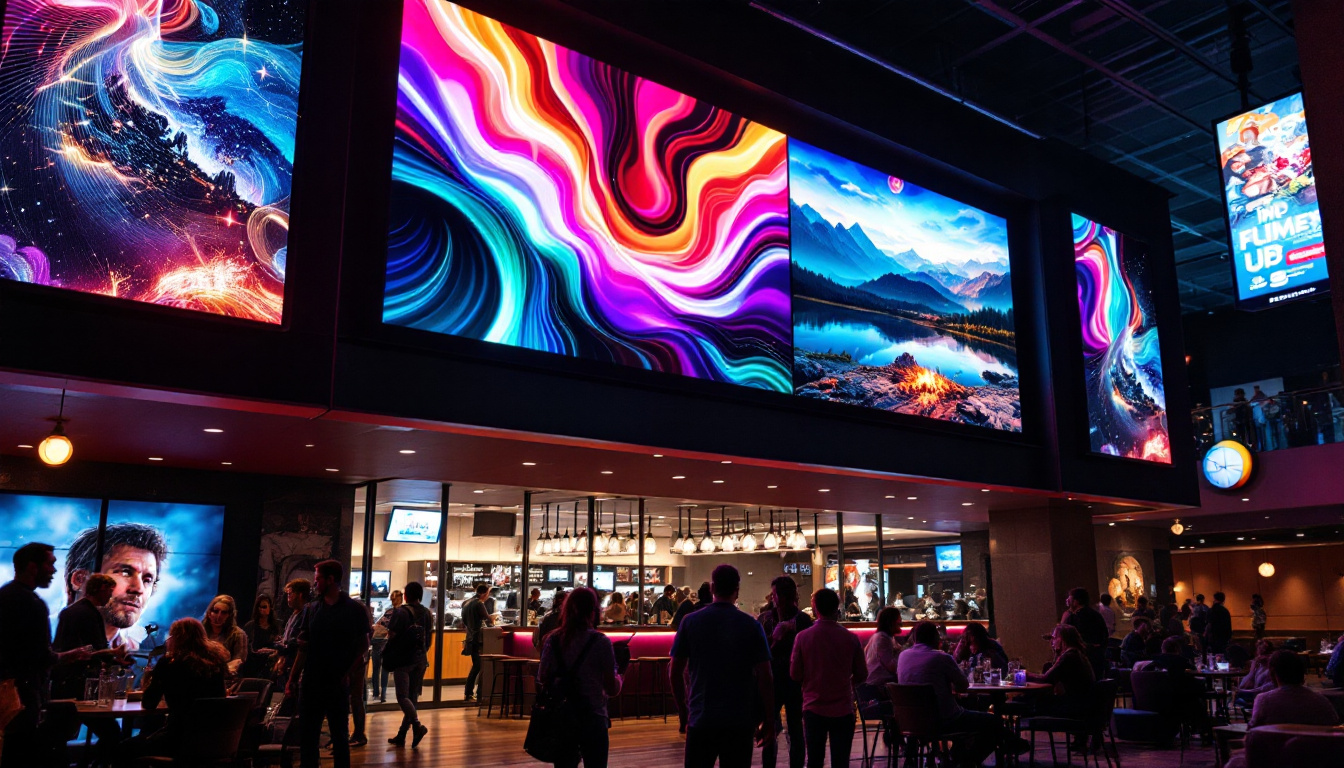
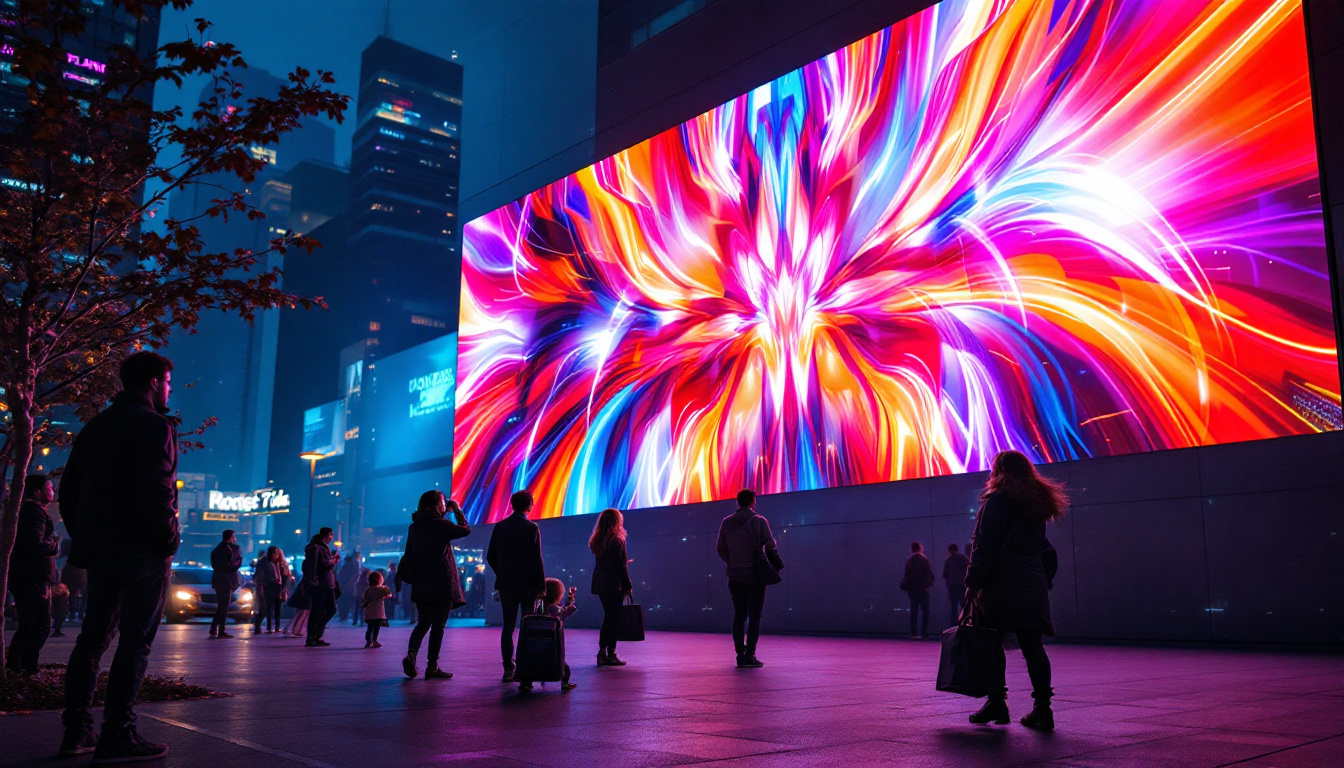
Retailers and hospitality venues utilize LED projectors to create dynamic visual displays that attract attention and enhance ambiance. From projecting promotional content to immersive décor elements, LED projectors offer flexibility and high visual impact.
The durability and low heat emission of LED projectors make them suitable for continuous operation in busy commercial settings.
Choosing the Right LED Projector for Indoor Use
Selecting an LED projector involves evaluating several factors to ensure it meets specific indoor requirements. Key considerations include brightness, resolution, throw distance, and connectivity options.
Brightness and Ambient Light Conditions
Brightness is measured in lumens and determines how well the projector performs in various lighting conditions. For indoor use, especially in rooms with controlled lighting, projectors with 1,000 to 3,000 lumens are typically sufficient.
However, spaces with higher ambient light may require brighter projectors to maintain image clarity. It is essential to assess the room’s lighting and choose a projector that can deliver vivid images without washing out.
Resolution and Image Quality
Resolution impacts the sharpness and detail of projected images. Common resolutions include 720p (HD), 1080p (Full HD), and 4K (Ultra HD). For most indoor applications, 1080p offers a good balance between image quality and cost.
Higher resolutions are advantageous for detailed presentations, high-definition video playback, and immersive experiences but may come at a premium price.
Throw Distance and Installation Flexibility
Throw distance refers to the space between the projector and the projection surface. Depending on room size and layout, choosing a projector with an appropriate throw ratio is critical to achieving the desired image size without distortion.
Short-throw and ultra-short-throw LED projectors have gained popularity for indoor use, as they can project large images from a short distance, reducing shadows and installation complexity.
Connectivity and Smart Features
Modern LED projectors often include various connectivity options such as HDMI, USB, Wi-Fi, and Bluetooth, enabling seamless integration with laptops, smartphones, and streaming devices.
Some models also feature smart operating systems, allowing direct access to apps and online content without external devices, enhancing convenience and versatility.
Maintaining and Troubleshooting LED Projectors Indoors
Proper maintenance ensures LED projectors deliver consistent performance and longevity. While LED projectors require less upkeep than traditional models, some routine care is necessary.
Cleaning and Ventilation
Regular cleaning of air filters and vents prevents dust buildup, which can impair cooling and reduce projector lifespan. Using compressed air or soft brushes to clean these components every few months is recommended, especially in dusty environments.
Ensuring adequate ventilation around the projector helps maintain optimal operating temperatures and prevents overheating.
Software Updates and Calibration
Keeping the projector’s firmware updated can improve performance and add new features. Manufacturers often release updates that address bugs or enhance compatibility with new devices.
Periodic calibration of color and brightness settings helps maintain image quality, especially in professional or presentation settings where accuracy is vital.
Common Issues and Solutions
While LED projectors are generally reliable, users may encounter occasional problems such as image flickering, connectivity issues, or color inconsistencies. Troubleshooting steps include checking cable connections, resetting the projector, and consulting the user manual for specific error codes.
For persistent issues, contacting manufacturer support or professional service is advisable to avoid voiding warranties or causing further damage.
The Future of Indoor LED Projection Technology
Advancements in LED technology continue to push the boundaries of indoor projection capabilities. Emerging innovations focus on enhancing brightness, color accuracy, and smart integration while reducing size and power consumption.
Miniaturization and Portability
Compact, portable LED projectors are becoming increasingly popular, enabling users to carry high-quality projection devices anywhere. These mini projectors often incorporate rechargeable batteries and wireless connectivity, expanding their usability beyond fixed indoor installations.
Integration with Augmented Reality and Interactive Displays
Future LED projectors may integrate with augmented reality (AR) systems and interactive technologies, allowing users to engage with projected content in novel ways. This convergence has potential applications in education, gaming, retail, and design.
Sustainability and Energy Innovations
As sustainability becomes a priority, manufacturers are exploring eco-friendly materials and further improvements in energy efficiency. LED projectors already contribute to greener technology adoption, and ongoing research aims to minimize environmental impact even further.
Conclusion
LED projector lights represent a significant advancement in indoor display technology, offering energy efficiency, vibrant image quality, and long service life. Their versatility makes them suitable for a wide range of indoor applications, from corporate presentations to home theaters and commercial displays.
By understanding the technical aspects, benefits, and practical considerations outlined in this article, users can make informed decisions when selecting and using LED projectors indoors. As technology continues to evolve, LED projection is poised to become an even more integral part of visual communication and entertainment.
Discover LumenMatrix LED Display Solutions
Ready to elevate your indoor visual experience with the latest in LED display technology? LumenMatrix is at the forefront of innovation, offering a diverse range of LED display modules tailored to your unique needs. From mesmerizing Indoor LED Wall Displays to dynamic Outdoor LED Wall Displays, and from versatile Vehicle LED Displays to engaging LED Sports Displays, our solutions are designed to captivate your audience and amplify your message. Embrace the future of visual communication with LumenMatrix and transform your space into a vibrant canvas of possibilities. Check out LumenMatrix LED Display Solutions today and see the difference cutting-edge technology can make.