In an era where digital screens dominate advertising, entertainment, and information dissemination, understanding the technology behind these displays is crucial. LED displays have become a cornerstone in various industries, offering vibrant visuals and energy-efficient solutions. This article delves deep into the world of LED displays, exploring their technology, applications, advantages, and future trends.
What is an LED Display?
LED stands for Light Emitting Diode, a semiconductor device that emits light when an electric current passes through it. An LED display is a flat panel display that uses an array of these diodes as pixels to create images and videos. Unlike traditional LCD or plasma screens, LED displays rely on direct emission of light, which results in higher brightness and better contrast. This characteristic makes them particularly effective for environments with high ambient light, such as outdoor advertising or sports arenas, where visibility is crucial.
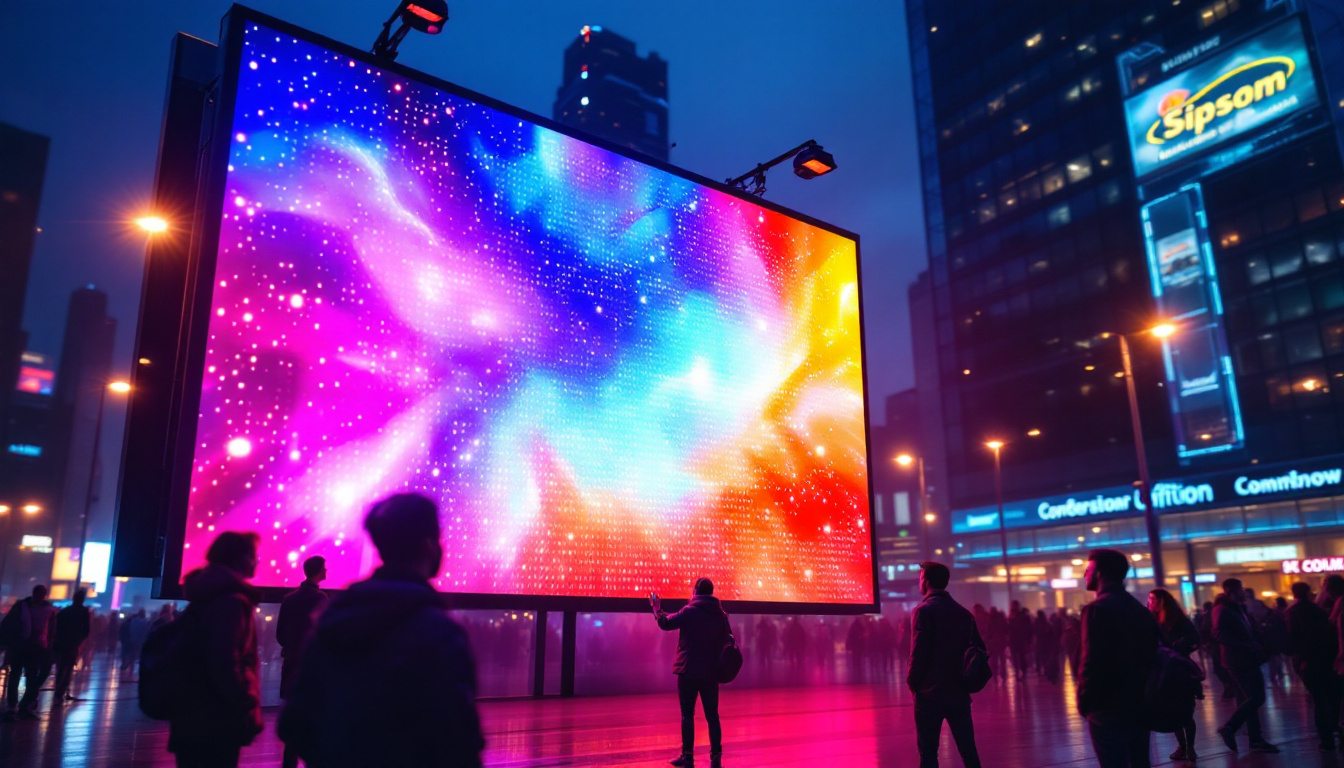
LED displays come in various forms, including indoor and outdoor screens, flexible panels, and even transparent displays. Their modular design allows for scalable sizes, from small information boards to massive stadium screens. The versatility of LED technology means that it can be adapted for various applications, from retail signage to art installations, providing businesses and artists alike with innovative ways to engage their audiences. Additionally, advancements in LED technology have led to the development of energy-efficient models that consume less power while delivering exceptional performance.
How LED Displays Work
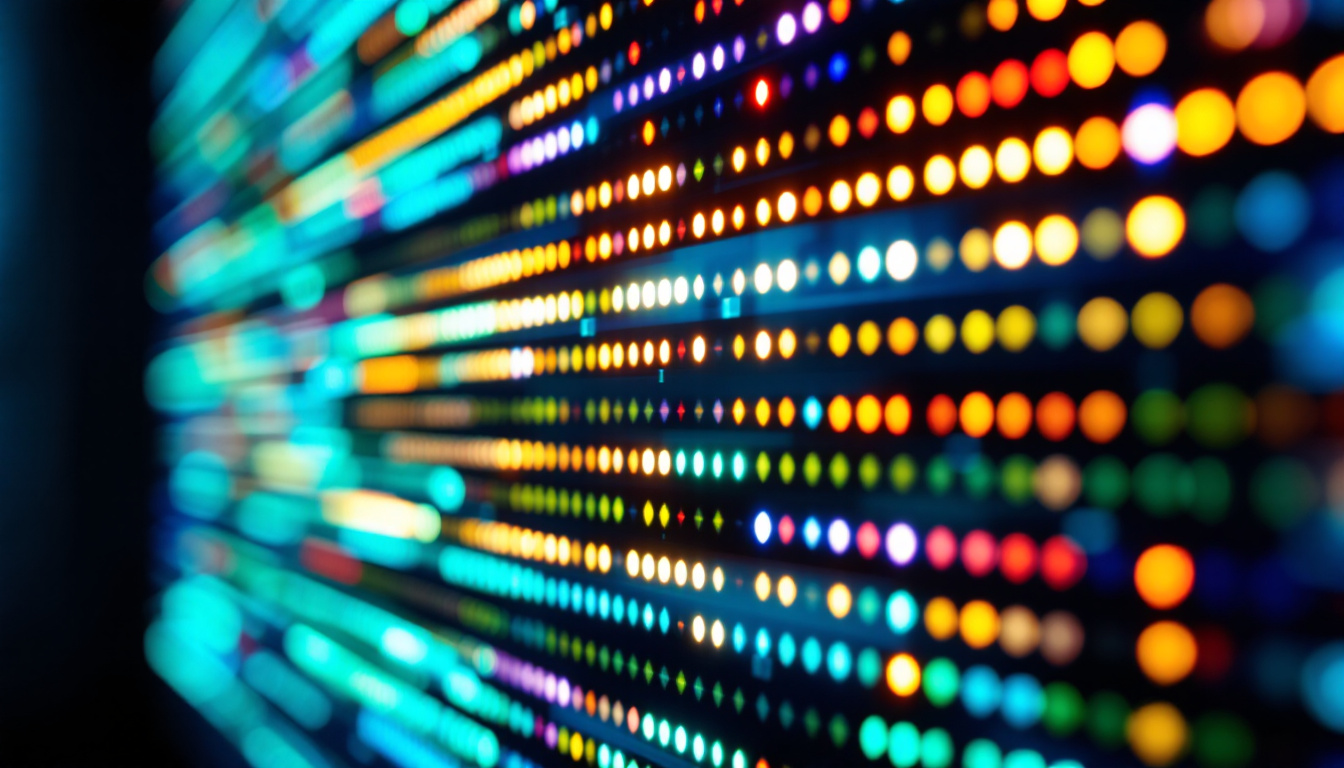
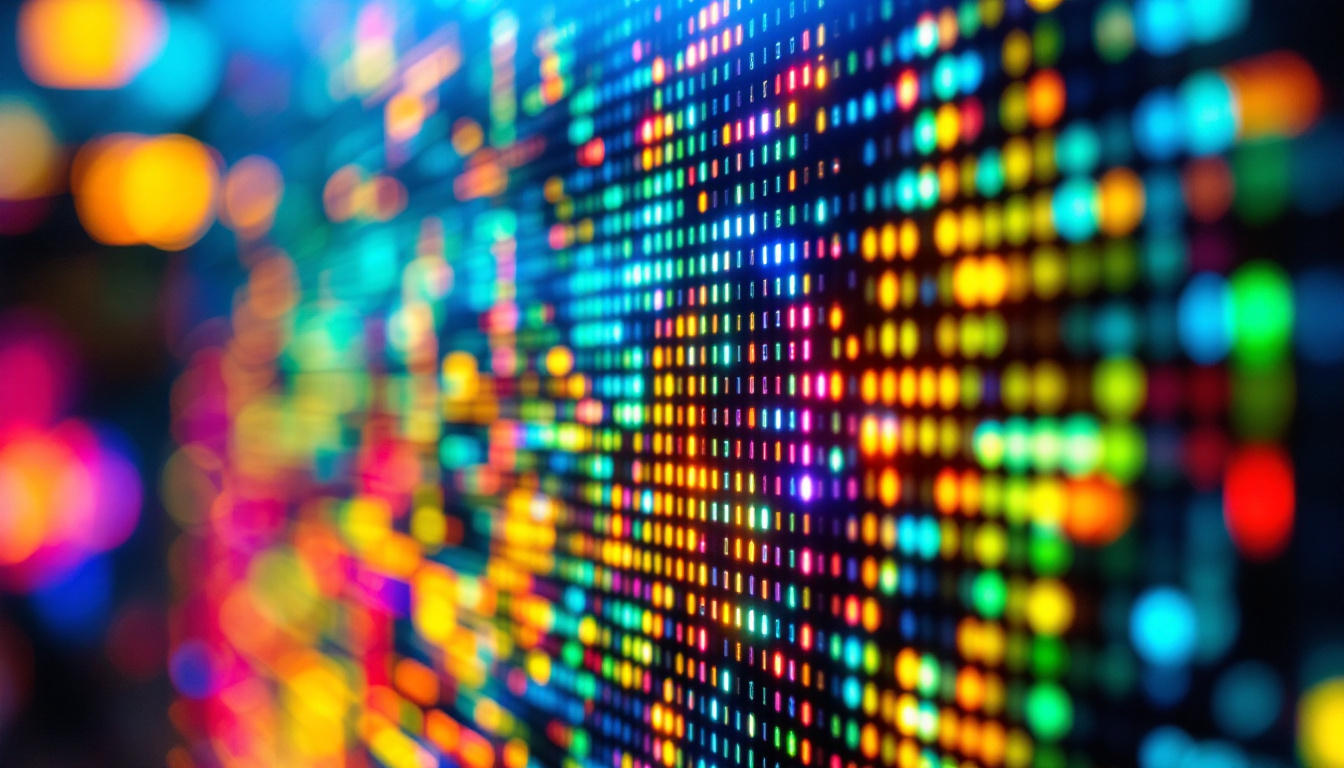
Each pixel in an LED display is composed of one or more tiny LEDs, typically red, green, and blue (RGB). By varying the intensity of these three colors, the display can produce a wide spectrum of colors. The control system sends signals to these LEDs to turn on and off or adjust brightness, creating the desired image. This pixel-based approach allows for dynamic content to be displayed in real-time, making LED displays ideal for applications such as live event broadcasting, where timely updates and vibrant visuals are essential.
Modern LED displays often use surface-mounted device (SMD) technology, where LEDs are mounted directly onto the circuit board. This approach enhances resolution and viewing angles, making images clearer and more vivid. Furthermore, the integration of advanced technologies such as digital signal processing (DSP) and high-definition video processing allows for smoother transitions and richer colors. As a result, LED displays are not only used for traditional advertising but also for immersive experiences in museums and exhibitions, where the quality of visual presentation can significantly impact viewer engagement.
Types of LED Displays
LED displays are not one-size-fits-all; they vary based on application, environment, and technology. Understanding the different types helps in selecting the right display for specific needs.
Indoor LED Displays
Indoor LED displays are designed for environments with controlled lighting. They typically have a smaller pixel pitch—the distance between individual LEDs—ranging from 1mm to 4mm. This tight spacing allows for high-resolution images suitable for close viewing distances, such as in conference rooms, retail stores, or broadcast studios.
Because indoor environments have less ambient light, these displays do not require extremely high brightness, which also helps reduce power consumption and heat generation. Furthermore, many indoor LED displays come equipped with advanced features like high refresh rates, which are essential for applications involving video content. This ensures smooth playback without flickering, enhancing the viewer’s experience during presentations or advertisements.
Outdoor LED Displays
Outdoor LED displays are built to withstand harsh weather conditions, including rain, dust, and extreme temperatures. They feature larger pixel pitches, often between 6mm and 20mm, as viewers typically observe them from greater distances. These displays offer high brightness levels, sometimes exceeding 5,000 nits, to remain visible even under direct sunlight.
Durability is a key factor for outdoor displays, with protective coatings and robust enclosures ensuring long-term performance. Additionally, many outdoor models incorporate advanced thermal management systems to dissipate heat effectively, which is crucial for maintaining optimal performance in varying weather conditions. The integration of smart technology allows for remote monitoring and maintenance, enabling operators to address issues promptly and ensure continuous operation, especially in high-traffic areas like highways or city centers.
Transparent and Flexible LED Displays
Innovations in LED technology have led to the development of transparent and flexible LED displays. Transparent displays allow light to pass through, making them ideal for shop windows or architectural applications where visibility from both sides is desired.
Flexible LED displays use bendable substrates, enabling installation on curved surfaces or irregular shapes. This flexibility opens new creative possibilities in design and advertising. For instance, brands can create eye-catching installations that wrap around columns or even contour to the architecture of a building, providing a unique visual experience that engages customers in innovative ways. These displays can also be used in exhibitions and events, where adaptability to space and design is crucial. As technology continues to evolve, we can expect even more groundbreaking applications that push the boundaries of traditional display formats.
Applications of LED Displays
The versatility of LED displays has led to widespread adoption across multiple sectors. Their ability to deliver dynamic, eye-catching content makes them invaluable tools for communication and engagement.
Advertising and Digital Signage
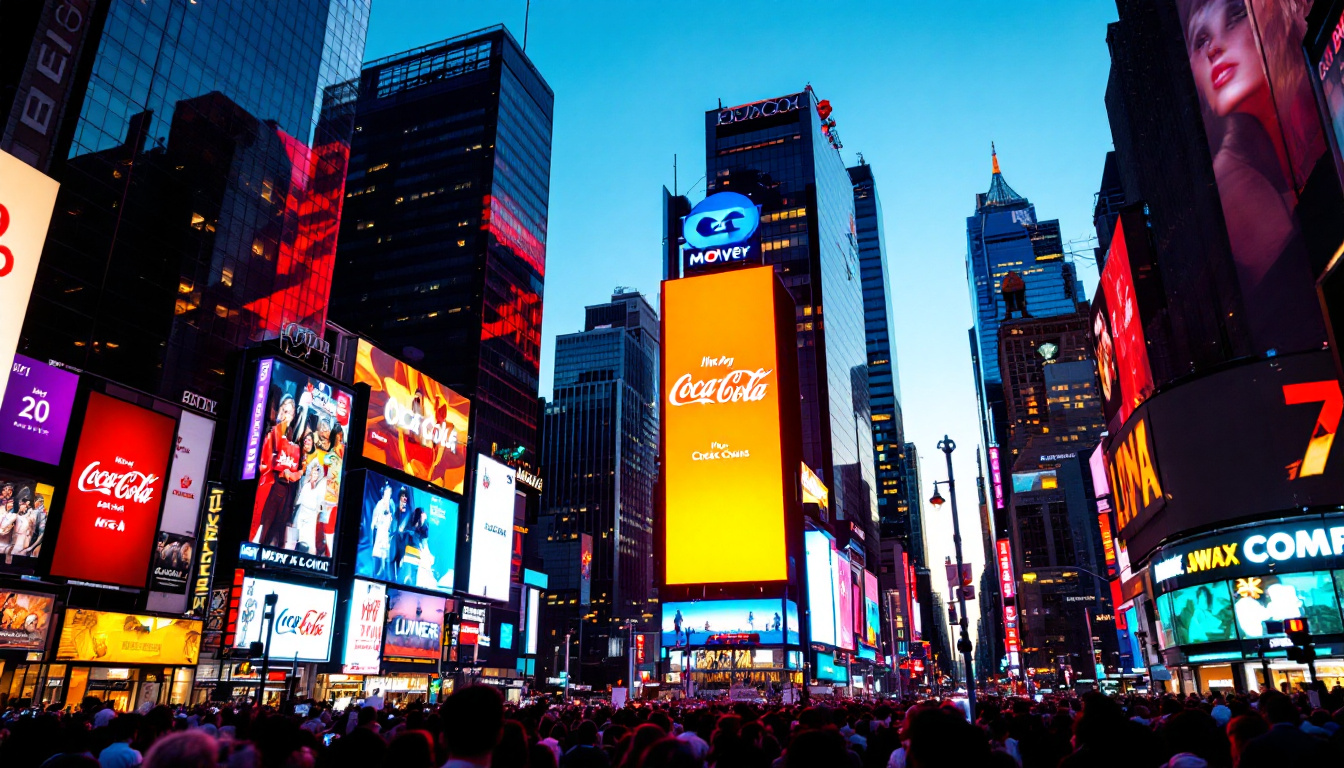
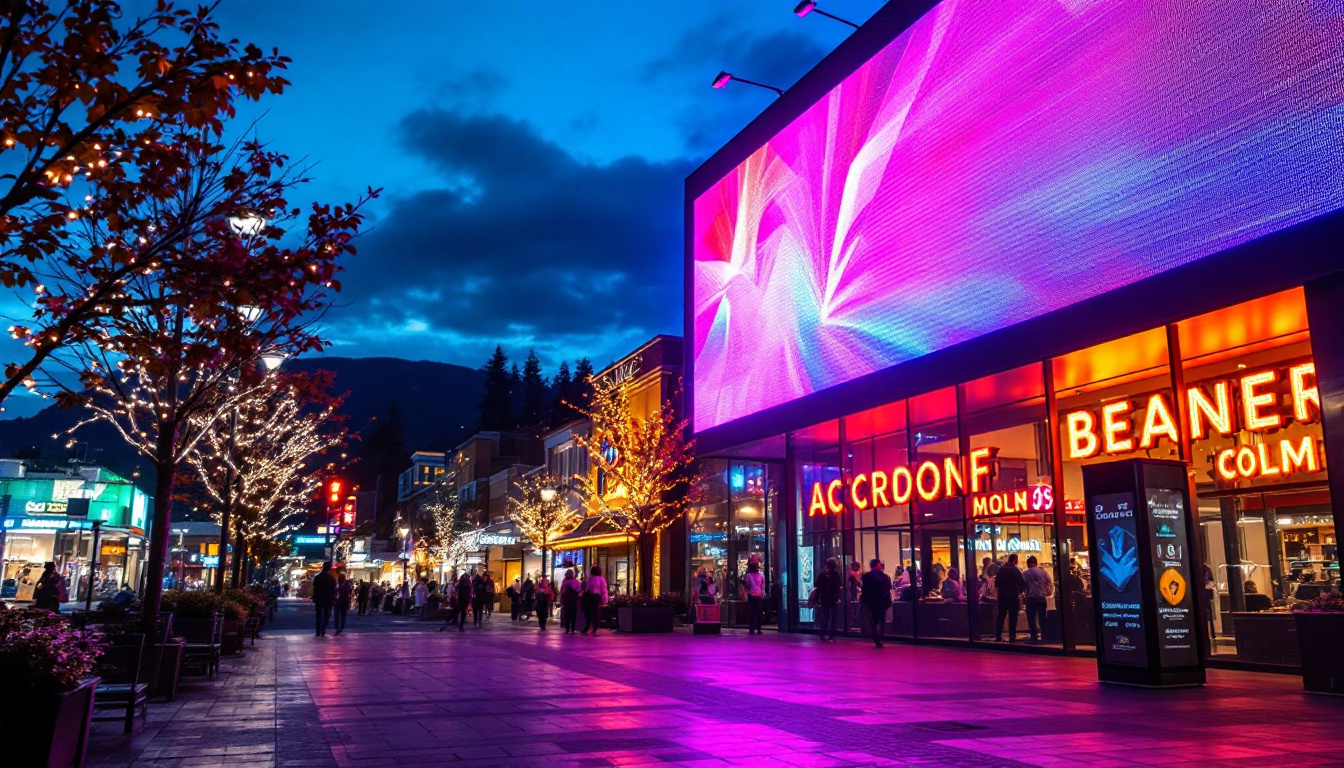
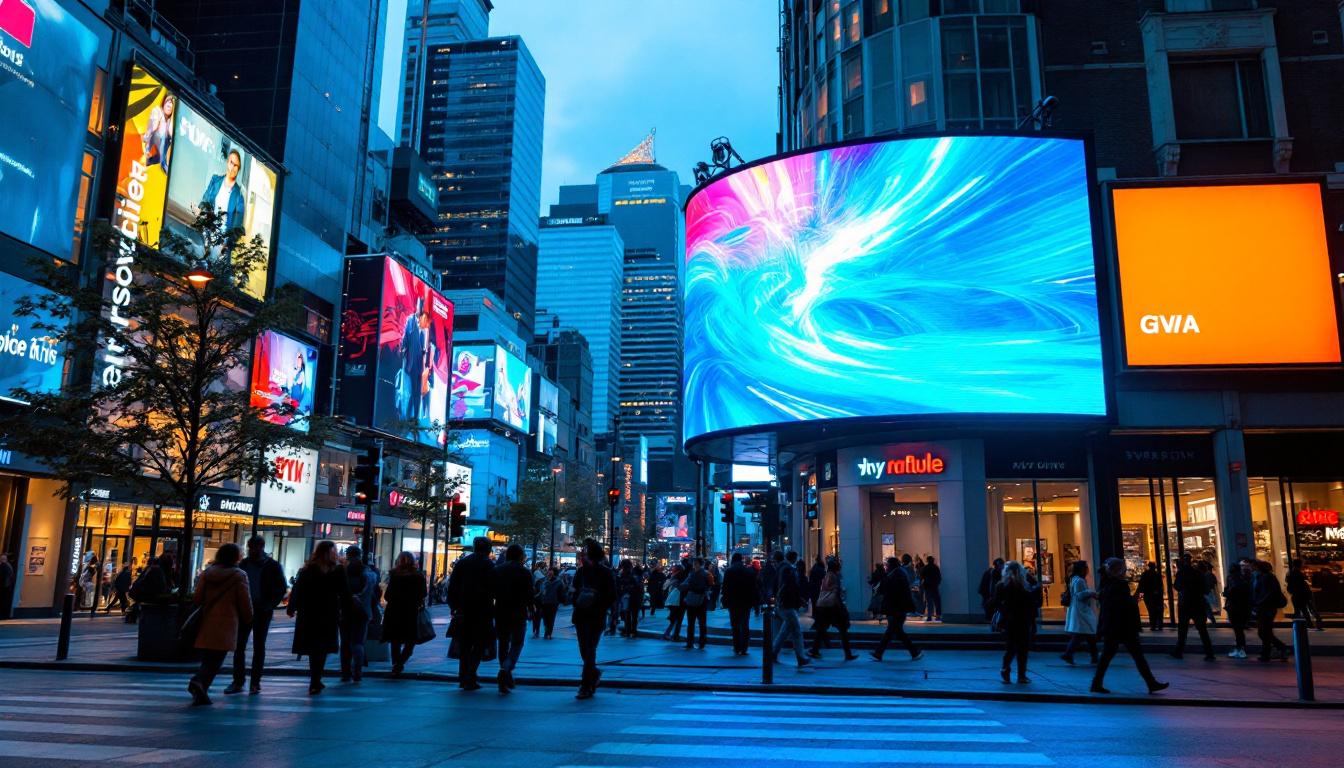
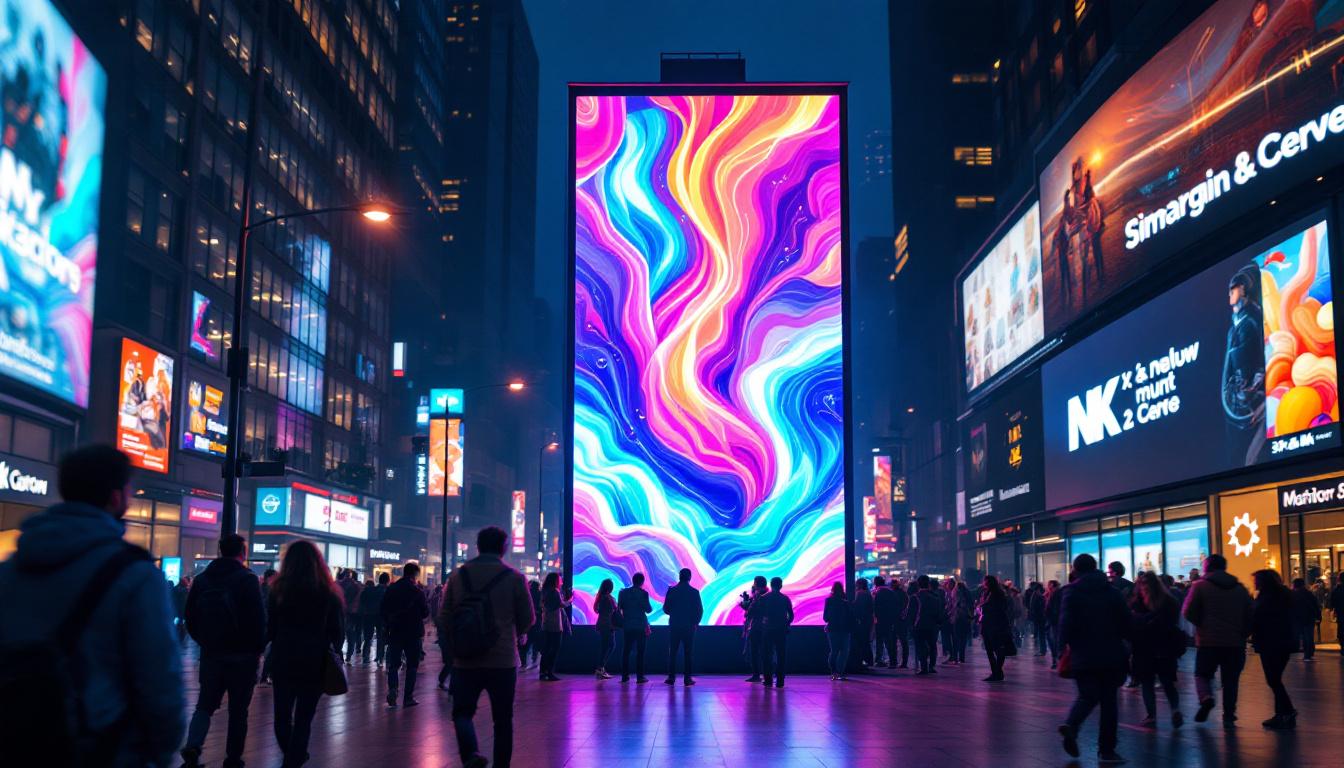
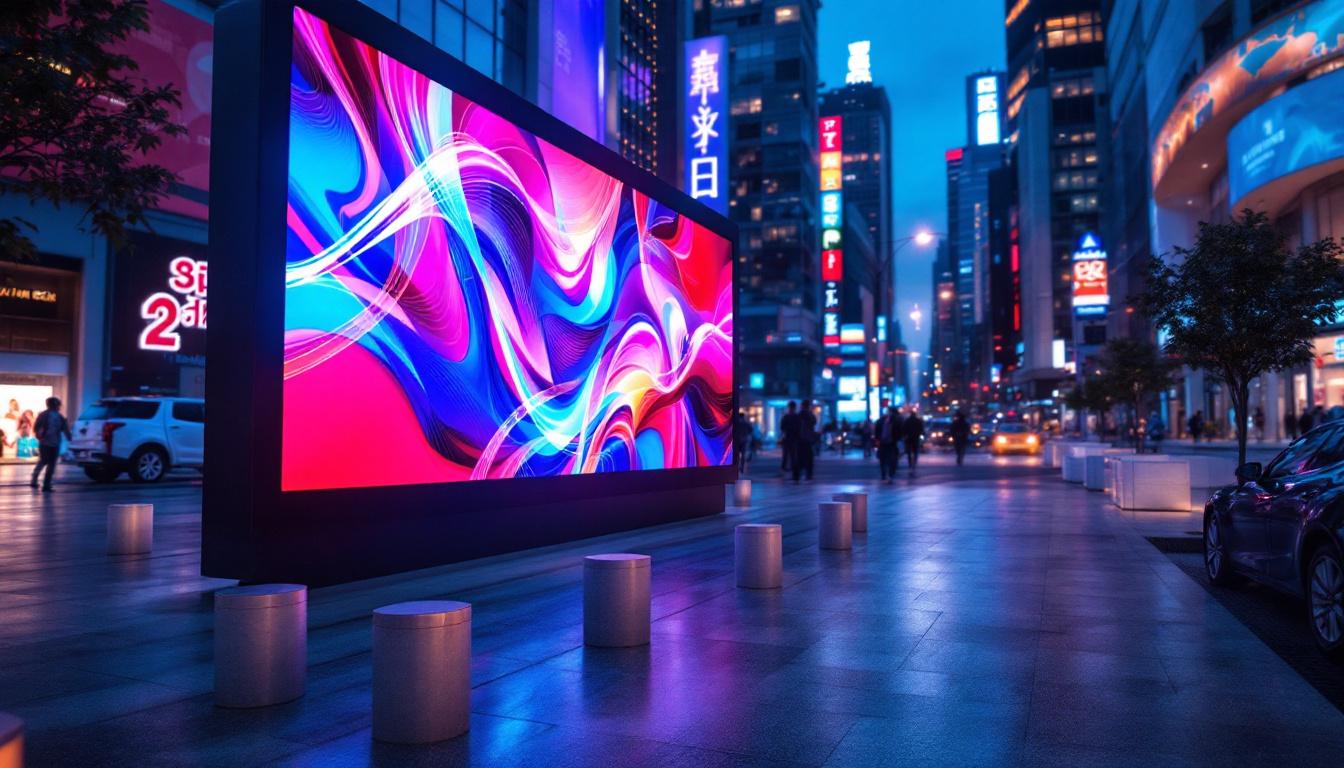
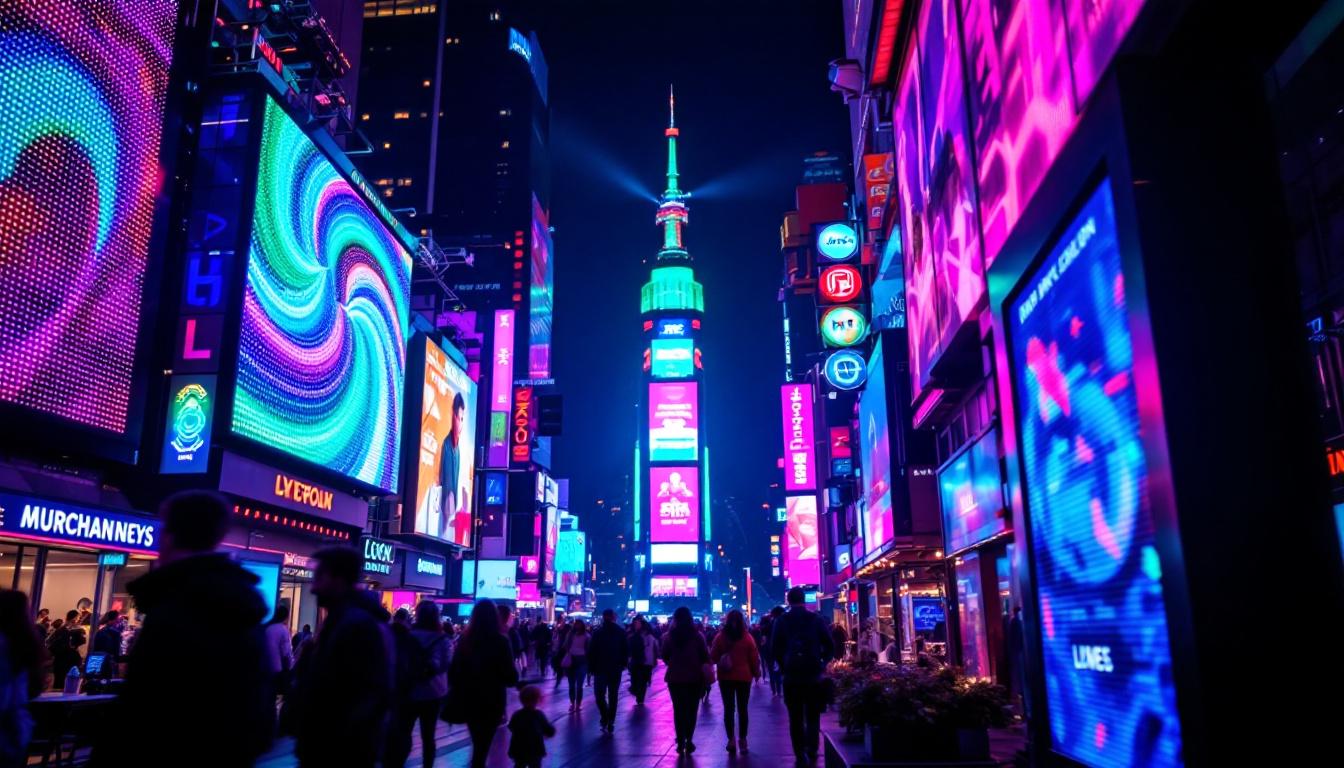
One of the most common uses of LED displays is in advertising. Digital billboards and signage capitalize on the high brightness and color accuracy of LED technology to capture consumer attention. According to recent market reports, the global digital signage market is expected to reach over $30 billion by 2027, with LED displays accounting for a significant share.
Dynamic content allows advertisers to update messages in real-time, tailor promotions to specific audiences, and even interact with viewers through integrated sensors.
Sports and Entertainment Venues
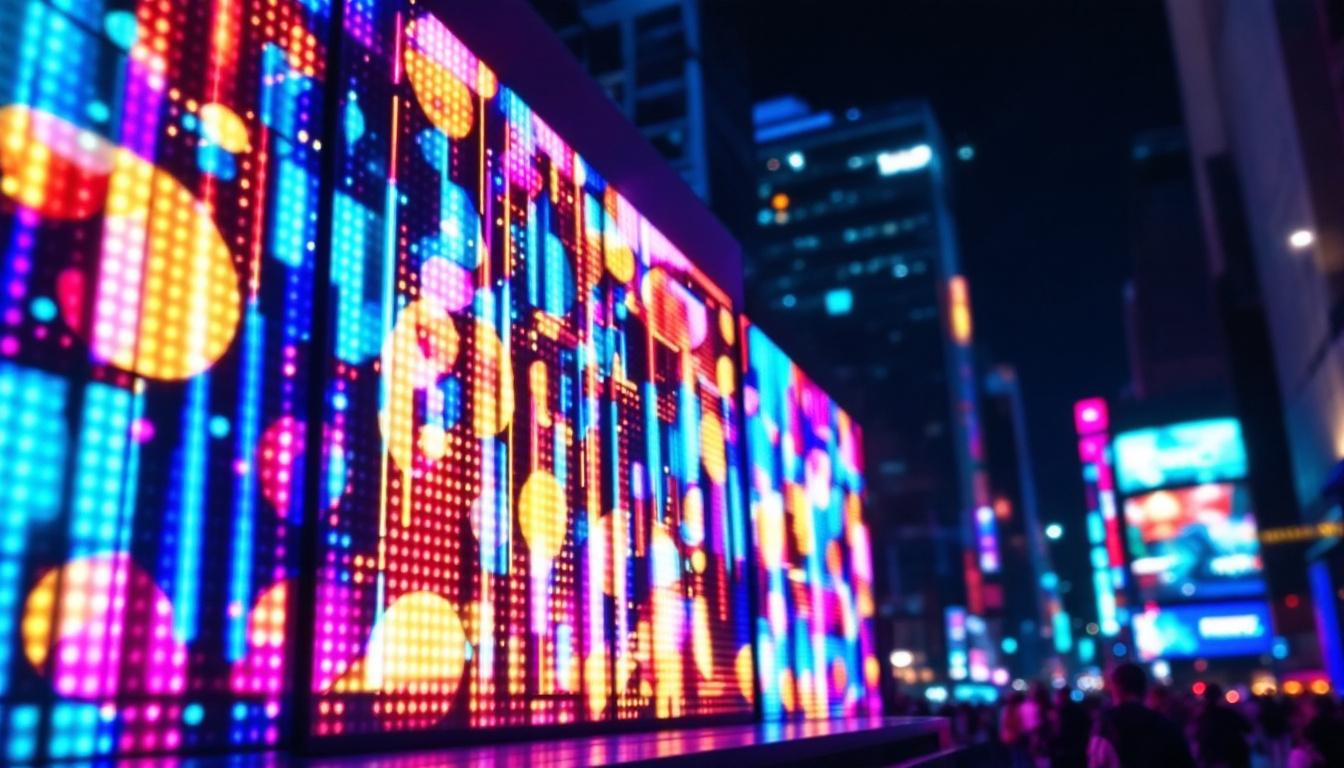
Stadiums and arenas rely heavily on large-scale LED displays to enhance the spectator experience. These displays provide live game footage, replays, scores, and interactive content. The ability to create massive, high-resolution screens that are visible from any seat has transformed how fans engage with events.
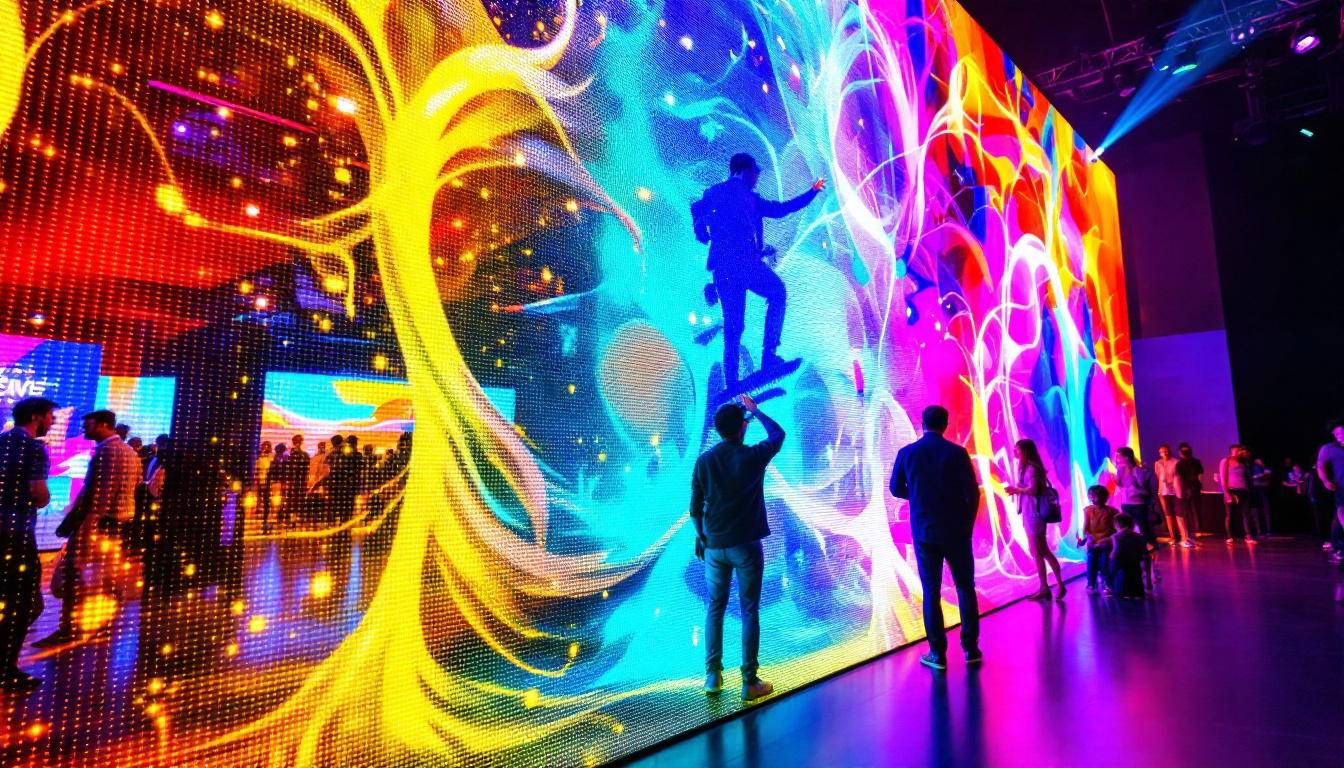
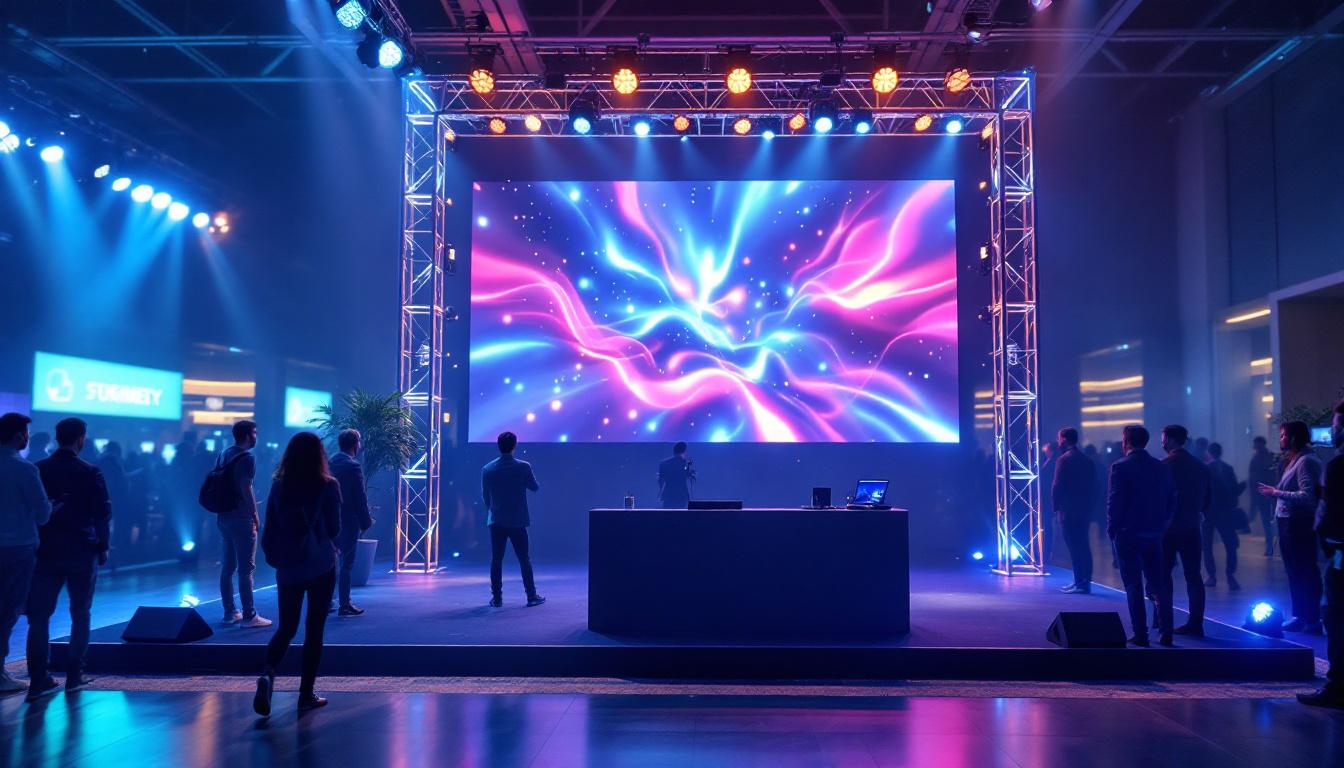
In concerts and theatrical productions, LED walls serve as dynamic backdrops, enabling immersive visual storytelling.
Transportation and Public Information
LED displays are integral to transportation hubs such as airports, train stations, and bus terminals. They provide real-time updates on schedules, delays, and safety information. Their visibility and reliability make them essential for managing large crowds and ensuring smooth operations.
Additionally, LED displays are used in traffic management systems, including variable message signs on highways that convey important alerts to drivers.
Advantages of LED Displays
LED displays offer numerous benefits over traditional display technologies, making them the preferred choice in many applications.
Energy Efficiency
LED technology is inherently energy-efficient, consuming significantly less power than LCD or plasma displays. This efficiency translates into lower operating costs and reduced environmental impact. For example, an LED billboard can use up to 75% less energy than a comparable LCD screen.
Brightness and Visibility
LED displays excel in brightness, with some models capable of reaching over 10,000 nits. This high brightness ensures clear visibility in various lighting conditions, including direct sunlight. The superior contrast ratio also enhances image quality, making colors appear more vibrant and details sharper.
Longevity and Durability
LEDs have a long operational lifespan, often exceeding 100,000 hours of use. Unlike other technologies, LEDs are solid-state devices with no fragile components like glass tubes or filaments, contributing to their durability. This robustness is especially important for outdoor applications exposed to environmental stressors.
Design Flexibility
The modular nature of LED displays allows for custom sizes and shapes, accommodating unique installation requirements. Whether it’s a curved façade, a massive stadium screen, or a transparent retail window, LED technology adapts to diverse design challenges.
Challenges and Considerations
Despite their advantages, LED displays come with challenges that must be addressed to optimize performance and return on investment.
Initial Investment
The upfront cost of LED displays can be significant, particularly for high-resolution indoor screens or large outdoor installations. However, the long-term savings in energy and maintenance often justify the initial expenditure.
Maintenance and Calibration
Regular maintenance is essential to ensure consistent brightness and color accuracy. Over time, individual LEDs may degrade or fail, requiring replacement. Advanced calibration tools and software help maintain uniform image quality across the display.
Environmental Impact
While LED displays are energy-efficient, their production involves materials and processes that can impact the environment. Responsible sourcing, recycling programs, and eco-friendly manufacturing practices are increasingly important considerations for manufacturers and buyers alike.
The Future of LED Display Technology
LED display technology continues to evolve rapidly, driven by advancements in materials, manufacturing, and digital integration.
MicroLED and MiniLED Innovations
MicroLED and MiniLED technologies represent the next generation of LED displays. MicroLEDs are tiny LEDs, often smaller than 100 micrometers, enabling ultra-high resolution and contrast comparable to OLED displays but with better brightness and longevity. MiniLEDs use smaller LEDs as backlighting for LCD panels, improving contrast and color accuracy.
These innovations promise displays with superior image quality, thinner profiles, and enhanced energy efficiency.
Integration with IoT and AI
Smart LED displays integrated with Internet of Things (IoT) devices and artificial intelligence (AI) are becoming more common. These systems can adapt content based on audience demographics, environmental conditions, or real-time data feeds, creating personalized and context-aware experiences.
Sustainability and Eco-Friendly Designs
Manufacturers are increasingly focusing on sustainability by developing LED displays with recyclable components, reduced hazardous materials, and lower power consumption. This trend aligns with global efforts to reduce carbon footprints and promote circular economies.
Conclusion
LED displays have revolutionized the way information and entertainment are presented across the globe. Their vibrant visuals, energy efficiency, and versatility make them indispensable in advertising, sports, transportation, and beyond. As technology advances, LED displays will continue to evolve, offering even more immersive and sustainable solutions.
For businesses and organizations looking to invest in digital display technology, understanding the nuances of LED displays—from types and applications to benefits and challenges—is essential for making informed decisions that maximize impact and value.
Discover LumenMatrix’s Innovative LED Solutions
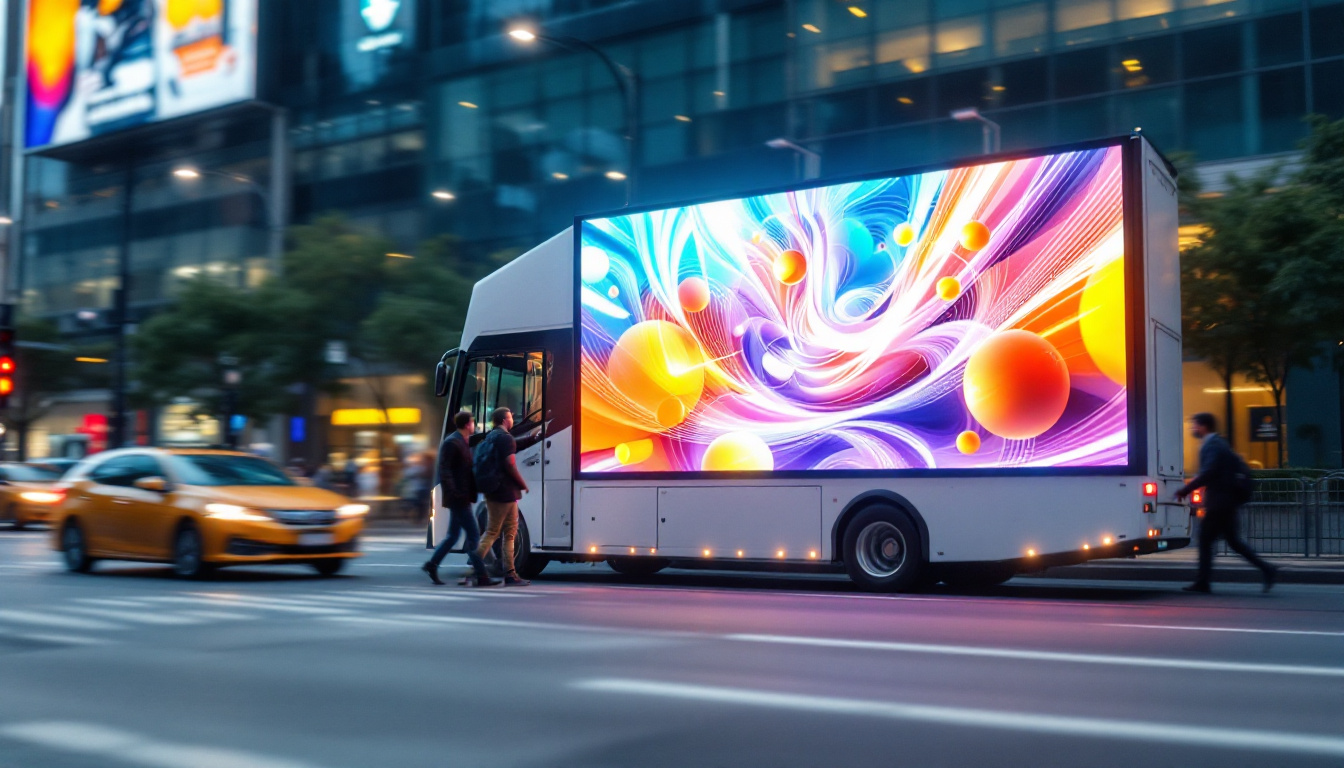
Ready to elevate your visual communication with the latest in LED technology? Look no further than LumenMatrix, a pioneer in crafting LED display modules that bring your brand to life. From the vibrancy of an Indoor LED Wall Display to the robustness of an Outdoor LED Wall Display, and the dynamic appeal of Vehicle LED Displays to the sleek design of LED Poster Displays, LumenMatrix has the perfect solution to meet your needs. Embrace the future with our LED Sports Displays, Floor LED Displays, Custom LED Displays, All-in-One LED Displays, and LED Transparent Displays. Join the revolution in visual storytelling and check out LumenMatrix LED Display Solutions today to create unforgettable experiences and share your message with unparalleled clarity and impact.