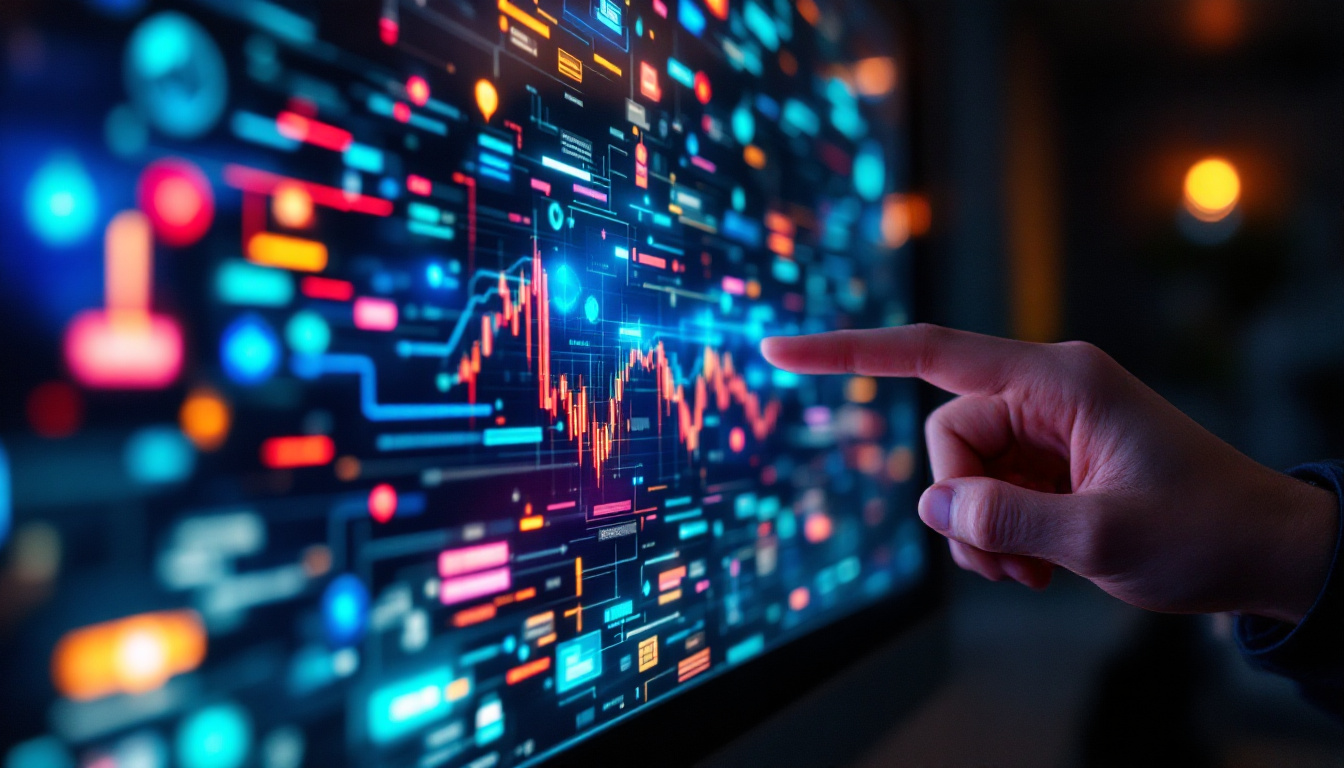
In the rapidly evolving world of digital signage and display technology, understanding the concept of refresh rate is crucial for both consumers and professionals. LED displays, widely used in advertising, entertainment, and information dissemination, rely heavily on refresh rates to deliver clear, vibrant, and flicker-free images. This article delves into the fundamentals of refresh rates in LED displays, explains why they matter, and explores how they impact user experience and application performance.
What Is Refresh Rate in LED Displays?
The refresh rate, often expressed in hertz (Hz), refers to the number of times per second that a display updates its image. For LED displays, this means how frequently the pixels are illuminated and refreshed to create a stable and continuous visual output. A higher refresh rate results in smoother motion and less flicker, which is particularly important for dynamic content such as videos, animations, and live broadcasts.
To put it simply, if an LED display has a refresh rate of 60 Hz, the image is refreshed 60 times every second. This rapid updating prevents the image from appearing static or blurry and reduces eye strain for viewers. In contrast, lower refresh rates can cause flickering, which may be noticeable and uncomfortable, especially over prolonged viewing periods. This is particularly relevant in environments where displays are used for extended hours, such as in control rooms or during gaming marathons, where fatigue can significantly impact performance.
Moreover, advancements in technology have led to the development of displays with refresh rates of 120 Hz, 144 Hz, and even higher, catering to the needs of gamers and professionals who require ultra-smooth visuals. These higher refresh rates not only enhance the visual experience but also provide a competitive edge in fast-paced scenarios, where every millisecond counts. As a result, many modern gaming monitors and high-end televisions are now designed to support these elevated refresh rates, ensuring that users can enjoy the most fluid and responsive experience possible.
How Refresh Rate Differs from Frame Rate
It’s important to distinguish between refresh rate and frame rate, two terms often used interchangeably but representing different concepts. Frame rate refers to the number of frames or images a video source outputs per second, while refresh rate describes how often the display hardware updates the image on the screen.
For optimal visual performance, the refresh rate of the display should ideally match or exceed the frame rate of the content. For example, a video playing at 30 frames per second (fps) will look smoother on a display with a refresh rate of 60 Hz than on one with 30 Hz. This synchronization minimizes motion blur and judder, enhancing the viewing experience. Additionally, technologies such as V-Sync and G-Sync have emerged to further bridge the gap between frame rate and refresh rate, allowing for seamless synchronization that can eliminate tearing and stuttering, which are common issues in fast-moving visuals. These innovations have made a significant impact on both gaming and cinematic experiences, allowing viewers to enjoy content as it was intended to be seen.
Why Refresh Rate Matters in LED Displays
Understanding the significance of refresh rate is essential when selecting or designing LED displays for various applications. The refresh rate directly affects image quality, viewer comfort, and the suitability of the display for different environments.
Impact on Image Quality and Visual Comfort
One of the most noticeable effects of refresh rate is on flicker perception. Flicker occurs when the display fails to refresh the image quickly enough, causing the human eye to detect rapid changes in brightness. This can lead to headaches, eye fatigue, and discomfort, especially in environments where people view screens for extended periods.
Higher refresh rates reduce flicker by ensuring the image is updated frequently, creating a stable and consistent visual experience. This is particularly important in LED displays used in control rooms, medical imaging, and broadcast studios, where clarity and precision are paramount.
Suitability for Dynamic Content
LED displays are often used to showcase dynamic content, including video advertisements, sports broadcasts, and interactive installations. A high refresh rate ensures smooth motion rendering, preventing issues like ghosting or motion blur that can detract from the content’s impact.
For example, outdoor LED billboards displaying fast-paced sports highlights or live event feeds benefit greatly from refresh rates of 1920 Hz or higher, which are common in modern high-end LED panels. This capability ensures that even under challenging lighting conditions, the content remains crisp and engaging.
Technical Factors Influencing Refresh Rate in LED Displays
The achievable refresh rate in an LED display depends on several technical factors, including panel design, driver electronics, and the processing capabilities of the controlling hardware.
LED Panel Architecture and Pixel Configuration
LED displays consist of numerous tiny light-emitting diodes arranged in a matrix of pixels. The method by which these pixels are addressed and refreshed can affect the maximum refresh rate. For instance, displays using multiplexing techniques may have lower refresh rates due to the time required to sequentially update pixel groups.
Advancements in LED technology, such as the use of direct drive methods and improved driver ICs (integrated circuits), have enabled higher refresh rates without compromising brightness or color accuracy. Additionally, smaller pixel pitches (the distance between LEDs) allow for higher resolution and better image quality, which often necessitates higher refresh rates to maintain smooth motion.
Driving Electronics and Processing Power
The controller hardware that manages the LED display plays a critical role in determining refresh rates. High-performance controllers can process and transmit image data faster, enabling higher refresh rates and better synchronization with content sources.
Modern LED display systems often incorporate FPGA (Field Programmable Gate Array) or ASIC (Application-Specific Integrated Circuit) based controllers, which provide the speed and flexibility needed for high refresh rates. These controllers also manage color calibration, brightness control, and error correction, ensuring optimal display performance.
Common Refresh Rates and Their Applications
LED displays come with a range of refresh rates tailored to their intended use cases. Understanding these common refresh rates can help buyers and designers choose the right display for their needs.
Standard Refresh Rates for Indoor Displays
Indoor LED displays, such as those used in retail stores, conference rooms, and museums, typically operate at refresh rates between 960 Hz and 1920 Hz. This range balances cost, power consumption, and visual quality, providing flicker-free images suitable for close viewing distances.
For example, a 1440 Hz refresh rate is often considered a sweet spot for indoor applications, offering smooth video playback and minimal flicker without requiring the highest-end hardware.
High Refresh Rates for Outdoor and Broadcast Displays
Outdoor LED displays face additional challenges, including ambient light interference and longer viewing distances. To combat these issues, outdoor panels often feature refresh rates of 1920 Hz or higher. Such high refresh rates ensure that content remains vivid and flicker-free even under direct sunlight or when captured by cameras for live broadcasts.
In broadcast environments, refresh rates can reach up to 3840 Hz or more, catering to the demands of high-definition video production and ensuring that LED walls do not produce flicker artifacts on camera.
Measuring and Improving Refresh Rate Performance
Assessing the refresh rate of an LED display involves both technical measurement and subjective evaluation. Manufacturers use specialized equipment to measure refresh frequency and flicker index, while end-users may rely on visual inspection and camera tests.
Tools and Techniques for Measurement
Oscilloscopes and photodiodes are commonly used to measure the refresh rate and detect flicker in LED displays. These tools capture the light output over time, allowing technicians to analyze the frequency and stability of the image refresh.
Additionally, high-speed cameras can record the display to identify flicker or motion artifacts that might not be visible to the naked eye. This method is particularly useful in broadcast and professional installation settings.
Strategies to Enhance Refresh Rate and Visual Quality
Improving refresh rate performance can involve hardware upgrades, such as adopting newer driver ICs or more powerful controllers. Software optimization also plays a role, including better synchronization algorithms and frame interpolation techniques.
Manufacturers increasingly employ technologies like PWM (Pulse Width Modulation) dimming and dynamic refresh rate adjustment to balance power consumption with visual quality. These innovations help extend the lifespan of LED panels while maintaining high refresh rates and image fidelity.
Future Trends in LED Display Refresh Technology
As LED display technology continues to advance, refresh rates are expected to improve further, driven by demands for higher resolution, greater color accuracy, and more immersive experiences.
MicroLED and MiniLED Innovations
Emerging display technologies such as MicroLED and MiniLED promise even higher refresh rates due to their smaller, more efficient light sources and improved control mechanisms. These technologies enable faster pixel switching and more precise brightness control, which contribute to smoother motion rendering and reduced flicker.
MicroLED displays, in particular, offer the potential for refresh rates exceeding 10,000 Hz, opening new possibilities for ultra-high-definition video walls and augmented reality applications.
Adaptive Refresh Rates and AI Integration
Adaptive refresh rate technology, already common in consumer devices like smartphones and gaming monitors, is beginning to influence LED display design. By dynamically adjusting the refresh rate based on content type and ambient conditions, displays can optimize power usage and visual performance.
Artificial intelligence (AI) algorithms are also being integrated to predict motion and enhance frame interpolation, further improving the smoothness of video playback on LED screens. These advancements will make LED displays more versatile and energy-efficient in the coming years.
Conclusion
Refresh rate is a fundamental parameter that significantly influences the performance and user experience of LED displays. From reducing flicker and eye strain to enabling smooth motion and high-quality video playback, the refresh rate plays a vital role in various applications, from indoor signage to outdoor advertising and broadcast production.
Understanding the technical aspects and practical implications of refresh rates empowers buyers, designers, and users to make informed decisions when selecting LED displays. With ongoing innovations in LED technology and controller hardware, refresh rates will continue to improve, driving the future of vibrant, high-performance digital displays.
Explore Cutting-Edge LED Displays with LumenMatrix
As you consider the importance of refresh rates for your LED display needs, LumenMatrix stands at the forefront of innovation, ready to guide you through a selection of advanced LED display solutions. Whether you’re looking for Indoor LED Wall Displays, dynamic Outdoor LED Wall Displays, or specialized options like Vehicle LED Displays and LED Sports Displays, LumenMatrix has the technology to bring your vision to life. Experience the future of visual communication with our LED Transparent Displays and Custom LED solutions designed to captivate and engage. Don’t just share your message—make a lasting impression. Check out LumenMatrix LED Display Solutions today and see the difference that high-performance digital signage can make.