In the realm of digital displays, LED technology has become the standard for vibrant, high-contrast visuals across a wide range of applications—from smartphones and televisions to large-scale advertising billboards and stadium screens. Among the many technical specifications that influence the quality of an LED display, the refresh ratio (often referred to as refresh rate) plays a crucial role in determining how smooth and clear the image appears to the human eye. This article delves into the concept of refresh ratio, why it matters, and how it impacts the performance of LED displays in various environments.
Understanding Refresh Ratio in LED Displays
The refresh ratio, or refresh rate, of an LED display refers to the number of times per second that the image on the screen is updated. It is measured in Hertz (Hz). For example, a refresh rate of 60Hz means the display refreshes 60 times per second. This parameter is fundamental because it directly affects the fluidity of motion and the overall visual experience.
Unlike traditional LCD screens that rely on backlighting, LED displays use light-emitting diodes to create images. Each diode can be turned on or off rapidly, allowing for precise control over brightness and color. However, the speed at which these diodes are updated—the refresh ratio—determines how well the display can handle fast-moving images without flicker or motion blur.
How Refresh Ratio Works Technically
When a display refreshes, it redraws the entire image frame by frame. If the refresh rate is too low, the human eye perceives flickering or stuttering, especially during fast motion scenes. Higher refresh rates reduce this flicker, creating smoother transitions and more natural motion perception.
In LED displays, the refresh ratio also influences the way the display handles pulse-width modulation (PWM), a method used to control brightness by rapidly switching LEDs on and off. A higher refresh ratio means the LEDs can be modulated more quickly, resulting in less visible flicker and better image stability.
Moreover, the refresh ratio can significantly impact gaming and video playback experiences. Gamers often prefer displays with refresh rates of 120Hz or higher, as this allows for a more responsive and immersive experience, particularly in fast-paced games where every millisecond counts. Similarly, for video content, higher refresh rates can enhance the viewing experience by providing smoother playback, especially in action-packed sequences where detail and clarity are paramount.
It’s also worth noting that the refresh ratio is not solely determined by the display itself; it can be influenced by the graphics card and the content being displayed. For instance, if a graphics card can output 144 frames per second but the display only supports a refresh rate of 60Hz, the user will not experience the full benefit of the graphics card’s capabilities. This interplay between hardware components highlights the importance of matching the refresh rate of the display with the performance of the graphics system to achieve optimal visual results.
Why Refresh Ratio Matters for LED Display Quality
The refresh ratio is a critical factor for anyone selecting or evaluating an LED display, whether for personal use or professional installation. It impacts several key aspects of display performance:
Motion Clarity and Smoothness
One of the most noticeable effects of a high refresh ratio is improved motion clarity. For applications such as sports broadcasting, gaming, or digital signage with dynamic content, a higher refresh rate ensures that fast-moving objects appear sharp and fluid rather than blurred or jittery. For instance, LED displays with refresh rates of 120Hz or higher are becoming increasingly common in gaming monitors to provide a competitive edge through smoother visuals.
Reduced Flicker and Eye Comfort
Flicker is a common issue in lower refresh rate displays, which can cause eye strain and headaches during prolonged viewing. This is particularly important in environments where viewers are exposed to screens for extended periods, such as control rooms, offices, or educational settings. A higher refresh ratio minimizes flicker by updating the image more frequently, thereby enhancing viewer comfort and reducing fatigue.
Compatibility with Camera and Video Equipment
In professional environments, such as live broadcasting or event production, the refresh ratio must be compatible with video camera frame rates to avoid flickering or rolling bars on the screen. For example, cameras shooting at 30 frames per second (fps) require displays with refresh rates that are multiples of 30Hz to synchronize properly. LED displays with adjustable refresh ratios provide flexibility in these scenarios, ensuring seamless integration and high-quality output.
Common Refresh Ratios and Their Applications
LED displays come with a variety of refresh ratios tailored to different uses. Understanding these common refresh rates and their typical applications can help in selecting the right display for specific needs.
60Hz Refresh Rate
The 60Hz refresh rate is the standard for most consumer-grade LED displays, including televisions and monitors. It offers a balance between performance and cost, suitable for everyday tasks like watching movies, browsing, and office work. While adequate for general use, 60Hz may show limitations in fast-paced gaming or high-speed video playback, where motion blur can become noticeable.
120Hz and Above
Displays with refresh rates of 120Hz or higher are increasingly prevalent in gaming monitors, high-end televisions, and professional LED video walls. These higher refresh ratios deliver smoother motion, reduced input lag, and enhanced responsiveness. For example, many modern gaming displays support 144Hz or even 240Hz, catering to competitive gamers who demand ultra-smooth visuals and quick reaction times.
High Refresh Ratios in Large-Scale LED Installations
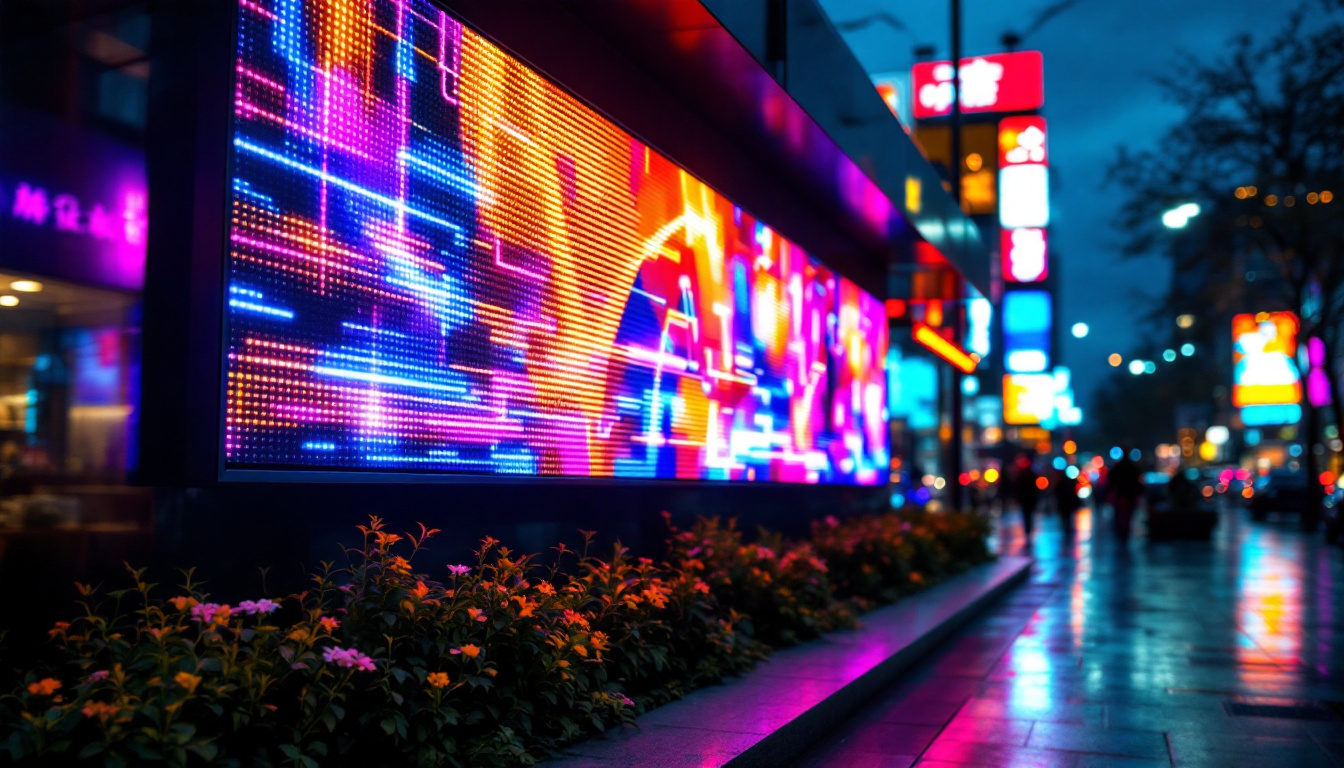
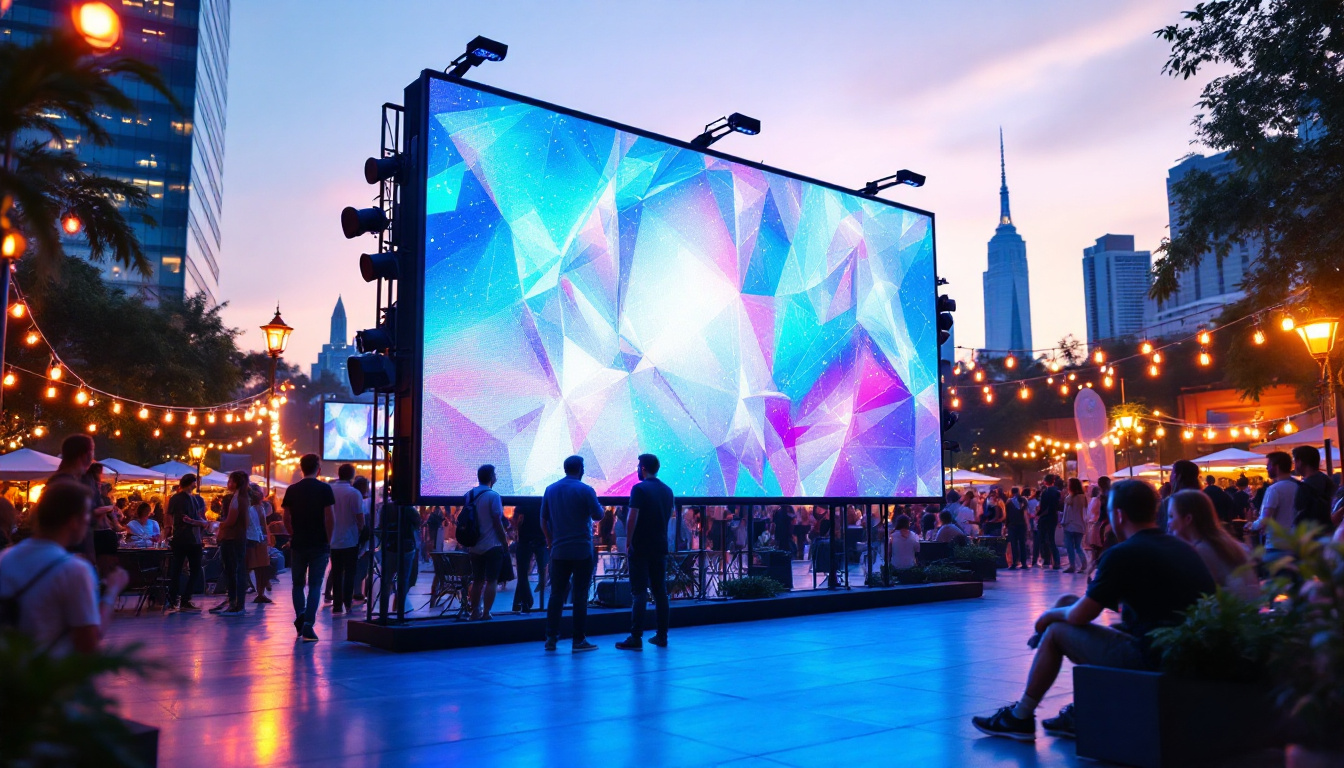
Large LED screens, such as those used in stadiums, concert venues, or outdoor advertising, often require very high refresh rates—sometimes exceeding 3,000Hz—to eliminate flicker when captured by broadcast cameras. This ultra-high refresh ratio ensures that the display appears stable and flicker-free both to the naked eye and through video equipment, maintaining visual integrity in live environments.
Factors Influencing Refresh Ratio Performance
While the nominal refresh ratio is an important specification, several other factors influence how effectively an LED display performs at a given refresh rate.
Pixel Pitch and Resolution
Pixel pitch—the distance between individual LED pixels—affects the display’s resolution and overall image sharpness. Displays with smaller pixel pitches tend to offer higher resolution and finer detail. However, driving a high-resolution display at a high refresh ratio requires more processing power and bandwidth, which can impact cost and complexity.
Driver ICs and Processing Technology
The integrated circuits (ICs) responsible for controlling the LEDs must be capable of handling high refresh rates without introducing latency or artifacts. Advances in driver IC technology have enabled LED manufacturers to push refresh ratios higher while maintaining color accuracy and brightness uniformity.
Power Consumption and Heat Dissipation
Higher refresh rates can increase power consumption and heat generation, especially in large LED panels. Efficient thermal management and power supply design are essential to maintain performance and prolong the lifespan of the display.
How to Choose the Right Refresh Ratio for Your LED Display
Selecting the appropriate refresh ratio depends largely on the intended use case, viewing environment, and budget considerations.
For Home Entertainment and General Use
A 60Hz refresh rate is generally sufficient for watching movies, streaming content, and casual gaming. However, if the user prioritizes smoother motion for fast-paced games or sports, investing in a 120Hz or higher display can significantly enhance the viewing experience.
For Professional and Commercial Applications
In environments such as broadcast studios, live event venues, or digital signage, a higher refresh ratio is often necessary to ensure flicker-free visuals and compatibility with camera equipment. Displays with refresh rates in the thousands of Hertz range are common in these settings, especially for outdoor LED walls and large-format video displays.
For Gaming and Interactive Displays
Competitive gaming demands the highest possible refresh rates—144Hz, 240Hz, or even beyond—to reduce motion blur and input lag. Interactive installations, such as touch-enabled LED walls or VR environments, also benefit from high refresh ratios to maintain responsiveness and visual clarity.
Future Trends in LED Display Refresh Ratios
As LED technology continues to evolve, refresh ratios are expected to improve further, driven by advancements in materials, driver electronics, and processing algorithms.
MicroLED and MiniLED Innovations
Emerging display technologies like MicroLED and MiniLED promise higher brightness, better contrast, and faster refresh rates at lower power consumption. These innovations could enable ultra-high refresh ratios in compact, energy-efficient displays suitable for both consumer and professional markets.
Adaptive Refresh Rate Technologies
Adaptive or variable refresh rate (VRR) technologies, already popular in gaming monitors and televisions, allow the display to dynamically adjust its refresh ratio based on the content being shown. This not only improves visual smoothness but also reduces power consumption by lowering the refresh rate when high speed is unnecessary.
Integration with AI and Smart Processing
Artificial intelligence and advanced image processing are increasingly being integrated into LED display systems to optimize refresh rates in real-time. These technologies can predict motion and adjust refresh timing to minimize artifacts and enhance overall image quality.
Conclusion
The refresh ratio is a fundamental specification that significantly impacts the performance and user experience of LED displays. From ensuring smooth motion and reducing flicker to enabling compatibility with professional video equipment, the refresh ratio plays a pivotal role in determining display quality. Understanding the technical underpinnings and practical implications of refresh ratios empowers consumers and professionals alike to make informed decisions when selecting LED displays for their specific needs.
With ongoing advancements in LED technology and processing capabilities, the future holds promising developments in refresh ratios, paving the way for even more immersive, comfortable, and visually stunning display experiences across all sectors.
Discover the Future of LED Displays with LumenMatrix
Ready to experience the pinnacle of LED display technology? LumenMatrix is at the forefront of innovation, offering a wide array of LED solutions that cater to every need—from dazzling Indoor LED Walls to dynamic Outdoor LED Displays, and from versatile Vehicle LED Displays to immersive LED Sports and Floor Displays. Embrace the future of visual communication with our Custom, All-in-One, and Transparent LED Displays that promise to elevate your brand’s presence and captivate your audience. Don’t just take our word for it; check out LumenMatrix LED Display Solutions today and see how we can transform your visual storytelling into an unforgettable experience.