In today’s fast-paced world, emergency response centers rely heavily on advanced technology to manage and coordinate critical information efficiently. The Nashville Emergency Communications Center (NECC) stands as a prime example of how integrating modern LED display systems can enhance situational awareness, streamline communication, and ultimately save lives. This article delves into the role of LED displays within the NECC, explaining their functionality, benefits, and impact on emergency management.
The Role of the Nashville Emergency Communications Center
The Nashville Emergency Communications Center serves as the central hub for dispatching emergency services, including police, fire, and medical responders, across Davidson County and surrounding areas. Handling thousands of calls daily, the center must process information rapidly and accurately to ensure timely responses. With an average of over 1,000 emergency calls per day, the NECC operates under intense pressure where every second counts.
To meet these demands, the center utilizes a variety of technological tools designed to optimize communication and coordination. Among these, LED display systems have become indispensable for presenting real-time data to dispatchers and decision-makers.
In addition to advanced display systems, the NECC employs sophisticated computer-aided dispatch (CAD) software that streamlines the process of logging calls and dispatching units. This software integrates geographic information systems (GIS) to provide dispatchers with precise locations of incidents, allowing for quicker and more efficient routing of emergency responders. The ability to visualize incidents on a map not only enhances situational awareness but also aids in resource allocation, ensuring that the nearest available units are dispatched promptly. Furthermore, the center’s commitment to continuous training ensures that all personnel are well-versed in using these technologies, which is crucial for maintaining high standards of service during critical situations.
Moreover, the NECC plays a vital role in community engagement and public education. Through initiatives such as outreach programs and training sessions, the center informs residents about how to effectively communicate with emergency services. This includes guidance on when to call 911, what information to provide during an emergency, and the importance of remaining calm. By fostering a better understanding of the emergency response process, the NECC not only enhances public safety but also builds trust within the community, ensuring that residents feel supported and informed in times of crisis.
Understanding LED Displays in Emergency Communications
What Are LED Displays?
LED (Light Emitting Diode) displays are digital screens composed of numerous tiny light-emitting diodes that collectively produce high-resolution images and text. Unlike traditional monitors, LED displays offer superior brightness, energy efficiency, and durability, making them ideal for environments requiring constant visibility and reliability. Their lightweight design and flexibility also allow for a range of applications, from large outdoor billboards to compact indoor screens, ensuring that they can be utilized in various settings.
In the context of emergency communications, LED displays are used to present critical information such as call statuses, resource allocation, maps, weather updates, and live incident feeds. Their ability to deliver clear, dynamic visuals ensures that dispatchers can quickly interpret and act on data. Moreover, the rapid refresh rates of LED technology minimize lag, which is crucial during high-stakes situations where every second counts. This immediacy can be the difference between effective response and chaos, underscoring the importance of reliable display technology in emergency management.
Types of LED Displays Used in NECC
The NECC employs several types of LED displays tailored to different operational needs:
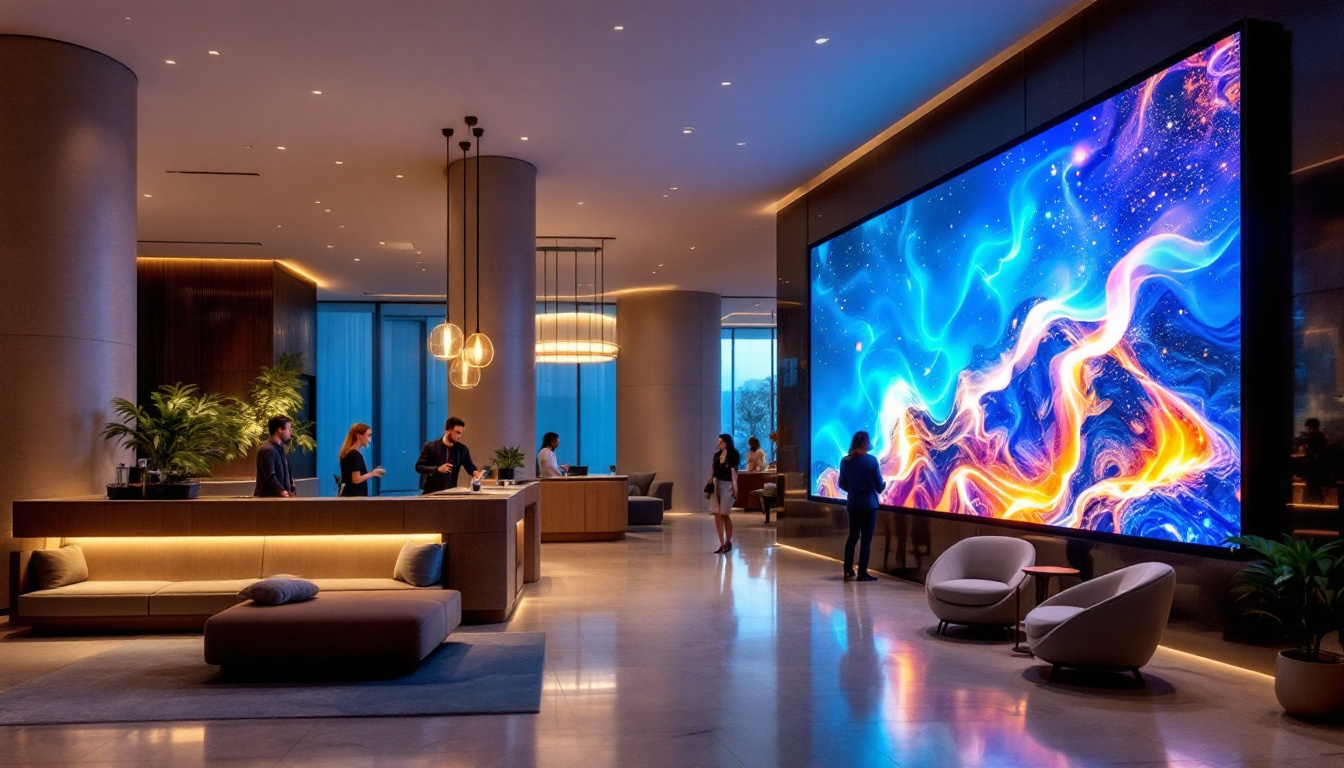
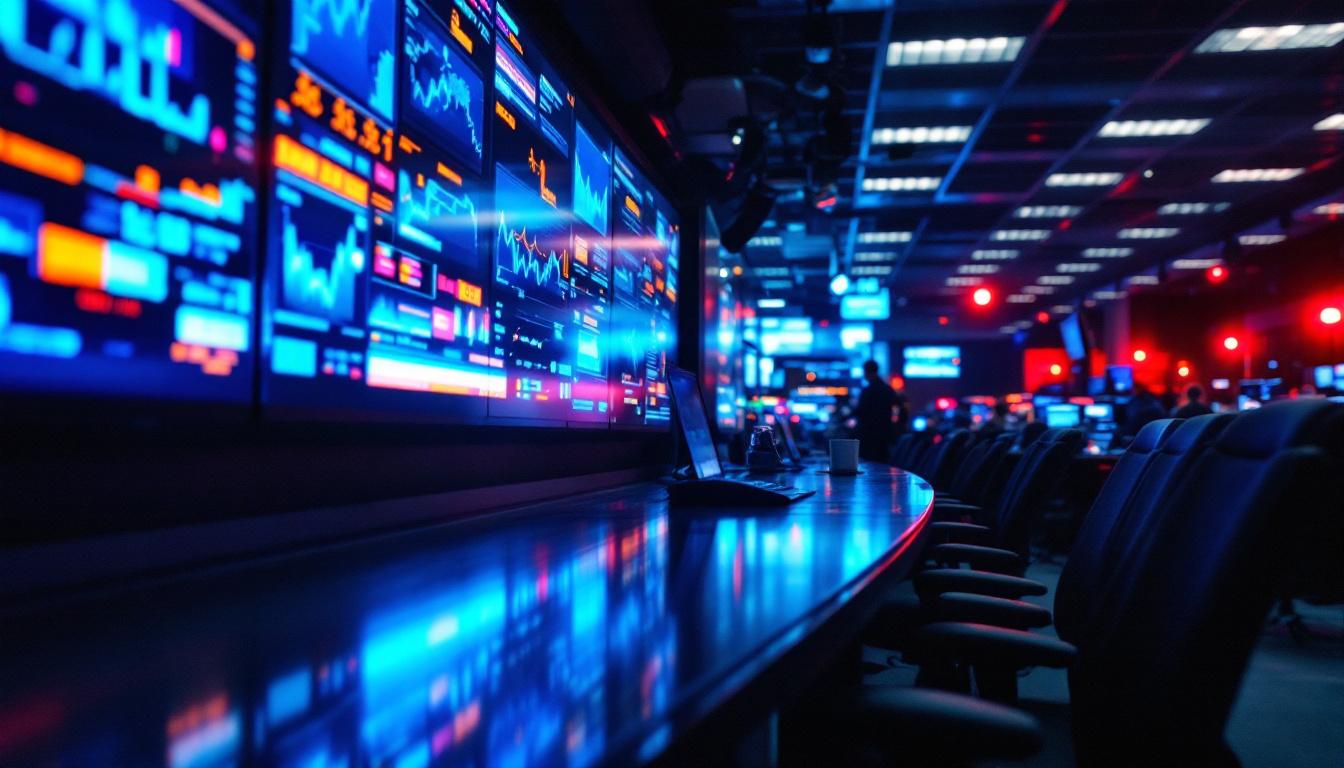
- Video Walls: Large-scale, multi-panel LED displays that provide a comprehensive overview of ongoing incidents, resource deployments, and geographic data. These video walls can be configured to show multiple feeds simultaneously, allowing for a more holistic view of the situation at hand.
- Status Boards: Medium-sized displays showing real-time call queues, unit availability, and priority alerts. These boards are crucial for ensuring that dispatchers are aware of the current operational status and can make informed decisions quickly.
- Information Panels: Smaller LED screens positioned at individual dispatcher stations for personalized data streams and notifications. These panels can be customized to display specific information relevant to each dispatcher’s role, enhancing their ability to respond effectively to incidents.
These varied display formats allow the NECC to present information at both macro and micro levels, enhancing situational awareness across the entire team. Furthermore, the integration of advanced software with these displays enables real-time data analytics, allowing for predictive modeling and trend analysis. This capability not only aids in immediate decision-making but also contributes to long-term strategic planning, as patterns in emergency calls and resource utilization can be identified and addressed. The synergy between LED technology and data analytics represents a significant advancement in emergency response systems, ensuring that agencies are better equipped to handle crises as they arise.
How LED Displays Enhance Emergency Response Efficiency
Real-Time Data Visualization
One of the most significant advantages of LED displays is their capacity to visualize data in real time. In emergency communications, delays or misinterpretations can have serious consequences. The NECC’s LED video walls continuously update with live information, including 911 call locations, unit statuses, and traffic conditions.
This immediate access to current data allows dispatchers to allocate resources more effectively, prioritize calls based on severity, and adjust strategies as situations evolve. For example, during a multi-vehicle accident, the LED display can show the exact location, number of injured parties, and available medical units nearby, enabling rapid coordination.
Improved Situational Awareness
Situational awareness is critical in emergency management. The NECC’s LED displays consolidate diverse data streams into a unified visual interface, reducing cognitive load on dispatchers. By integrating maps, weather updates, and incident reports on a single screen, the team gains a holistic understanding of the operational environment.
This comprehensive perspective helps prevent oversight and supports informed decision-making. During large-scale events such as severe weather outbreaks or public gatherings, the LED displays provide a centralized command view that enhances coordination among multiple agencies.
Enhanced Communication and Collaboration
LED displays also facilitate communication within the NECC and with external partners. Visual alerts and status updates broadcast on prominent screens keep all personnel aligned on priorities and developments. Additionally, the displays can be linked to regional emergency networks, enabling seamless information sharing with neighboring jurisdictions and state agencies.
This interconnectedness is vital during crises that cross municipal boundaries, such as wildfires or hazardous material spills. The ability to quickly disseminate visual information reduces confusion and accelerates joint response efforts.
Technical Features and Innovations in NECC’s LED Systems
High Resolution and Brightness
The NECC’s LED displays feature high pixel density and brightness levels tailored for control room environments. These specifications ensure that information remains clear and legible under various lighting conditions, including the dimmed settings often used to reduce eye strain during long shifts.
High resolution is particularly important for displaying detailed maps and complex data overlays, allowing dispatchers to zoom in on specific areas without losing clarity.
Modular Design for Scalability
The modular construction of the LED video walls allows the NECC to expand or reconfigure displays as operational needs change. This flexibility supports future upgrades and integration of new technologies without requiring complete system replacement.
For example, during peak demand periods or special events, additional panels can be added to increase display area, providing more comprehensive situational data.
Integration with Software Platforms
The LED displays are integrated with the NECC’s dispatch and geographic information system (GIS) software. This integration enables automated data feeds, dynamic content updates, and customizable interfaces tailored to different user roles.
Advanced software capabilities also include predictive analytics and incident trend visualization, which can be projected on the LED walls to support proactive decision-making.
Case Studies: LED Displays in Action at NECC
Managing the 2020 Tornado Outbreak
In March 2020, Nashville experienced a devastating tornado outbreak that required rapid mobilization of emergency services. The NECC’s LED display systems played a crucial role in managing the crisis by providing real-time updates on storm tracking, damage reports, and resource deployment.
The video walls displayed live weather radar alongside emergency call data, enabling dispatchers to anticipate affected areas and prioritize response efforts. The clear visualization of unit locations helped avoid duplication of efforts and ensured that the most critical incidents received immediate attention.
Coordinating COVID-19 Emergency Responses
During the COVID-19 pandemic, the NECC adapted its LED display usage to support public health emergency management. Displays were used to monitor hospital capacities, track ambulance availability, and disseminate updated protocols to dispatchers.
This dynamic information flow helped maintain efficient emergency medical services despite unprecedented call volumes and operational challenges. The LED systems also facilitated coordination with healthcare facilities and public health agencies, improving overall response effectiveness.
Future Trends: The Evolution of LED Displays in Emergency Communications
Incorporation of Artificial Intelligence
Looking ahead, the integration of artificial intelligence (AI) with LED display systems promises to further enhance emergency communications. AI algorithms can analyze incoming data streams, predict incident hotspots, and recommend optimal resource allocation, with results displayed visually on LED screens.
This fusion of AI and LED technology could reduce dispatcher workload and improve response times by providing actionable insights in an easily digestible format.
Augmented Reality and Interactive Displays
Emerging technologies such as augmented reality (AR) and interactive LED displays may transform how emergency centers visualize and interact with data. Touch-sensitive LED panels and AR overlays could allow dispatchers to manipulate maps, access detailed information, and collaborate more intuitively.
Such advancements would enhance user engagement and operational flexibility, enabling more precise and adaptive emergency management.
Conclusion
The Nashville Emergency Communications Center’s use of LED display technology exemplifies how modern tools can significantly improve emergency response capabilities. By delivering real-time, high-resolution visual data, these displays enhance situational awareness, streamline communication, and support informed decision-making under pressure.
As technology continues to evolve, the integration of LED displays with AI and interactive systems will likely drive further innovations in emergency communications. For communities like Nashville, these advancements translate into faster, more coordinated responses that ultimately protect lives and property.
Discover LumenMatrix’s Advanced LED Solutions
As you’ve seen, the right technology can make all the difference in emergency response scenarios. LumenMatrix is at the forefront of this technological revolution, offering a wide array of LED display solutions that cater to the critical needs of emergency communications centers like the Nashville Emergency Communications Center. From Indoor and Outdoor LED Wall Displays to specialized solutions like Vehicle LED Displays and LED Sports Displays, LumenMatrix is committed to enhancing operational efficiency and decision-making in high-stress environments. To see how LumenMatrix can illuminate your emergency response capabilities with unparalleled clarity and reliability, check out LumenMatrix LED Display Solutions today.