In the rapidly evolving world of digital signage and visual technology, LED displays have become a cornerstone of modern communication. From bustling sports arenas to corporate boardrooms, LED display technology offers vibrant, dynamic, and highly customizable visual experiences that captivate audiences. This article delves into the intricacies of LED displays, focusing on the concept of “Res X” — a critical factor in understanding display resolution and image quality. Whether you are a technology enthusiast, a business owner considering digital signage, or a professional in the display industry, this comprehensive guide will clarify what Res X means, why it matters, and how it impacts the performance of LED displays.
Understanding LED Display Technology
What is an LED Display?
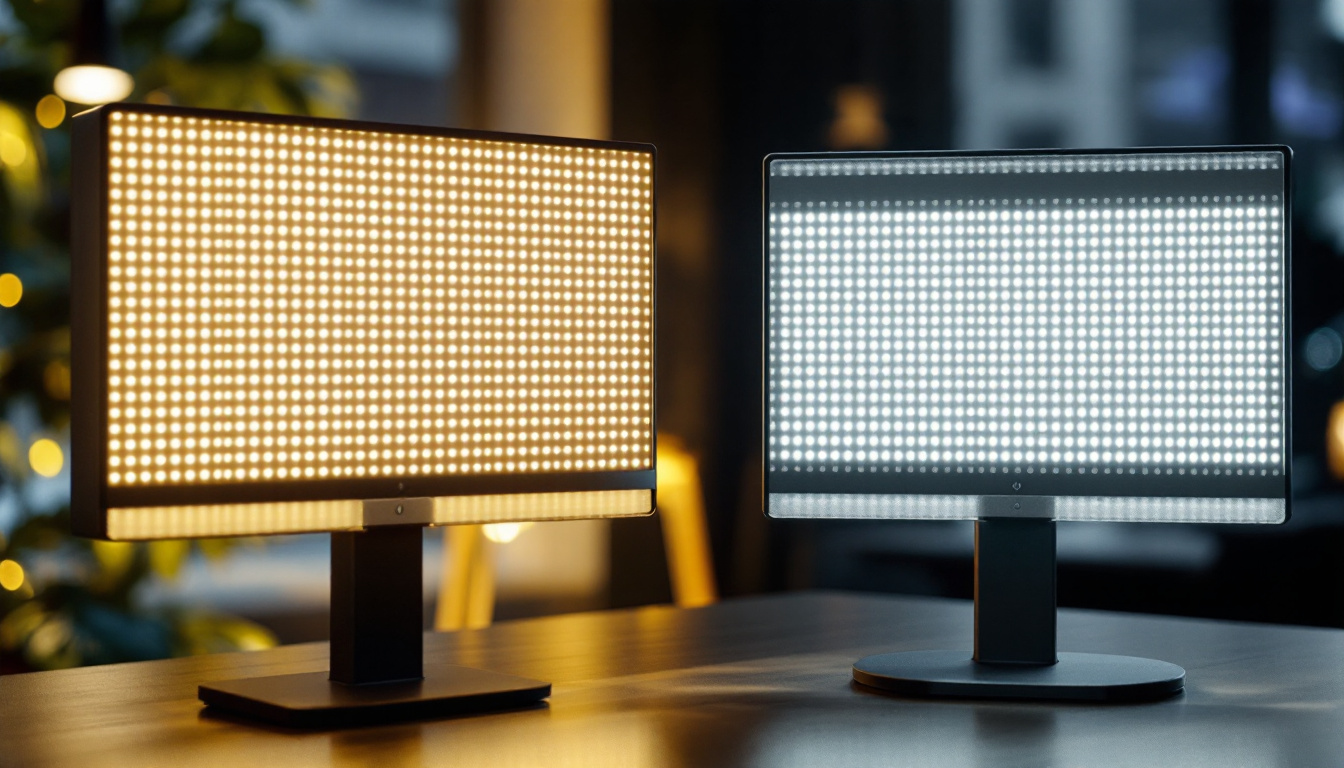
LED stands for Light Emitting Diode, a semiconductor device that emits light when an electric current passes through it. LED displays are composed of thousands to millions of these tiny diodes arranged in a grid to form images and videos. Unlike traditional LCD or plasma screens, LED displays use direct light sources, which provide higher brightness levels, better contrast ratios, and superior color accuracy.
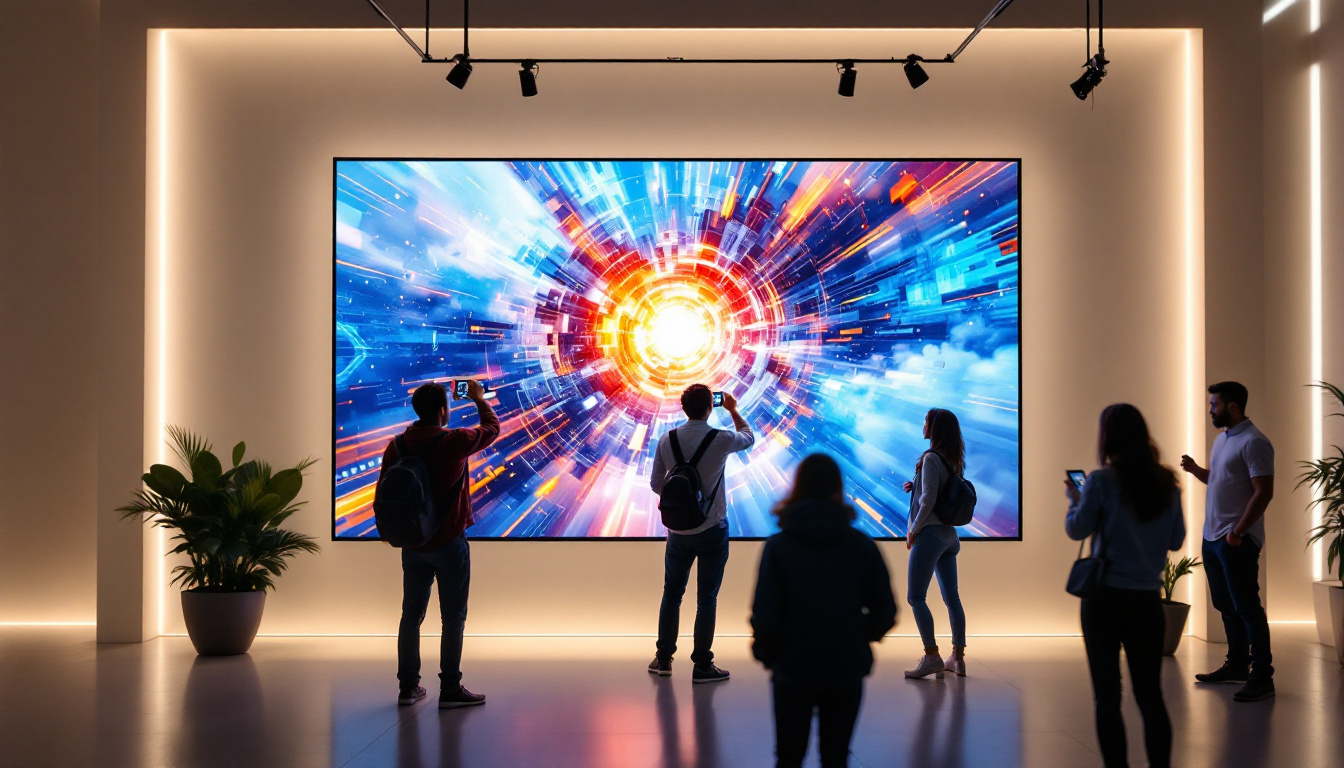
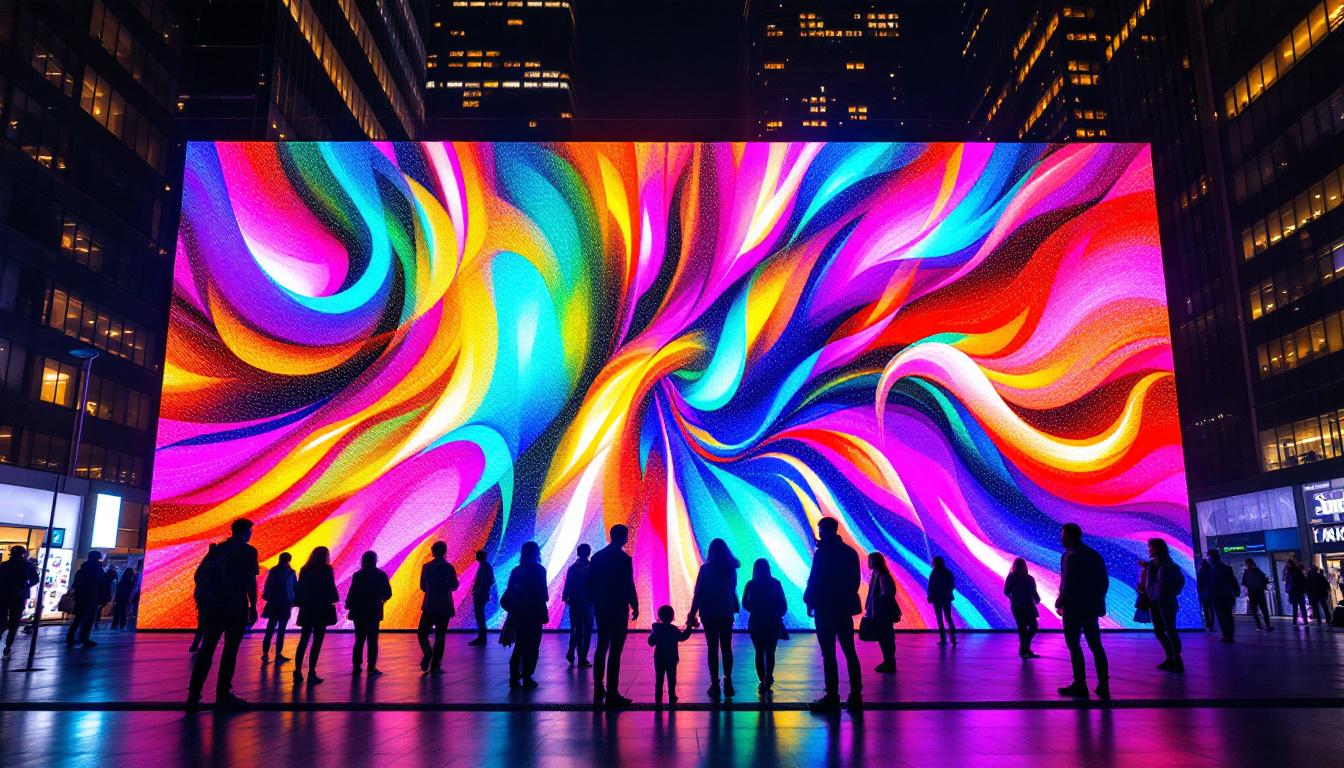
Modern LED displays are widely used in various applications, including outdoor billboards, stadium screens, retail signage, and indoor video walls. Their modular design allows for customization in size and shape, making them versatile for different environments and purposes.
How LED Displays Work
Each LED pixel typically consists of three sub-pixels: red, green, and blue (RGB). By adjusting the intensity of these sub-pixels, the display can reproduce a broad spectrum of colors. The control system manages these LEDs to create moving images or static visuals with remarkable clarity and vibrancy.
LED displays can be categorized into two main types: surface-mounted device (SMD) and through-hole LEDs. SMD technology, which integrates all three RGB LEDs into a single package, is dominant in indoor and high-resolution displays due to its compactness and fine pixel pitch. Through-hole LEDs, larger and more robust, are often used in outdoor applications where durability and brightness are paramount.
What is Res X in LED Displays?
Defining Res X
Res X refers to the horizontal resolution of an LED display, essentially the number of pixels arranged along the width of the screen. It is a crucial metric that, together with the vertical resolution (Res Y), determines the total pixel count and the display’s ability to render detailed images.
For example, a display with a resolution of 1920×1080 has a Res X of 1920 pixels and a Res Y of 1080 pixels. The higher the Res X, the more pixels there are horizontally, which generally translates into sharper and more detailed images.
Why Res X Matters
The horizontal resolution (Res X) directly influences the clarity and quality of the content shown on an LED display. A higher Res X means more pixels are packed horizontally, allowing finer details to be displayed, which is especially important for content with intricate graphics, text, or high-definition video.
In practical terms, Res X impacts:
- Image Sharpness: Higher horizontal resolution reduces pixelation, making images crisper.
- Content Flexibility: Displays with higher Res X can handle a wider range of content formats and resolutions without loss of quality.
- Viewing Distance: A higher Res X allows for closer viewing distances without perceivable pixelation, enhancing audience engagement.
How Resolution and Pixel Pitch Interact
The Role of Pixel Pitch
Pixel pitch is the physical distance between the centers of two adjacent pixels, usually measured in millimeters. It is a key factor that works hand-in-hand with resolution to determine image quality and viewing experience on LED displays.
A smaller pixel pitch means pixels are closer together, resulting in higher pixel density and sharper images. For example, a display with a pixel pitch of 1.2 mm will have much finer detail than one with a 10 mm pitch, even if both have the same Res X.
Balancing Res X and Pixel Pitch
When selecting or designing an LED display, it is essential to balance Res X and pixel pitch according to the intended use and viewing distance. For indoor displays where viewers are close, a high Res X combined with a small pixel pitch is ideal to ensure crisp visuals. Conversely, for large outdoor billboards viewed from hundreds of feet away, a lower Res X and larger pixel pitch are sufficient and more cost-effective.
For instance, a 4K LED display with a pixel pitch of 0.9 mm is perfect for close-up viewing in conference rooms or retail environments, while a 10 mm pixel pitch with a lower Res X works well for highway billboards.
Applications and Examples of Res X in LED Displays
Sports Arenas and Stadiums
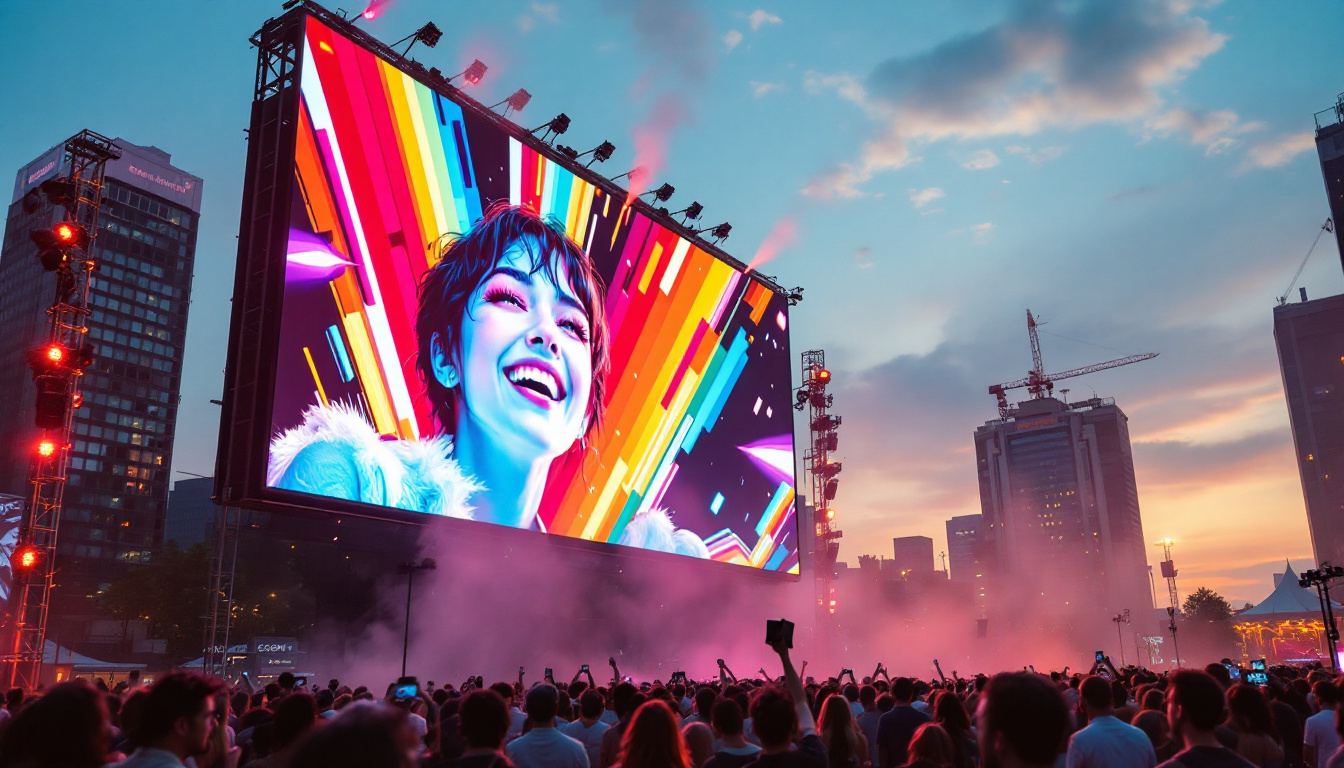
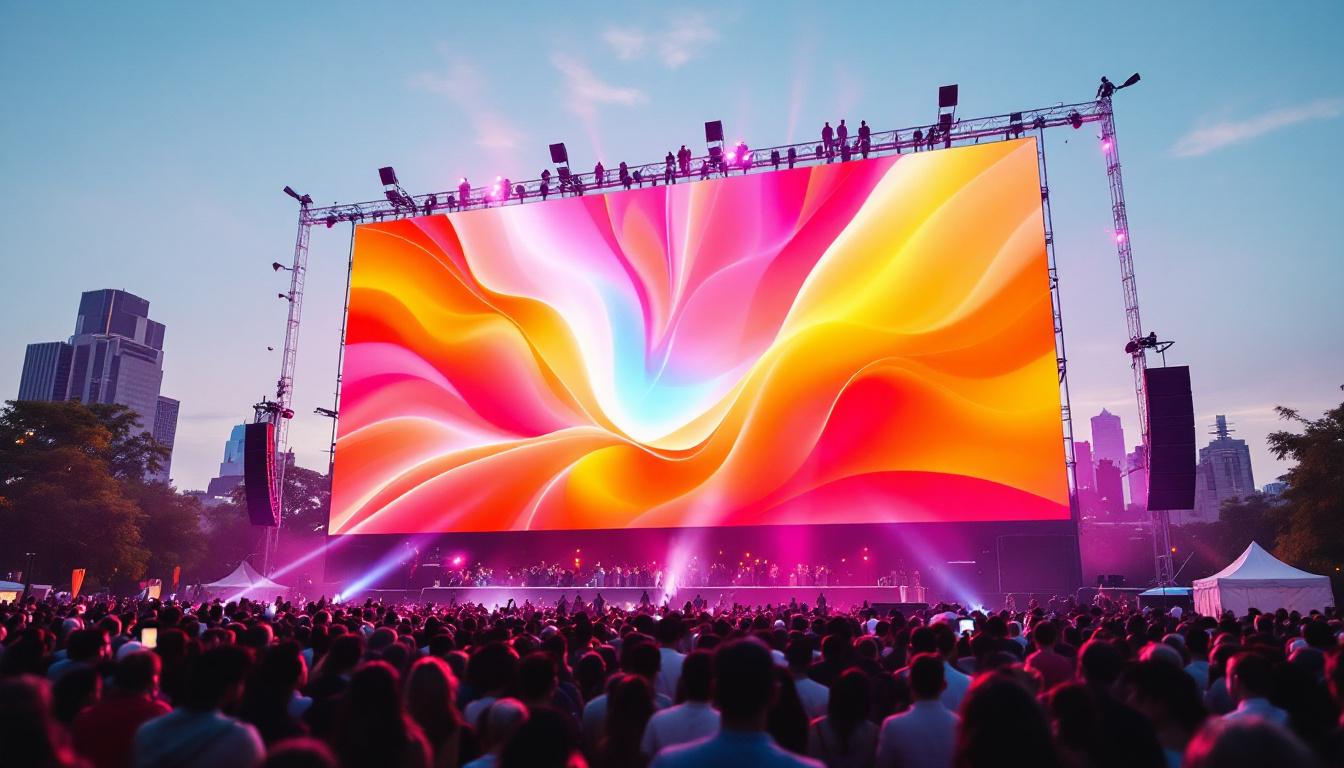
Large-scale LED displays in sports venues must balance size, resolution, and viewing distance. Typically, these displays have high horizontal resolutions (Res X) to ensure that fans seated far from the screen can still see clear replays and statistics. For example, the iconic LED ribbon boards in major stadiums often feature resolutions exceeding 4000 pixels horizontally, combined with pixel pitches ranging from 6 mm to 10 mm, optimized for visibility at long distances.
Advancements in LED technology have enabled stadiums to install ultra-high-definition (UHD) screens with Res X values of 8000 pixels or more, delivering immersive viewing experiences that rival home televisions but on a monumental scale.
Retail and Advertising Displays
In retail environments, LED displays are used to attract customers with vibrant, high-resolution content. Here, Res X is critical because shoppers often view screens from short distances. High horizontal resolution combined with small pixel pitch (1.5 mm or less) ensures that promotional videos, product details, and text are sharp and legible.
Brands increasingly leverage LED video walls with Res X values tailored to their store layouts, ensuring maximum impact and engagement. For example, a multi-panel LED wall in a flagship store may feature a Res X of 3840 pixels, matching the standard 4K horizontal resolution, to display crisp, dynamic content.
Corporate and Control Room Displays
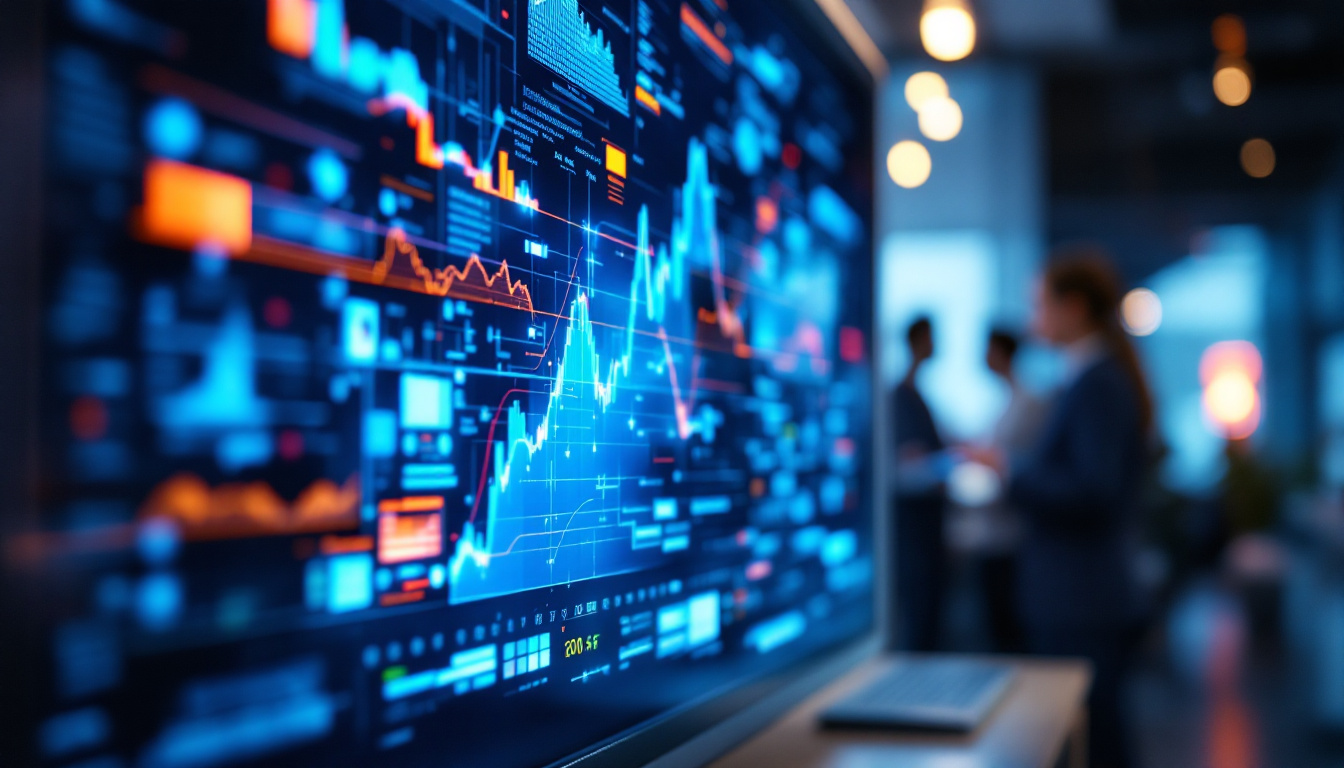
In corporate settings and control rooms, precision and clarity are paramount. LED displays with high Res X values allow for detailed dashboards, complex data visualizations, and video conferencing with exceptional clarity. The ability to display multiple windows or sources simultaneously without loss of detail depends heavily on the horizontal resolution.
Control rooms often utilize LED walls with resolutions exceeding 5000 pixels horizontally, paired with pixel pitches as fine as 1.2 mm, enabling operators to monitor critical information effectively.
Technical Considerations When Choosing Res X
Content Type and Resolution Compatibility
Choosing the right Res X involves understanding the types of content that will be displayed. Native content resolution should ideally match or exceed the display’s Res X to prevent scaling artifacts and maintain image quality. For example, displaying 1080p content on a display with a Res X of 1920 pixels ensures pixel-perfect clarity without distortion.
Content creators and display operators should also consider future-proofing their investment by selecting displays with higher Res X to accommodate evolving content standards such as 4K and beyond.
Viewing Distance and Environment
Viewing distance plays a pivotal role in determining the optimal Res X. The general rule is that the closer the audience, the higher the horizontal resolution needed. For instance, digital signage in a shopping mall corridor requires a higher Res X than a billboard along a highway.
Environmental factors such as ambient lighting also influence the choice of resolution and pixel pitch. High brightness LED displays with appropriate Res X ensure visibility even in direct sunlight, which is critical for outdoor applications.
Cost and Installation Complexity
Higher Res X displays typically involve more LEDs and complex control electronics, which increase costs. Installation and maintenance also become more intricate as resolution rises. Therefore, it is essential to balance the benefits of higher horizontal resolution against budget constraints and operational requirements.
Modular LED panels allow for scalable solutions, enabling businesses to upgrade Res X incrementally as needed, thus optimizing investment over time.
Future Trends in LED Display Resolution
Increasing Res X and Ultra-High Definition
As consumer expectations for image quality continue to rise, the industry is pushing toward ultra-high-definition LED displays with extremely high Res X values. Displays with horizontal resolutions of 8000 pixels and beyond are becoming more accessible, driven by advances in LED miniaturization and manufacturing techniques.
These developments enable LED displays to rival traditional flat-panel displays in terms of sharpness while offering the benefits of scalability and brightness unique to LED technology.
MicroLED and Beyond
Emerging technologies like MicroLED promise to revolutionize LED displays by drastically reducing pixel pitch and increasing Res X without compromising brightness or durability. MicroLED displays feature microscopic LEDs that can deliver unprecedented resolution and color accuracy, making them ideal for applications requiring ultra-fine detail.
While still in the early stages of commercial adoption, MicroLED technology is expected to set new standards for Res X and overall display performance in the coming years.
Integration with Augmented Reality and Interactive Displays
Future LED displays with high Res X will increasingly integrate with augmented reality (AR) and interactive technologies. High horizontal resolution will be essential to create seamless, immersive experiences where digital content blends flawlessly with the real world.
These advancements will open new possibilities for advertising, entertainment, education, and more, making understanding Res X more important than ever for industry professionals.
Conclusion
Res X, the horizontal resolution of LED displays, is a fundamental aspect that determines the clarity, detail, and overall quality of visual content. Understanding how Res X interacts with pixel pitch, viewing distance, and content type is essential for selecting the right LED display for any application.
From massive stadium screens to intimate retail video walls, the appropriate Res X ensures that audiences receive the best possible visual experience. As LED technology continues to advance, with trends like ultra-high-definition and MicroLED on the horizon, mastering the concept of Res X will remain critical for anyone involved in the design, deployment, or use of LED display systems.
Investing in the right resolution today not only enhances immediate visual impact but also future-proofs digital signage solutions in an increasingly visual world.
Discover the Future of Visual Experience with LumenMatrix
As you consider the importance of Res X and the transformative power of high-resolution LED displays, LumenMatrix stands at the forefront of this technological evolution. With a commitment to innovation and quality, LumenMatrix offers a diverse range of LED display solutions, from Indoor and Outdoor LED Walls to specialized displays for vehicles, sports, and custom applications. Embrace the future of visual communication and enhance your brand’s visibility with our captivating and state-of-the-art LED displays. Check out LumenMatrix LED Display Solutions and step into a world where every pixel counts.