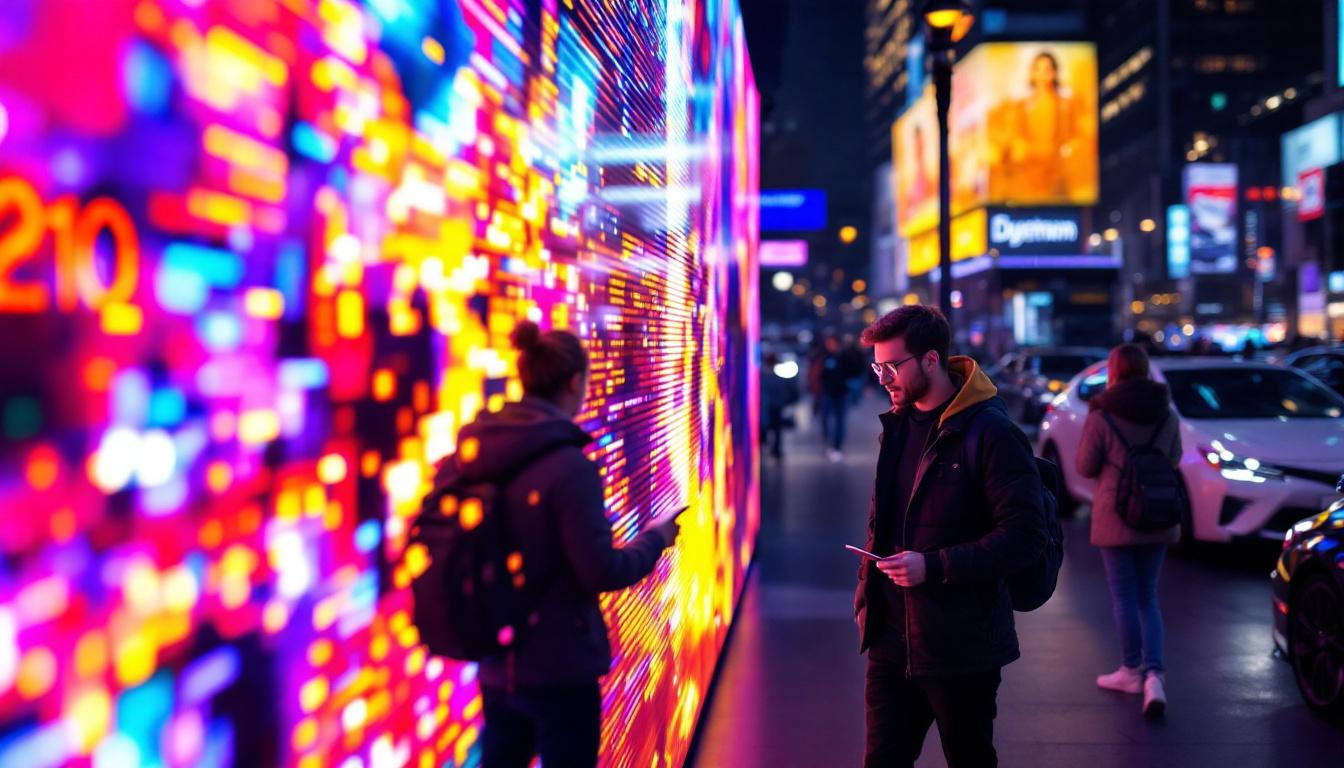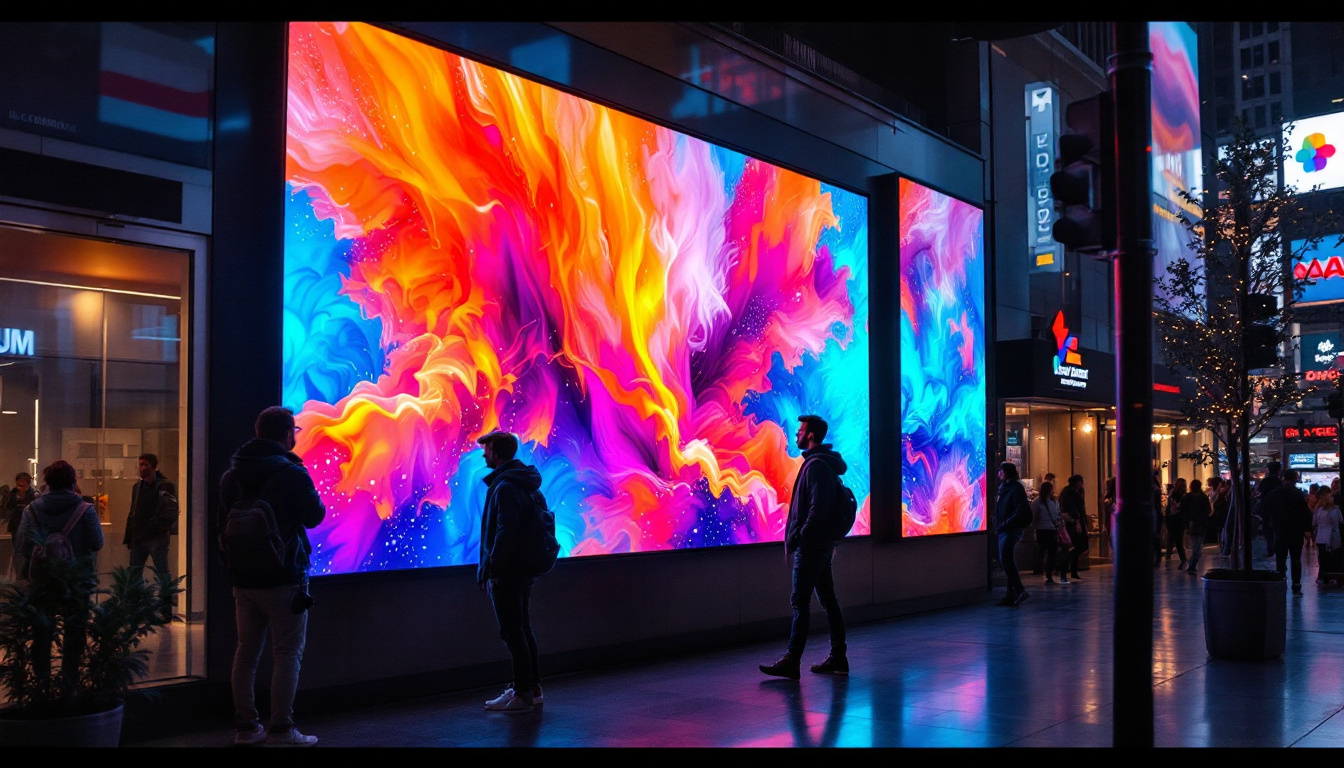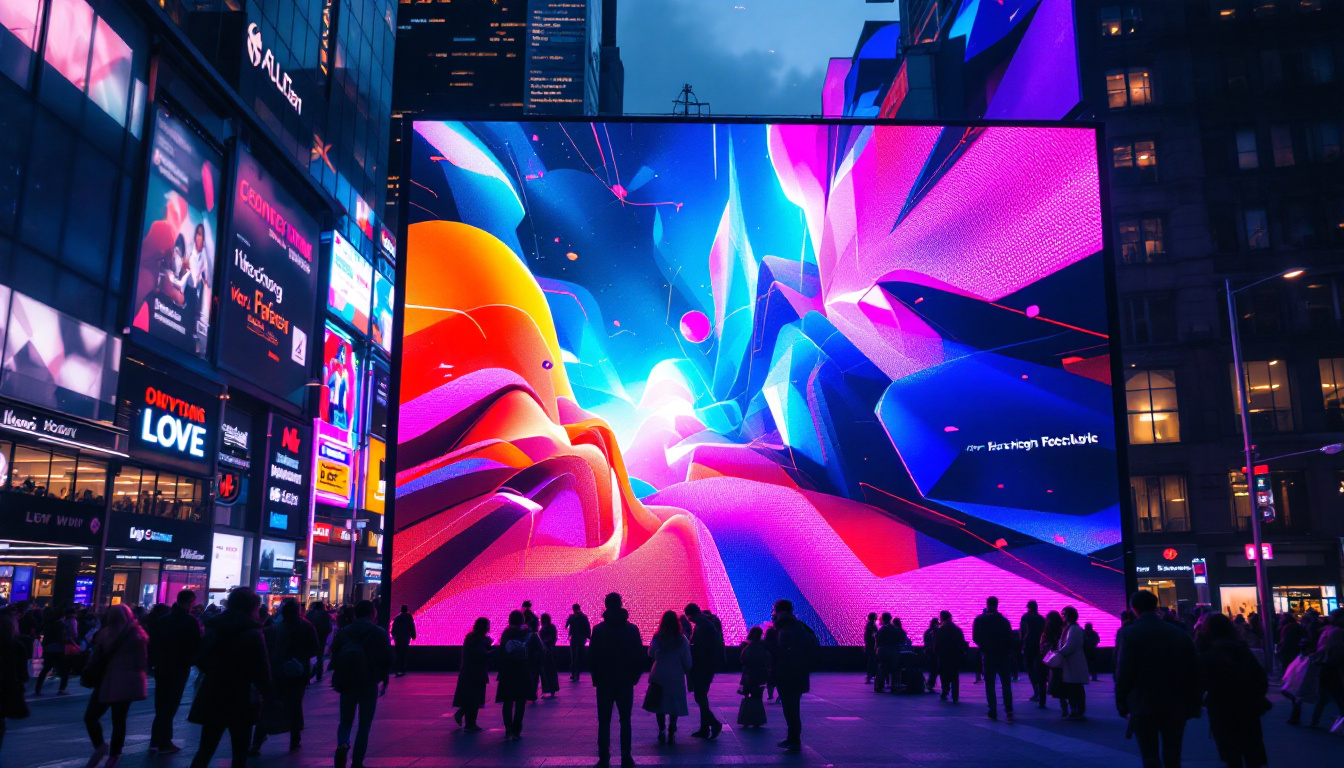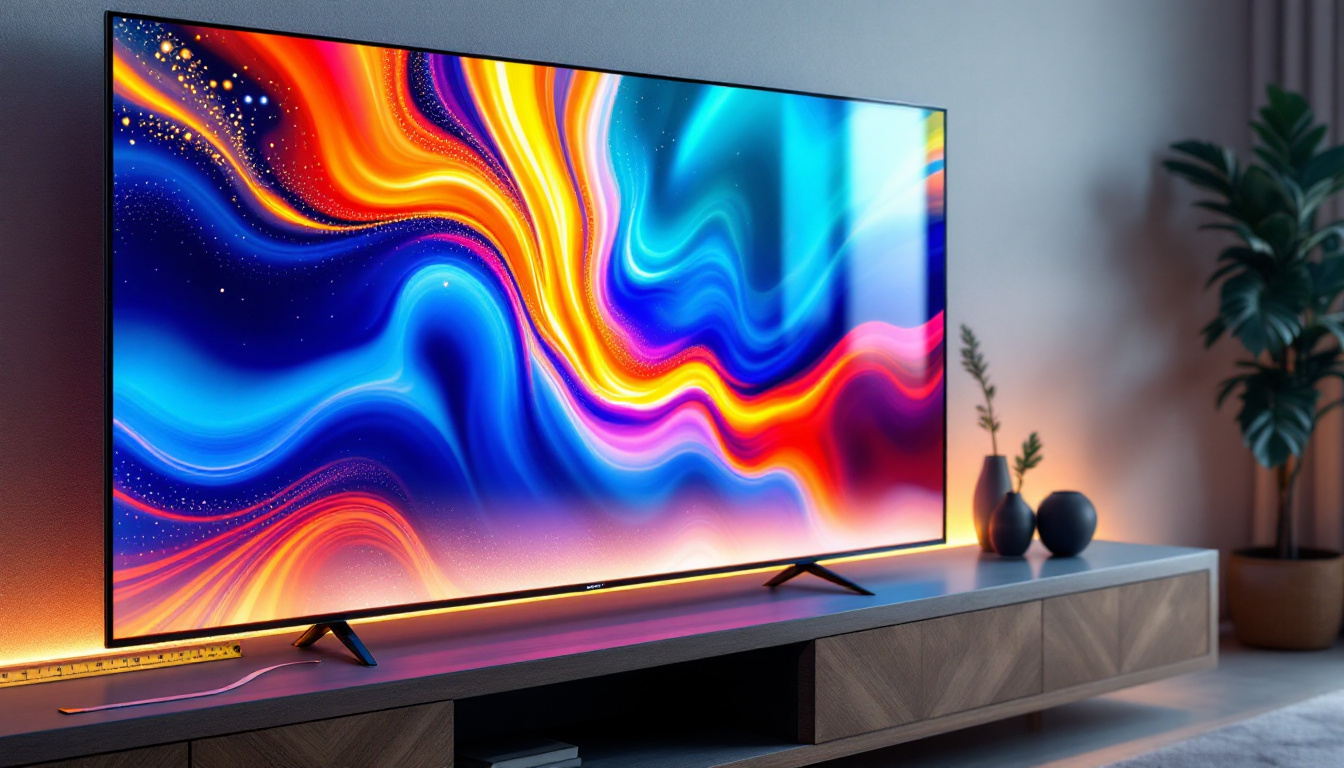
In the fast-paced world of retail, capturing consumer attention is more challenging than ever. With countless brands competing for visibility, retailers need innovative and effective marketing tools to stand out. One such tool that has revolutionized in-store advertising is the LED display. This technology offers dynamic, vibrant, and customizable content that can transform the shopping experience and drive sales. This article explores the role of LED displays in retail marketing, how they work, their benefits, and best practices for implementation.
Understanding LED Displays in Retail
LED, or Light Emitting Diode, displays have become a cornerstone of modern retail marketing due to their versatility and visual impact. Unlike traditional static signage, LED displays use a matrix of tiny LEDs to create bright, colorful images and videos that can be easily updated and tailored to specific campaigns or customer segments.
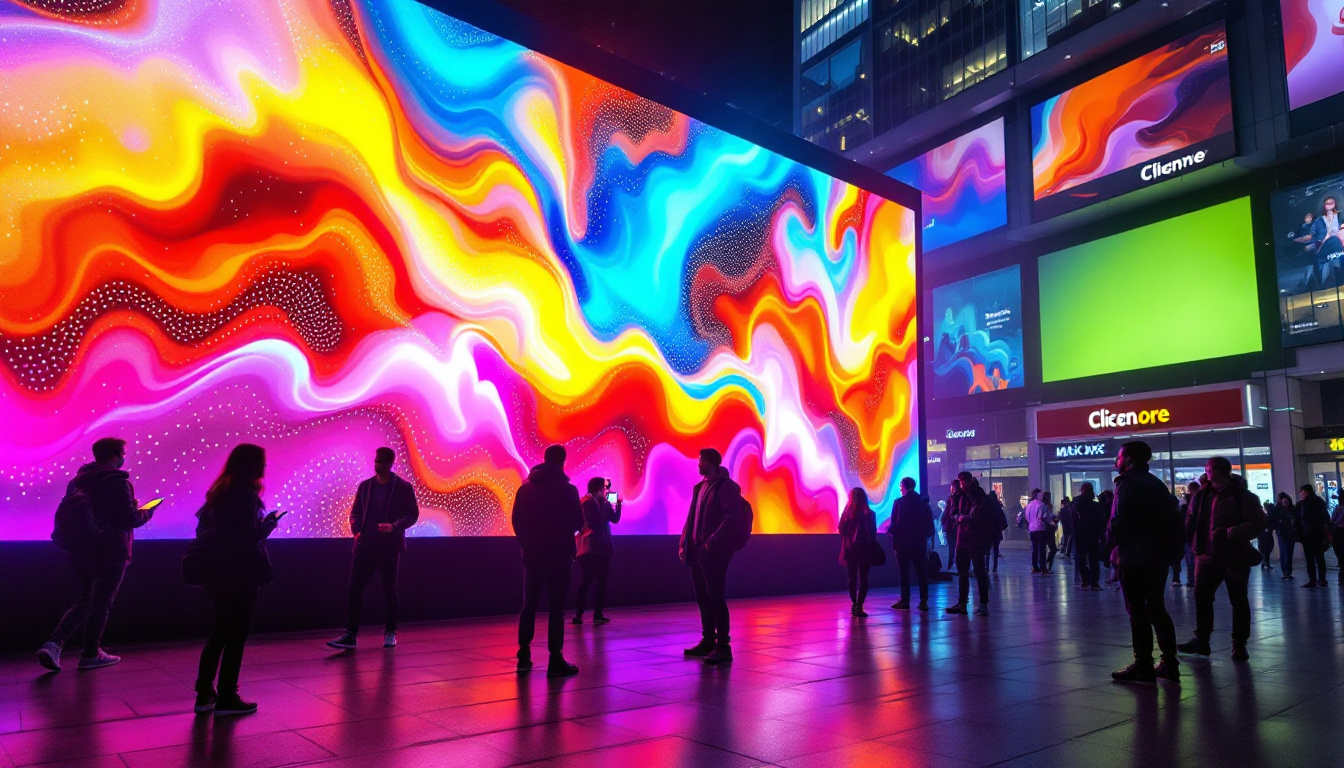
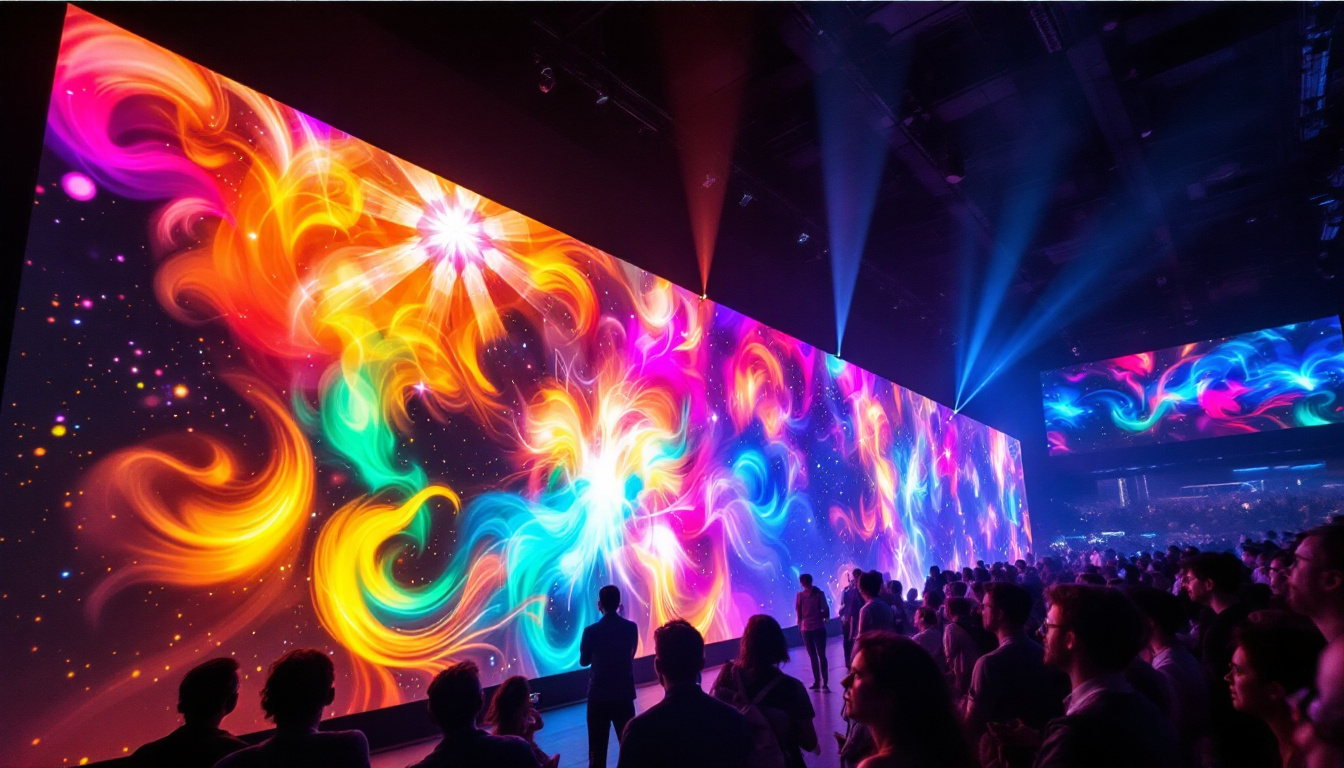
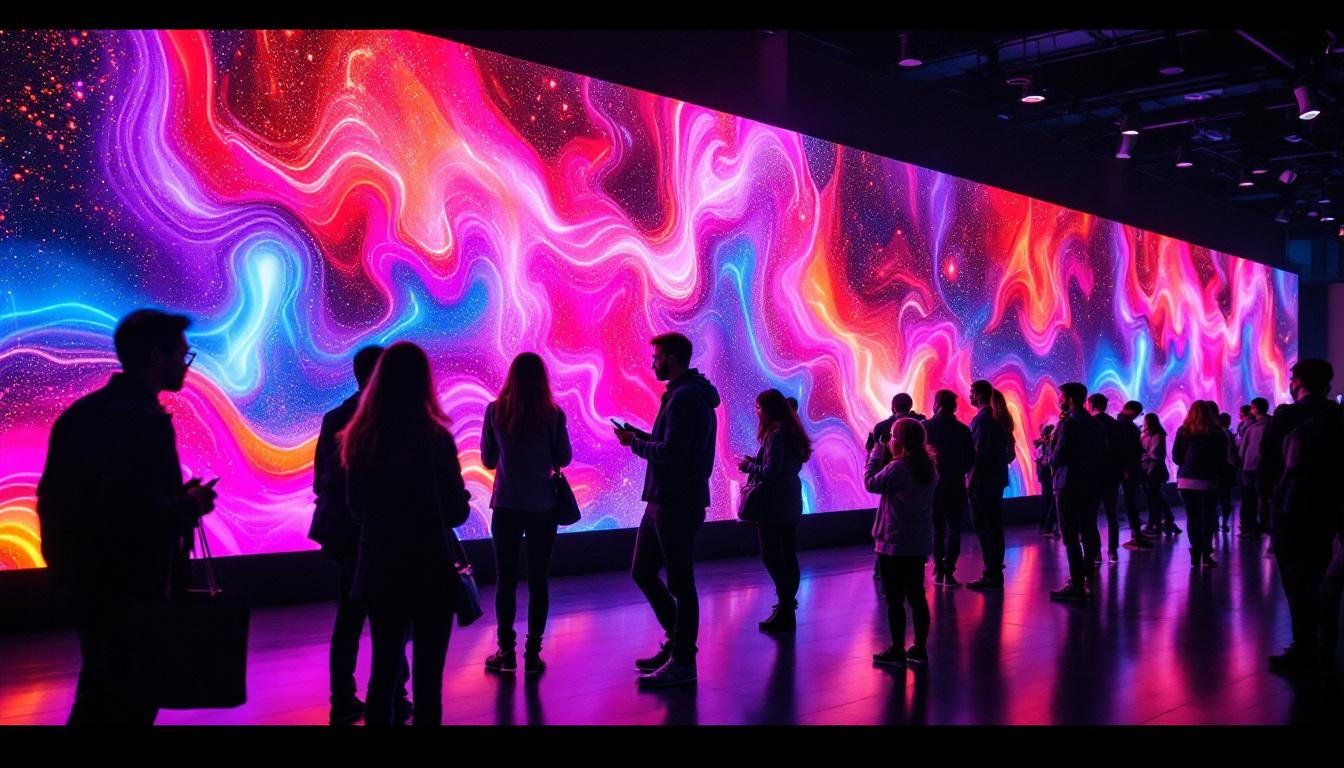
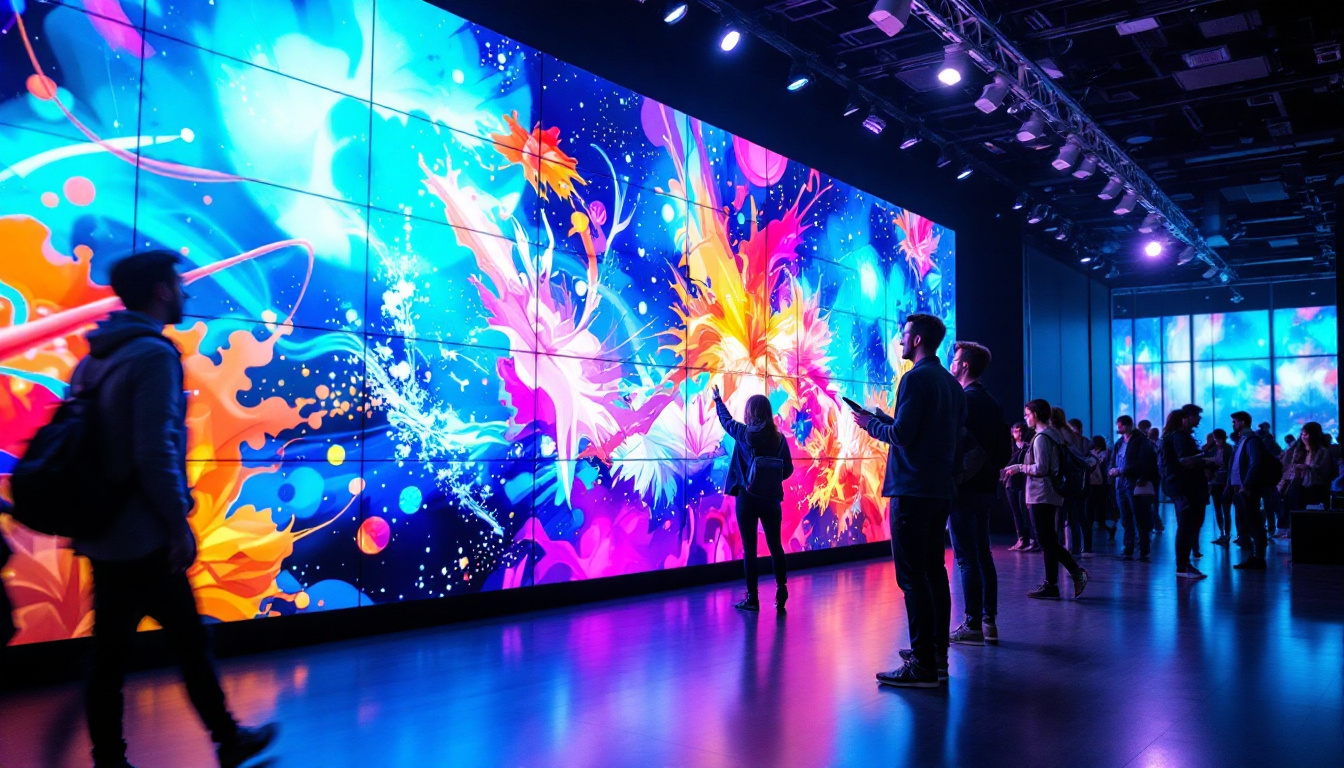
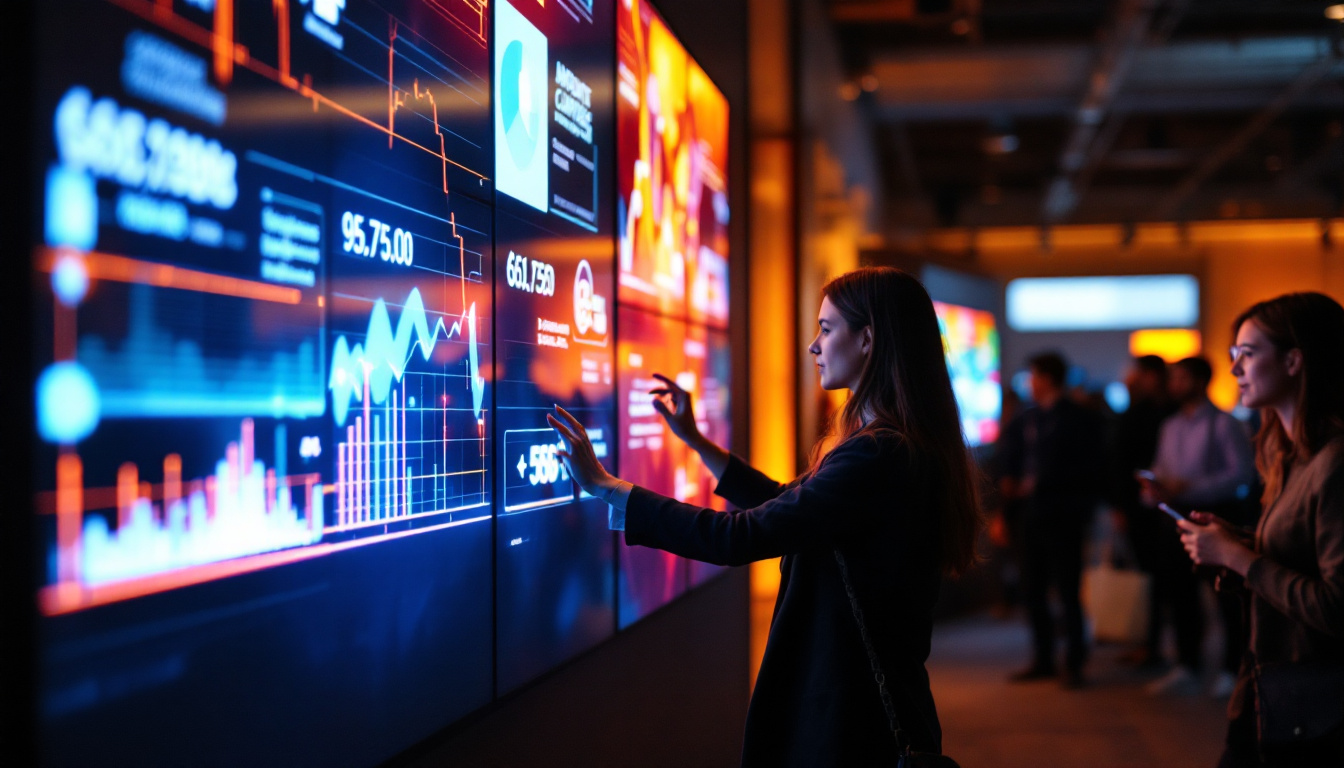
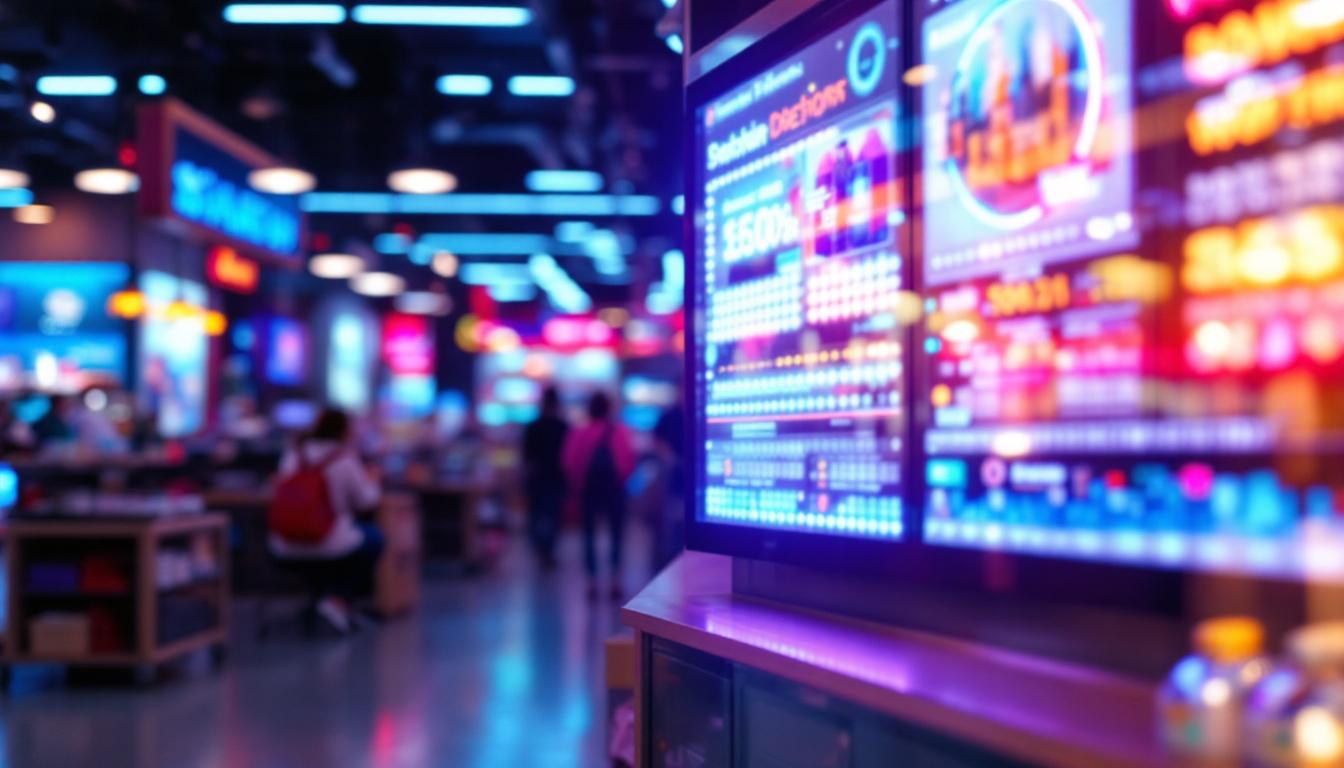
In retail environments, LED displays come in various forms, including digital signage, video walls, shelf-edge displays, and interactive kiosks. Their adaptability allows retailers to place them strategically—from storefront windows to checkout counters—to maximize engagement. This strategic placement not only captures the attention of passersby but also enhances the shopping experience by providing information and entertainment, thereby encouraging longer dwell times in stores.
How LED Displays Work
At the core of an LED display are numerous small light-emitting diodes arranged in a grid. Each diode can emit light in red, green, or blue, and by adjusting the intensity of these colors, the display can produce a full spectrum of colors. This capability enables the creation of sharp, vibrant images and videos that are visible even in bright ambient lighting conditions typical of retail spaces.
Modern LED displays are controlled by software that allows marketers to schedule content, run animations, and even integrate real-time data such as social media feeds or inventory updates. This dynamic content delivery makes LED displays a powerful tool for engaging customers with timely and relevant messaging. Furthermore, the ability to change content on-the-fly means that retailers can respond quickly to trends, promotions, or even customer feedback, ensuring that their messaging remains fresh and appealing.
Additionally, the energy efficiency of LED technology is a significant advantage for retailers looking to reduce operational costs and environmental impact. Compared to traditional lighting, LED displays consume considerably less power while providing superior brightness and longevity. This not only leads to lower electricity bills but also aligns with the growing consumer demand for sustainable practices in business. As a result, many retailers are not only investing in LED displays for their marketing potential but also as a step towards greener operations.
The Impact of LED Displays on Retail Marketing
Retail marketing is fundamentally about influencing consumer behavior, and LED displays have proven to be highly effective in this regard. Studies have shown that digital signage, including LED displays, can increase customer engagement by up to 400% compared to static signs. This boost in engagement often translates into higher foot traffic, longer dwell times, and increased sales.
Enhancing Brand Visibility and Recall
LED displays enable retailers to showcase their brand identity with eye-catching visuals and animations. The brightness and color accuracy of LEDs ensure that promotional messages stand out, even in crowded or visually noisy environments. This heightened visibility helps build brand recognition and recall, which are critical in competitive retail markets. Moreover, the dynamic nature of LED displays allows for the frequent updating of content, keeping the messaging fresh and relevant. Retailers can rotate promotions, seasonal themes, or even customer testimonials, ensuring that returning customers always find something new to engage with.
Driving Impulse Purchases
Impulse buying is a significant driver of retail revenue, accounting for an estimated 40% to 80% of all purchases, depending on the product category. LED displays can strategically highlight promotions, new arrivals, or complementary products, nudging customers toward unplanned purchases. For example, a well-placed LED display near the checkout counter showcasing limited-time offers can significantly increase add-on sales. Additionally, the use of countdown timers on these displays can create a sense of urgency, prompting customers to make quicker decisions. The psychological impact of seeing a ticking clock alongside a discount can be a powerful motivator, leading to increased conversion rates during peak shopping times.
Personalization and Targeted Marketing
One of the most exciting advantages of LED displays is their ability to deliver personalized content. Using data analytics and customer insights, retailers can tailor messages based on time of day, customer demographics, or even weather conditions. For instance, a clothing retailer might display raincoat promotions on a rainy day or highlight summer apparel during warmer months. This targeted approach enhances relevance and effectiveness, leading to better customer experiences and improved conversion rates. Furthermore, integrating social media feeds into LED displays allows retailers to showcase user-generated content, such as customer photos or reviews, fostering a sense of community and encouraging shoppers to engage with the brand both in-store and online. This dual-channel interaction not only enhances the shopping experience but also builds a loyal customer base that feels connected to the brand’s narrative.
Types of LED Displays Used in Retail
Retailers have a range of LED display options to choose from, each suited to different marketing objectives and store layouts. Understanding these types helps in selecting the right solution for specific needs.
Indoor LED Displays
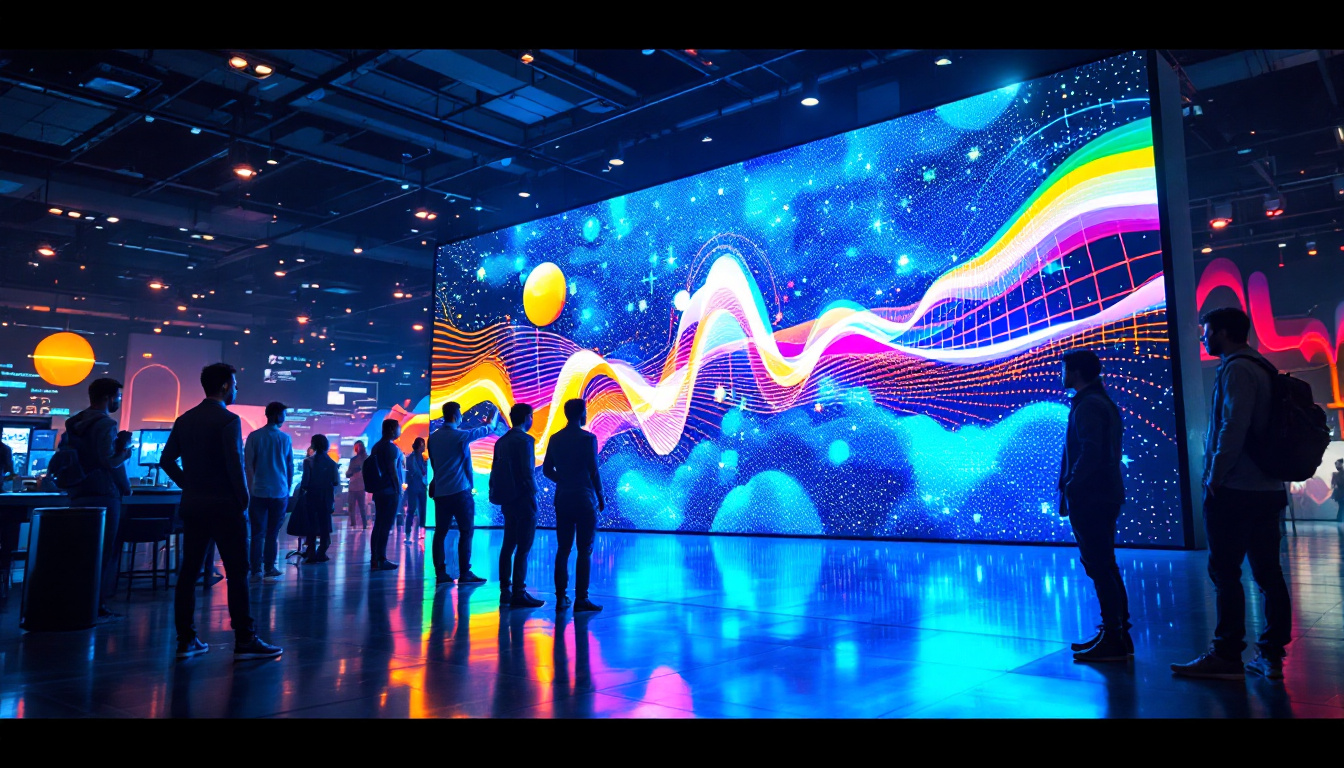
Indoor LED displays are designed for controlled lighting environments and are commonly used inside stores. They offer high resolution and brightness levels suitable for close viewing distances. Examples include digital shelf labels, promotional screens near product aisles, and large video walls in flagship stores. Their compact size and flexibility make them ideal for conveying detailed product information and engaging customers interactively.
Outdoor LED Displays
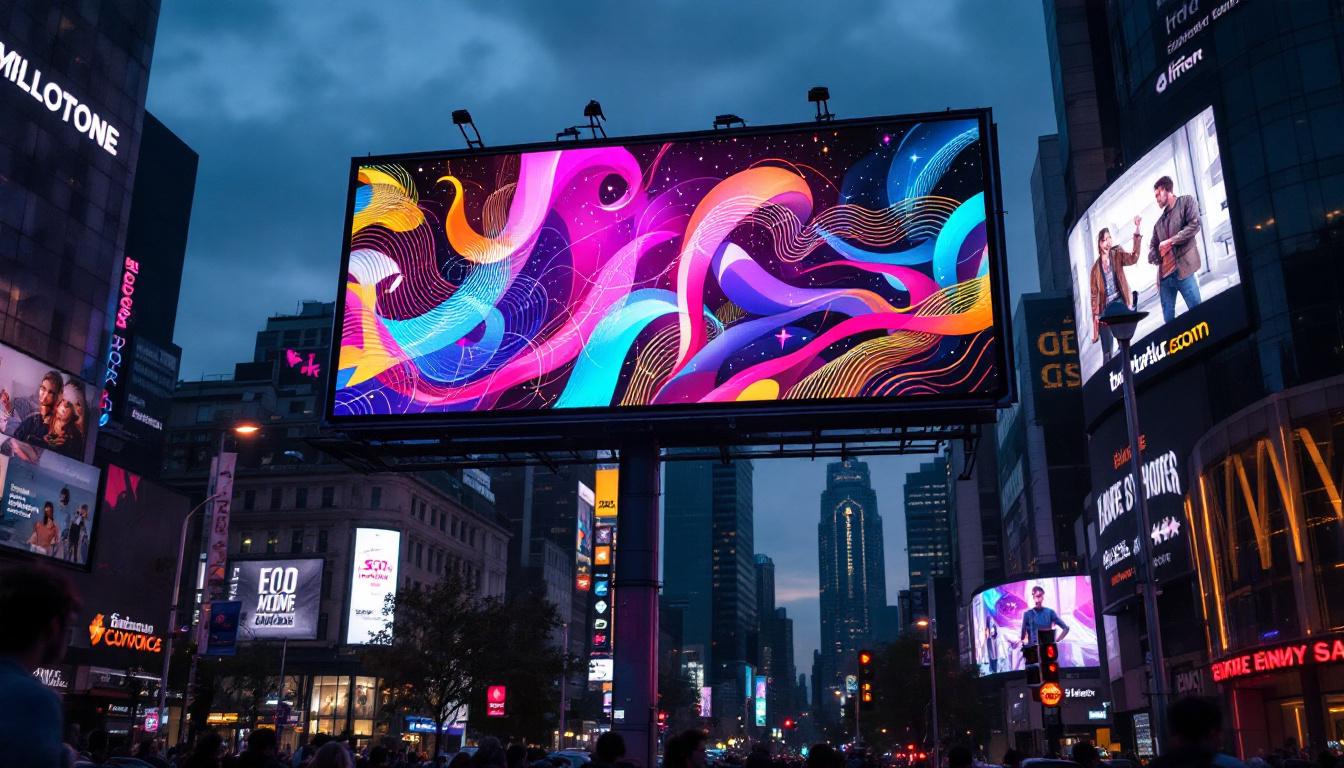
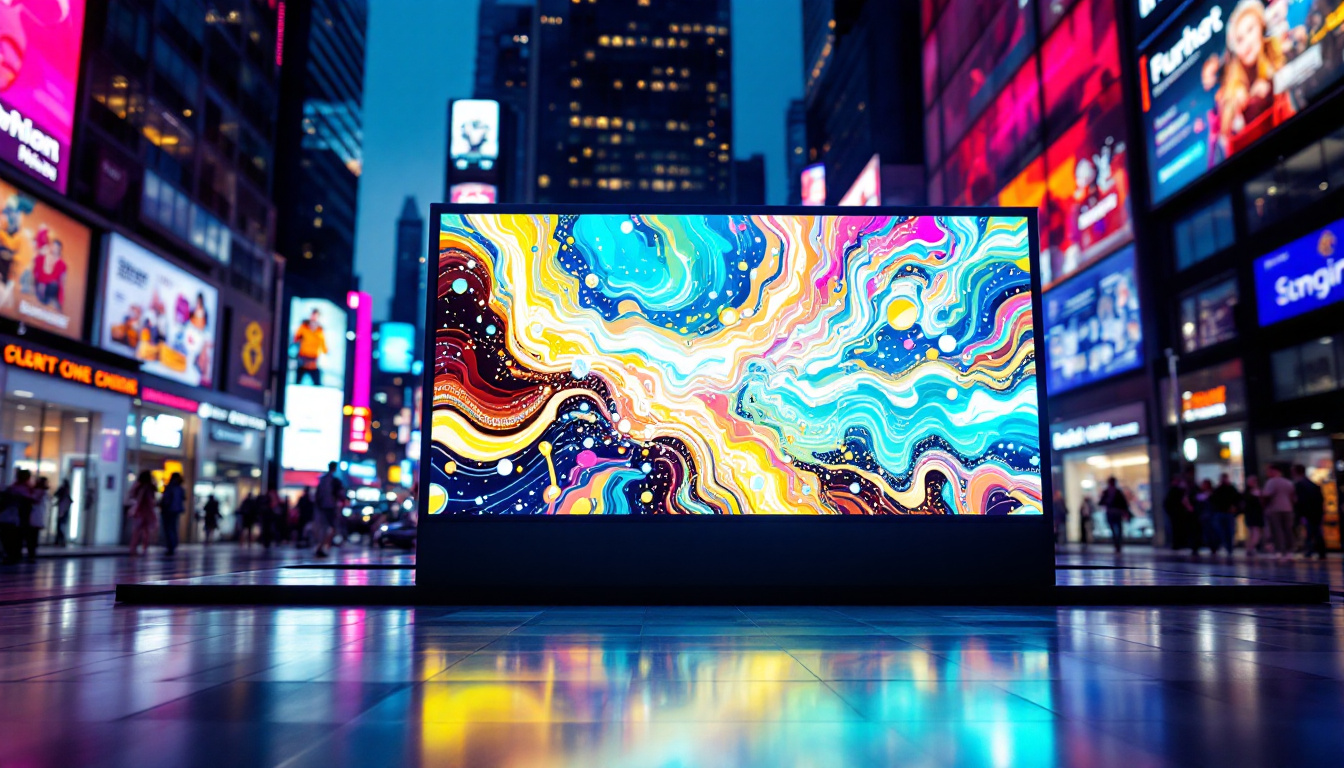
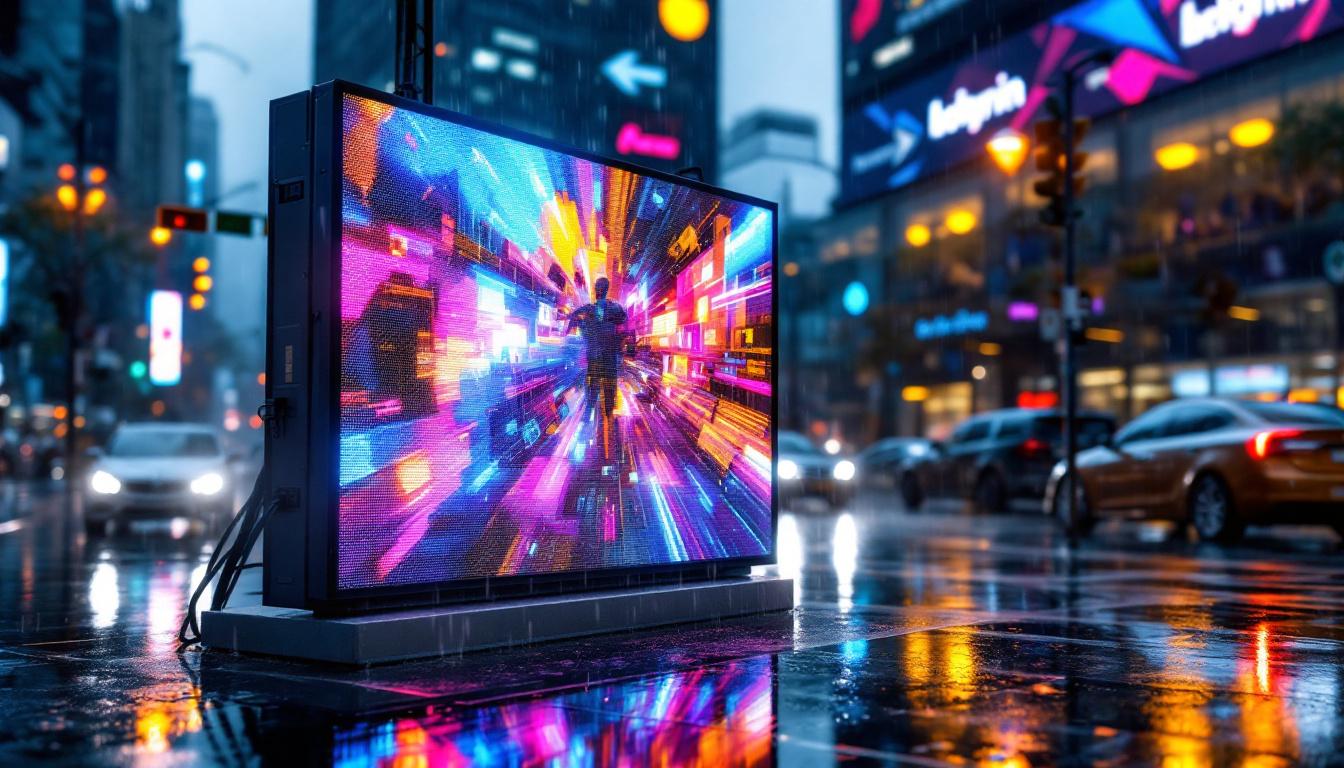
Outdoor LED displays must withstand environmental factors such as sunlight, rain, and temperature fluctuations. These displays are typically brighter and more rugged than indoor models. Retailers use outdoor LED signage for storefront advertising, window displays, and roadside promotions. Their high visibility attracts passersby and draws them into the store, making them a vital part of omnichannel marketing strategies.
Transparent and Flexible LED Displays
Innovations in LED technology have led to transparent and flexible displays that can be integrated into glass surfaces or curved structures. Transparent LED displays allow retailers to maintain natural light and visibility while adding dynamic digital content to windows or glass walls. Flexible LED panels enable creative installations on irregular surfaces, enhancing store aesthetics and creating memorable brand experiences.
Best Practices for Implementing LED Displays in Retail
While LED displays offer many advantages, their effectiveness depends on thoughtful implementation. Retailers should consider several factors to maximize the return on investment.
Content Strategy and Design
Compelling content is the heart of any LED display campaign. Retailers should focus on clear, concise messaging with high-quality visuals that align with brand identity. Using motion graphics and video can capture attention more effectively than static images. Additionally, content should be regularly updated to maintain freshness and relevance.
Segmenting content based on store zones or customer demographics can further enhance engagement. For example, a display near the electronics section might showcase the latest gadgets, while one in the apparel area highlights fashion trends.
Placement and Visibility
Strategic placement of LED displays is crucial. Displays should be positioned where they naturally catch the eye without obstructing customer flow. Eye-level installations tend to be most effective, but larger video walls can create immersive environments that draw shoppers deeper into the store. Outdoor displays should be placed to maximize visibility from high-traffic areas such as sidewalks and parking lots.
Integration with Other Marketing Channels
LED displays should complement broader marketing efforts. Integrating digital signage with social media campaigns, loyalty programs, and mobile marketing can create a cohesive customer journey. For instance, displaying user-generated content or live social media feeds on LED screens can enhance community engagement and encourage shoppers to share their experiences.
Measuring Effectiveness
To justify investment, retailers need to track the impact of LED displays on sales and customer behavior. Technologies such as eye-tracking, foot traffic analytics, and sales data correlation can provide insights into how displays influence purchasing decisions. Continuous monitoring allows for optimization of content and placement, ensuring ongoing effectiveness.
Challenges and Considerations
Despite their benefits, LED displays also present challenges that retailers must address.
Cost and Maintenance
High-quality LED displays require significant upfront investment and ongoing maintenance to ensure optimal performance. Retailers should budget for installation, software licensing, and potential repairs. However, the long-term benefits in increased sales and brand engagement often outweigh these costs.
Technical Complexity
Operating LED displays involves technical expertise, especially when managing dynamic content and integrating with other systems. Retailers may need to partner with specialized vendors or hire trained staff to manage these aspects effectively.
Content Overload
There is a risk of overwhelming customers with too much information or overly flashy content, which can lead to visual fatigue or annoyance. Striking a balance between attention-grabbing and subtlety is essential to maintain a positive shopping atmosphere.
The Future of LED Displays in Retail
As technology advances, LED displays are becoming smarter, more interactive, and more integrated with artificial intelligence (AI) and the Internet of Things (IoT). Future developments include facial recognition to tailor content in real time, gesture-based interactions, and seamless integration with mobile devices for personalized offers.
Moreover, sustainability is becoming a priority. New LED displays are designed to be energy-efficient and recyclable, aligning with retailers’ commitments to environmental responsibility.
With these innovations, LED displays will continue to evolve as a critical component of retail marketing, offering immersive and personalized experiences that drive customer loyalty and business growth.
Conclusion
LED displays have transformed retail marketing by providing dynamic, engaging, and customizable visual communication tools. Their ability to capture attention, enhance brand visibility, and influence purchasing behavior makes them indispensable in today’s competitive retail landscape. By understanding the technology, selecting the right types of displays, and implementing best practices, retailers can unlock significant value and create memorable shopping experiences. As LED technology continues to advance, it promises even greater opportunities for innovation and customer engagement in the retail sector.
Discover LumenMatrix LED Display Solutions
Ready to elevate your retail marketing with the power of LED displays? LumenMatrix is at the forefront of LED display innovation, offering a wide array of solutions tailored to your needs. From vibrant Indoor and Outdoor LED Wall Displays to dynamic Vehicle and Sports LED Displays, and even customizable options like Floor and Transparent LED Displays, we have the technology to bring your brand to life. Experience the future of visual communication and captivate your audience like never before. Check out LumenMatrix LED Display Solutions today and transform your retail space into an immersive and engaging shopping destination.