In the modern sports and entertainment industry, stadiums have evolved far beyond mere venues for hosting events. One of the most transformative innovations contributing to this evolution is the ribbon board LED display. These sleek, continuous LED screens wrap around stadiums, delivering dynamic content that enhances the fan experience, boosts advertising revenue, and provides critical information in real time. This article delves deep into the technology, applications, and benefits of ribbon board stadium LED displays, offering a comprehensive understanding of why they have become indispensable in contemporary stadium design.
What Is a Ribbon Board LED Display?
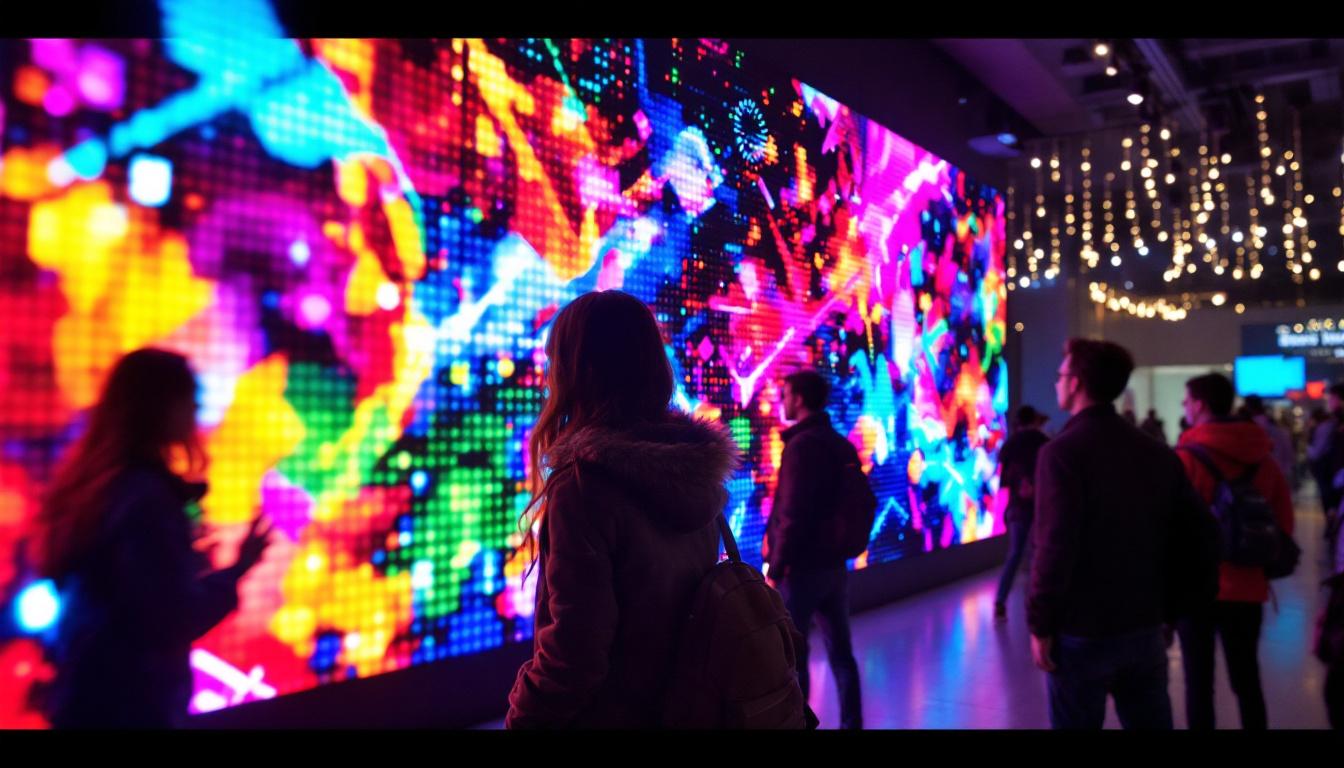
A ribbon board LED display is a long, narrow digital screen that typically encircles the interior of a stadium, often positioned above the lower seating tiers or along concourses. Unlike traditional static signage, ribbon boards utilize thousands of tiny light-emitting diodes (LEDs) to create vibrant, full-color visuals that can change instantly.
These displays are engineered to be highly visible from multiple vantage points within the stadium, providing a continuous stream of information, advertisements, and entertainment. Their slim profile allows them to integrate seamlessly into stadium architecture without obstructing sightlines or detracting from the overall aesthetic.
Technical Specifications and Design
Ribbon boards vary in length, resolution, and pixel pitch depending on the stadium’s size and design requirements. Pixel pitch—the distance between individual LED clusters—plays a crucial role in image clarity. For stadium ribbon boards, a pixel pitch between 10mm and 20mm is common, balancing cost and visibility at typical viewing distances.
Modern ribbon boards use high-brightness LEDs capable of delivering up to 5,000 nits or more, ensuring visibility even under direct sunlight. They also support high refresh rates (often 3,840 Hz or higher) to eliminate flicker, which is critical for live broadcast quality and audience comfort.
In addition to their technical prowess, ribbon boards can be programmed to display a variety of content, including live game statistics, player highlights, and promotional videos. This versatility makes them an essential tool for engaging fans and enhancing the overall game-day experience. Furthermore, many modern ribbon boards are equipped with advanced software that allows for real-time updates, enabling teams to provide timely information such as scoring changes or injury reports, which keeps the audience informed and engaged throughout the event.
Moreover, the integration of social media feeds into ribbon board displays has become increasingly popular, allowing fans to see their posts and reactions in real-time. This interactive feature not only enhances the communal atmosphere within the stadium but also encourages more fans to engage with the team online, creating a sense of community that extends beyond the physical confines of the venue. As technology continues to evolve, the potential for ribbon boards to incorporate augmented reality elements and interactive features promises to further transform the spectator experience.
The Evolution of Ribbon Boards in Stadiums
Ribbon boards have come a long way since their inception in the early 2000s. Initially, stadiums employed static or basic scrolling LED signs, which offered limited functionality and visual appeal. The introduction of full-color, high-resolution ribbon boards revolutionized stadium advertising and fan engagement.
One of the earliest high-profile installations was at the Dallas Cowboys’ AT&T Stadium, where a massive continuous LED ribbon board stretches around the seating bowl. This installation set a new standard for immersive fan experiences and demonstrated the commercial potential of these displays.
Integration with Other Stadium Technologies
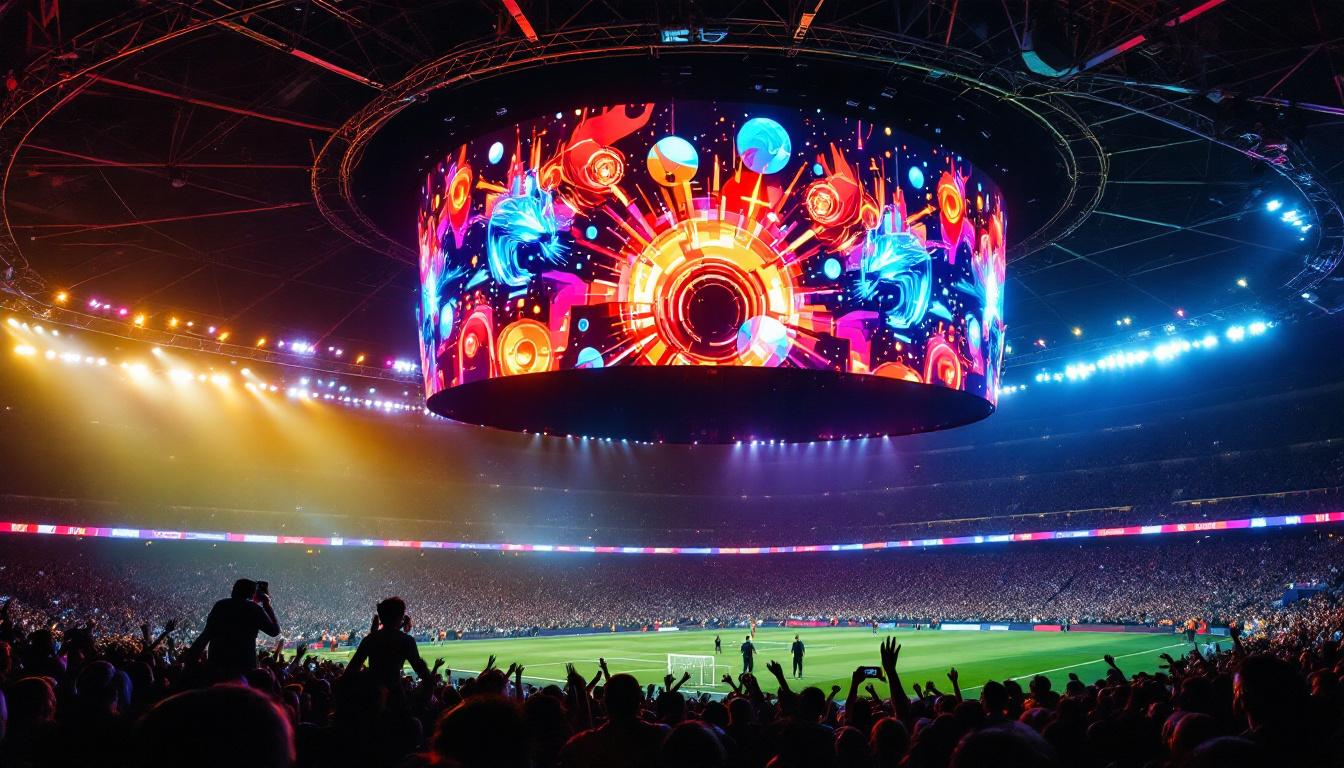
Ribbon boards today are often integrated with other digital systems, such as large center-hung video boards, mobile apps, and stadium-wide Wi-Fi networks. This integration allows for synchronized content delivery, enabling stadium operators to create cohesive narratives during games or events.
For example, during a halftime show or timeout, ribbon boards might display real-time statistics, social media feeds, or interactive fan polls, complementing the main video board content. This multi-layered approach keeps fans engaged and informed throughout the event.
Applications and Benefits of Ribbon Board Displays
Ribbon board LED displays serve multiple purposes within a stadium environment, ranging from advertising and sponsorship to enhancing the overall fan experience. Their versatility makes them a valuable asset for stadium operators, advertisers, and fans alike.
Advertising and Revenue Generation
One of the primary benefits of ribbon boards is their ability to generate significant advertising revenue. Unlike traditional static ads, ribbon boards can rotate multiple advertisers’ messages throughout an event, maximizing the use of available space.
According to industry reports, digital advertising in sports venues has grown by over 20% annually in recent years, with ribbon boards playing a pivotal role. Brands appreciate the dynamic nature of these displays, which allow for targeted messaging, real-time promotions, and even interactive campaigns.
Enhancing Fan Engagement and Experience
Ribbon boards contribute to a more immersive and entertaining fan experience. They can display live game statistics, player profiles, instant replays, and crowd prompts that encourage participation, such as “Make Some Noise!” or “Wave Your Hands!”
Furthermore, these displays can be customized for different types of events, from concerts to esports tournaments, ensuring that the content remains relevant and engaging regardless of the event type.
Operational and Safety Communications
Beyond entertainment and advertising, ribbon boards are crucial for operational communications. They can broadcast emergency alerts, evacuation instructions, or weather updates swiftly and clearly to large crowds.
Stadiums equipped with ribbon boards have enhanced their ability to manage crowd safety and logistics, ensuring that critical messages reach attendees promptly and effectively.
Challenges and Considerations in Ribbon Board Implementation
While ribbon board LED displays offer numerous advantages, their implementation is not without challenges. Stadium operators and designers must carefully consider several factors to ensure successful deployment and operation.
Installation and Structural Integration
Installing a ribbon board requires meticulous planning to integrate the display within the stadium’s existing architecture. Structural support must be sufficient to hold the weight of the LED panels, and electrical infrastructure needs to accommodate the power demands.
Additionally, maintenance access must be factored into the design to allow for repairs or upgrades without disrupting stadium operations.
Cost and Return on Investment
The initial investment for a high-quality ribbon board can be substantial, often running into millions of dollars for large venues. However, the potential revenue from advertising and enhanced fan engagement can offset these costs over time.
Stadiums must conduct thorough cost-benefit analyses and consider long-term operational expenses, including power consumption and maintenance, to ensure a positive return on investment.
Content Management and Technical Expertise
Managing content on ribbon boards requires specialized software and skilled personnel. Content must be carefully curated to maximize impact, comply with advertising standards, and avoid visual clutter.
Many stadiums employ dedicated digital signage teams or outsource to professional content management firms to maintain high-quality, engaging displays.
Future Trends in Ribbon Board Stadium Displays
As LED technology continues to advance, ribbon board displays are poised to become even more sophisticated, interactive, and integral to the stadium experience.
Higher Resolution and Flexible Displays
Emerging LED technologies are enabling higher resolution displays with finer pixel pitches, allowing for crisper images and even video playback on ribbon boards. Flexible LED panels are also becoming more common, enabling creative curved or irregular shapes that conform to unique architectural features.
Integration with Augmented Reality (AR) and Mobile Platforms
Future ribbon boards may integrate with AR applications, allowing fans to interact with content via smartphones or AR glasses. This could open new avenues for immersive advertising and personalized fan experiences.
Mobile integration also facilitates real-time content customization based on crowd demographics or event type, enhancing relevance and engagement.
Energy Efficiency and Sustainability
With growing emphasis on sustainability, manufacturers are developing more energy-efficient LED modules and smarter control systems to reduce power consumption. Stadiums adopting these technologies can lower operational costs and reduce their environmental footprint.
Case Studies: Iconic Ribbon Board Installations
Examining real-world examples highlights the impact of ribbon board LED displays on stadium experiences and operations.
AT&T Stadium, Dallas Cowboys
AT&T Stadium features one of the most extensive ribbon board installations globally, with over 1,200 feet of LED ribbon encircling the seating bowl. This installation complements the stadium’s massive center-hung video board, creating a visually immersive environment.
The ribbon board is used for advertising, live game stats, and fan engagement prompts, contributing to the venue’s reputation as a cutting-edge sports facility.
Levi’s Stadium, San Francisco 49ers
Levi’s Stadium integrates ribbon boards with its advanced digital infrastructure, including mobile app connectivity and social media integration. The ribbon boards display dynamic content tailored to different events, from NFL games to concerts.
The stadium’s focus on fan experience and technology innovation has made it a model for other venues considering ribbon board installations.
Madison Square Garden, New York
While primarily an indoor arena, Madison Square Garden utilizes ribbon boards to enhance the atmosphere during basketball and hockey games. The displays provide seamless transitions between advertisements, game information, and entertainment content, keeping fans engaged throughout events.
Conclusion: The Indispensable Role of Ribbon Board LED Displays in Modern Stadiums
Ribbon board LED displays have transformed the way stadiums communicate with fans, advertisers, and staff. Their ability to deliver vibrant, dynamic content in real time enhances the overall event experience while providing significant commercial benefits.
As technology advances, ribbon boards will become even more integral to stadium design, offering higher resolution, interactivity, and sustainability. For stadium operators, investing in ribbon board displays is not just about aesthetics—it’s a strategic move to stay competitive, engage audiences, and maximize revenue in an increasingly digital world.
Discover the Future of Stadium Experiences with LumenMatrix
Ready to elevate your venue’s fan experience and advertising potential? Explore LumenMatrix’s innovative LED display solutions, designed to captivate and engage audiences like never before. From the immersive Indoor LED Wall Display to the dynamic LED Sports Display, LumenMatrix offers a comprehensive range of products that redefine visual communication. Embrace the future of digital signage with LumenMatrix and transform your stadium into a cutting-edge entertainment hub. Check out LumenMatrix LED Display Solutions today and bring your venue to life.