In the rapidly evolving world of digital signage and visual communication, LED displays have emerged as a dominant technology. Among the many innovative forms of LED technology, rotating LED displays stand out for their unique ability to capture attention and convey messages in dynamic and engaging ways. This article delves into the fundamentals of rotating LED displays, exploring their technology, applications, benefits, and considerations for use.
Understanding Rotating LED Displays
What Is a Rotating LED Display?
A rotating LED display is a type of digital signage that uses LEDs mounted on a rotating structure to create the illusion of a three-dimensional image or message. Unlike traditional flat LED screens, these displays spin at high speeds, with LEDs lighting up at precise intervals to form images that appear to float in mid-air. This phenomenon is often referred to as Persistence of Vision (POV), a principle that tricks the human eye into perceiving continuous images from rapidly moving light sources.
Typically, the rotating element is a fan-like arm or a circular frame equipped with rows of LEDs. As the display spins, the LEDs are programmed to light up in synchronization with the rotation speed, producing vivid and dynamic visuals that can be viewed from multiple angles. This technology has gained popularity for its eye-catching effects and ability to present information in a novel format. From advertising campaigns to artistic installations, rotating LED displays have found applications in various fields, captivating audiences with their innovative approach to visual communication.
Moreover, the versatility of rotating LED displays allows them to be customized for different environments and purposes. For instance, they can be designed in various shapes and sizes, from small handheld devices to large-scale installations in public spaces. This adaptability not only enhances their aesthetic appeal but also ensures that they can effectively convey messages in diverse settings, whether it be at a trade show, a concert, or even in retail spaces. The ability to create stunning visual effects that change as viewers move around the display adds an interactive element that further engages audiences.
How Does the Technology Work?
At the core of rotating LED displays is the synchronization between the rotation speed and the LED lighting pattern. A microcontroller or embedded system controls the timing of each LED’s illumination, ensuring that as the display rotates, the LEDs light up at the exact position needed to form the intended image or text.
The system often incorporates sensors such as Hall effect sensors or optical encoders to monitor the rotational position in real-time. This feedback allows the controller to adjust the LED activation precisely, maintaining image stability despite variations in rotation speed. The result is a seamless, flicker-free display that can show complex graphics, animations, and even videos. The precision of this technology is crucial, as even slight misalignments can disrupt the visual experience, making the engineering behind these displays both fascinating and challenging.
Power is typically delivered to the rotating LEDs through slip rings or wireless power transfer methods, enabling continuous rotation without tangled wires. Data transmission to the LEDs can be wired through slip rings or handled wirelessly via Bluetooth or RF modules, depending on the design. This wireless capability not only simplifies the setup process but also enhances the safety and reliability of the display, allowing for more creative installations without the constraints of physical connections. As technology advances, we can expect to see even more innovative solutions that improve the functionality and versatility of rotating LED displays, paving the way for their expanded use in various industries.
Applications of Rotating LED Displays
Advertising and Marketing
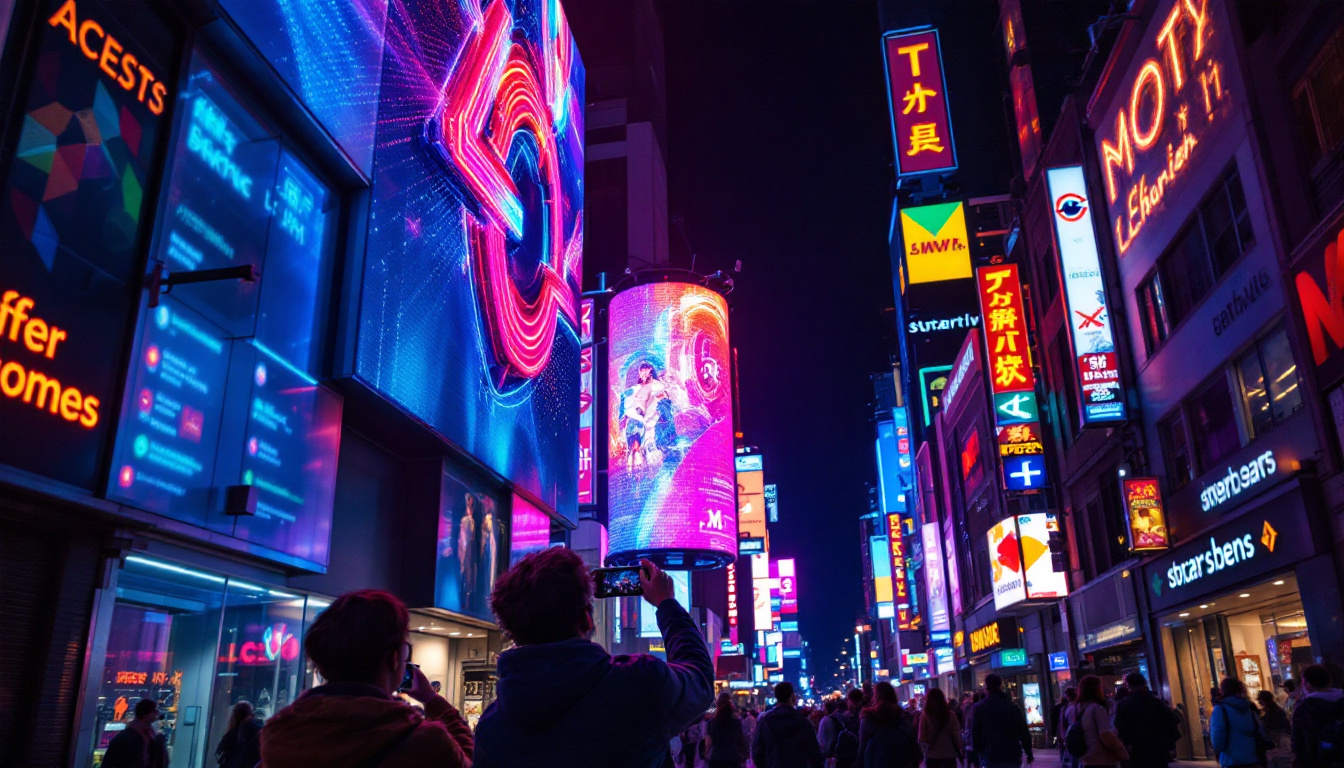
Rotating LED displays have found a strong foothold in advertising due to their ability to attract attention in crowded environments. Their 3D-like visuals and motion create a memorable experience for viewers, making them ideal for retail stores, trade shows, shopping malls, and outdoor billboards.
Brands use these displays to showcase logos, promotional messages, and product animations that stand out from traditional static signs. For example, a rotating LED fan display in a storefront window can draw in passersby with dynamic visuals that change throughout the day, increasing foot traffic and engagement.
Event and Entertainment Venues
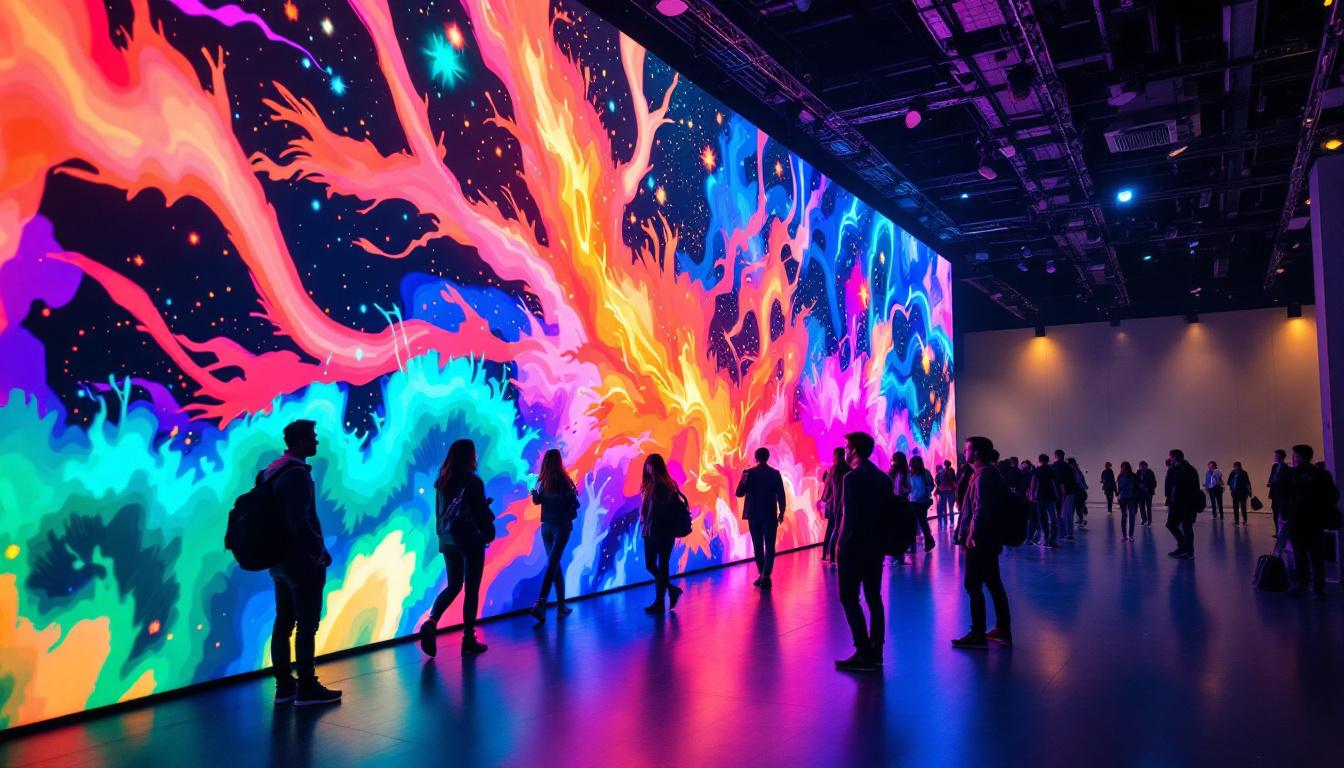
Concerts, festivals, and exhibitions increasingly incorporate rotating LED displays to enhance the visual experience. These displays can be suspended or mounted on stages, providing captivating light shows that synchronize with music or performances.
In theme parks and museums, rotating LED displays serve as interactive exhibits or informational kiosks, combining education with entertainment. Their ability to display 3D-like images makes them particularly suited for immersive storytelling and branding.
Industrial and Informational Uses
Beyond marketing and entertainment, rotating LED displays are used in industrial settings for status indicators, safety warnings, and real-time data visualization. Their visibility from multiple angles ensures that critical information is accessible to workers regardless of their position relative to the display.
Transportation hubs such as airports and train stations also benefit from rotating LED displays for dynamic signage that can be viewed from various vantage points, improving passenger information dissemination.
Advantages of Rotating LED Displays
High Visibility and Engagement
One of the most significant advantages of rotating LED displays is their ability to capture attention. The combination of motion and bright, colorful LEDs creates a visually striking effect that is difficult to ignore. This high visibility translates into better message retention and increased brand awareness for advertisers.
Studies in visual marketing suggest that dynamic signage can improve recall rates by up to 47% compared to static signs. Rotating LED displays leverage this effect by adding a three-dimensional element, making them even more effective in crowded or competitive environments.
Energy Efficiency and Longevity
LED technology is renowned for its energy efficiency compared to traditional lighting solutions. Rotating LED displays consume relatively low power while delivering bright and vibrant visuals. Additionally, LEDs have a long operational lifespan, often exceeding 50,000 hours, reducing maintenance costs and downtime.
When combined with efficient motor systems for rotation, these displays offer a sustainable signage solution that balances performance with operational costs.
Versatility and Customization
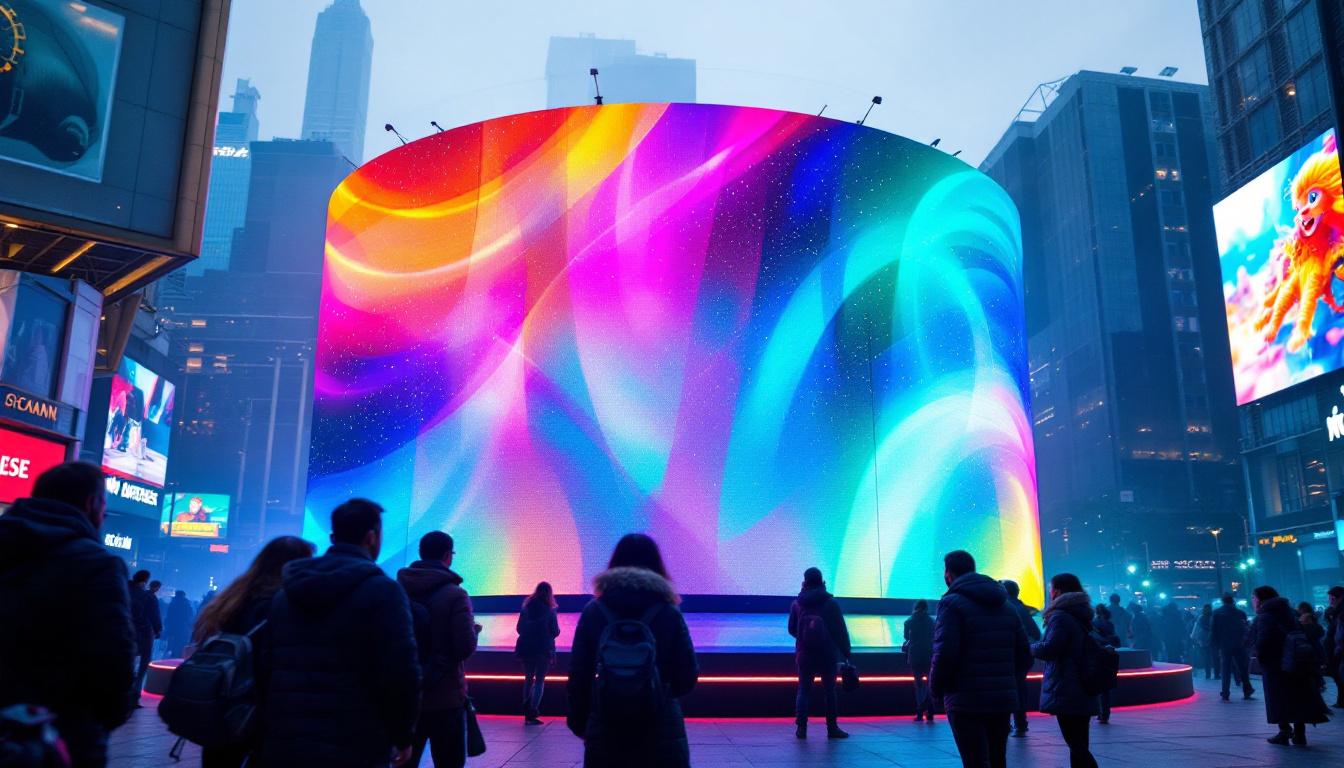
Rotating LED displays are highly customizable in terms of size, shape, and content. They can be designed as small handheld devices, large outdoor installations, or integrated into architectural elements. Content can be updated remotely and programmed to display static images, animations, or real-time data feeds.
This versatility makes them suitable for a wide range of industries and applications, from retail and entertainment to industrial monitoring and public information systems.
Considerations When Choosing a Rotating LED Display
Viewing Environment and Placement
Understanding the environment where the rotating LED display will be installed is crucial. Factors such as ambient lighting, viewing distance, and audience movement patterns influence the display’s effectiveness. For instance, outdoor installations require weatherproofing and higher brightness levels to combat sunlight, while indoor displays can focus more on resolution and color accuracy.
Placement also affects the rotational speed and size of the display. Larger displays may need slower rotation to maintain image clarity, while smaller units can spin faster for smoother visuals. Ensuring that the display is visible from key vantage points maximizes its impact.
Content Design and Programming
Effective use of rotating LED displays depends heavily on content design. Since the display uses POV to create images, content must be carefully programmed to align with the rotation timing. Designers often use specialized software to map visuals onto the rotating structure, ensuring correct proportions and synchronization.
Content should be simple enough to be recognizable in the unique display format, avoiding overly complex graphics that may lose clarity. Animation and color transitions can enhance engagement but require precise timing to avoid flicker or distortion.
Technical Maintenance and Support
Rotating LED displays involve mechanical and electronic components that require regular maintenance. Bearings, motors, slip rings, and LEDs must be inspected and serviced to prevent failures. Choosing a display with reliable components and access to technical support is essential for minimizing downtime.
Additionally, software updates and content management systems should be user-friendly to allow easy content changes and troubleshooting.
Future Trends in Rotating LED Display Technology
Integration with IoT and Smart Systems
The future of rotating LED displays is closely tied to the growth of the Internet of Things (IoT). Smart displays connected to cloud platforms can receive real-time data, enabling dynamic content updates based on environmental conditions, audience demographics, or marketing campaigns.
For example, a rotating LED display in a retail environment could adjust its messaging based on foot traffic patterns or weather forecasts, optimizing engagement and relevance.
Advancements in Wireless Power and Data Transmission
Emerging technologies in wireless power transfer and data communication promise to simplify the design of rotating LED displays. Eliminating slip rings and wired connections reduces mechanical wear and improves reliability.
Innovations such as resonant inductive coupling and high-speed wireless protocols will enable longer-lasting, maintenance-free displays with more complex content capabilities.
Enhanced 3D and Augmented Reality Effects
As display technology advances, rotating LED displays are expected to incorporate more sophisticated 3D effects and integration with augmented reality (AR). Combining physical rotating LEDs with AR overlays could create immersive visual experiences that blend digital and real-world elements.
This synergy opens new possibilities for advertising, entertainment, and interactive installations, pushing the boundaries of how audiences engage with digital signage.
Conclusion
Rotating LED displays represent a fascinating intersection of mechanical engineering and digital technology, offering a unique and compelling way to present visual information. Their ability to create vivid, three-dimensional images that can be viewed from multiple angles makes them highly effective for advertising, entertainment, and informational purposes.
Understanding the technology behind rotating LED displays, their applications, and the factors to consider when selecting and deploying them is essential for businesses and organizations looking to leverage this innovative medium. With ongoing advancements in IoT integration, wireless power, and augmented reality, rotating LED displays are poised to become even more versatile and impactful in the years ahead.
Discover the Future of Visual Engagement with LumenMatrix
Ready to elevate your visual communication strategy with cutting-edge LED technology? LumenMatrix is at the forefront of creating immersive and dynamic visual experiences that captivate and engage. From versatile Indoor and Outdoor LED Wall Displays to innovative solutions like Vehicle LED Displays, LED Posters, and Transparent LED Displays, our range is designed to meet your unique needs. Embrace the revolution in digital signage with LumenMatrix and transform how you connect with your audience. Check out LumenMatrix LED Display Solutions today and step into the future of advertising and engagement.